Over the past three decades, Ajegunle-Ikorodu in Agboyi-Ketu Local Council Development Area (LCDA) has experienced rapid land use and land cover changes, transforming from a predominantly green landscape into a densely built-up community. This transformation has intensified climate-related hazards, particularly flooding, while also increasing residents’ exposure to heat waves and food-borne diseases.
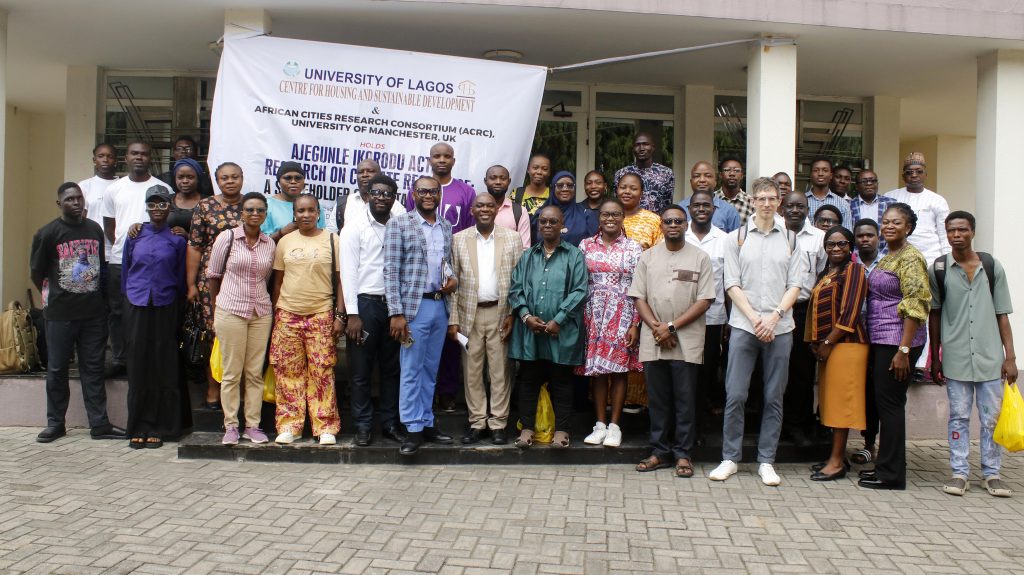
On Tuesday, March 3, 2026, the Centre for Housing and Sustainable Development (CHSD), an ARUA Centre of Excellence in Urbanization and Habitable Cities at the University of Lagos (UNILAG) hosted a stakeholder consultation forum in collaboration with the African Cities Research Consortium (ACRC), University of Manchester. The forum took place at the Arthur Mbanefo Digital Research Centre, UNILAG.
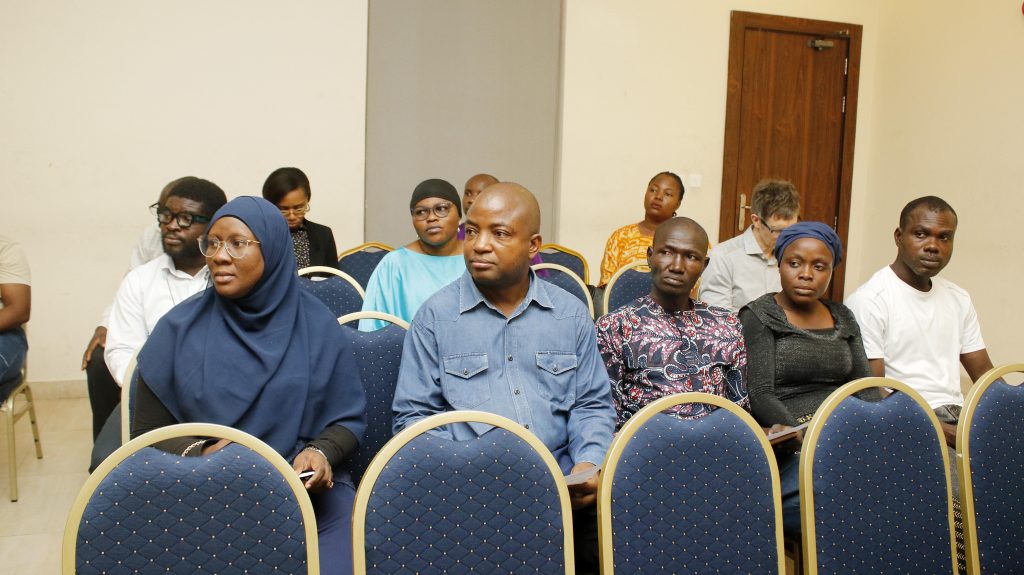
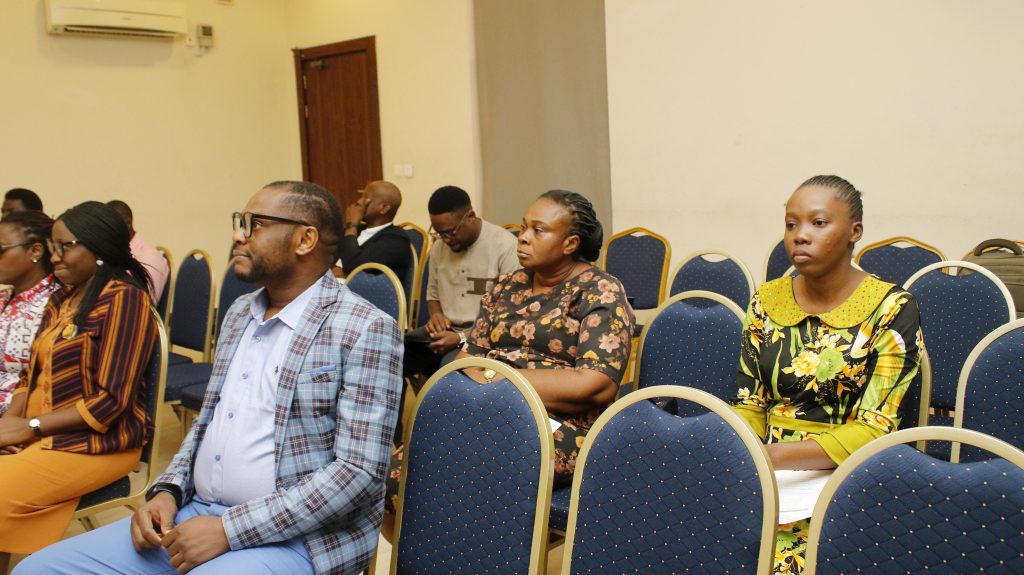
The session focused on findings from the ongoing project: Ajegunle-Ikorodu Action Research for Climate Resilience, and provided a platform for stakeholders to contribute insights toward strengthening the final Climate Hazard and Vulnerability Assessment Report.
Presenting the report, Co-Director of CHSD, Professor Peter Elias, alongside Head of the Department of Geography, Professor Olusegun Adeaga, highlighted significant environmental changes recorded between 1999 and 2022.
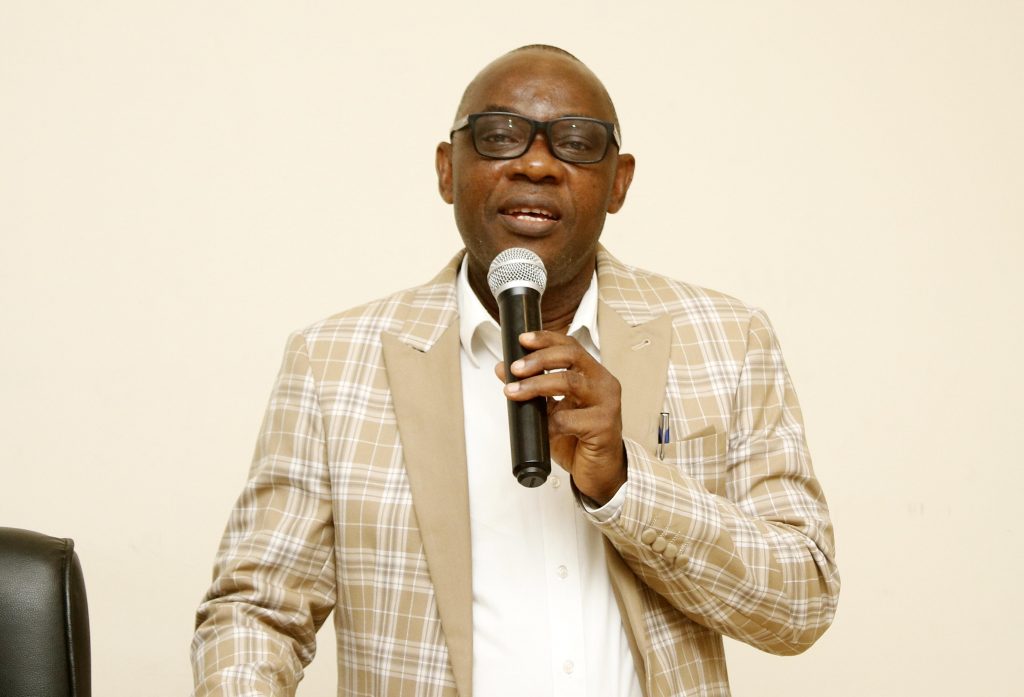
According to the researchers, vegetation and water bodies in the community have steadily declined, while built-up areas have expanded by more than 500 percent. They also noted that the community’s relatively low elevation makes it particularly vulnerable to prolonged flooding, which can last between two and three months. Existing drainage infrastructure, originally designed to manage short-term flood events, is increasingly inadequate for current conditions.
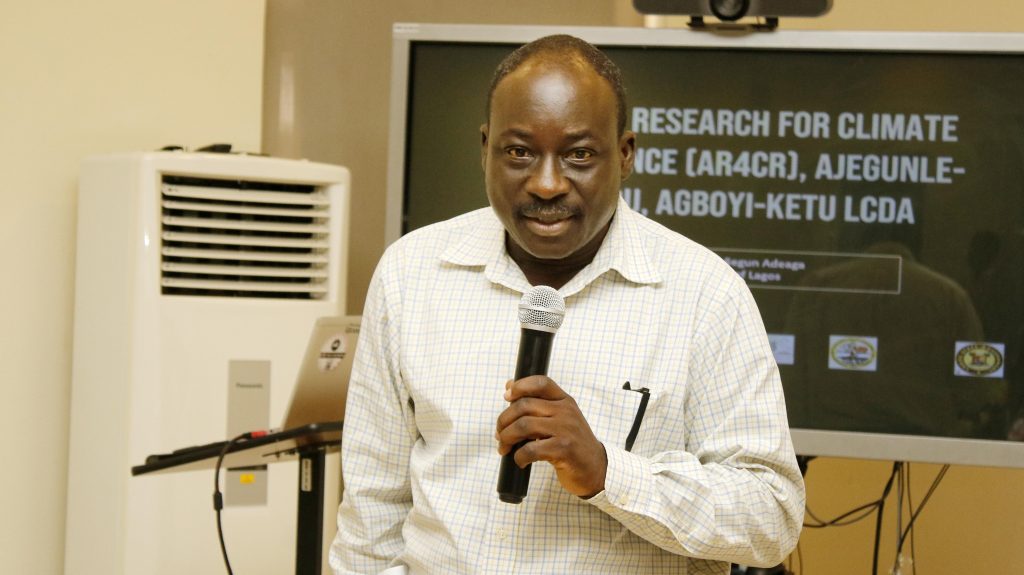
The researchers further observed that residents have adopted several adaptive responses, including the construction of improvised flood platforms, canal channeling, and the development of grassroots climate action plans. However, they emphasised the need for more durable and sustainable solutions such as major infrastructure upgrades, ecosystem restoration, and community-driven monitoring mechanisms.
Among the key recommendations were expanding drainage capacity, restoring mangroves and wetlands to strengthen natural flood defenses, and establishing a community-owned flood observatory equipped with real-time hazard tracking and reporting systems.
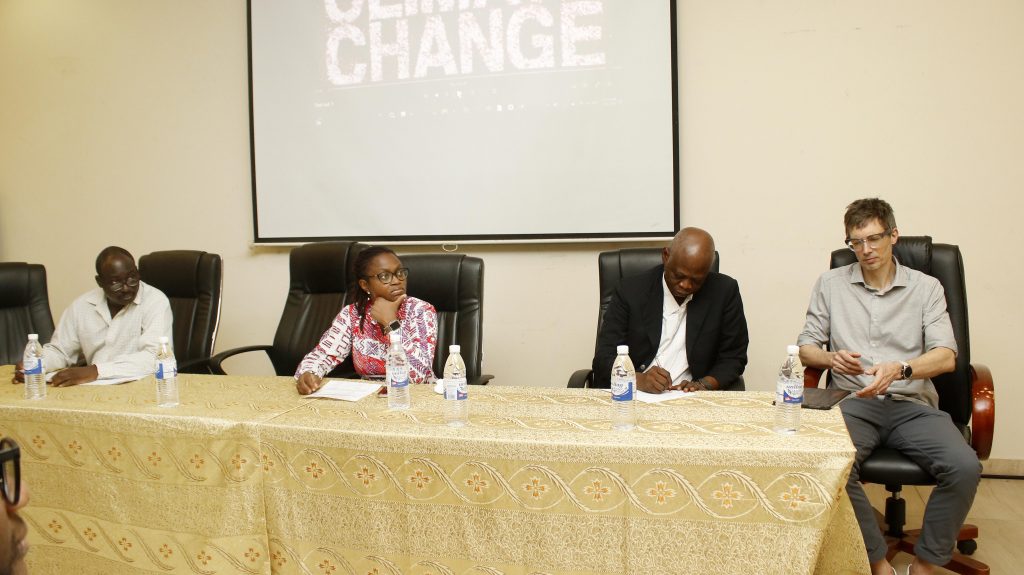
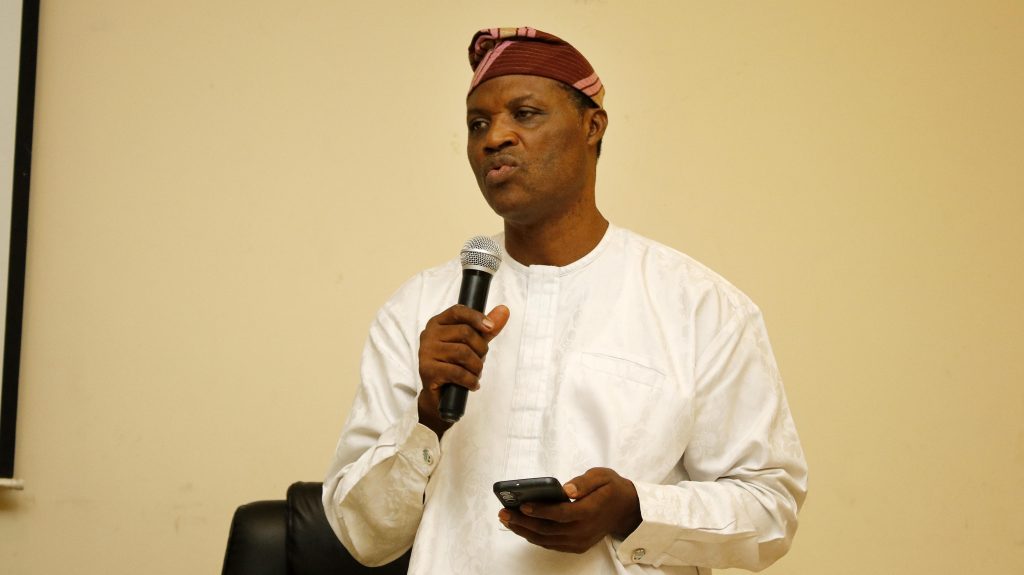
The forum also featured a panel discussion with Founder and Chief Executive Officer of the International Climate Change Development Initiative, Mr. Olumide Idowu, and Dr. John Adesina of the Department of Architecture, University of Lagos, as panelists. The session was moderated by Town Planner Bunmi Alugbin.
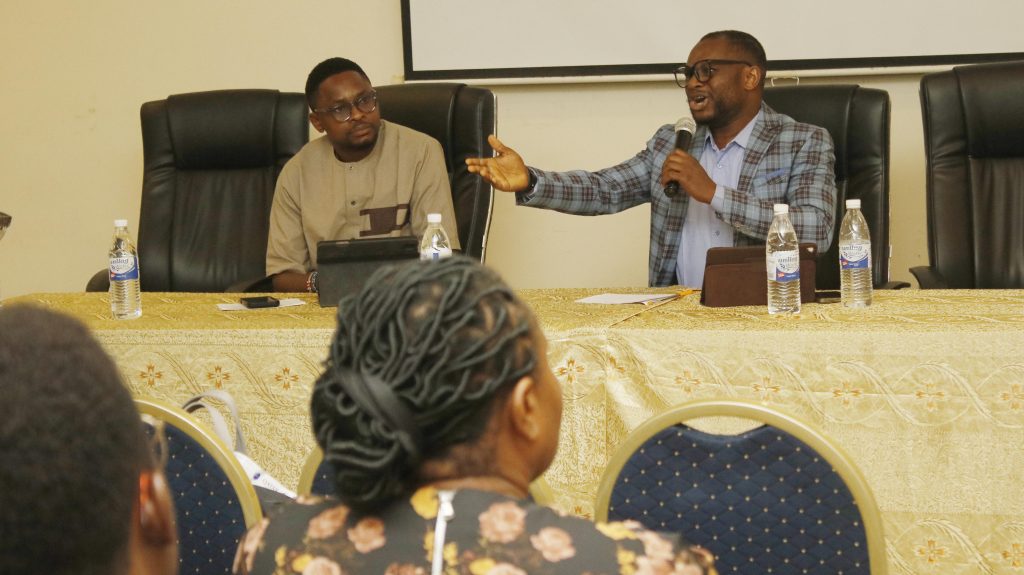
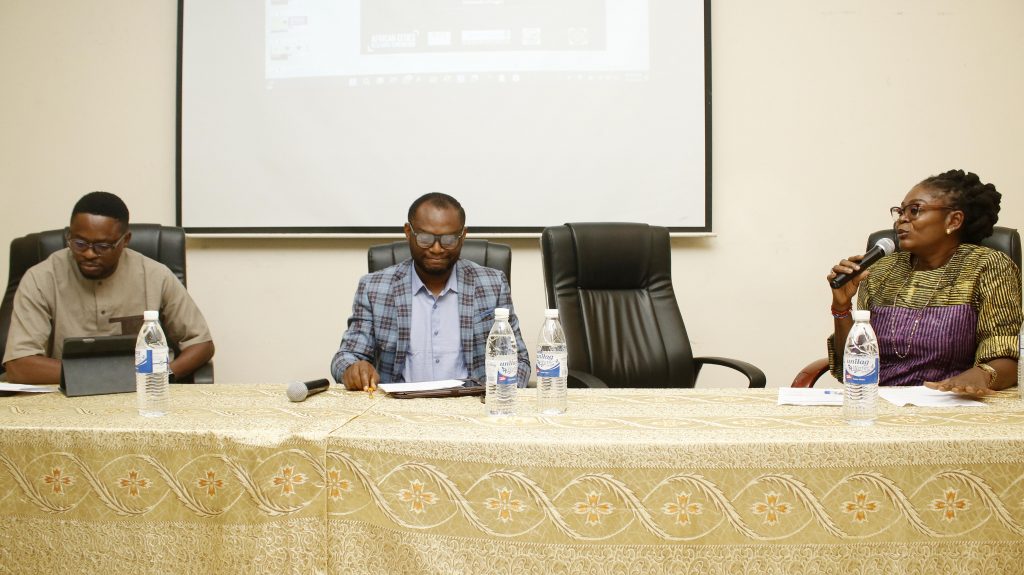
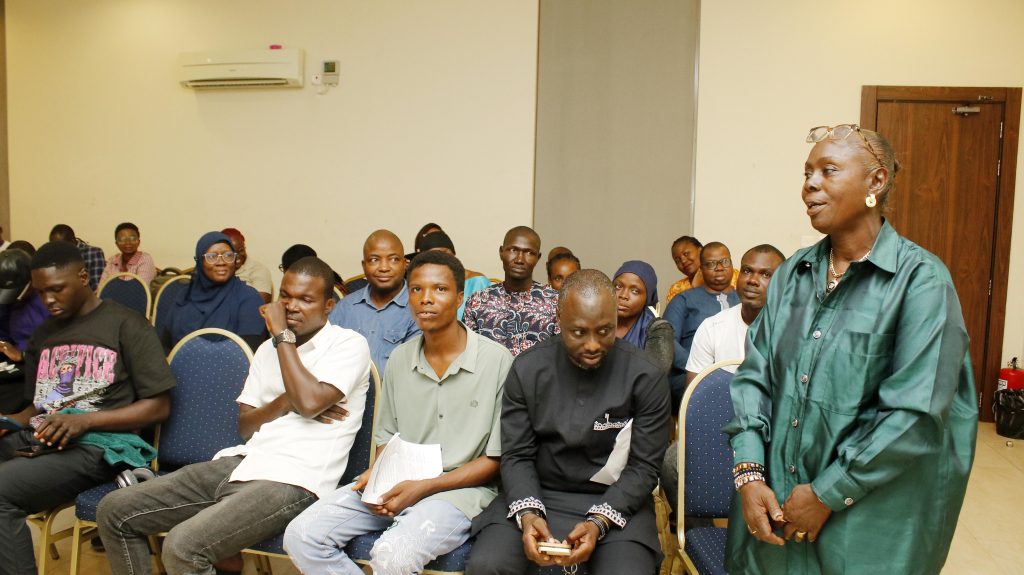
During the discussion, panelists underscored the importance of multi-sectoral collaboration, community-led solutions, and ecosystem-based adaptation strategies. They called for stricter regulation of construction in flood-prone areas, the integration of social and environmental impact assessments into urban planning processes, and stronger engagement by non-governmental organisations in policy advocacy.
The forum also featured remarks from former Dean of the School of Postgraduate Studies and current member of the UNILAG Governing Council, Professor Alabi Soneye. Additional insights were provided by City Manager of the African Cities Research Consortium, Dr. Temilade Sesan, and ACRC Politics Research Director, Dr. Tim Kelsall, who highlighted the role of the consortium in supporting urban research and policy engagement.
Contributions were also made by Dr. Mayowa Fasona of the Department of Geography, UNILAG, and the Founding Director of CHSD, Professor Timothy Nubi.
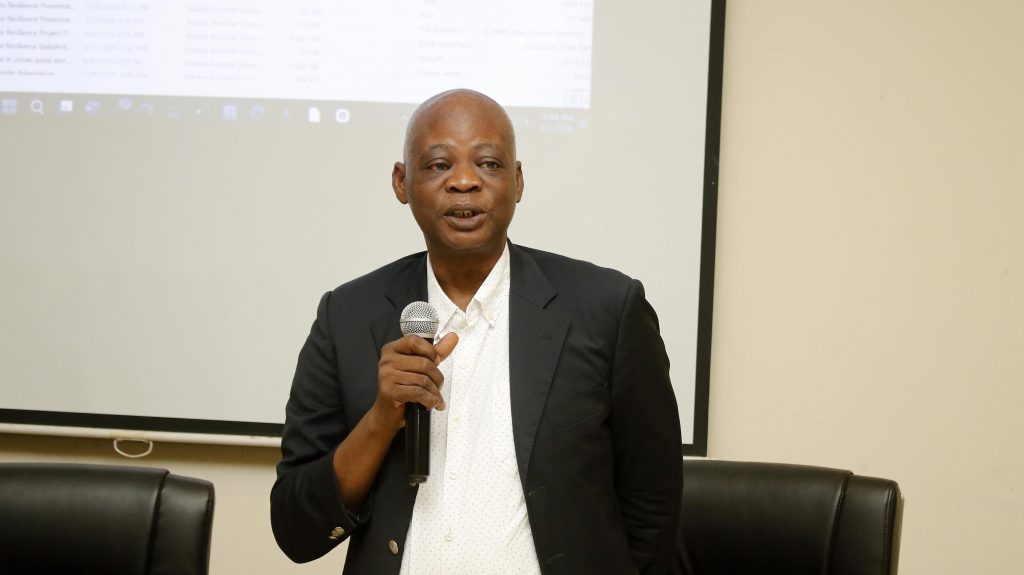
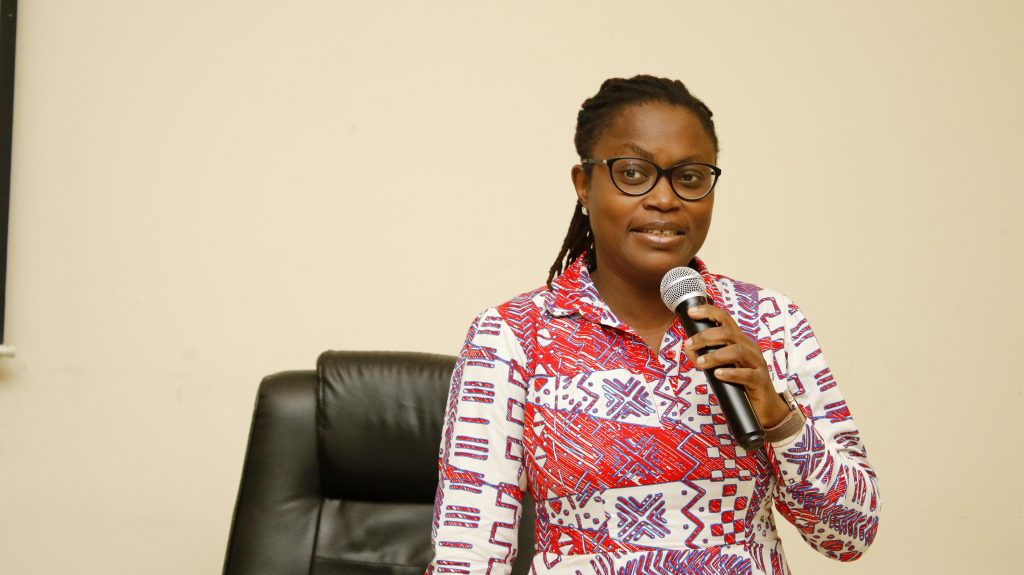
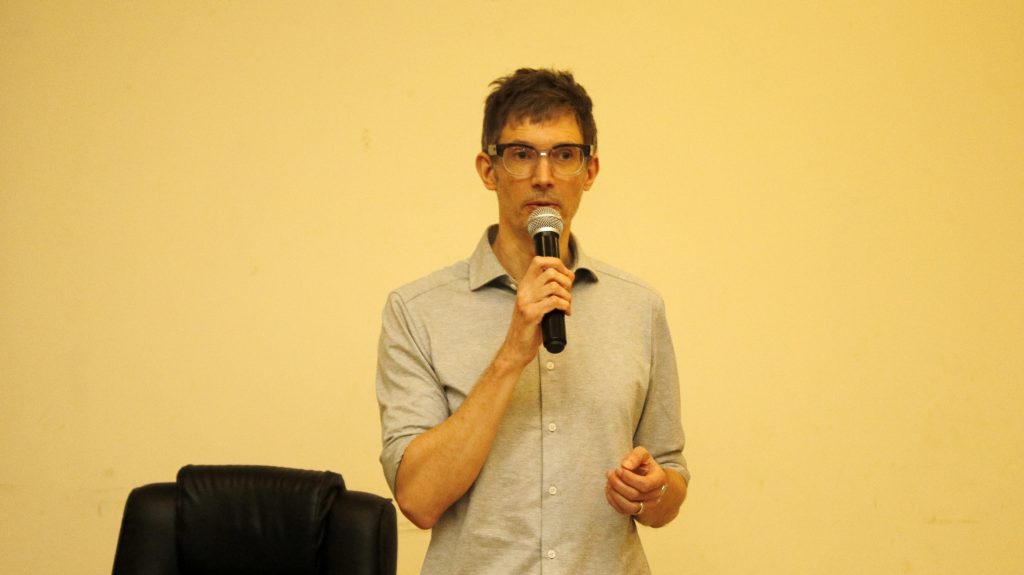
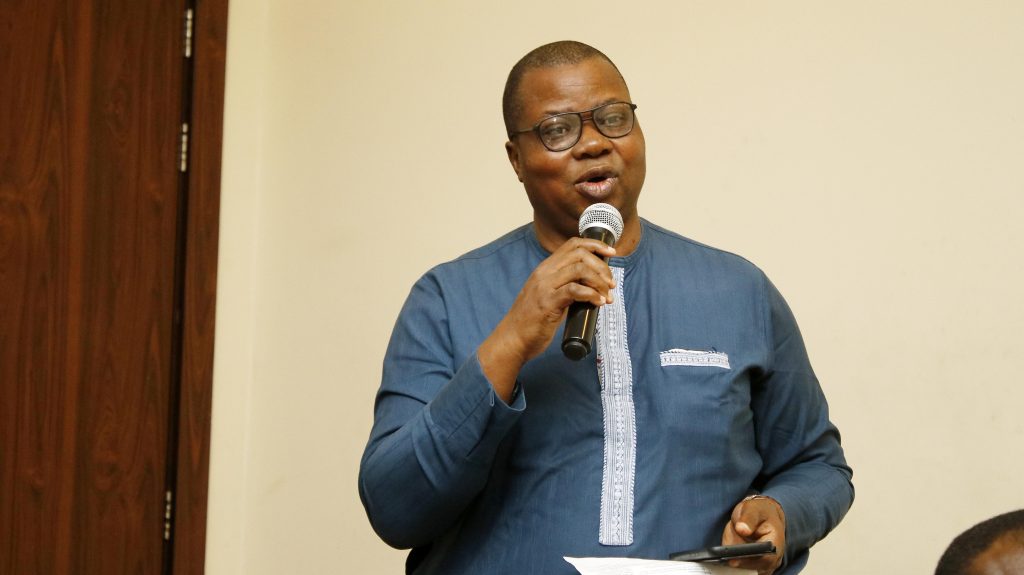
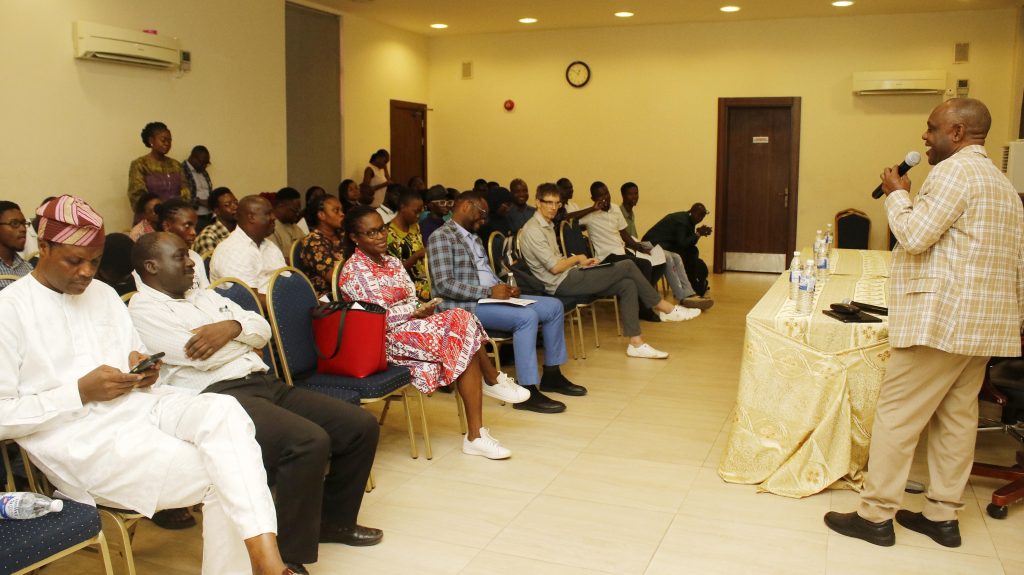
Collectively, discussions at the forum highlighted how rapid urbanization has gradually eroded the natural resilience of Ajegunle-Ikorodu, leaving the community at a critical juncture. Participants agreed that sustainable urban planning, ecosystem restoration, improved infrastructure, and participatory monitoring systems are essential pathways toward building a safer and more climate-resilient future.
Author: Ndidi J. Odinikaeze
Editor: Adejoke Alaga-Ibraheem
Photographer: Islamiat Akanni