
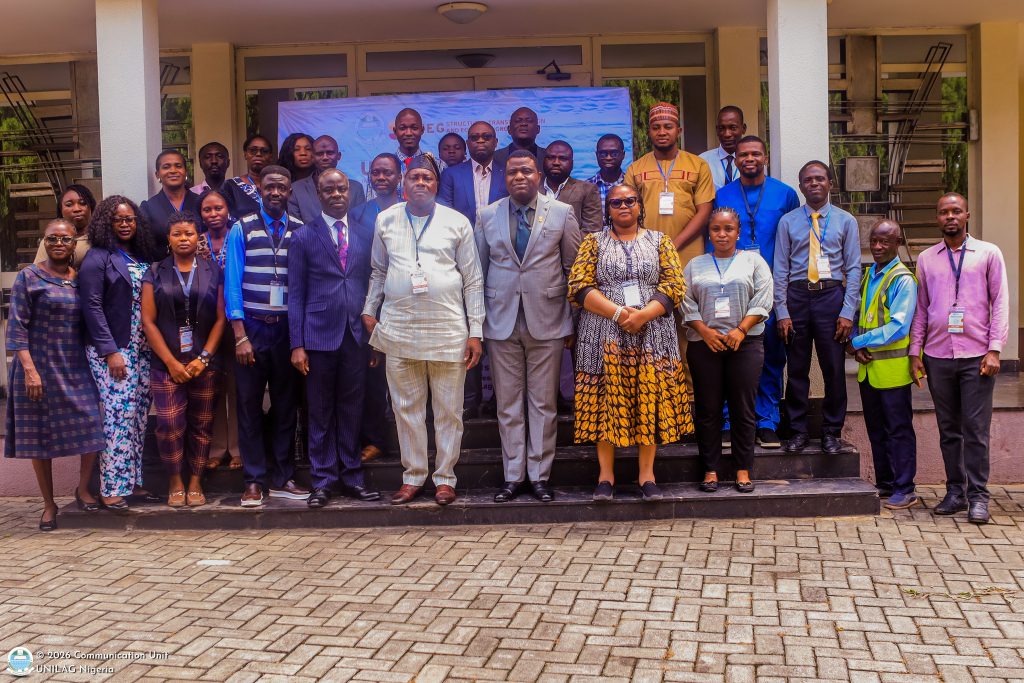
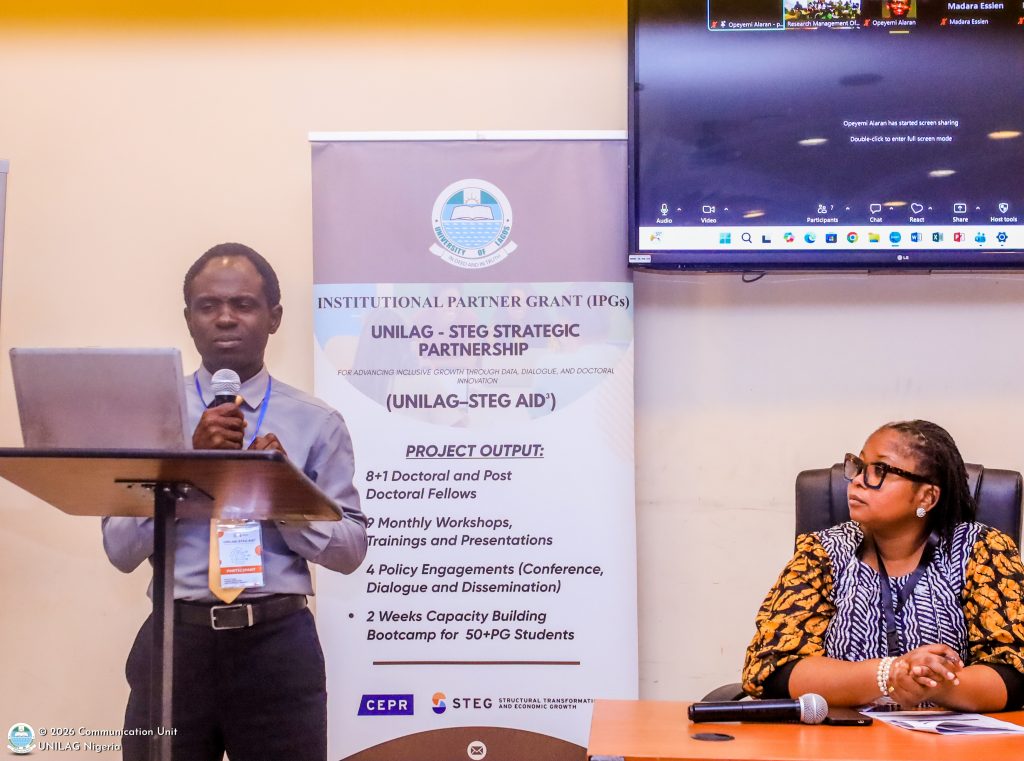
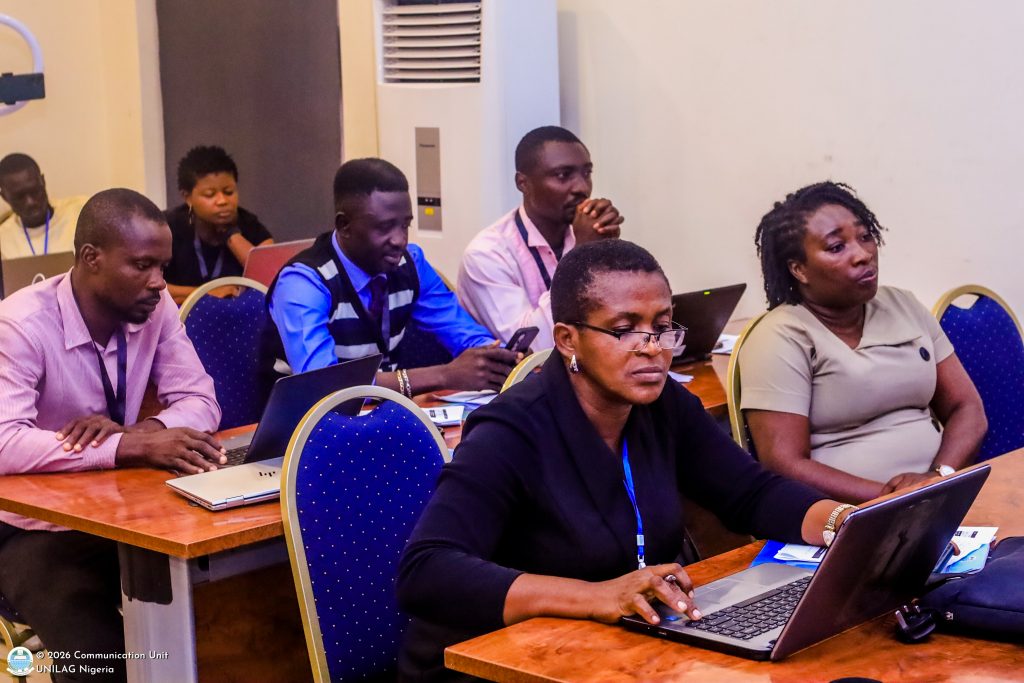
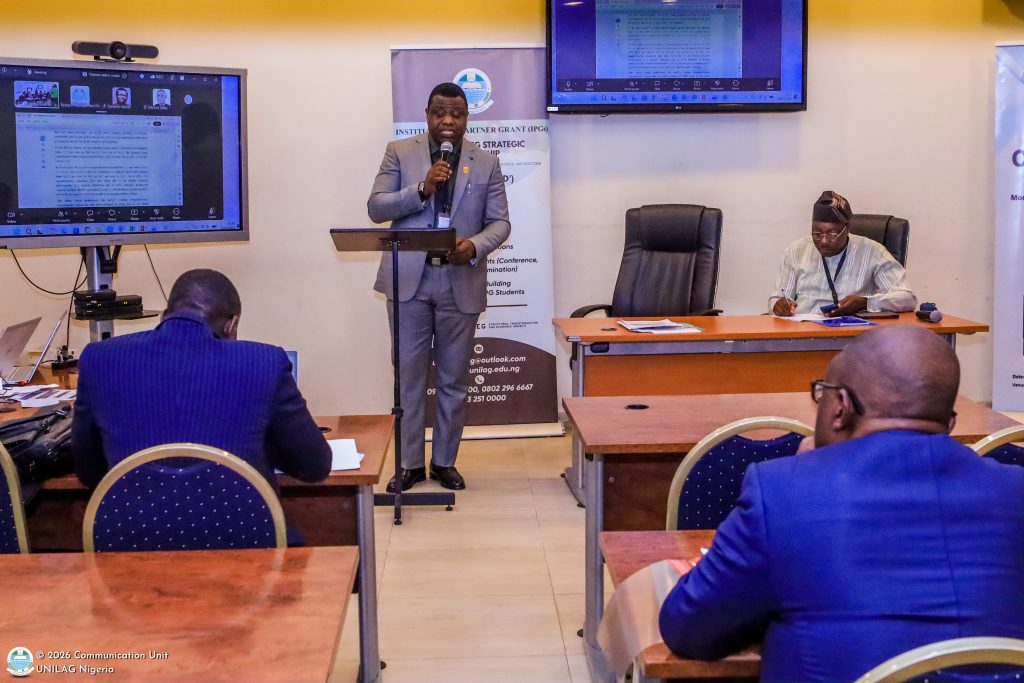
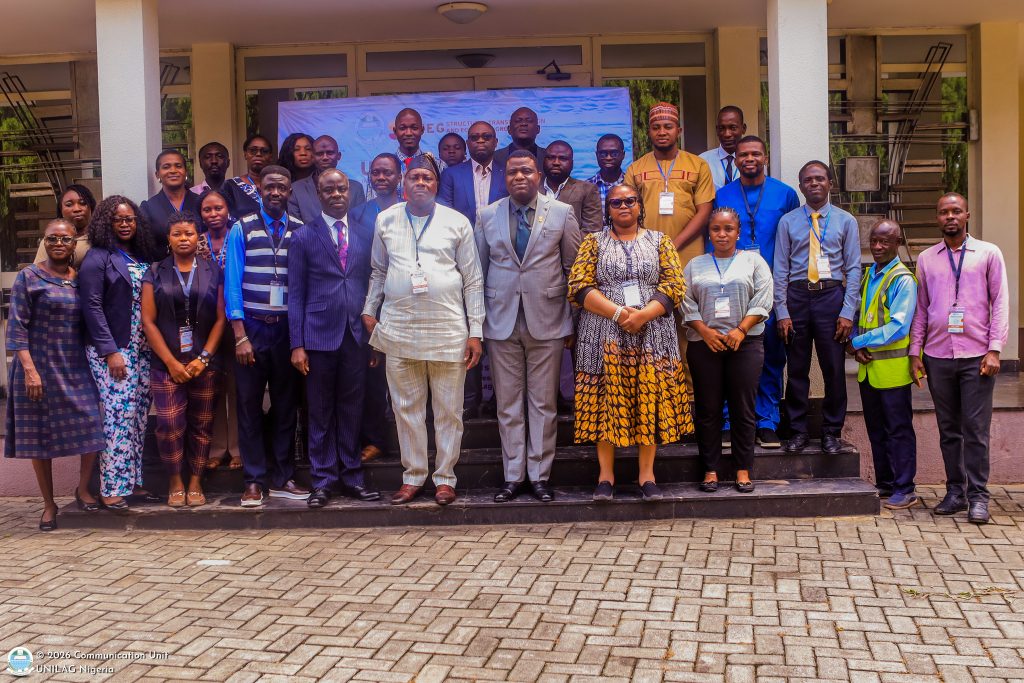
The University of Lagos (UNILAG) hosted the UNILAG Structural Transformation and Economic Growth (UNILAG-STEG AID3) Mini-Conference from Wednesday, May 20 to Thursday, May 21, 2026, bringing together researchers, policymakers, and industry experts to examine Africa’s economic future amid rapid technological disruption and manufacturing challenges.
Held at the Arthur Mbanefo Digital Resource Centre (AMDRC), the conference focused on the urgent need for manufacturing-led structural transformation as a pathway to sustainable and inclusive economic growth across the continent.
Designed as a compact and research-intensive forum, the mini-conference had the theme: Modeling Structural Transformative Inclusive Growth in Africa. It provided doctoral and postdoctoral fellows with opportunities to present their findings and receive rigorous academic and policy-focused feedback.
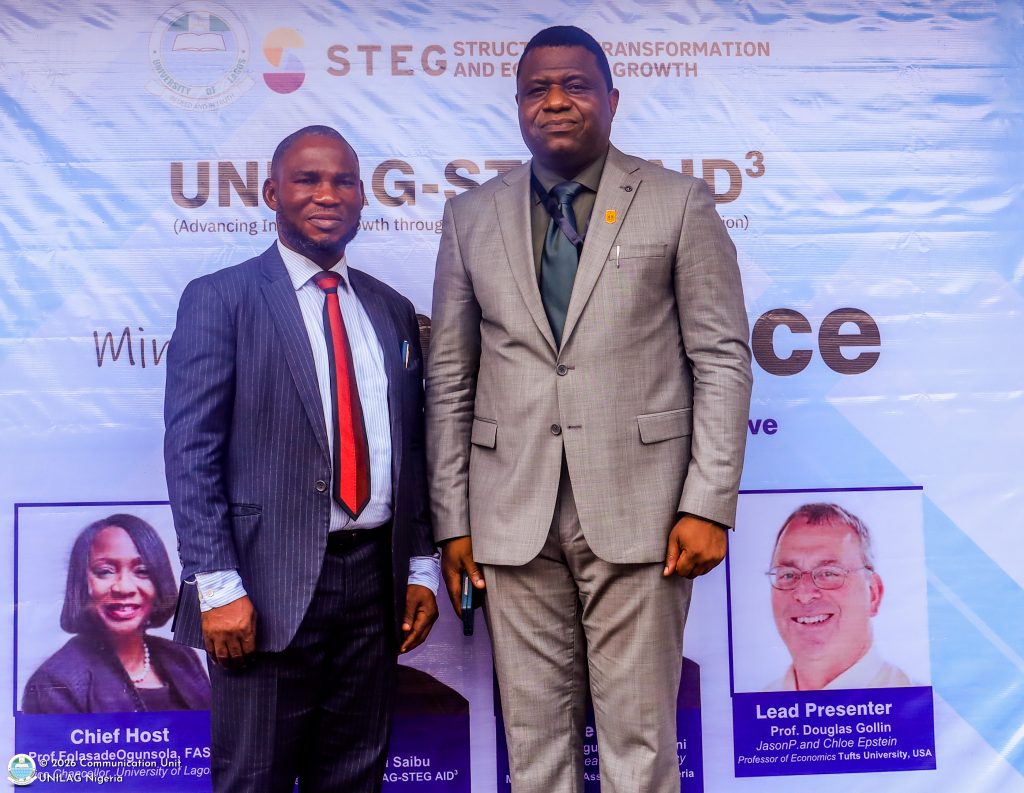
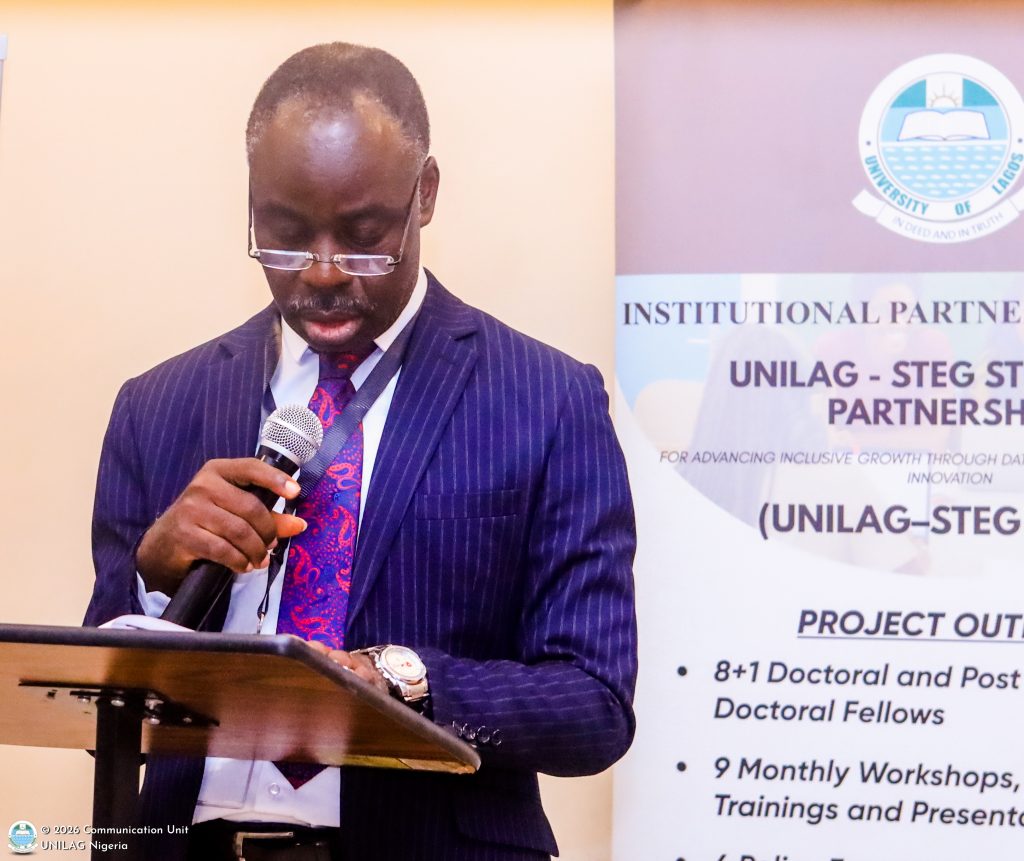
In his opening remarks, the Conference Chair and Project Lead, Professor Olufemi Muibi Saibu, challenged participants to bridge the gap between academic research and industrial realities. He stressed the importance of producing policy-relevant scholarship grounded in the practical constraints facing firms, industries, and policymakers.

Nigeria’s Manufacturing Sector Under Pressure
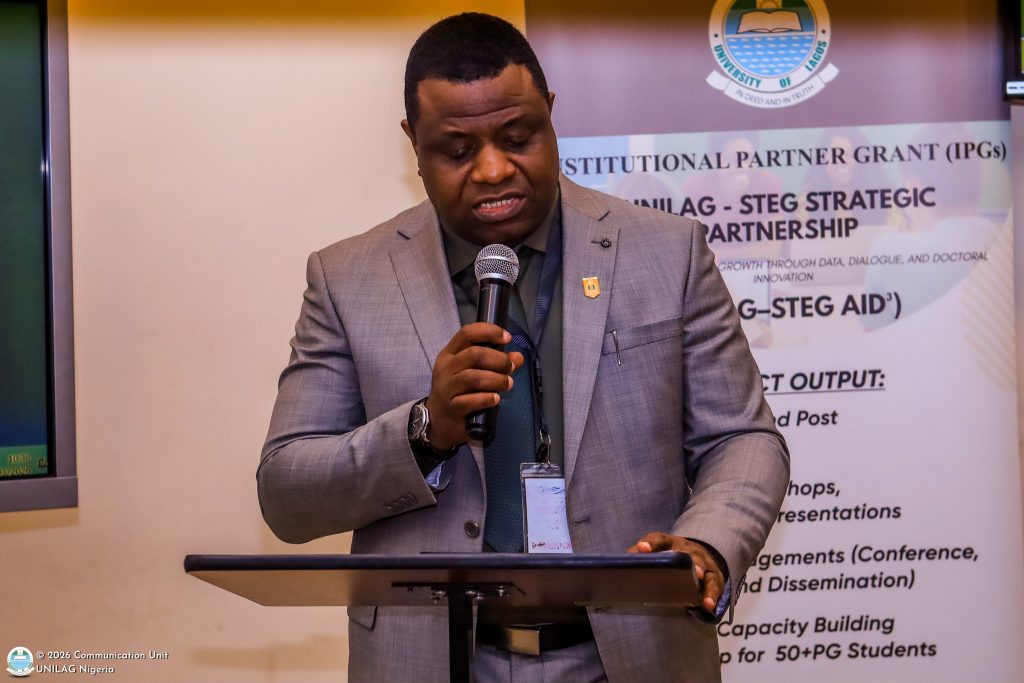
Delivering the keynote address, the Director of Research and Economic Policy at the Manufacturers Association of Nigeria (MAN), Dr. Oluwasegun Osidipe argued that no nation has achieved sustainable and inclusive development without a competitive manufacturing sector.
According to him, while countries such as Germany, China, and South Korea successfully leveraged industrialisation and technological advancement to attain global competitiveness, Nigeria and several African countries remain trapped in low-technology and low-value-added production systems.
Dr. Osidipe highlighted major challenges confronting Nigeria’s industrial sector, including declining manufacturing value-added, low capacity utilisation, rising firm closures, foreign exchange instability, high financing costs, inadequate infrastructure, energy insecurity, and policy inconsistency.
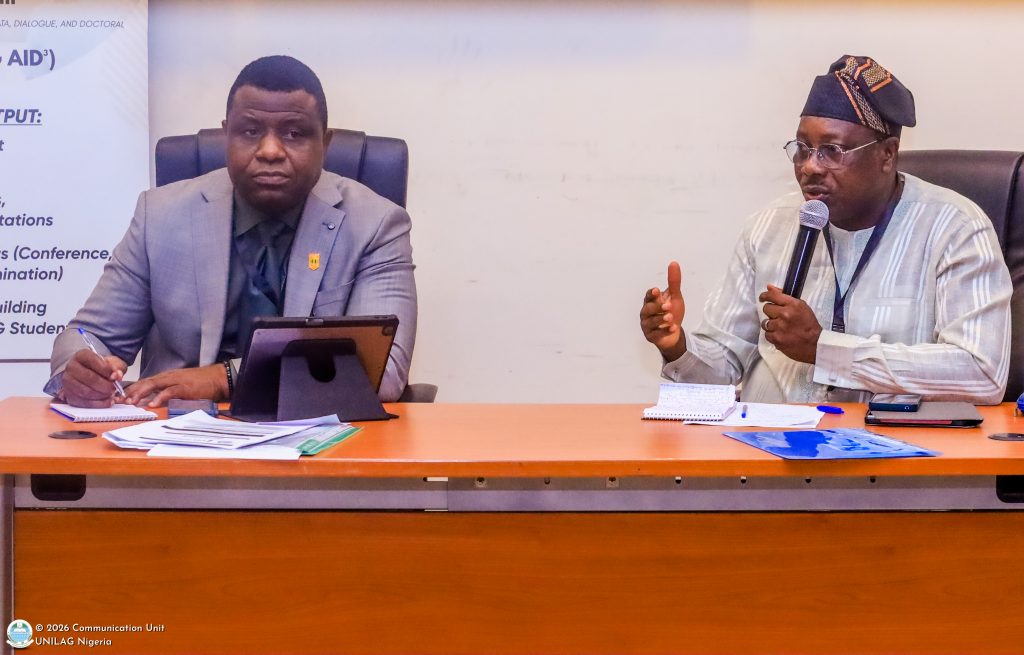
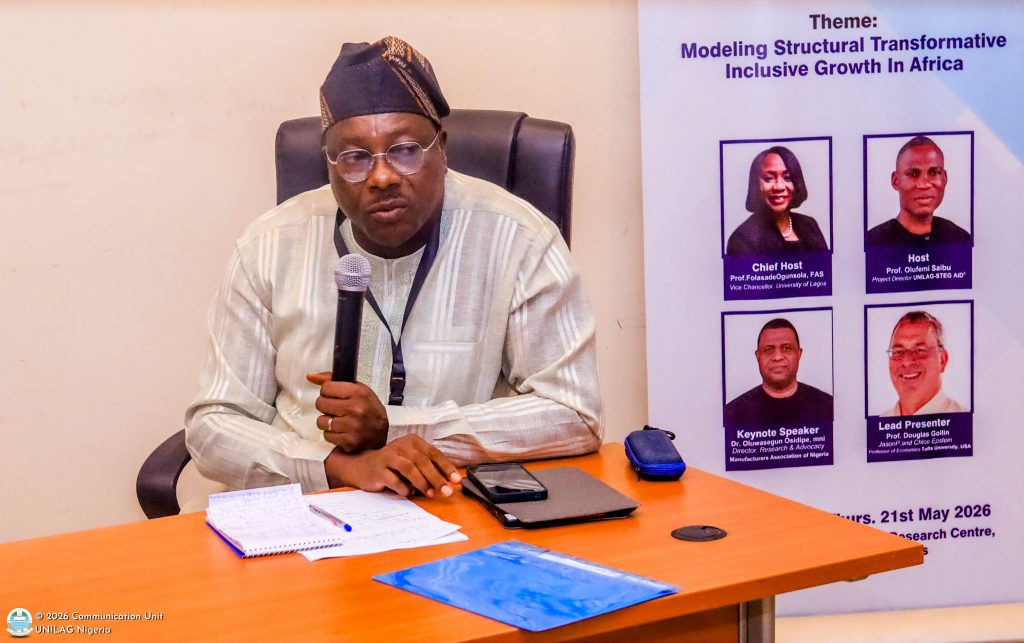
To improve competitiveness within the African Continental Free Trade Area (AfCFTA), he proposed several policy measures, including reducing energy costs for manufacturers, stabilising the foreign exchange market, improving port efficiency, strengthening local sourcing, and expanding access to single-digit, long-term financing for manufacturing infrastructure.
The keynote session also examined issues surrounding labour market informality, gender inclusion, and the impact of high import duties on solar equipment and productivity.
Despite the challenges, Dr. Osidipe noted that government interventions such as tax incentives, road rehabilitation projects around ports, and efforts to integrate the informal sector into GDP calculations indicate ongoing attempts to revitalise the sector.
Fintech Innovation and Labour Displacement
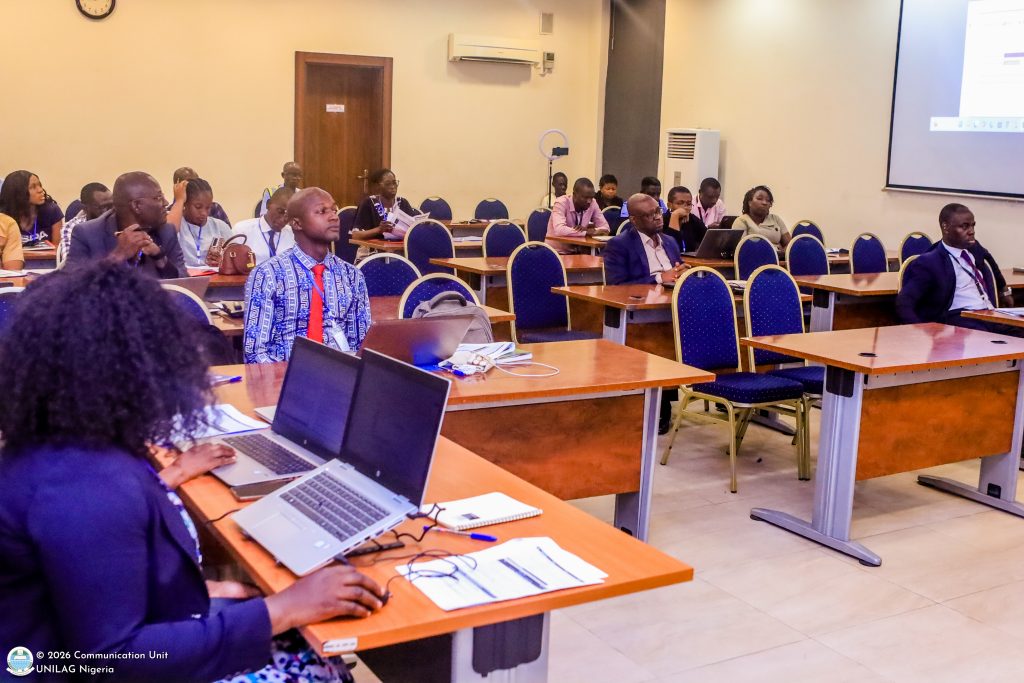
The technical sessions of the conference shifted attention to the financial sector, exploring the implications of fintech innovation through the lens of “creative destruction,” where technological advancement improves efficiency while disrupting traditional employment structures.
Presenting a study on banking sector transformation, Mr. Olawale Olufemi Joseph analysed the activities of 20 banks between 2010 and 2024. His research showed that fintech companies such as OPay, Moniepoint, and PalmPay have significantly transformed banking operations through digital innovation.
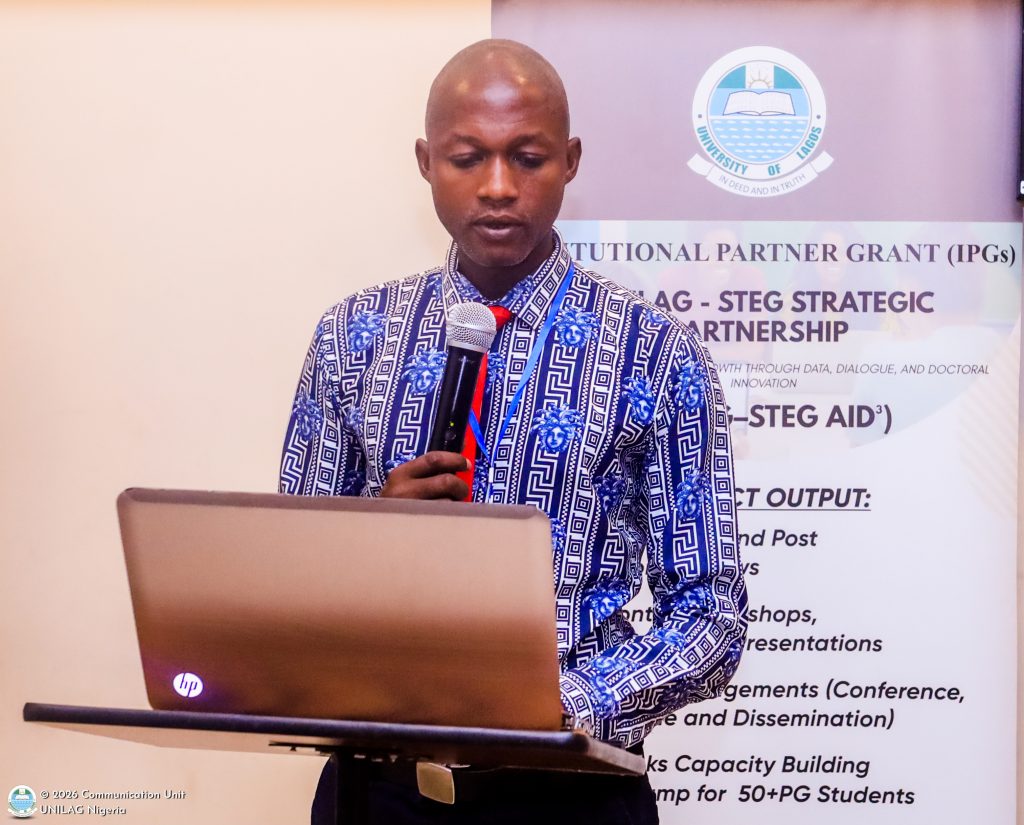

According to the findings, fintech expansion improves banks’ Return on Assets (ROA) over time but also creates short-term adjustment costs that affect performance. The study further revealed that increased fintech intensity contributes to labour displacement, with online, ATM, and POS transactions exerting short-term negative effects on GDP growth and employment levels.
Similarly, Mr. Odebunmi Temitope Samuel presented research based on a Fintech Innovation Index developed using Principal Component Analysis (PCA). He emphasised the need for foundational infrastructure such as stable electricity supply and reliable telecommunications systems to support sustainable digital growth.
Samuel urged policymakers to prioritise “human-augmenting” technologies rather than labour-replacing systems and to strengthen social protection measures for workers affected by automation. He noted that such strategies align with Sustainable Development Goal (SDG) 8 on Decent Work and Economic Growth.
Advancing Research and Policy Relevance
As the conference concluded, Professor Saibu highlighted research funding opportunities available through the STEG initiative and encouraged PhD students to strengthen their practical and interdisciplinary skills to improve employability in both academia and industry.
He urged young researchers to utilise the feedback provided during the conference to refine their proposals and theses in ways that address pressing global and national development challenges while maintaining strong academic, policy, and business relevance.
Overall, the two-day UNILAG-STEG AID3 Mini-Conference reinforced the importance of balancing technological innovation with manufacturing growth, labour inclusion, and sustainable economic policies.
By fostering collaboration between academia and industry, the conference provided participants with valuable intellectual and practical insights needed to drive inclusive growth and sustainable development across sub-Saharan Africa.
Report: Isaiah Kumuyi
Photographs: Joshua Michael OgoOluwa