Inclusion was not merely a theme at the 2026 AFRETEC-UNILAG Inclusive Education Innovation Challenge Grand Finale. It was brought to life.
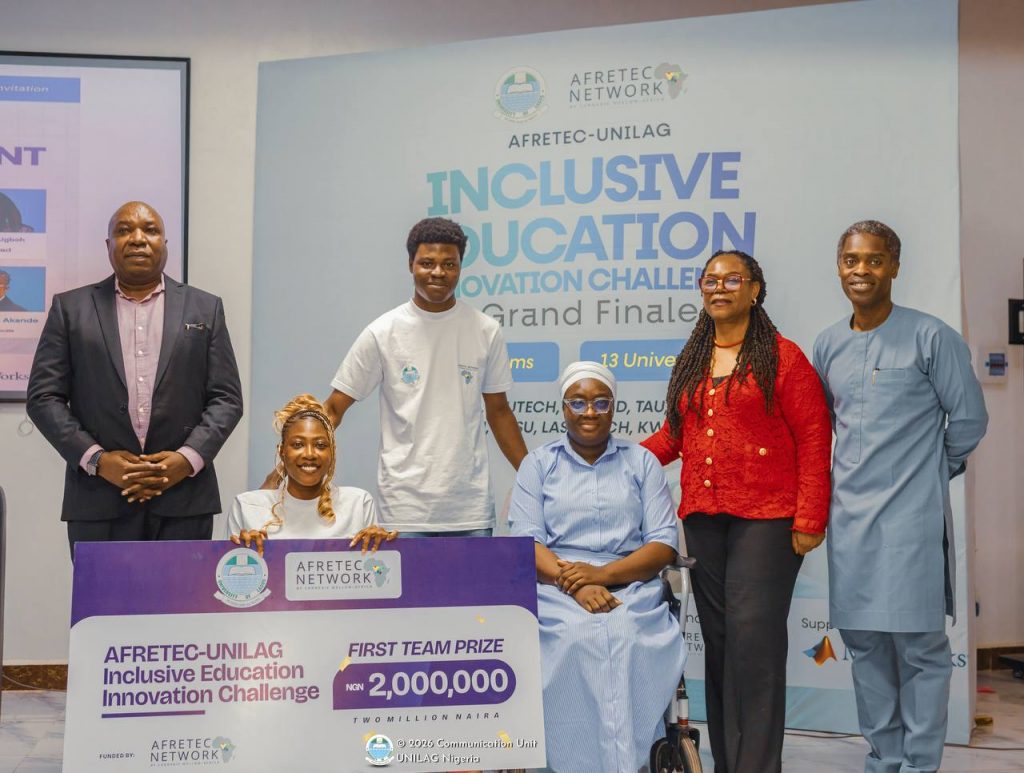
Perhaps nowhere was this more powerfully demonstrated than in the story of Team Omega of the University of Lagos (UNILAG), which emerged as the overall winner of the competition with 71 points after a four-month intensive innovation journey.
At the heart of the winning team was a woman living with disability, Miss Oluwakemi Aladesanmi, who led her colleagues in developing Omnisight , a hands-free, zero-cost digital navigation solution designed to support learners with motor disabilities.
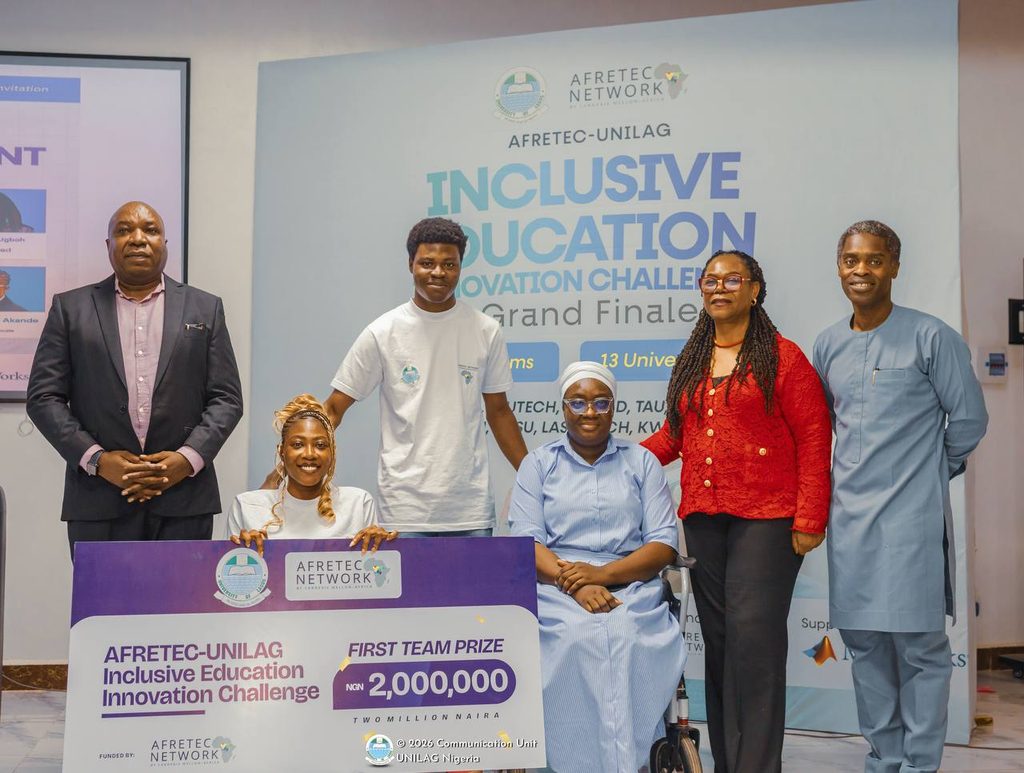
Her emergence as leader of the winning team offered a compelling reflection of the philosophy at the heart of the challenge: when barriers are removed and opportunities are made genuinely accessible, persons with disabilities need not remain beneficiaries of innovation; they can become its architects, leaders and champions.
The victory came at the Grand Finale of the AFRETEC-UNILAG Inclusive Education Innovation Challenge 3.0, held on Thursday, August 27, 2026, at the UNILAG Design Studio, Akoka.
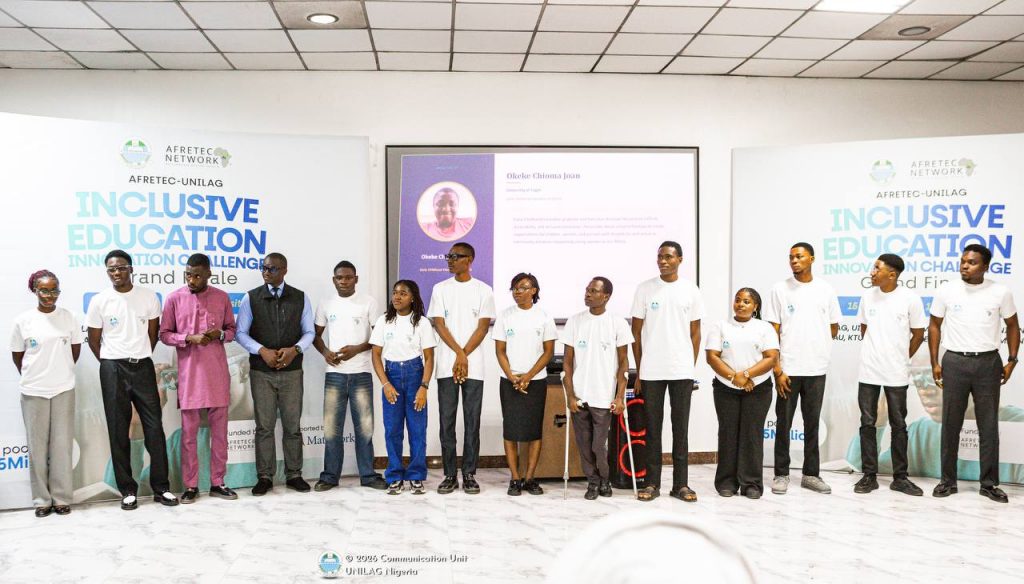
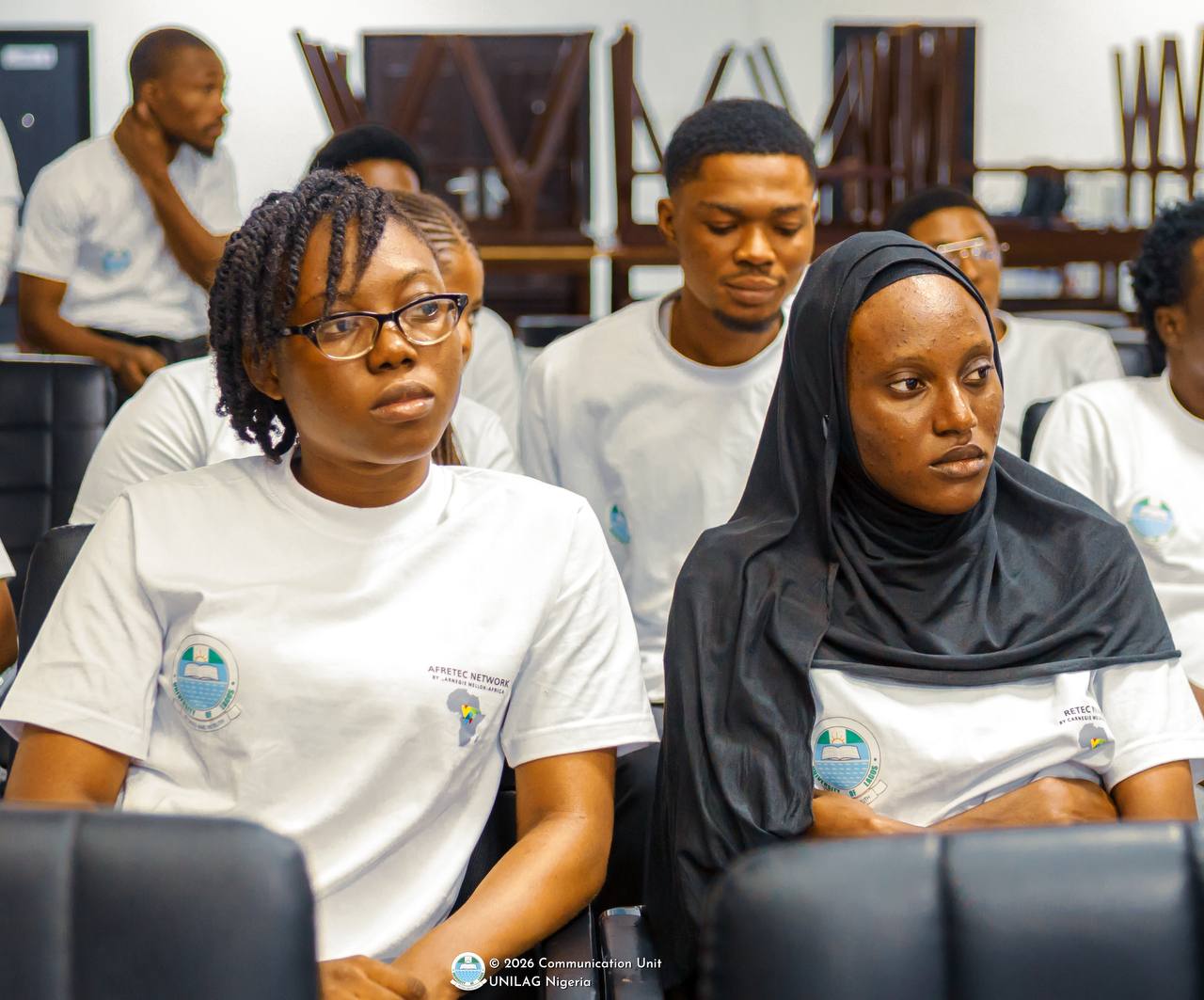
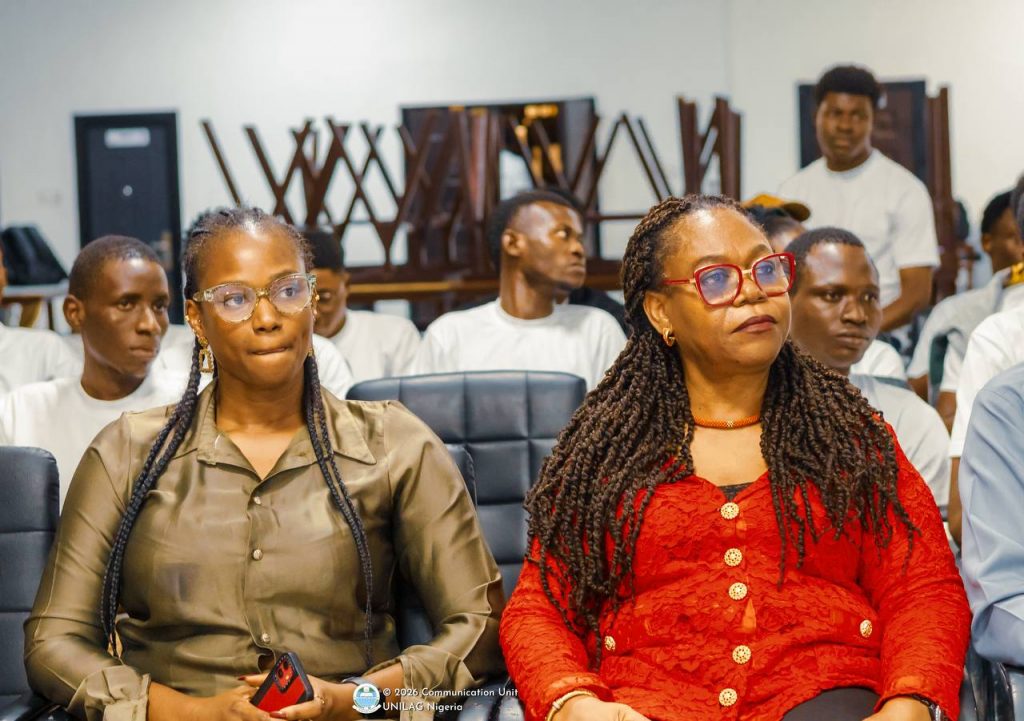
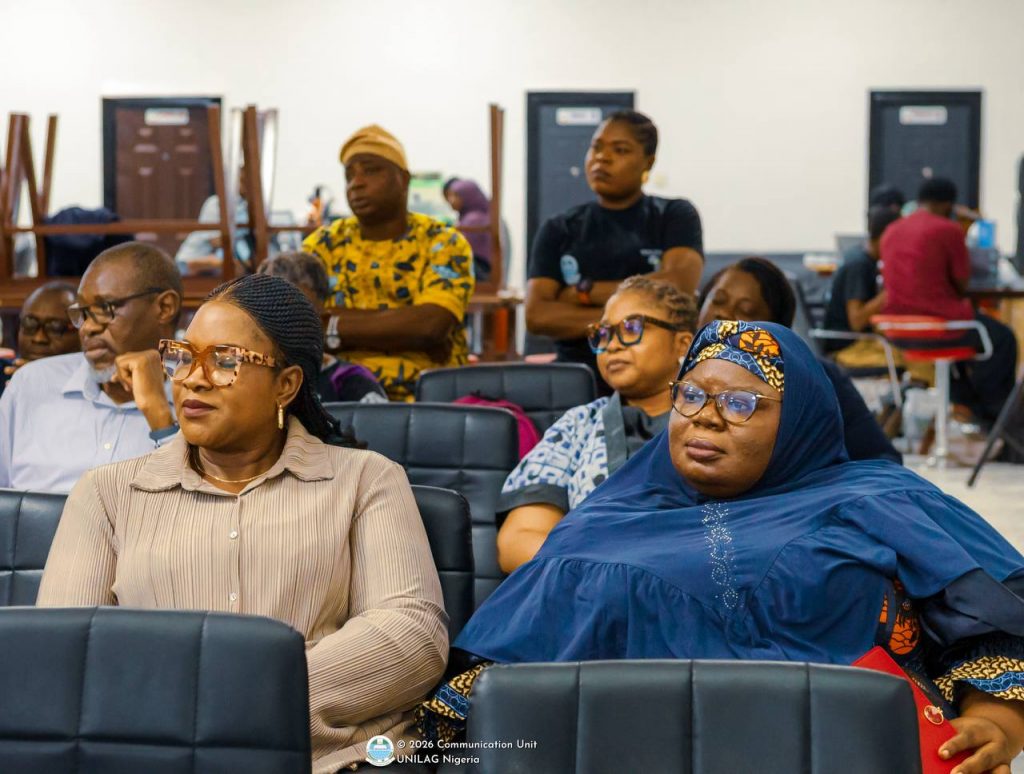
The challenge, which commenced in May 2026, attracted 94 entries from teams across Nigeria and Ghana, all responding to a fundamental question: how can innovation and technology be harnessed to make education more inclusive and accessible?
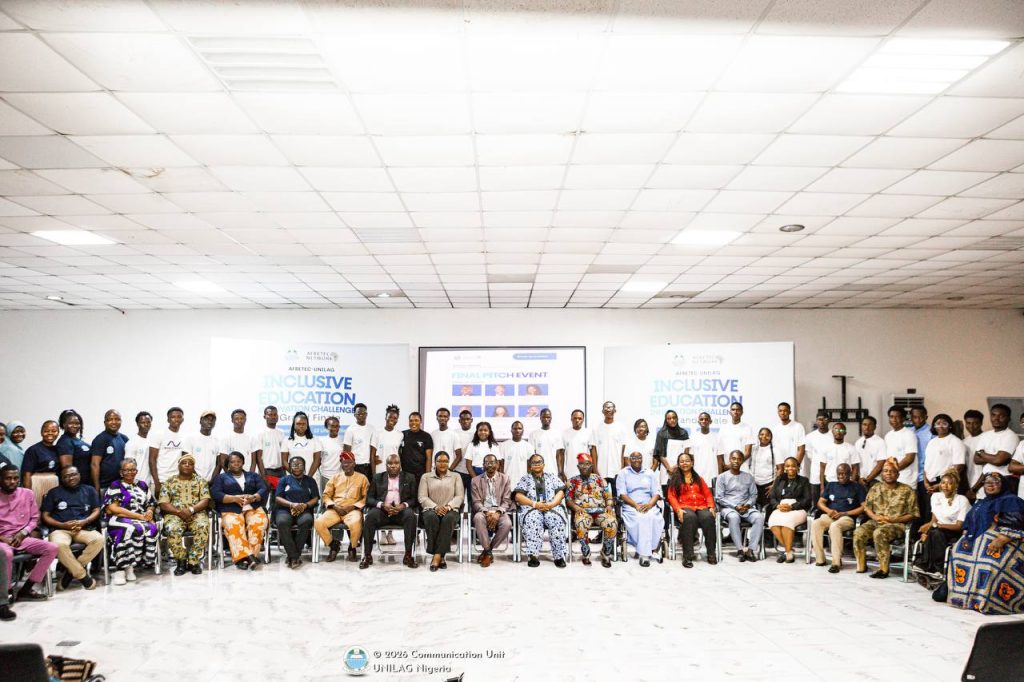
Following a rigorous selection process and a finalists’ bootcamp, 15 teams from 13 universities earned their place at the Grand Finale, where they presented solutions addressing some of the barriers confronting learners.
But the story of the competition was not simply about who won. It was about what happened when young people were given the opportunity, resources, mentorship, and institutional support to transform ideas into solutions.
From Ideas to Impact
The journey to the Grand Finale began long before the finalists stepped onto the pitch.
Providing insight into that journey, the Team Lead of Pathways to Opportunities, AFRETEC-UNILAG and Acting Director, Innovation and Technology Management Office (ITMO, UNILAG), Dr. Olayinka O. Adewumi, traced the evolution of the initiative from the initial call for ideas through the selection of promising teams, mentorship, capacity building, and the intensive bootcamp that preceded the final presentations.
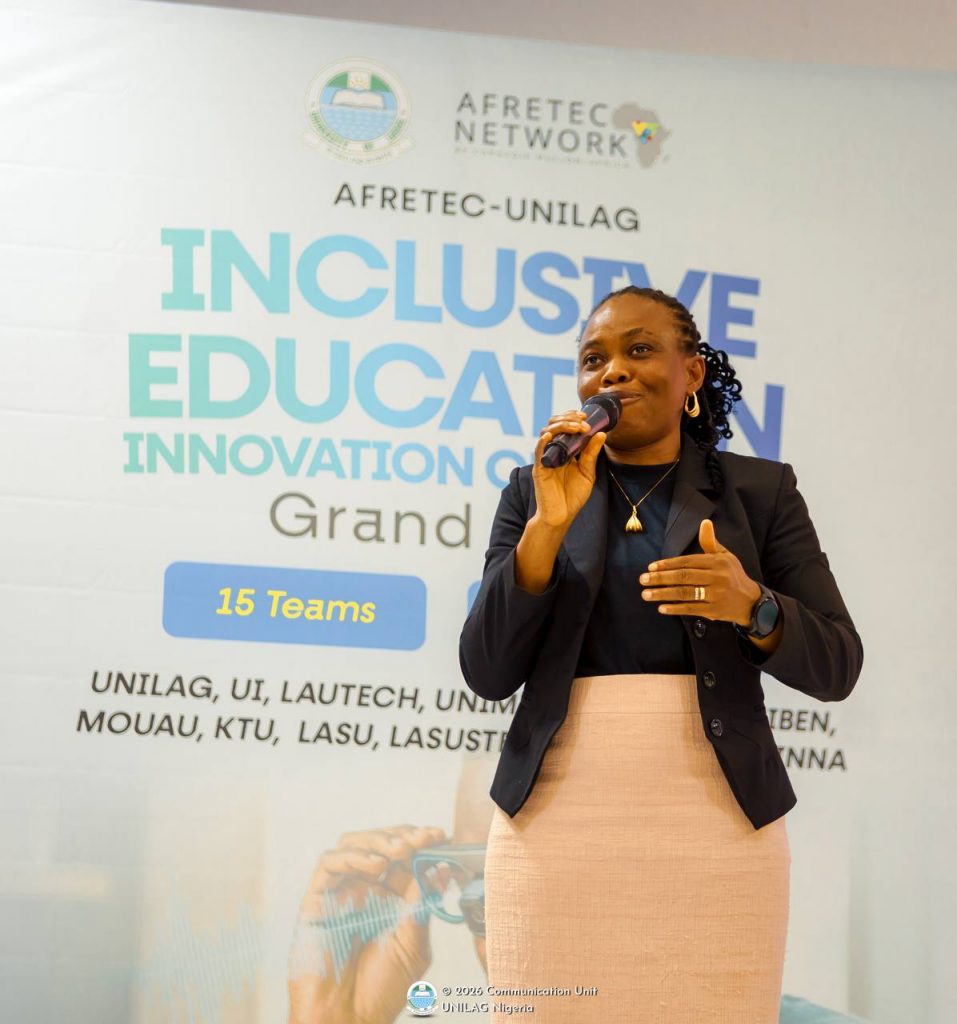
According to her, the programme was deliberately structured to achieve more than identifying a winner. Its broader ambition was to cultivate an environment in which young innovators could learn, experiment, test assumptions, refine ideas, and develop solutions with the potential for real-world impact.
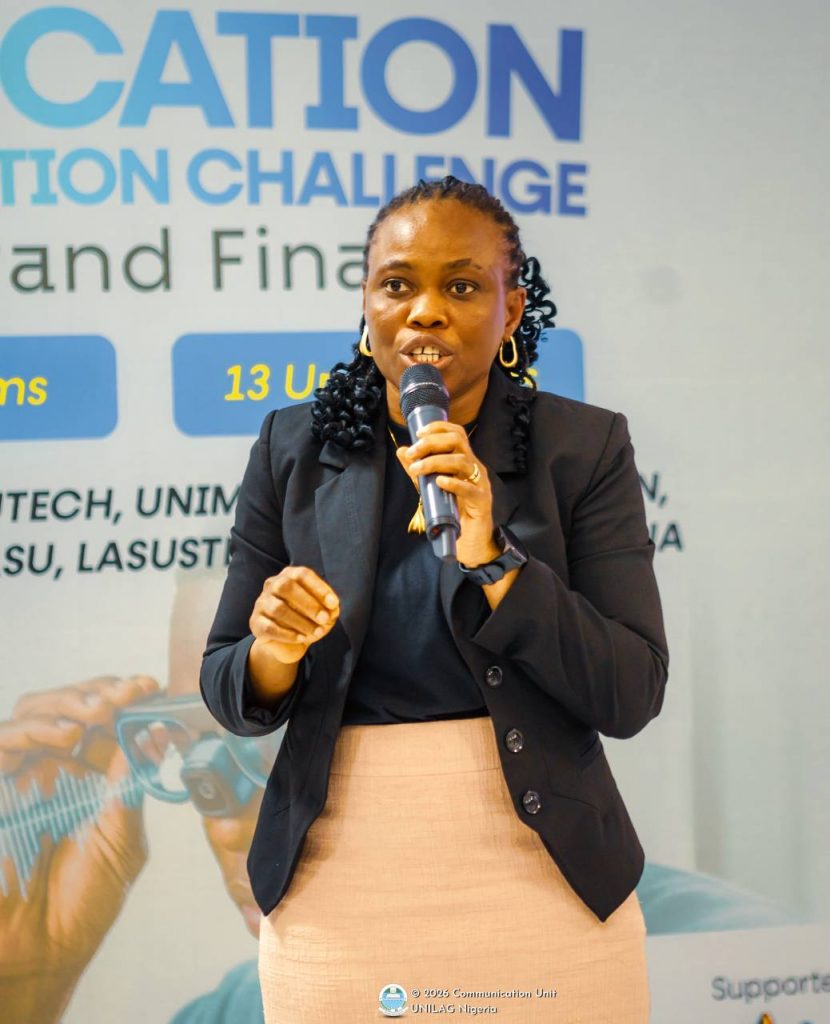
Participants were exposed to innovation and design-thinking methodologies, entrepreneurship and solution-development sessions, expert mentorship, and practical guidance on communicating their ideas effectively.
The finalists subsequently participated in a specialised bootcamp designed to move their projects beyond promising concepts towards solutions with stronger prospects for application, sustainability, and scale.
During the bootcamp, startup coach and investor, Mr. Idowu Akinde engaged participants on the entrepreneurial dimensions of their innovations. Other facilitators including Associate Professor of Strategic Management and Entrepreneurship, Dr. Ayodotun Stephen Ibidunni; Business Advisory and Development Consultant, Adeniji Oluwafemi Boboye; and Programme Management and Enterprise Development Professional, Tobi Aminu, provided further practical insights during the two-day event.
The sessions addressed critical aspects of innovation and enterprise development, including moving from proof of concept to minimum viable products, refining value propositions, business modelling, market validation, go-to-market strategies, financial planning, fundraising, pitch-deck development and investor readiness.
For the finalists, therefore, the bootcamp was far more than preparation for a competition.
It was a bridge between the idea and the marketplace, between the classroom and the real world. It gave the young innovators an opportunity to confront the difficult but essential question every innovator must eventually answer: Can this idea move beyond the presentation board and become a solution that people can actually use?
Where Innovation Meets Inclusion
The Grand Finale provided a vivid demonstration of what becomes possible when inclusion, technology, education, and entrepreneurship intersect.
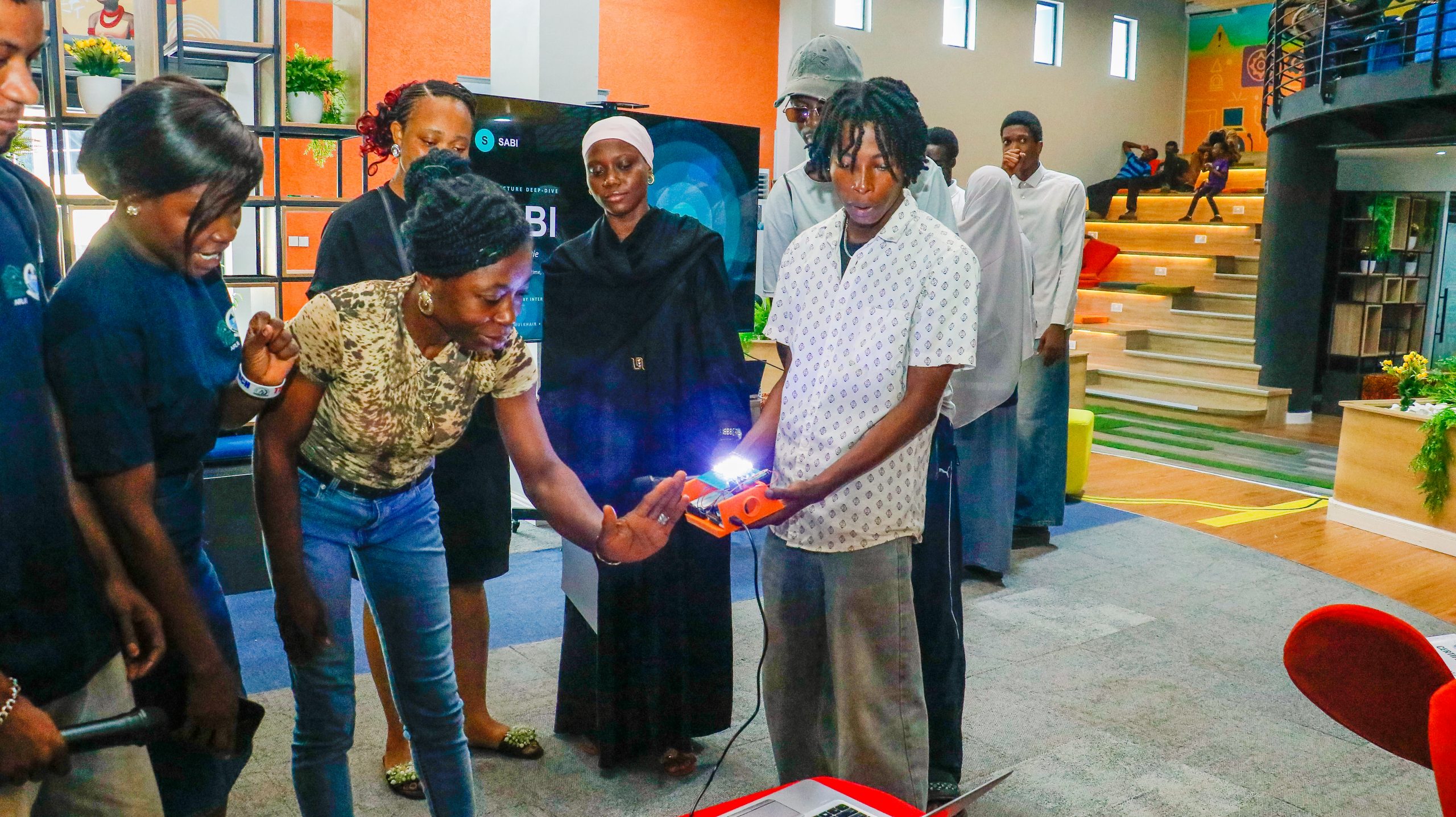
The solutions presented by the finalists reflected the wide range of barriers that learners encounter in educational environments. They included assistive technologies for blind, deaf and hearing-impaired learners; AI-powered learning platforms; real-time lecture captioning; Nigerian Sign Language translation; STEM accessibility tools; and technologies designed specifically for learners with motor disabilities.
Among the innovations showcased were: ARIA by Team Achievers of Lagos State University, an adaptive reading and interaction assistant for blind and deaf people; EduSense by Team Artifex of the University of Lagos, which provides audio-supported access to digital and physical learning materials; EaseLearn SignMath by Team EaseLearn of the Federal University of Technology, Minna; and EchoDesk, a real-time lecture accessibility solution for deaf students developed by the University of Benin team.
Other teams presented InclusiLearn AI, EduSign AI, MELDA, LessonLink, Neuro-Learn, Newton AI, LearnBridge Assist, SignBridge AI and Let’sSpeak, further demonstrating the breadth and creativity of ideas emerging from young African innovators.
Taken together, the projects underscored an important reality: there is no single barrier to inclusive education and, therefore, no single solution. Different learners experience different challenges. Innovation must consequently be flexible enough to recognise and respond to those differences.
The AFRETEC Convergence
The Grand Finale also represented a convergence of the four interconnected pillars of the AFRETEC programme: Pathways to Opportunities, Knowledge Creation, Inclusion, and Learning and Teaching.
Representatives of the various pillar teams were present at the event, highlighting the collaborative architecture behind the challenge and the wider AFRETEC vision of harnessing technology, education, innovation, and the opportunity to advance inclusive development.
The occasion was further attended by key institutional stakeholders, including the Vice-Chancellor of UNILAG, Professor Folasade Tolulope Ogunsola, OON, FAS, ably represented by the Dean of Engineering, Professor Samson Oluropo Adeosun; Deputy Vice-Chancellor (AcademicsandResearch), Professor Mathew Olusoji Ilori, represented by the Deputy Director, Academic Planning Unit, Dr. Olusanya; the Registrar, Mrs. V. Abosede Wickliffe, represented by the Deputy Registrar, Office of the Registrar, Mrs. Nneka Ugochukwu; Director, AI UniPod- UNILAG, Professor Chika Yinka-Banjo; Director, Entrepreneurship and Skills Development Centre (ESDC), Professor Oladimeji Odetunde; and Director, NITDA Hub, University of Lagos, Professor Victor Odumuyiwa.
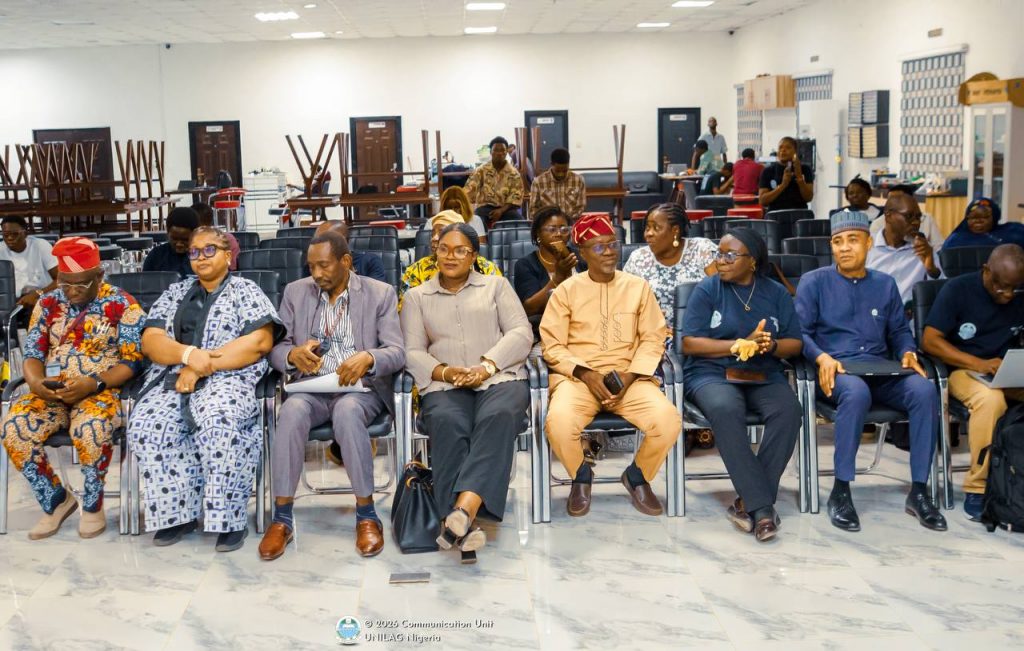
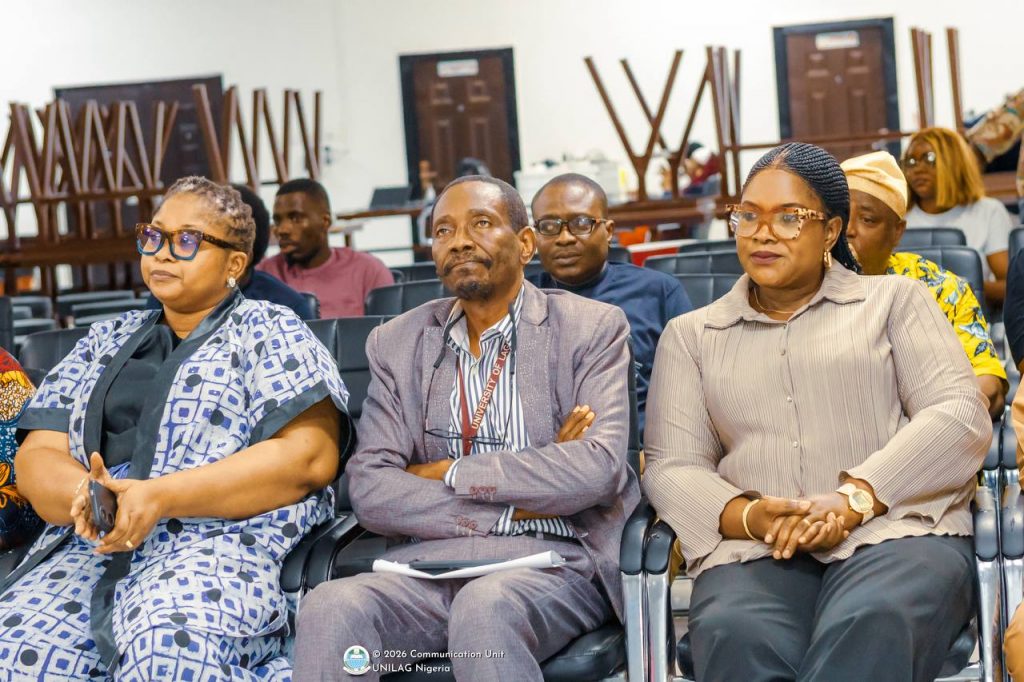
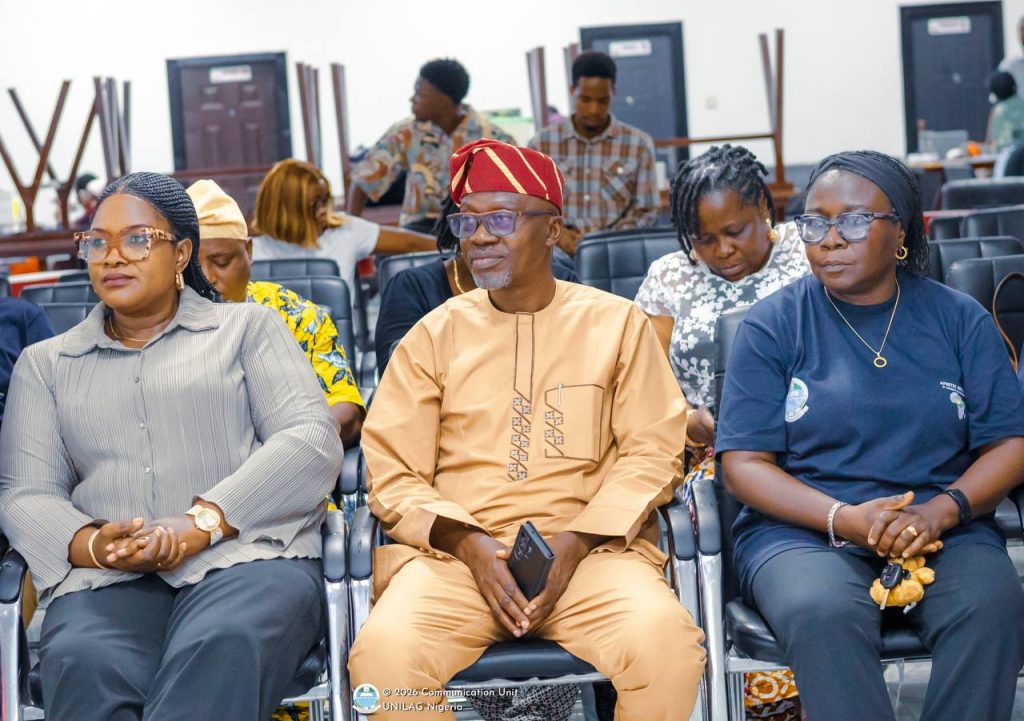
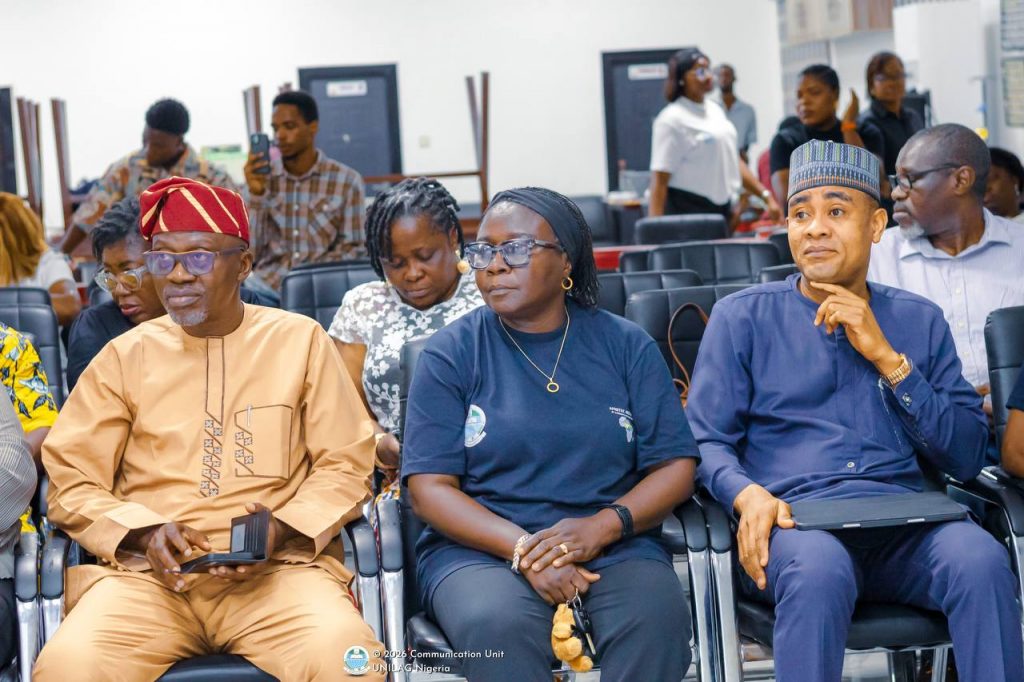
Also in attendance were representatives of the AFRETEC pillar leads, including Professor Sekoni, Professor Sawyerr and Dr. Olufemi Ipinnimo.
Their presence was significant. It reflected the growing convergence within the University of Lagos between education, artificial intelligence, entrepreneurship, technology, research and innovation, as well as the University’s increasing determination to create platforms where these disciplines can come together to solve real societal problems.
An Institution Creating Space for Ideas
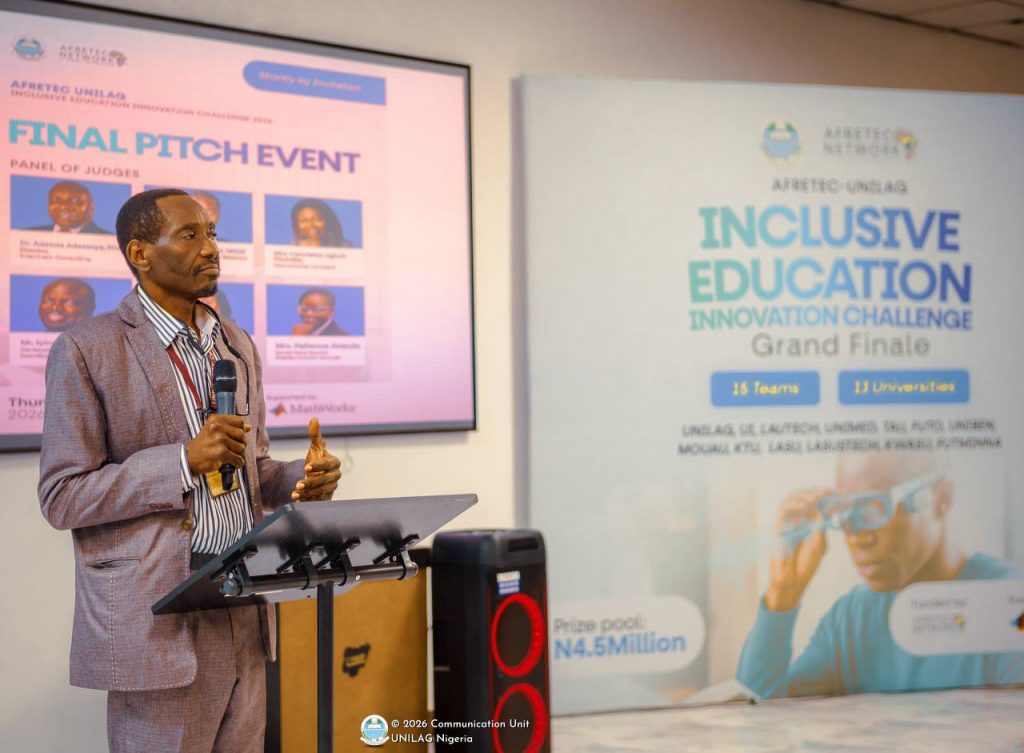
Speaking at the occasion, the Dean of Engineering, University of Lagos, Professor Samson Oluropo Adeosun, expressed delight at the quality of ideas and innovations presented by the participants.
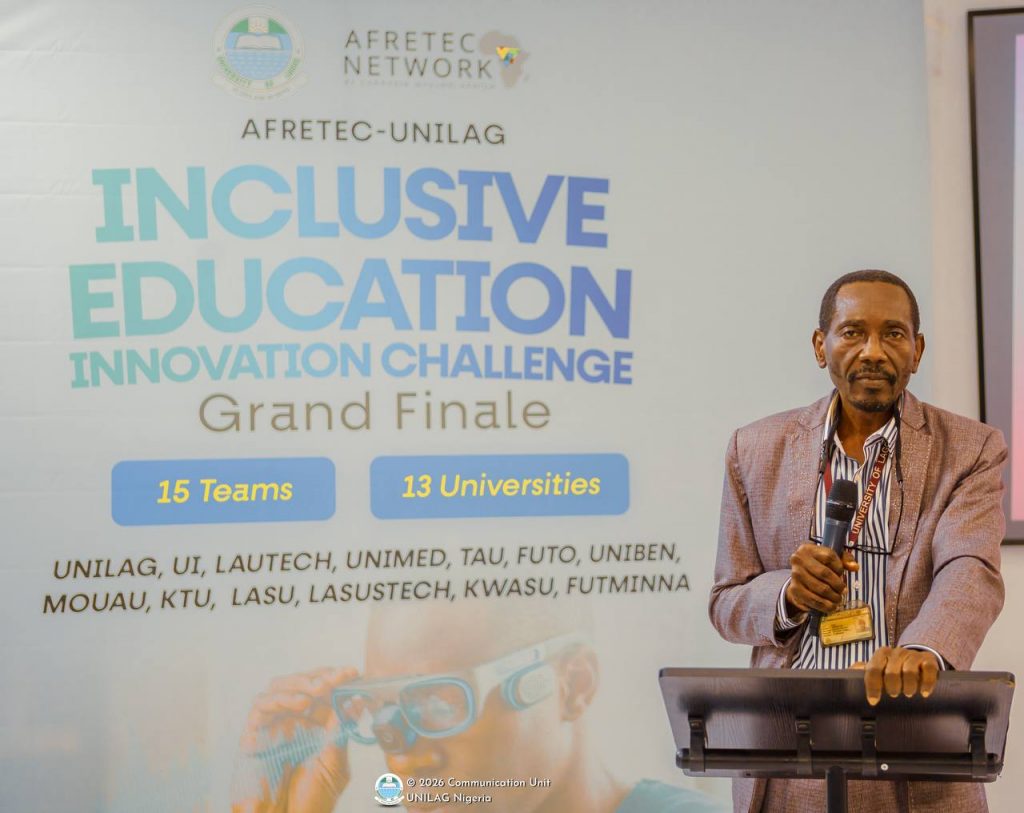
He noted the University’s continued commitment to advancing innovation and supporting ideas capable of contributing meaningfully to Nigeria’s economic and social development.
Professor Adeosun also highlighted the significance of AFRETEC as a platform for creating opportunities for young people to develop their creativity, transform their ideas, and contribute solutions to national and global challenges.
He noted that the institutional commitment has increasingly become visible across the University. From its AI UniPod and entrepreneurship ecosystem to its technology hubs, research initiatives and strategic partnerships, UNILAG continues to create spaces where students and young researchers are encouraged not merely to acquire knowledge, but to apply it, question existing systems and build new possibilities.
The AFRETEC challenge sits comfortably within that emerging culture.
It is an expression of a university increasingly positioning itself not only as a place where knowledge is acquired but as a place where knowledge is converted into ideas, ideas into innovation, and innovation into solutions.
Nurturing the Creativity Within Young People
Also speaking at the event, Board Member and Adviser of AFRETEC-UNILAG and immediate past Director of the Office of International Relations, Partnership and Prospects (IRPP), now the Office of Global Engagement and Strategic Partnerships (OGESP), UNILAG, Professor Ismail A. Ibraheem expressed excitement at the quality of ideas generated through the initiative.
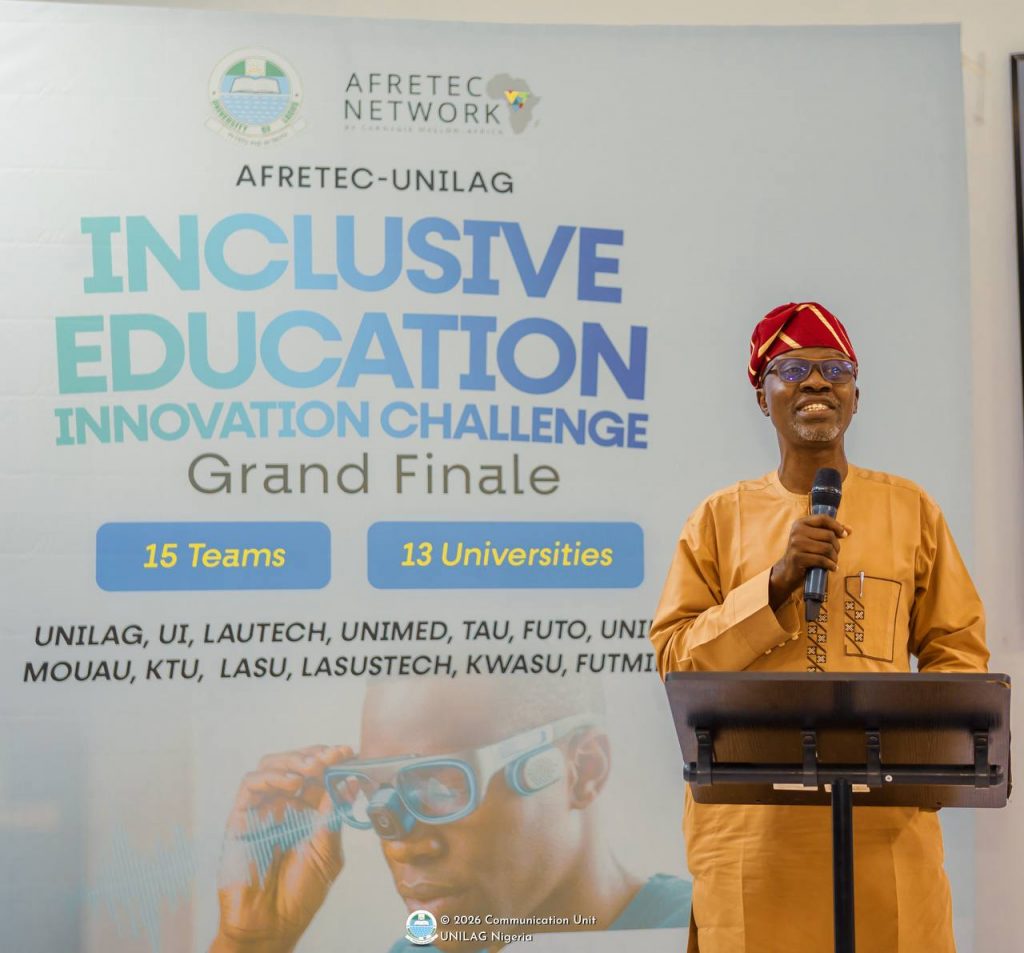
He emphasised the importance of identifying and nurturing the creativity inherent in young people, noting that the innovations presented at the Grand Finale demonstrated what can emerge when young minds are provided with the right environment, encouragement and opportunities.
His message went beyond the competition itself. It was a reminder that innovation does not begin with sophisticated infrastructure alone. It begins with curiosity, opportunity, and the freedom to imagine something better.
Earlier, the AFRETEC-UNILAG Network Coordinator, Professor Mohammad Olawale Hakeem Amuda, highlighted the opportunities created through AFRETEC and the importance of the bootcamp in preparing the finalists for the Grand Finale.
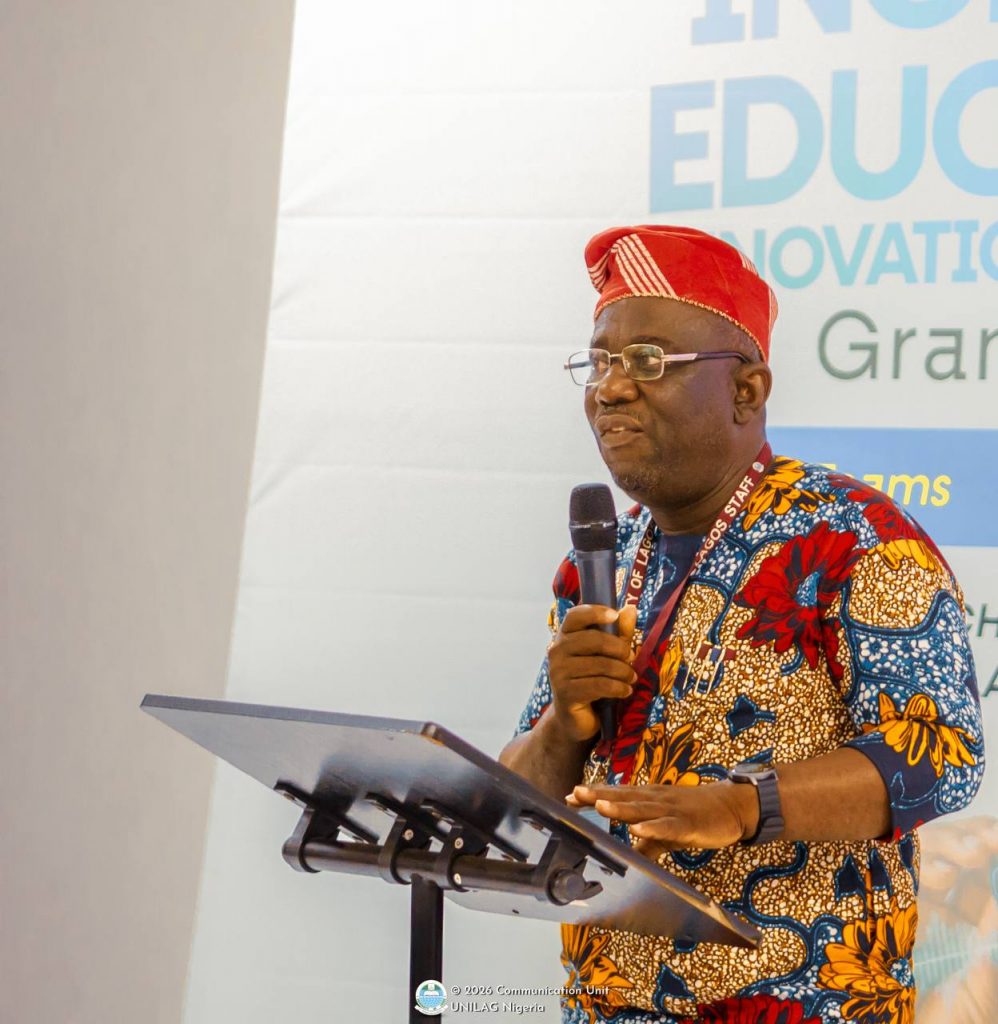
The participants, he noted, required more than an opportunity to compete. They needed access to people with practical experience in innovation, education, and entrepreneurship, as well as exposure to the processes through which ideas could be refined, tested, and ultimately scaled.
He also applauded the participants for demonstrating enormous talent and remarkable creative capacity, particularly in a society confronted by complex challenges and uncertainties.
For Professor Amuda, the ability of these young innovators to look beyond the difficulties around them and develop ideas capable of improving society was itself remarkable.
Their creativity, he suggested, should not only be celebrated but deliberately nurtured because it represents an important resource for building a better future.
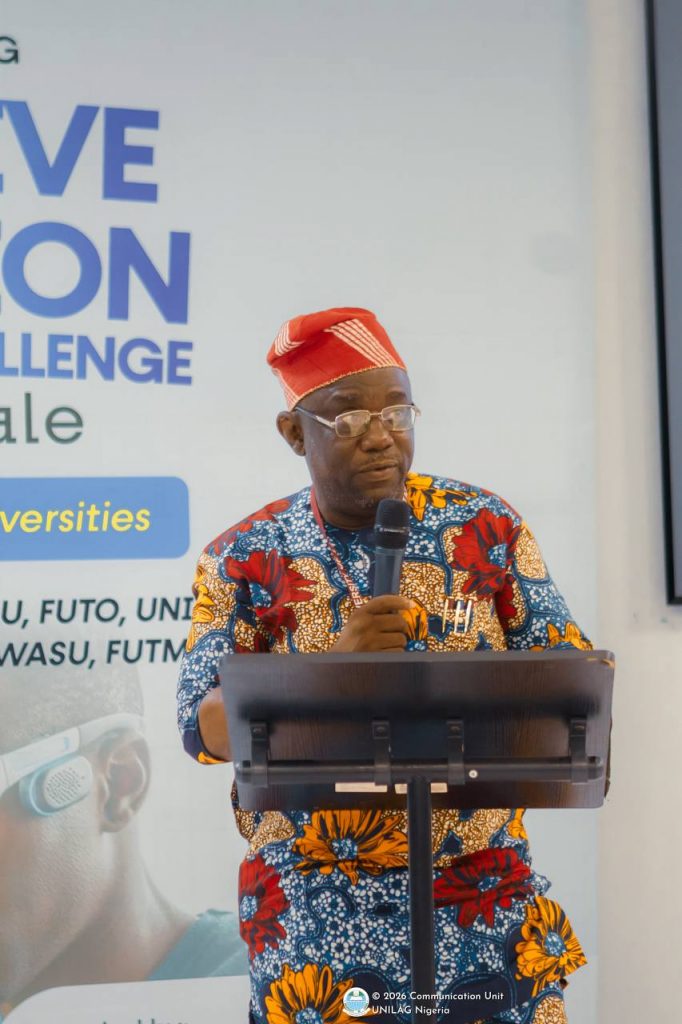
The bootcamp, therefore, became an integral part of the competition, providing participants with opportunities to learn, interact, receive feedback, and strengthen their solutions before facing the judges.
Beyond One Competition
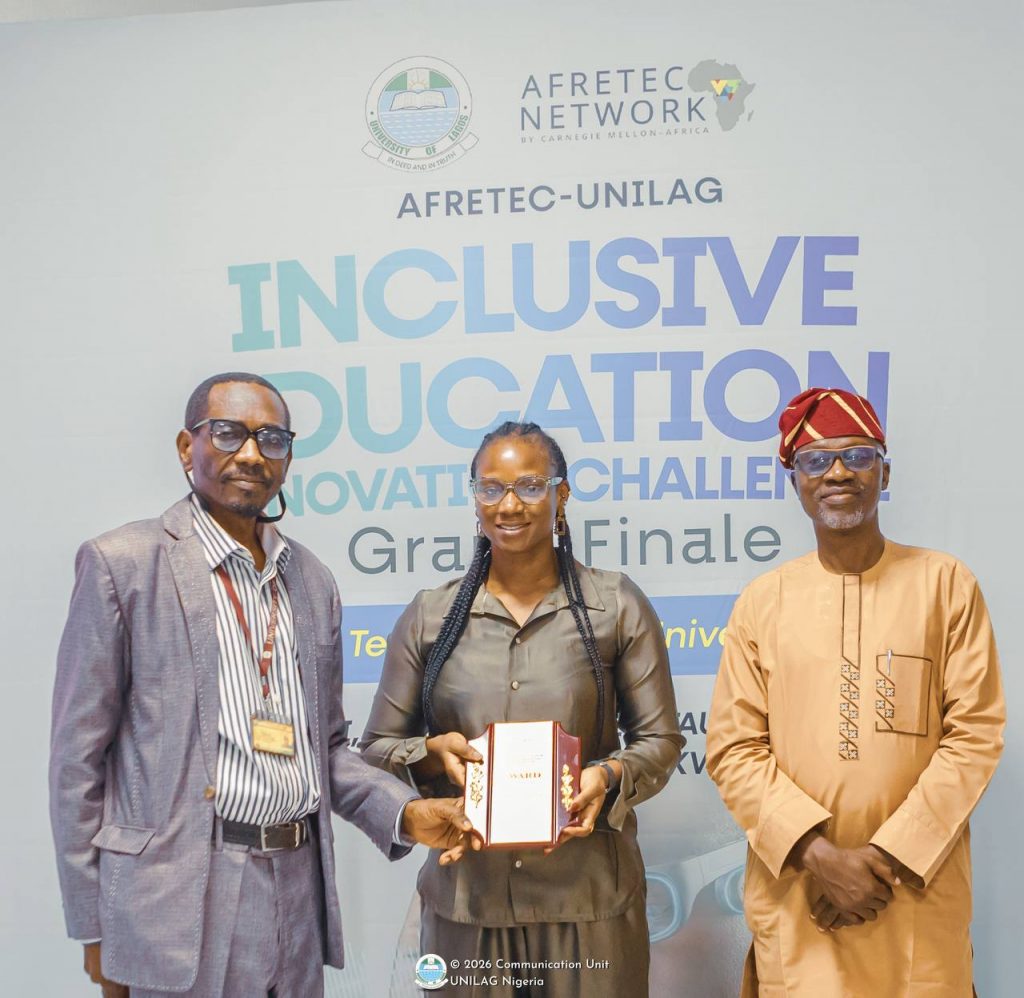
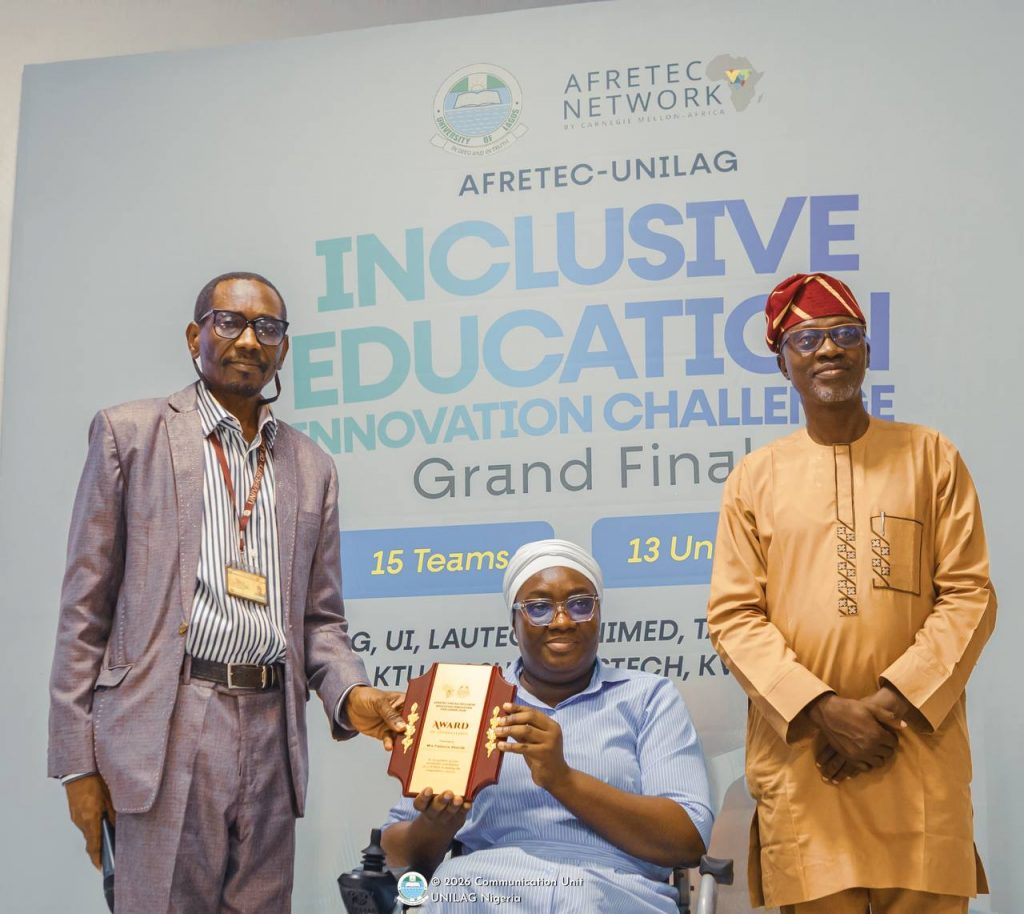
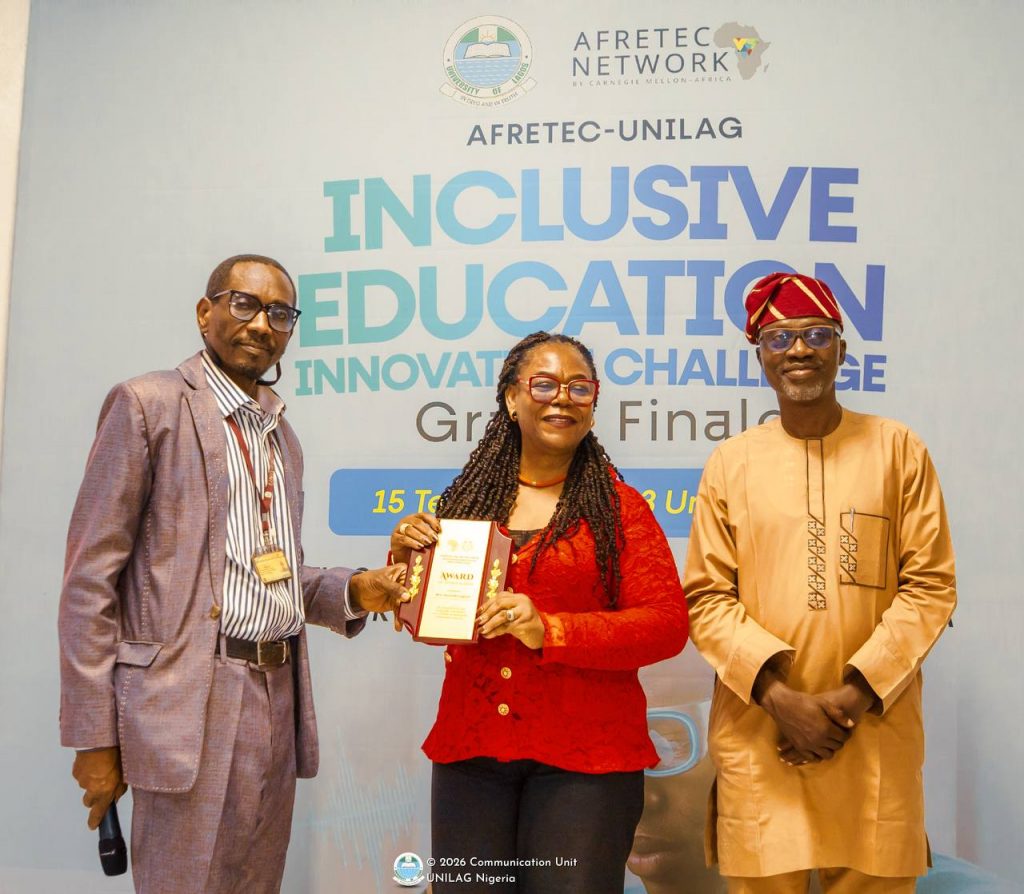
The Grand Finale also recognised the contribution of the judging panel, whose members received commemorative plaques in appreciation of their time, expertise, and commitment to ensuring a credible and rigorous evaluation of the competing innovations.
The panel comprised the Director, Intermac Consulting, Dr. Adetola Adesanya, FCA; Senior Adviser, Partner Relations, Seplat Energy, Engr. Deji Oladunni, MNSE; Head, Design for Health Practice, Co-Creation Hub, Mrs. Stephanie Okpere; Founder, Norwiche Limited, Mrs. Henrietta Ugboh; and Special Needs Educator and Disability Inclusion Advocate, Mrs. Patience Akande.
MATLAB Competition
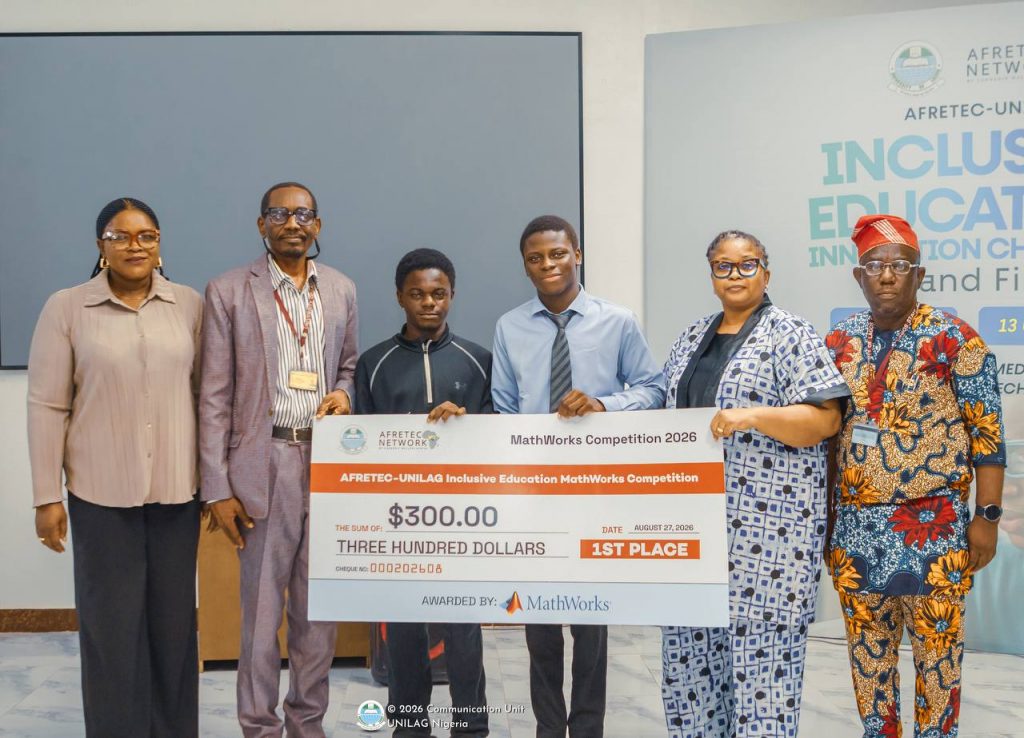
The event also featured a separate MATLAB Competition sponsored by MathWorks, providing another platform for participants to apply computational and technological tools to real-world challenges.
Speaking virtually, the MathWorks representative, Andreas Weidlich, expressed delight at the opportunity to support an initiative that brought together technology, innovation, and inclusive education. He noted the merit-based nature of the competition and congratulated the participants for the quality of solutions presented.
At the end of the MATLAB Competition, Team Sync emerged as the first-place winner, Team EchoDesk placed second, while Team EaseLearn finished third.
The competition featured solutions spanning adaptive AI education, real-time sign-language accessibility, eye-tracking coding for learners with cerebral palsy, STEM education, hands-free navigation, assistive IoT systems, and accessibility solutions for blind and deaf students.
Together, the two competitions illustrated the value of partnerships in creating multiple pathways through which young people can experiment, learn, fail, improve, and ultimately translate technical knowledge into practical solutions.
When Inclusion Becomes a Lived Reality
Perhaps the most powerful message of the Grand Finale was not contained in any presentation slide or pitch deck. It was visible in the people in the room: Young innovators from Nigeria and Ghana. Students developing technologies for people whose experiences may be very different from their own. Teams exploring ways of making classrooms, laboratories, and digital learning environments more accessible.
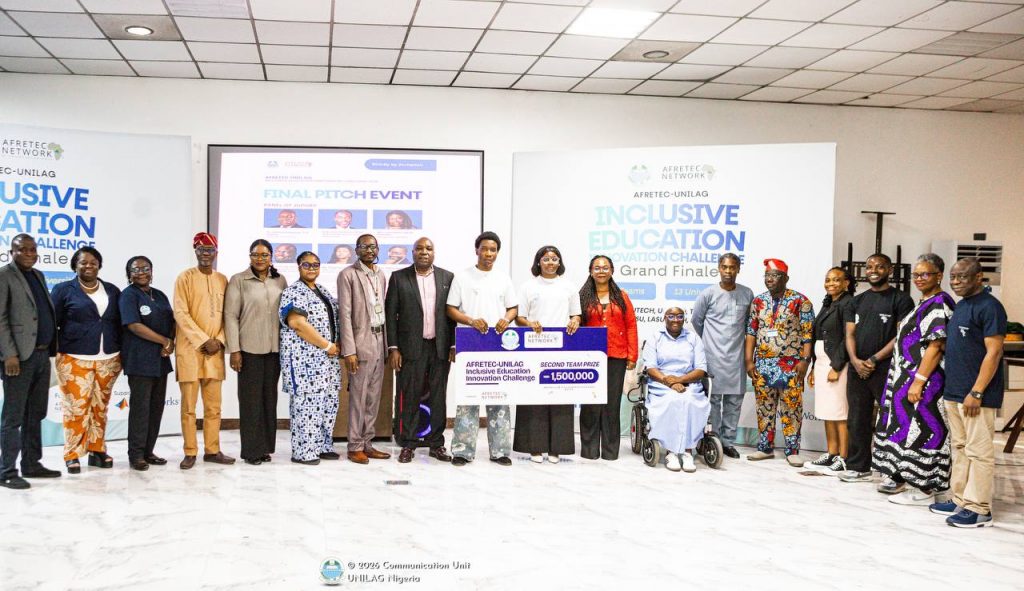
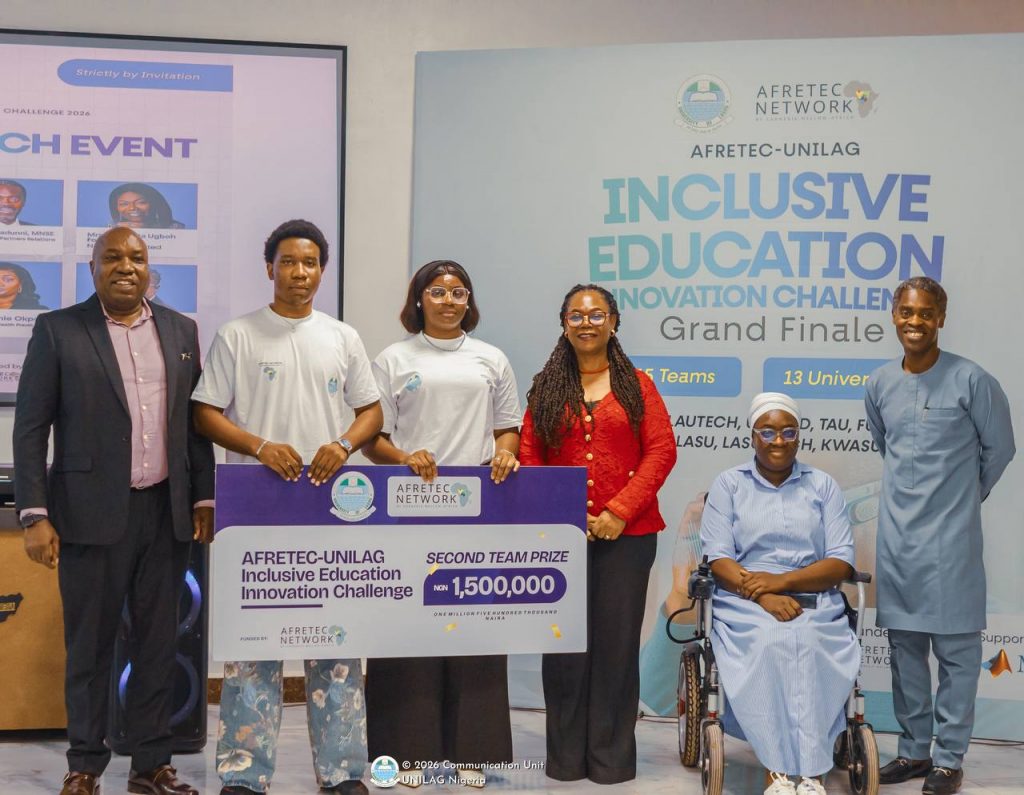
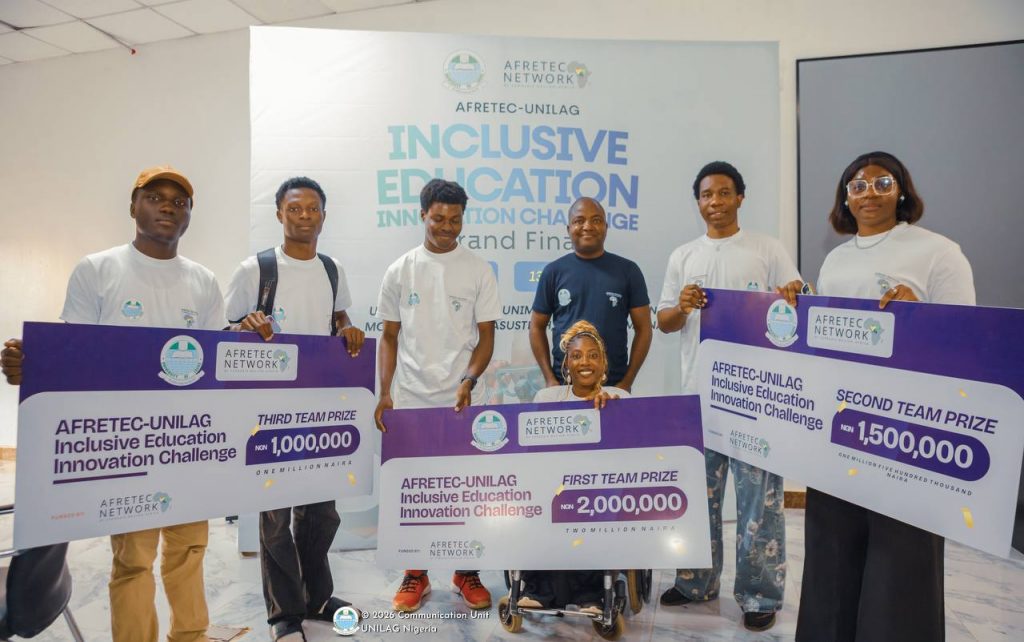
And, at the centre of it all, a woman living with disability leading the team that would eventually emerge as champion.
That moment gave a deeper meaning to the word inclusion. It demonstrated that inclusion is not simply about designing solutions for persons with disabilities. It is also about creating opportunities for persons with disabilities to participate in designing the solutions themselves.
A Victory Bigger Than the Podium
When the final scores were announced and Team Omega emerged with 71 points, there was, understandably, the excitement of victory. But the significance of the moment extended far beyond a competition.
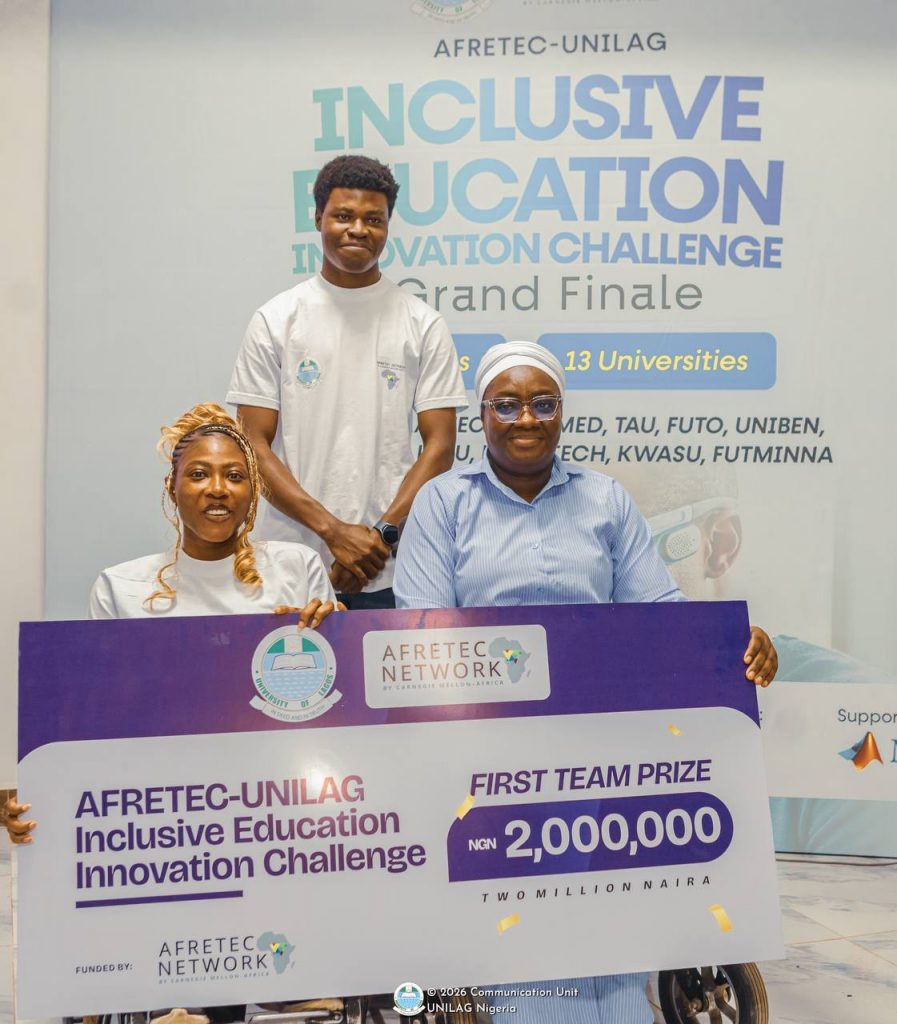
The Grand Finale represented a celebration of what can happen when opportunity meets creativity, when knowledge meets innovation, and when inclusion moves from policy language to lived experience.
For the University of Lagos, it was another demonstration of an institutional culture increasingly centred on innovation; one that seeks to connect knowledge with application and talent with opportunity.
For the young innovators, it was a reminder that an idea, however simple at its beginning, can become the foundation of something transformative when given the right support.
And for Team Omega, the victory carried an even deeper message.
It was proof that inclusion is most powerful when it is not simply spoken about, but experienced; when those who have historically been excluded are given the opportunity not only to benefit from innovation, but to lead it.
In that sense, Team Omega’s 71-point victory was more than a competition result. It was a statement about what inclusive innovation can look like and what becomes possible when everyone is given a genuine opportunity to create, lead, and make a difference.
Report: Bayo Salau
Photographs: Ayo Oloyede/ Michael Ike-Ossai (Student Intern)