The need to harness indigenous knowledge, local innovation and culturally responsive spatial planning to drive urban development without disrupting livelihoods took centre stage at the 3rd Professor Akinlawon Ladipo Mabogunje (PALM) Public Lecture.
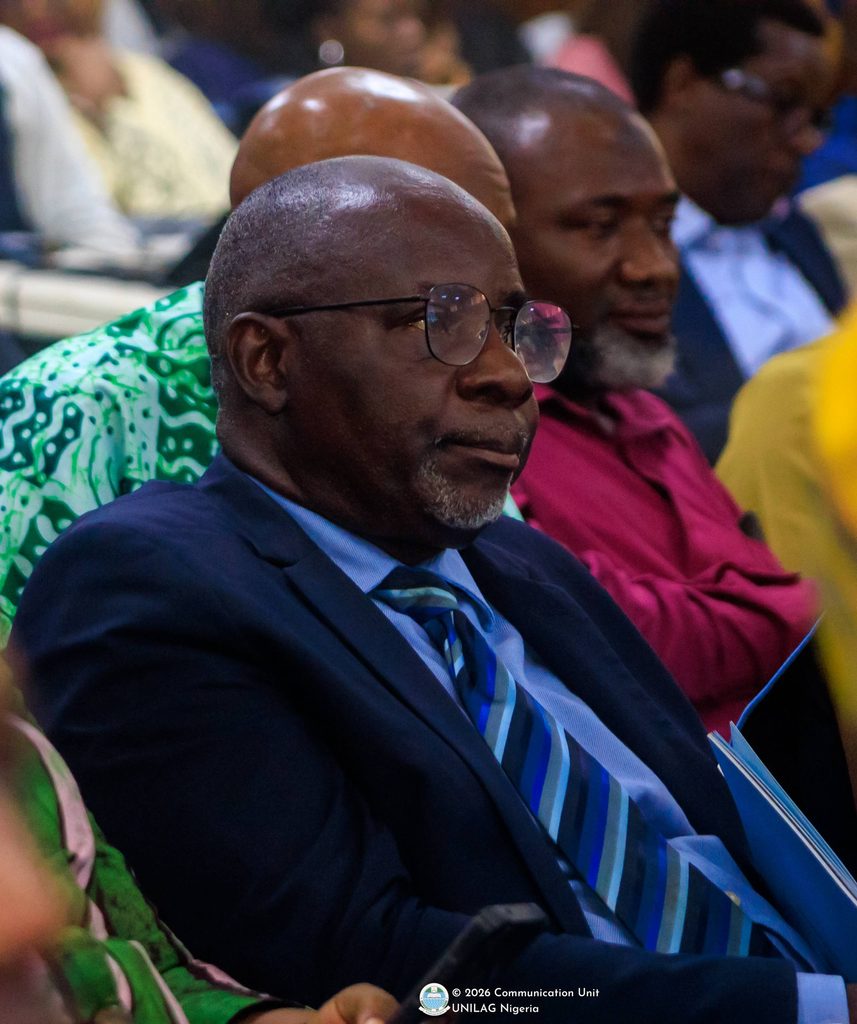
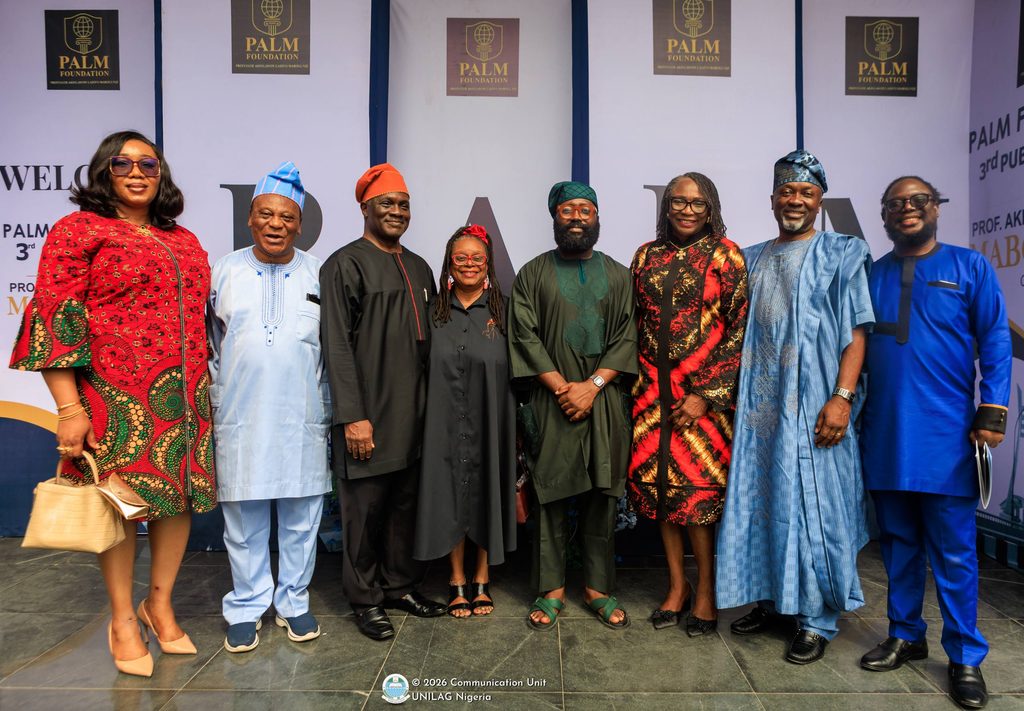
The event, held on Tuesday, October 20, 2026, at the Nigerian Institute of International Affairs (NIIA), Victoria Island, Lagos, brought together members of the family of the late Professor Akinlawon Ladipo Mabogunje, led by its matriarch, Justice Titilola Mabogunje (Rtd.); friends, associates, protégés and well-wishers to celebrate his enduring legacy of scholarship, mentorship and leadership.
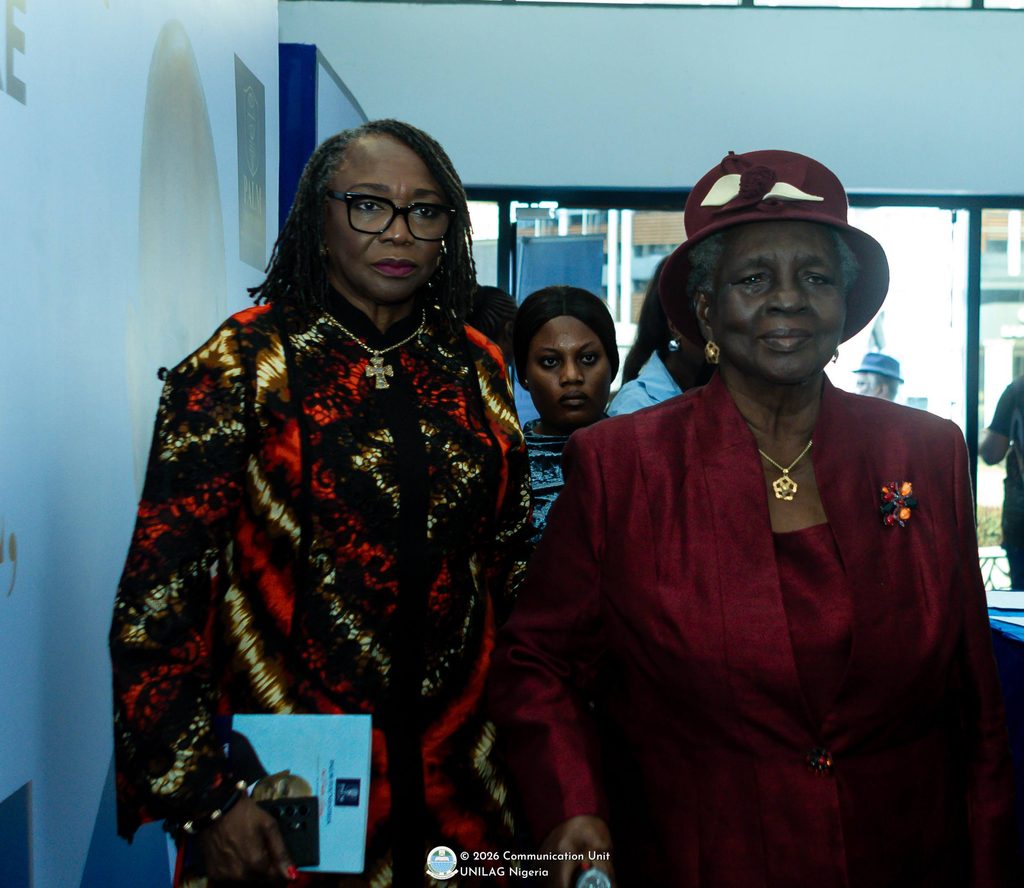

Organised under the auspices of the Professor Akinlawon Ladipo Mabogunje (PALM) Foundation, the lecture was also attended by members of the University of Lagos (UNILAG) Management and other senior university officials, who joined the Vice-Chancellor, Professor Folasade Ogunsola, OON, FAS, in honouring her late father and the renowned scholar.




Celebrating a Legacy of Scholarship and Nation-Building
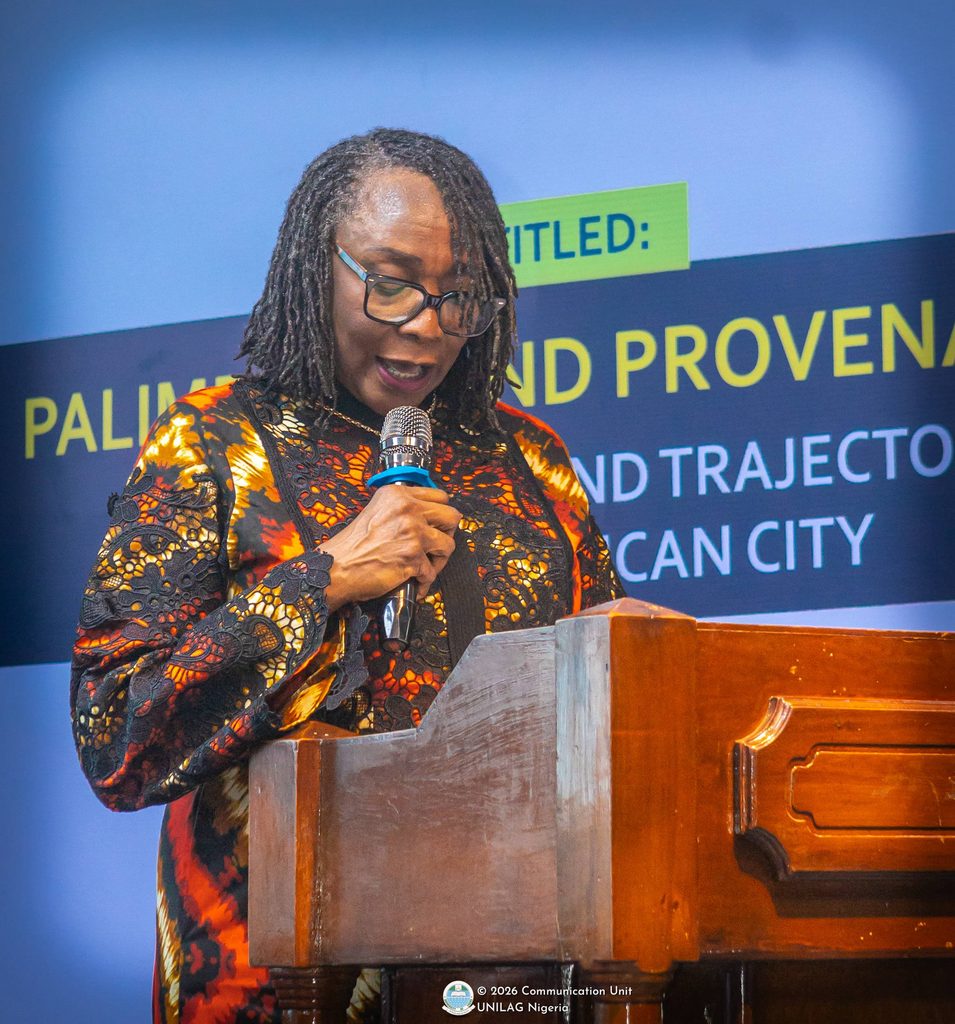
In her opening remarks, the Chairman of the Board of Trustees of the PALM Foundation, Professor Folasade Ogunsola, expressed appreciation to the attendees for identifying with the values of scholarship, national development and sustainability that her late father championed throughout his life.
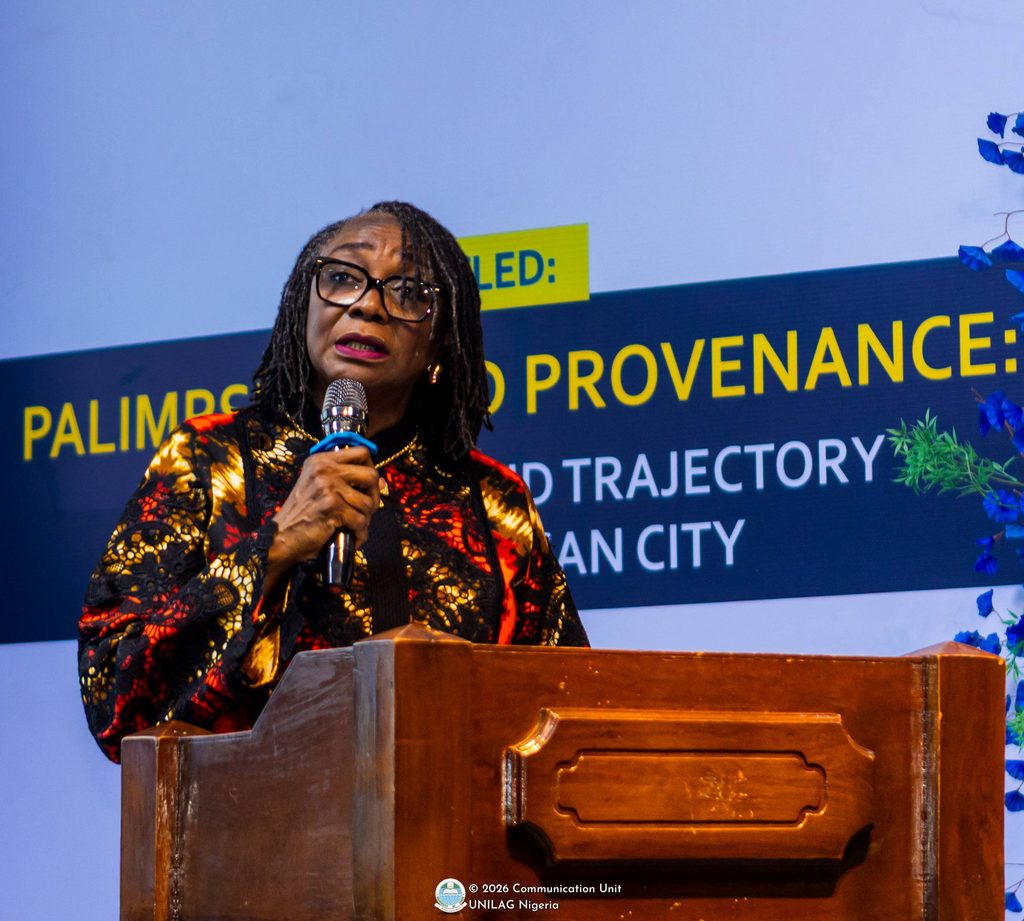
She described him as gentle, kind, humble, approachable, intellectually rigorous, disciplined and principled, noting that these qualities complemented his remarkable scholarly achievements and unwavering commitment to excellence.
Professor Ogunsola highlighted the breadth of her father’s scholarship, which spanned Geography, History, Economics, Town Planning and Governance. She reiterated his conviction that scholarship must engage with society, inform public policy and improve people’s lives, describing him as a nation-builder and development thinker committed to “policies and not politics”.
According to her, Professor Mabogunje’s scholarship deepened public understanding of the complex relationships among urbanisation, migration, industrialisation, housing, livelihoods and economic transformation.
She recalled his landmark publication, Urbanization in Nigeria, which advanced an understanding of urban development through the interconnected lenses of history, contemporary society and the economy, rather than relying solely on external perspectives.
“Long before it became fashionable, he had been asking us to produce knowledge rooted in the African experience and to use that knowledge to solve African problems,” she said.
She added that his work demonstrated that sustainable cities require productive economic activities, effective institutions, sound planning, adequate infrastructure and leadership capable of connecting people and resources to opportunities.
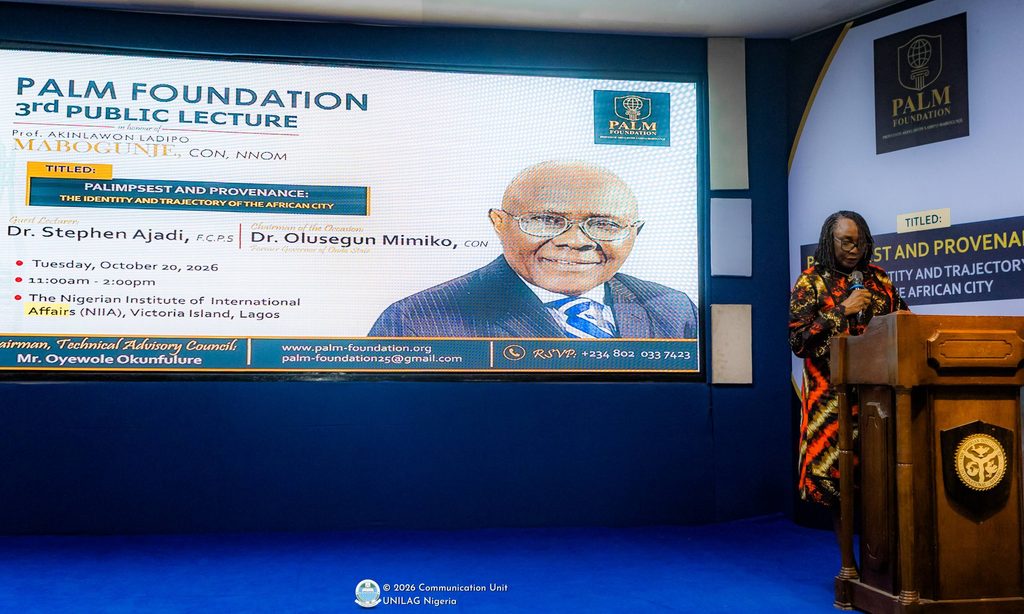
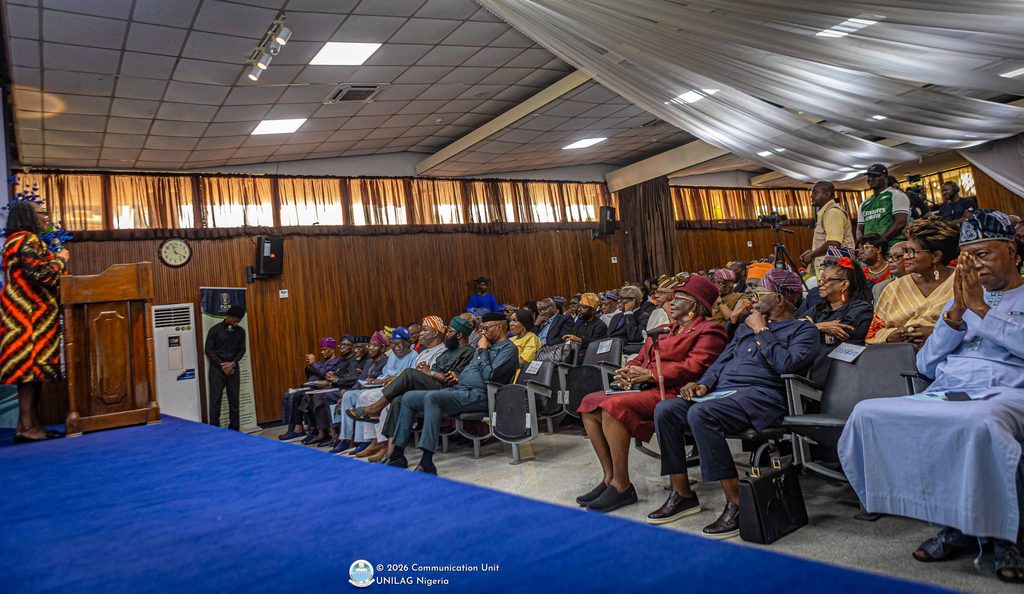
Against the backdrop of rapid urbanisation across Nigeria and other African countries, Professor Ogunsola urged stakeholders to examine whether urban growth was generating productive employment, supporting innovation, connecting rural producers to markets and improving the quality of life of ordinary citizens.
Sustaining Professor Mabogunje’s Intellectual Legacy
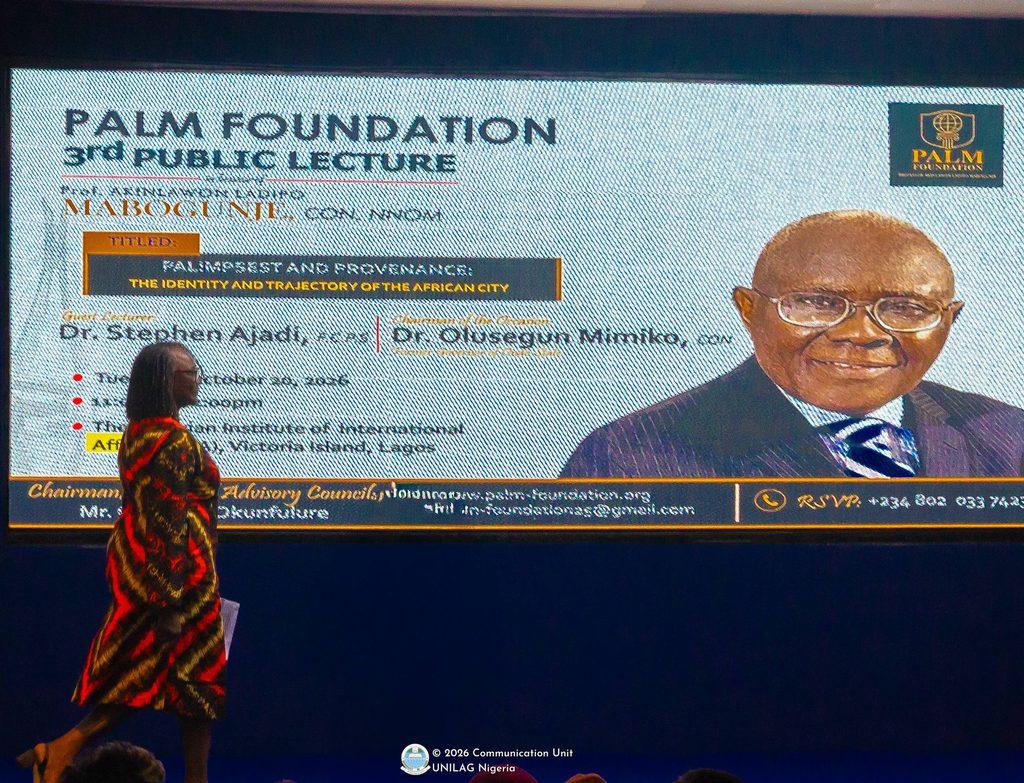
Speaking on behalf of the PALM Foundation, the Chairman of its Technical Advisory Council, Mr Oyewole Okunfulure, restated the Foundation’s vision of preserving and advancing Professor Mabogunje’s legacy while creating new pathways for knowledge, learning and scholarship.


He said the Foundation was also committed to mobilising the resources needed to sustain the vision to which the late scholar had devoted much of his life.
Mr Okunfulure reaffirmed the Foundation’s commitment to establishing and institutionalising opportunities for emerging African scholars in the spatial sciences and related disciplines.
“Our ambition is not merely to celebrate the achievements of a remarkable scholar, but to ensure that his intellectual legacy continues to inspire generations of scholars to contribute meaningfully to Africa’s development,” he said.
He also pledged the Technical Advisory Council’s continued collaboration with the Board of Trustees to translate Professor Mabogunje’s legacy into tangible outcomes through scholarships, strengthened institutions, expanded opportunities and greater access to knowledge for future generations.
Urban Development Must Protect Livelihoods
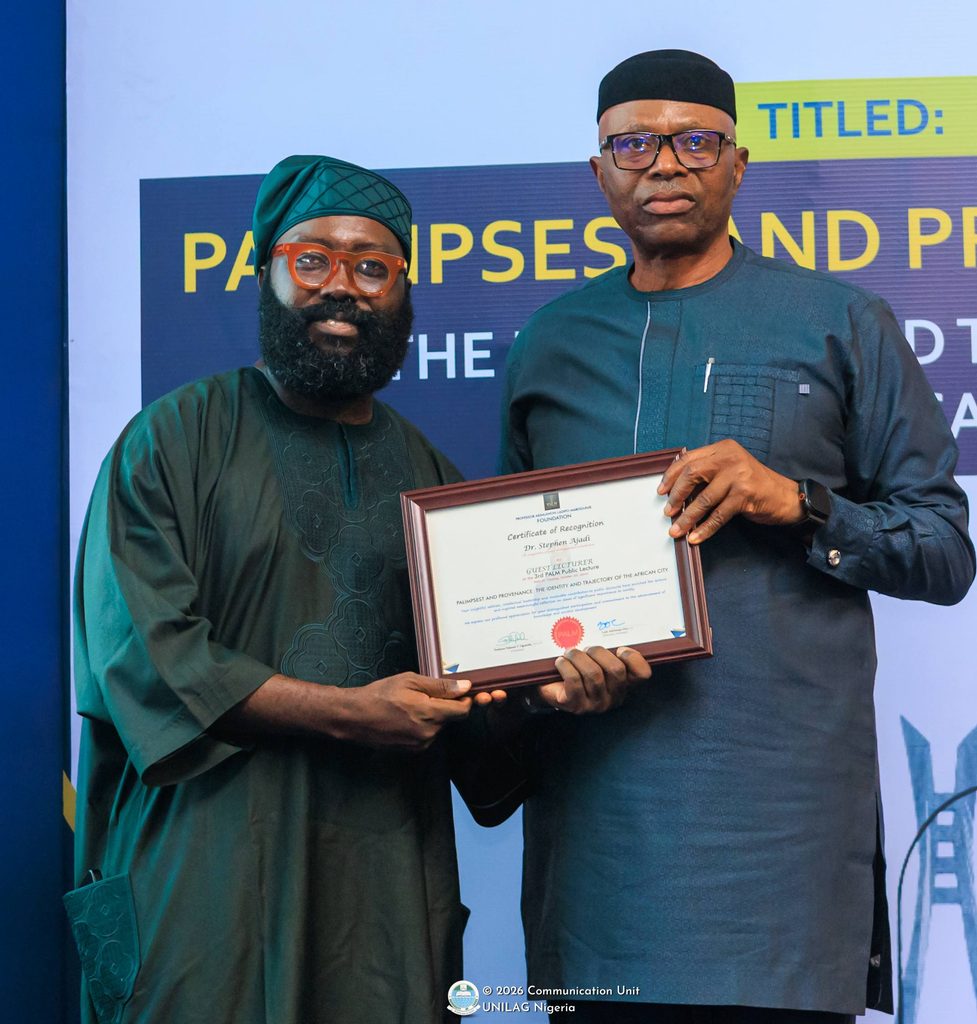
Former Governor of Ondo State, Dr. Olusegun Mimiko, who chaired the lecture, reflected on his working relationship with the late Professor Mabogunje, which dated back to his tenure as Nigeria’s Minister of Housing and Urban Development.
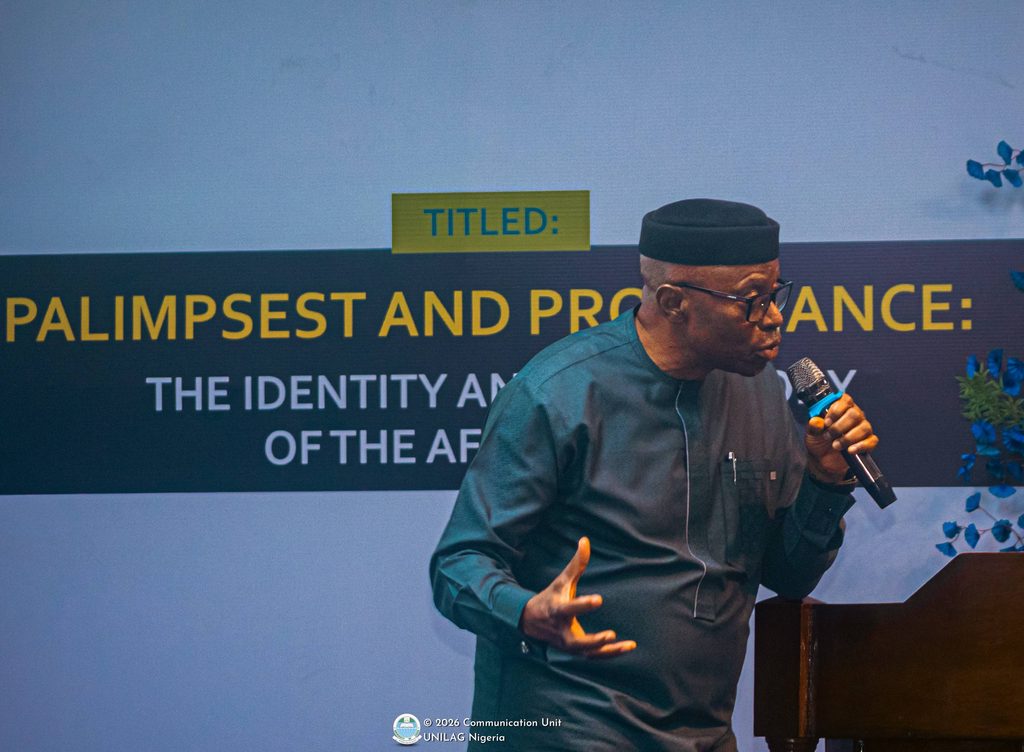
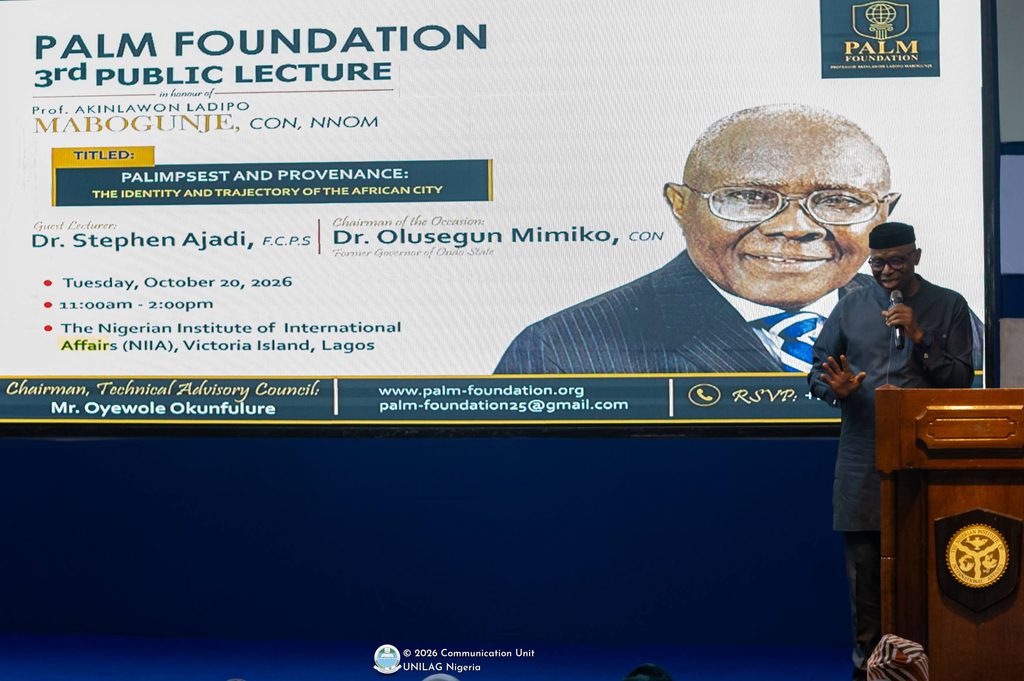
Dr Mimiko described the late scholar as a man of integrity, an astute academic, a teacher par excellence, an exceptional listener and a person of uncommon distinction.
He commended Professor Mabogunje’s selflessness, sacrifice and commitment to collective development, noting that he deployed his expertise and influence to improve society and promote the well-being of its people.
Commenting on the lecture’s theme, Dr Mimiko described it as a call for an African renaissance, particularly at a time when narratives about African history and development were increasingly shaped by external perspectives.
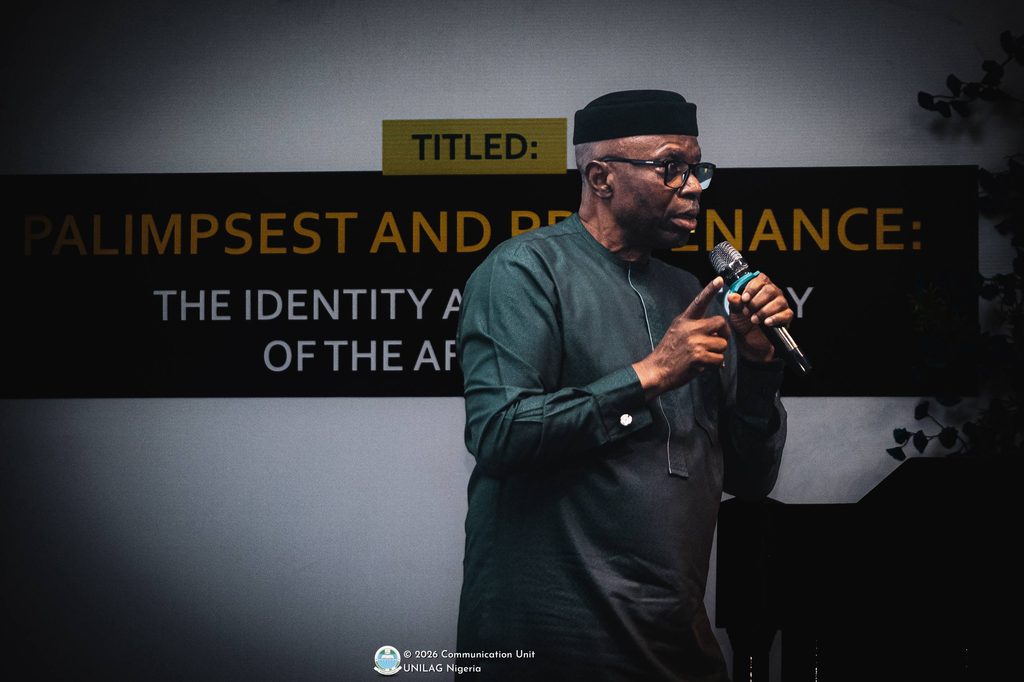

He stressed that urban development policies must take residents’ livelihoods into account, warning against approaches that undermine the economic and social structures through which communities sustain themselves.
Reclaiming the African City Through Indigenous Knowledge
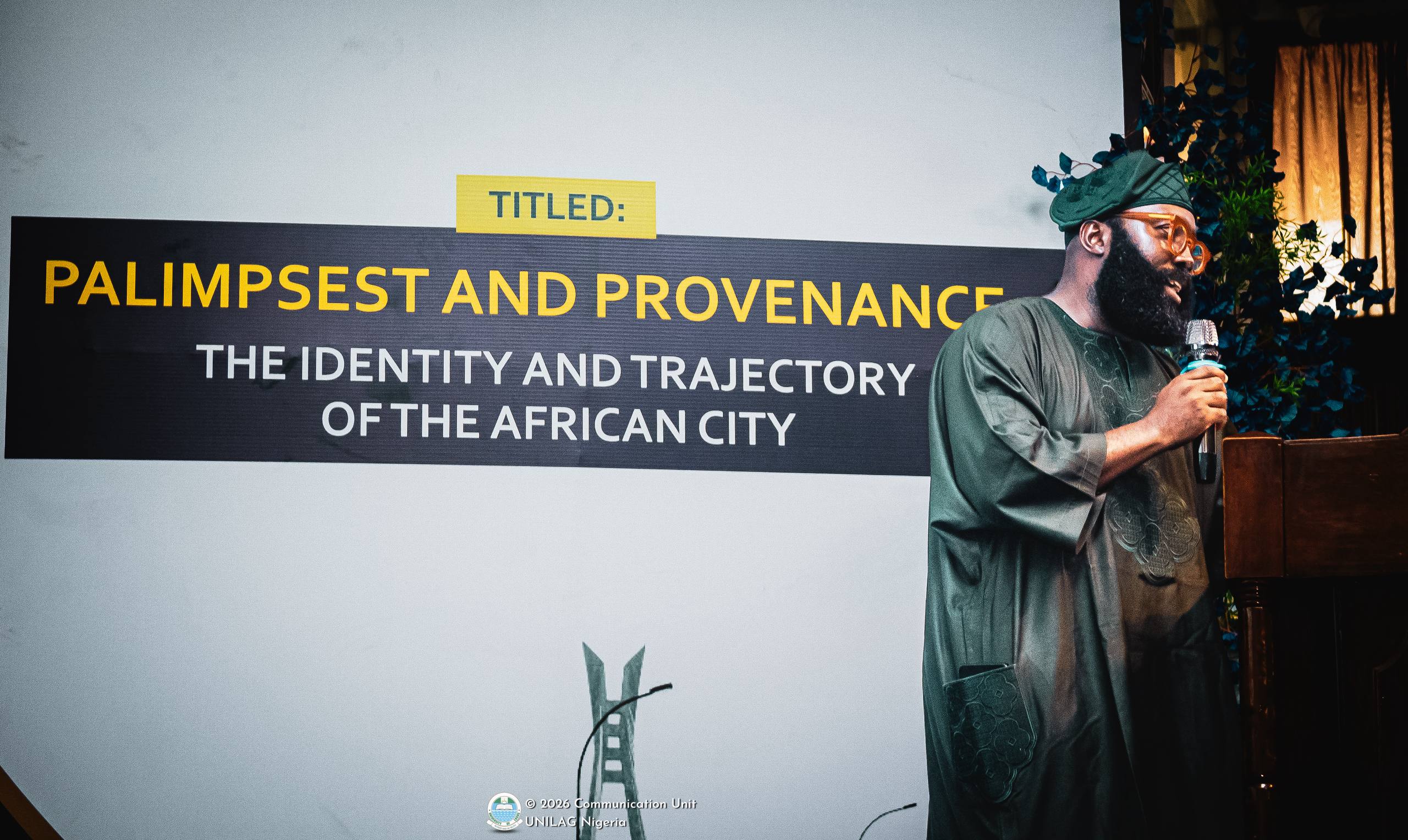
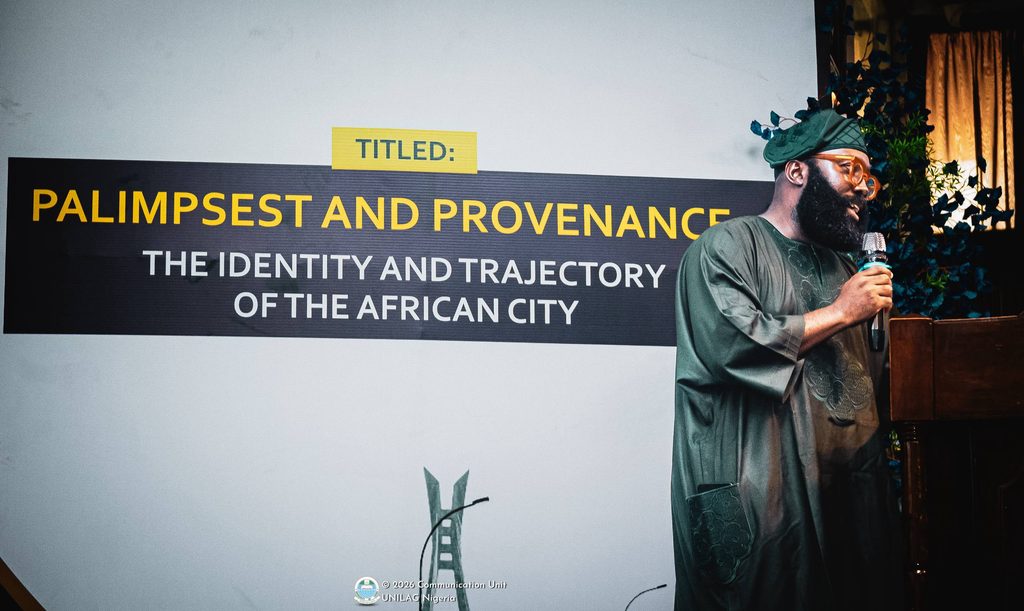
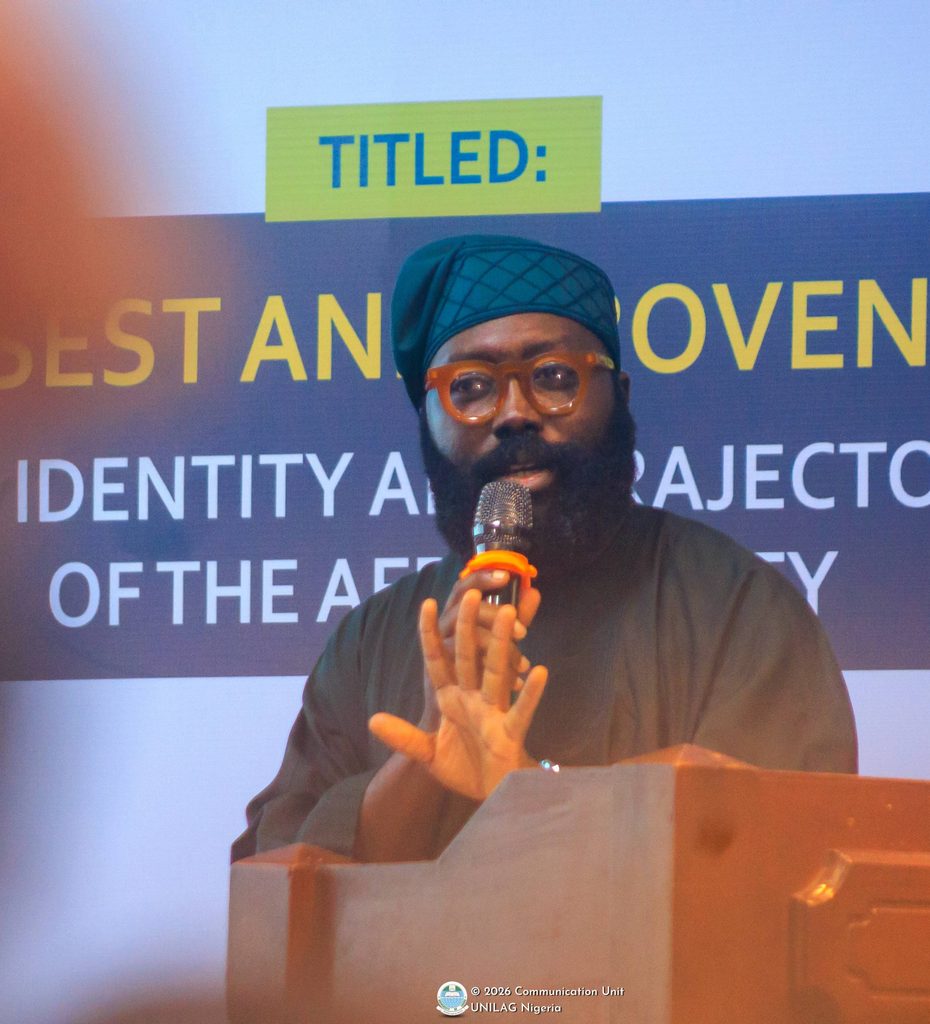
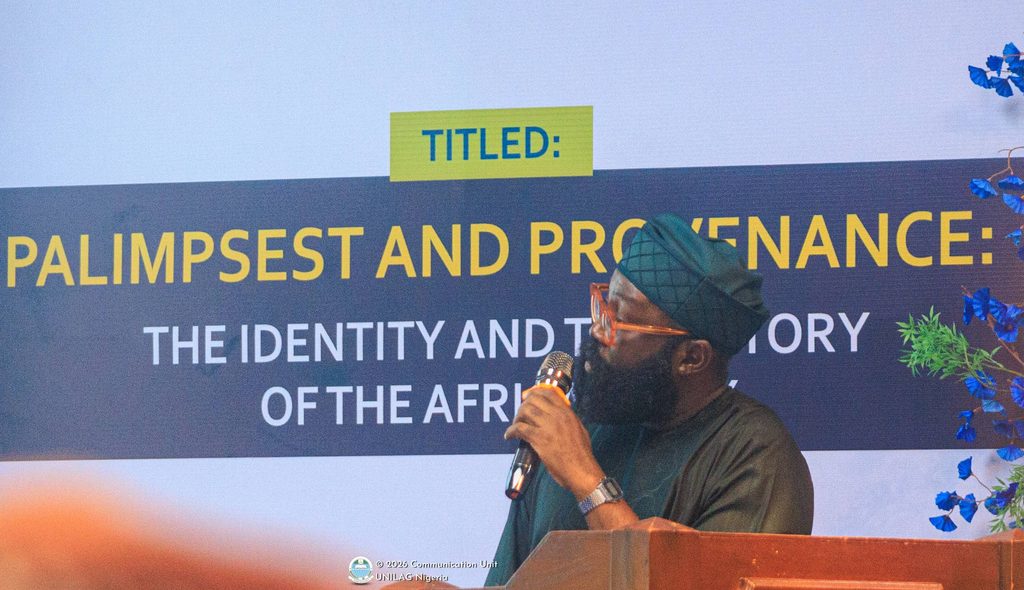
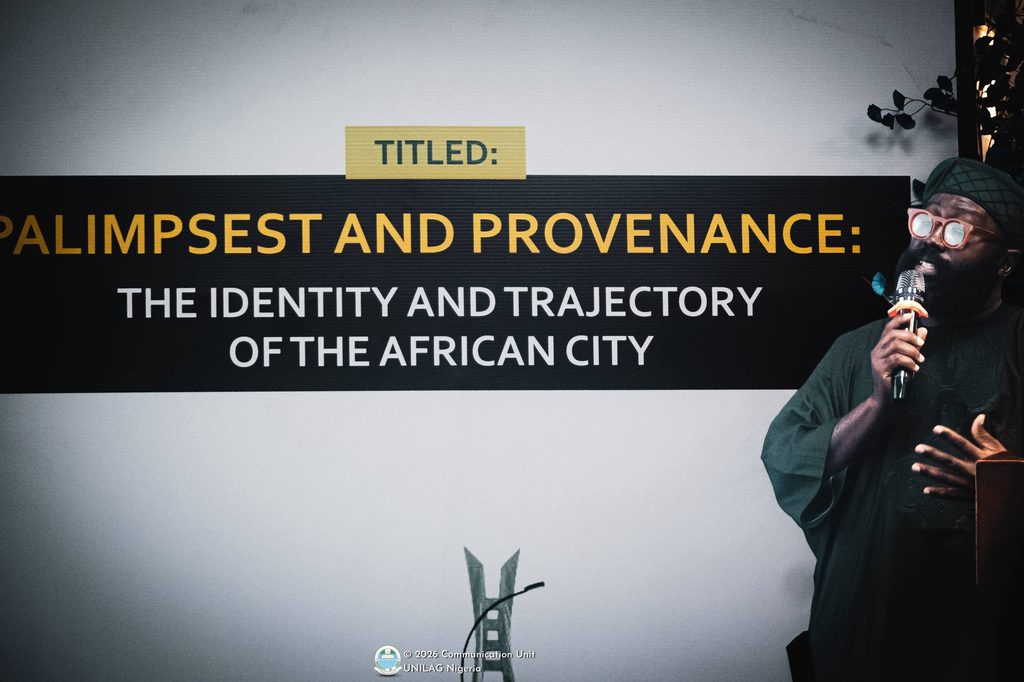
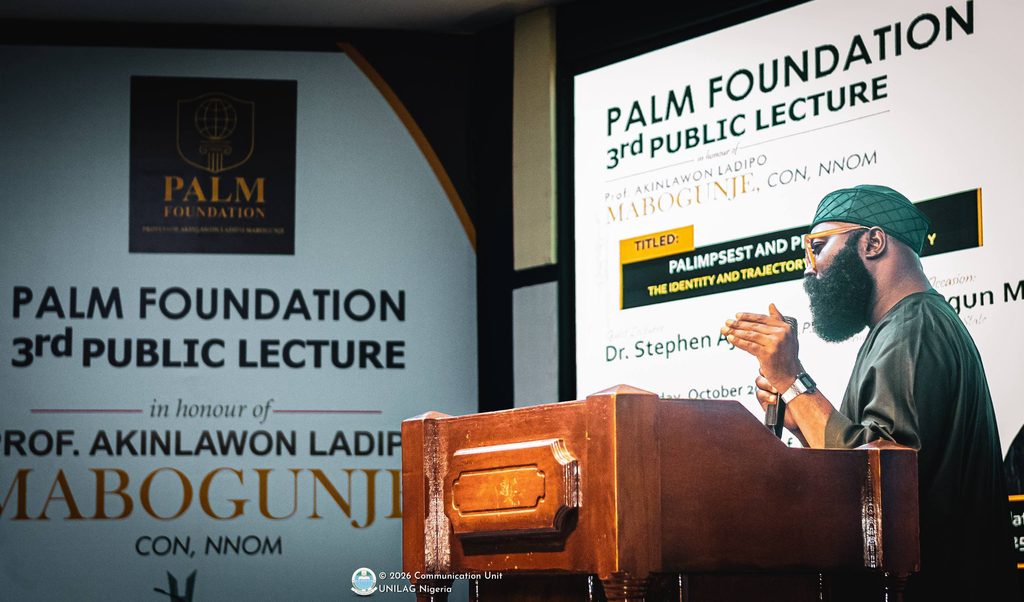
The lecture, titled “Palimpsest and Provenance: The Identity and Trajectory of the African City,” was delivered by Dr Stephen Ajadi, FIMC, FCPS, a founding partner of Ruban Architecture Office.

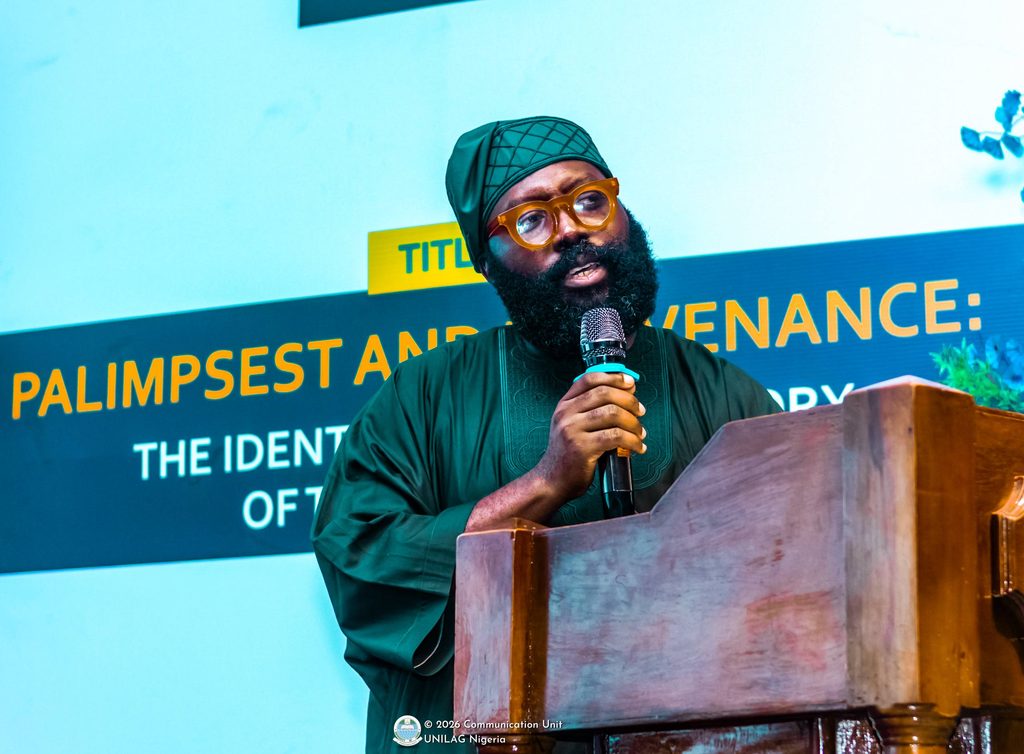
Reflecting on his relationship with the late Professor Mabogunje, Dr Ajadi acknowledged the scholar’s influence on the direction of his doctoral studies and his intellectual development.
He challenged the notion that African urban development began with colonialism, presenting historical and archaeological examples of established African cities, indigenous spatial planning systems and architectural achievements that predated colonial rule.
Among the examples he cited were the Kano city wall, dated to 1836; the Gobarau Minaret in Katsina, built in 1446; and Iwo Eleru, in present-day Ondo State, an archaeological site documented in 1961 with evidence of human presence dating back approximately 13,000 years.
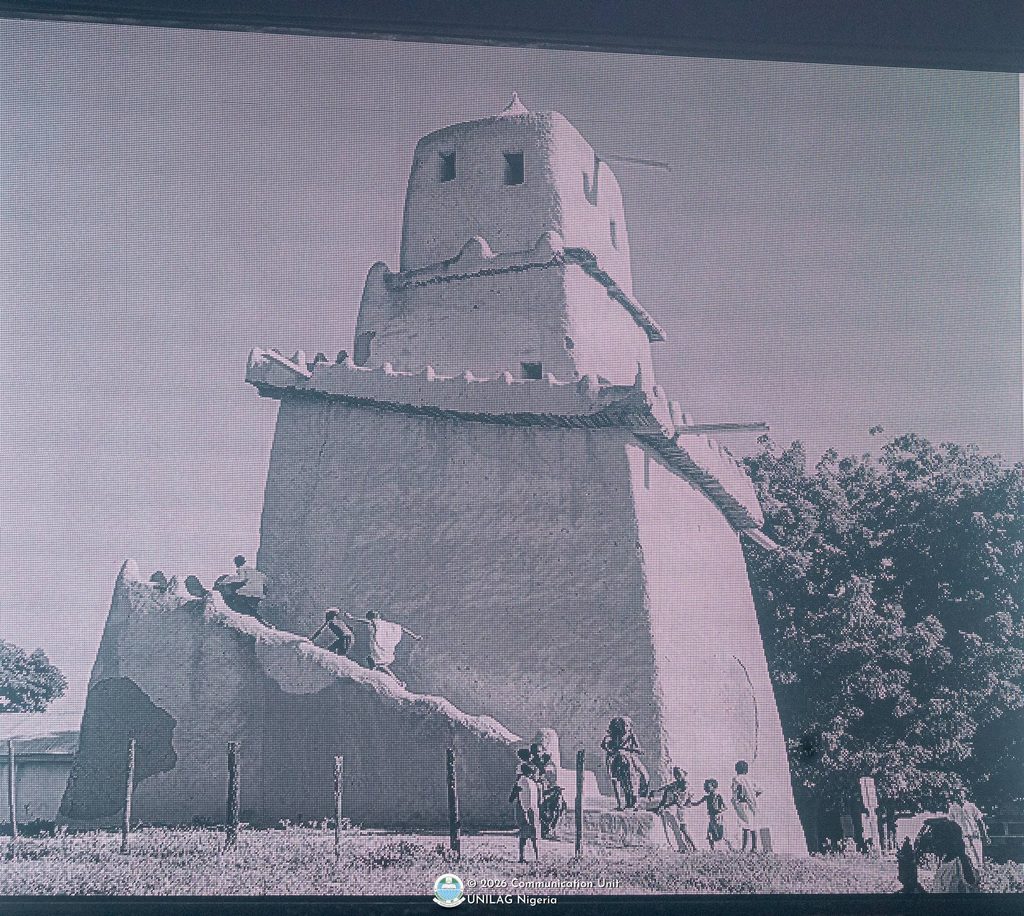
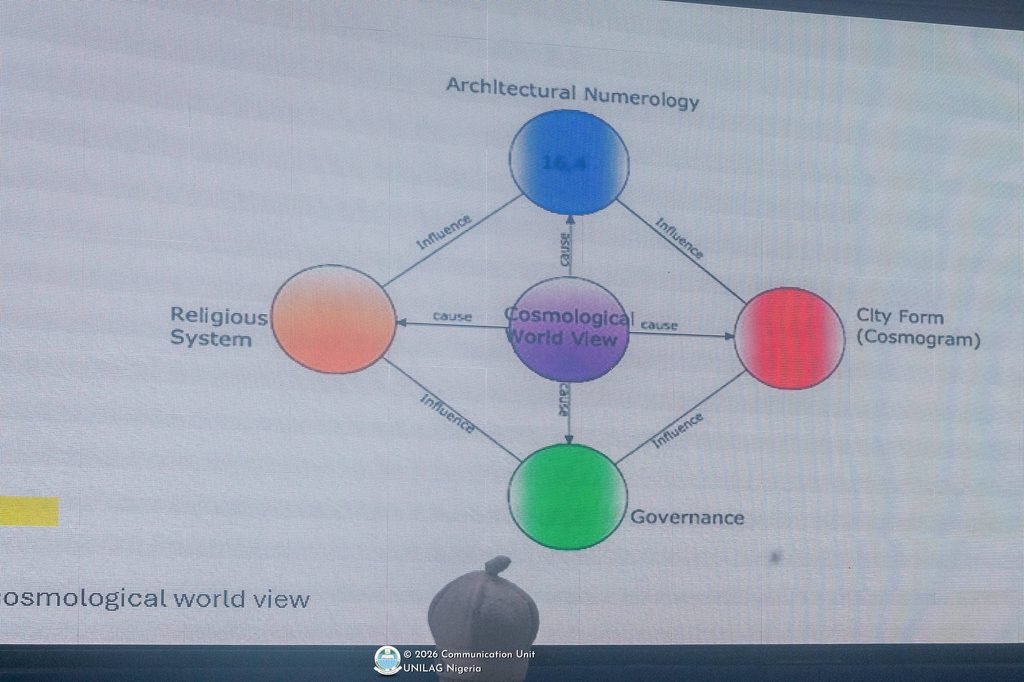
Beyond Nigeria, Dr Ajadi highlighted the rock-hewn churches of Lalibela in Ethiopia, constructed during the 12th and 13th centuries, as evidence of Africa’s longstanding architectural ingenuity.
He also identified periodic market days, the institution of Iyalojas and other traditional leadership roles in urban centres, guilds, age-grade systems and oríkì ìlú—praise poetry associated with towns and communities—as expressions of indigenous urban organisation and civic life.
Tracing the historical forces that reshaped African cities, Dr Ajadi examined the Berlin Conference, held from November 15, 1884, to February 26, 1885. He noted that the conference, which had no African representation, sought to regulate European colonial expansion and trade in Africa.
According to him, the colonial arrangements that followed contributed to the conquest of territories, the erosion of indigenous cultures, the marginalisation of traditional leadership structures and the alteration of existing governance systems. They also disrupted local economies through land appropriation and the reorganisation of agriculture, markets and natural resources to serve colonial interests.
Looking ahead, Dr Ajadi identified the next 25 years as a critical period for Africans to reclaim and reshape the continent’s urban future.
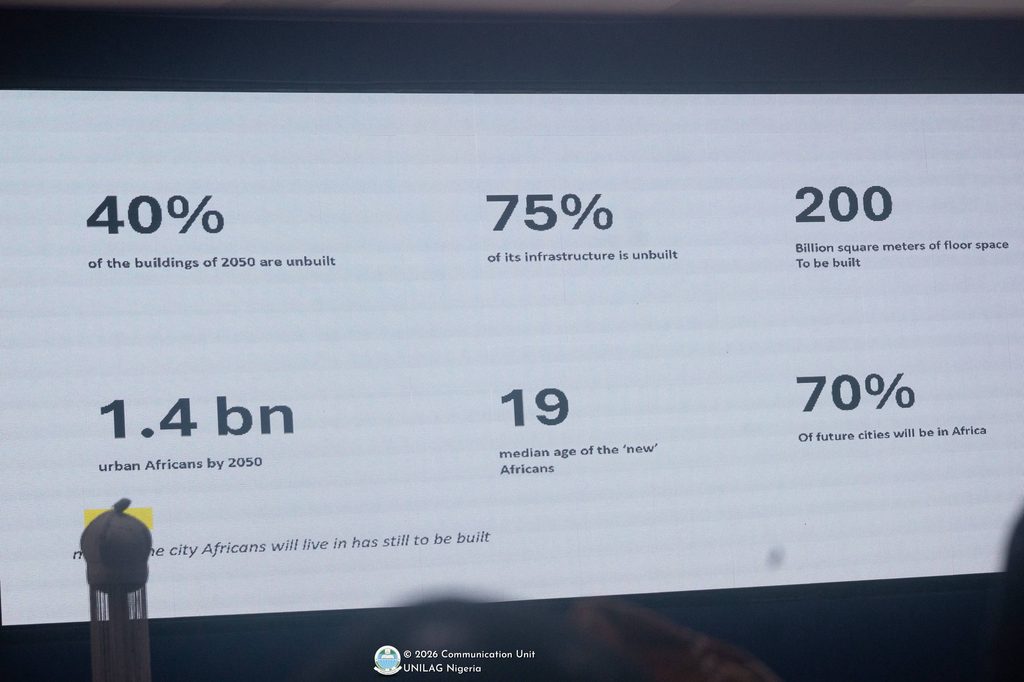
He observed that many of the cities in which Africans would live in the coming decades had yet to be built. With Africa projected to experience substantial urban population growth by 2050, he argued that the continent must take ownership of its development choices.
To harness this opportunity, he urged Africans to design cities that reflect their own realities, approach partnerships from a position of ownership, develop financial structures suited to local needs and adopt technology on their own terms.
Advancing Professor Mabogunje’s Spatial Development Framework
Dr Ajadi also questioned the limited international recognition accorded to Professor Mabogunje despite his pioneering contributions to spatial and urban geography.
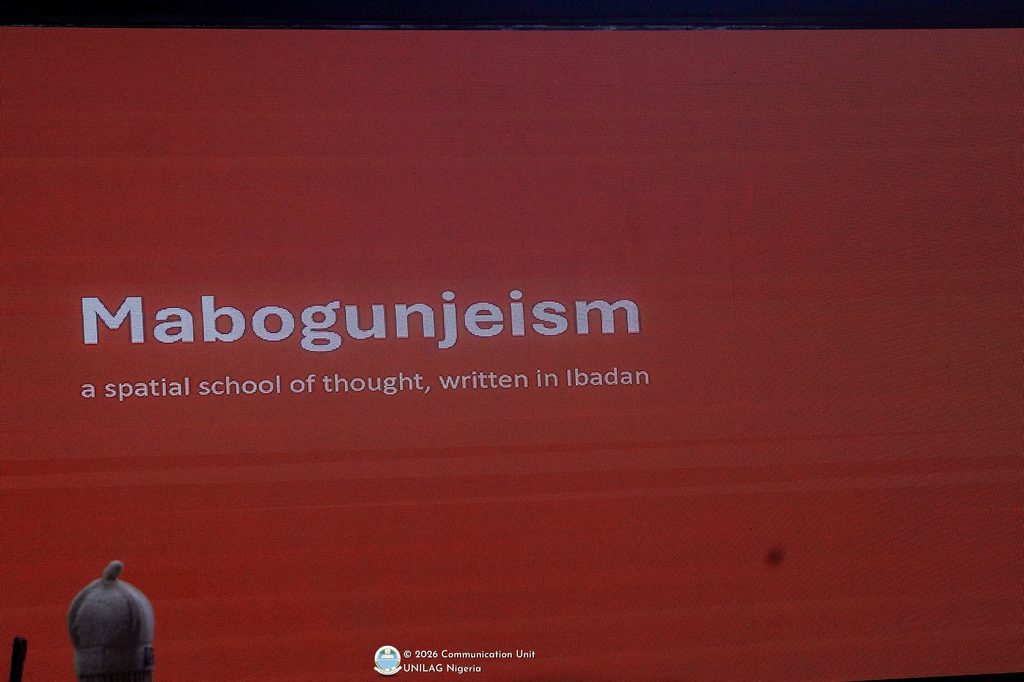
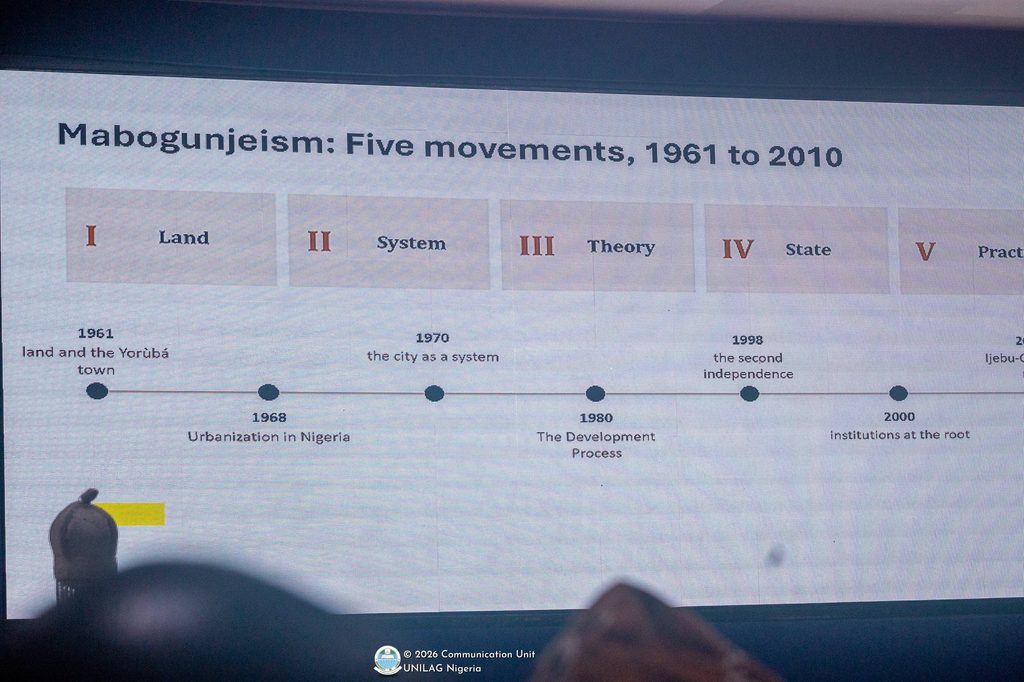
He recalled the late scholar’s landmark publications on land, spatial systems, spatial theories, the state and development practice, many of which dated back to 1961. He expressed concern that Professor Mabogunje’s contributions had received insufficient recognition in global spatial scholarship until his influence on a new generation of spatial thinkers was acknowledged in 2024.
Highlighting the intellectual foundation laid by Professor Mabogunje, Dr Ajadi outlined six key propositions underpinning his approach to spatial development:
- Space as an instrument of development.
- Development as the deliberate reorganisation of space.
- Settlement systems, markets and land tenure as units of spatial development.
- The reorganisation of institutions alongside the spaces they govern.
- The role of the state and community leaders as agents of spatial reorganisation.
- Africa as a site for developing and advancing spatial theory.
Drawing on one of Professor Mabogunje’s publications, which states that “spatial reorganization is seen as synonymous with development in the sense that spatial forms represent physical realizations of patterns of social relations”, Dr Ajadi underscored the need to ground urban planning in the social and economic realities of the people it is intended to serve.
He cited several community engagement projects, particularly in northern Nigeria, aimed at planning, reorganising and improving existing markets without compromising public safety or undermining the livelihoods of traders and other residents who depend on them.
These examples reinforced his argument that effective urban development must build on existing social and economic systems rather than disregard them.
PALM Foundation Strengthens Support for Academic Excellence
The event also featured a fundraising session in support of the objectives of the PALM Foundation.
As part of the Foundation’s commitment to sustaining Professor Mabogunje’s legacy, Mr Okunfulure announced and presented an endowment of ₦5 million to the University of Ibadan. The endowment upgrades the PALM Award for the best graduating student in Geography, which is now valued at ₦500,000 annually. The initiative is intended to strengthen support for academic excellence and nurture future generations of scholars.


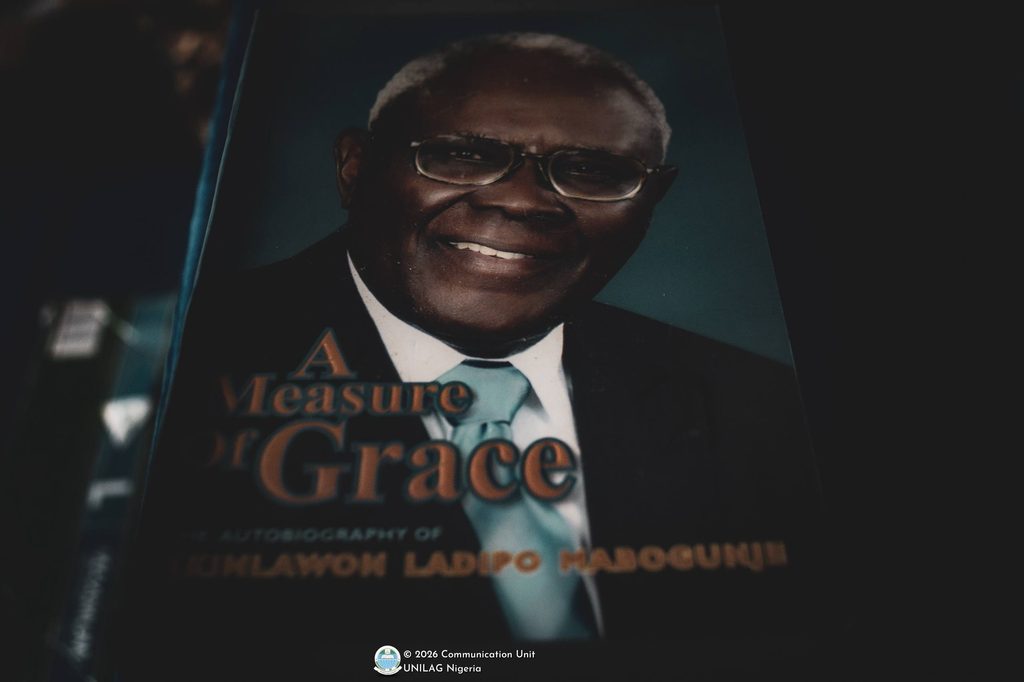
About Professor Akinlawon Ladipo Mabogunje
Born on October 18, 1931, Professor Akinlawon Ladipo Mabogunje was widely recognised as one of Africa’s foremost geographers and a pioneer of modern geographical scholarship on the continent. He attained professorial rank at the age of 34 after joining the Department of Geography at the University of Ibadan as its first African staff member.
Among his many distinctions, he became the first African foreign honorary associate of the American Academy of Arts and Sciences in 2017, and was elected an international member of the United States National Academy of Sciences. He also served as President of the International Geographical Union.
Beyond his academic accomplishments, Professor Mabogunje was renowned for his contributions to public policy, urban development and nation-building, as well as for mentoring generations of scholars and development practitioners.
He passed away on Thursday, August 4, 2022, leaving behind an enduring intellectual legacy that continues to inform discussions on African cities, spatial planning and sustainable development.











Report: Gbenga Gbelee
Photograph: Ayo Oloyede