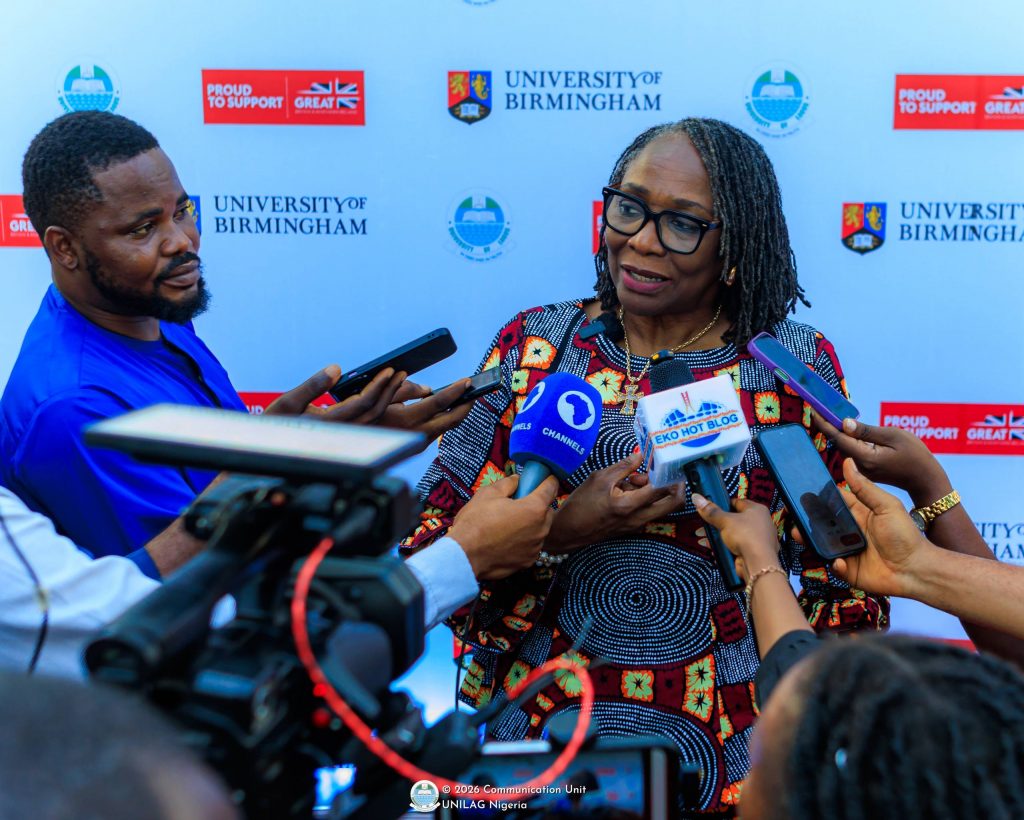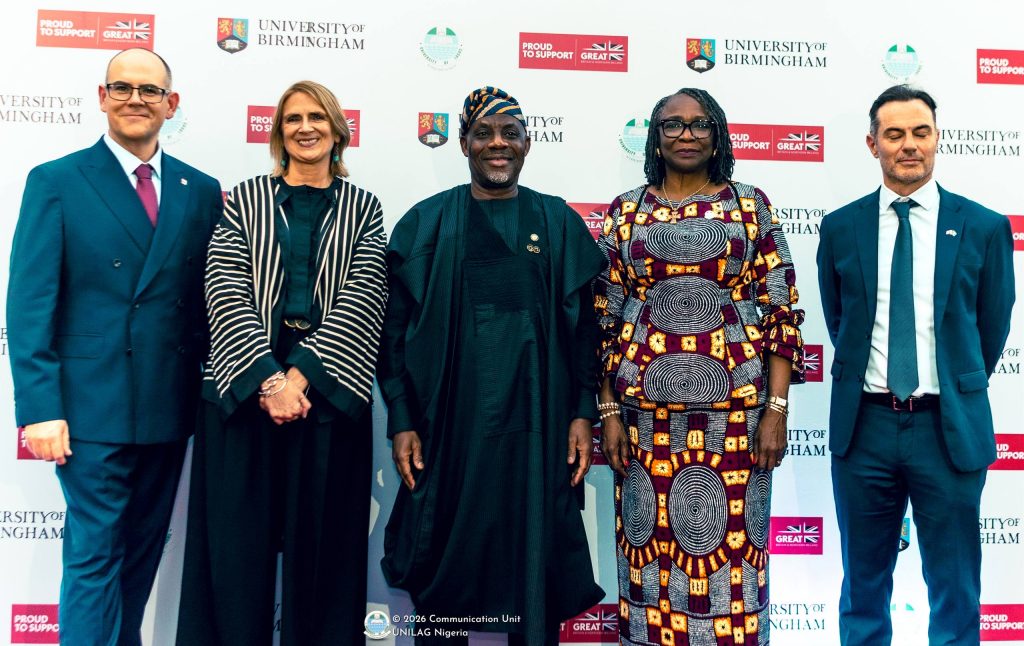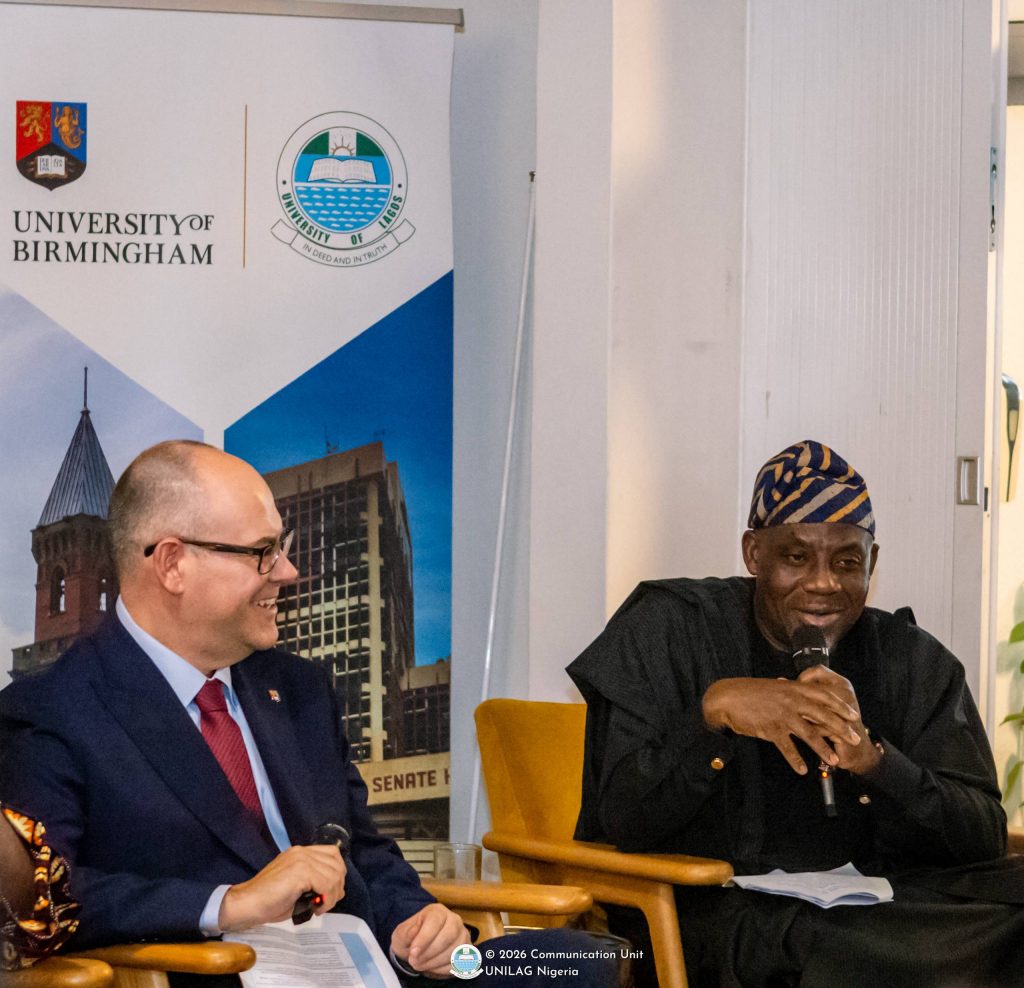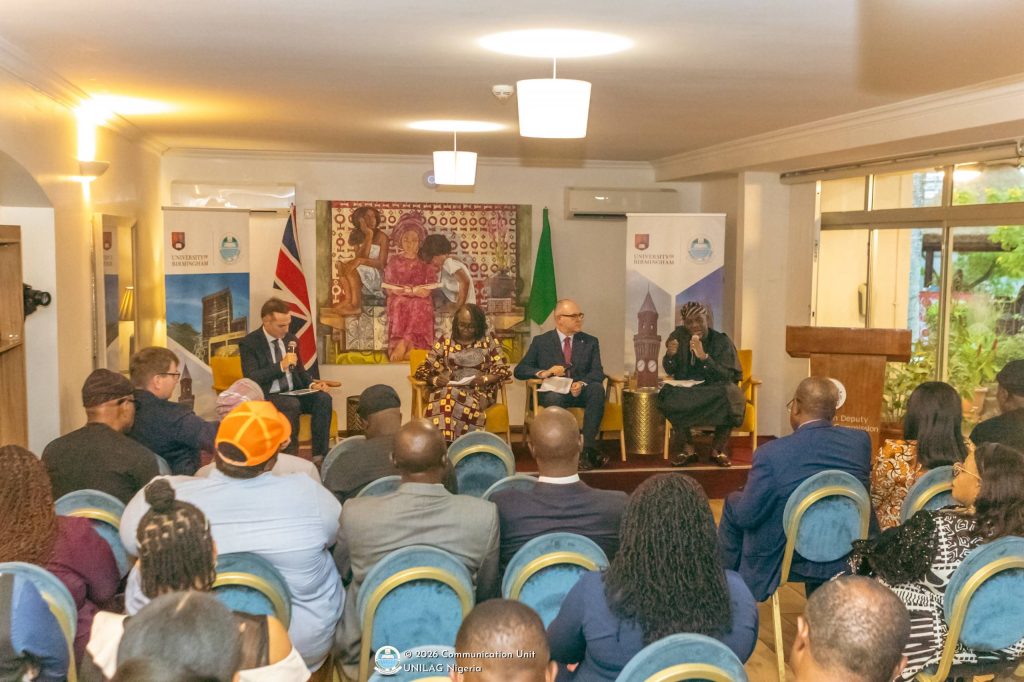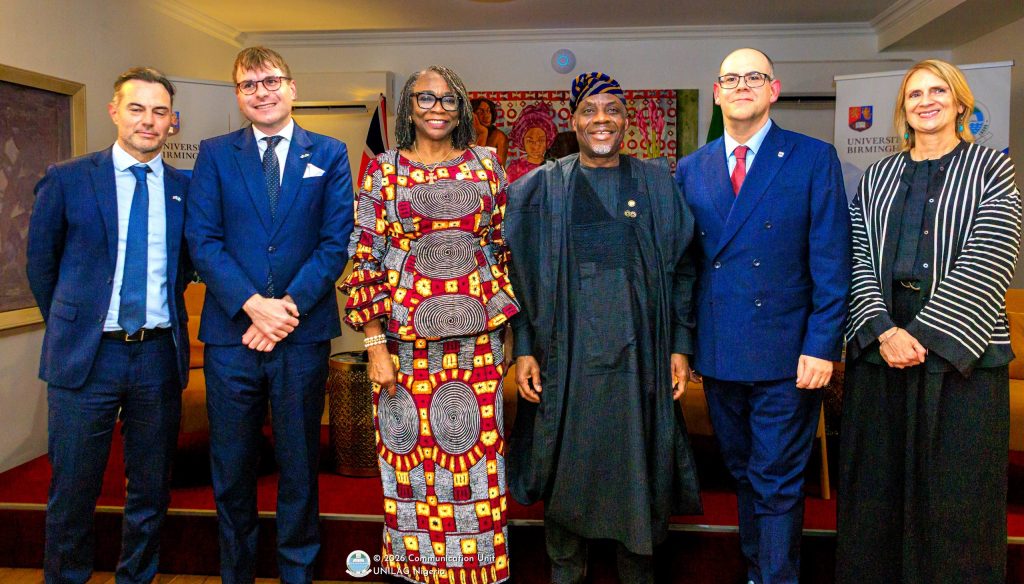
When it is said that the University of Lagos (UNILAG) is the University of First Choice and the Nation’s Pride, the claim is not mere praise-singing. It is a distinction increasingly borne out by evidence: from nurturing student-led enterprises and strengthening industry partnerships to advancing research and building international collaborations that respond to Nigeria’s development needs.
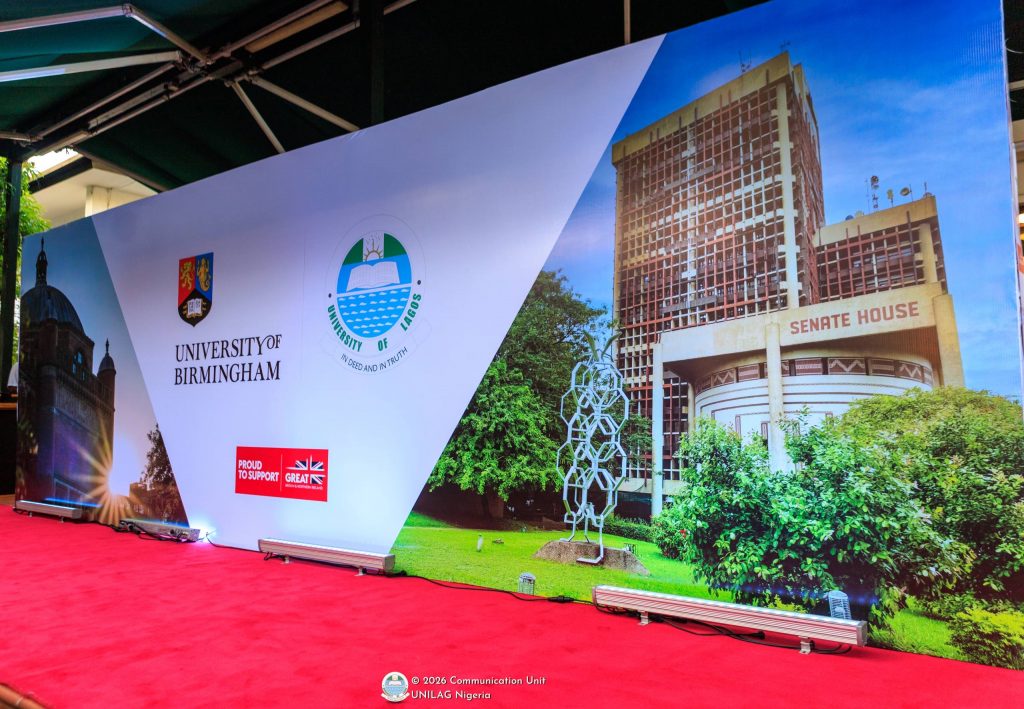
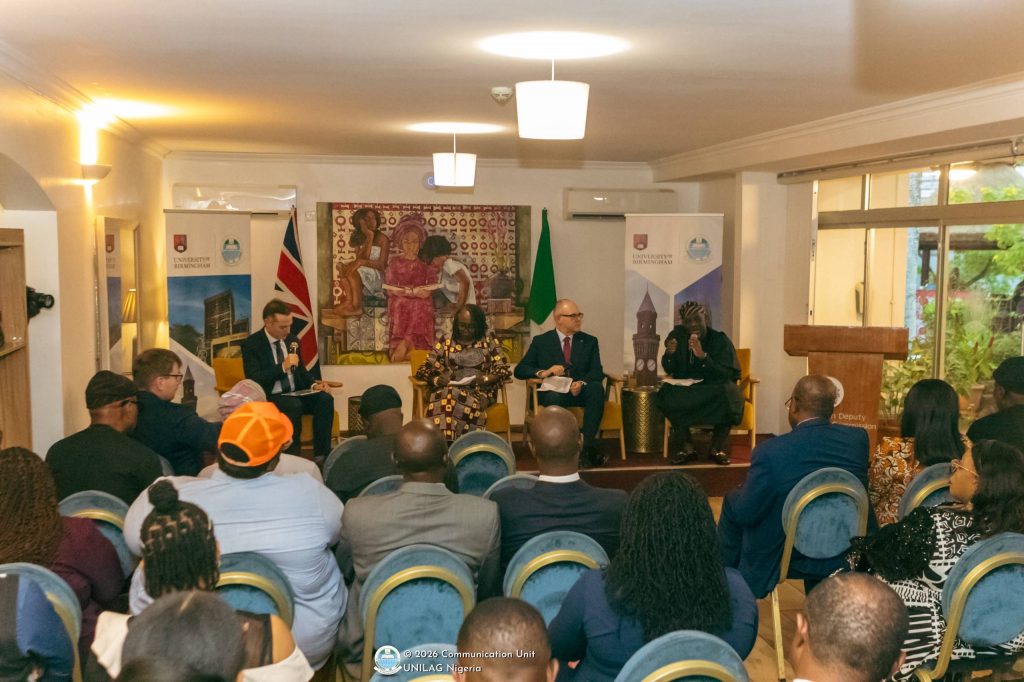
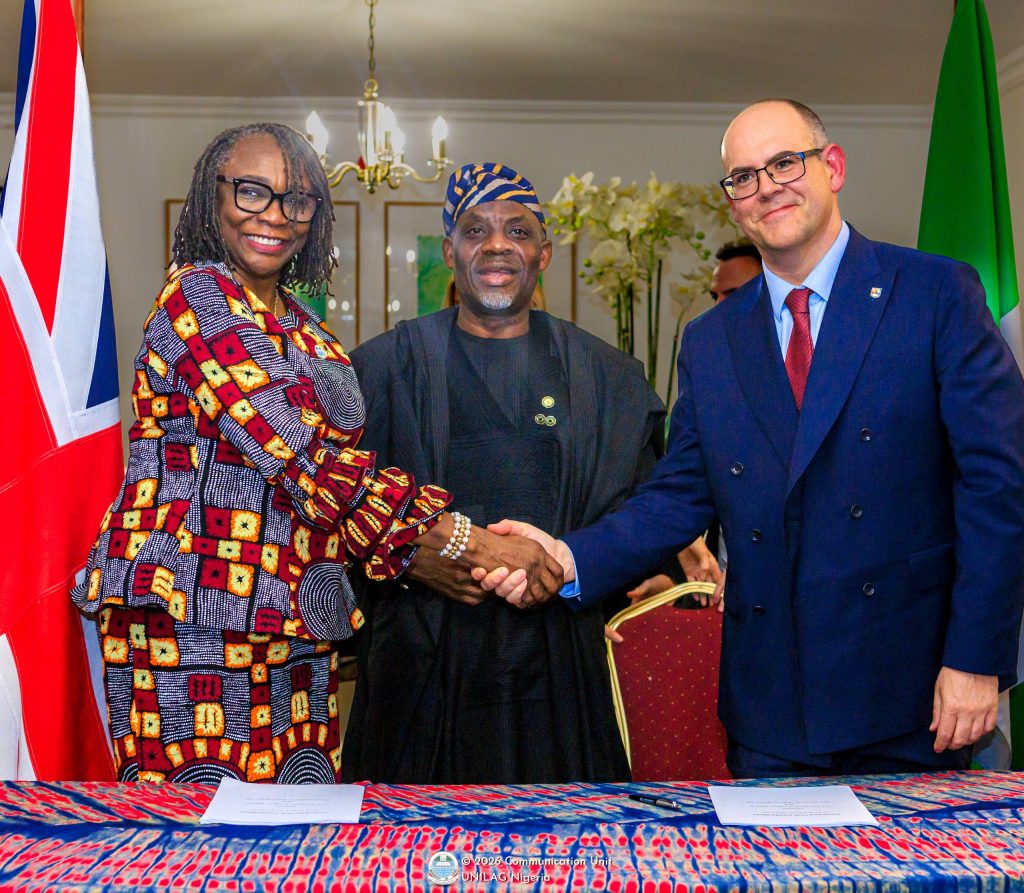
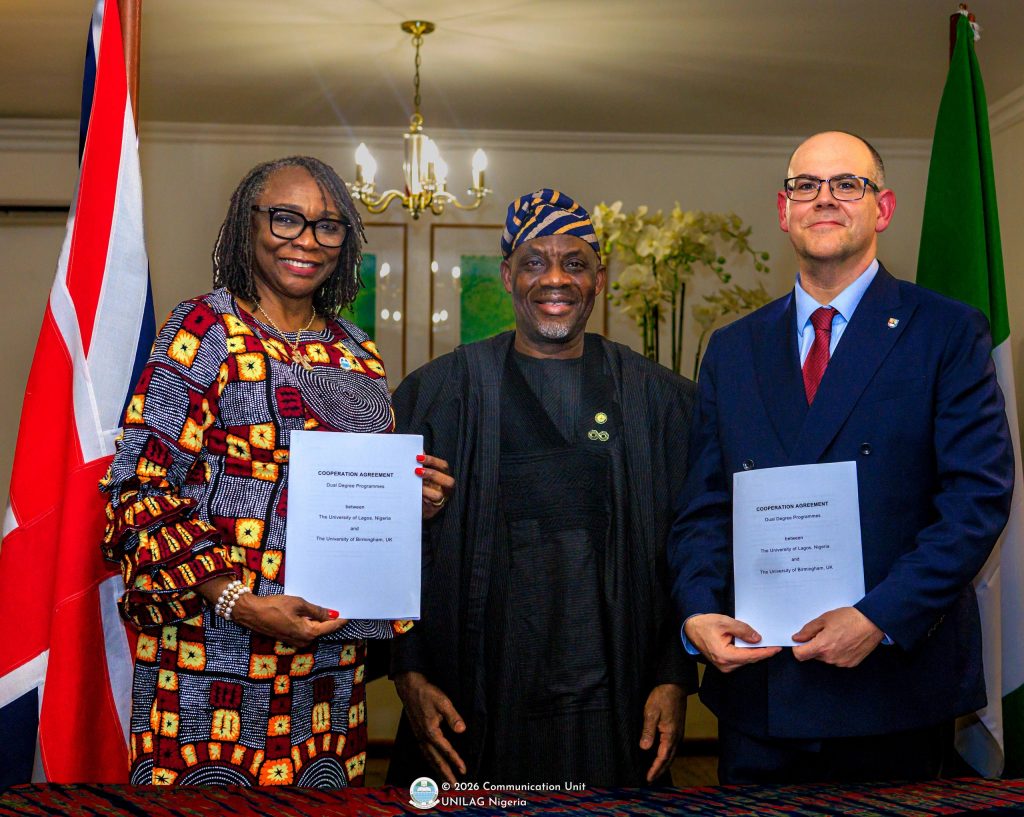
On Thursday, October 15, 2026, the University provided another compelling illustration of this commitment as it signed a Cooperation Agreement for Dual Degree Programmes with the University of Birmingham (UoB), United Kingdom, at the Residence of the British Deputy High Commissioner in Lagos. The agreement marks a significant step towards developing graduates equipped with the knowledge, practical skills and entrepreneurial capacity required to contribute meaningfully to Nigeria’s evolving economy.
The partnership, which builds on more than a decade of collaboration between both institutions, was unveiled during an evening of diplomatic engagement and conversations on the future of higher education, graduate employability, innovation, and the development of globally competitive talent.
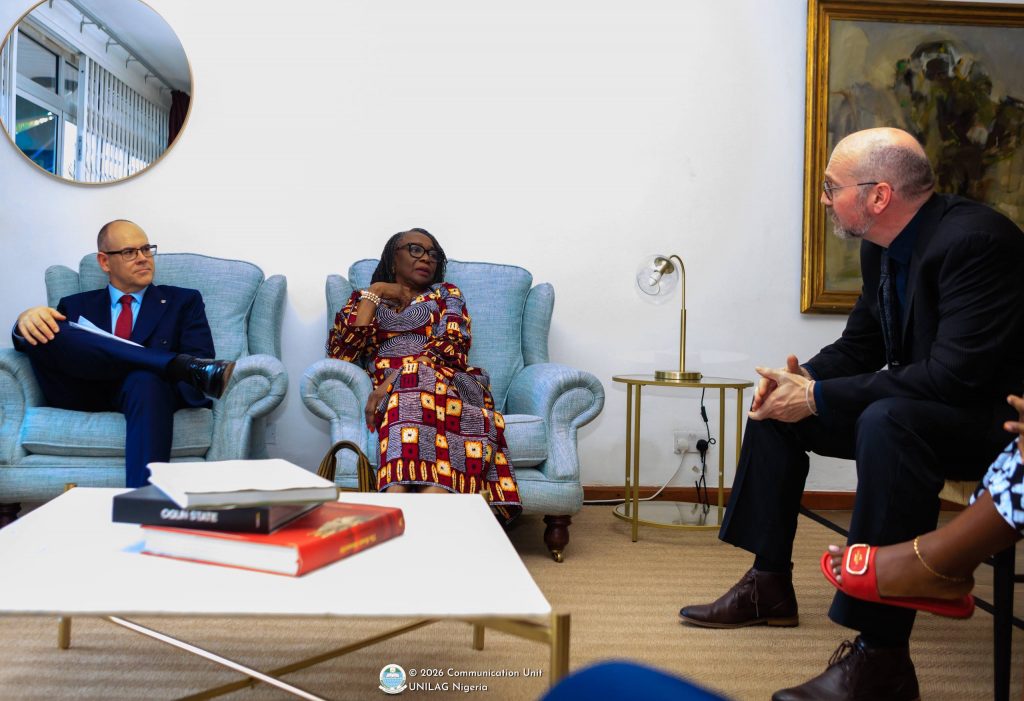
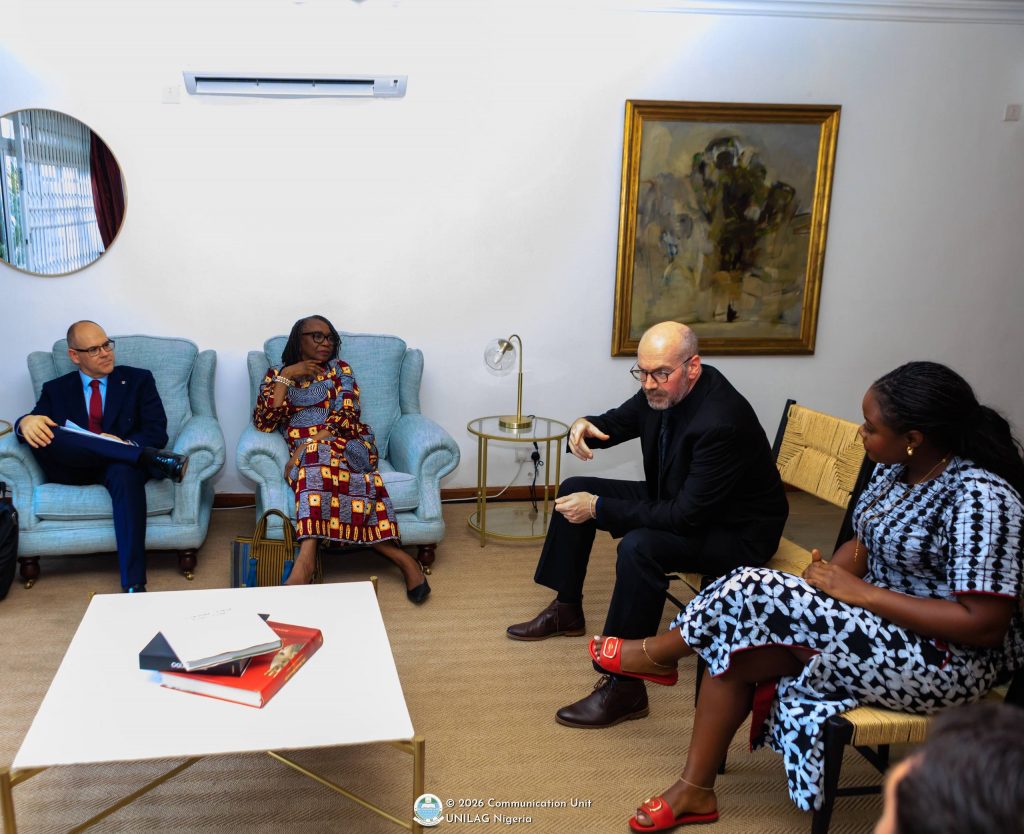
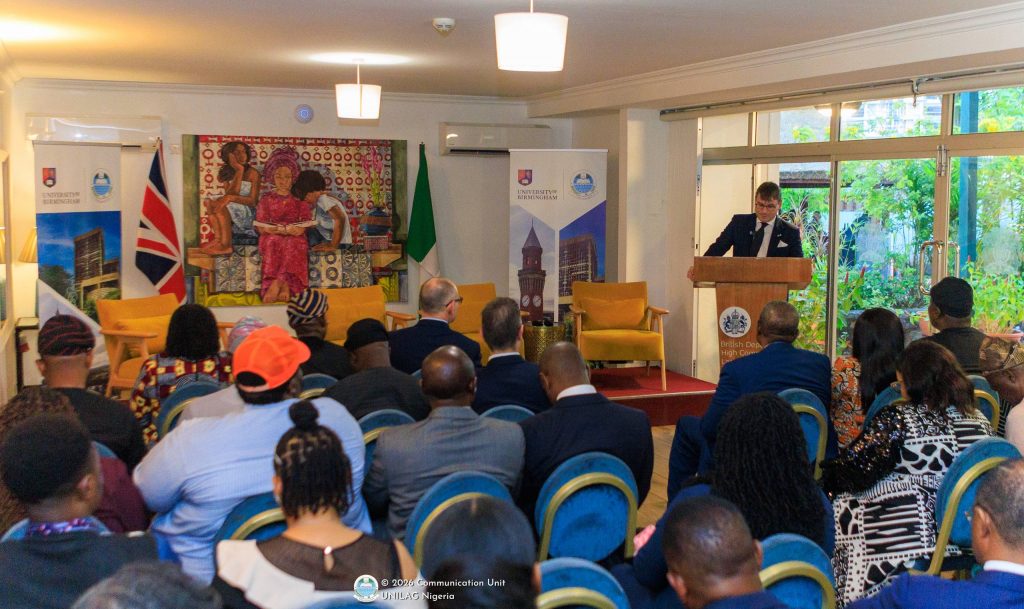
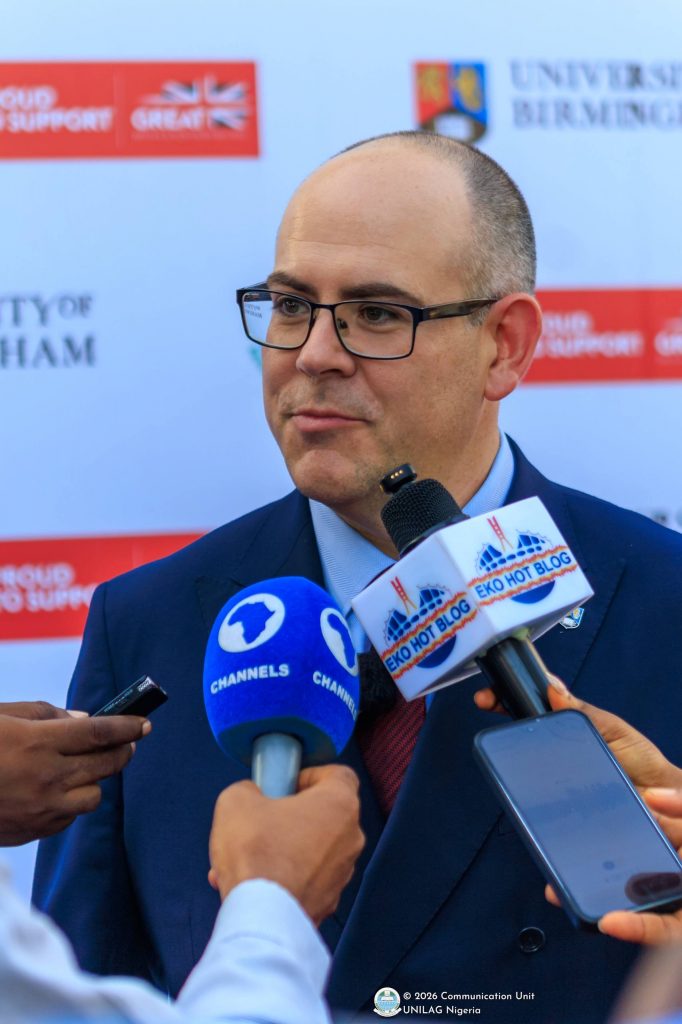
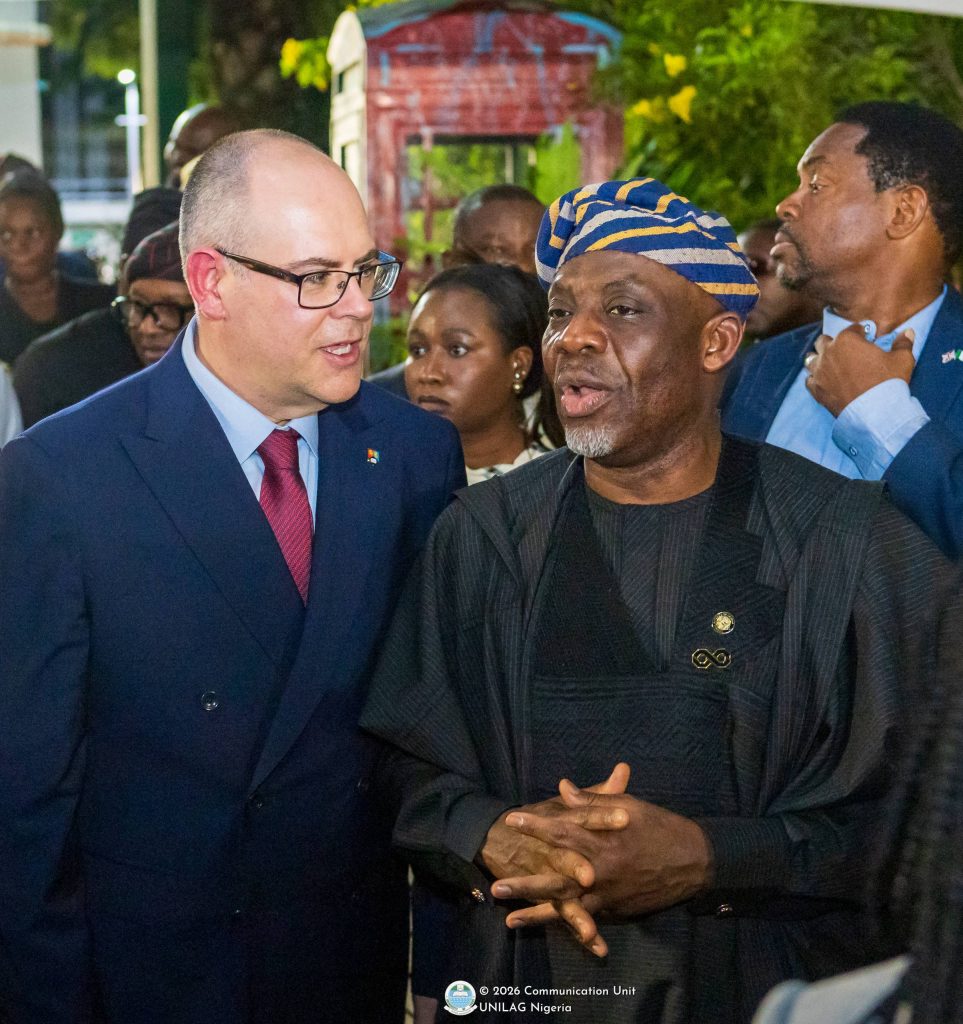
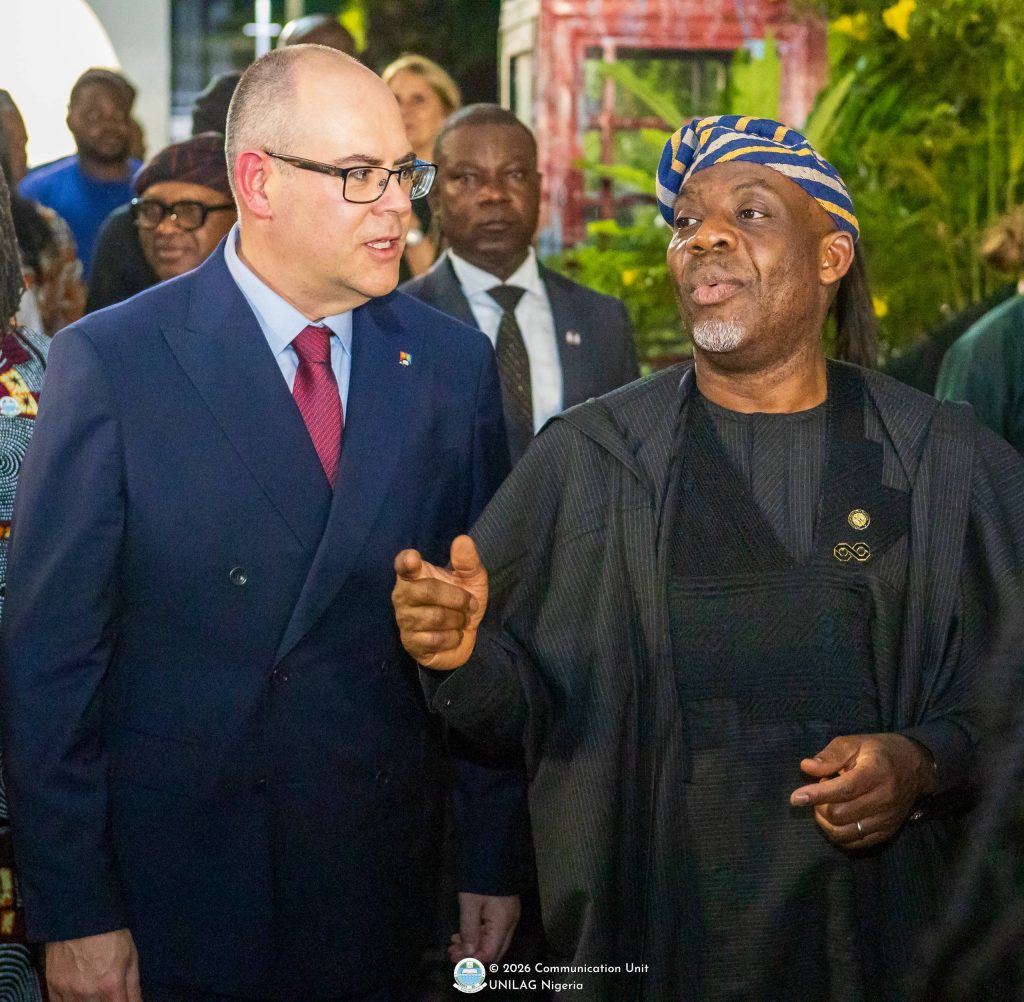
Representing the British Deputy High Commissioner in Lagos, Jonny Baxter, the Deputy Head of Mission, Simon Field, described the partnership as an opportunity to strengthen institutional links, share expertise, and create pathways for students and academics across borders. He emphasised that its value extended beyond academic programmes to include the development of international networks capable of addressing emerging challenges and opportunities.
With artificial intelligence, data science, and media and digital communication increasingly shaping economies and workplaces, he noted that strengthening skills in these areas would be crucial to innovation, employment and sustainable economic growth. He also underscored the importance of collaboration between universities, government, and industry in ensuring that graduates are prepared for the demands of today’s workforce and the opportunities of tomorrow.
Education as an Economic Strategy
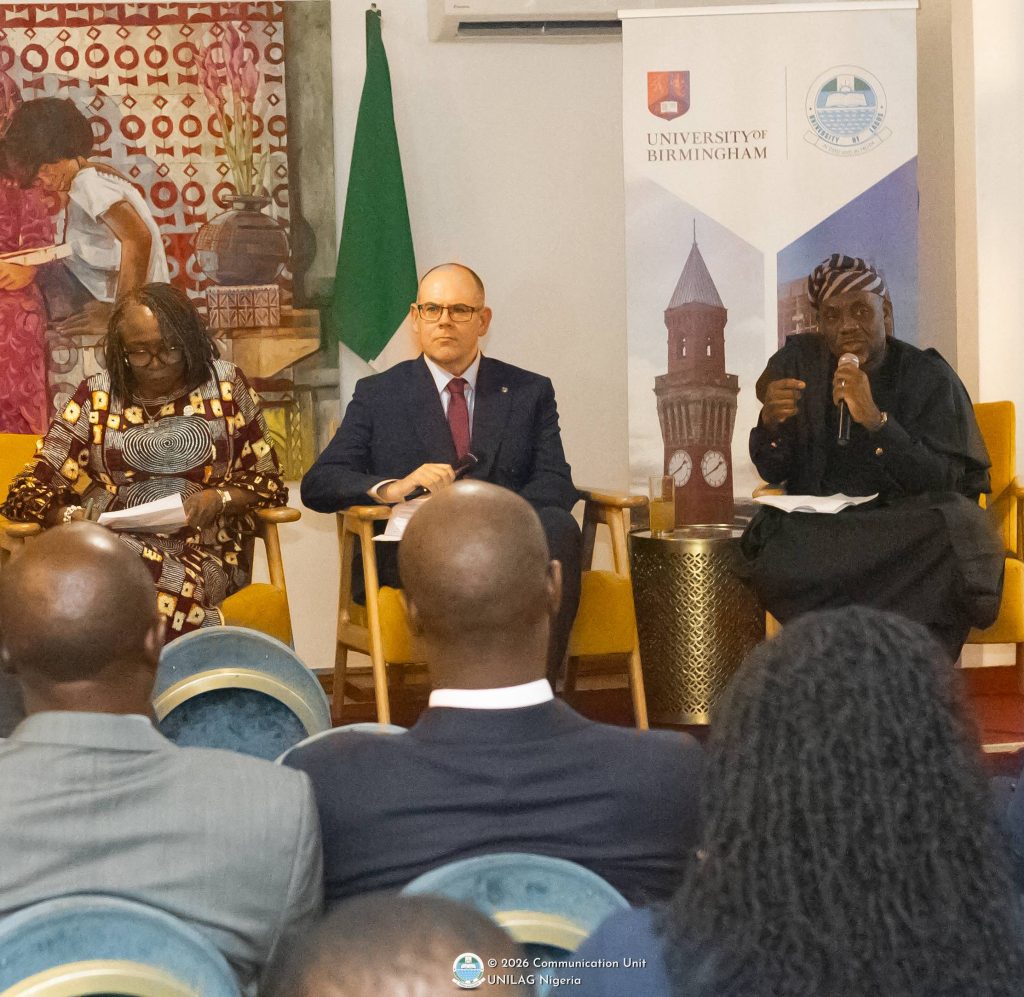
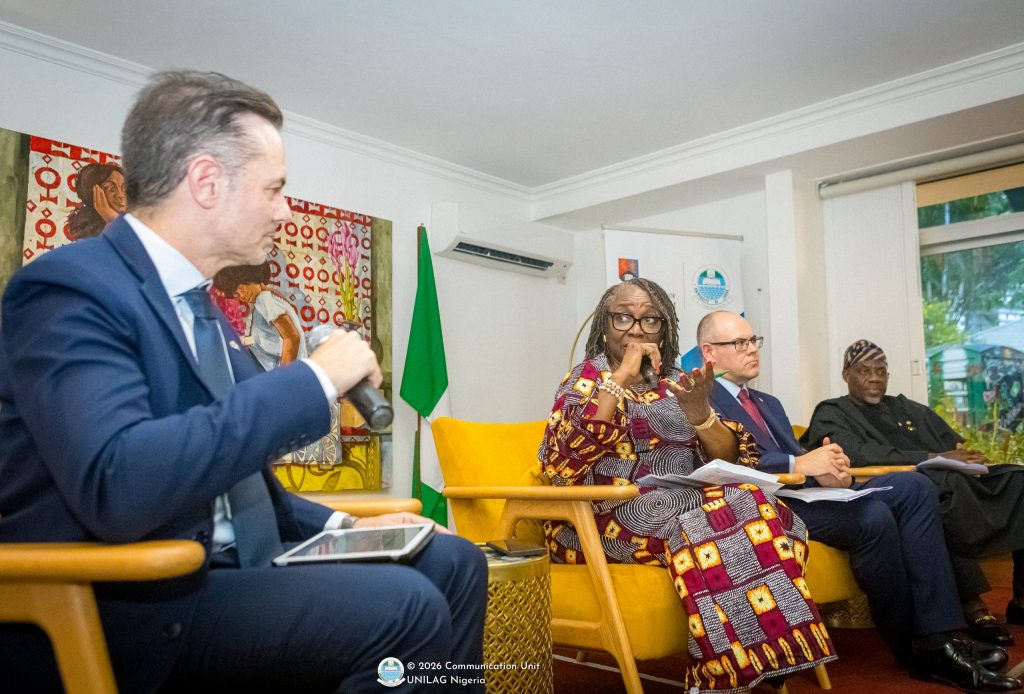
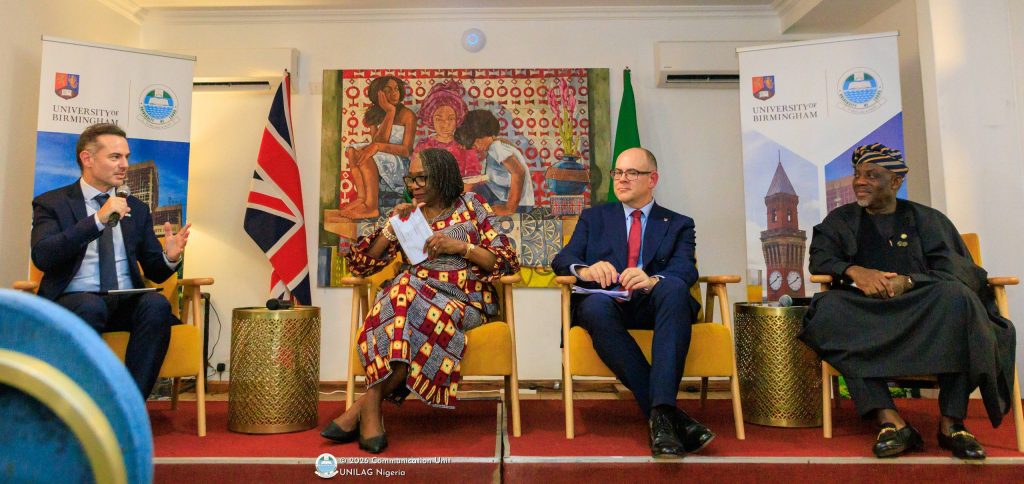
The Honourable Minister of Education, Dr Tunji Alausa, reinforced this position during a panel discussion featuring the Vice-Chancellor of UNILAG, Professor Folasade T. Ogunsola, OON, FAS, and the Provost and Vice-Principal of the University of Birmingham, Professor Nick Vaughan-Williams. The session was moderated by Mark Smithson, Country Director for the United Kingdom’s Department for Business, Innovation, Science and Trade (DBIT) in Nigeria.
Drawing attention to Nigeria’s youthful population and the millions of young people entering the workforce annually, Smithson framed the discussion around the need to translate the country’s demographic advantage into productive capacity and economic opportunity.
For Dr Alausa, the UNILAG-UoB partnership represents a deliberate shift in how Nigeria approaches education.
Describing the agreement as the beginning of many such collaborations to come, the Minister announced that market-relevant courses aligned with the jobs of the future, particularly in artificial intelligence, data science, and media and digital communication, would be introduced from the next academic session.
He explained that the Federal Government’s education reforms encompass curriculum review at the foundational level, expanded access to tertiary education through the Nigerian Education Loan Fund (NELFUND), and the transformation of technical and vocational education and training. The partnership with the two universities, he said, builds on these efforts by extending the development of relevant skills through international academic collaboration.
“Education is not just a social policy for the government of Nigeria, but an economic policy,” he stated, underscoring the administration’s intention to position Nigeria as both a source of world-class talent and an increasingly attractive destination for world-class education.
The objective, he explained, is to equip Nigerians with relevant knowledge and skills without making overseas education the only route to accessing high-quality learning opportunities.
Ultimately, for Nigeria, this partnership between the University of Lagos and the University of Birmingham offers another opportunity for Nigeria to eventually spread and replicate the working model to other African nations for collective growth and prosperity.
He expressed appreciation to President Bola Ahmed Tinubu, GCFR, for supporting the initiative, describing the agreement as an important day for the country.
A Partnership Built on Mutual Respect and Shared Values
Explaining why UNILAG chose the University of Birmingham as its partner, Professor Ogunsola made it clear that the decision was the outcome of an established relationship rather than a new or incidental association.
The two institutions have collaborated for more than a decade, particularly in global surgery, building a foundation of mutual understanding, shared values, and demonstrated benefits. This history, she explained, gave both universities the confidence to extend their cooperation into new areas of academic and professional development.
For the Vice-Chancellor, the quality of an international partnership depends not only on institutional reputation but also on the principles that sustain the relationship.
“We don‘t want partnerships that are patronising or anything like that,” she said, emphasising the importance of mutual respect and equitable collaboration.
The proposed programmes in media and digital communication, artificial intelligence, and data science reflect areas of complementary expertise and shared interest. More importantly, they align with Nigeria’s aspirations to develop local capacity in fields that cut across industries and have significant implications for national development.
Professor Ogunsola stressed that developing expertise within Nigeria has benefits beyond the classroom. When knowledge, innovation, and professional capacity are cultivated locally, their impact can extend into communities, businesses, and public institutions. Retaining and nurturing such capacity, she noted, creates opportunities for the country to benefit more fully from its own ingenuity.
Her remarks captured a central ambition of the partnership: to combine international academic experience with local relevance, ensuring that the knowledge and skills developed through the programmes respond to the realities and opportunities of the Nigerian economy.
Professor Vaughan-Williams affirmed the strength of the relationship, acknowledging the support of the Minister and Professor Ogunsola. He described the agreement as an historic milestone for both universities and for UK-Nigeria relations, building on the success of their longstanding collaboration in global surgery.
He explained that the new programmes are being developed as future-focused degrees tailored to the needs of Nigeria’s economy. With a youthful population, millions of new workforce entrants each year, and an economy undergoing rapid change, Nigeria requires graduates whose qualifications remain relevant as industries and technologies evolve.
The University of Birmingham, he added, is an ambitious global institution with an international presence that includes a campus in Dubai and operations in Singapore. He expressed confidence in the opportunities the expanded relationship offers both institutions and their countries.
UNILAG’s Entrepreneurship Model: Turning Ideas into Enterprises
While the dual degree agreement represents a new chapter in international academic collaboration, UNILAG’s existing approach to entrepreneurship and innovation offered a practical demonstration of how universities can prepare students to create opportunities rather than simply seek employment.
Asked how universities could help students transform ideas into successful businesses, Professor Ogunsola drew on the University’s experience, noting that at least 40 per cent of UNILAG students have a business before graduating.
At the heart of this approach is the University’s Entrepreneurship, Innovation and Business Incubation Certification (EIBIC) programme, a compulsory, self-paced design-thinking programme for all students. The initiative reflects a fundamental principle: entrepreneurship is best learnt through practice, experimentation, and the development of solutions to real problems.
Rather than relying exclusively on theoretical instruction, the programme exposes students to design thinking and connects them with an ecosystem of innovation hubs where they can test ideas, participate in hackathons, develop products, and build businesses.
The University also works deliberately to strengthen the relationship between academic programmes and the world beyond the classroom. Professor Ogunsola explained that UNILAG encourages faculties to ensure that at least one-third of their programmes are industry-facing and co-created with industry partners and other relevant stakeholders, recognising that professional practice extends beyond conventional corporate settings to include social enterprises, non-governmental organisations and other sectors.
This approach helps students become familiar with the expectations and needs of their chosen fields before graduation, while giving employers and other stakeholders opportunities to contribute to the development of relevant skills.
Support continues beyond training. Through relationships with organisations such as the Bank of Industry, as well as philanthropists and donors, the University of Lagos helps create opportunities for student entrepreneurs to develop their ventures. Students are encouraged to form teams, explore possibilities across disciplines, and recognise that virtually any field of study can provide a foundation for enterprise.
Professor Ogunsola also highlighted how the University of Lagos campus is designed as an immersive incubation ground for students through various visibly available and inspiring entries domiciled on the the campus itself. With this, there are opportunities for students to engage with enterprises, one of which is NORD Motion, a car manufacturing business operating on campus. The Vice-Chancellor also pointed to the University’s more intentional approach to internship programmes. These initiatives connect learning with practical experience, enabling students to encounter workplace demands and explore innovation in real-world settings.
UNILAG’s proximity to Yaba, widely recognised as a major centre of Nigeria’s technology ecosystem, further strengthens these connections. Students can engage with the wider innovation community, creating opportunities for knowledge exchange and collaboration between the University and the surrounding entrepreneurial environment.
The EIBIC model, the Minister, Dr Alausa, noted, is also being advanced for replication across universities in Nigeria, reflecting the potential of UNILAG’s experience to inform broader efforts to strengthen entrepreneurship education nationally.
Together, these initiatives illustrate how the University is working to embed innovation, enterprise, and practical problem-solving within the student experience. They also provide a relevant foundation for the new partnership with Birmingham, particularly as both institutions work towards programmes that prepare graduates for emerging fields and changing workforce requirements.
Professor Vaughan-Williams echoed this emphasis on enterprise, affirming that the University of Birmingham also maintains a culture of entrepreneurship and recognises the importance of helping students turn ideas into practical outcomes.
From Institutional Collaboration to National Impact
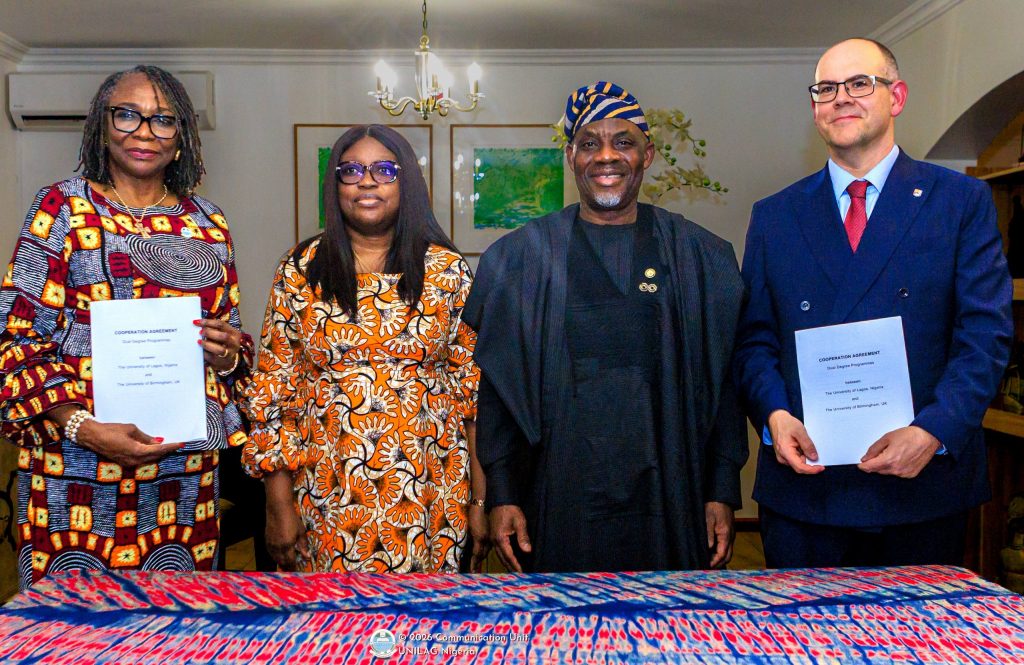
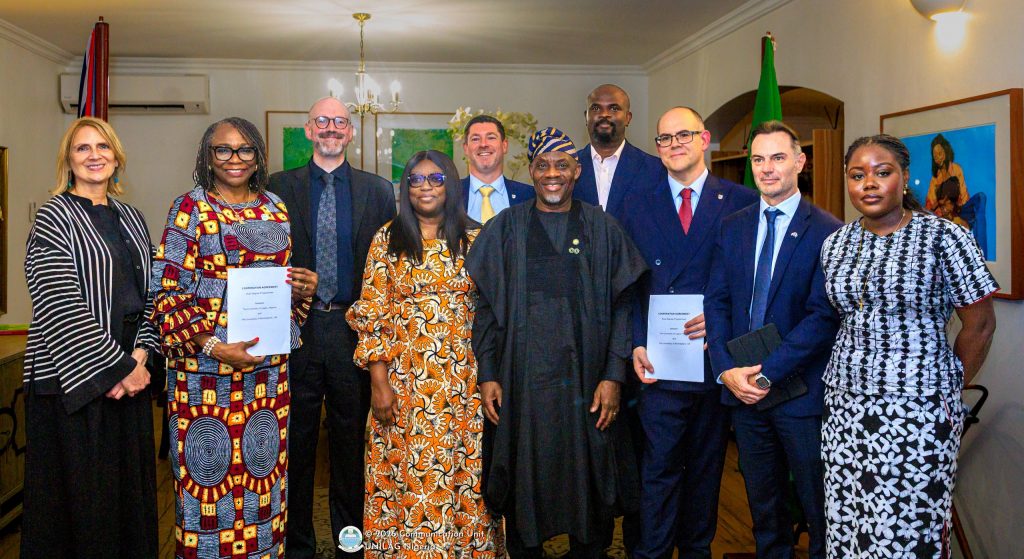
The discussions culminated in the signing of the Cooperation Agreement for Dual Degree Programmes between the University of Lagos, Nigeria, and the University of Birmingham, United Kingdom.
The agreement formalised the institutions’ commitment to extending their relationship into programmes designed to meet evolving educational and economic needs. Beyond the immediate opportunities for students, the collaboration reflects the value of partnerships that bring together academic expertise, government priorities and the requirements of industry.
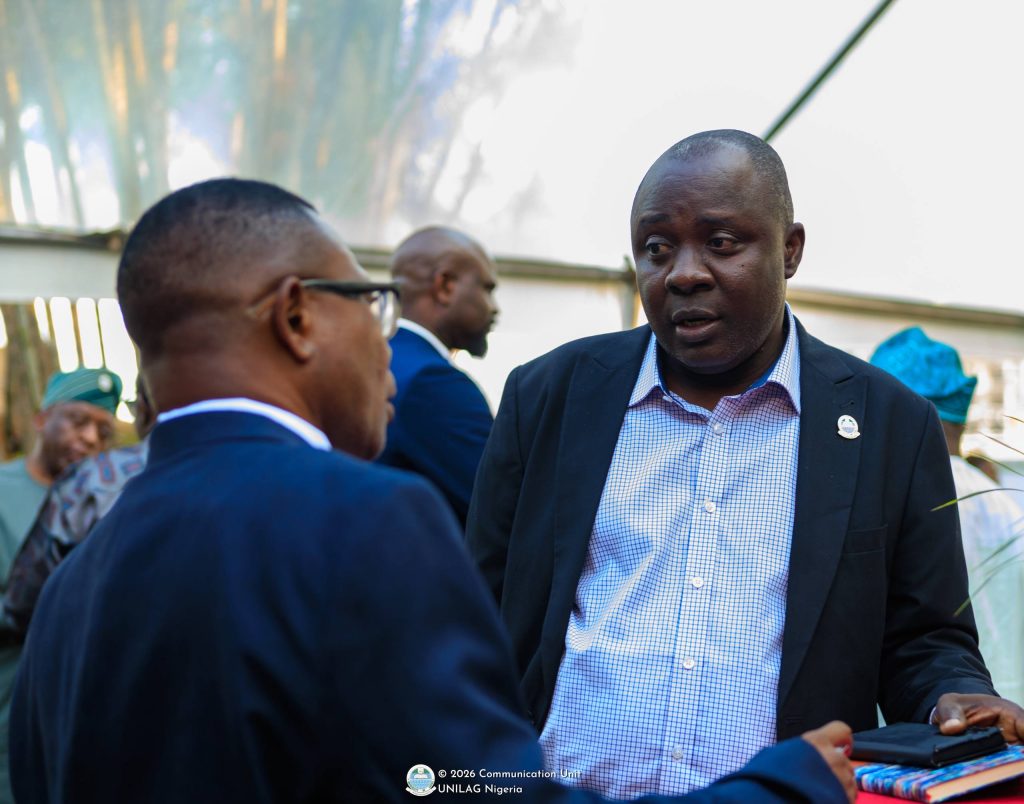
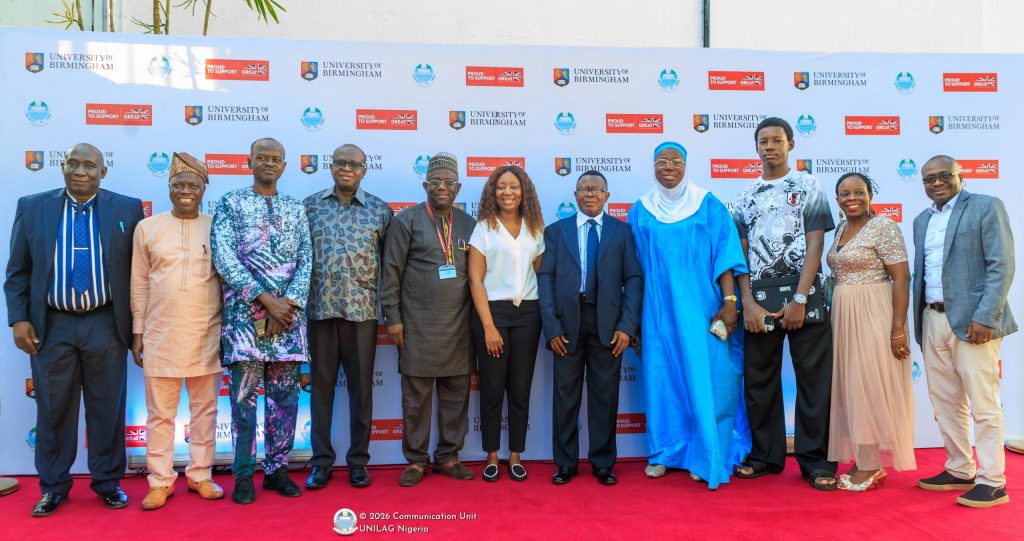
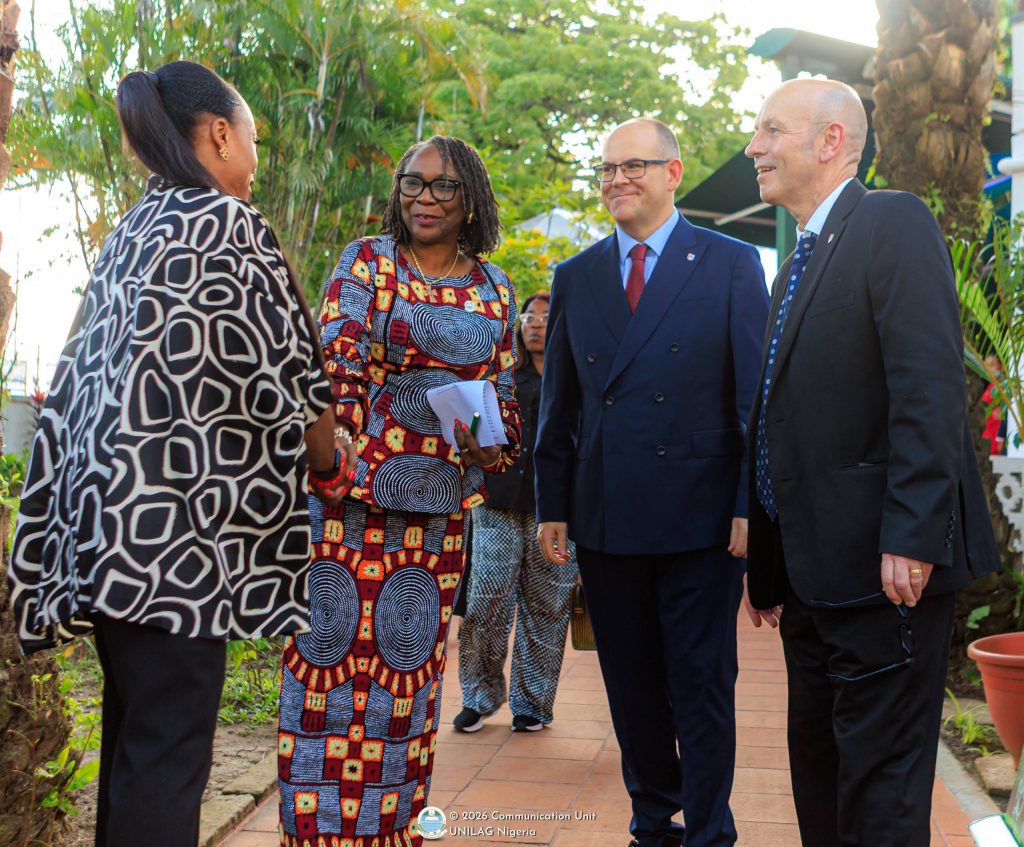
The evening continued with group photographs and an outdoor networking reception attended by staff of both universities and selected Nigerian alumni of the University of Birmingham with established businesses in Nigeria. The gathering provided an opportunity to strengthen connections among the institutions, their alumni and the business community.
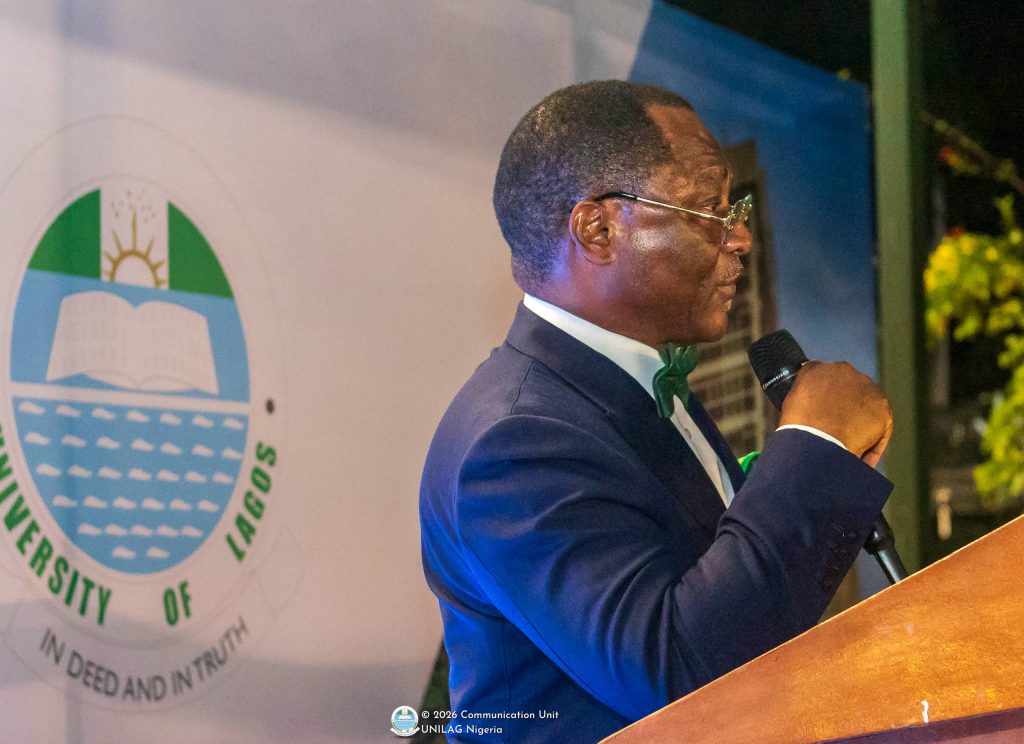
The Worldwide President of the University of Lagos Alumni Association, Engr. Ifeoluwa Oyedele, spoke about the activities of the alumni body, while a University of Birmingham alumna shared an account of her experience and impact, highlighting the enduring contribution of international education and alumni networks to professional and national development.
The engagement reinforced an important dimension of university partnerships: their value is strengthened when academic collaboration is supported by governmental policies, professional networks, industry relationships, and the experiences of graduates who contribute to society.
The real measure of this UNILAG-UoB partnership will ultimately lie in the opportunities it creates for students, the relevance of the graduates it produces, and the contribution they make to Nigeria’s economy and society.
Taking intentional strides as this, is the evidence behind the University of Lagos’s enduring distinction as the University of First Choice and the Nation’s Pride: a commitment to turning institutional partnerships into practical opportunities, knowledge into innovation, and education into a lasting instrument of national development.
Author: Nike Ogunshakin
Photographer: Ayo Oloyede