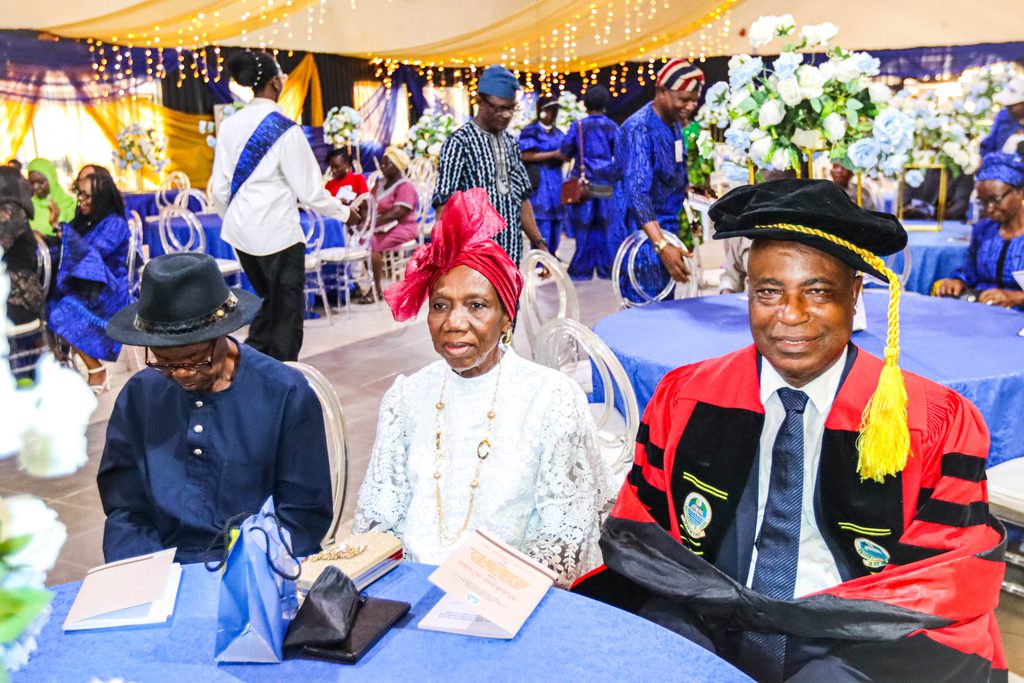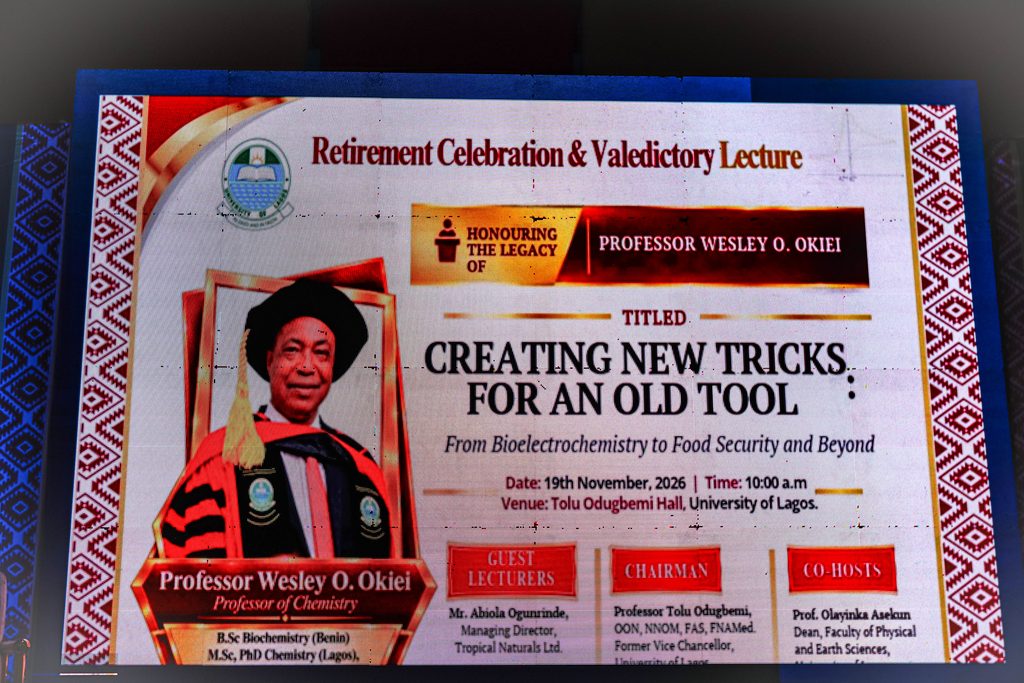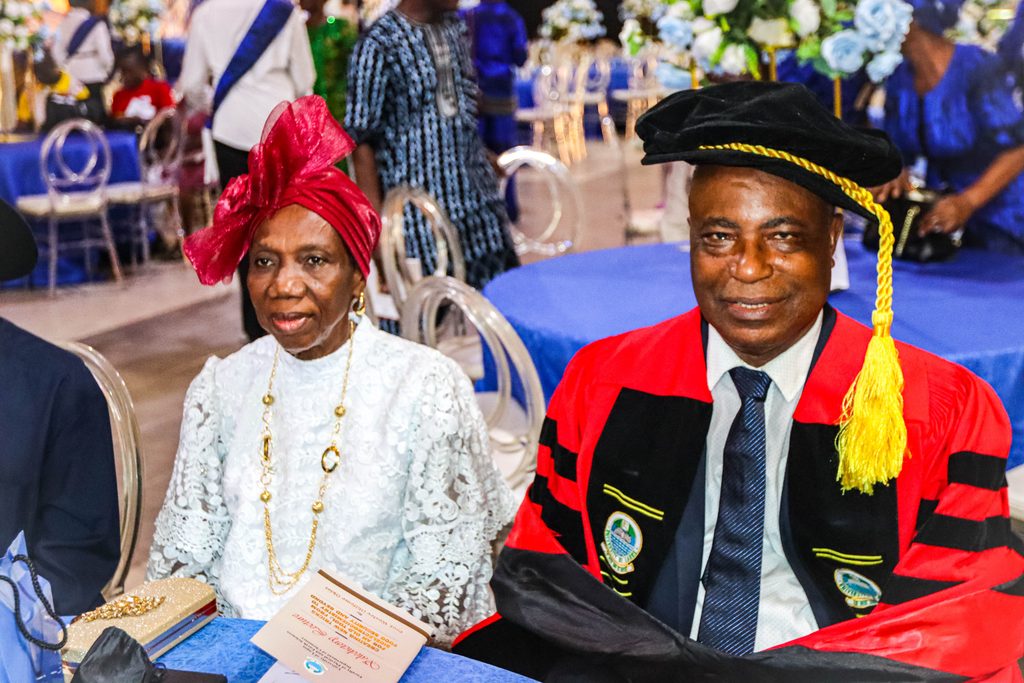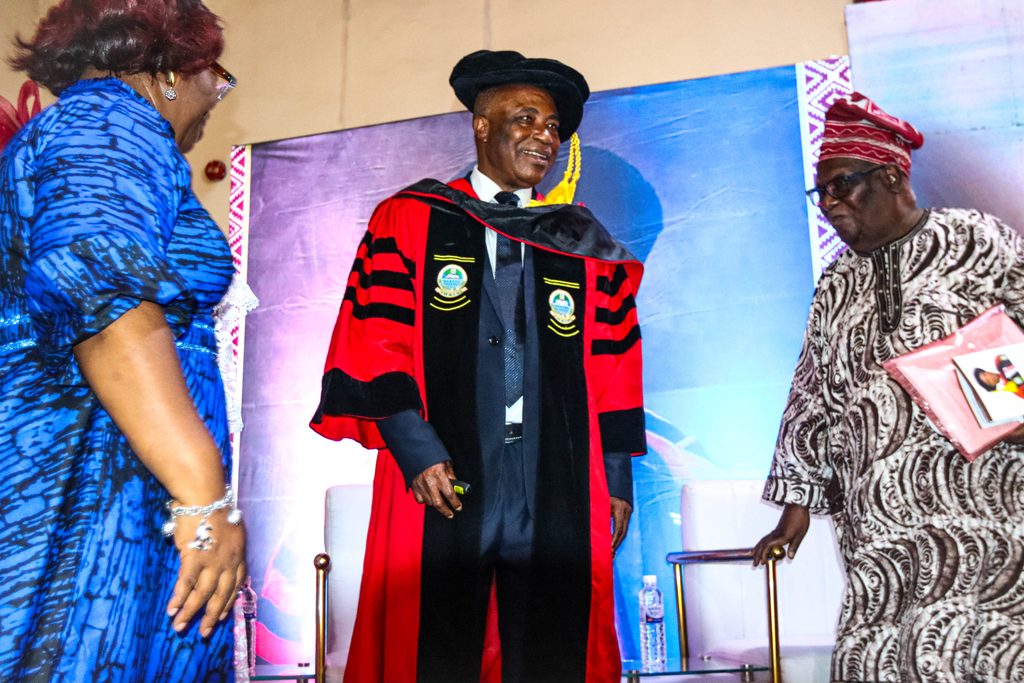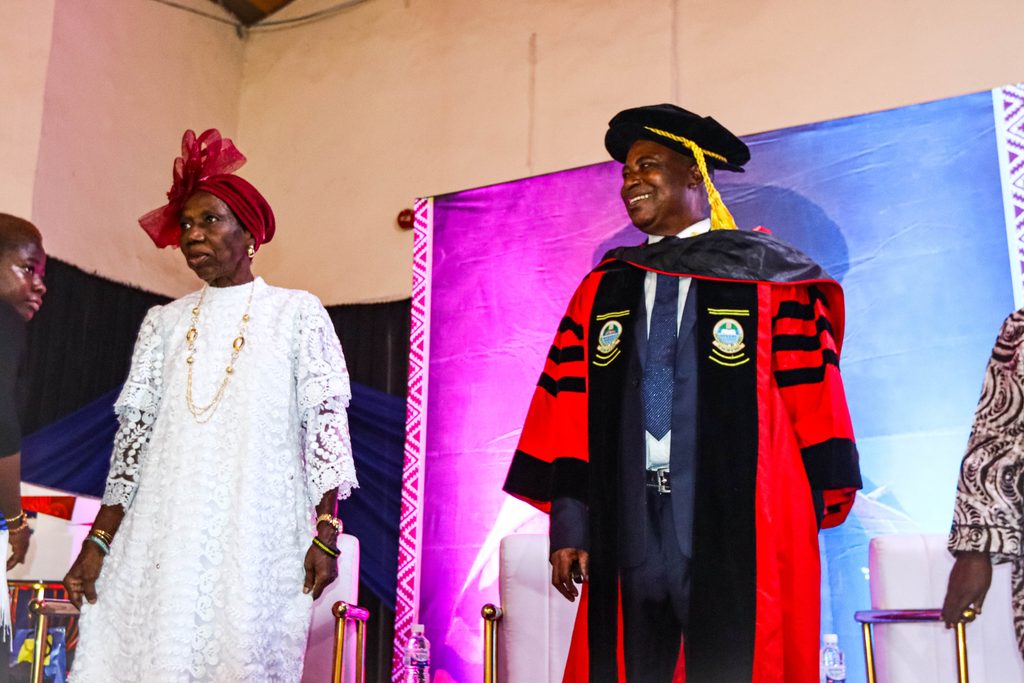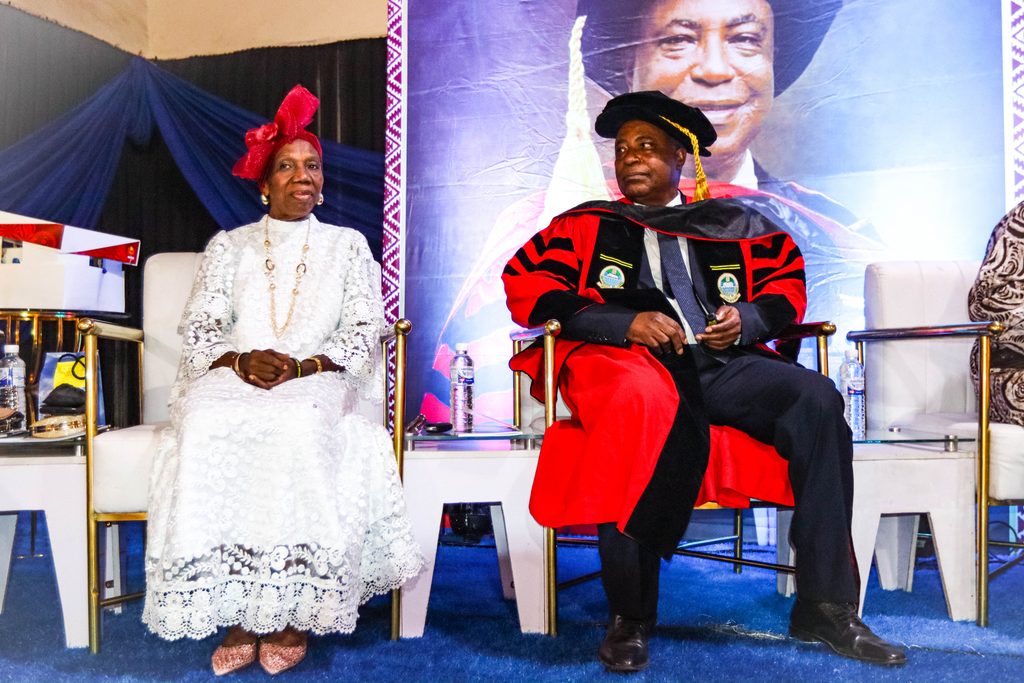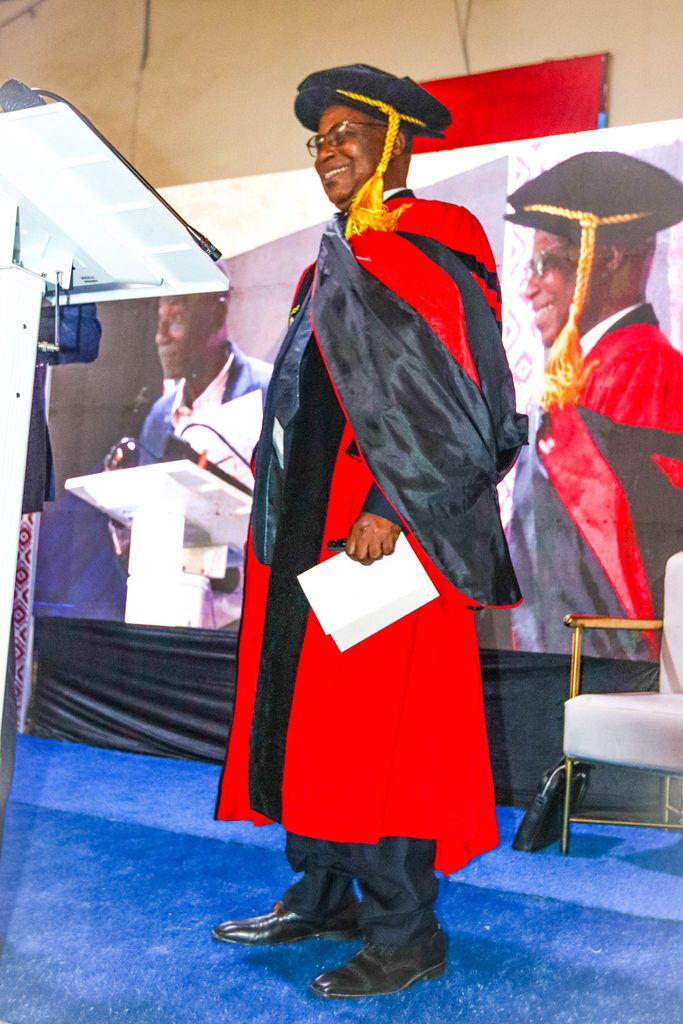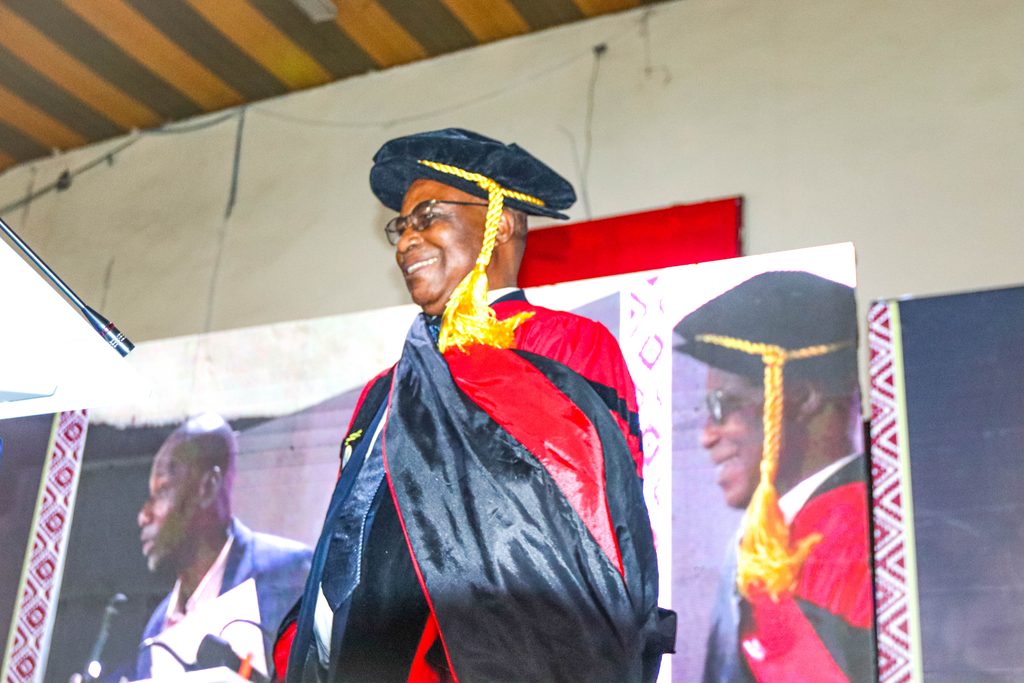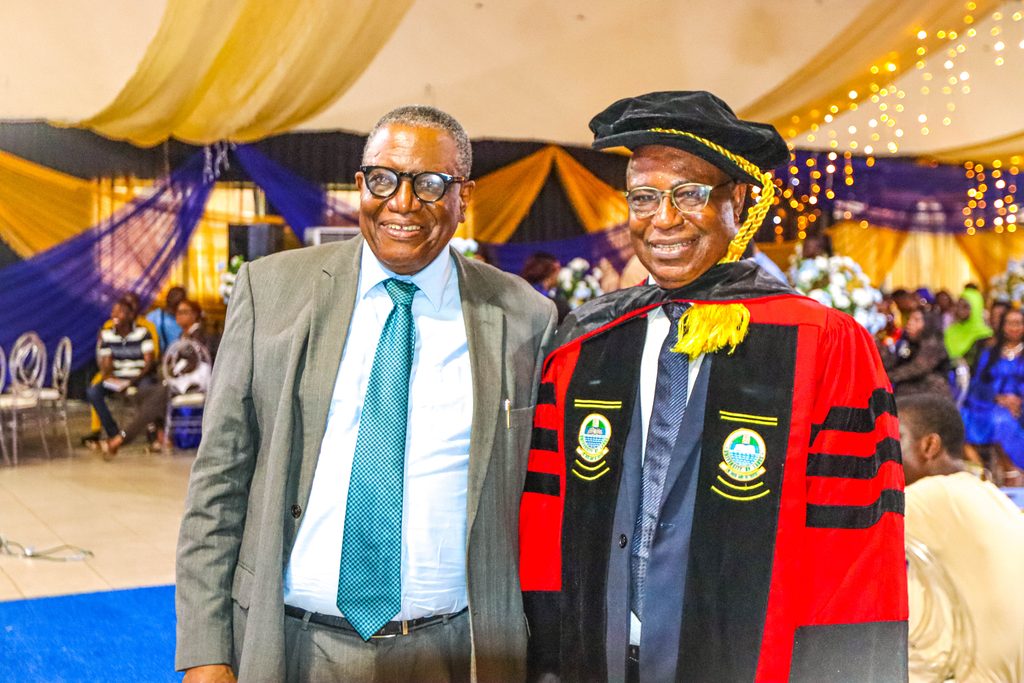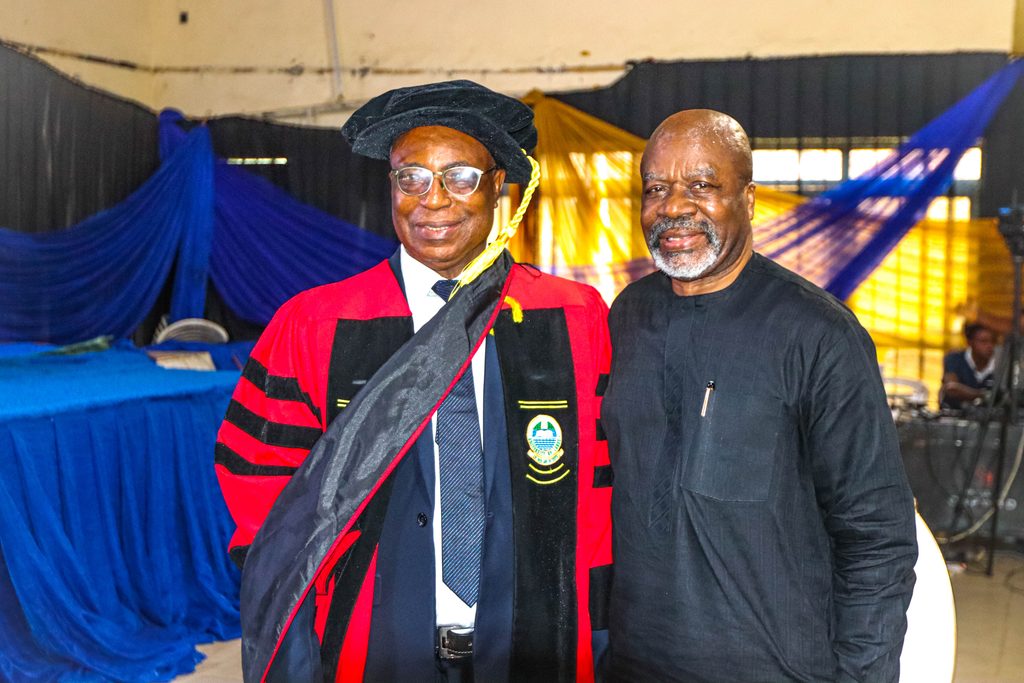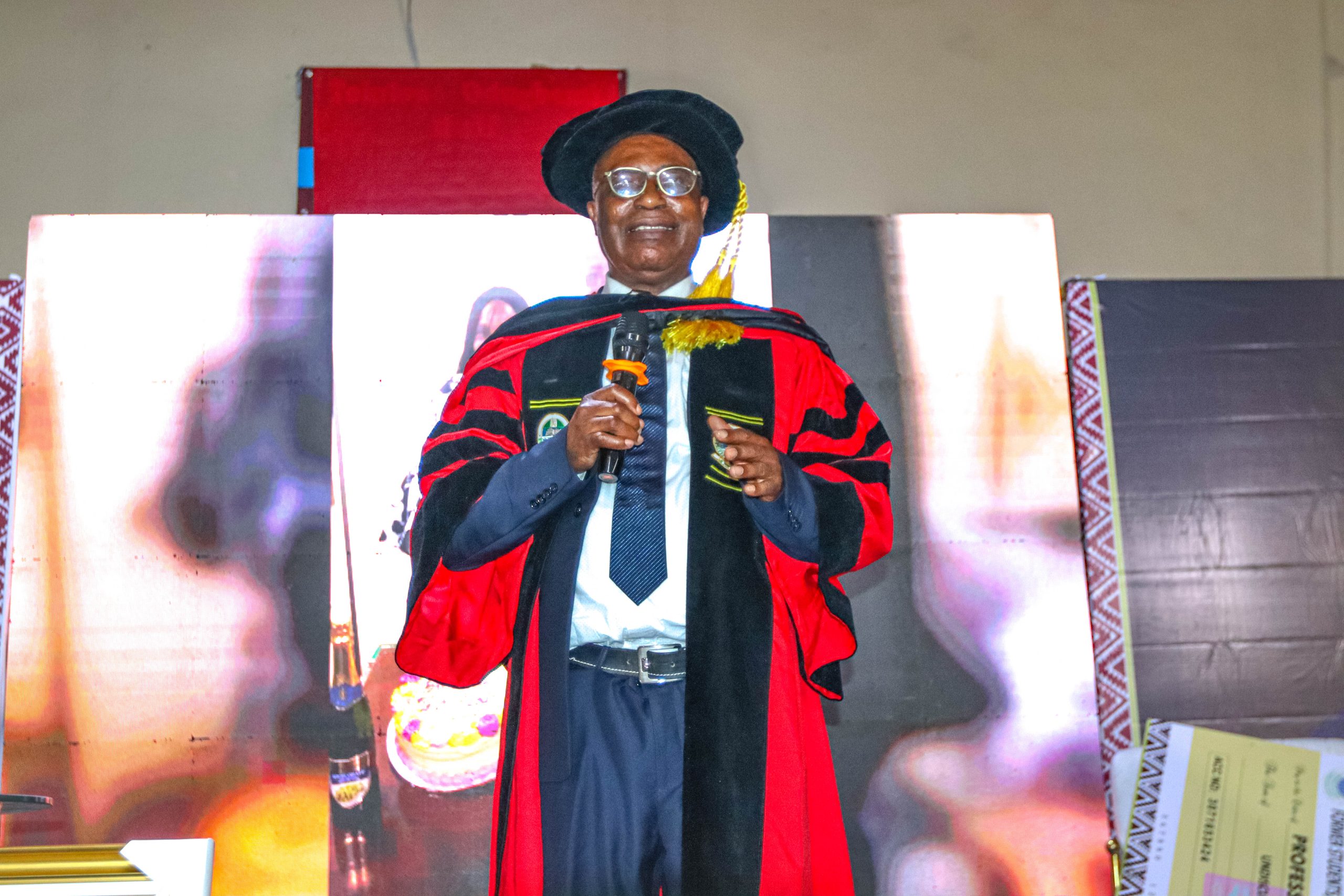
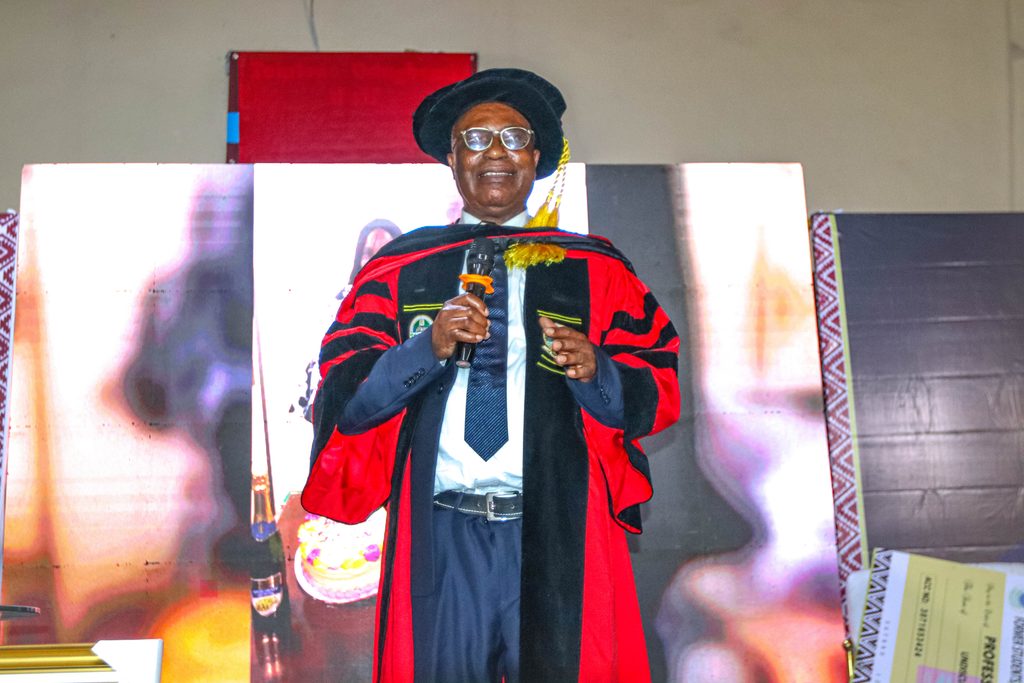
The University of Lagos (UNILAG) has celebrated Professor Wesley O. Okiei, Professor of Chemistry, in recognition of his contributions to scientific research, teaching, mentorship and the advancement of electrochemistry, as he concludes his years of active service at the University.
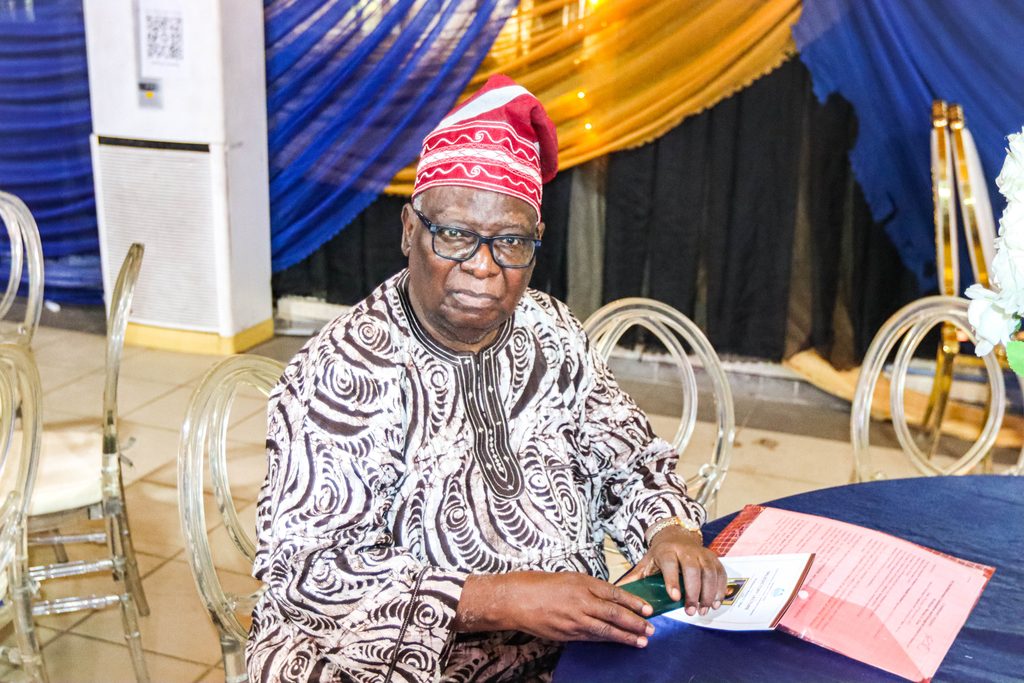
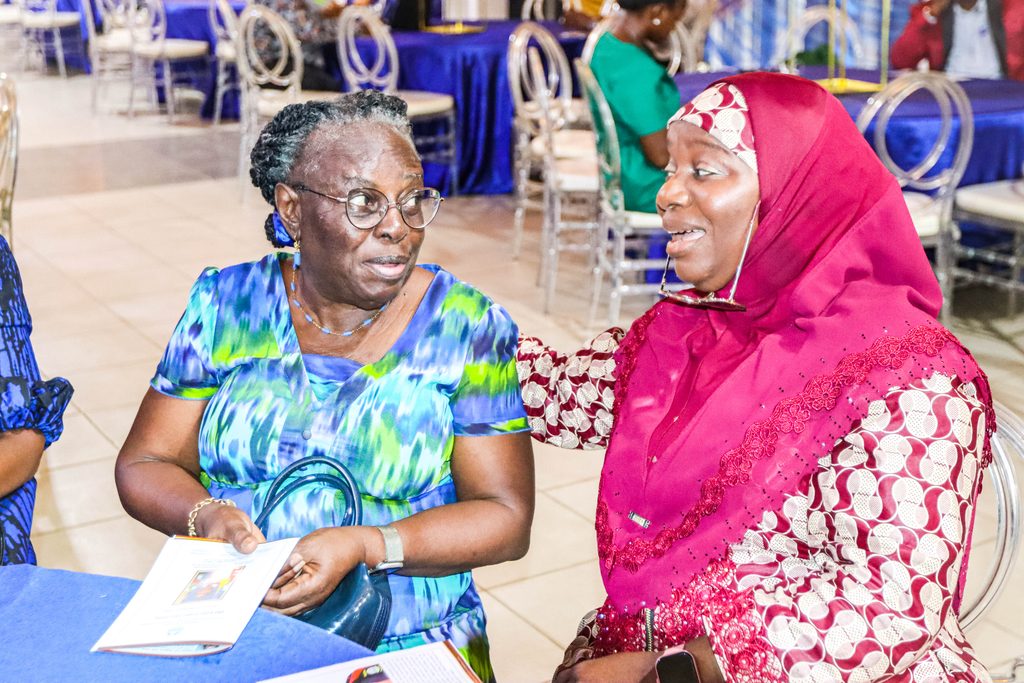
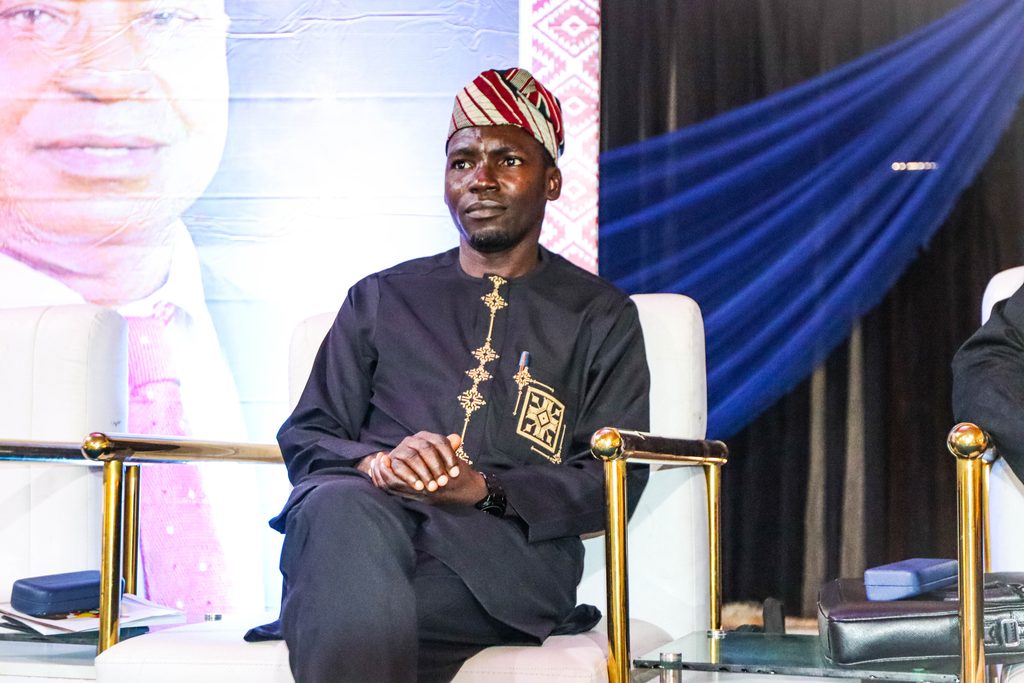
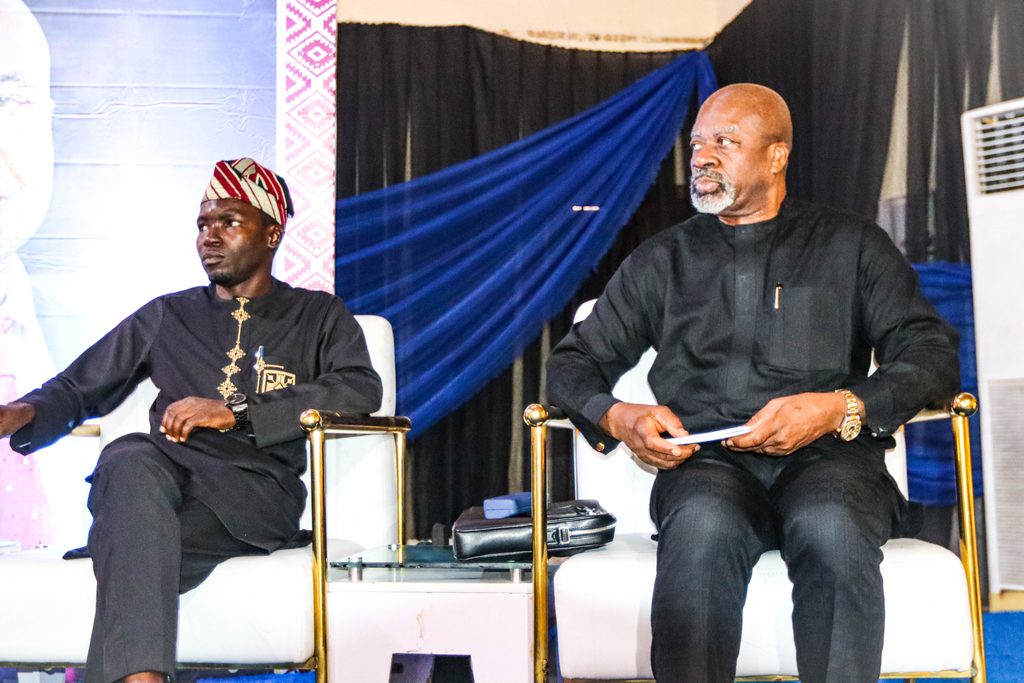
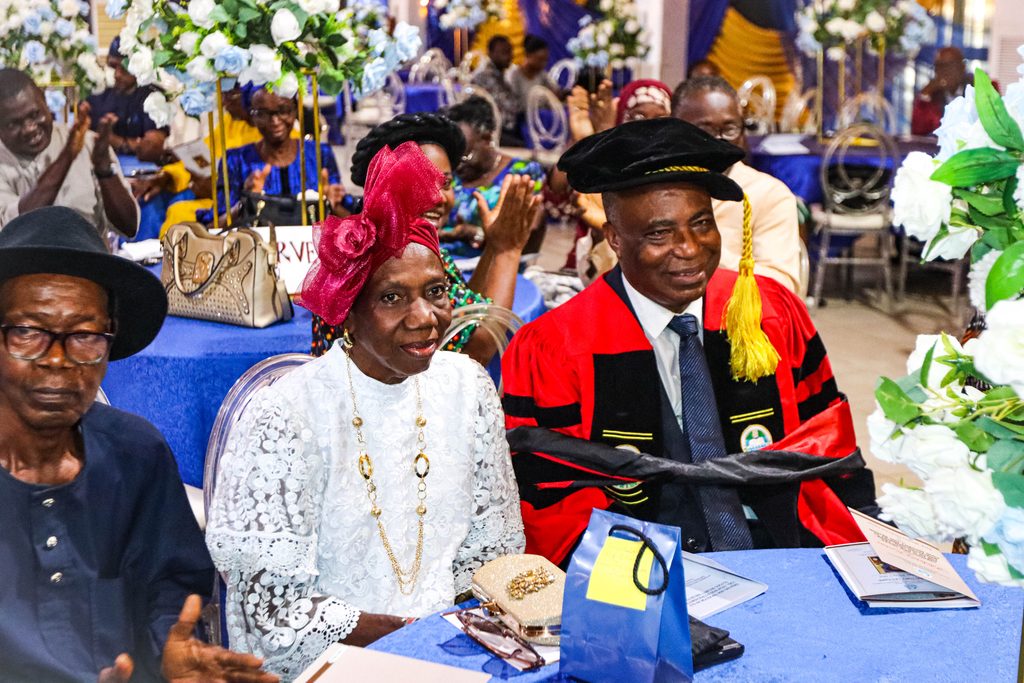
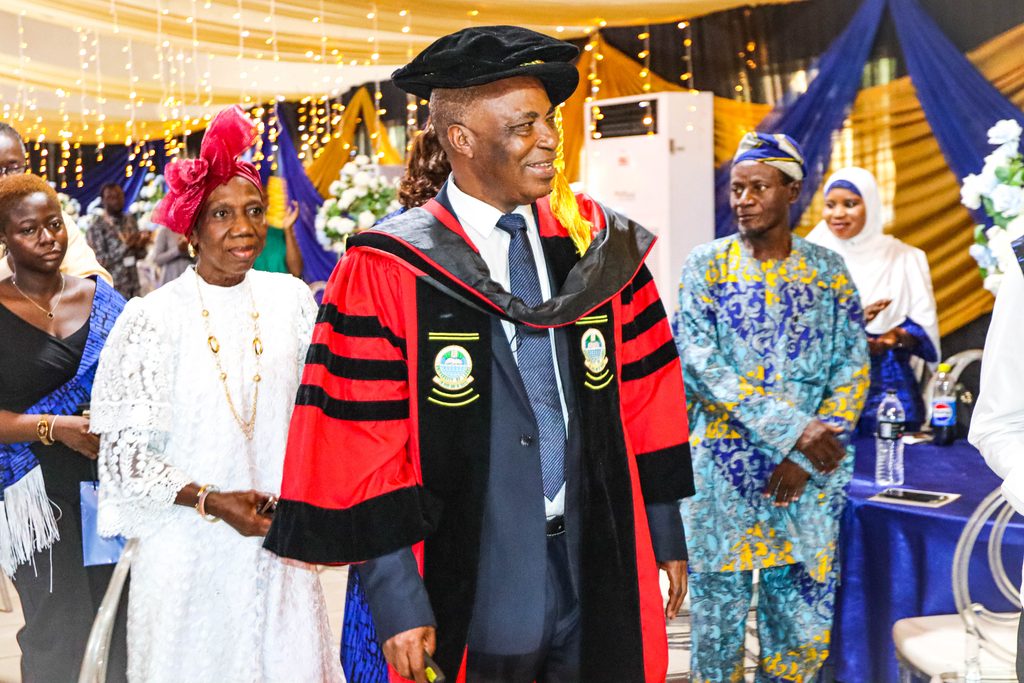
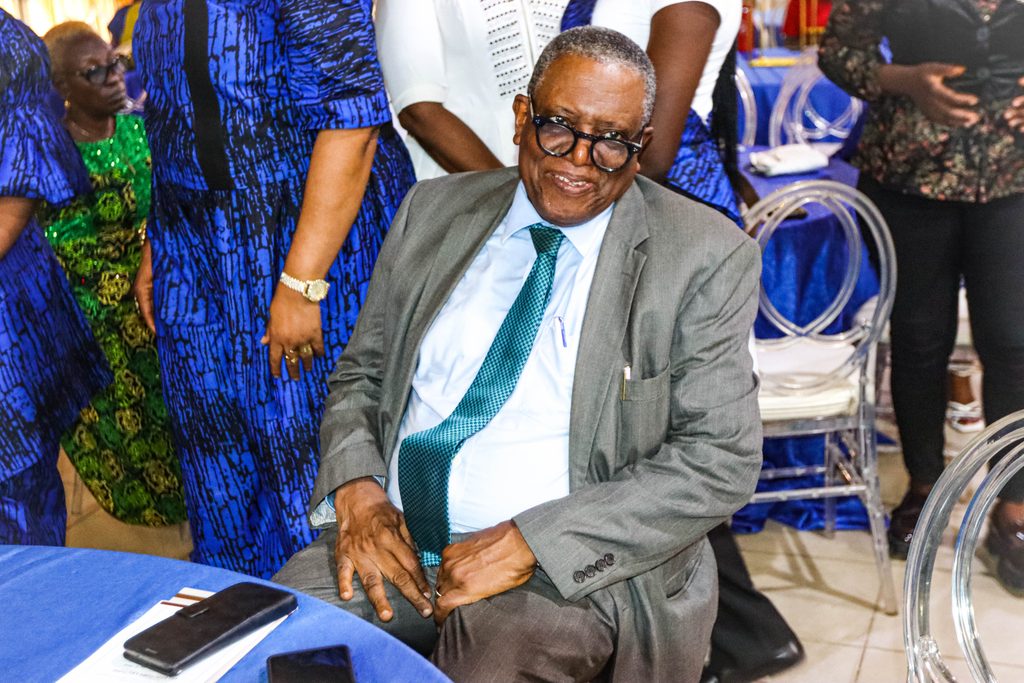
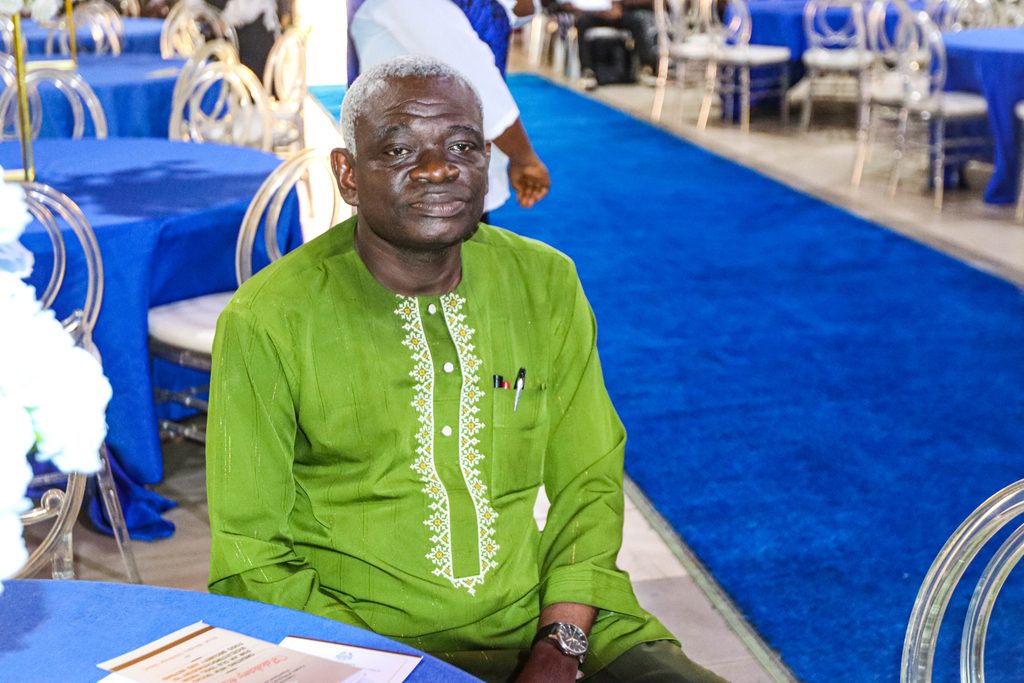
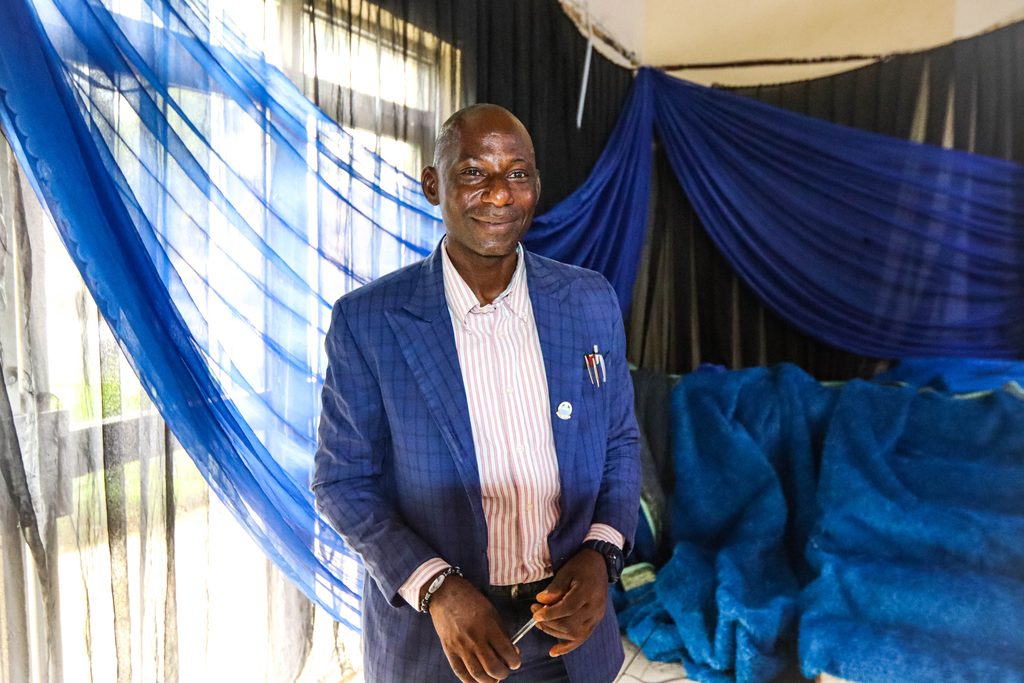
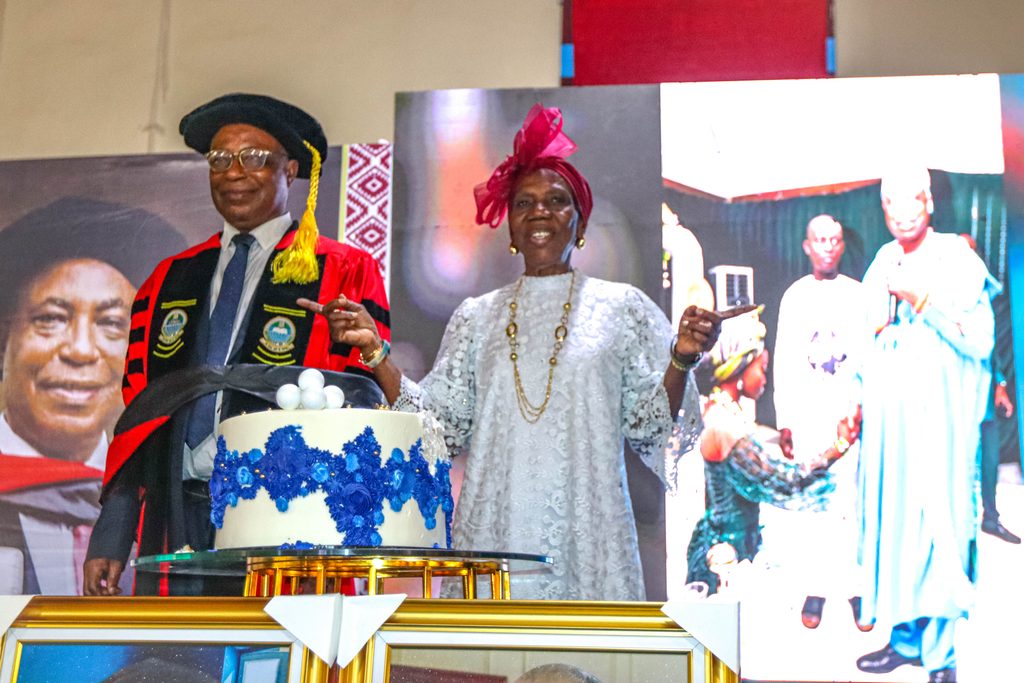
The retirement celebration and valedictory lecture, held on Thursday, November 19, 2026, at Tolu Odugbemi Hall, UNILAG, brought together members of the University community, academics, industry professionals, family members, former students, mentees, friends and professional associates to honour the distinguished scholar and reflect on his academic contributions.
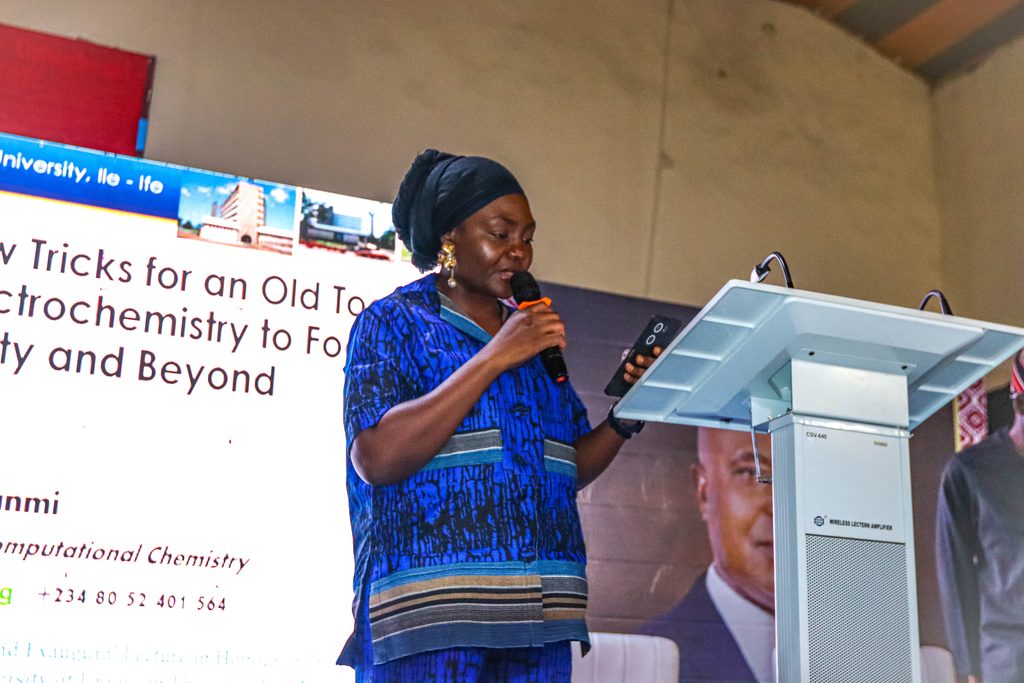
Chaired by the University’s 9th Vice-Chancellor, Professor Tolu Odugbemi, OON, NNOM, FAS, FNAMed, the event featured a valedictory lecture titled “Creating New Tricks for an Old Tool: From Bioelectrochemistry to Food Security and Beyond,” alongside presentations by distinguished scholars and an industry expert. The discussions explored the practical applications of chemistry in healthcare, environmental sustainability, food security and industrial development.
A Career of Scholarship, Service and Mentorship
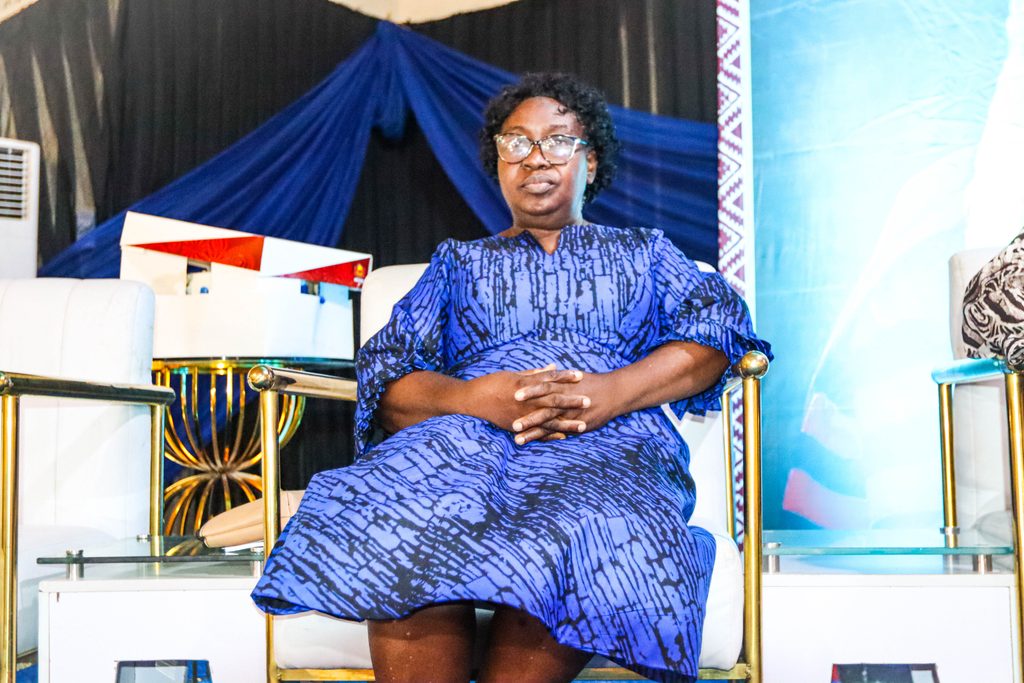
In her welcome address, the Head of the Department of Chemistry, Professor Tolulope Fasina, celebrated Professor Okiei for his longstanding contributions to the Department and University.
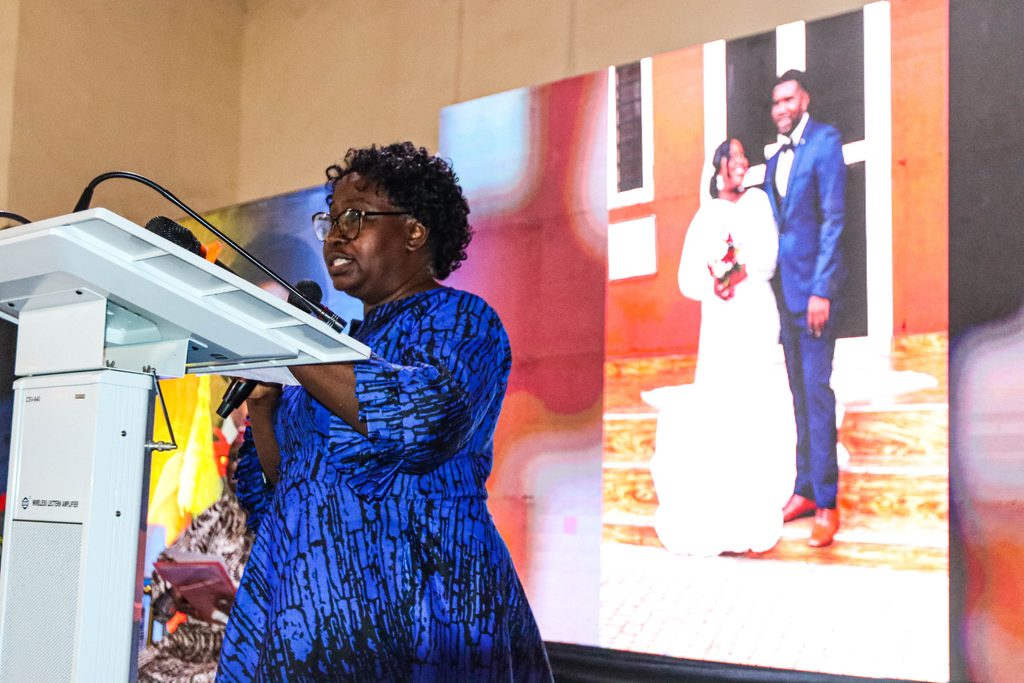
Reflecting on their professional relationship, Professor Fasina described him as a valued colleague and friend whose academic accomplishments and institutional service had contributed significantly to the growth of the Department. She recalled that Professor Okiei attained the rank of Professor in 2015 and had served the University in various academic and administrative capacities, including as Head of Department, Faculty Examination Officer and Course Officer.
She expressed gratitude for his retirement in good health, describing the occasion as an opportunity to recognise his achievements, appreciate his contributions and celebrate the relationships he had built over the years.
Professor Fasina also emphasised the importance of sustaining his legacy through mentorship and support for younger academics. She disclosed plans to establish a legacy fund in his honour and expressed confidence that he would continue to contribute to the Department’s development beyond his active service.

In her goodwill message, the Dean, Faculty of Physical and Earth Sciences, Professor Olayinka Asekun, commended Professor Okiei for his contributions to academic development, professional collaboration and mentorship.
She acknowledged the efforts of his family, colleagues, former students and mentees in organising the celebration, describing their involvement as a reflection of the positive relationships and lasting influence he had established throughout his career.
Professor Asekun also recognised his professional collaborations within and outside the University, noting that the programme provided an opportunity for participants to benefit from the knowledge and experiences of distinguished resource persons from academia and industry.
Professor Odugbemi Highlights the Role of Chemistry in Human Development
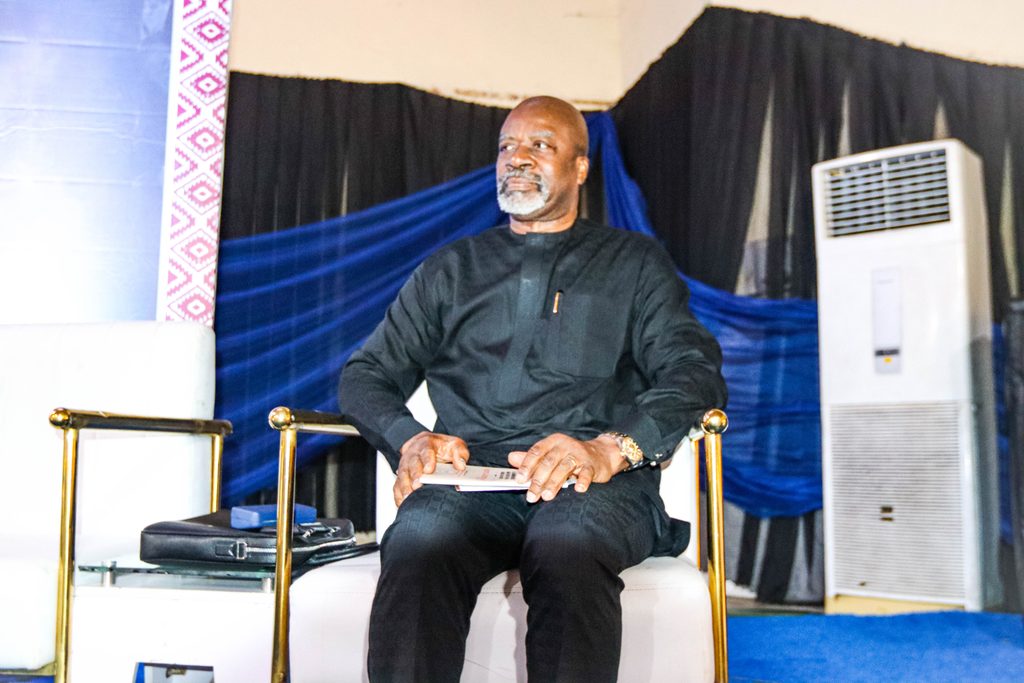
The Chairman of the occasion, Professor Tolu Odugbemi OON, NNOM, FAS, FNAMed, described the celebration as an opportunity to reconnect with colleagues and honour a distinguished academic whose contributions to research, teaching and mentorship had made a lasting impression.
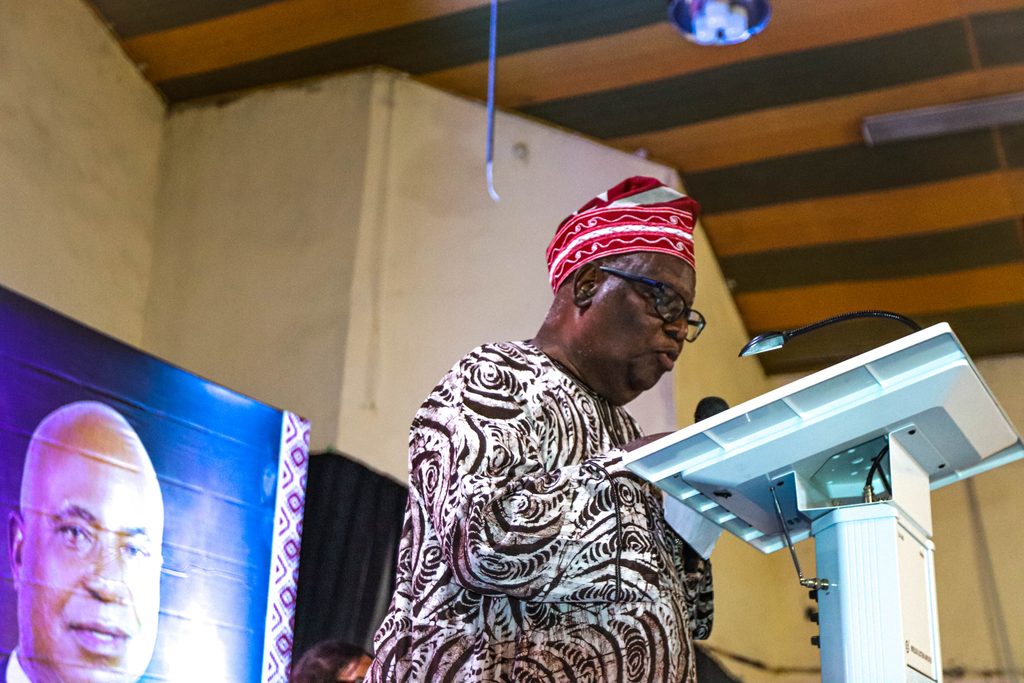
In his remarks, Professor Odugbemi emphasised the relevance of chemistry and electrochemistry to human survival, drawing attention to the role of scientific research in addressing challenges relating to nutrition, food security and public health.
He illustrated his submission with the historical case of scurvy among sailors, recounting how Scottish physician James Lind conducted an experiment in 1747 to demonstrate the effectiveness of citrus fruits in treating the disease. He used the example to underscore the importance of scientific investigation in identifying practical solutions to human problems.

Professor Odugbemi further highlighted the value of interdisciplinary research and collaboration across fields such as chemistry, microbiology, medical sciences and public health. He encouraged researchers to strengthen partnerships, promote innovation and ensure that scientific discoveries translate into practical benefits for society.
Congratulating Professor Okiei, he commended his contributions to scholarship and encouraged the academic community to sustain a culture of teamwork, research collaboration and mentorship.
Professor Okiei Explores the Frontiers of Bioelectrochemical Research and Innovation
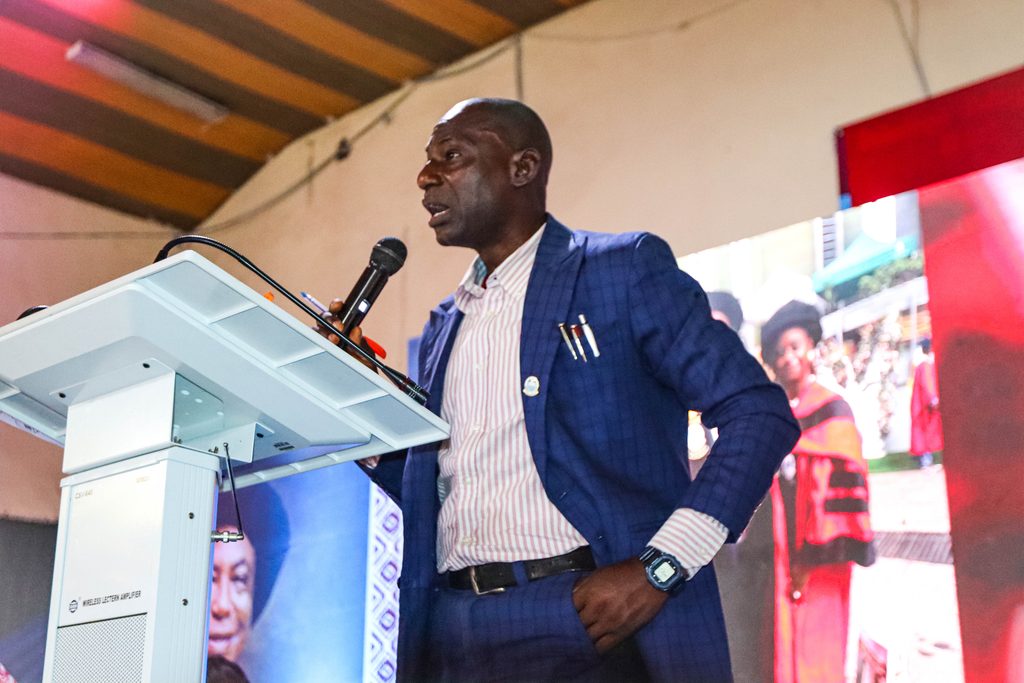
Delivering his valedictory lecture, titled “Creating New Tricks for an Old Tool: From Bioelectrochemistry to Food Security and Beyond,” Professor Okiei explored the expanding frontiers of electrochemical science, highlighting its applications in healthcare, environmental monitoring, food security, medicinal research and technological innovation.
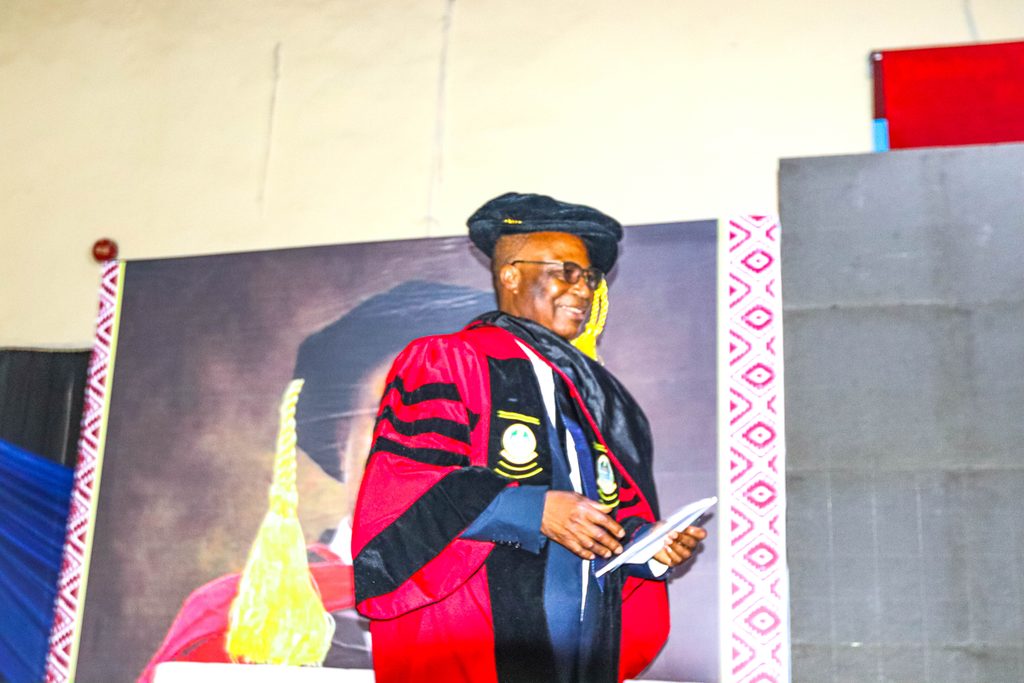

Explaining the inspiration behind the lecture title, he described electrochemistry as an established scientific tool with considerable potential for new applications. Although the discipline has existed for a long time, he noted that its versatility continues to create opportunities for innovative research and solutions to contemporary challenges.
He explained that his presentation brought together several interconnected research areas, including bioelectrochemistry, bioanalytical chemistry, environmental toxicology, food security, medicinal plants and solid waste management.
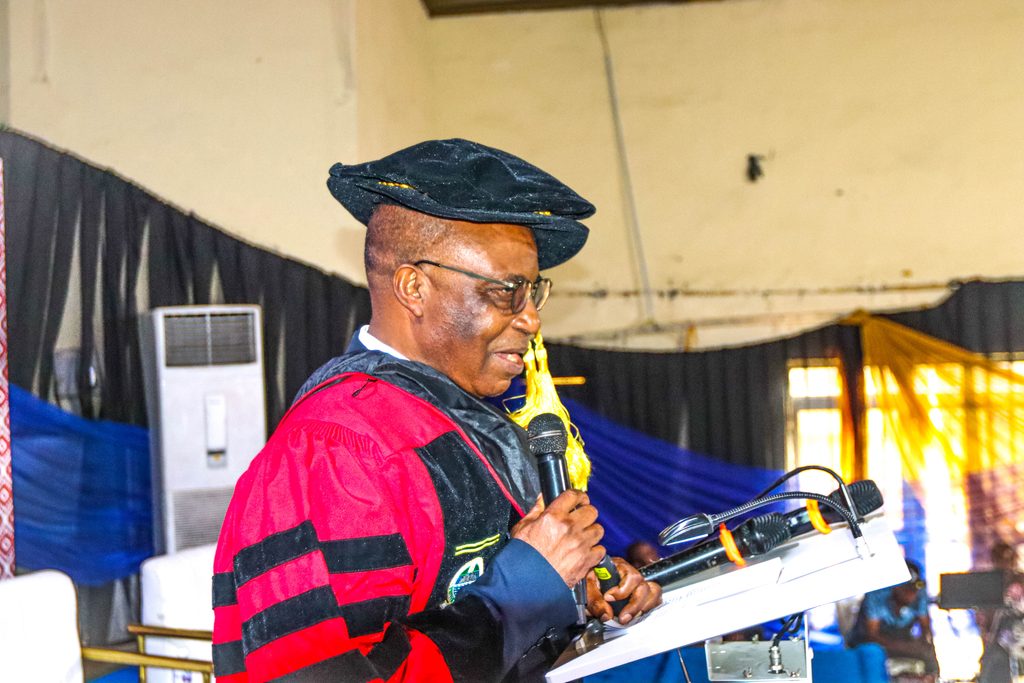





Reflecting on his academic and research journey, Professor Okiei acknowledged the influence of mentorship and collaboration in shaping his career. He recalled his early research engagements at the University of Lagos under the mentorship of Professor Shogbanmu, which involved synthesising chemical compounds, investigating their potential medicinal applications and developing methods for determining their presence in different samples.
He also recounted how subsequent academic engagements and research opportunities broadened his interests and encouraged him to explore new scientific directions.
A major focus of the lecture was the application of electrochemistry in developing sensors and biosensors. Professor Okiei explained that these devices convert chemical or biological responses into measurable electrical signals, making them useful for detecting and monitoring different substances.
He highlighted their importance in bioanalytical investigations, particularly in identifying chemical and biochemical analytes, including substances present in very small quantities.
He further demonstrated the multidisciplinary relevance of electrochemical science, explaining that its applications extend beyond conventional laboratory investigations to biological analysis, environmental assessment, combustion processes and fuel-related research.
Drawing a connection between electrochemistry and biological systems, Professor Okiei observed that chemical and biochemical reactions have electrochemical dimensions, including processes within the human body. He referenced neurons as examples of the electrochemical processes inherent in living organisms, underscoring the relationship between electrochemical science and biological functions.
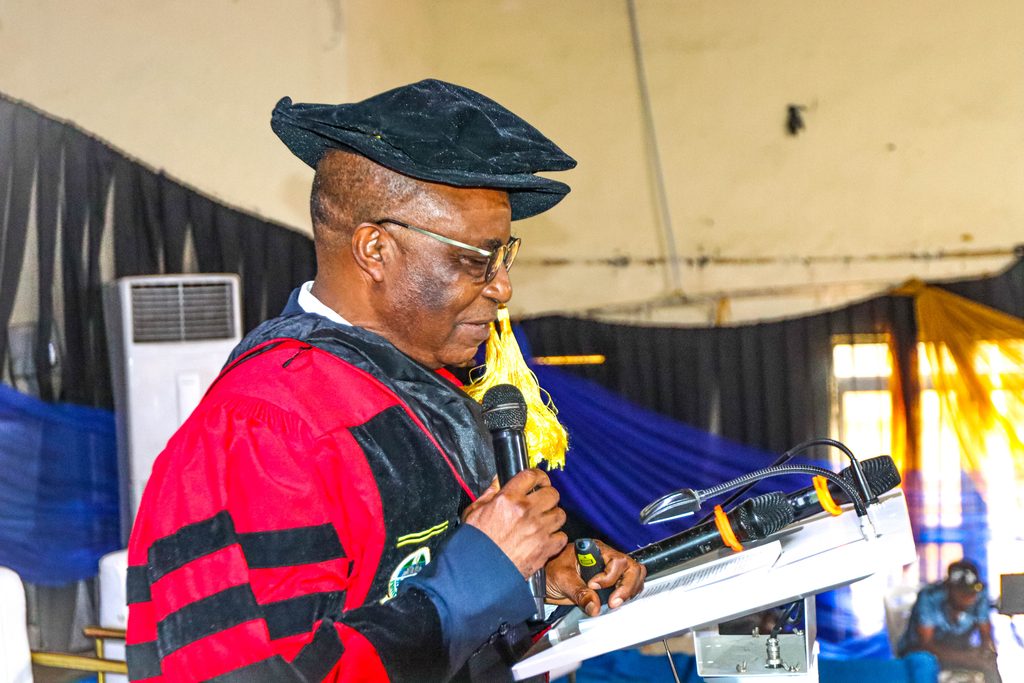
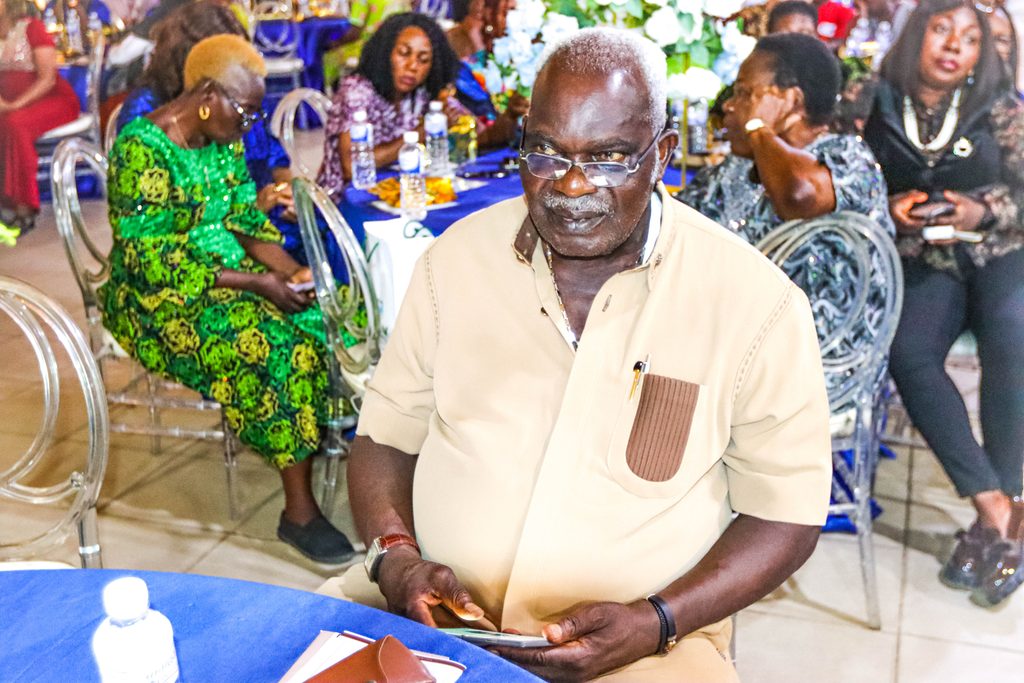

On the broader applications of electrochemical research, he highlighted opportunities in healthcare, food analysis and environmental monitoring. He also identified environmental toxicology, medicinal plants and solid waste management as important areas for further scientific investigation, emphasising the need to adapt established analytical techniques to address emerging societal and environmental challenges.
In his concluding recommendations, Professor Okiei called for increased academic staffing, particularly in departments where retiring members of staff were not being replaced. He specifically identified Chemistry as a central discipline that provides teaching and research support to several departments within and beyond the Faculty of Physical and Earth Sciences.
He stressed that adequate staffing was essential to promoting academic excellence and reducing workloads.
He also urged the University to sustain its support for research and innovation, encouraging academics to undertake studies that address local challenges and adopt innovative teaching methods while maintaining professionalism in their responsibilities.
Calling for increased government investment in research, he highlighted the rising cost of acquiring modern scientific equipment and the need to provide researchers with the infrastructure required for quality and innovative investigations.
Emphasising academic mentorship, Professor Okiei urged senior academics to guide younger colleagues and early-career researchers, ensuring the transfer of knowledge, experience and professional values to the next generation.
He further recommended that the University consider supporting publication costs in high-impact journals and ensure the timely processing of publication-related claims to encourage sustained research output.
The lecture reinforced the need for universities and research institutions to explore new applications of established scientific tools, strengthen research infrastructure and promote interdisciplinary collaboration in translating scientific knowledge into practical solutions.
Guest Speakers Highlight Research Innovation, Sustainability and Academic Development
The celebration also featured presentations by distinguished scholars and an industry expert, who examined the role of scientific research, innovation and collaboration in addressing contemporary challenges across academia, industry, food security and environmental sustainability.
Professor Olasunkanmi Highlights New Applications of Electrochemistry
Speaking on the valedictory theme, “Creating New Tricks for an Old Tool: From Bioelectrochemistry to Food Security and Beyond,” Professor Lukman Olasunkanmi explored how established electrochemical techniques could be adapted to address contemporary challenges in healthcare, environmental protection, agriculture and food security.
He traced the evolution of electrochemistry from Luigi Galvani’s experiments on bioelectricity to Alessandro Volta’s development of the voltaic pile and Michael Faraday’s laws of electrolysis.
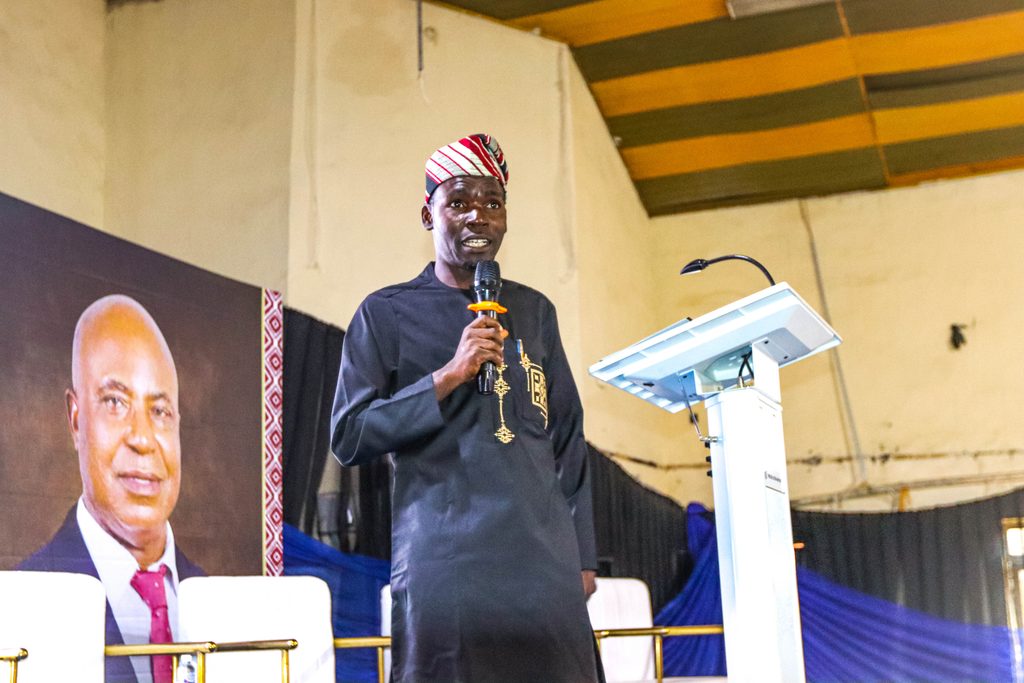
He explained that electrochemistry extends beyond batteries to applications in industrial production, metal extraction, corrosion studies, analytical chemistry and sensor development.
Highlighting its relevance to healthcare and environmental monitoring, he discussed the use of electrochemical sensors in detecting chemical and biological substances, including research into malaria and typhoid detection.
He also cited potential applications in measuring vitamin C in fruits and vegetables, monitoring glucose and electrolytes, and detecting environmental pollutants in air and water.
On food security, Professor Olasunkanmi advocated eco-friendly crop protection, sustainable packaging and bio-derived alternatives to persistent pesticides and non-degradable plastics. He highlighted the potential of tailored flavonoids and paper-based biosensors to improve food safety, agricultural productivity and environmental sustainability.
In his concluding remarks, he called on universities and research institutions to strengthen electrochemistry research and translate scientific discoveries into practical innovations, emphasising that established scientific tools could be reimagined to address emerging societal challenges.
Professor Sadik Advocates Sustainable Nanotechnology for Resilient Agricultural Systems
Professor Omowunmi Sadik, Distinguished Professor of Chemistry and Environmental Science at the New Jersey Institute of Technology, USA, spoke virtually on“Sustainable Nanotechnology: Transformational Chemistry for Resilient Agricultural Systems.”
Drawing from her experience in academia and research, she also offered recommendations for strengthening the Department, the Faculty and the University.
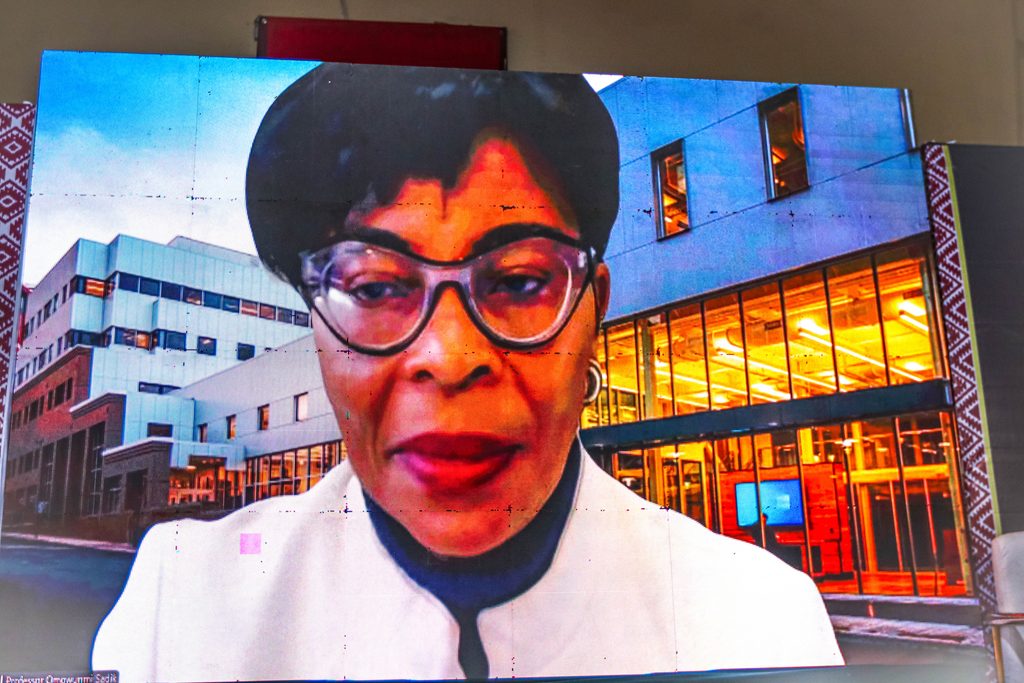
Professor Sadik highlighted the role of chemistry and nanotechnology in advancing agricultural productivity while safeguarding environmental health. She advocated a lifecycle approach to agro-food security, stressing that sustainability must extend from eco-friendly crop protection and safe processing to the non-toxic degradation of materials at the end of their useful life.
She highlighted the need to replace persistent synthetic pesticides, per- and polyfluoroalkyl substances (PFAS) used in packaging, and non-degradable plastics with safer, bio-derived alternatives.
She also discussed the potential of regioselectively tailored flavonoids and paper-based biosensors as tools for detecting, treating and monitoring food systems without leaving harmful chemical residues.
Professor Sadik concluded that chemistry could drive both agricultural productivity and environmental stewardship. She identified emerging solutions, including green nano-monitors and PFAS-free packaging, as important pathways towards safer, more resilient agricultural systems and a circular bioeconomy.
Mr Ogunrinde Explores the Transition from Chemistry to Industry
Mr Abiola Ogunrinde, Managing Director of Tropical Naturals Limited, spoke on “Chemistry to Industry,” examining how researchers and academics could translate their scientific expertise into impactful industry careers.
He advised researchers to leverage their core scientific knowledge and identify opportunities to apply their expertise beyond academia.
Discussing the transition from postdoctoral research to industry, he highlighted potential career opportunities as principal scientists, research and development group leaders, technical consultants and process innovation heads.



Mr Ogunrinde encouraged researchers to build professional networks by engaging directly with managing directors, research and development directors and chief technology officers, focusing on how their expertise could provide solutions to industry challenges.
He also emphasised the need for researchers to understand and communicate in industry-oriented terms. He identified patents and intellectual property development, technical reporting, transferable skills and talent mentorship as important considerations, rather than focusing solely on academic citations and publications.
To improve their readiness for industry, he urged researchers to bridge existing knowledge gaps by familiarising themselves with Good Manufacturing Practice (GMP), regulatory affairs, pilot production and scale-up processes.
His presentation highlighted the importance of connecting academic research with industry needs and equipping researchers with the practical knowledge and professional skills required to translate scientific discoveries into real-world applications.
A Celebration of Academic Excellence and Enduring Impact
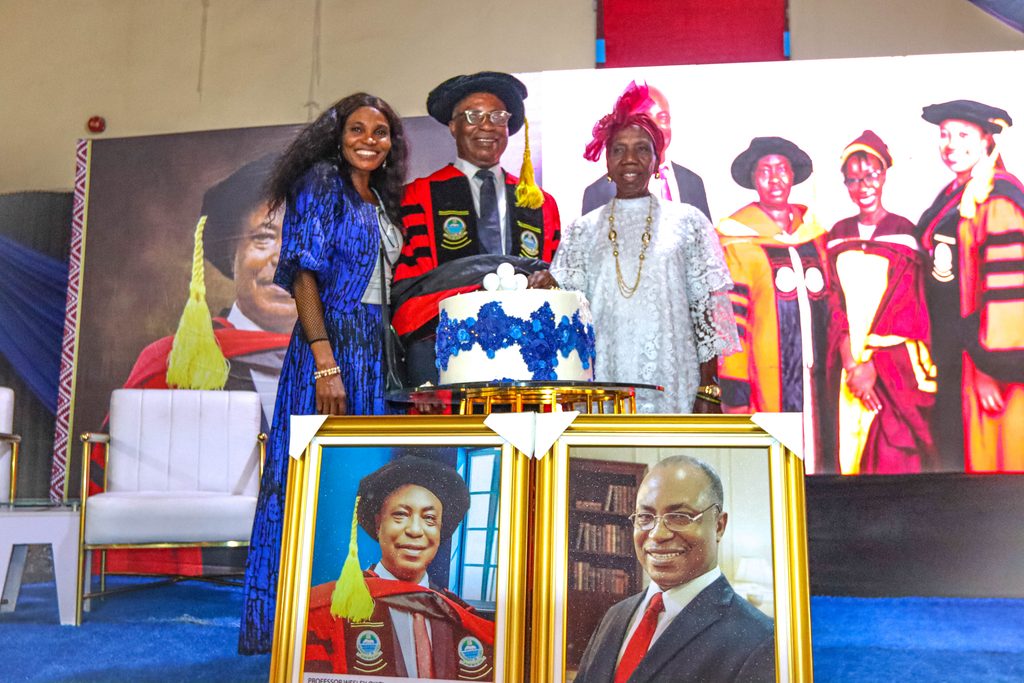
A major highlight of the celebration was the presentation of the Professor Wesley O. Okiei Award for Excellence in Chemistry, established in honour of the celebrant to recognise and encourage outstanding academic performance in the discipline.
The award represents a lasting institutional tribute to Professor Okiei’s contributions to Chemistry and his commitment to academic excellence, research and the development of future generations of scientists.


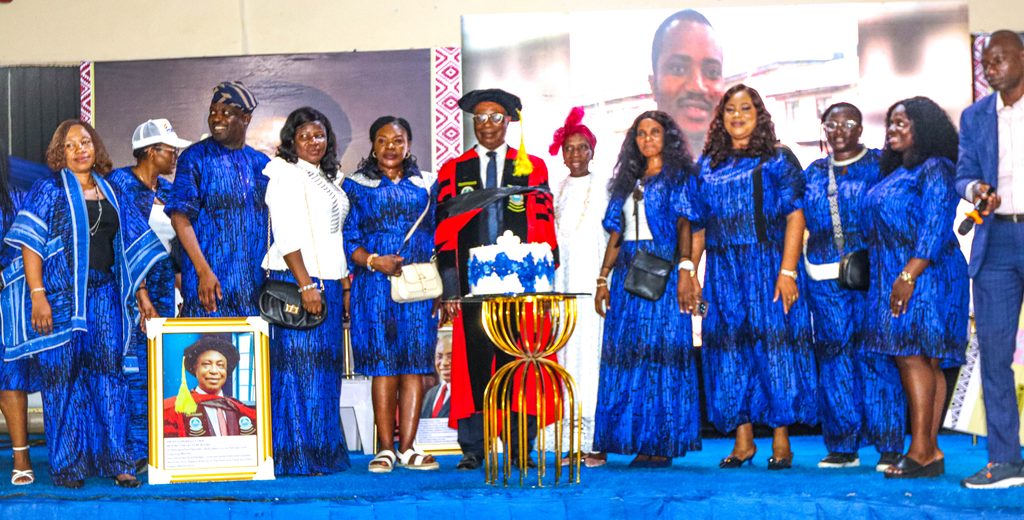
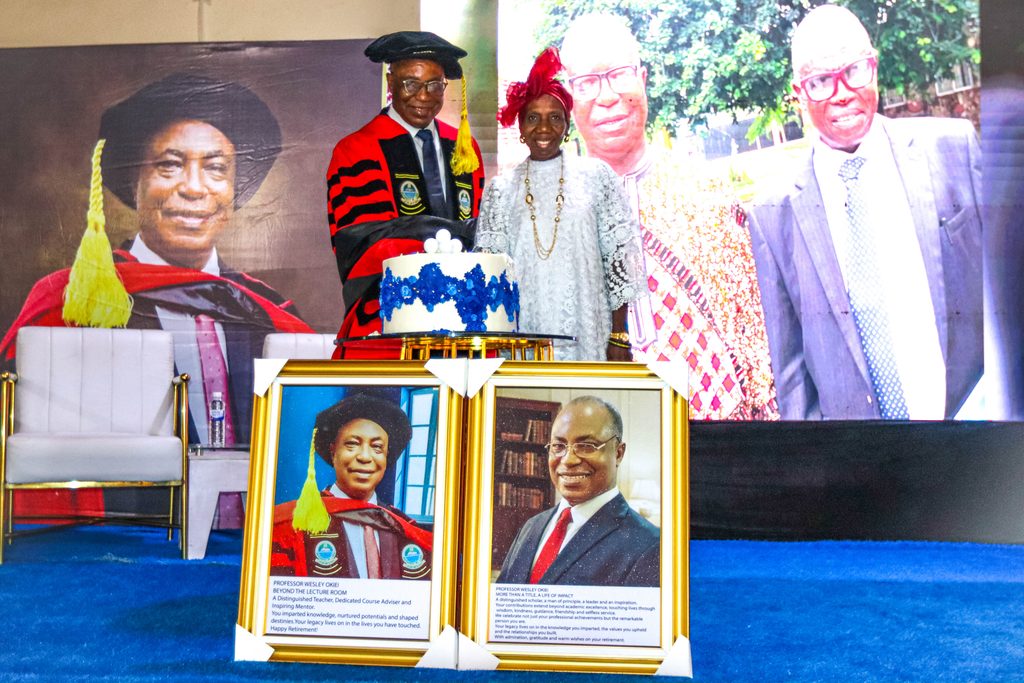
The initiative also reinforces the importance of recognising exceptional academic achievement and inspiring students and emerging scholars to pursue excellence in scientific learning and research.
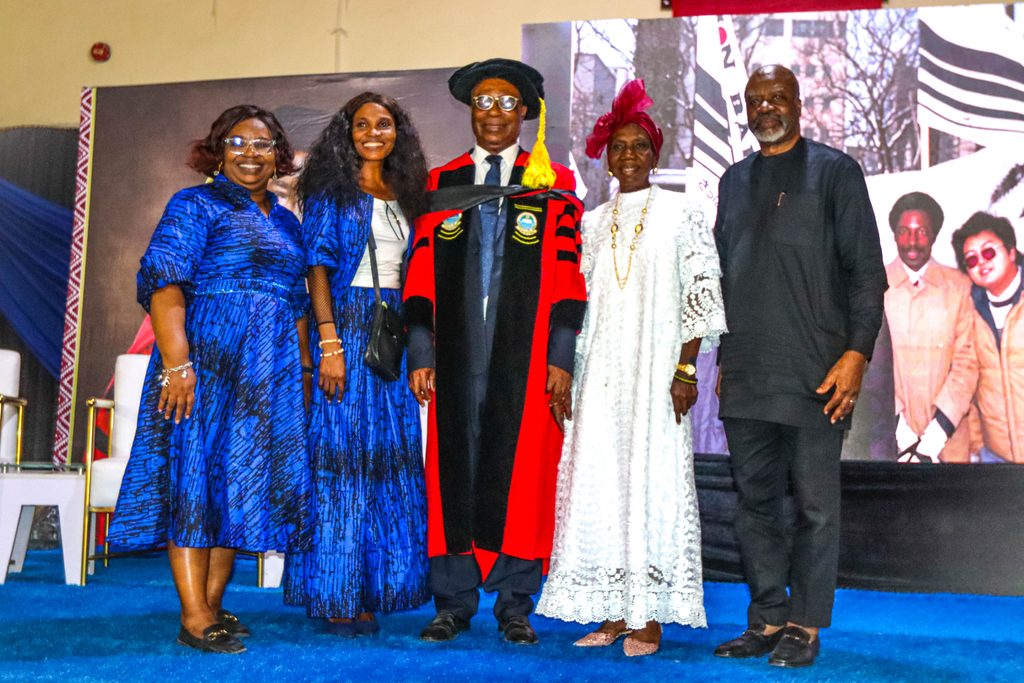
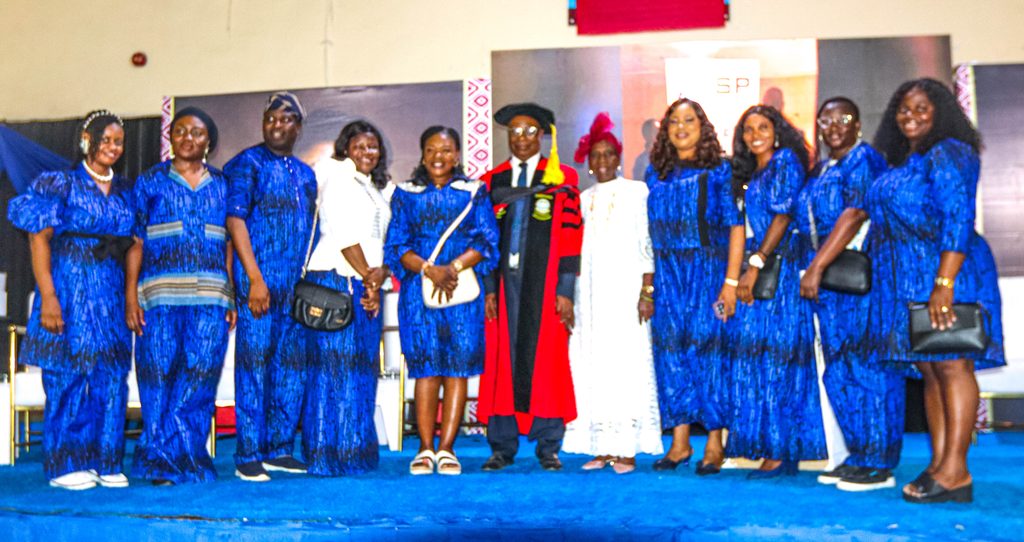
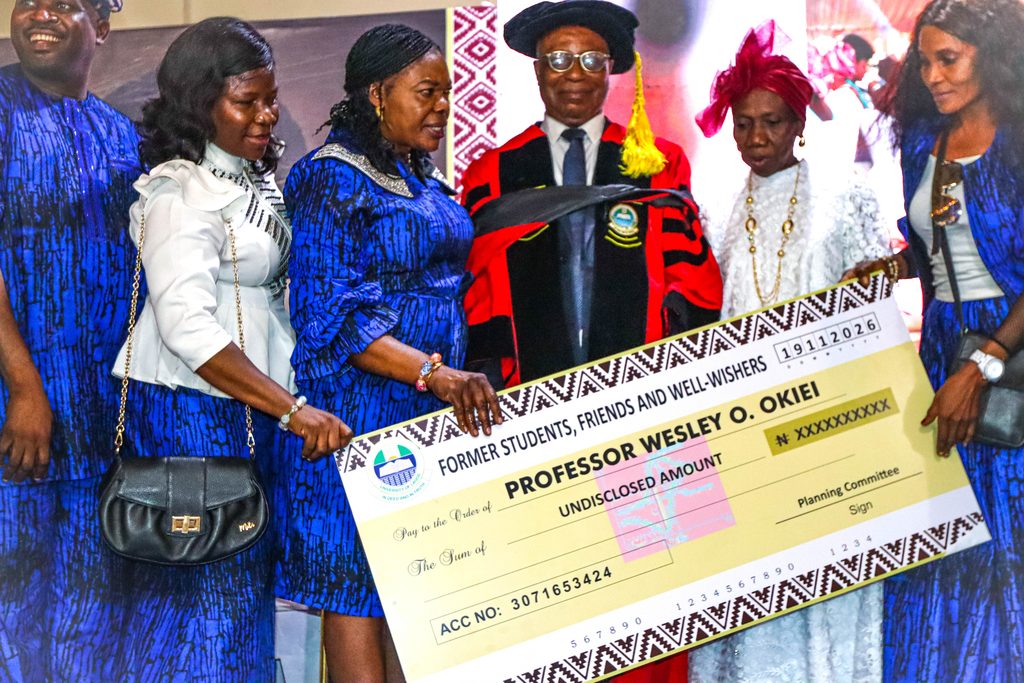
The occasion provided an opportunity for family members, colleagues, former students and mentees to celebrate Professor Okiei’s professional journey and the relationships he built throughout his years of service.
The presentation of gifts, the reading of his citation and other commemorative activities added to the significance of the celebration.

A particularly memorable moment was the musical tribute by his grandson, Daniel Abiakunwe, whose saxophone performance added a personal and family dimension to the event.
The programme also highlighted the importance of preserving the academic legacy of distinguished scholars through mentorship, research initiatives, recognition of academic achievement and opportunities for younger academics to develop their skills and contribute meaningfully to society.
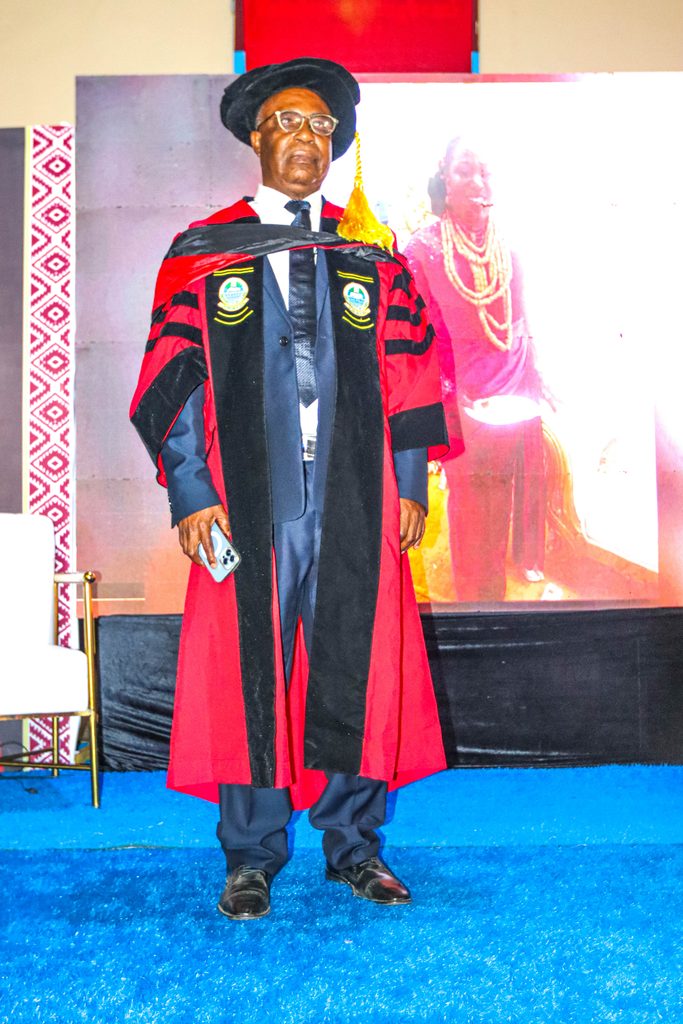
Professor Okiei’s Research Profile and Academic Distinctions
Professor Wesley Ohifeme Okiei is a Professor of Chemistry at the University of Lagos, where he has served since 1991.
His research focuses on electrochemical sensors, natural products and the development of innovative sensing technologies for human health, food security and environmental monitoring.
Professor Okiei’s research contributions include the development of electrochemical sensors for detecting heavy metals and biologically important substances. He has also made numerous conference contributions and established research collaborations spanning Nigeria, the United Kingdom, Japan and the United States of America.
A Fellow of the Institute of Chartered Chemists of Nigeria (FICCON), Professor Okiei has supervised several postgraduate students and graduated four PhD candidates.
In recognition of his outstanding mentorship, he received the inaugural 2025 Professor Ayo Ogunye Trust Fund (PAFOTFUL) Award for Overall Best PhD Supervisor at the University of Lagos.
A Legacy Beyond Active Service
As Professor Wesley O. Okiei concludes his active service at the University of Lagos, his retirement celebration offered more than an account of academic achievements. It provided an opportunity to reflect on the wider value of scientific research, the responsibility of universities to support innovation and the importance of preparing younger scholars for the future.
From the applications of electrochemical sensors in healthcare, food analysis and environmental monitoring to sustainable agricultural systems and stronger links between research and industry, the presentations demonstrated how scientific knowledge can be translated into practical solutions.
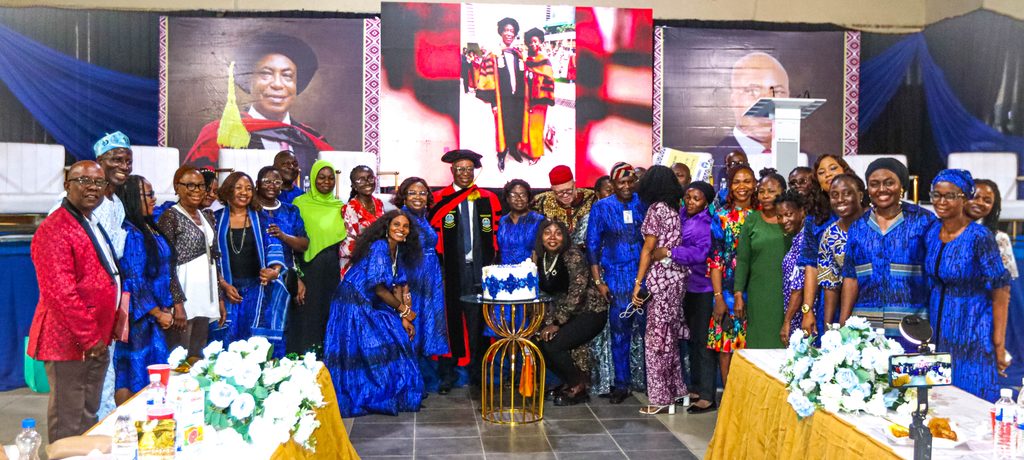
The recommendations offered by the speakers also reinforced the need for adequate academic staffing, improved research funding, modern laboratory equipment, effective mentorship and stronger institutional support for innovation.
For Professor Okiei, the celebration marked the conclusion of a significant chapter of University service, but not the end of his contribution to scholarship. His research interests, professional relationships and influence on younger academics remain important parts of the legacy he leaves behind.
As the University celebrates his years of service, the call to strengthen electrochemical research, encourage interdisciplinary collaboration and translate scientific discoveries into solutions for society stands as a fitting reflection of his valedictory lecture.
Professor Okiei’s years of active service may have come to an end, but the knowledge he has shared, the researchers he has influenced and the possibilities opened by his work will continue to enrich scientific advancement and the University community.
Report: Lynda Onah
Photography: Wale Fagbulu
Photo Editing: Islamiat Akanni