
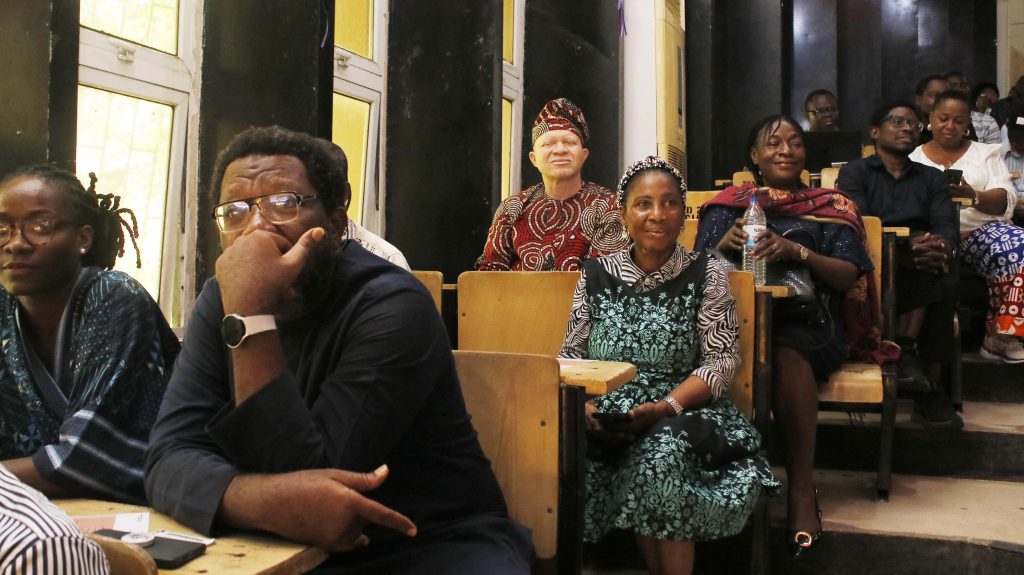
Traditionally regarded as complementary to conventional medicine, nutrition is increasingly recognized as a direct modulator of disease pathways. This paradigm shift formed the core of a compelling presentation by Professor Ngozi Awa Imaga of the Department of Biochemistry during the inaugural Monthly Seminar Series of the Faculty of Life Sciences at University of Lagos (UNILAG) on Thursday, February 19, 2026.
Nutrition as a Therapeutic Science
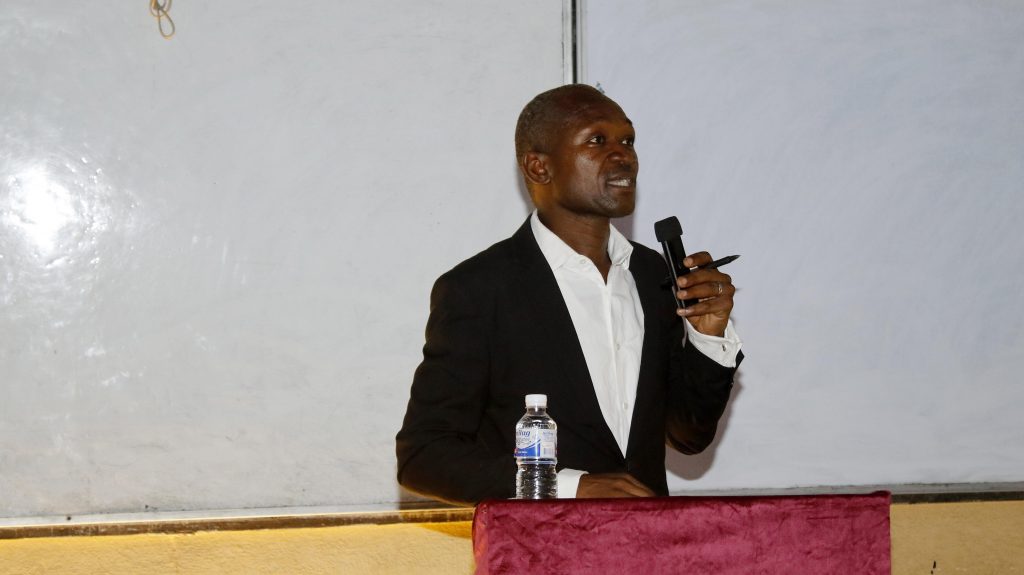
Held at Lecture Theatre 026, Professor Imaga delivered a lecture titled Nutritional Therapies in Health and Diseases: Advances from Translational Research. She emphasized that nutritional interventions extend beyond supportive care, actively influencing metabolic dysregulation, inflammation, oxidative stress, and immune imbalance.
Drawing on years of research, she demonstrated how bioactive compounds and functional foods can be strategically harnessed to improve glucose metabolism, lipid profiles, mitochondrial function, and redox balance. Her presentation underscored the growing body of evidence positioning nutrition as a therapeutic science grounded in molecular and cellular mechanisms.


Translational Research in Action
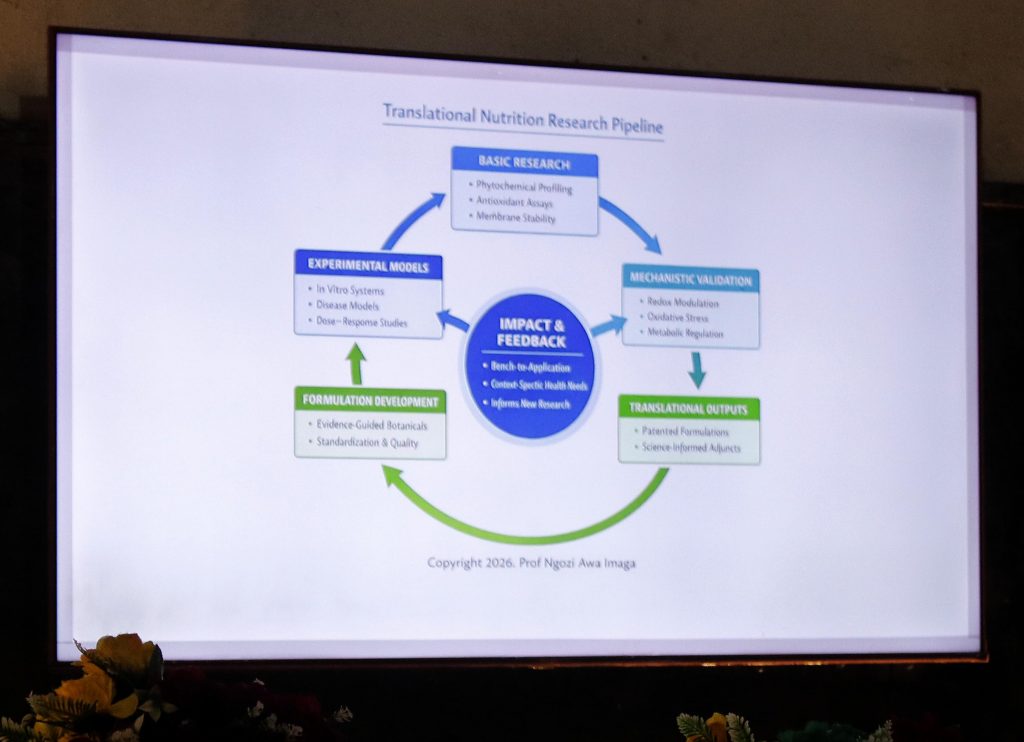
A central theme of the seminar was translational research – the process of converting laboratory discoveries into practical, community-level health solutions.
Professor Imaga highlighted her interdisciplinary approach, which integrates biochemistry, cell biology, microbiology, botany, and zoological models to investigate nutrient–gene interactions, signaling pathways, and microbiome-mediated effects.
She noted that her team’s studies have demonstrated measurable reductions in oxidative stress markers, improvements in metabolic indices, and modulation of inflammatory mediators through targeted nutritional interventions. These findings, she explained, exemplify how laboratory research can inform real-world disease prevention and management strategies.



Medicinal Plants and Functional Foods
Exploring the continuum between food and medicine, Professor Imaga presented evidence on several plant-based therapies, including bitterleaf, pawpaw, scent leaf, and garlic. She outlined their physiological benefits, such as reducing oxidative stress and inflammation, enhancing antioxidant defenses, and supporting metabolic health.
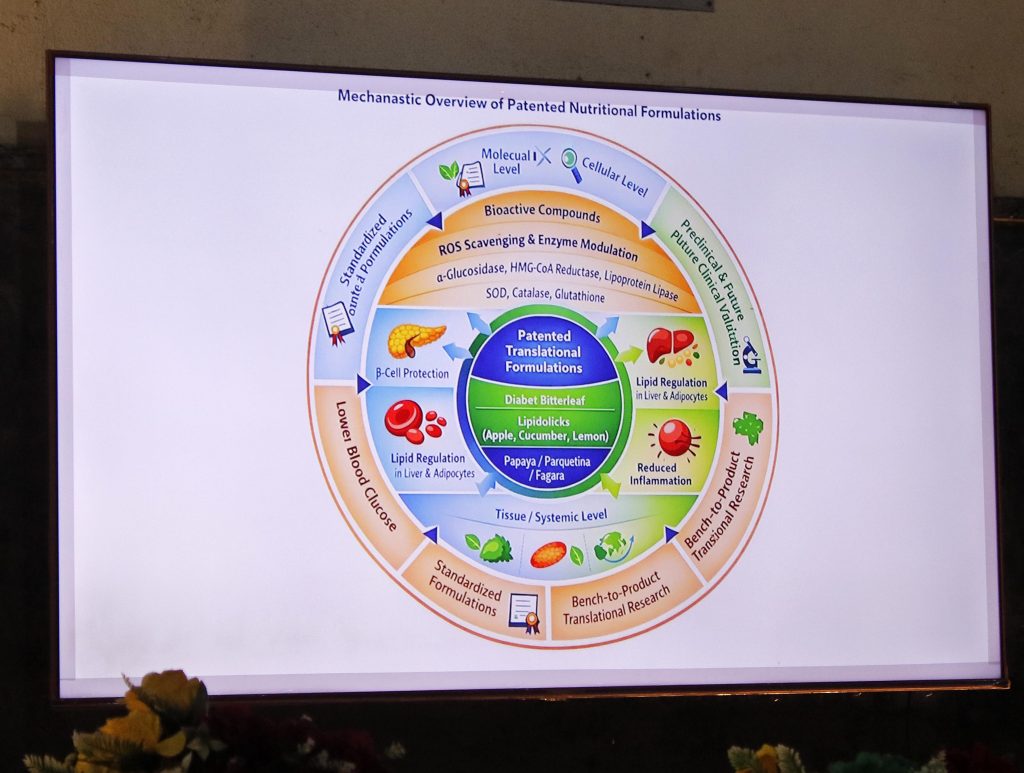
Through modern biochemical validation, she showed how traditional culinary plants can be scientifically standardized and developed into functional formulations. This integration of ethnobotanical knowledge with rigorous laboratory research reflects a sustainable model for therapeutic innovation.


Mechanistic Insights
Professor Imaga provided detailed mechanistic explanations of how plant bioactives act on key molecular targets. These include enzyme modulation, regulation of signaling pathways, improved glucose uptake via GLUT4 activation, reduction of HbA1c levels, and inflammation control through pathways such as caspase-1 and bile acid signaling.
Such mechanistic clarity, she emphasized, strengthens the scientific foundation of nutrition-based therapies in the management of chronic diseases.



Future Directions
In her concluding remarks, Professor Imaga called for stronger multi-departmental collaboration and adoption of integrated omics approaches to enhance translational pipelines. She stressed that nutrition must be positioned as a core component of modern biomedical science, with faculty-wide research platforms increasing both impact and funding competitiveness.
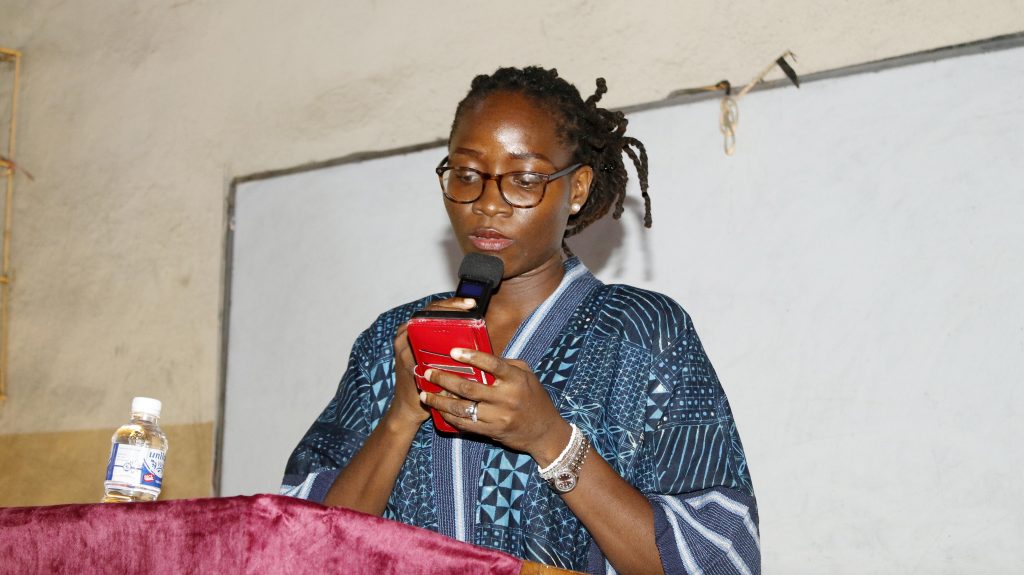
The one-hour seminar also featured goodwill messages from the Dean of the Faculty of Life Sciences, Professor Ganiyu Oyetibo; the Head of the Department of Biochemistry, Professor Aderonke Samuel; and a summary by the rapporteur, Dr. Brakemi Egbedi of the Department of Marine Sciences.


The event reaffirmed that nutritional therapies are not merely adjuncts to conventional treatment but represent a powerful, evidence-driven approach to health and disease management. By bridging fundamental science with clinical and community applications, translational nutrition research offers tangible societal benefits and advances the pursuit of innovative, sustainable healthcare solutions.
Author: Ndidi J. Odinikaeze
Editor: Adejoke Alaga-Ibraheem
Photographer: Islamiat Akanni