As global scientific collaboration continues to expand, researchers across Africa are being encouraged to strengthen research security practices to safeguard innovation while preserving the principles of open science.
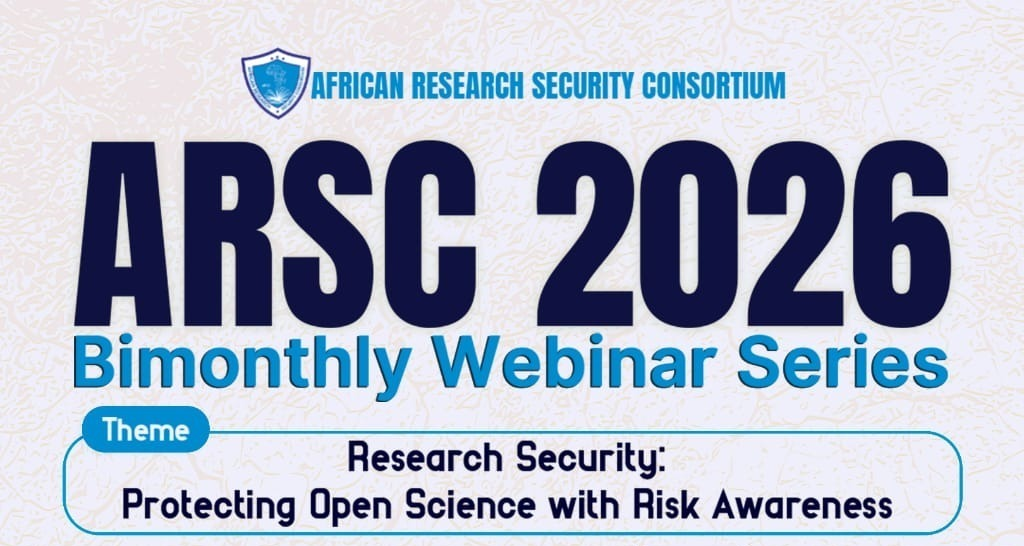
This message resonated throughout the African Research Security Consortium (ARSC) bi-monthly webinar, hosted virtually on Tuesday, June 30, 2026. The session brought together researchers, research administrators and institutional partners from across the continent to explore strategies for managing risks associated with international research collaborations.
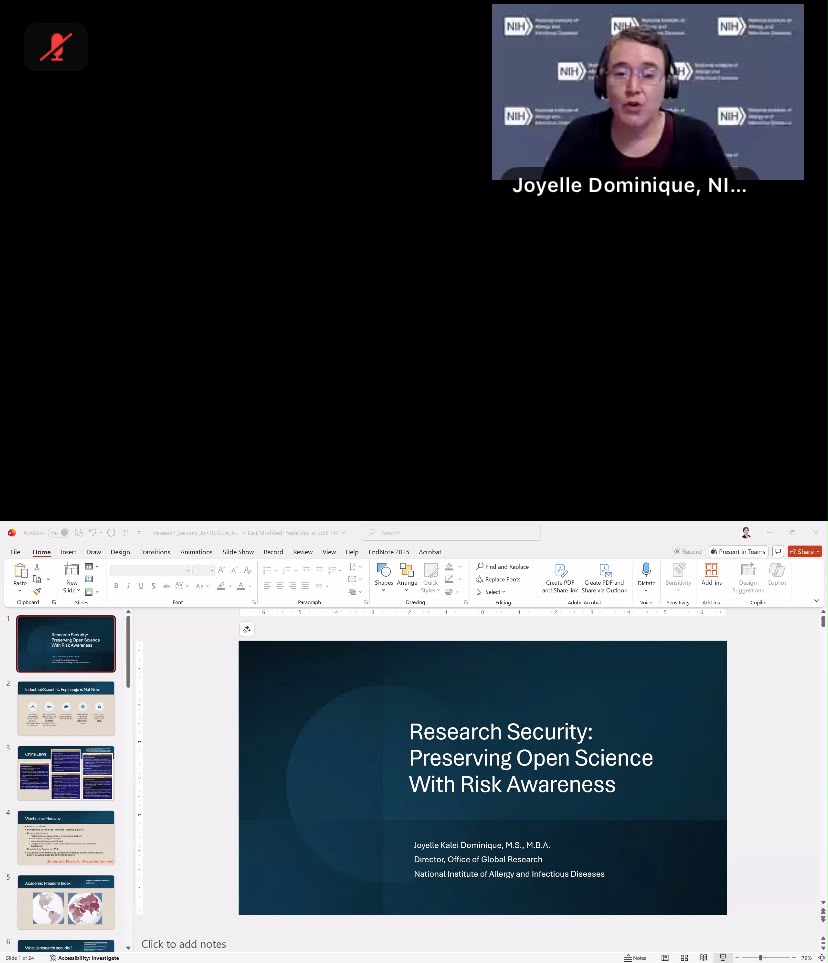
The webinar featured a keynote presentation titled, “Research Security: Protecting Open Science with Risk Awareness”, delivered by Joyelle Kalei Dominique, Director of the Office of Global Research at the National Institute of Allergy and Infectious Diseases (NIAID), one of the leading institutes under the U.S. National Institutes of Health (NIH).
Welcoming participants on behalf of the host institution, the Director of the Research Management Office, University of Lagos, Professor Solomon Okunnuga, highlighted the growing relevance of emerging technologies in research and urged participants to maximise the learning opportunity presented by the webinar.

“The world has gone the way of Artificial Intelligence (AI), and I encourage all of us to take advantage of what will be shared today,” he said.
Also speaking, the Dean of the School of Postgraduate Studies, Professor Abraham Osinubi, reflected on the importance of openness in scientific advancement while drawing attention to the responsibility of protecting research from emerging threats.
“The open sharing of knowledge is the greatest human invention that has shaped lives. However, the very openness that makes science trustworthy could be the very area of vulnerability,” he observed.
Setting the tone for the keynote presentation, Dominique explained that research security is not a new concept, noting that scientific espionage has existed for centuries. She described research security as the protection of scientific research from foreign interference while ensuring that international collaboration and the free exchange of knowledge continue to flourish.
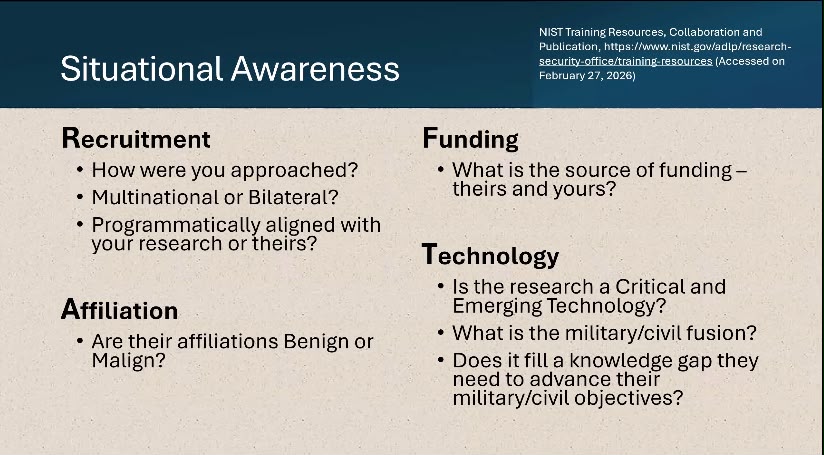
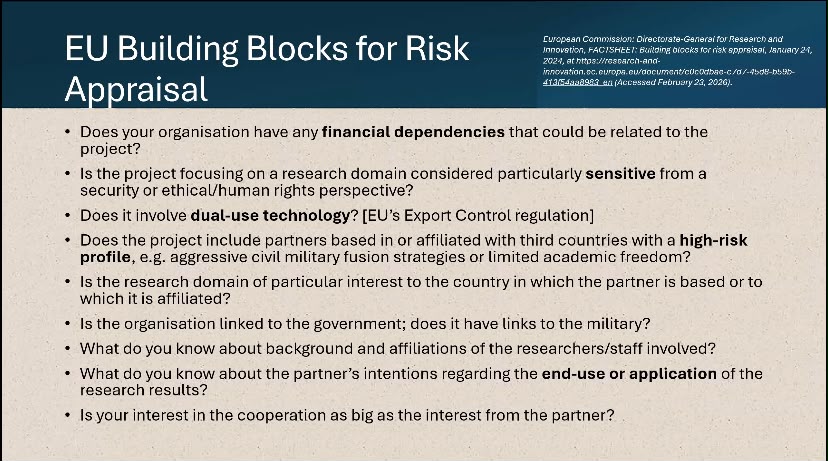
She stressed that because risk is inherent in every stage of the research process, research security considerations should likewise be integrated into every phase of research planning and implementation.
Highlighting the realities of modern scientific collaboration, Dominique observed that academic freedom varies across countries and institutions. She therefore encouraged researchers engaged in cross-border partnerships to understand the research security environment of prospective collaborators before embarking on joint projects.
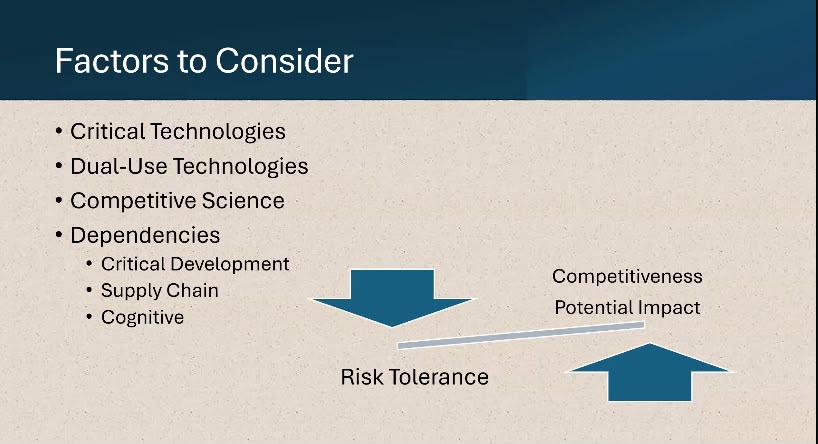
According to her, research security is fundamentally about assessing the risks associated with research collaborations rather than discouraging international engagement. She noted that the more strategically competitive a scientific field becomes, the lower the tolerance for potential security risks.
Drawing from international experience, Dominique referenced the case of a Russian intelligence operative who remained embedded within Estonia’s university system for a decade before being uncovered, illustrating the importance of continuous risk assessment in research collaborations.
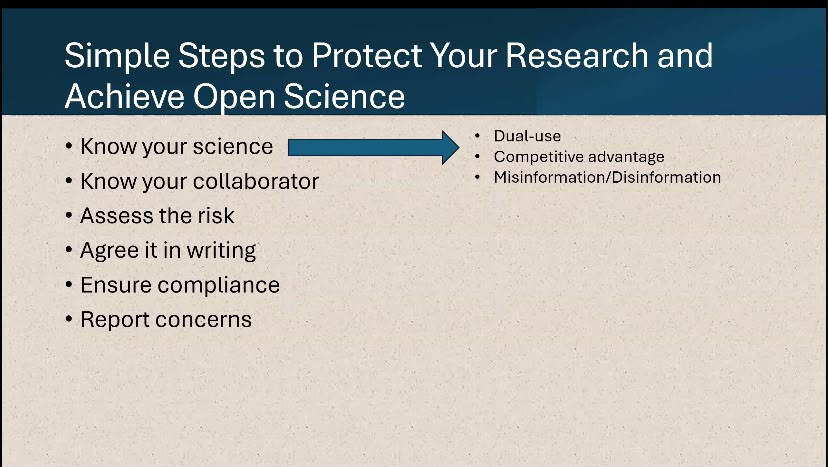
She also encouraged researchers to make effective use of language translation technologies to gain deeper insights into prospective partner institutions, their priorities and operating environments, thereby enabling more informed collaboration decisions.
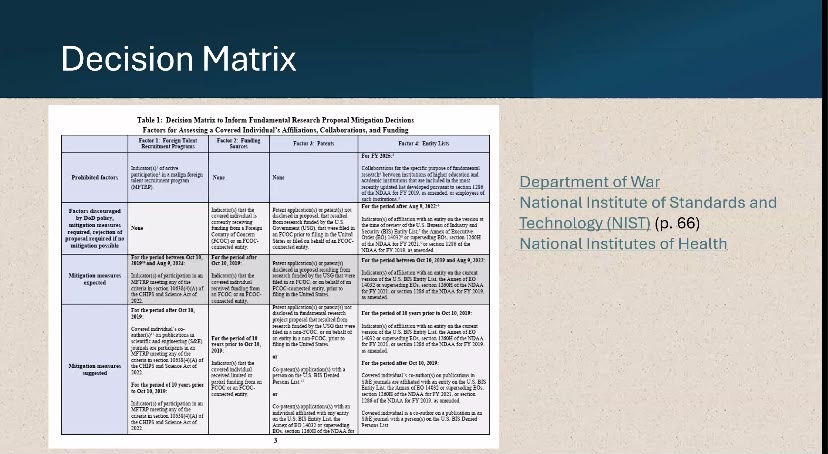
Sharing the approach adopted in the United States, Dominique explained that research institutions employ structured decision matrices to evaluate scientific research and determine appropriate risk management measures. She concluded by emphasizing that research security is most effective when institutions work collaboratively to identify and mitigate potential risks.
The interactive webinar attracted participants from partner institutions across the African Research Security Consortium, reflecting the growing commitment of African higher education institutions and research-producing organisations to strengthening research integrity and security.

The African Research Security Consortium (ARSC) is dedicated to promoting robust research security standards across African Higher Education Institutions (HEIs) and Research Producing Organizations (RPOs). The consortium brings together leading academic and research institutions, including the University of Lagos, University of Ibadan, University of Nigeria, Nsukka, Sandia National Laboratories, Pacific Northwest National Laboratory and CRDF Global, to foster responsible international research collaboration and build institutional capacity across the continent.
The webinar further reinforced ARSC’s commitment to equipping African researchers with the knowledge, tools and collaborative networks needed to pursue world-class research while safeguarding scientific integrity in an increasingly interconnected global research ecosystem.
Report: Isaiah Kumuyi