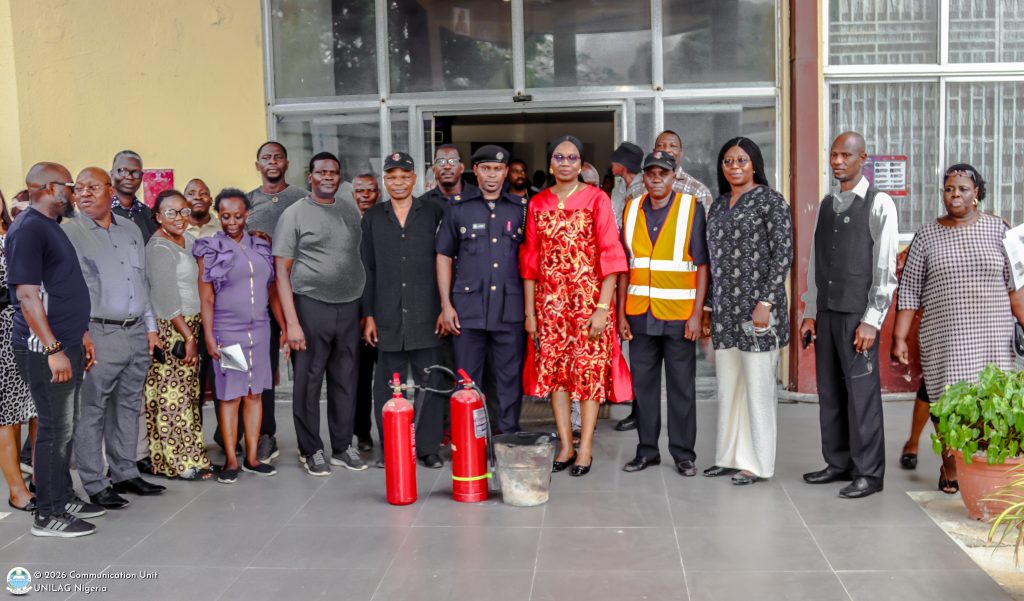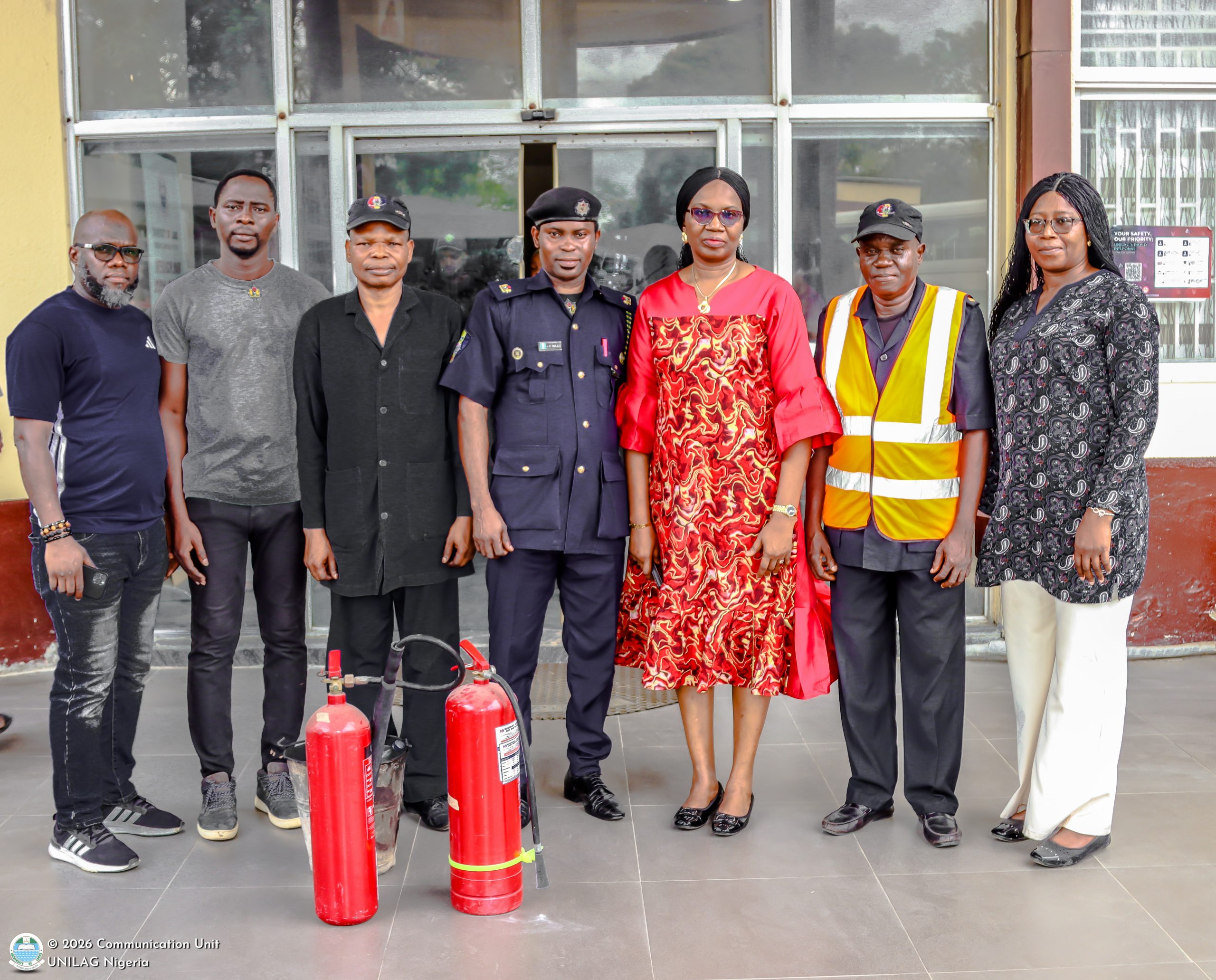
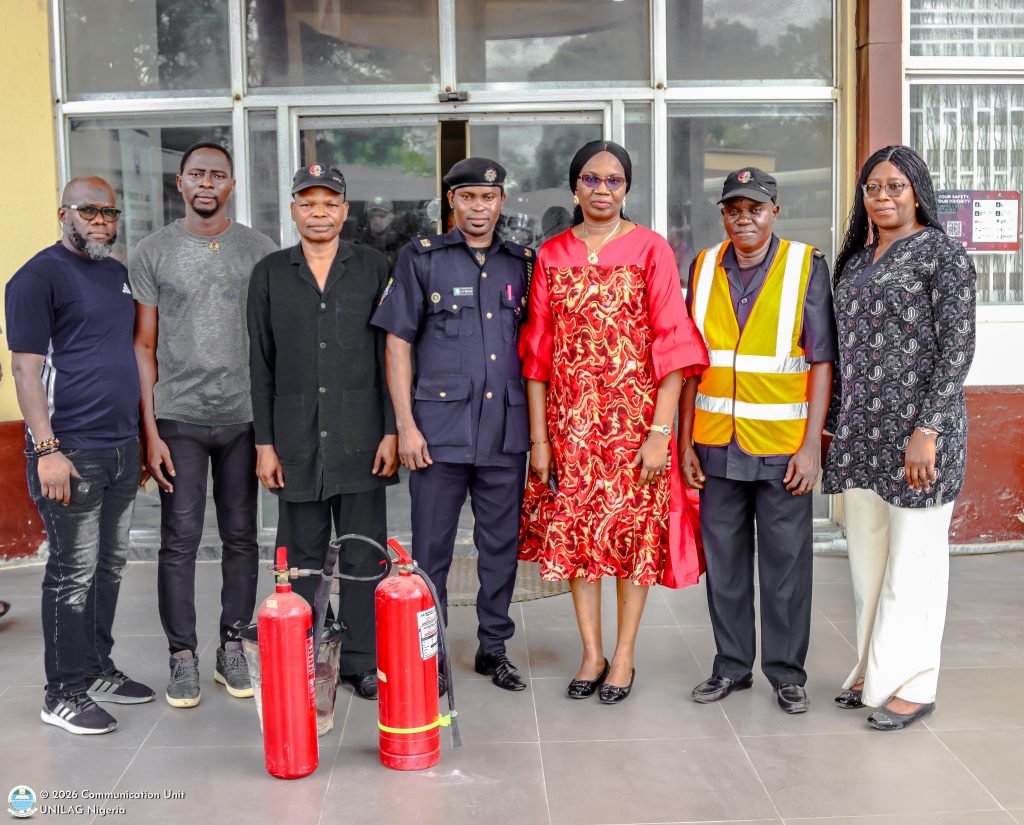
The Distance Learning Institute of the University of Lagos (DLI, UNILAG) on Thursday, March 26, 2026, organised a fire prevention sensitisation lecture in collaboration with the University’s Fire Service Unit.
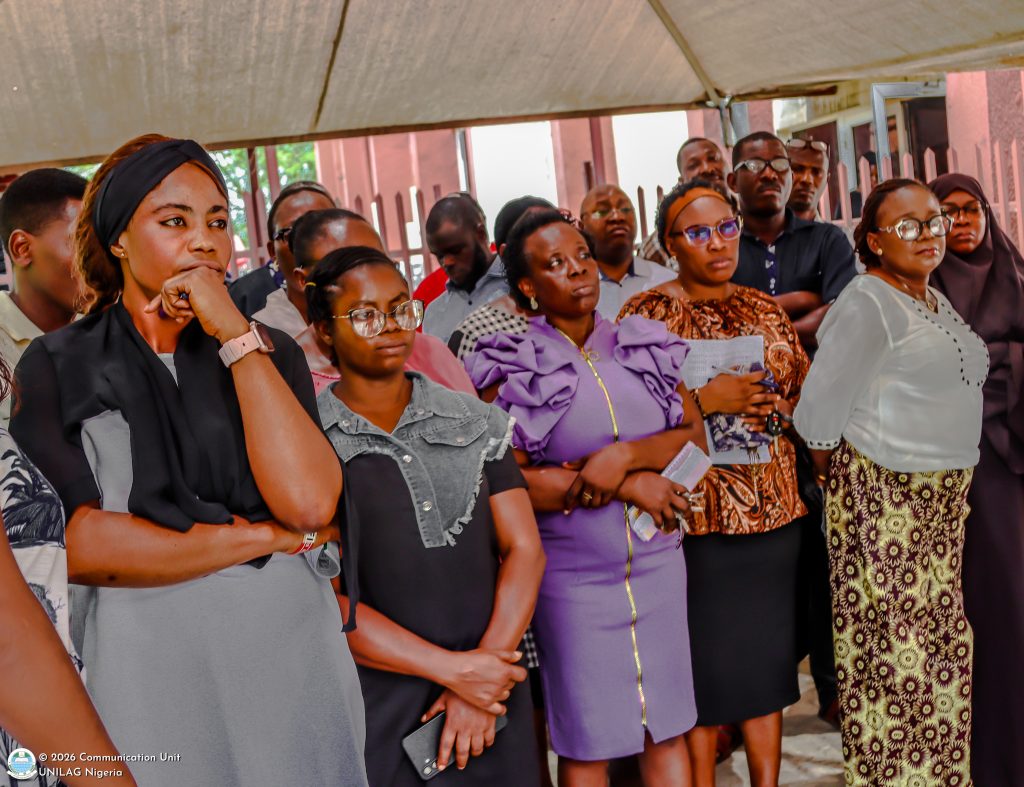
The event, held at the Nurudeen Alao Lecture Hall, brought together staff of the Institute and members of the wider University community to enhance awareness and preparedness on fire safety.
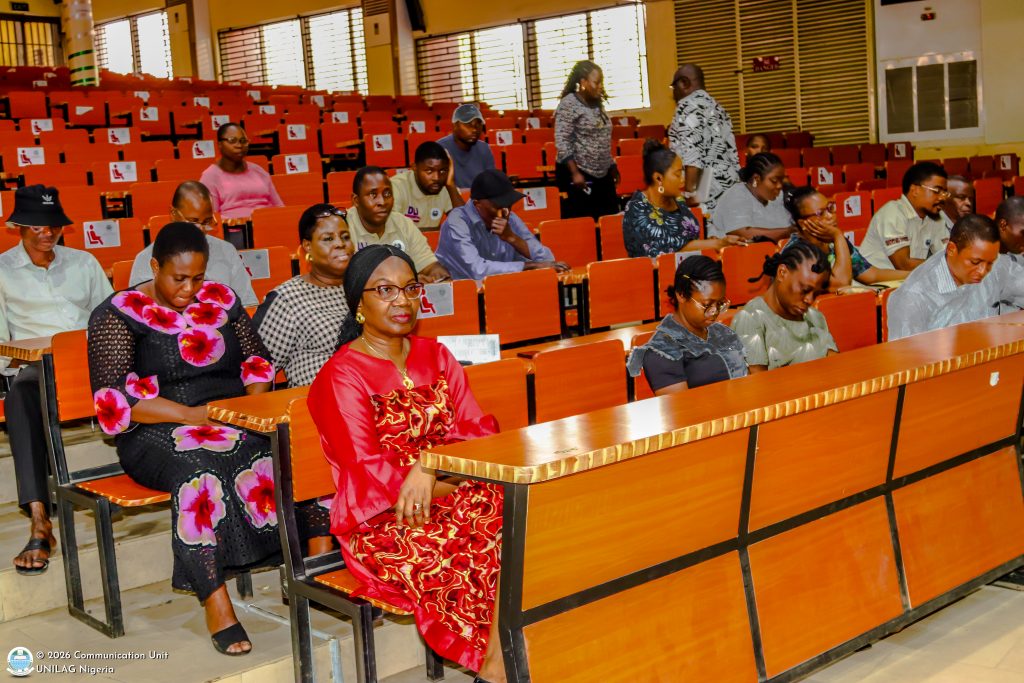

Delivering the keynote presentation, the Acting Head of the Fire Service Unit, Jimoh Wasiu, stressed that most fire outbreaks become destructive due to human negligence and poor safety practices. He identified ignorance, carelessness, and non-compliance with basic safety measures as major contributors to fire incidents in society.
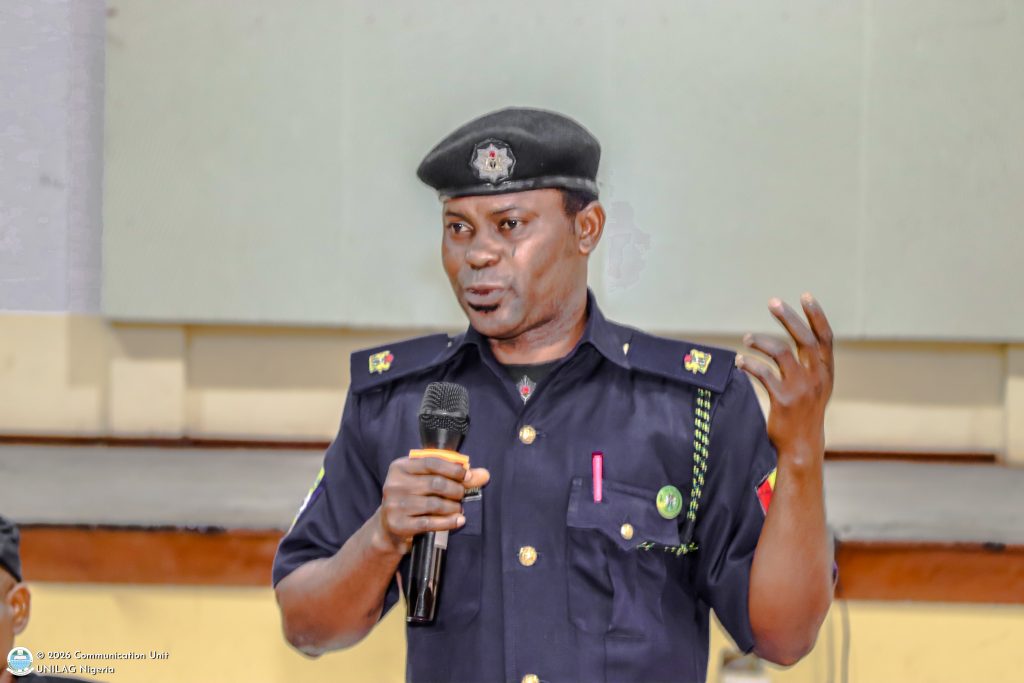
Mr. Wasiu also highlighted poor environmental and safety practices as critical risk factors that can accelerate the spread of fire. He cautioned against the use of substandard electrical appliances, faulty wiring in homes, and poorly maintained vehicles, noting that these are common triggers of fire outbreaks.
He further expressed concern over the unsafe storage of inflammable substances, particularly petrol, in residential areas, describing such actions as highly dangerous and capable of causing significant loss of lives and property. He also warned against the use of mobile phones in high-risk environments such as kitchens with active gas appliances and fuel stations, noting that such negligence has led to avoidable tragedies.
Addressing additional causes of fire outbreaks, Mr. Wasiu noted that fires may also result from civil unrest or political conflicts—a criminal act known as arson, which is punishable under the law.
Providing practical safety guidance, he advised that in the event of a fire outbreak, individuals should promptly raise an alarm, ensure immediate evacuation, and account for all occupants. He emphasized that the protection of human life must always take priority over property.
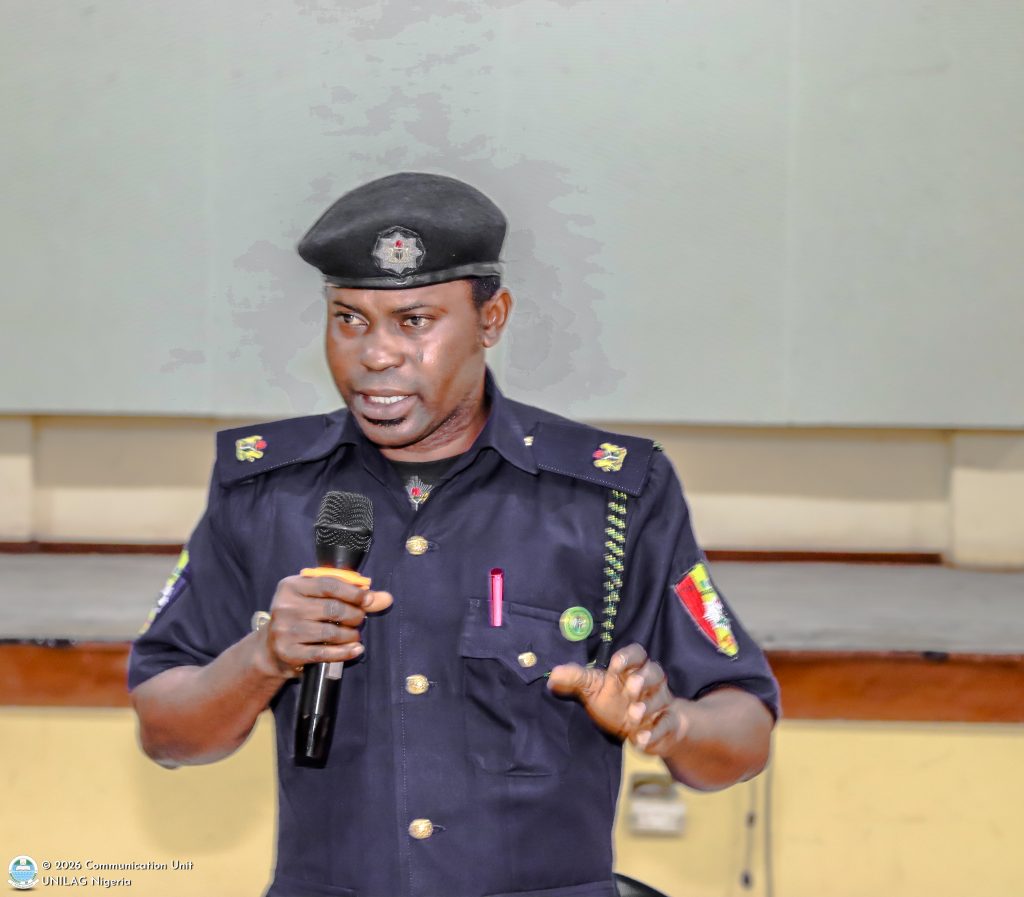

The Acting Head further underscored the importance of installing and maintaining fire safety equipment including fire extinguishers and alarm systems, in homes, offices, kitchens, and vehicles. He recommended that fire extinguishers should be serviced regularly, at least twice a year, to ensure effectiveness.
“Fire does not recognise status or title; therefore, vigilance and discipline are essential. Prevention remains better than cure,” he stated.
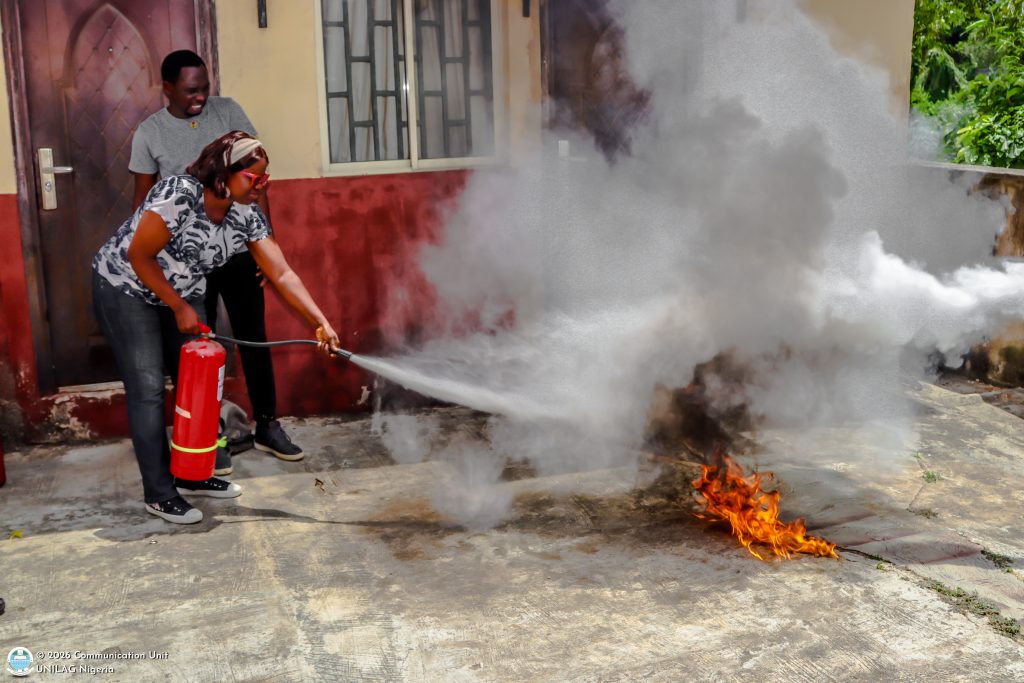
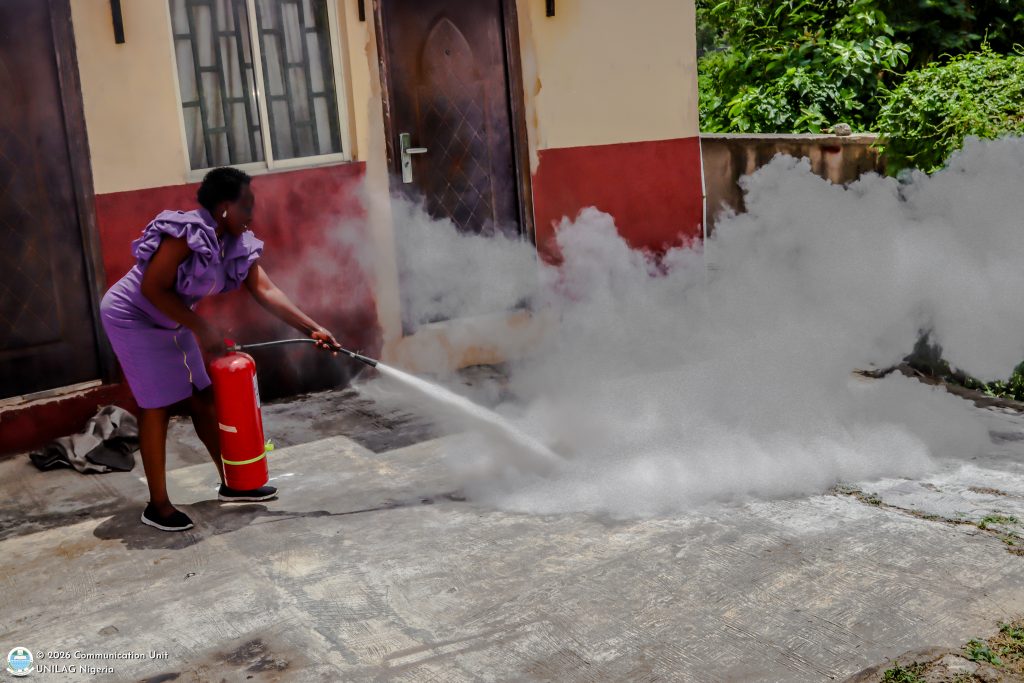
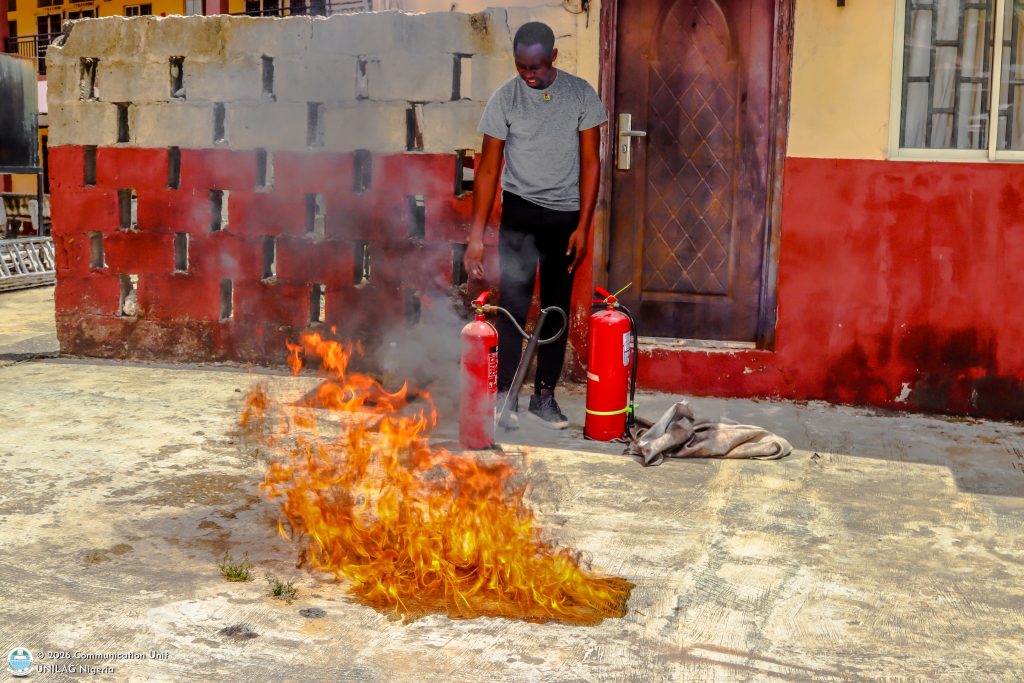
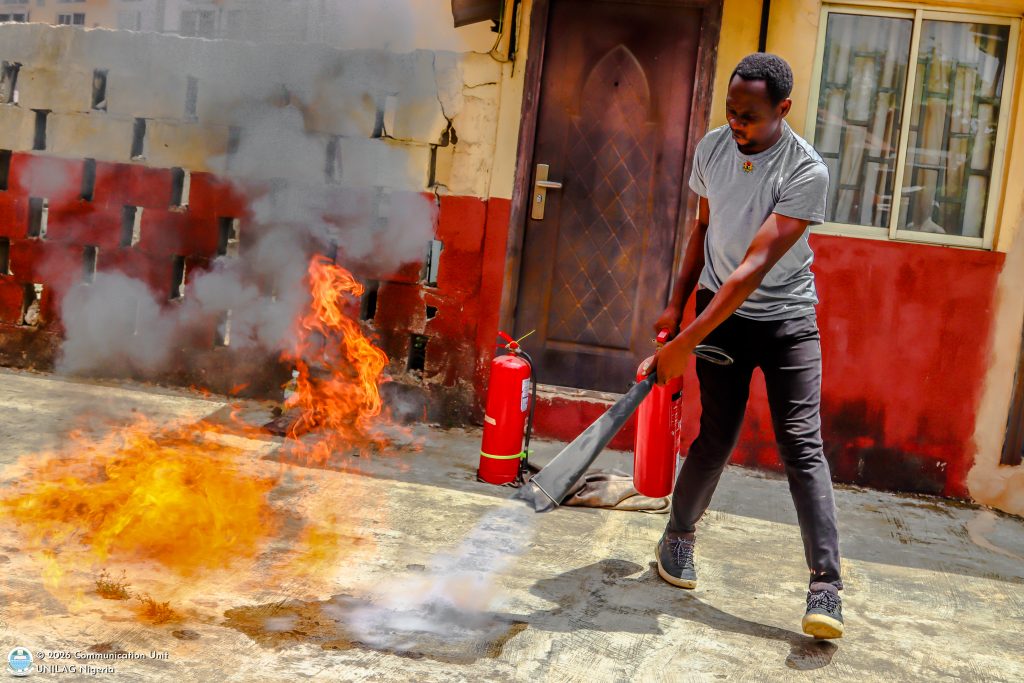
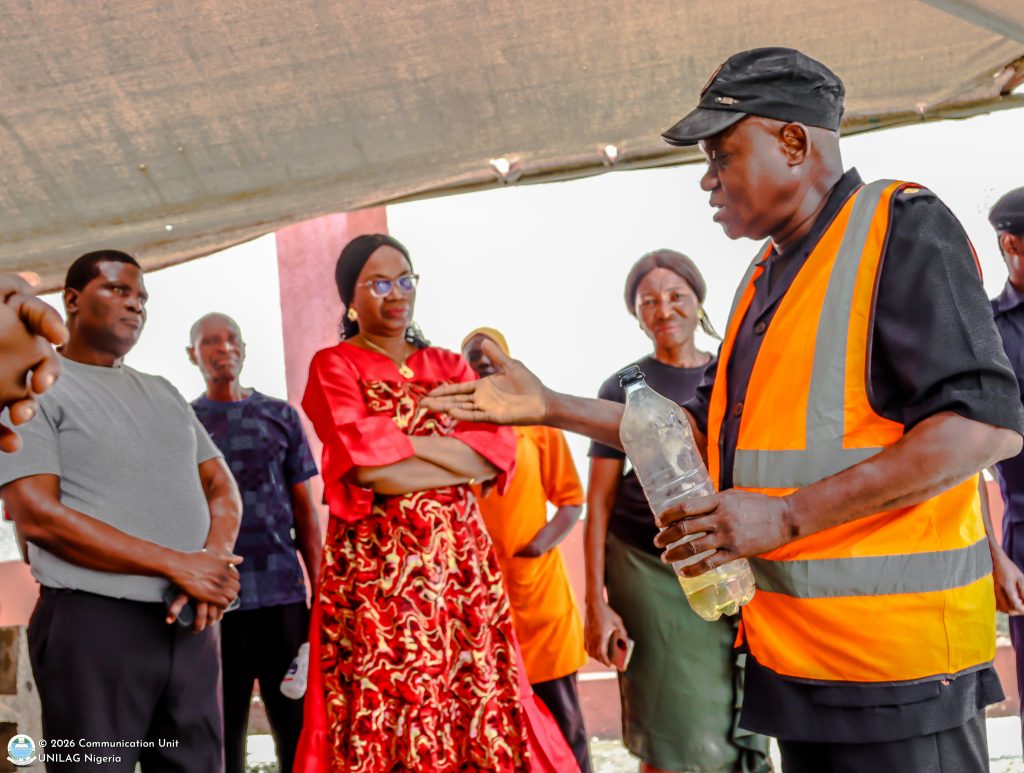
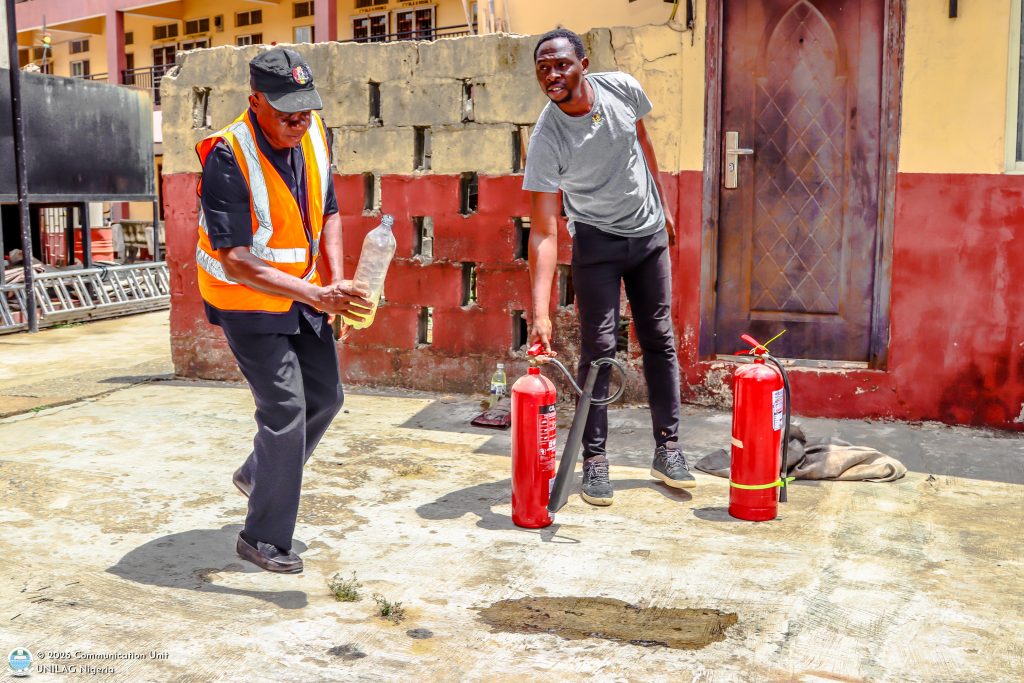
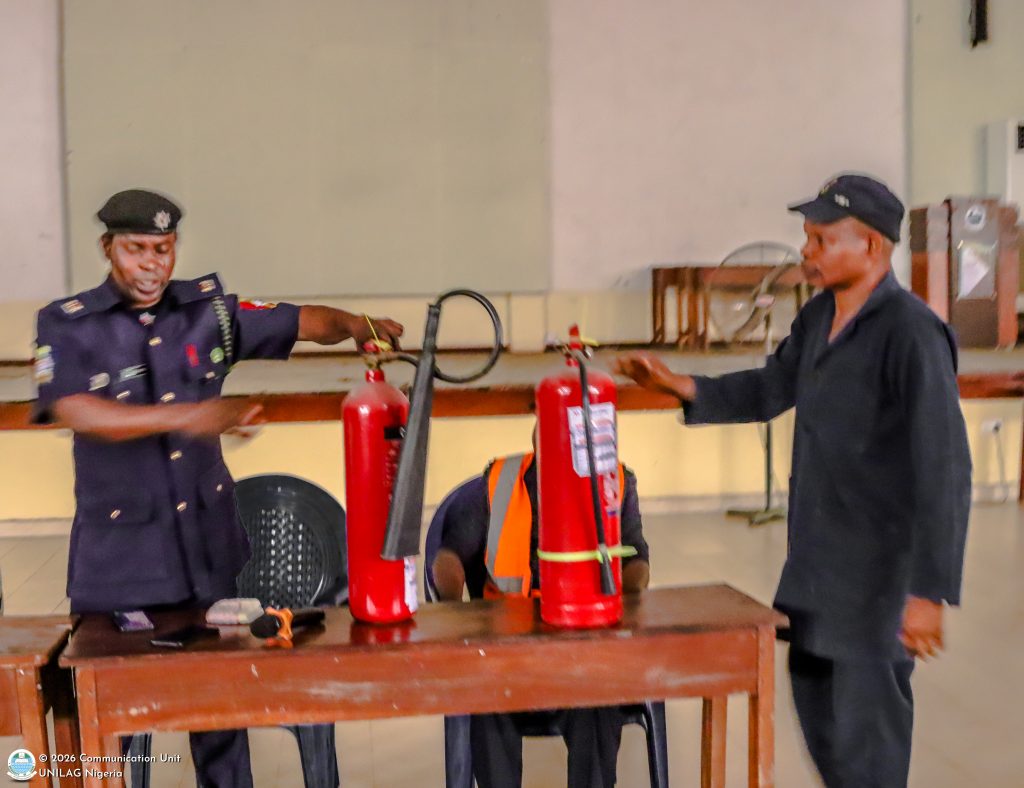
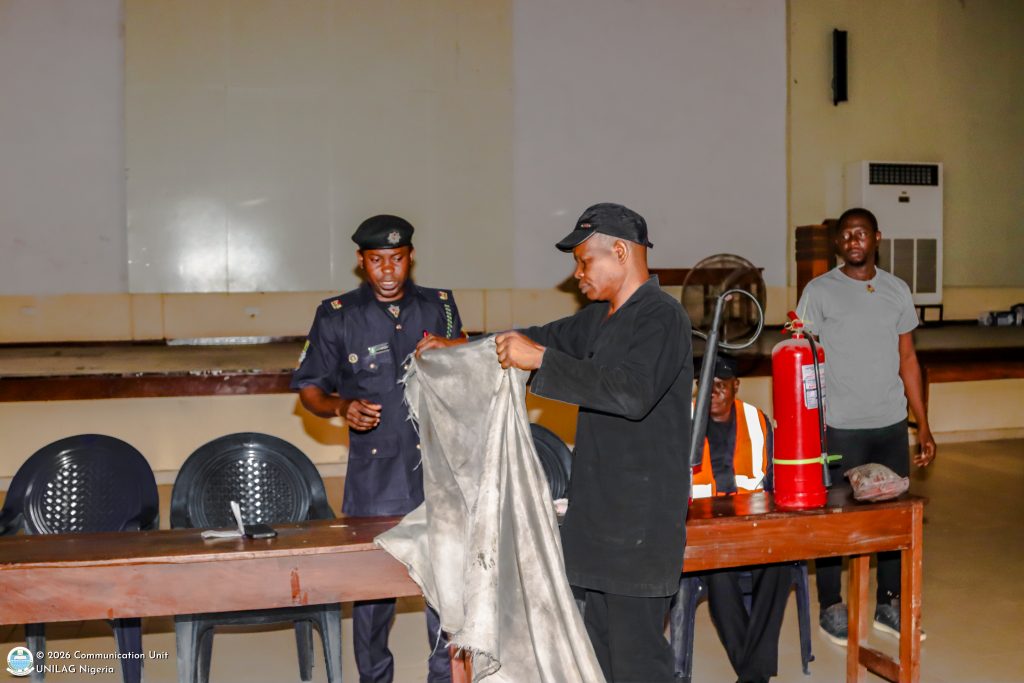
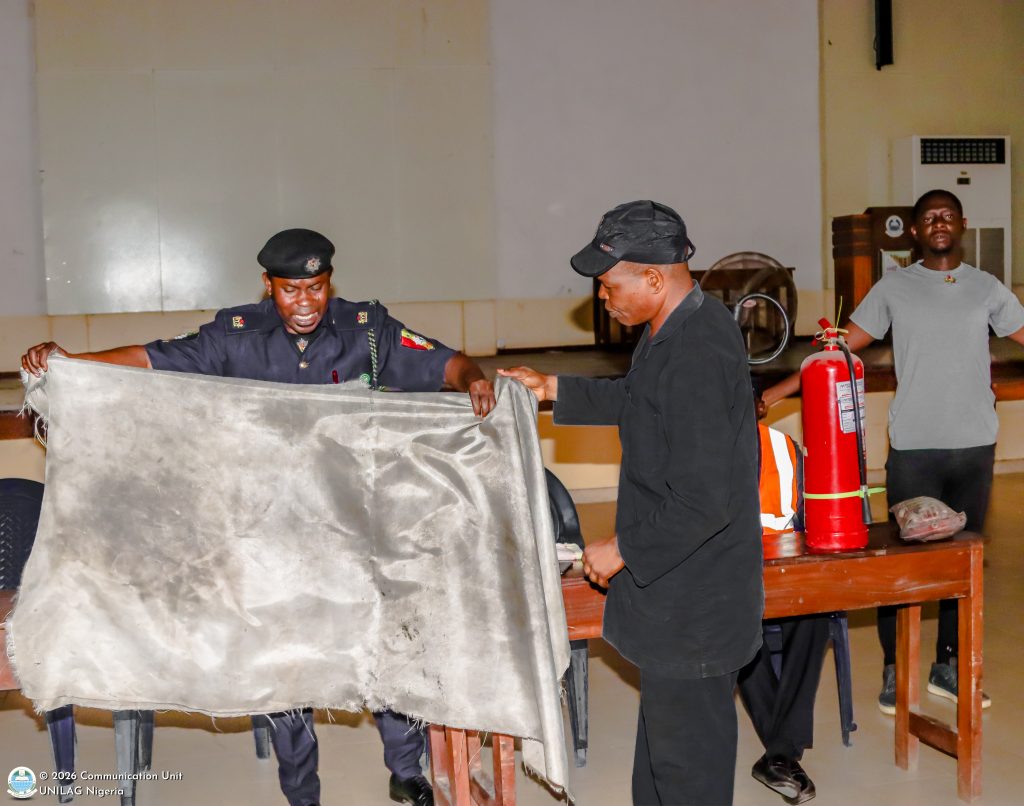
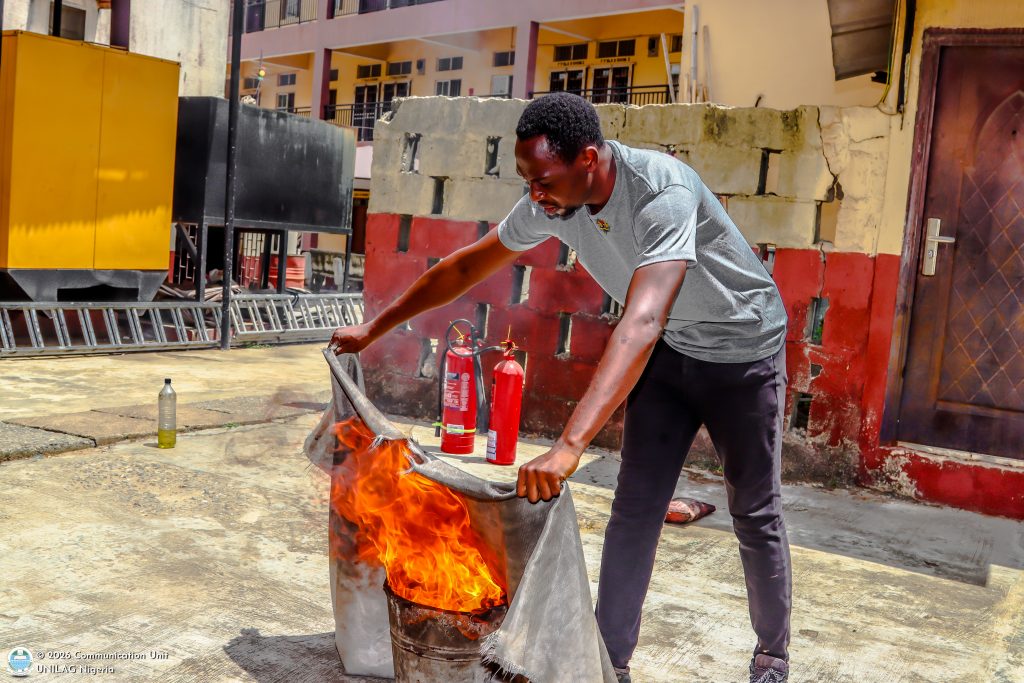
The session also featured practical demonstrations, during which participants received hands-on training on the proper use of fire extinguishers and basic fire response techniques.


In her remarks, the Director of DLI, Professor Risikat Dauda, expressed appreciation for the impactful session. She noted that the training had significantly improved the awareness and preparedness of staff, both professionally and personally.





Professor Dauda reaffirmed the Institute’s commitment to implementing the recommended safety measures and sustaining such training initiatives as part of its broader dedication to safety and well being.