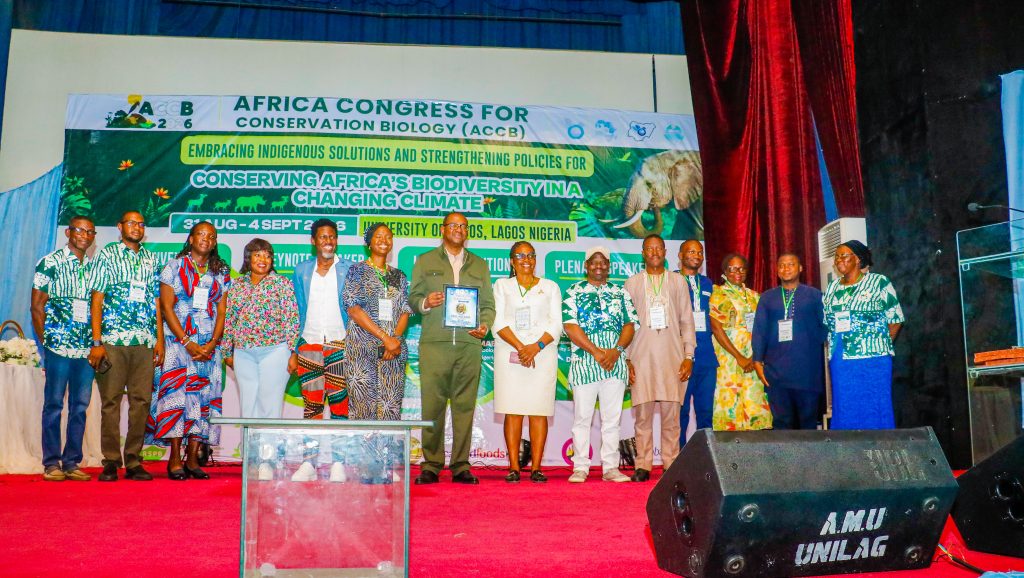
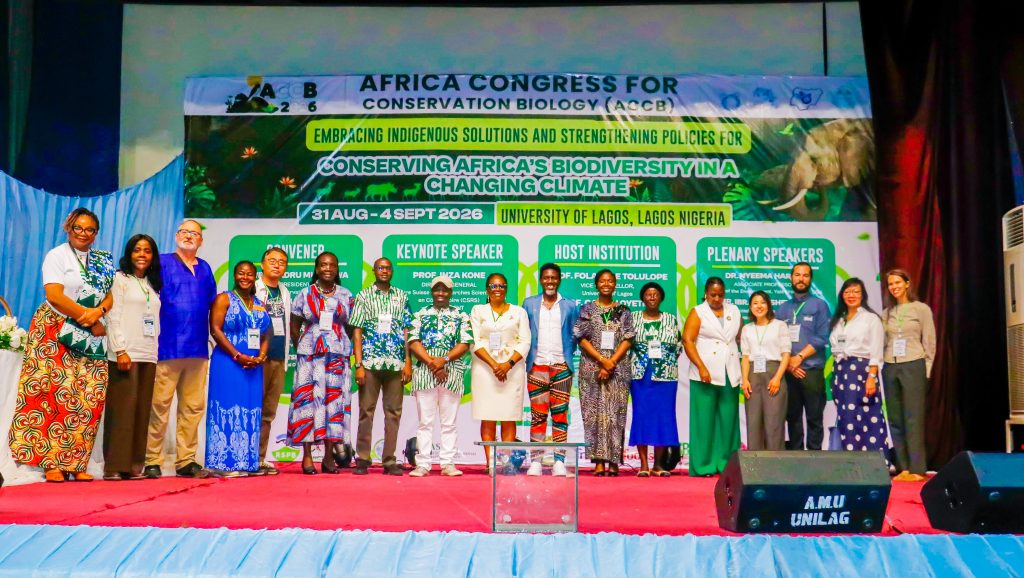
The 5th Africa Congress for Conservation Biology (ACCB 2026) has commenced at the University of Lagos (UNILAG), Nigeria with conservation experts and policymakers calling for stronger integration of indigenous knowledge into efforts to protect Africa’s biodiversity and address the growing threats posed by climate change. This is the first time Nigeria will be hosting the continental congress since its inception in 2009.
The 5-day congress, organised by the Natural Resources Conservation Unit of the Department of Zoology, Faculty of Life Sciences, University of Lagos (UNILAG), in collaboration with the Nigerian Society for Conservation Biology, commenced formally with an Opening Ceremony on Tuesday, September 1, 2026, at the J.F. Ade. Ajayi (Main) Auditorium, UNILAG.

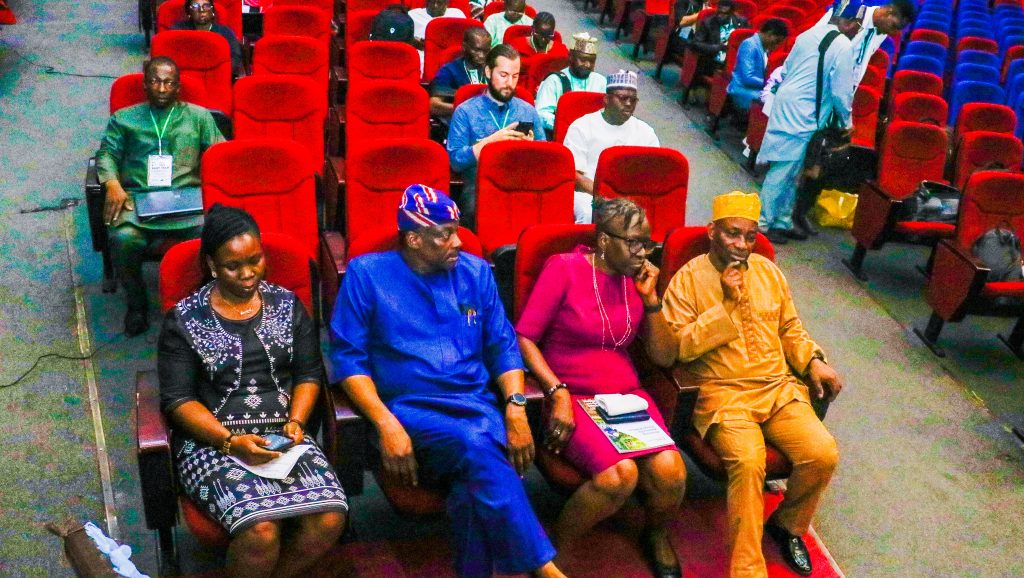
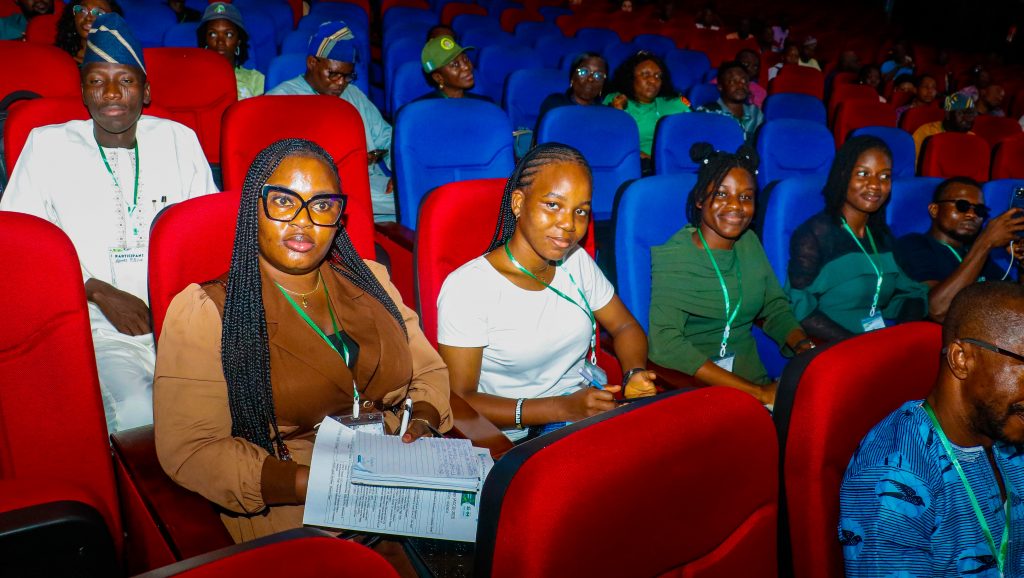
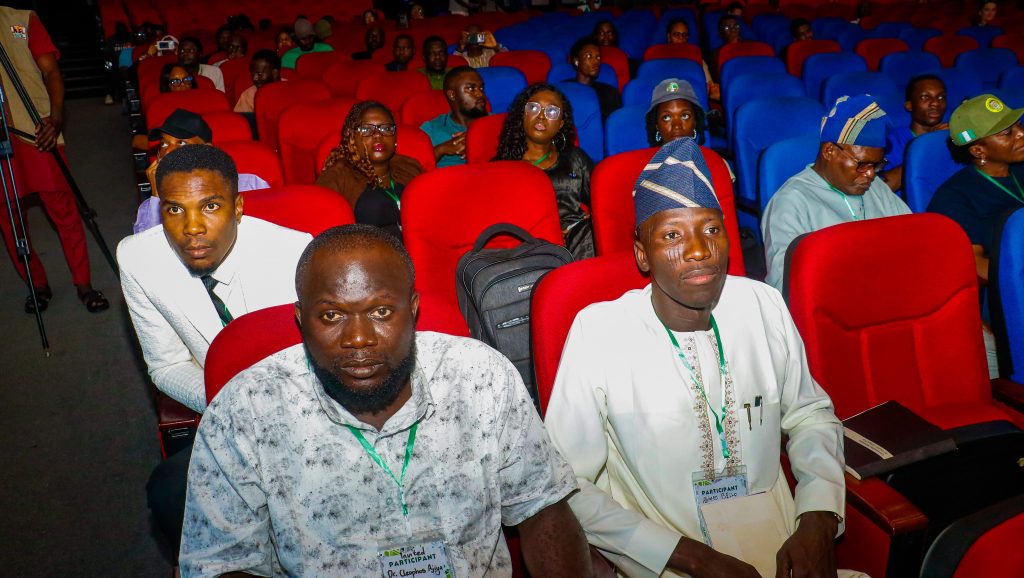
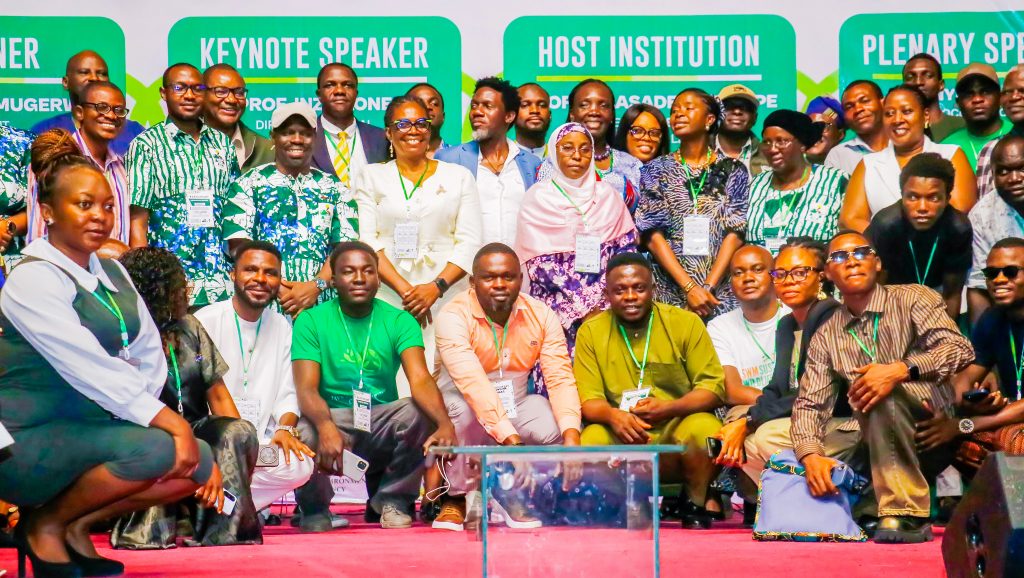
Themed: Embracing Indigenous Solutions and Strengthening Policies for Conserving Africa’s Biodiversity in a Changing Climate, ACCB 2026 brought together nearly 200 researchers, conservation professionals, policymakers and students from about 20 countries across Africa and beyond, including Australia and, for the first time, participants from Francophone Africa, including the Republic of Benin.
UNILAG Backs Indigenous, Community-Led Conservation
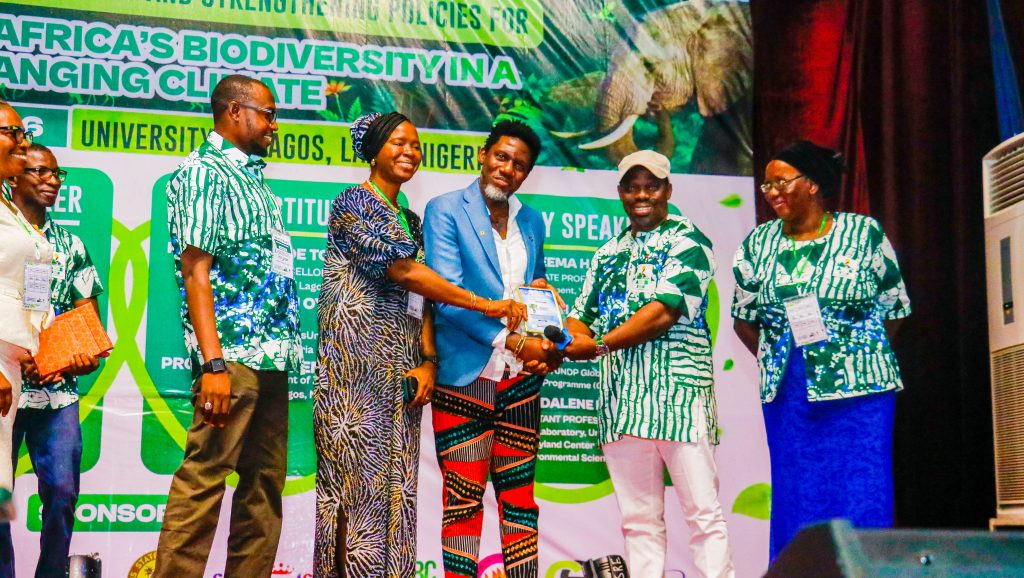
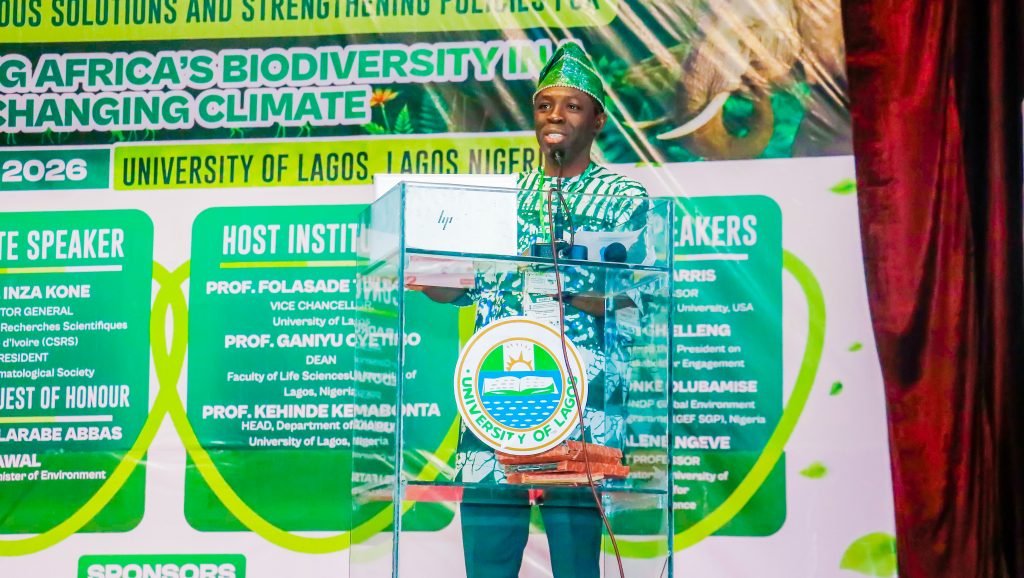
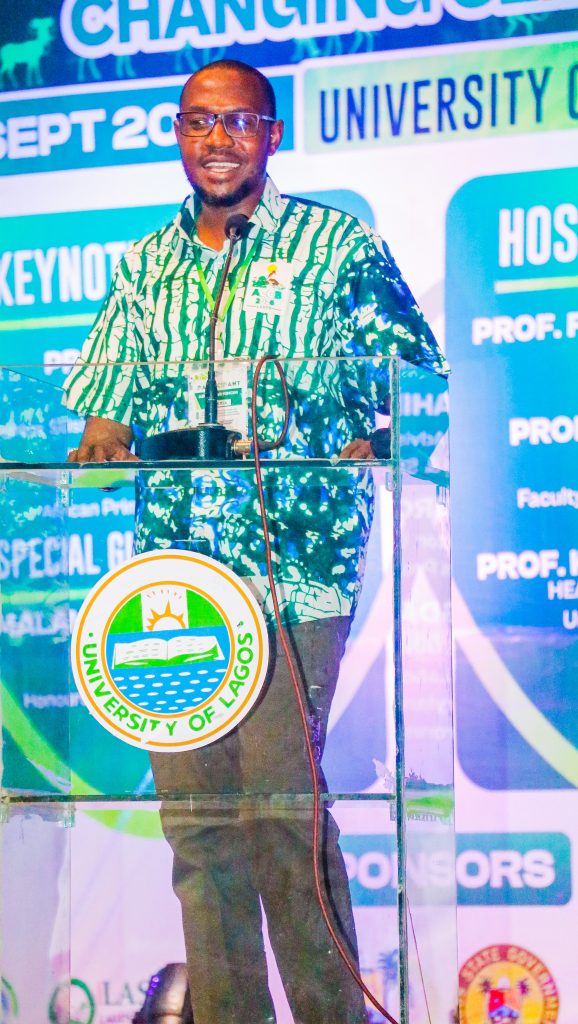
Speaking at the opening ceremony, the Vice-Chancellor’s representative and Dean, Faculty of Life Sciences, Prof. Ganiyu Oyetibo, welcomed participants to the University of Lagos and emphasised the need for a shift towards indigenous solutions and community-led practices in addressing the escalating threats posed by climate change.
Prof. Oyetibo said the congress provided an opportunity to develop a more resilient and inclusive framework for protecting Africa’s biodiversity by combining traditional ecological knowledge with modern scientific and data-driven technologies.
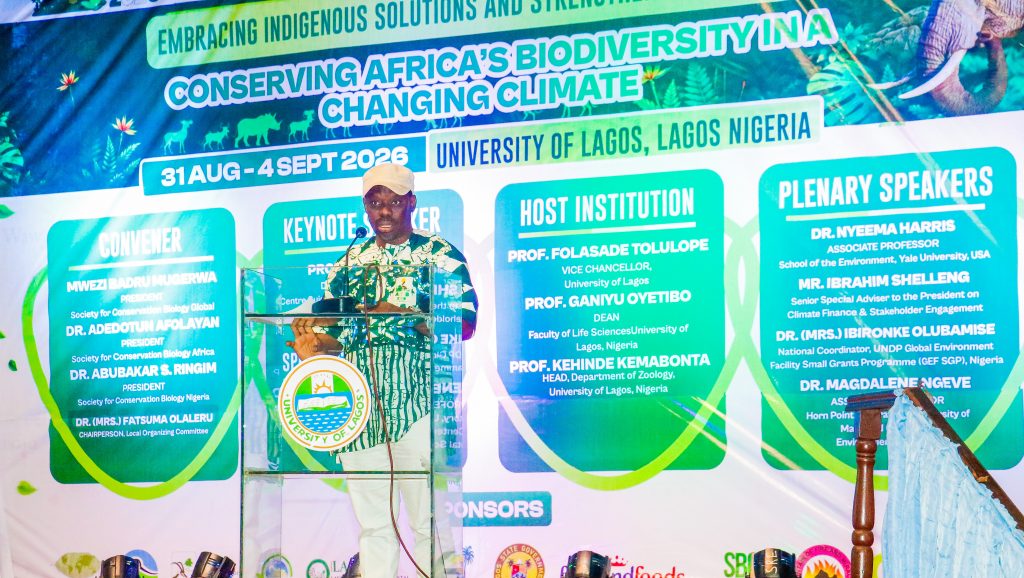
He called on researchers and policymakers to translate academic discussions into actionable legislation and sustainable institutional reforms, stressing the University’s commitment to serving as a hub for scientific innovation and cross-sector collaboration.
Thereafter, Prof. Oyetibo declared the congress open.
Experts Challenge Conventional Conservation Models
Also speaking, the Head, Department of Zoology, Prof. Kehinde Kemabonta, criticised the continued reliance on top-down and non-contextual conservation models, noting that such approaches had yielded limited results in Africa.
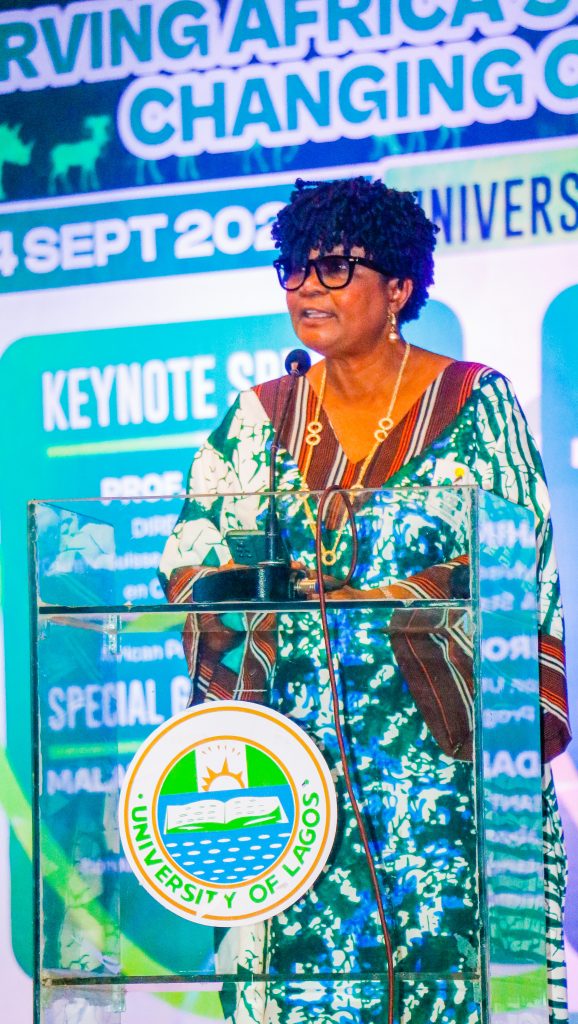
She urged participants to place indigenous knowledge at the centre of conservation planning while promoting collaboration among the biological sciences, social sciences, policy institutions and technology sectors.
Prof. Kemabonta stressed the importance of individual and institutional accountability in protecting Africa’s natural heritage, describing an Afrocentric approach as essential in view of the accelerating impact of climate change on the continent’s biodiversity.
According to her, Africa’s natural heritage can only be secured through knowledge, collaboration and responsibility tailored to the continent’s realities.
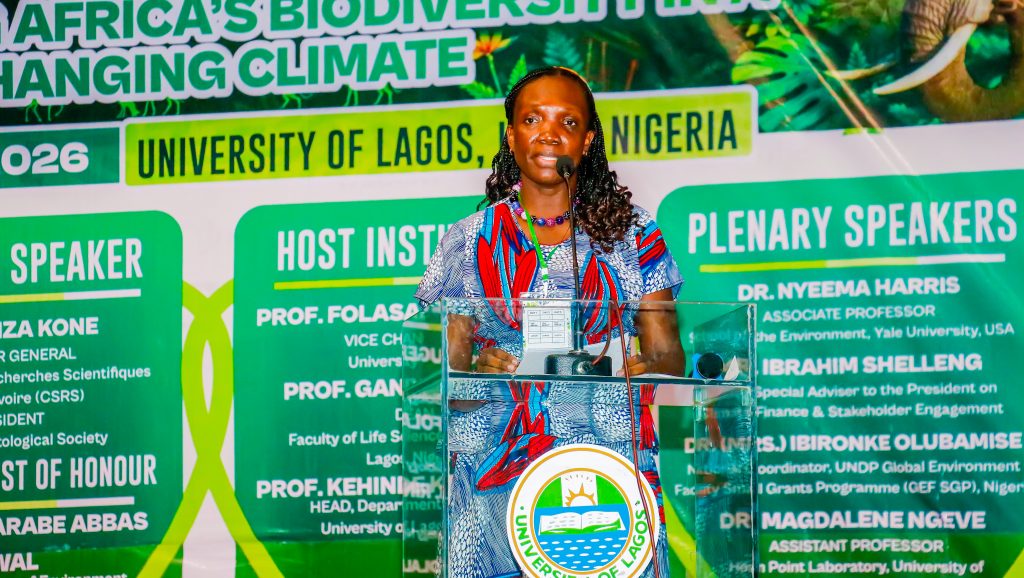
The Convener and Chairperson of the Local Organising Committee, Dr. (Mrs.) Fatsuma Olaleru, called for the dismantling of professional and institutional silos and greater integration of indigenous ecological practices with modern science and public policy.
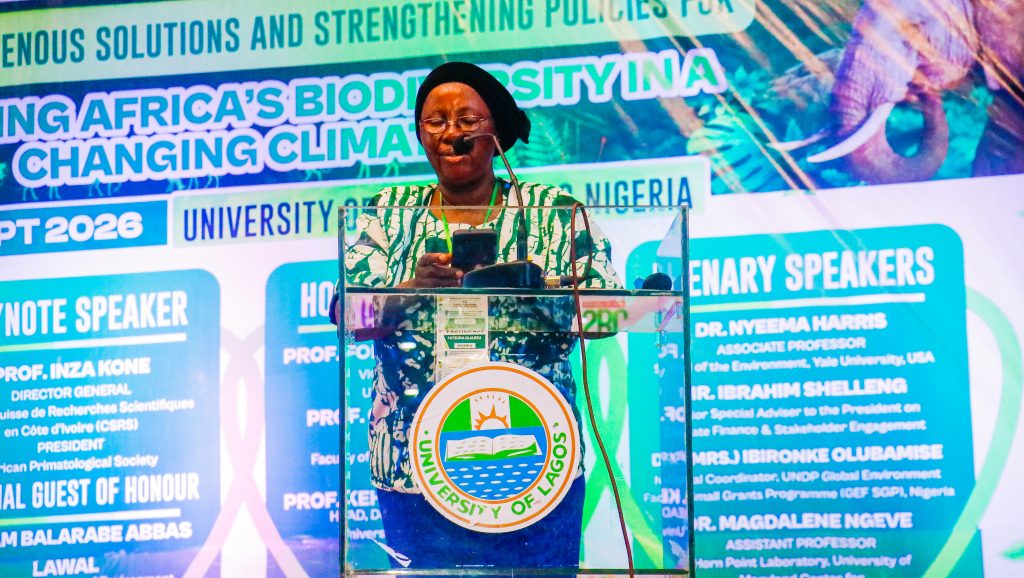
Dr. Olaleru noted that Nigeria’s rich biological and cultural diversity, spanning forests, wetlands, savannahs and coastal ecosystems, underscored the urgency of strengthening conservation efforts.
Her words, “Nigeria’s remarkable biological and cultural diversity, from forests and wetlands to savannahs and coastal ecosystems, underscores the urgency of this work.”
She urged delegates to serve as ambassadors for conservation biology, particularly participants from newly represented regions, and to translate the outcomes of the congress into actionable policies.
Dr. Olaleru also called for stronger legislation, cross-sector collaboration and increased investment in Africa’s natural heritage, noting that the congress continued the ACCB’s tradition of pan-African knowledge exchange.
Call for Pan-African Collaboration
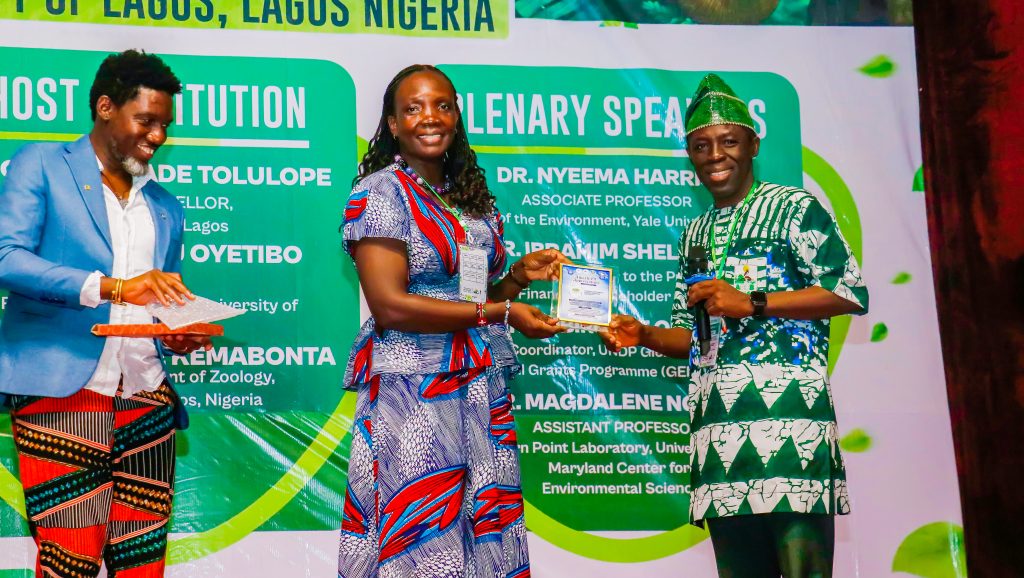
The President, Society for Conservation Biology (SCB) Global, Badru Mugerwa, expressed appreciation to the Nigerian Government and University of Lagos for hosting the international gathering.
Mugerwa highlighted the importance of diversity and inclusivity in advancing conservation efforts, noting that nearly 200 participants from 20 countries were attending the congress.
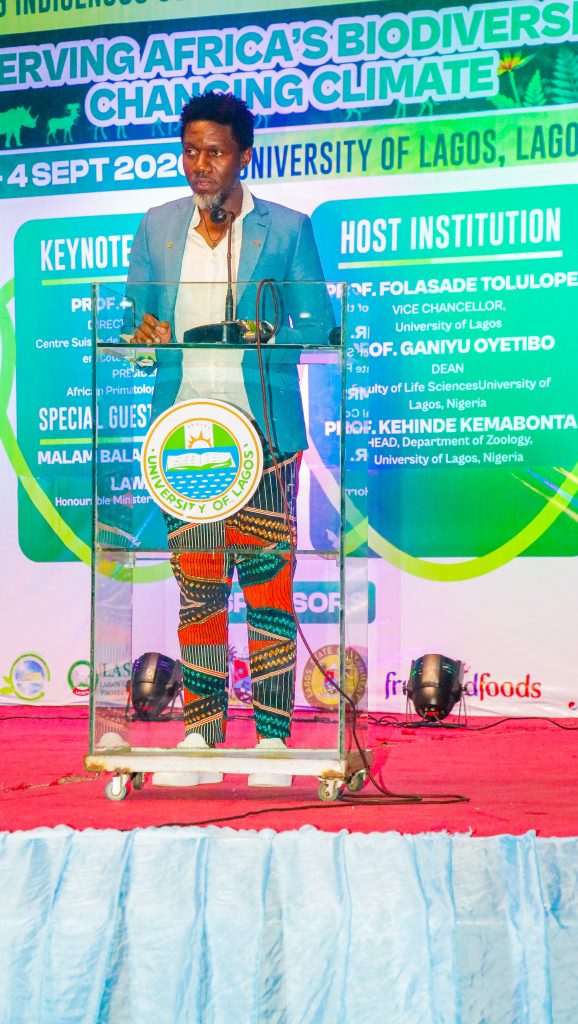
He said the gathering was designed to foster collaboration and knowledge exchange among students, academics and industry professionals, while providing a platform to examine the environmental challenges and opportunities confronting Africa.
He encouraged participants to engage actively in the congress and work collectively towards building a sustainable future for the continent.
Similarly, the President, Society for Conservation Biology (SCB) Africa, Dr. Adetoun Afolayan, emphasised the need to integrate indigenous knowledge with modern scientific approaches to protect Africa’s diverse ecosystems from the effects of climate change.
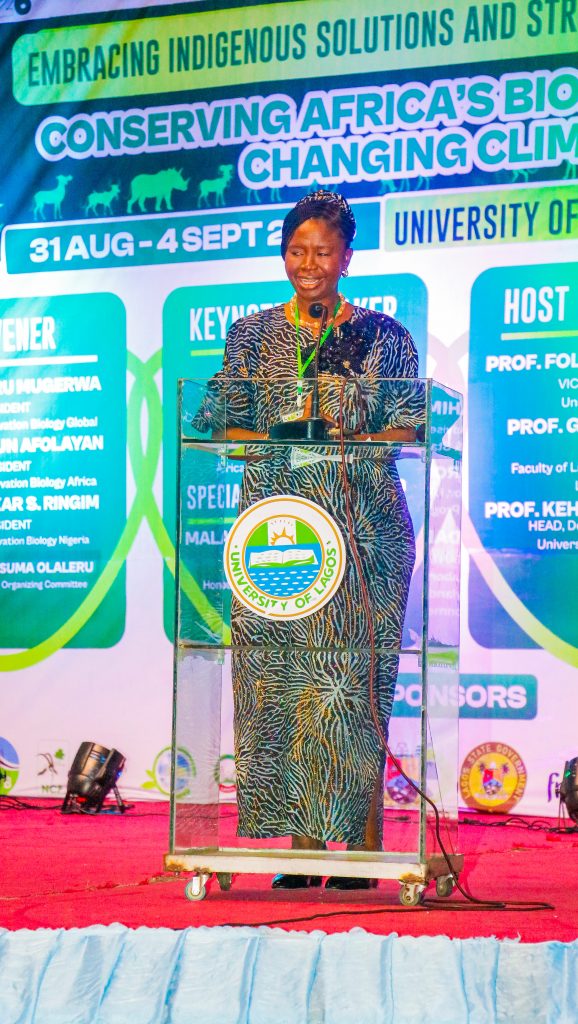
Dr. Afolayan expressed appreciation to the host institution, global organisers and sponsors for supporting the cross-border gathering, and encouraged participants to engage in rigorous academic discussions and develop practical partnerships capable of advancing wildlife and biodiversity conservation.
She expressed confidence that participants would leave the congress with a renewed commitment to environmental advocacy.
Côte d’Ivoire Forest Project Offers Conservation Blueprint
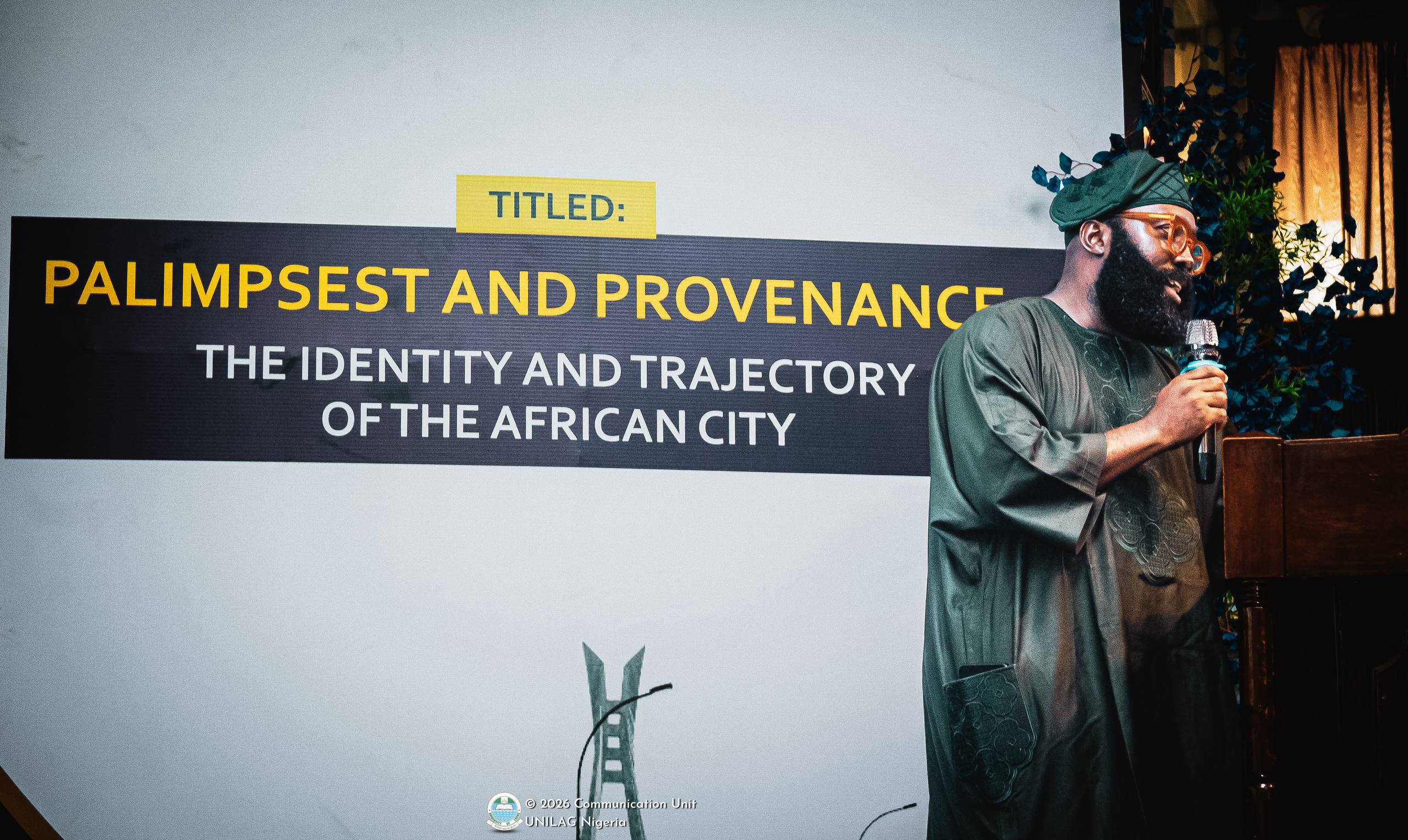
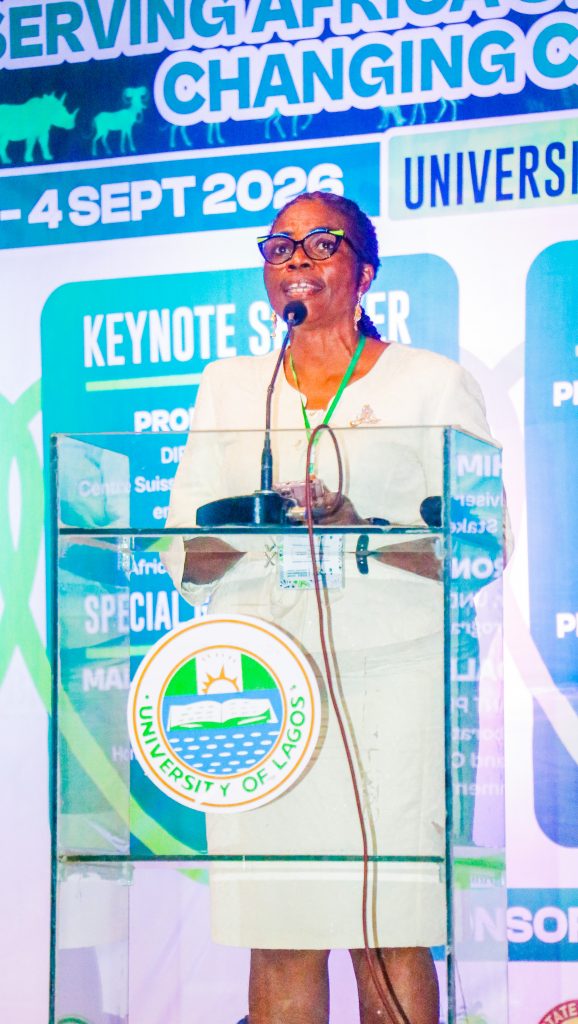
The keynote address, titled “Transdisciplinary Research and Community-Led Conservation in Côte d’Ivoire: The Tanoé-Ehy Forest Case Study,” was delivered by the Director-General, Centre Suisse de Recherches Scientifiques (CSRS), Côte d’Ivoire, Prof. Inza Koné. The presentation highlighted the potential of community-led conservation to reverse ecological decline.
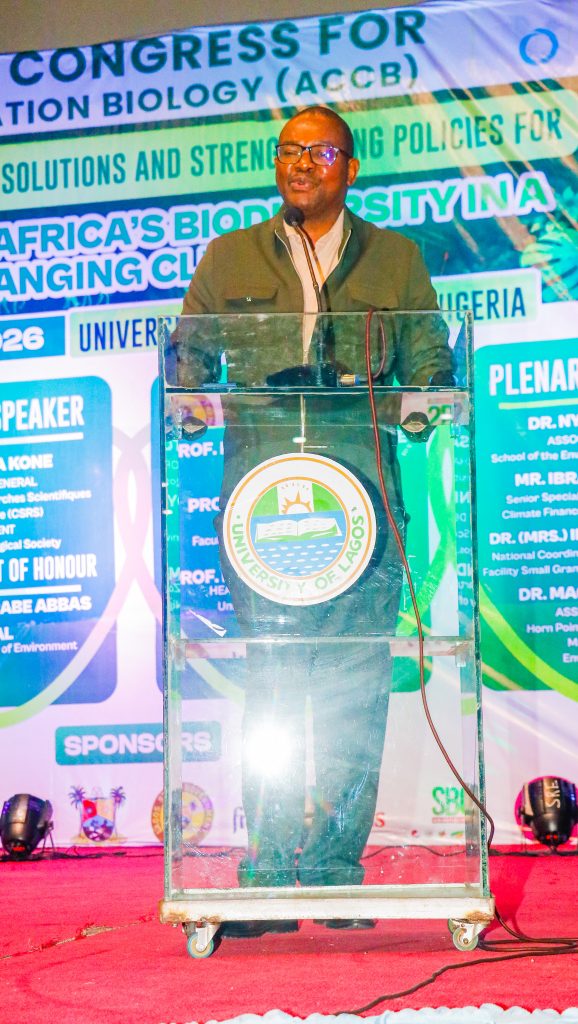
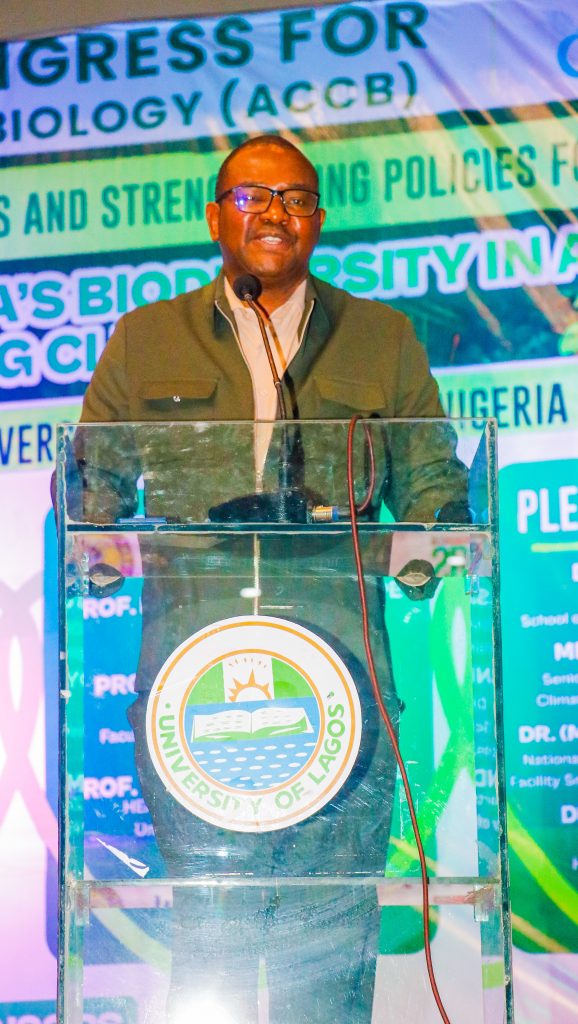
Prof. Koné noted that Côte d’Ivoire had experienced one of the highest rates of deforestation globally, driven largely by industrial agriculture.
He explained that the Tanoé-Ehy Forest conservation initiative demonstrated how transdisciplinary research, community empowerment and indigenous knowledge could be combined to protect threatened ecosystems.
According to him, the initiative had recorded significant achievements, including the cessation of detectable deforestation since January 2022, the planting of more than 40,000 trees and the protection of several critically endangered primate species.
He said the success of the project was rooted in a five-principle governance framework that prioritised local autonomy, long-term institutional commitment and an interative process through which scientific research informed social and ecological interventions.
Prof. Koné described Côte d’Ivoire as a critical hub for primate biodiversity but warned that the country was facing a severe extinction crisis as a result of the rapid loss of forest cover over the past three decades.
He explained that the Tanoé-Ehy Forest project had successfully combined indigenous knowledge with scientific monitoring to halt deforestation and preserve critical habitats.
The approach, he noted, also established a governance model that balanced ecological restoration with the economic wellbeing of surrounding communities.
Prof. Koné stressed that long-term institutional commitment and mutual respect between researchers and communities were essential to reversing biodiversity loss, particularly the pressures created by industrial agriculture.
He described the Tanoé-Ehy experience as a potential blueprint for African-led conservation initiatives seeking to harmonise environmental protection with community development.
Goodwill Messages Reinforce Call for African-Led Solutions
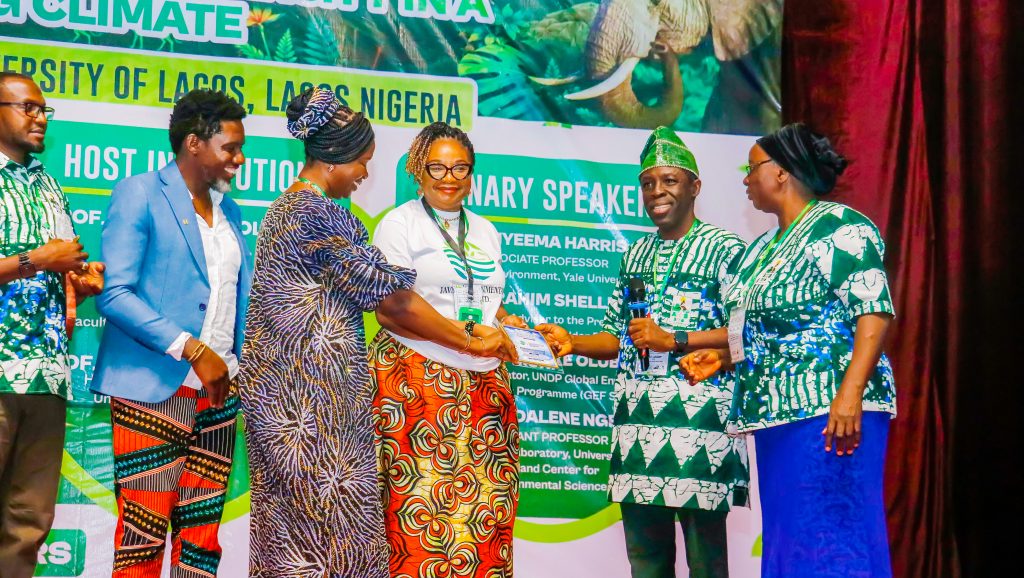
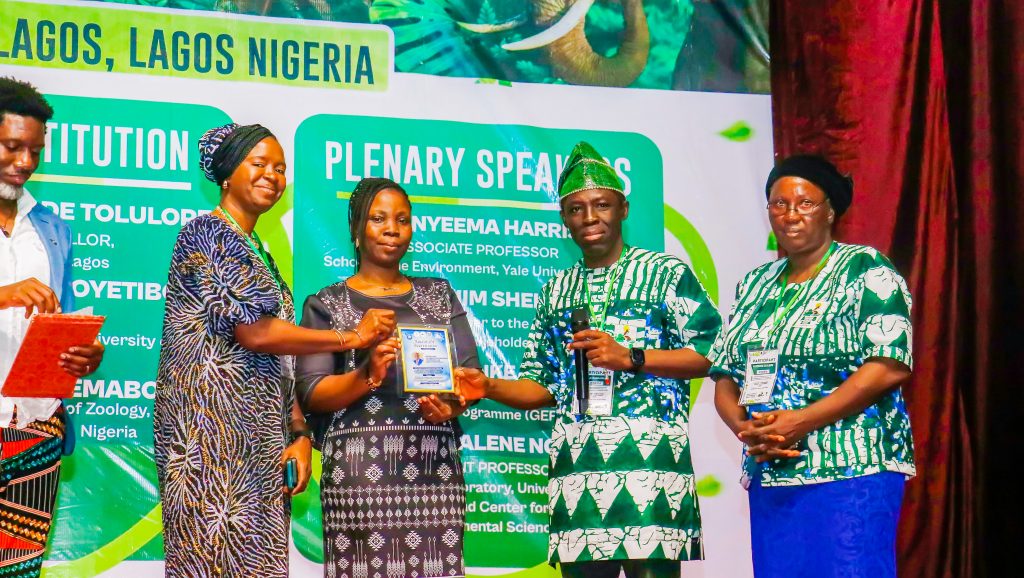
The goodwill message delivered by Prof. Temitope Onuminya of the Department of Zoology on behalf of the former Vice-Chancellor of UNILAG and current Chairman of the Governing Board of National Universities Commission (NUC), Prof. Oluwatoyin Temitope Ogundipe, FAS, conveyed warm greetings to participants at the congress.
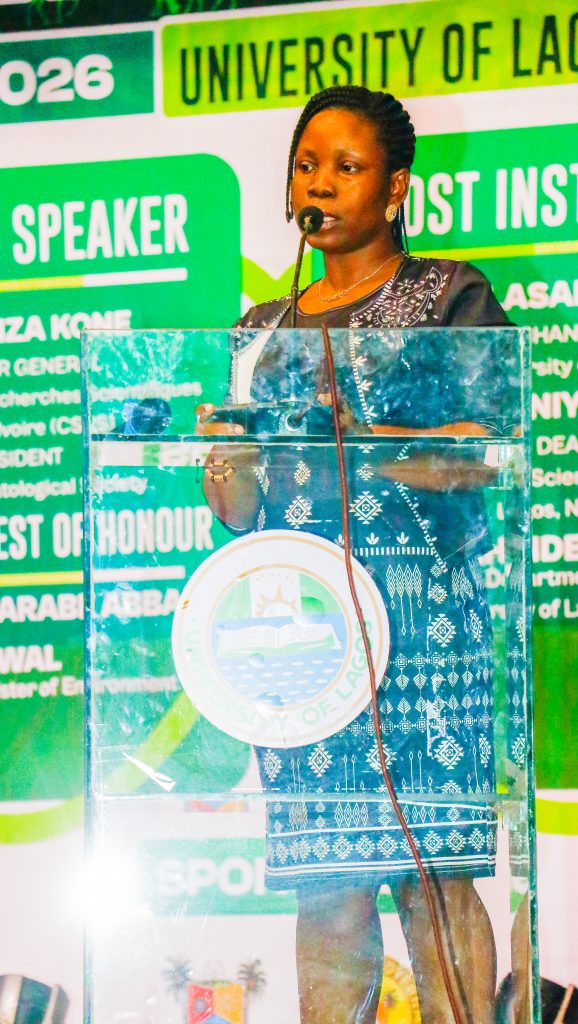
The message emphasised the urgent need for collaborative and evidence-based strategies to address environmental challenges, including climate change and habitat loss. Prof. Ogundipe called for African-led solutions that combine scientific innovation with indigenous knowledge to promote sustainable environmental governance.
He also stressed the importance of mentoring the next generation of scientists and translating academic research into practical policies, while advocating stronger global partnerships towards building a resilient future for both nature and humanity.
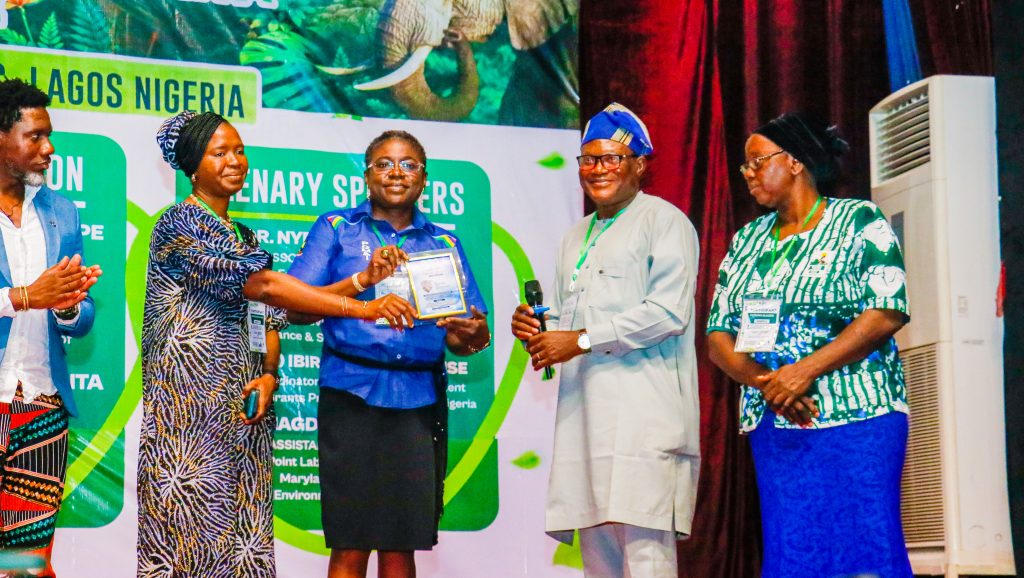
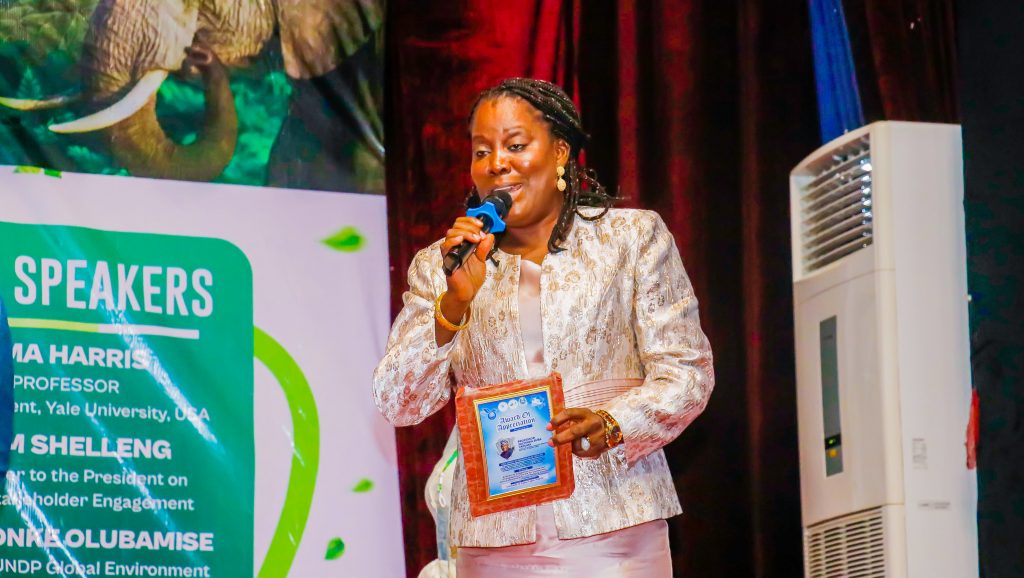
Representing the leadership of the Lagos State Environmental Protection Agency (LASEPA), Mrs. Sonibare emphasised the shared responsibility of individuals and institutions in maintaining a sustainable environment.
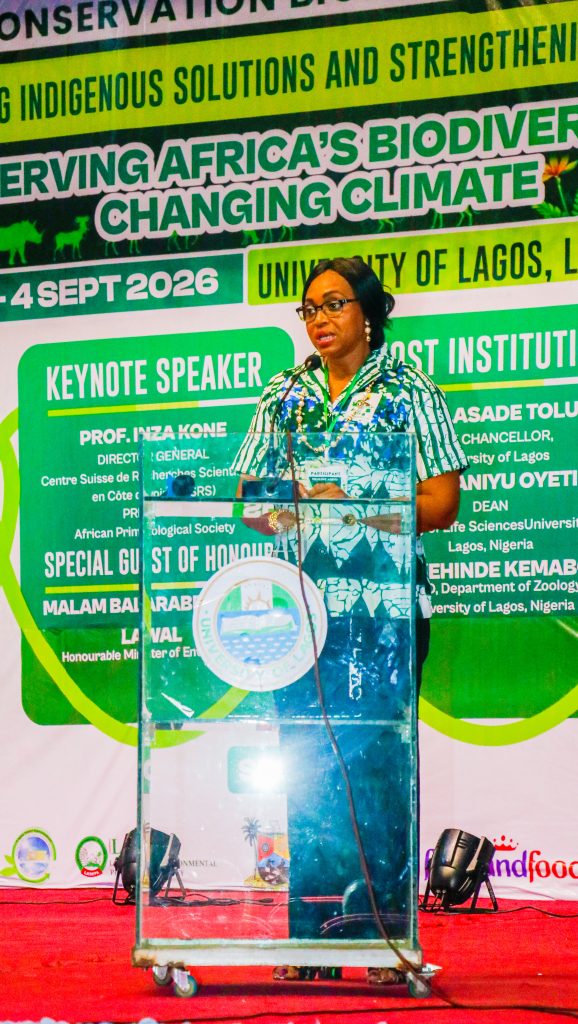
She noted that human actions directly affect the environment and called for practical, African-centred solutions to environmental challenges through collaborative policy development.
Report: Oluwatoyin Ojo-Alo
Photograph: Islamiat Akanni