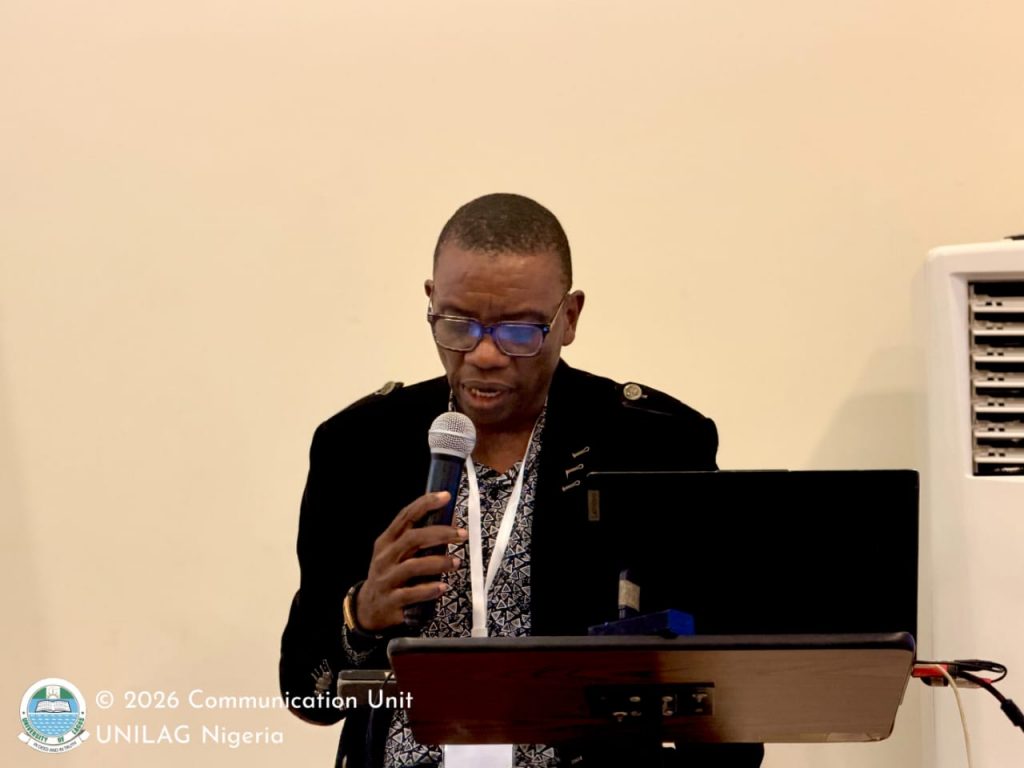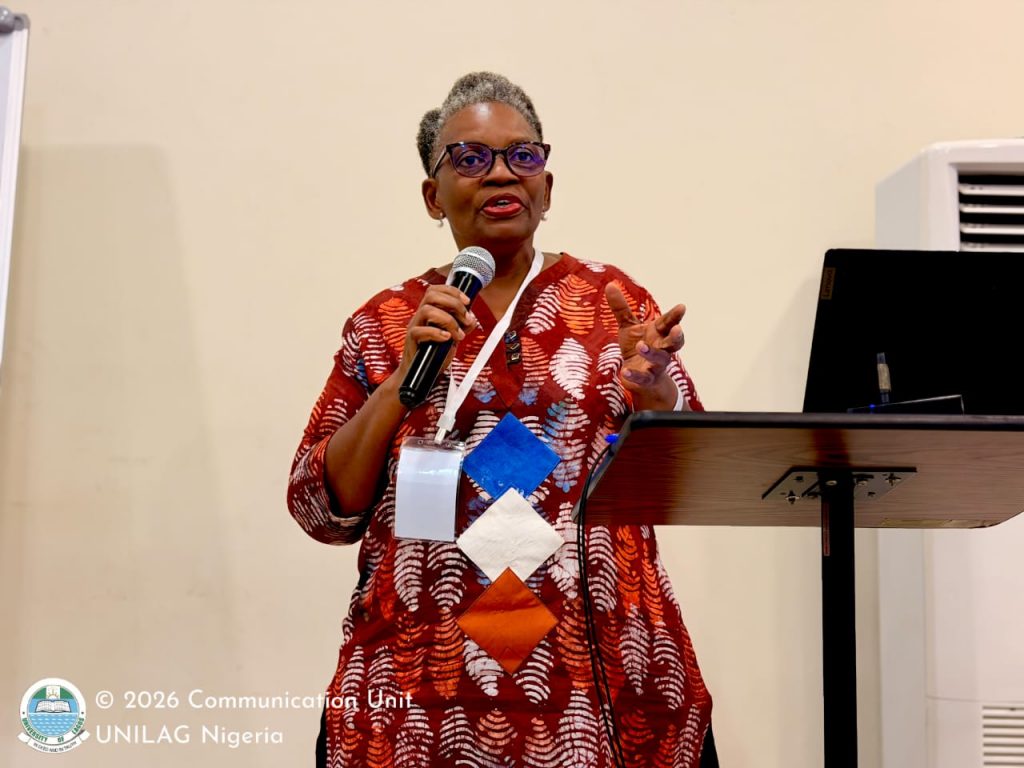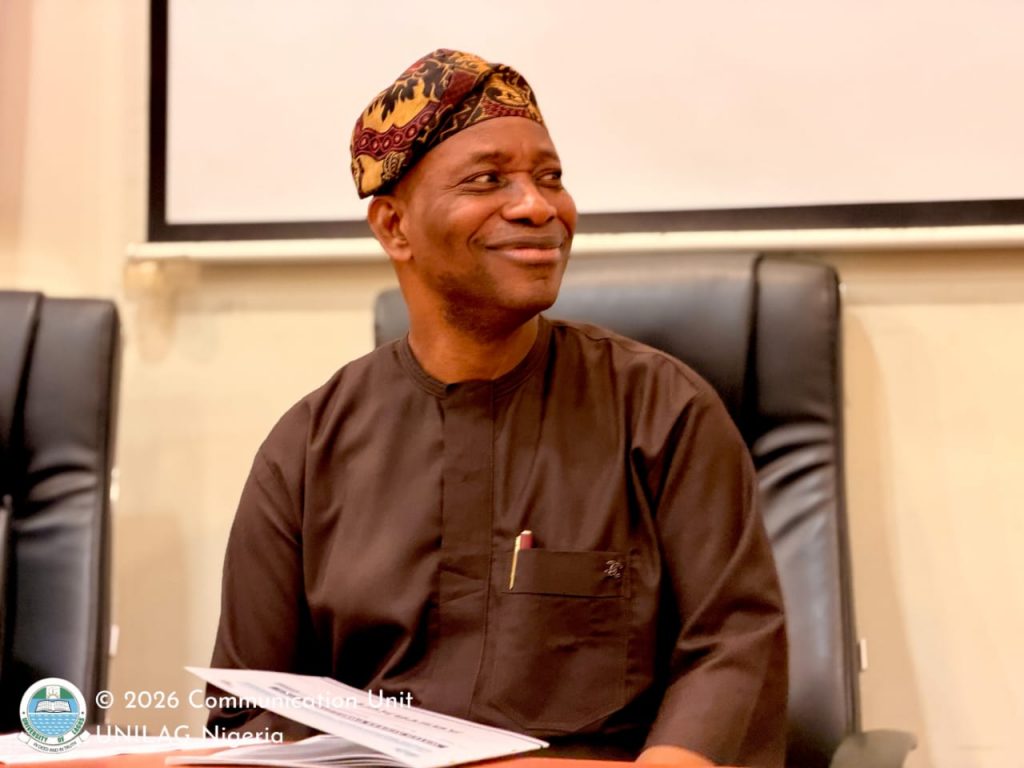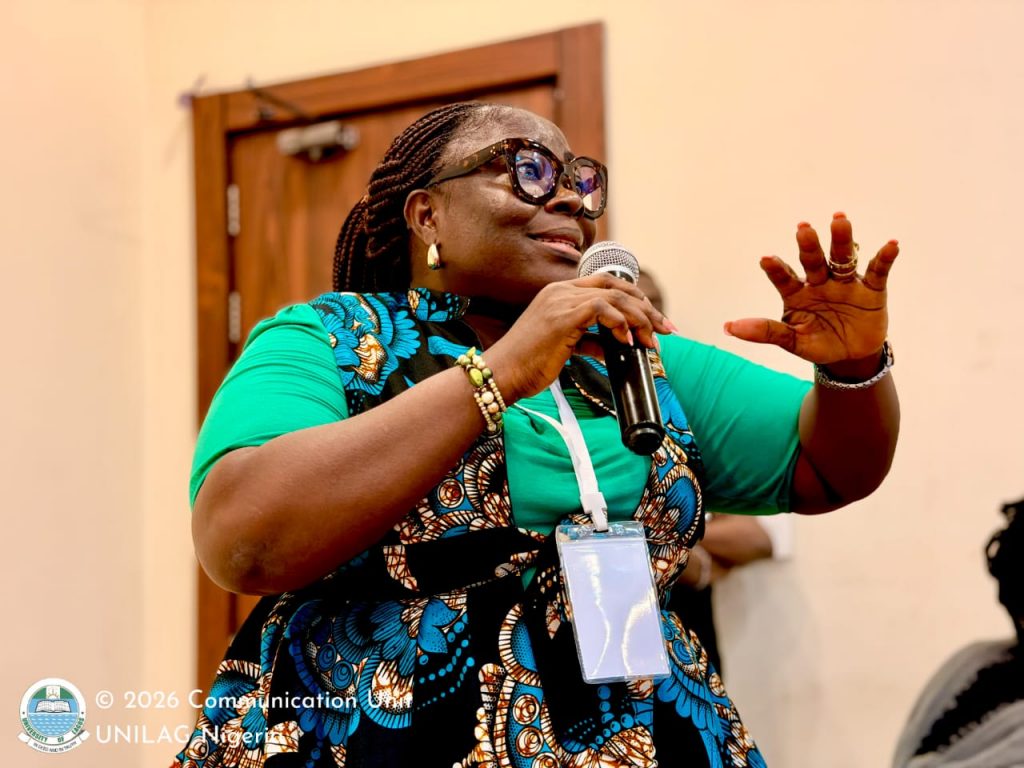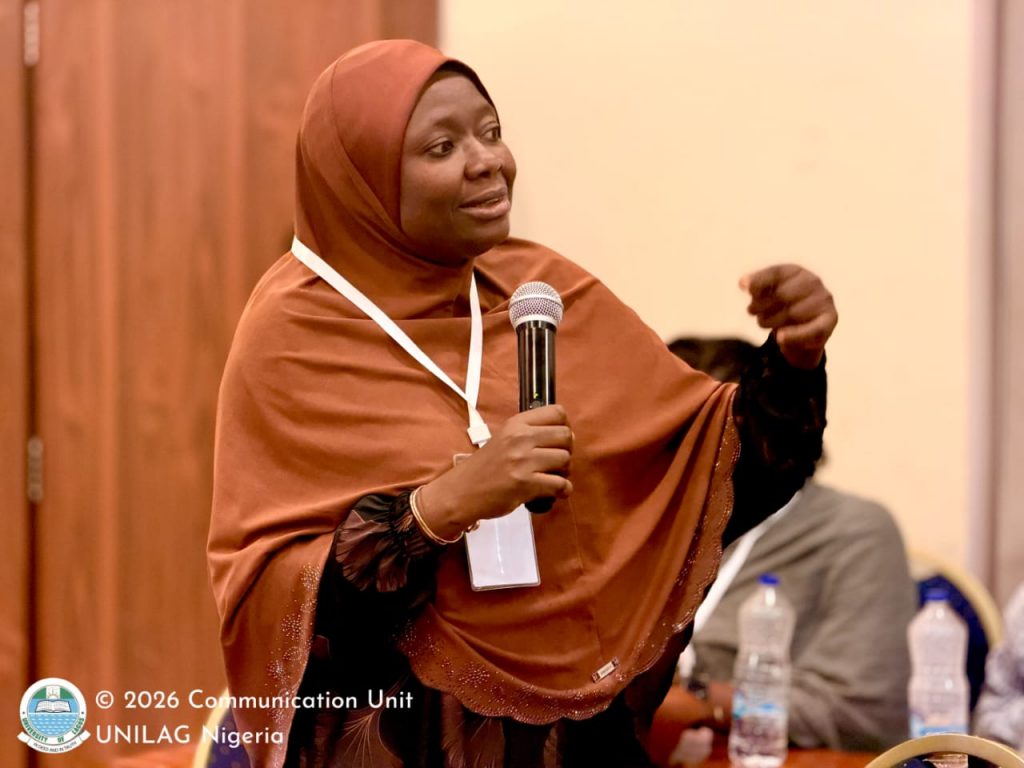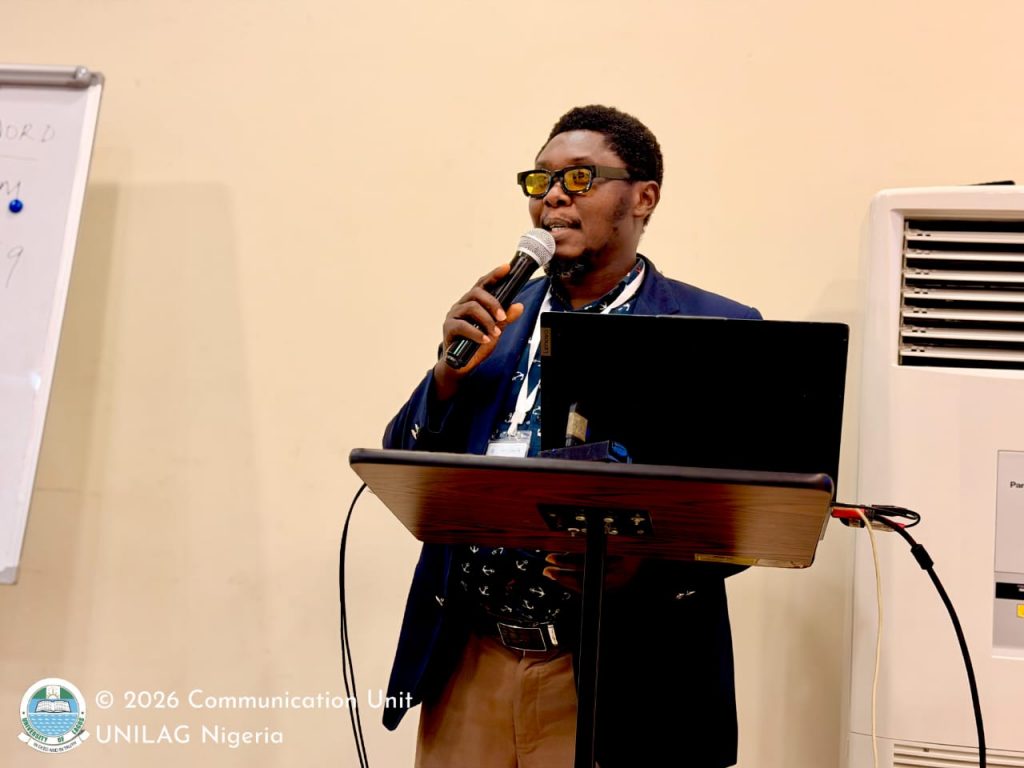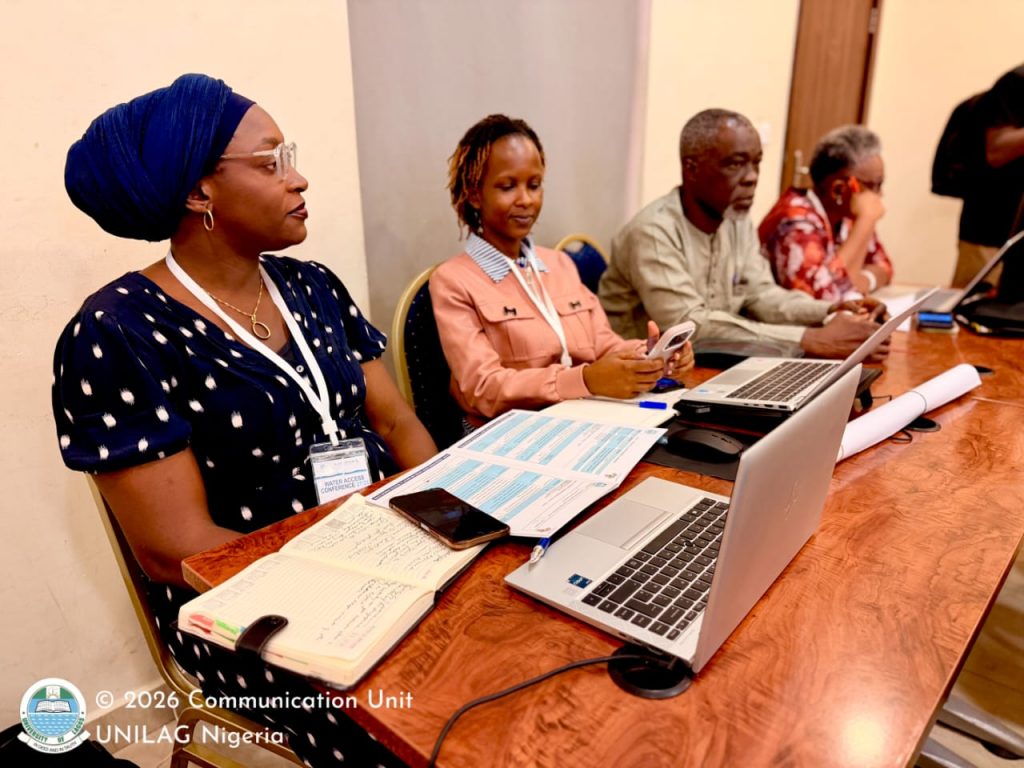
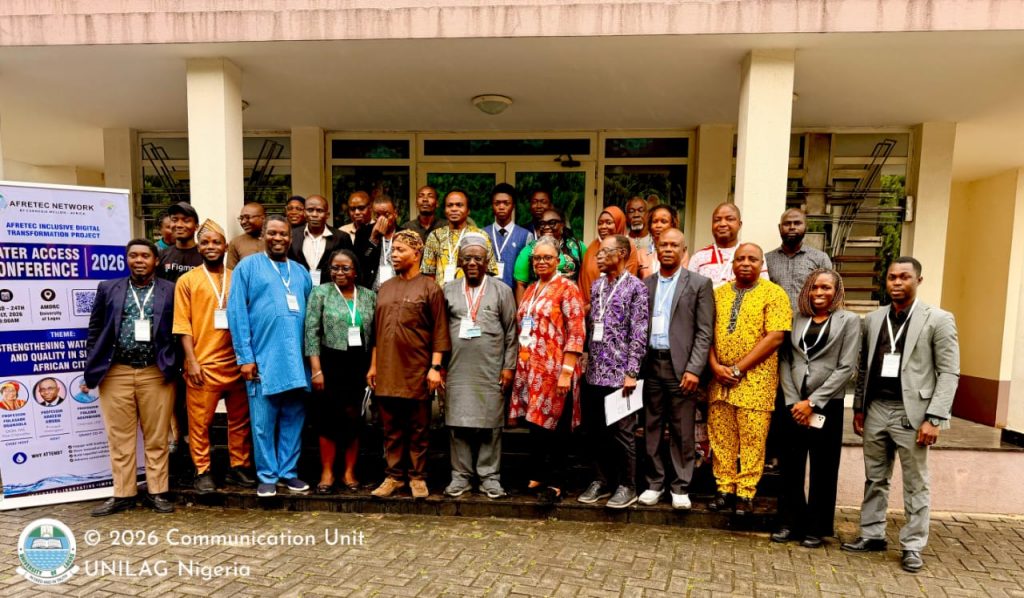
A two-day gathering of researchers, policymakers, development partners, industry experts, and community representatives from across Nigeria and beyond has concluded at the University of Lagos (UNILAG), with participants reaffirming the need for stronger collaboration, digital innovation, and community-driven approaches to tackle Africa’s water security challenges.
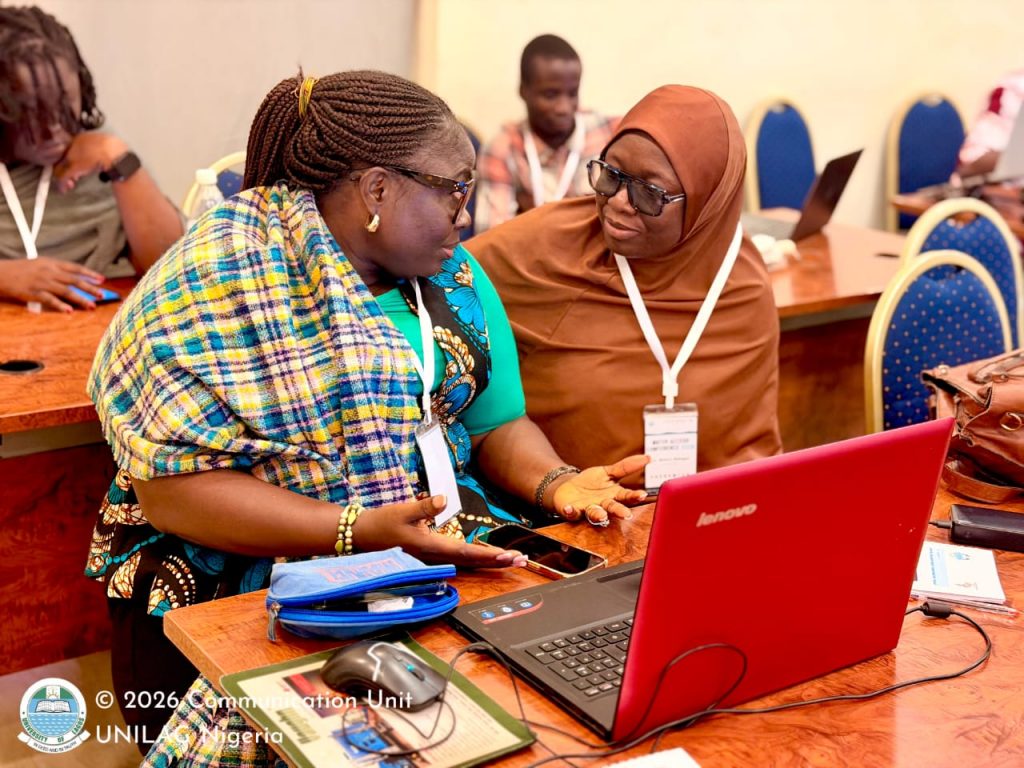
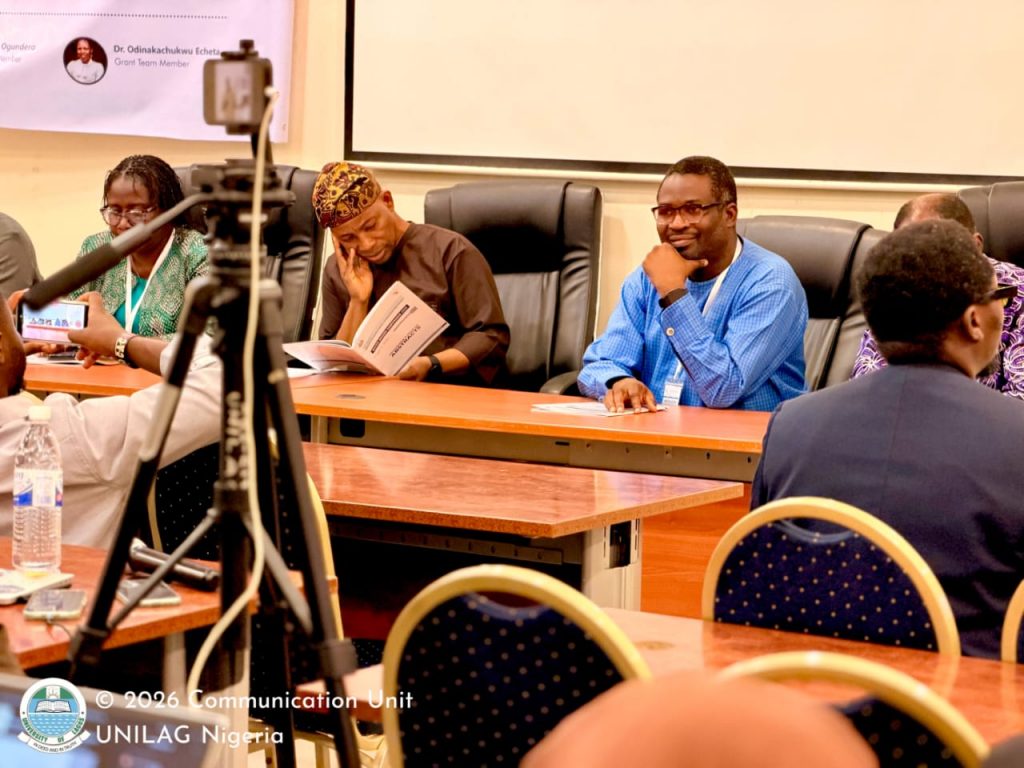
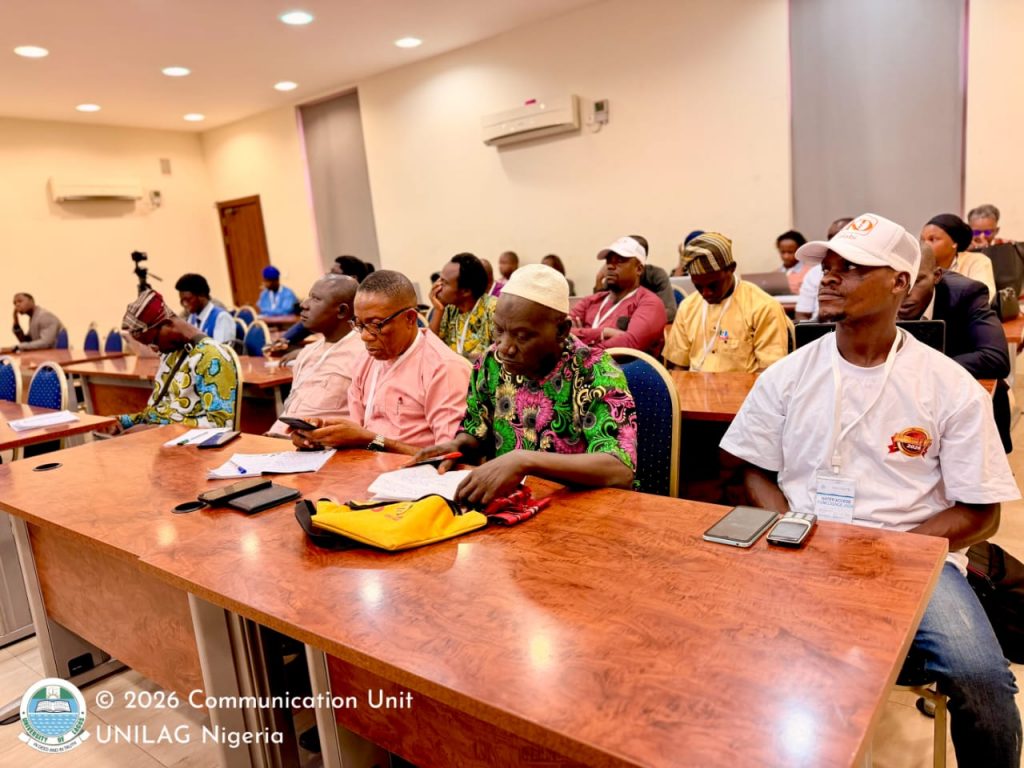
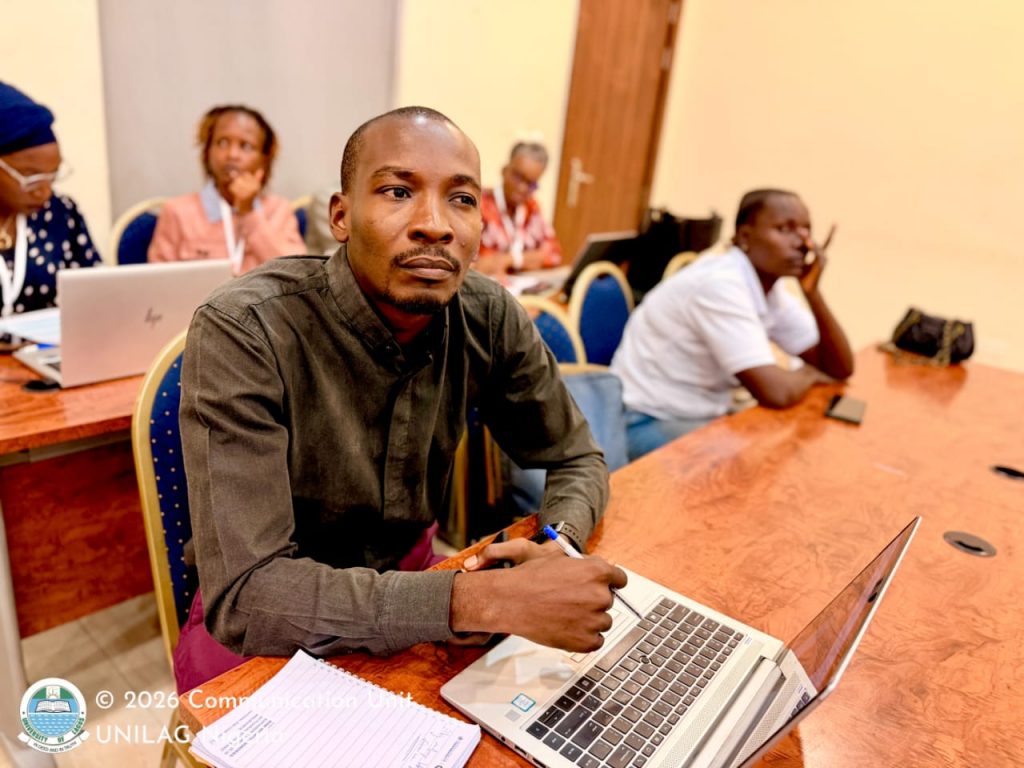
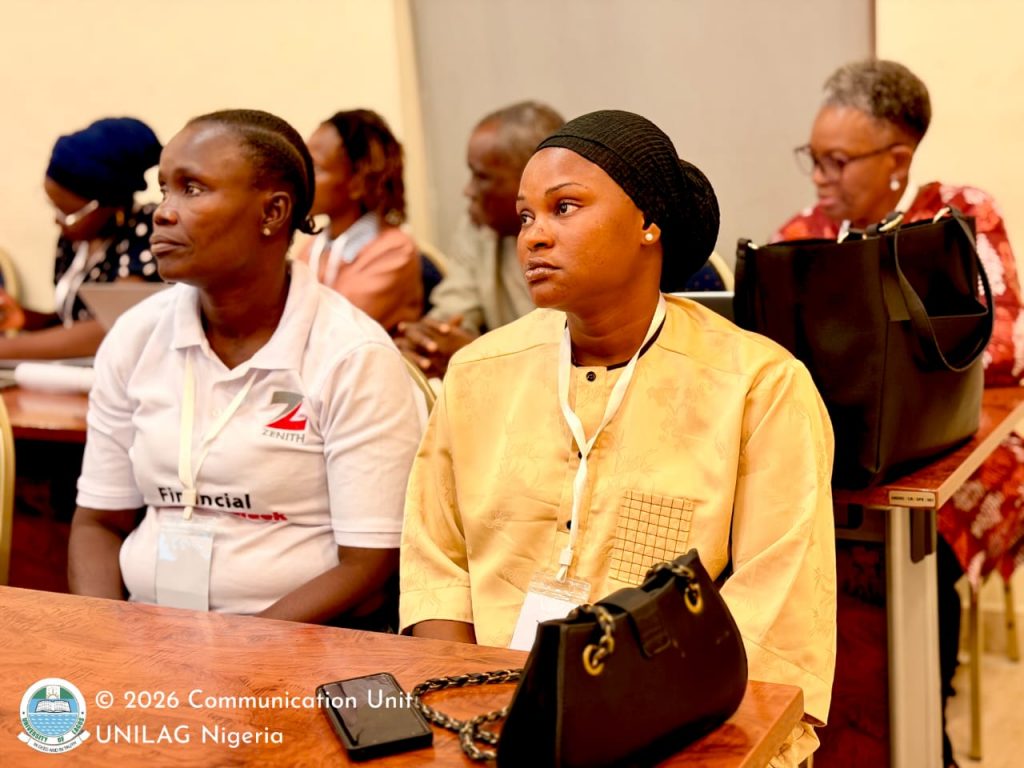
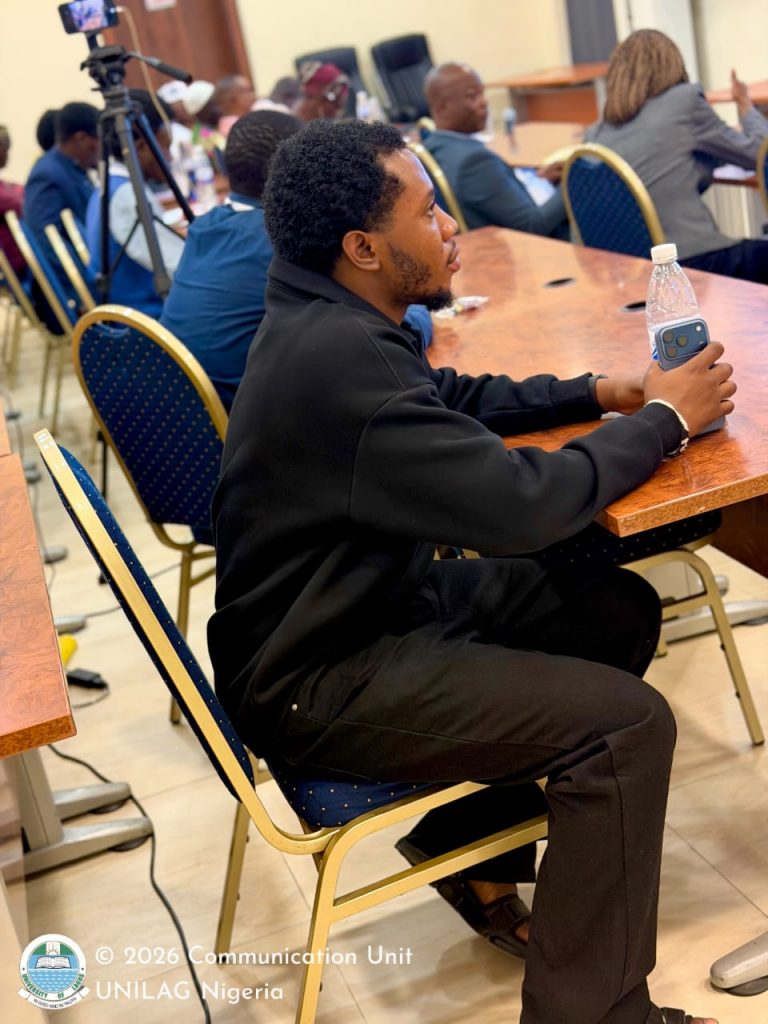
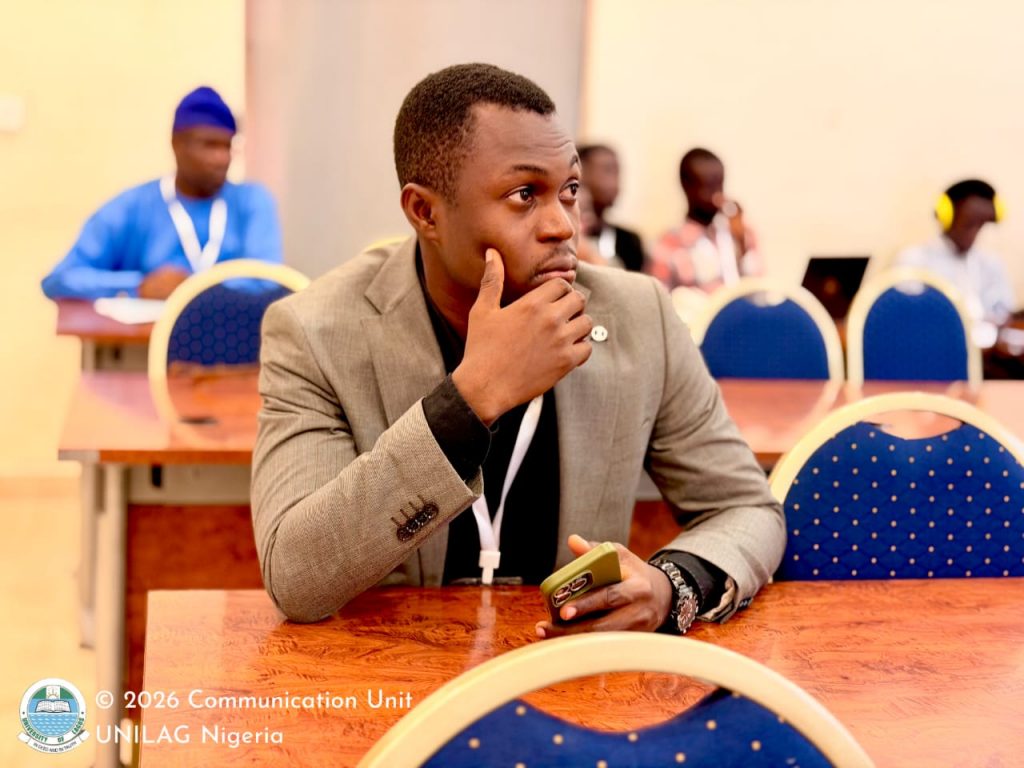
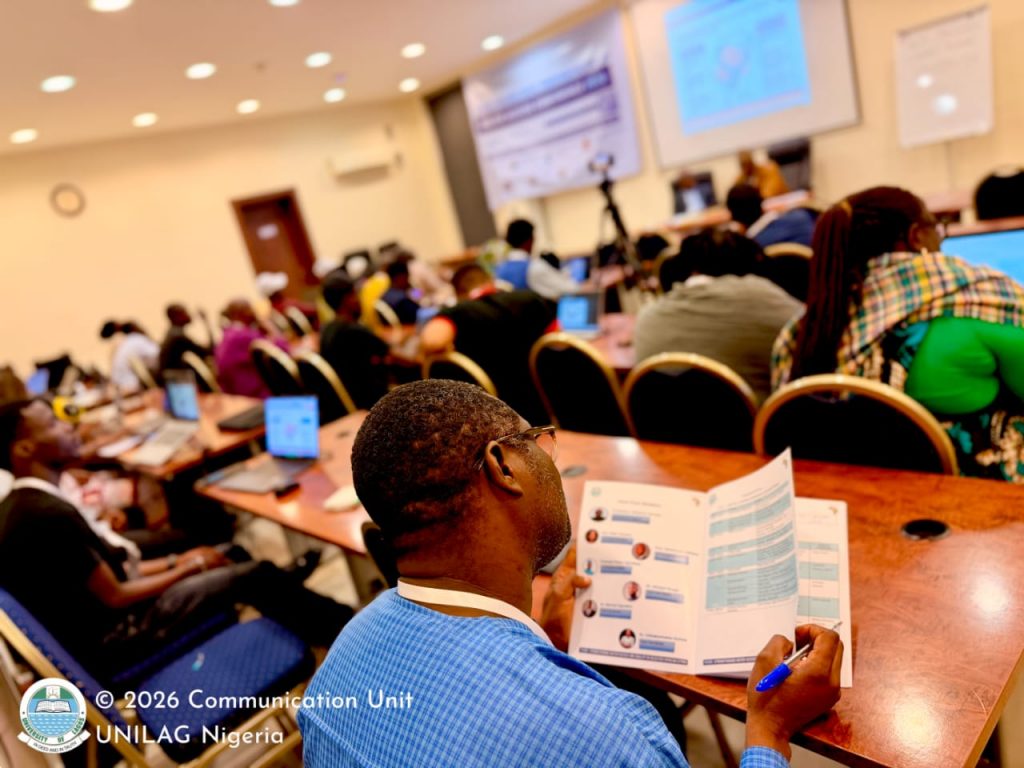
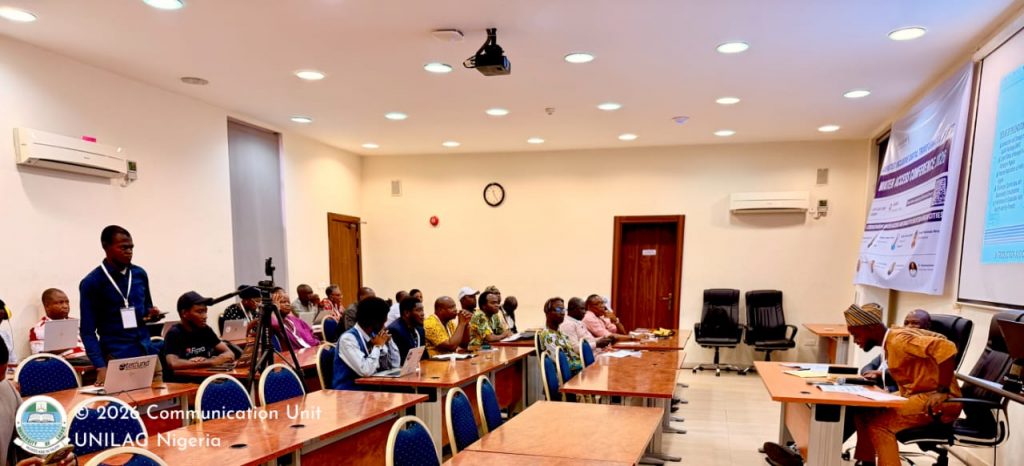
The hybrid conference, themed “ Water Access Conference 2026 ,” was held at the Arthur Mbanefo Digital Research Centre (AMDRC) from Wednesday, July 23 to Thursday, July 24, 2026. It provided a platform for knowledge exchange, policy dialogue, and the presentation of practical, research-driven solutions aimed at improving water access and strengthening resilience across the continent.
Speaking on behalf of the Vice-Chancellor, Professor Folasade T. Ogunsola, OON, FAS, the Deputy Vice-Chancellor (Academic and Research), Professor Mathew Olusoji Ilori, commended the AFRETEC Inclusive Digital Transformation Project for driving innovative research that addresses pressing societal challenges. He reaffirmed the University’s commitment to supporting impactful research, strategic partnerships, and initiatives that translate academic knowledge into practical solutions.
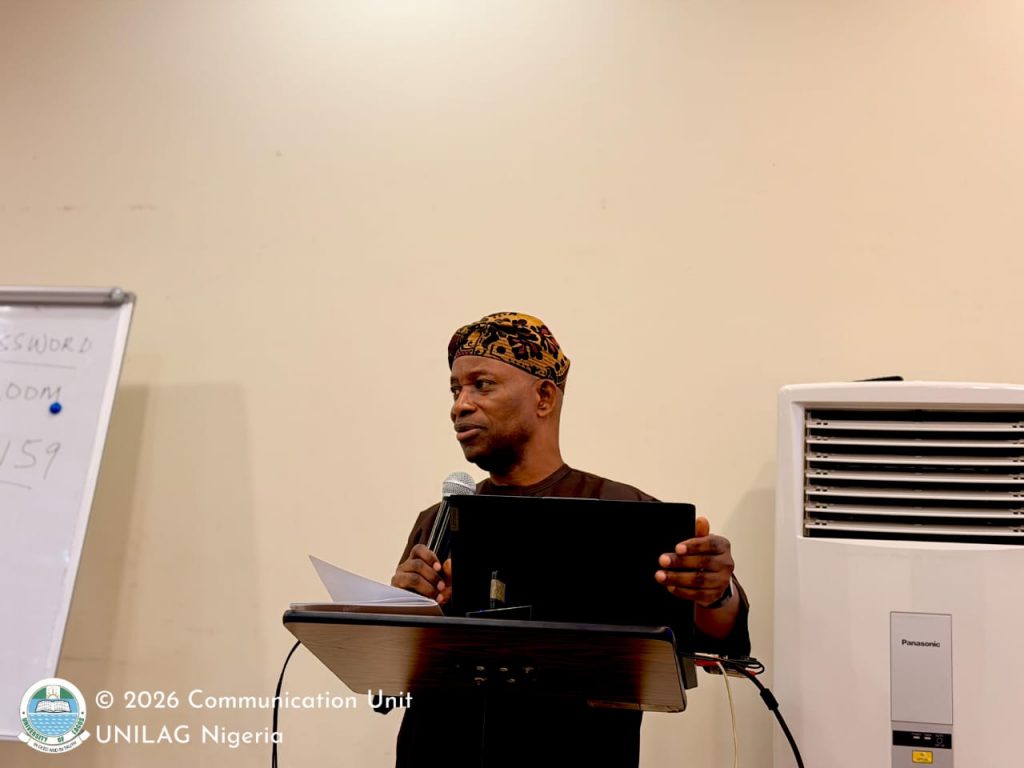
Goodwill messages were also delivered by the Director of the Research Management Office (RMO), Professor Solomon Adewale Okunuga; the Director of the Office of Global Engagement and Strategic Partnerships (OGESP), Professor Abimbola Sowemimo; AFRETEC Inclusion Pillar Lead, ProfessorSekoni; Co-Lead, Education and Training, Dr. Olufemi Ipinnimo; alongside other project leaders. They collectively stressed the importance of collaboration, capacity building, and interdisciplinary research in advancing sustainable development across Africa.
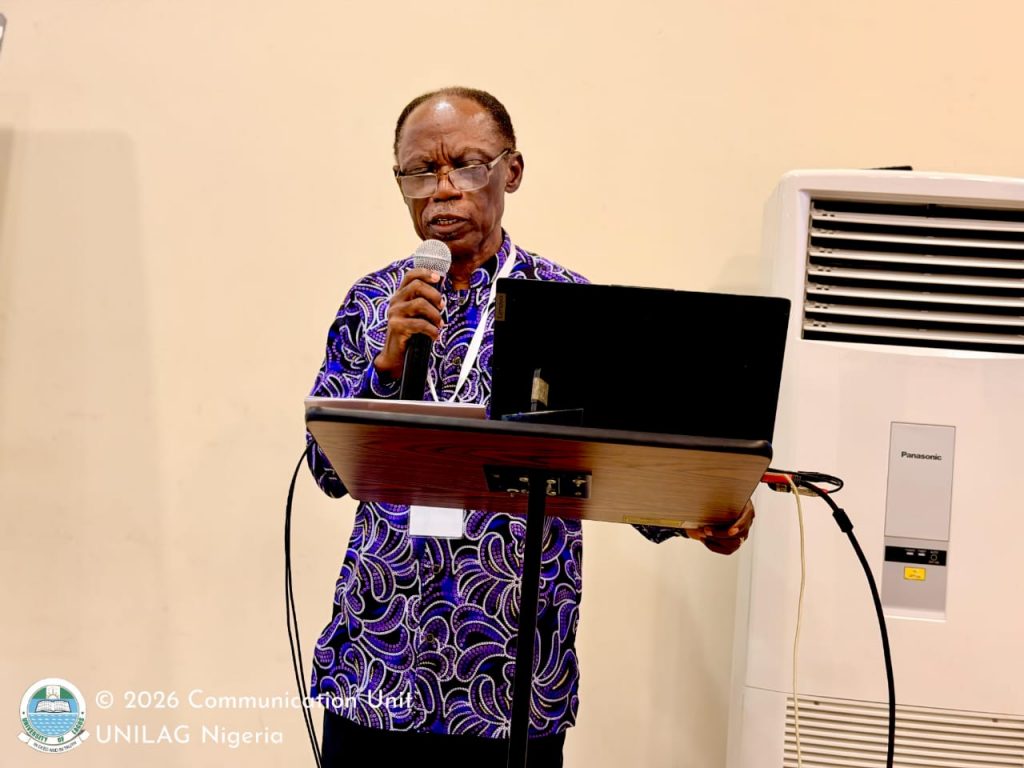
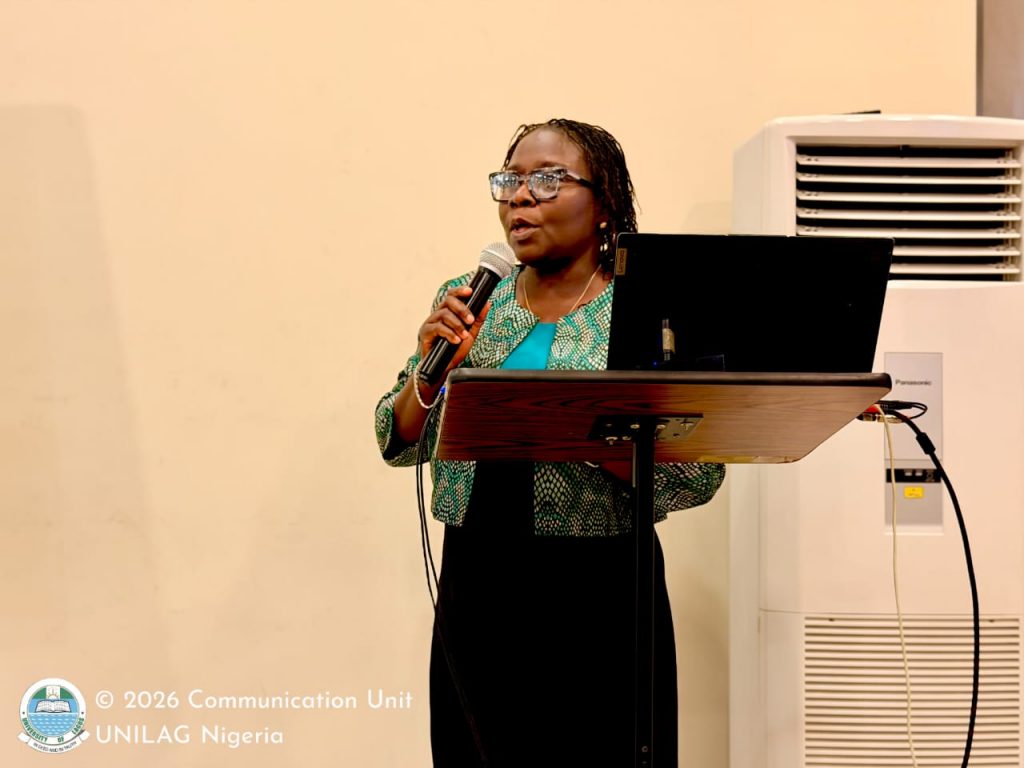
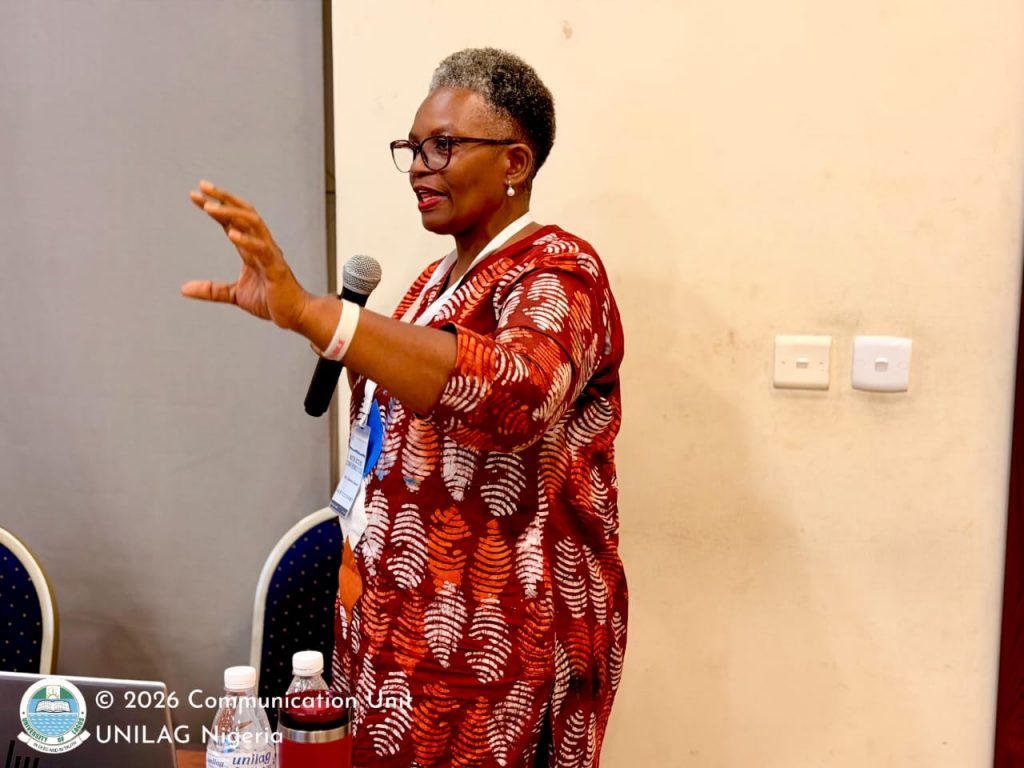
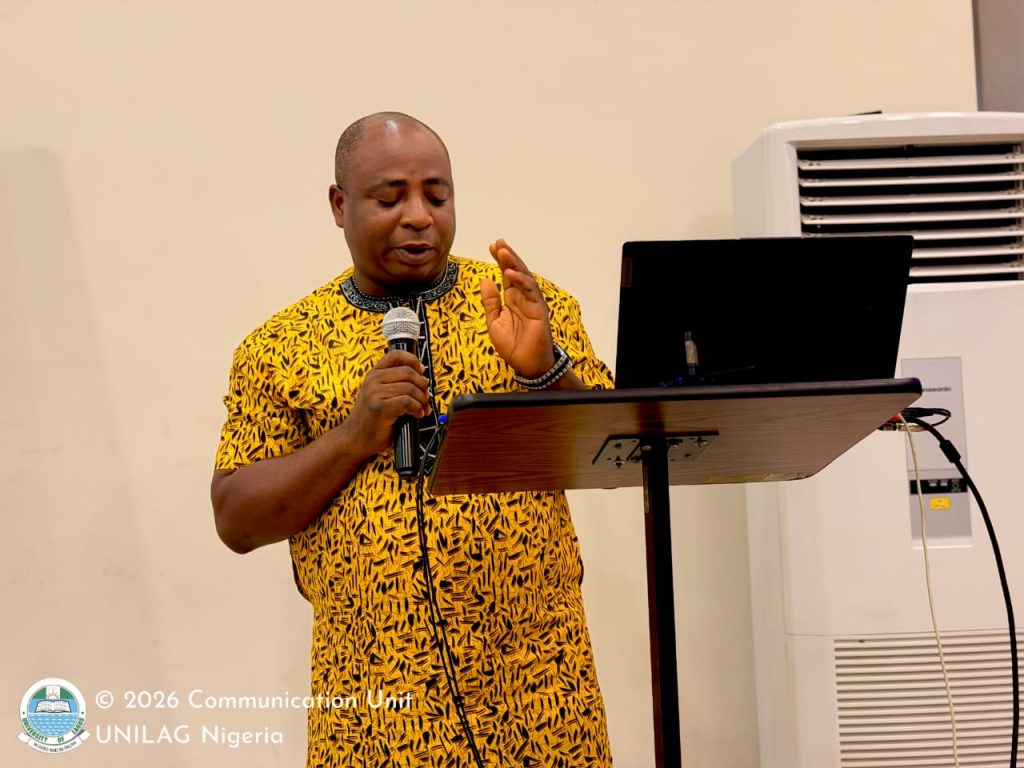
A major highlight of the conference was the keynote address by Professor Sundaram Parimalara Rengaranayaki, titled “ Recharging Artificial Aquifers: A Strategy for Strengthening Water Access in Developing Nations .” She advocated a shift from conventional approaches to water security by promoting sustainable groundwater recharge systems as a long-term solution to water scarcity.
Drawing on global experiences, Professor Rengaranayaki observed that only a few countries have achieved sustainable water security, leaving much of the world’s population vulnerable to increasing water shortages. She described the water crisis as “a women’s crisis,” noting that women and girls bear the greatest burden through the time, labour, and health risks associated with sourcing water for their households.
Using India as a case study, she highlighted the growing pressure on water resources caused by agriculture, urbanisation, and climate change. She called for greater investment in managed aquifer recharge, improved irrigation systems, digital technologies, and evidence-based water governance, stressing that lasting solutions will require governments, researchers, communities, and development partners to work together.
In his welcome address, the Convener of the conference and Principal Investigator of the AFRETEC Inclusive Digital Transformation Project, Professor Mohammed Olawale Amuda, described the conference as a significant milestone in a journey that began in 2023 with a vision to demonstrate that Africa can develop home-grown, digitally enabled, and community-driven solutions to its water challenges.
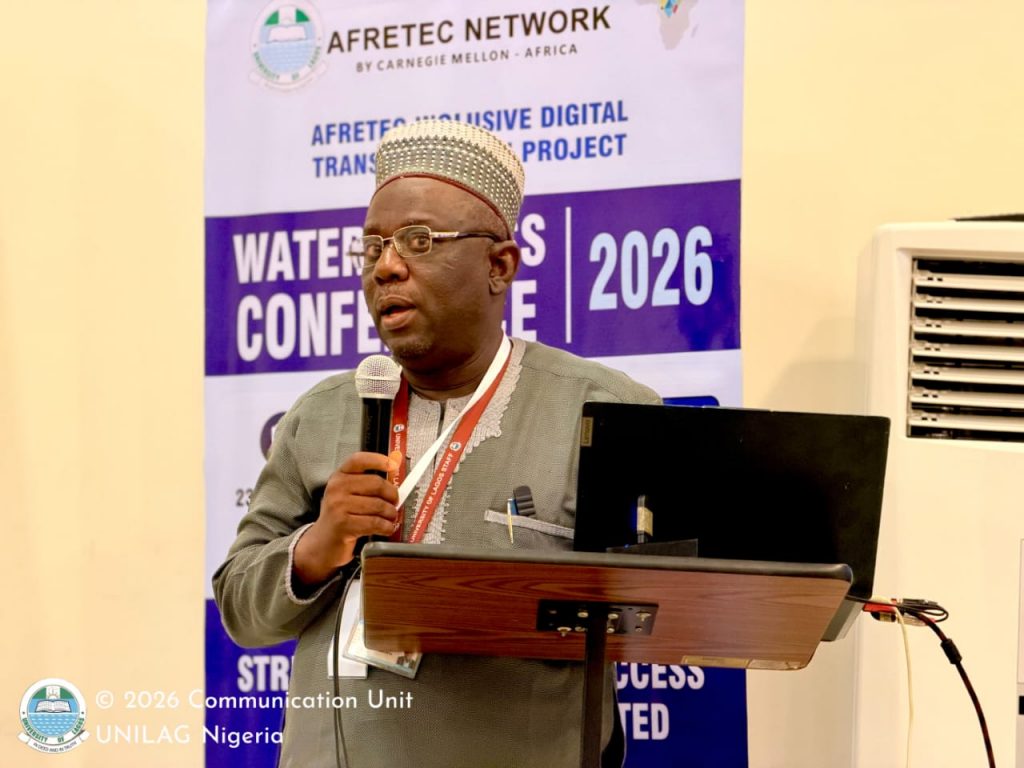
According to him, the project , jointly implemented by the University of Lagos, University of Nairobi, and University of Rwanda, has shown that sustainable water security depends on the integration of science, engineering, digital technology, sound public policy, and active community participation.
Professor Amuda, who also oversees the Centre for Information Technology and Systems (CITS), unveiled plans to establish an Africa Water Security Research Consortium to connect researchers and institutions across the continent. He also announced plans to create what is envisioned to become Africa’s largest citizen science network for water security, powered by affordable digital technologies and artificial intelligence.
The conference commenced with a plenary session handled by Co-Principal Investigator, Professor Foluso Agunbiade of the Department of Chemistry. His presentation, “ Early Warning Systems: Water-Based Epidemiology and Treatment ,” moderated by Dr. Ahmed Yunusa, explored innovative approaches to disease surveillance, water quality monitoring, and public health interventions through digital technologies and data-driven systems. Participants gained valuable insights into how emerging technologies can improve early detection, response, and public health resilience.
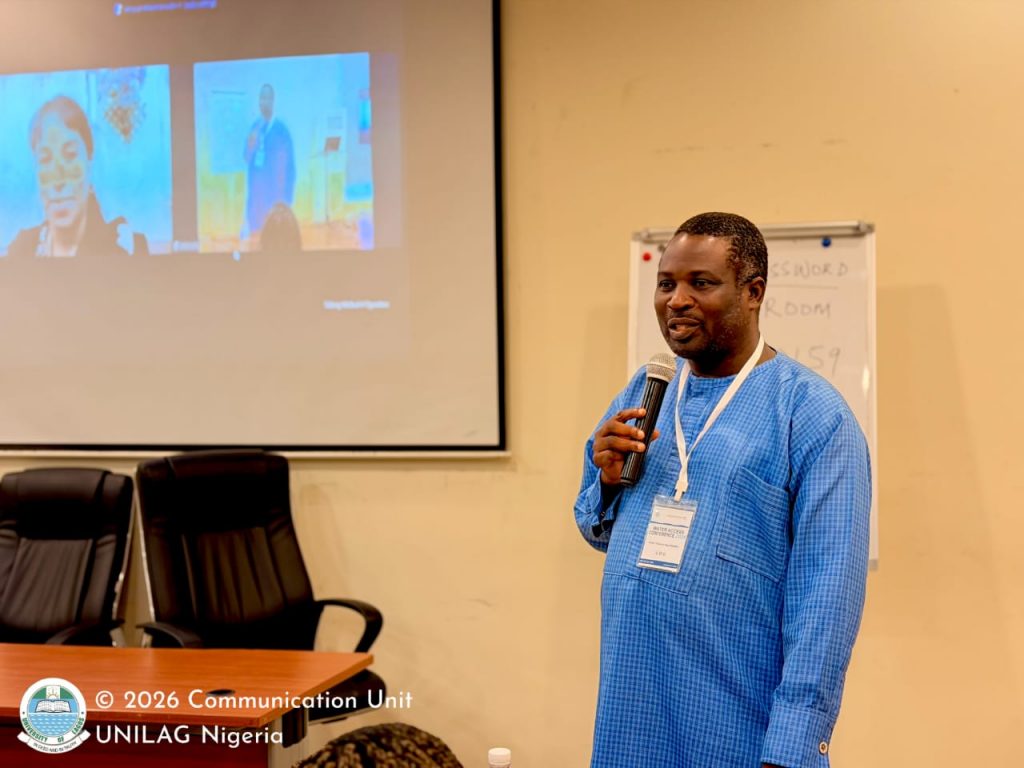
Parallel technical sessions also showcased cutting-edge research on critical water security issues across Africa. Presentations examined water quality assessment, groundwater recharge, wastewater management, and strategies for improving underperforming water treatment systems.
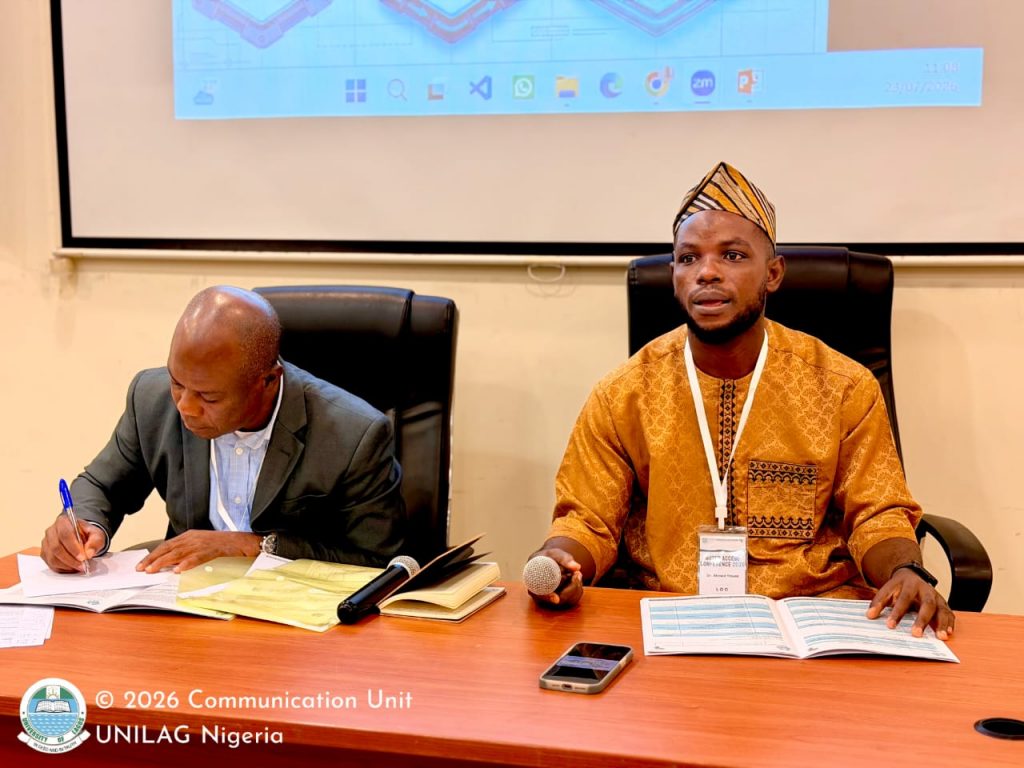
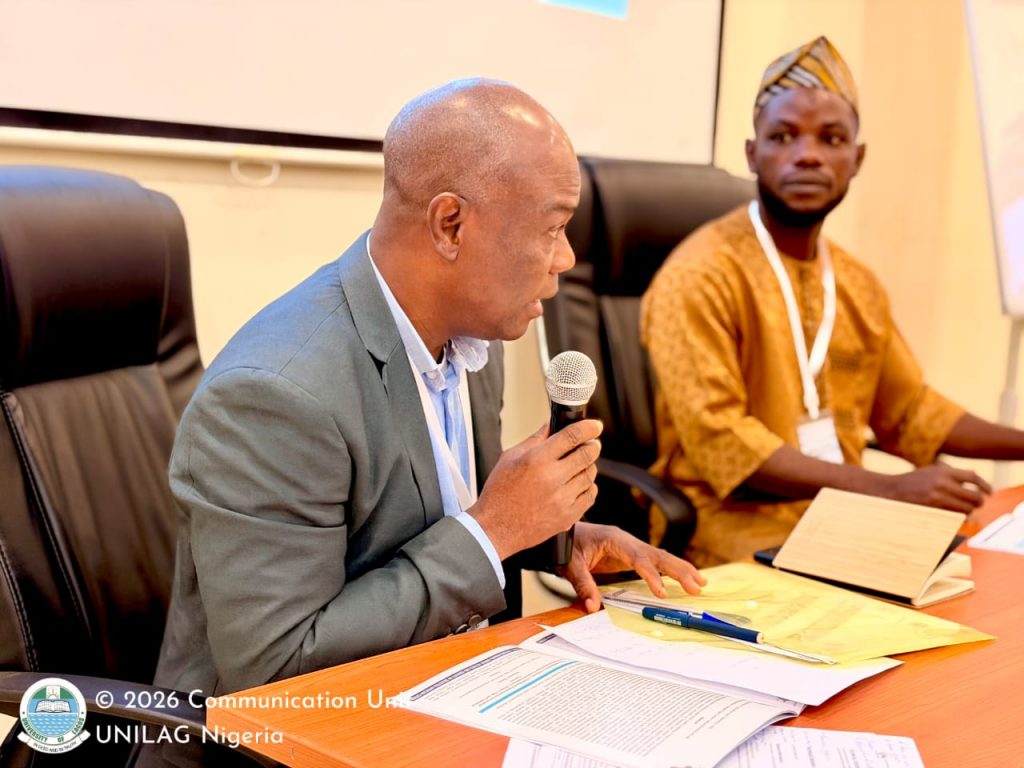
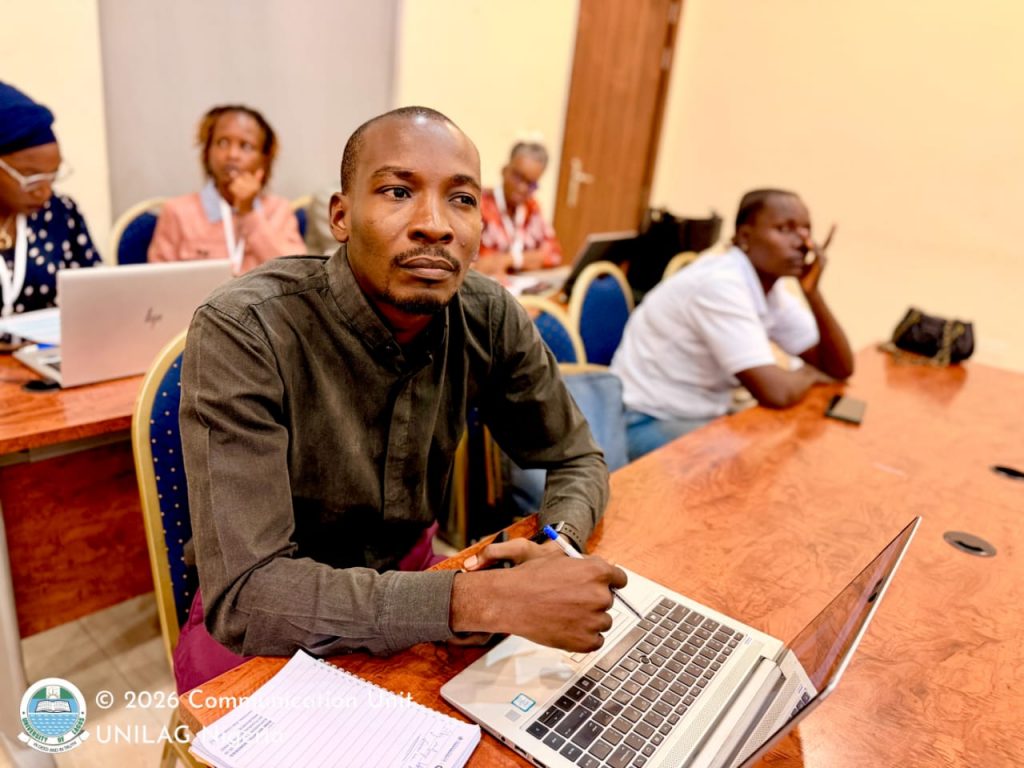
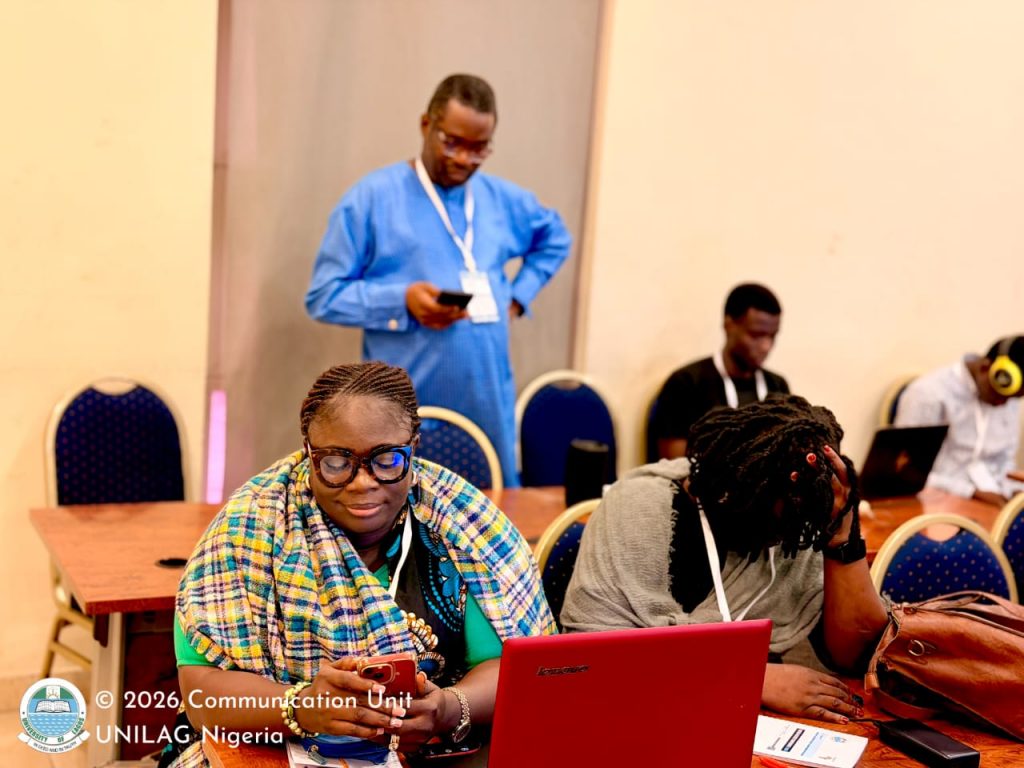
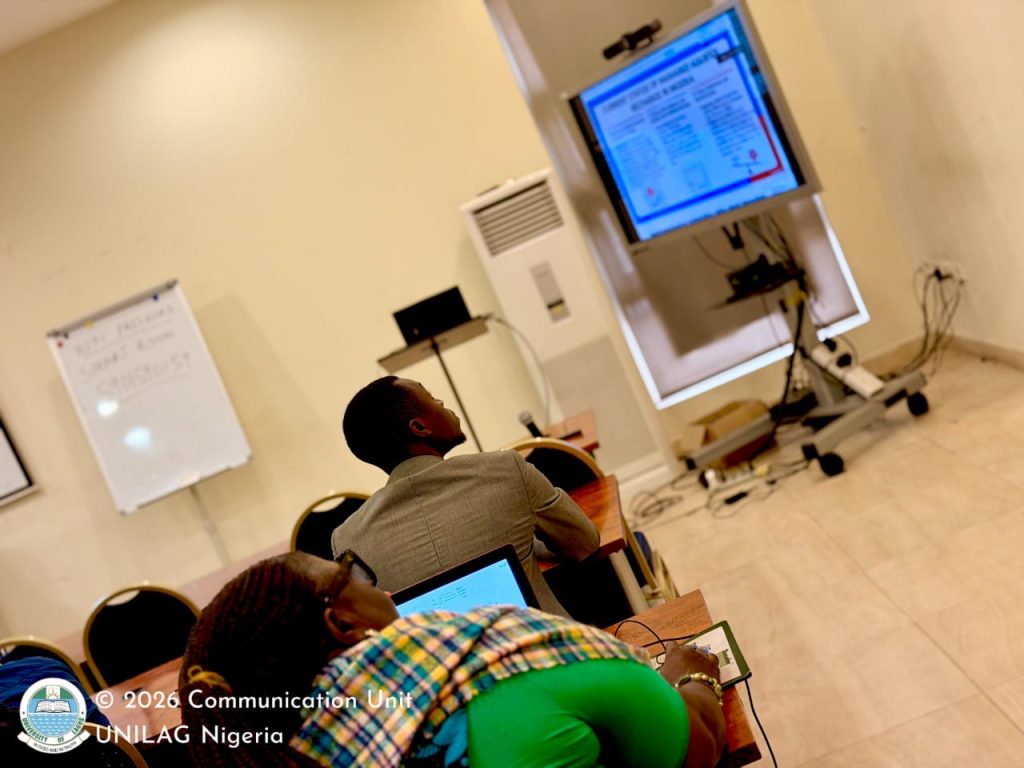
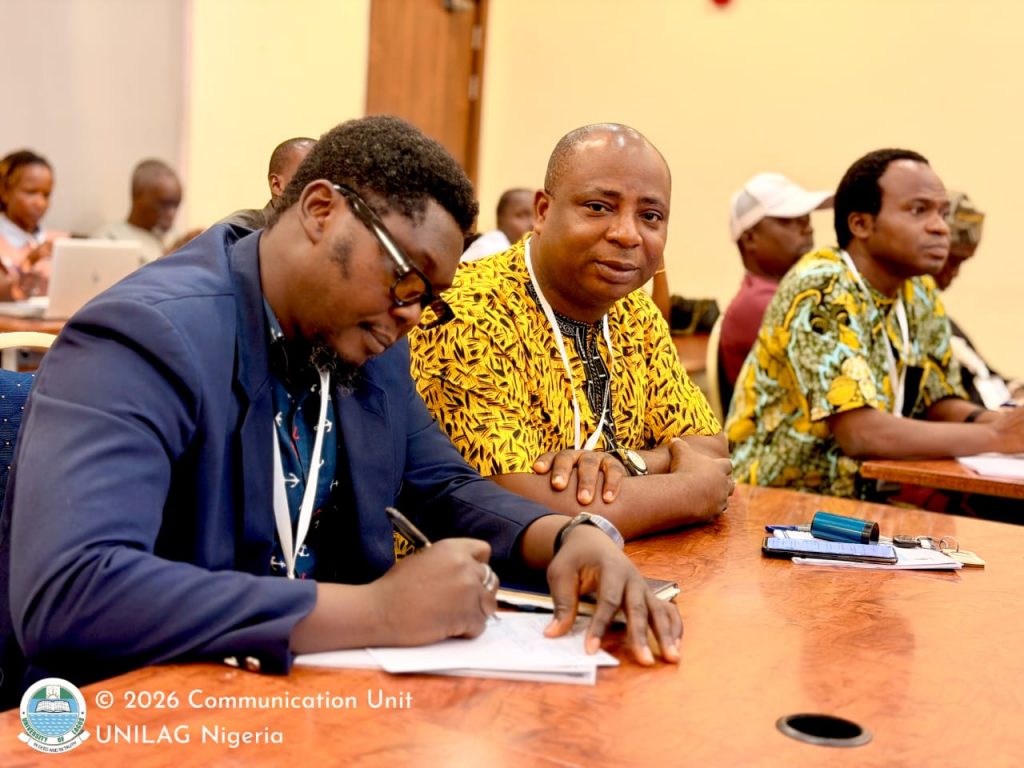
Other sessions focused on heavy metal pollution in groundwater within e-waste communities, the development of locally sourced wastewater treatment materials, and community-based water safety frameworks for informal settlements. Collectively, the presentations highlighted the growing contribution of African researchers in developing innovative and evidence-based solutions to the continent’s water challenges.
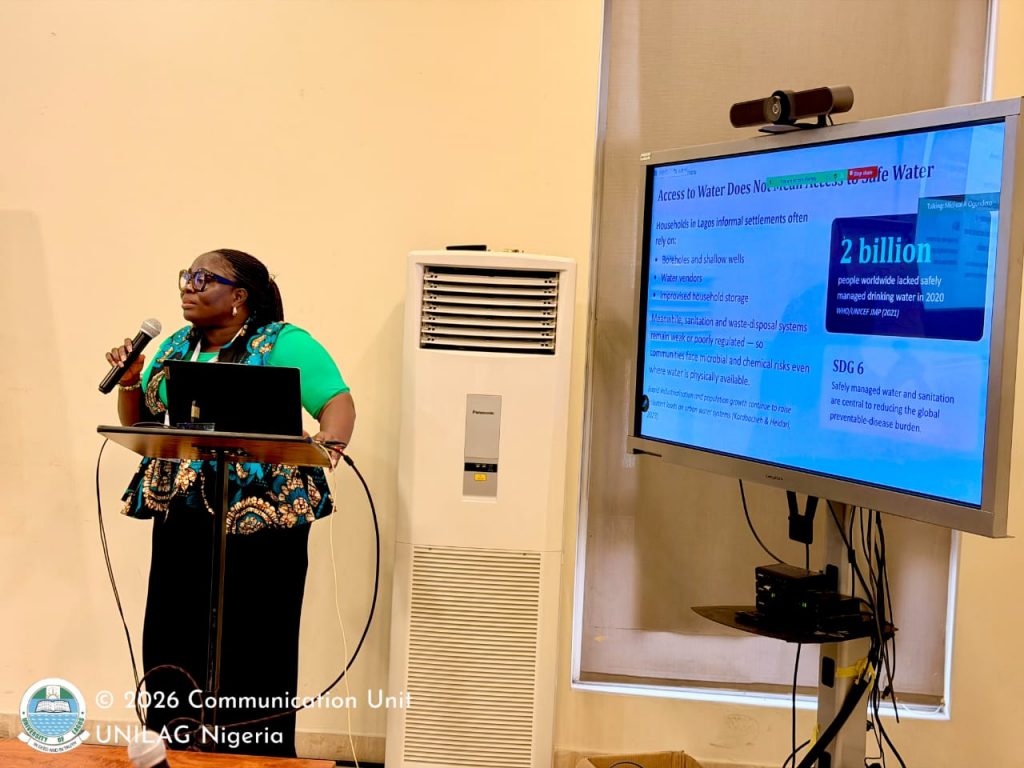
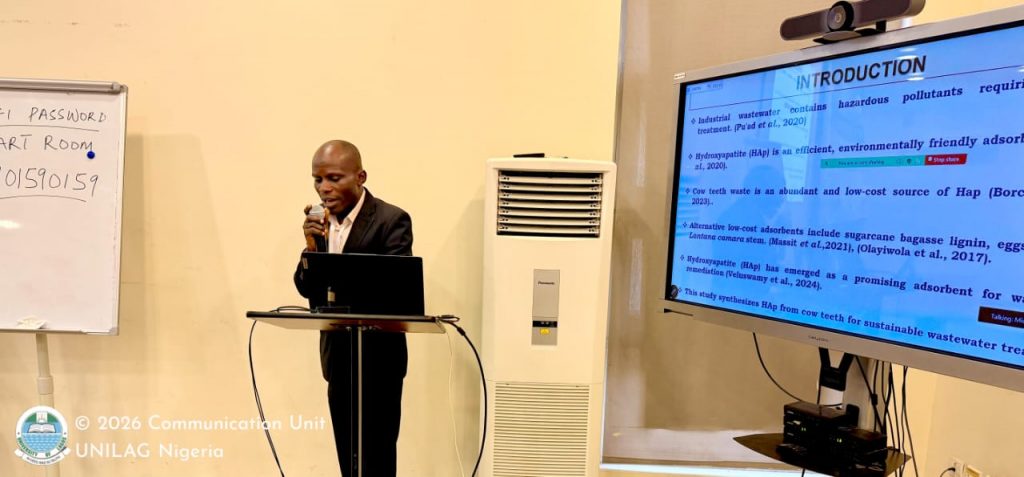
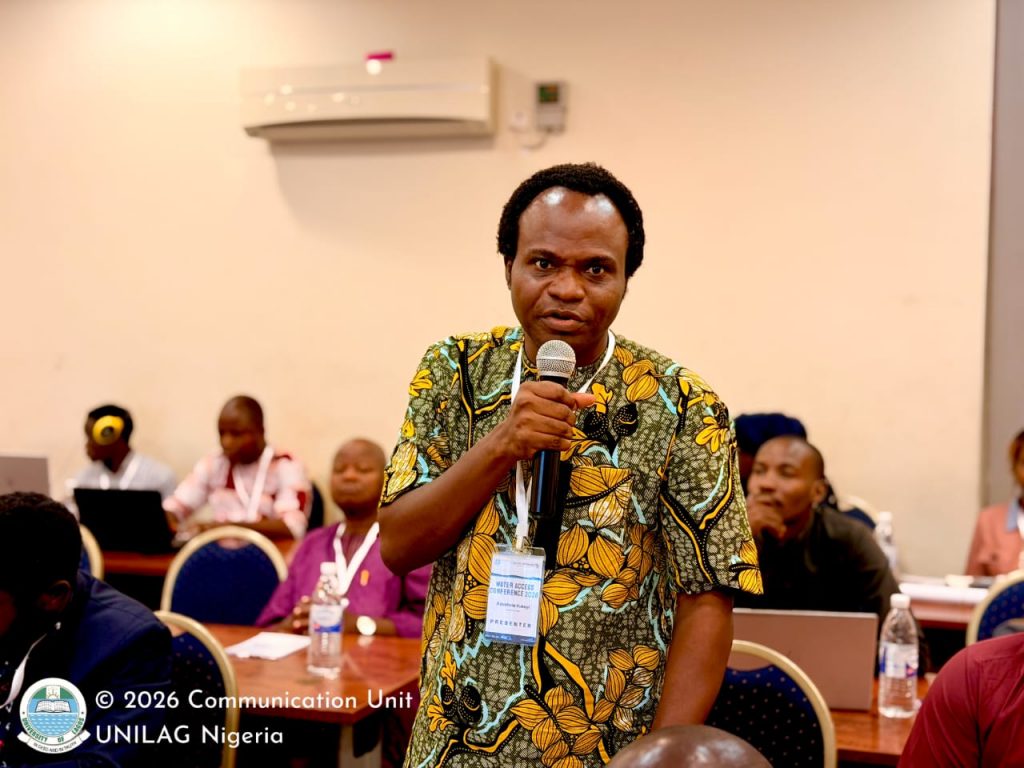
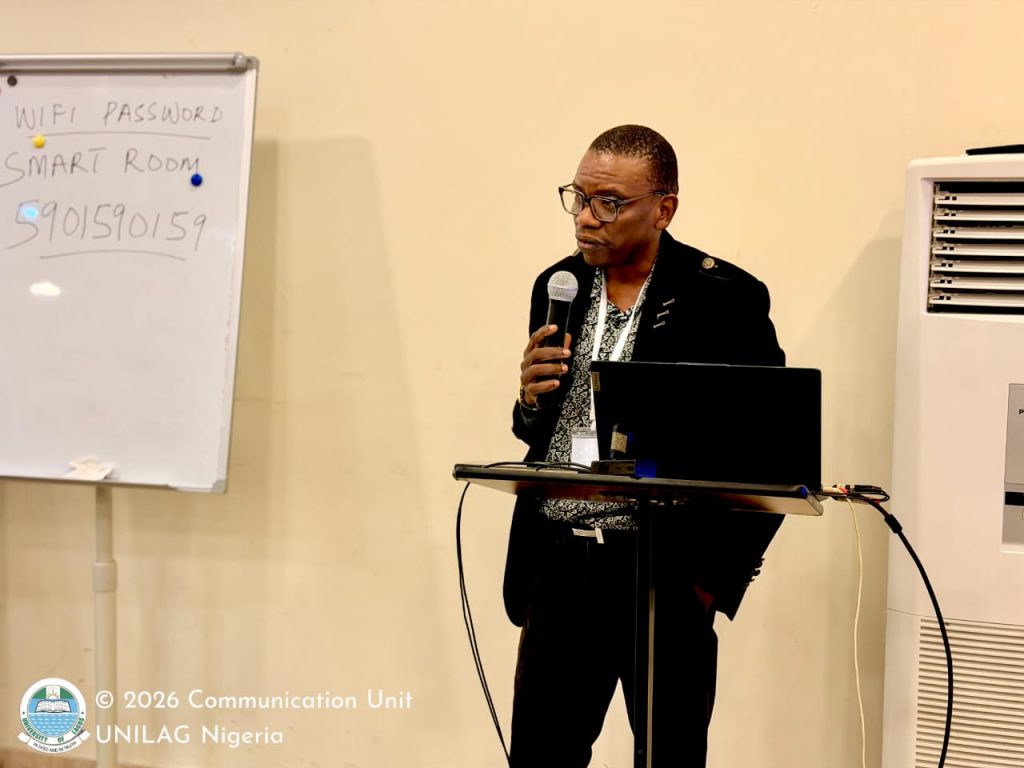
Day Two sustained the momentum with additional technical sessions, networking engagements, and a high-level roundtable discussion featuring Professor Hakeem Amuda, Professor Theophilus Fashanu, Professor Taibat Lawanson, and Professor Foluso Agunbiade, moderated by Dr. Ahmed Yunusa. Discussions centred on strengthening policy implementation, promoting interdisciplinary research, and expanding institutional collaboration to improve sustainable water access across Africa.
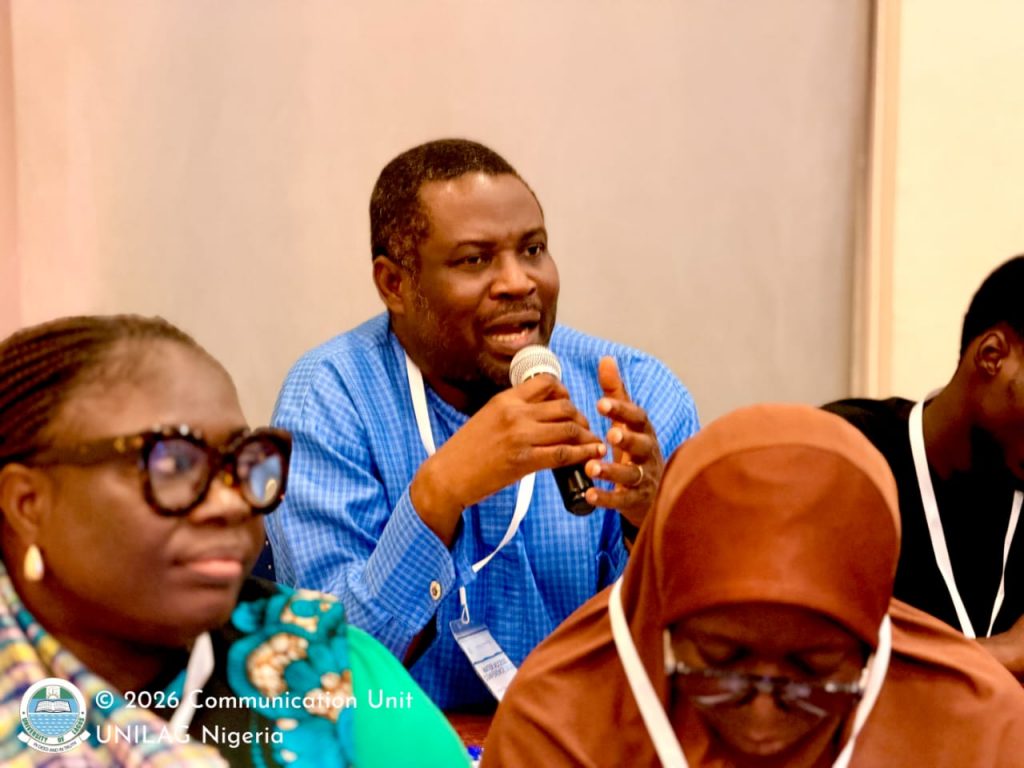
Participants also took part in a Community and Citizen Science Feedback Session facilitated by Mr. Moruf Gbadamosi. Reflections from community engagement activities reinforced the importance of citizen participation in research, data collection, and evidence-based decision-making.
The conference concluded with the presentation of key resolutions and recommendations. Participants pledged to deepen collaborative research, strengthen community-led water management initiatives, expand the use of digital technologies and artificial intelligence in water monitoring, and build stronger institutional partnerships capable of delivering lasting solutions to Africa’s water security challenges.
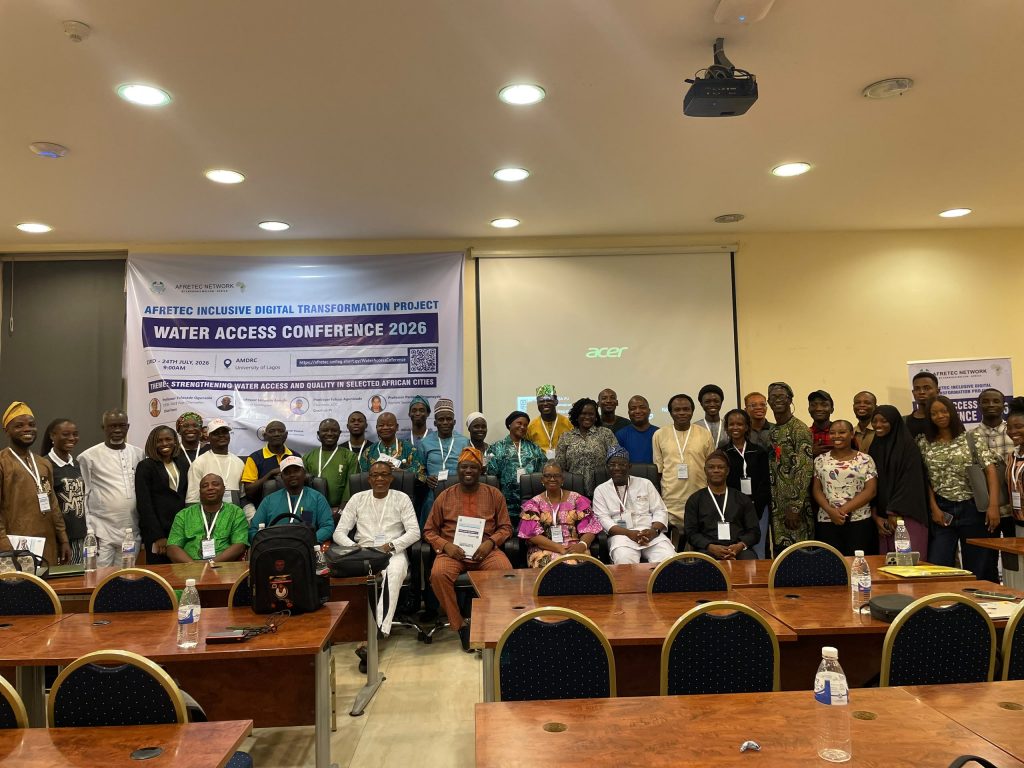
Beyond the presentations and technical discussions, the Water Access Conference 2026 reinforced the University of Lagos’ growing reputation as a leading hub for research, innovation, and collaborative solutions to Africa’s development challenges.
Report: Bayo Salau
Photographs: Micheal Ike