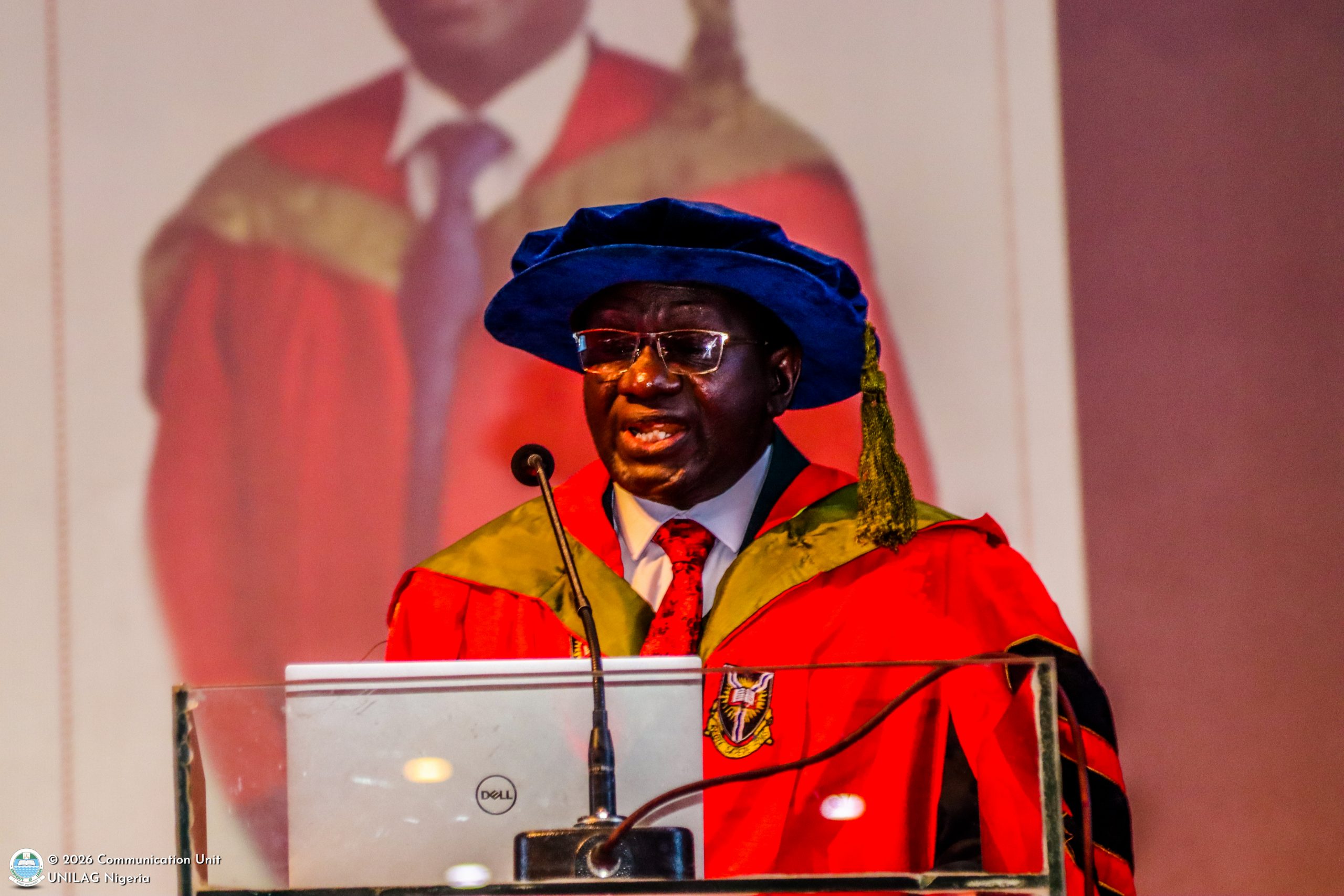
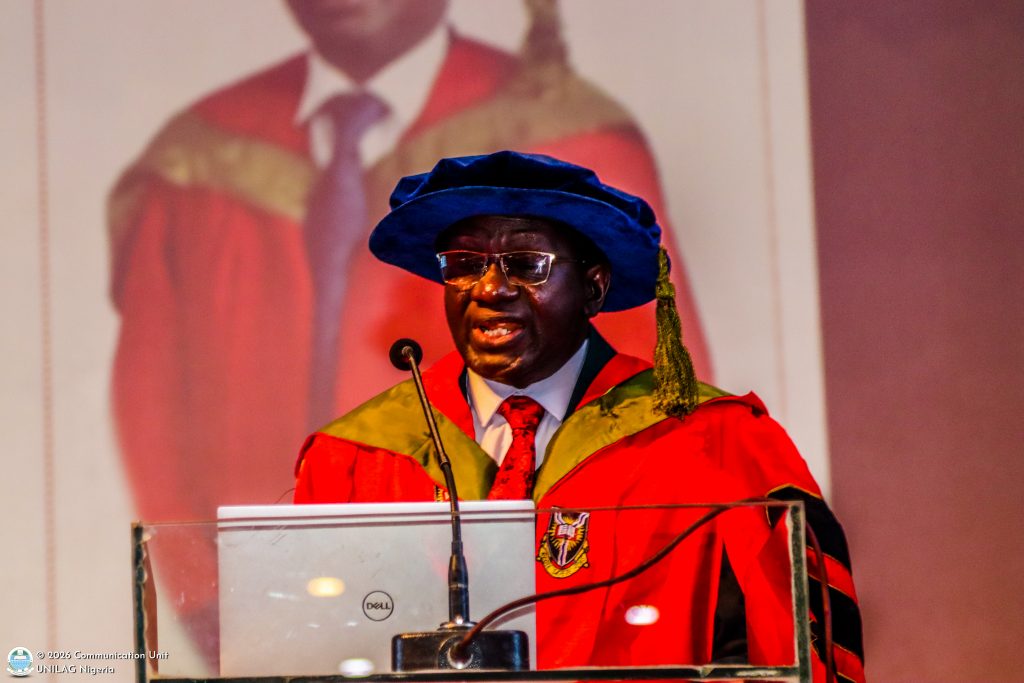
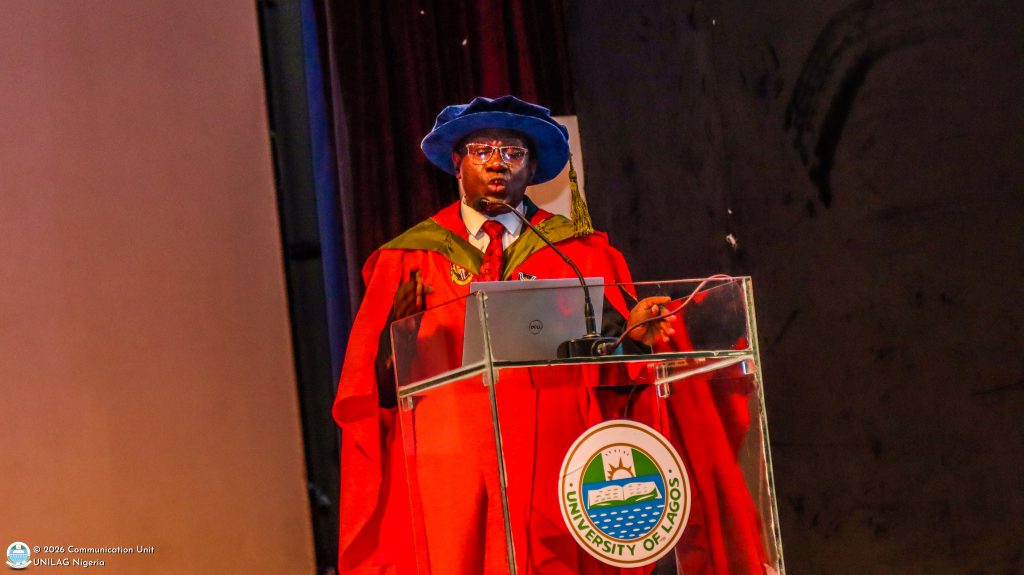
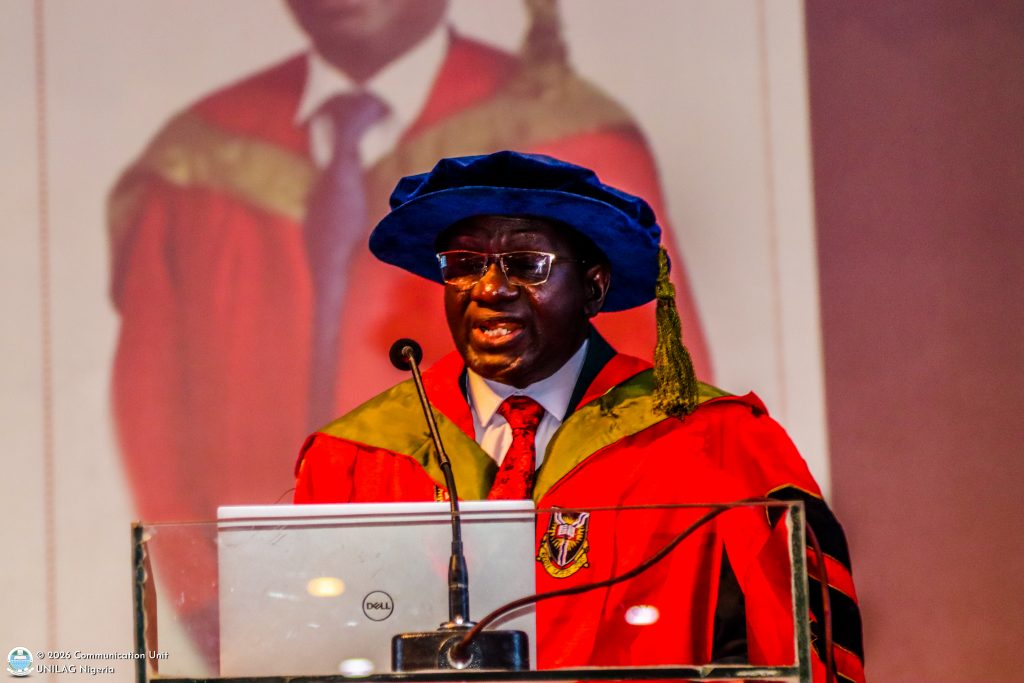
A Professor of Fisheries and Aquatic Sciences at the University of Lagos (UNILAG), Simeon Oluwatoyin Ayoola, has emphasized the urgent need to integrate environmental conservation with sustainable fish production to secure Nigeria’s food future and protect aquatic ecosystems.
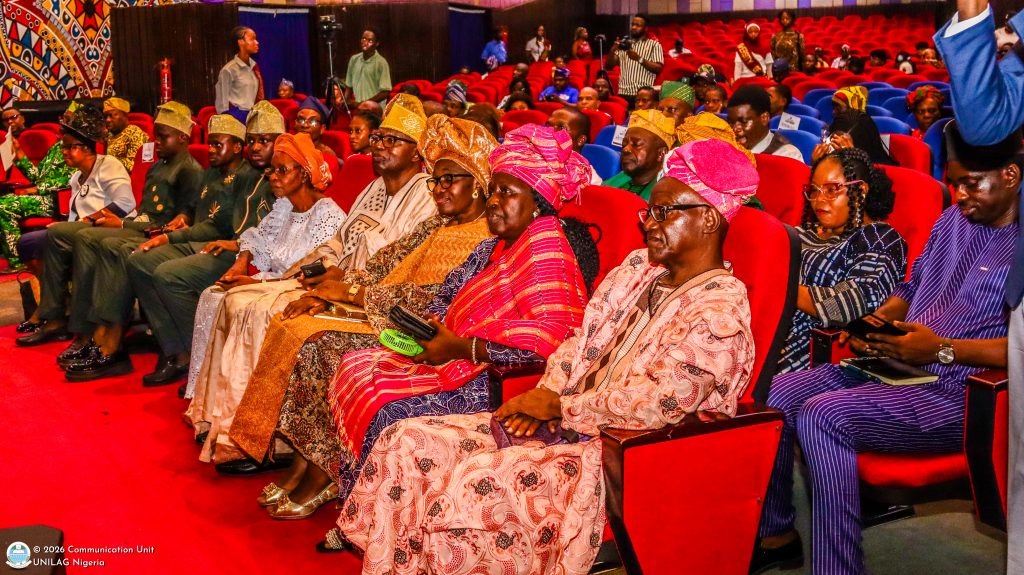
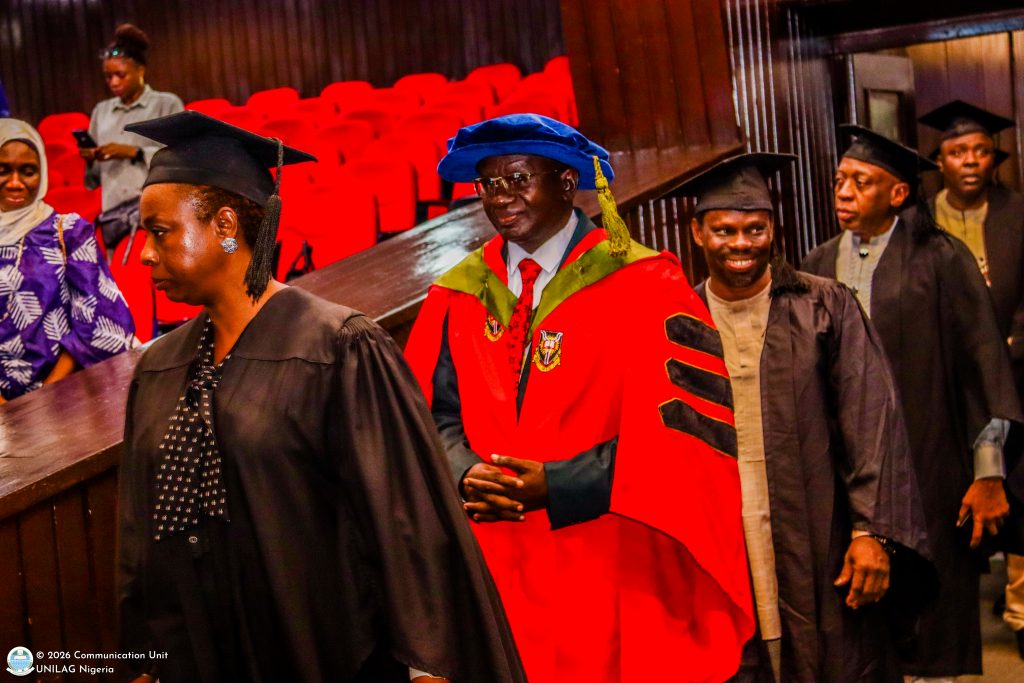
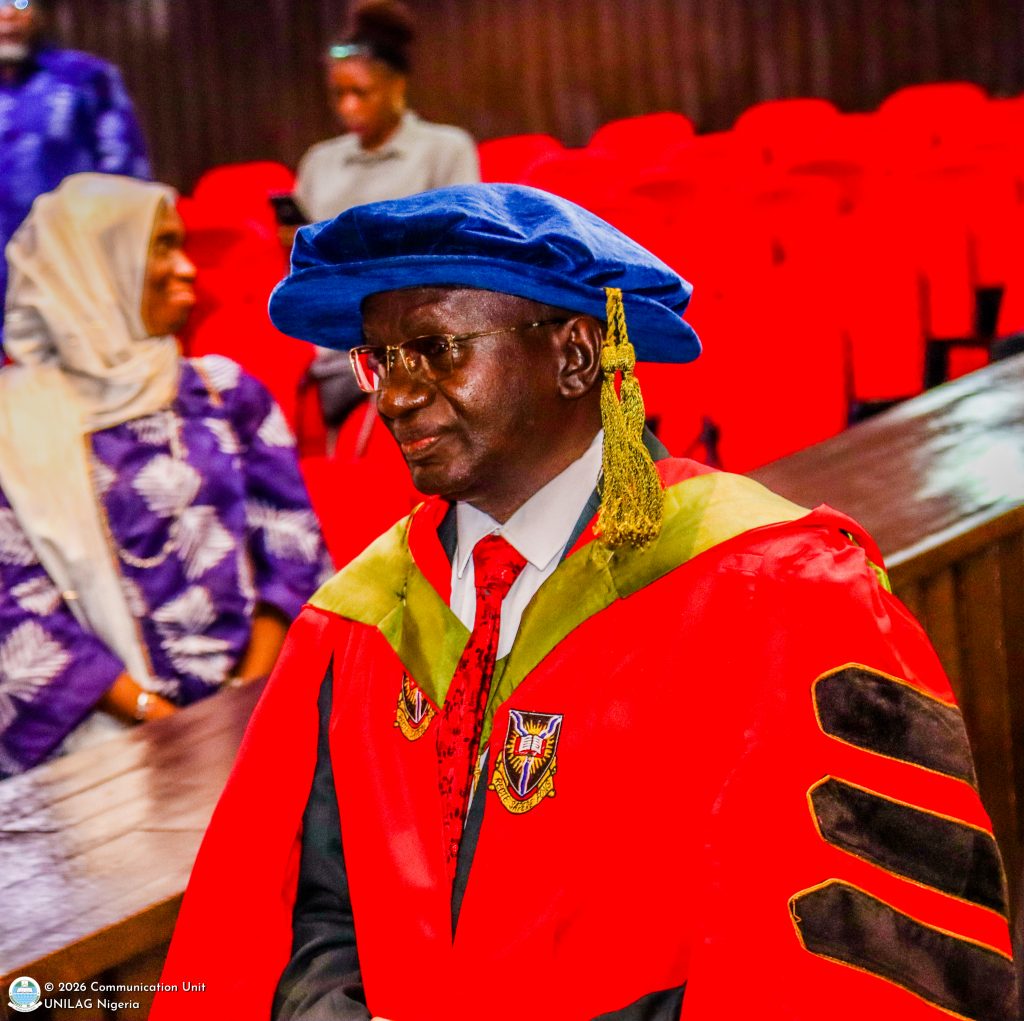
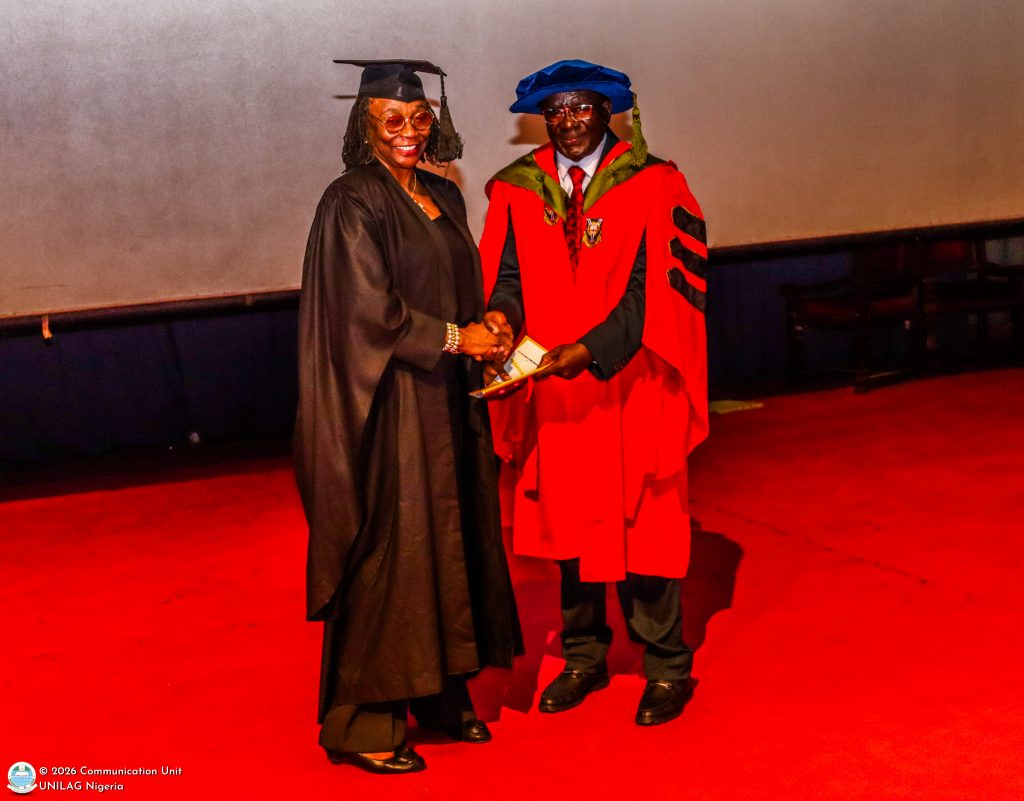
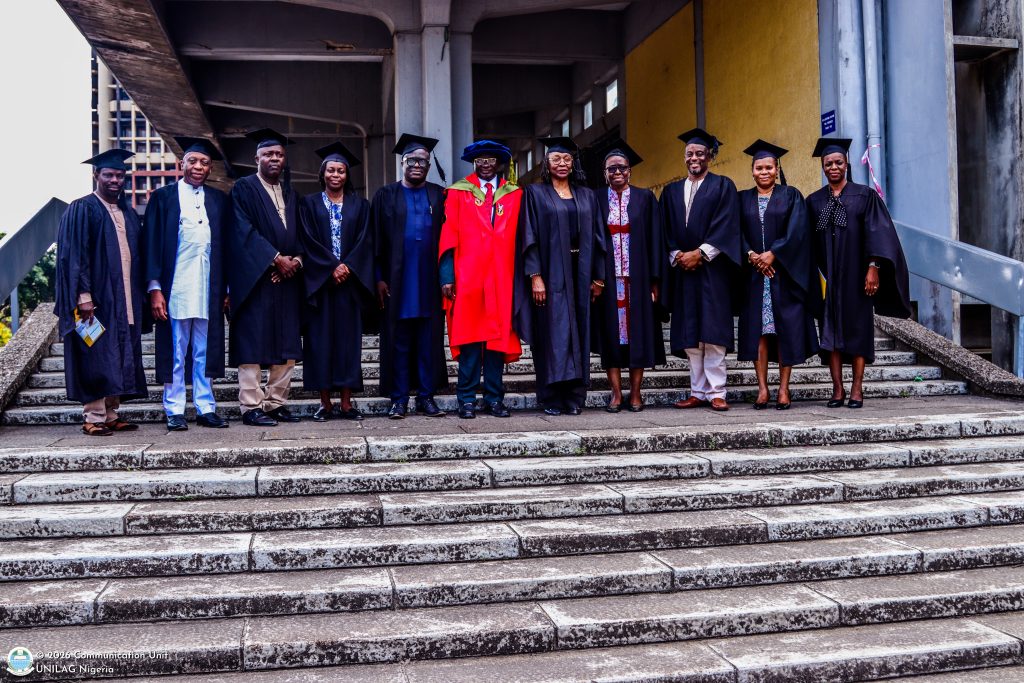
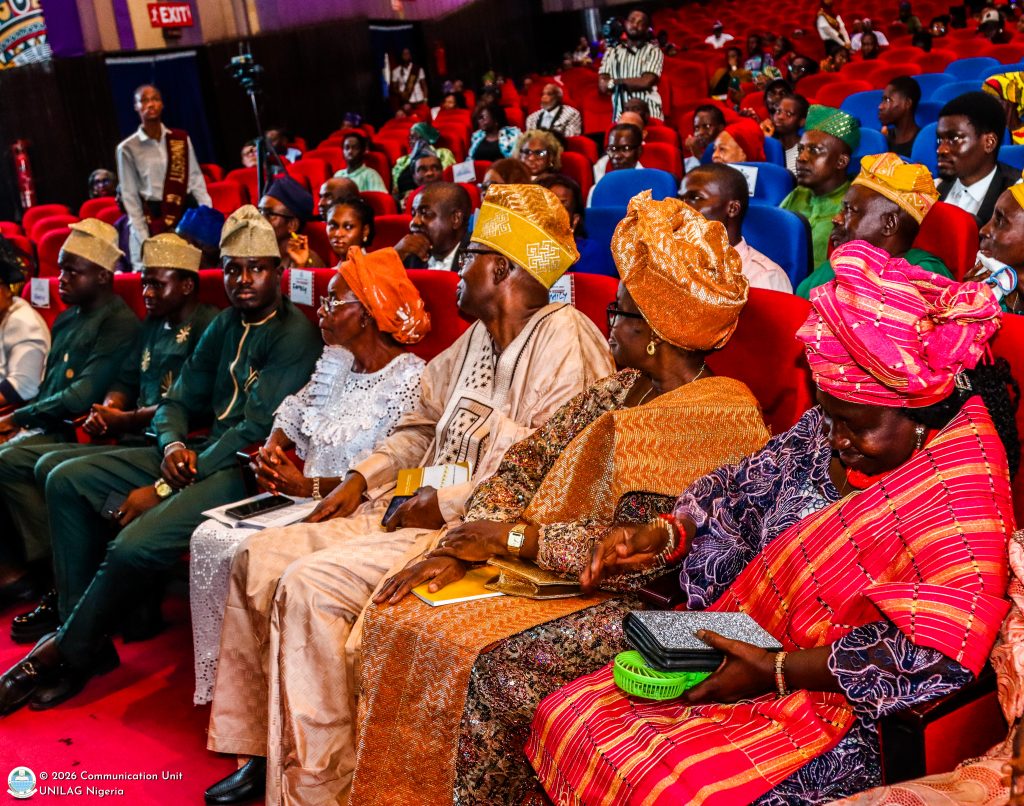
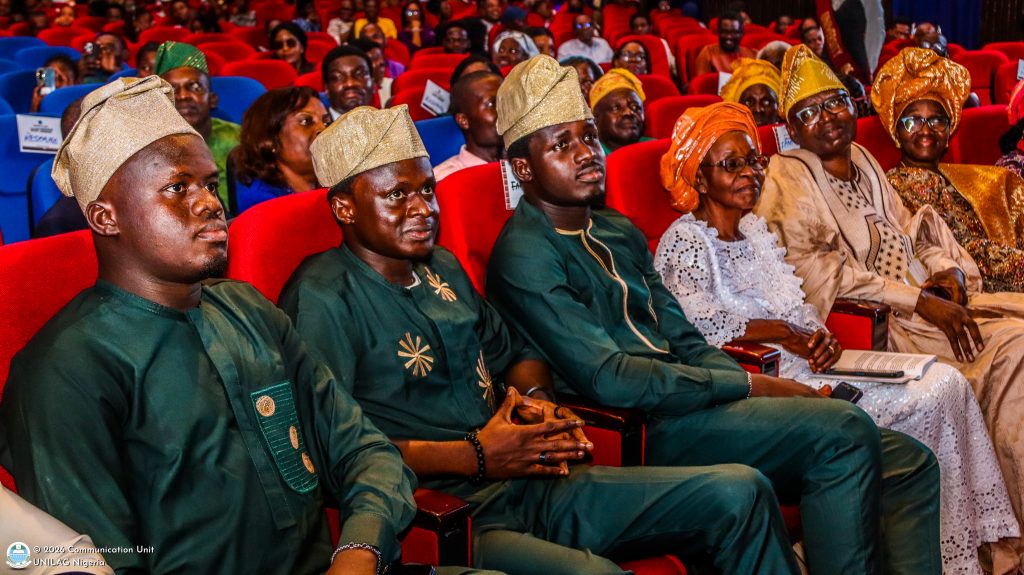
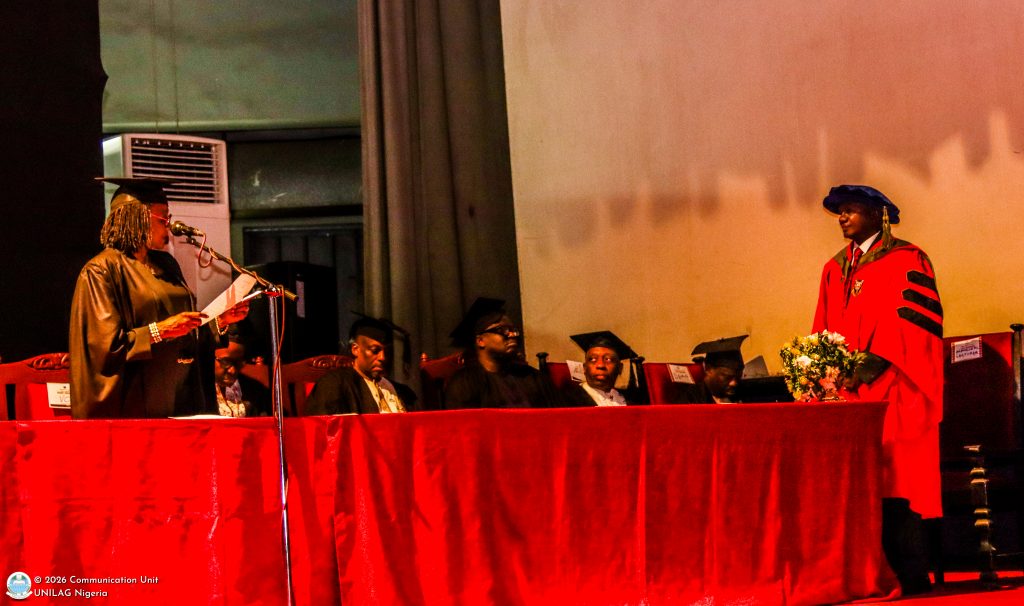
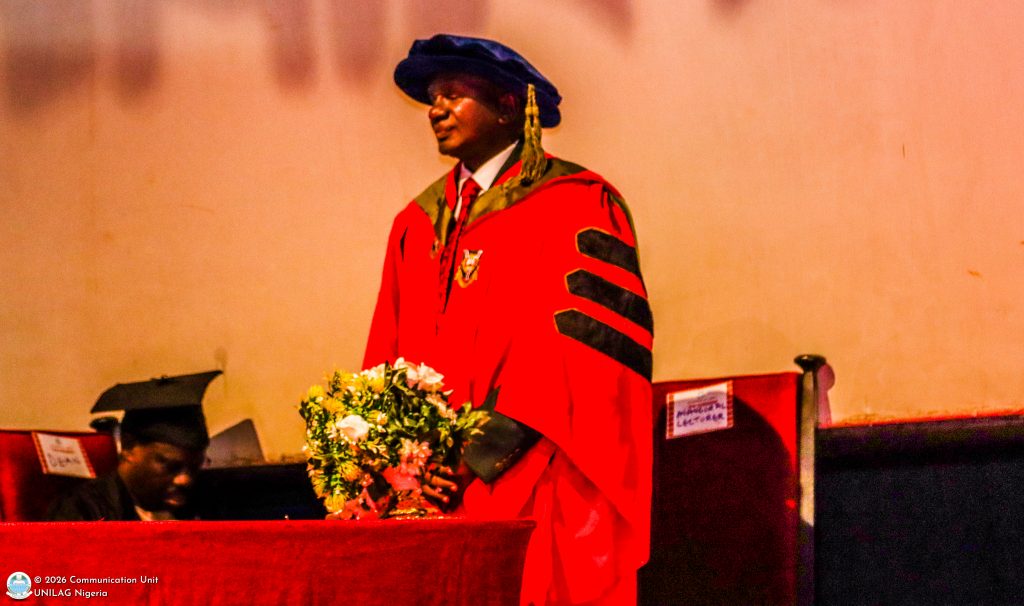
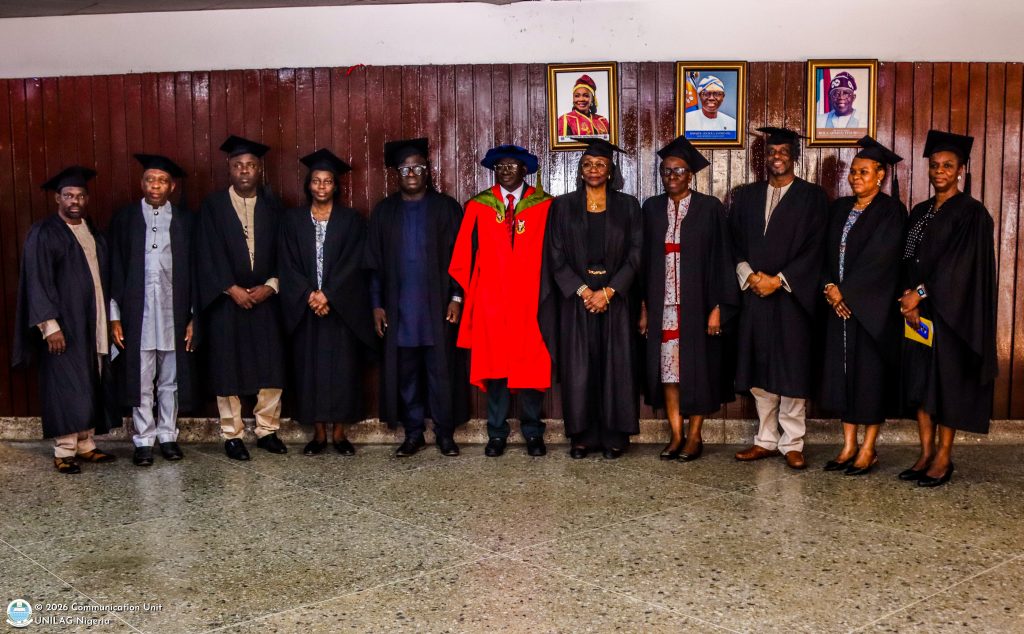
Prof. Ayoola made this call while delivering the University’s 455th Inaugural Lecture on Wednesday, March 18, 2026, at the J. F. Ade Ajayi Auditorium. The lecture, titled Fisheries: Nature’s Gift to Humanity—Coalescing Aquatic Environment Conservation with Sustainable Fish Production, was the ninth in the 2025/2026 academic session.
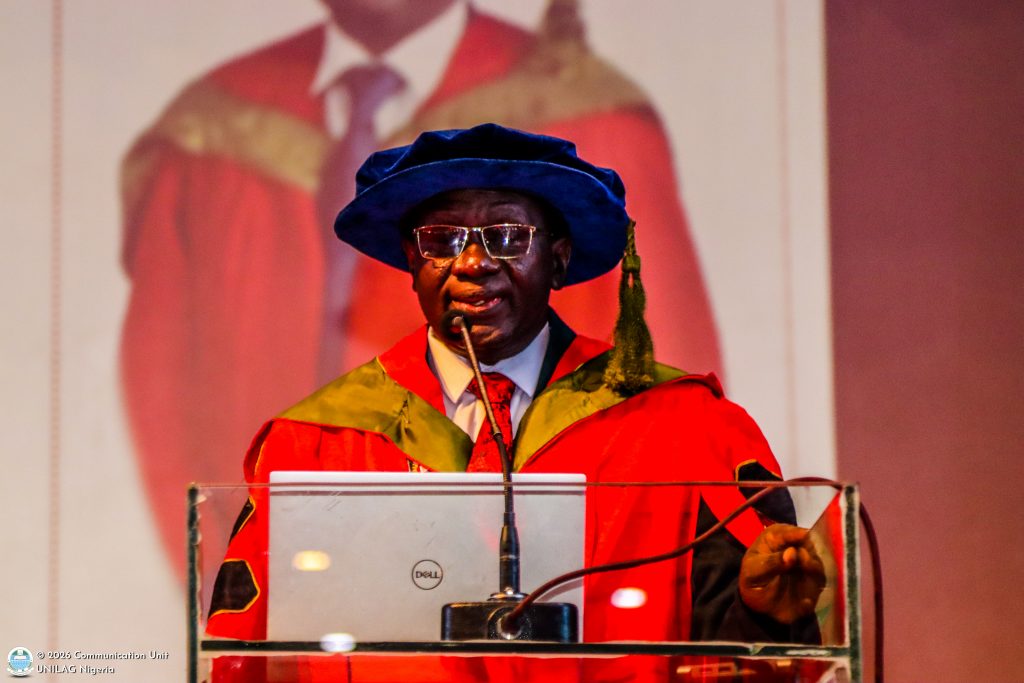
Drawing from decades of pioneering research in aquaculture, aquatic toxicology, and environmental sustainability, the professor described fisheries as a vital natural resource capable of strengthening food security, driving economic development, and maintaining ecosystem stability.
He stressed that fisheries management must strike a careful balance between scientific innovation and environmental stewardship to ensure long-term sustainability. According to him, modern aquaculture practices must align with conservation principles to safeguard aquatic resources for future generations.
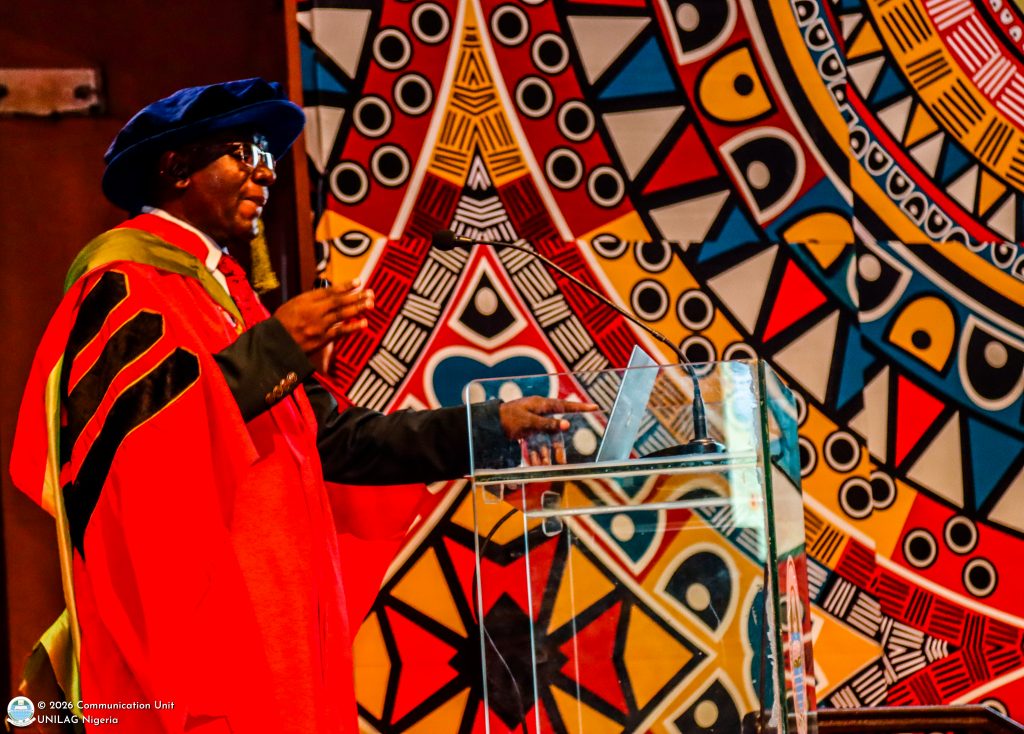
A major highlight of the lecture was his research on aquaponic optimisation, an integrated system that combines fish and plant production, particularly suited for urban and peri-urban environments. He noted that this model offers a sustainable framework for maximizing limited space and resources, thereby contributing significantly to Nigeria’s food security goals.
Prof. Ayoola also presented findings on sex-reversal techniques in Sarotherodon melanotheron and other fish species across freshwater and brackish environments. He explained that the research has improved broodstock management, accelerated growth rates, and enhanced aquaculture productivity.
Beyond fish production, he explored the culture potential of fish, crustaceans, and molluscs found in Nigeria’s coastal waters, identifying several underutilised species suitable for mariculture development. This, he said, could expand the frontiers of aquaculture diversification in the country.
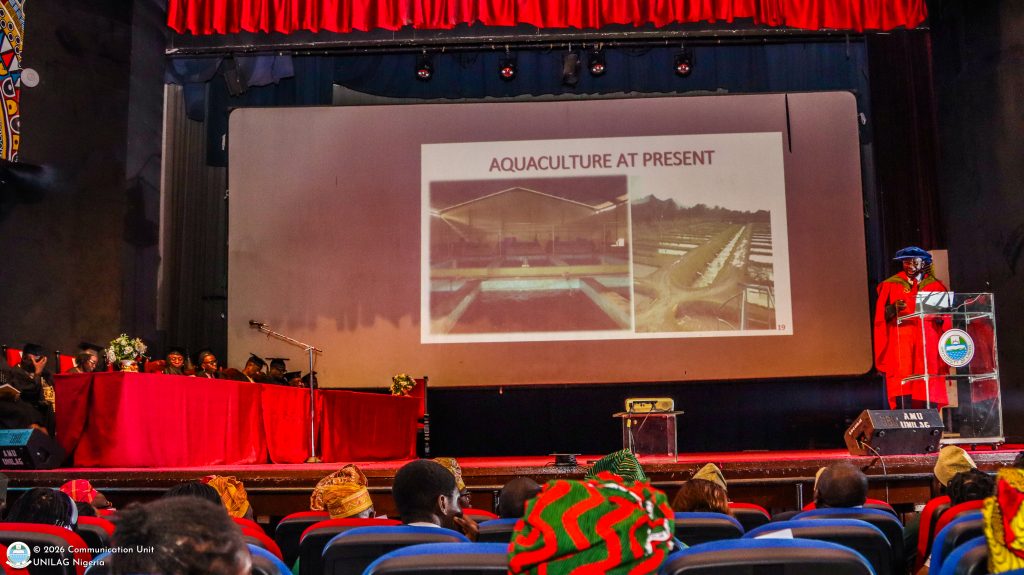
His contributions to fish health management were also highlighted, particularly the use of probiotic bacteria as natural growth promoters and immune stimulants in Clarias gariepinus. The approach, he noted, improves fish health, reduces disease occurrence, and minimizes reliance on synthetic antibiotics in aquaculture operations.
In the area of aquatic ecotoxicology, Prof. Ayoola detailed studies examining the cytogenetic and biochemical effects of agrochemicals, heavy metals, and petroleum pollutants on aquatic organisms. His investigations across the Lagos Lagoon, Ogun River, and Ogoni ecosystems have established critical biomarkers for monitoring environmental contamination and informing policy responses.
He also highlighted milestones in fish hatchery management, sustainable aquaculture systems, the use of agro-waste in fish feed production, and pollution management strategies.
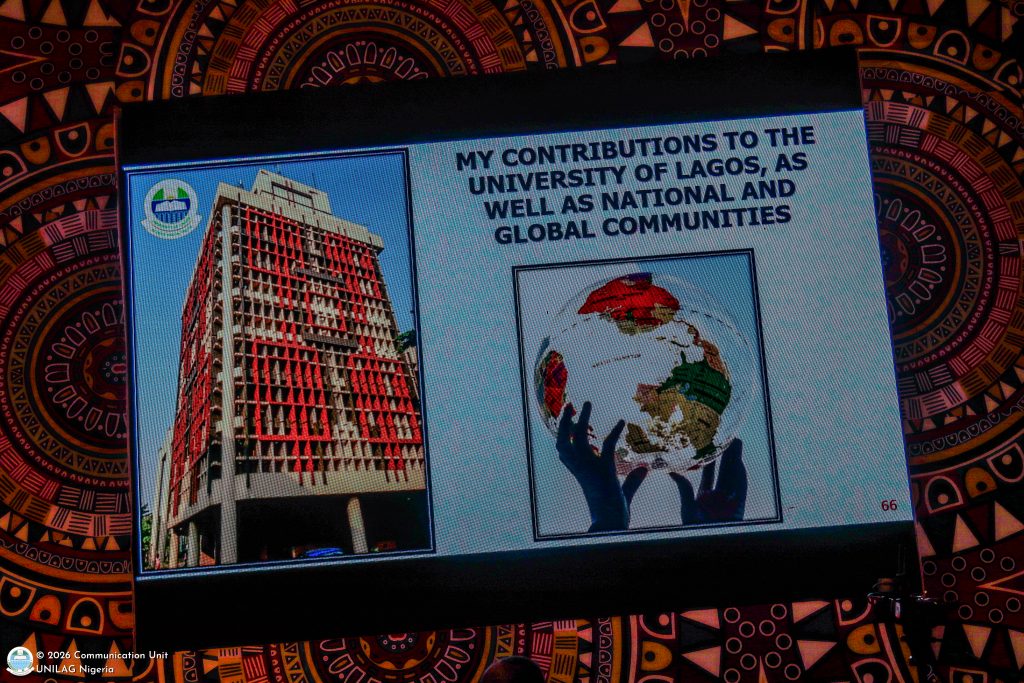
Concluding his lecture, Prof. Ayoola described fisheries as both a divine and scientific gift to humanity, stressing that responsible utilisation of aquatic resources will enhance food security, promote environmental sustainability, and support livelihoods.
About Professor Simeon Oluwatoyin Ayoola
Professor Simeon Oluwatoyin Ayoola began his academic journey at the University of Ibadan, Nigeria, where he obtained his Bachelor of Science (B.Sc.), Master of Science (M.Sc.), and Doctor of Philosophy (Ph.D.) degrees. His research focuses on sustainable aquaculture systems, the ecological impact of aquatic pollutants, and enhancing food security through integrated aquaponic technologies.
A native of Ogbomosho North in Oyo State, Professor Ayoola commenced his academic career at Nasarawa State University, Keffi, before joining the University of Lagos in 2008. He is currently a Professor in the Department of Fisheries and Aquaculture, Faculty of Life Sciences.
Over the years, he has demonstrated outstanding commitment to teaching, research, and academic leadership. He is the founding Head of the Department of Fisheries and Aquaculture and has also served as Head of the Department of Marine Sciences. In addition, he has contributed to several university committees, including the Business Committee of the Senate (BCOS), Faculty of Science Research and Ethics Committee, Departmental Curriculum Review Committee, Examination Misconduct Panel, and Accreditation Committee.
Professor Ayoola has authored over eighty (80) peer-reviewed publications in reputable national and international journals, books, and conference proceedings. He has also presented papers at major scientific conferences worldwide, fostering cross-disciplinary collaboration and advancing the field of fisheries science. Furthermore, he serves as both an internal and external examiner at several universities and as a peer reviewer for respected academic journals.
In recognition of his significant contributions to fisheries science, aquaculture innovation, and environmental conservation, he has been awarded the prestigious Fellowship of the Fisheries Society of Nigeria. He is also a member of the World Aquaculture Society (WAS), Aquaculture Engineering Society (AES), and the Society of Toxicology (SOT). Professionally, he has served on the National Executive Council of the Association of Nigerian Fisheries Scientists (ANIFS), where he currently holds the position of Secretary, and is a Board Member of the Bethel Values Foundation.
Beyond academia, Professor Ayoola is a highly sought-after consultant in aquaculture development and pollution management, providing expert advisory services to governments, NGOs, and intergovernmental organizations across Africa. His consultancy work has supported the establishment of numerous fish farms and contributed to capacity-building initiatives such as the Fadama II and III Projects. He is also involved in several national and international research collaborations, including the Professor E.K. Ajani-led West and Central African Council for Agricultural Research and Development (WECARD/CORAF) Research Group.
Professor Simeon Oluwatoyin Ayoola is an ordained minister and pastor in the Redeemed Christian Church of God. He is happily married and blessed with children.
Report: Gbenga Gbelee
Photograph: Michael Joshua