
The growing threat of antimicrobial resistance (AMR) in aquaculture and its far-reaching implications for human, animal, and environmental health took center stage on Thursday, June 18, 2026, as the Faculty of Life Sciences, University of Lagos (UNILAG) hosted the fourth edition of its Monthly Seminar Series.
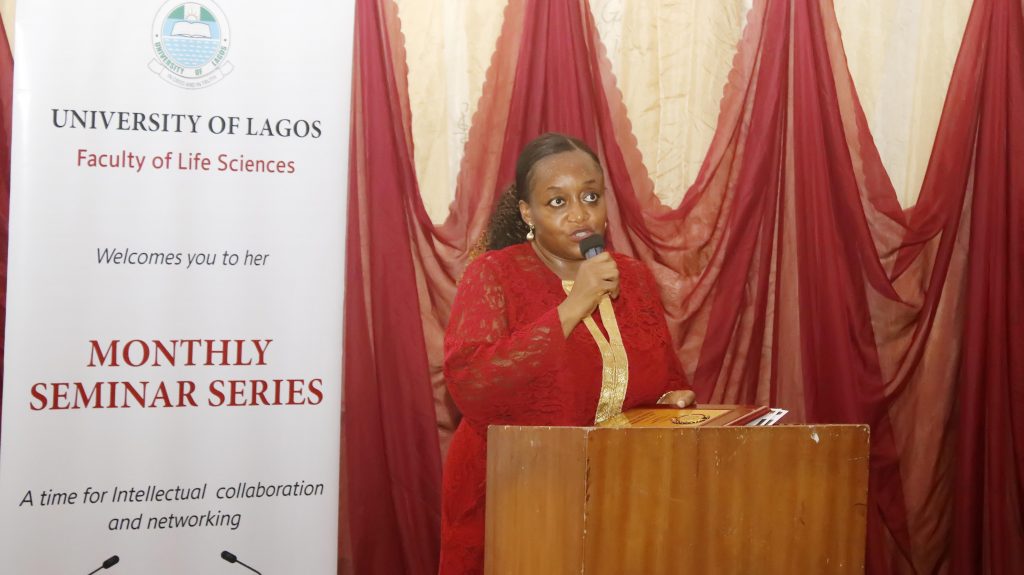
Held at Lecture Theatre 026, Science Complex, the seminar featured an enlightening presentation by Dr. Bamidele Odumosu, Associate Professor in the Department of Microbiology, who delivered a lecture titled, “Antimicrobial Resistance in Aquaculture: A One Health Perspective.”

Describing antimicrobial resistance as one of the defining public health challenges of the present era, Dr. Odumosu painted a vivid picture of what he called an ongoing “cold war” between humans and microorganisms, warning that human activities have increasingly tilted the balance in favour of disease-causing microbes.
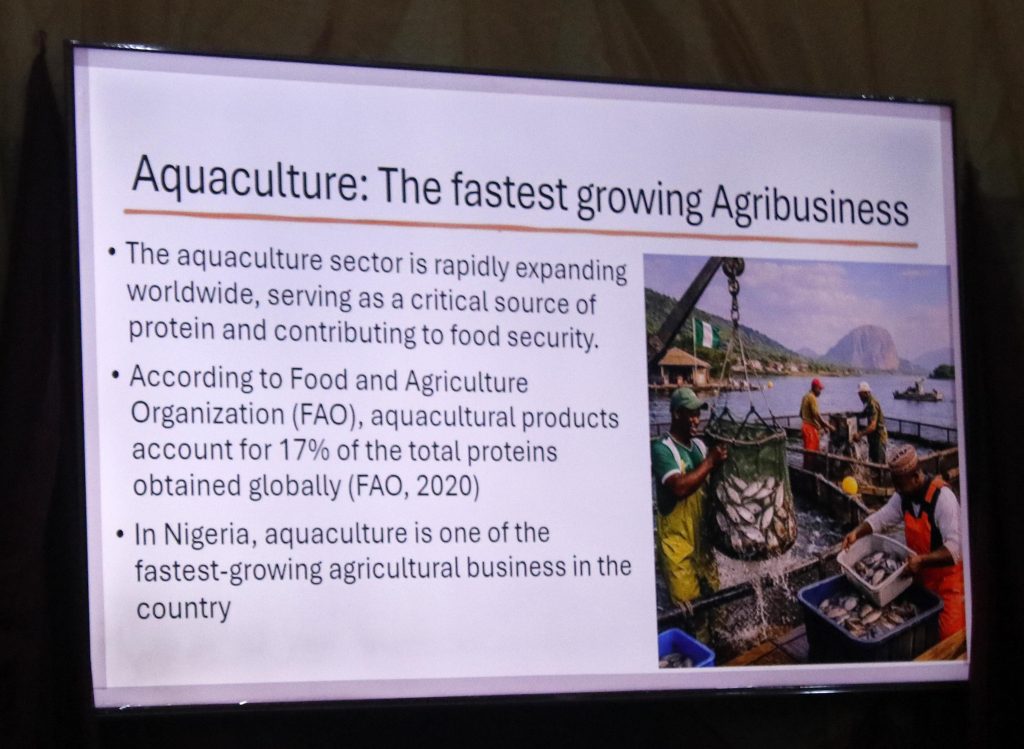
According to him, while aquaculture remains one of Nigeria’s fastest-growing agricultural industries, driving food production, employment, and economic prosperity, it is also becoming a major reservoir for antimicrobial resistance due to the widespread and often indiscriminate use of antibiotics.
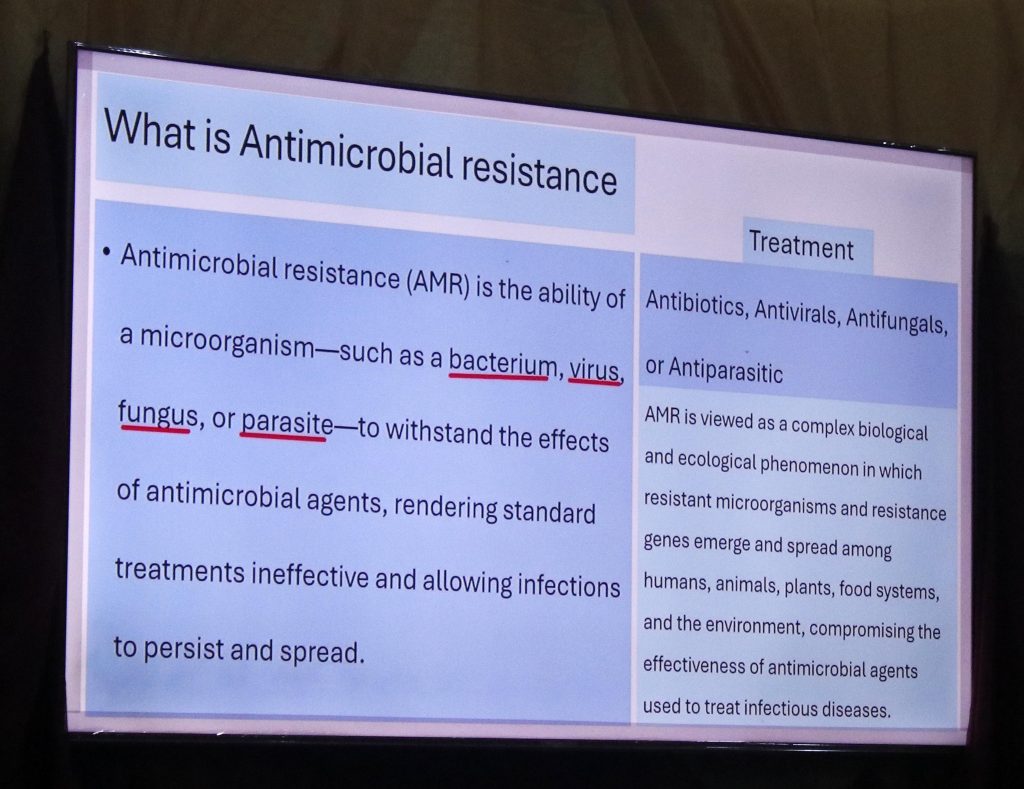
He explained that antimicrobial resistance occurs when microorganisms, including bacteria, viruses, fungi, and parasites, develop the ability to survive substances originally designed to eliminate or curtail them. Among these, he noted that bacteria account for the greatest burden of antimicrobial resistance globally.
Dr. Odumosu distinguished between natural (innate) resistance and acquired (transmissible) resistance, identifying the latter as the more dangerous challenge because bacteria can acquire resistance through genetic changes and readily transfer these traits to other bacteria.



“Antibiotic-resistant bacteria love to share,” he remarked, explaining that aquatic environments provide ideal conditions for resistant organisms to spread rapidly across ecosystems.
He further observed that antimicrobial resistance knows no geographical boundaries, especially within aquatic systems where resistant organisms and resistance genes can move freely across water bodies around the world.
Turning attention to Africa, Dr. Odumosu attributed the increasing reliance on antibiotics in aquaculture to weak regulatory oversight and poor biosecurity practices, including unregulated fish stocking, contaminated water sources, and inadequate feed management. These conditions, he explained, encourage disease outbreaks, prompting excessive antibiotic use that ultimately leads to fish mortality, reduced productivity, and the persistence of antimicrobial resistance.



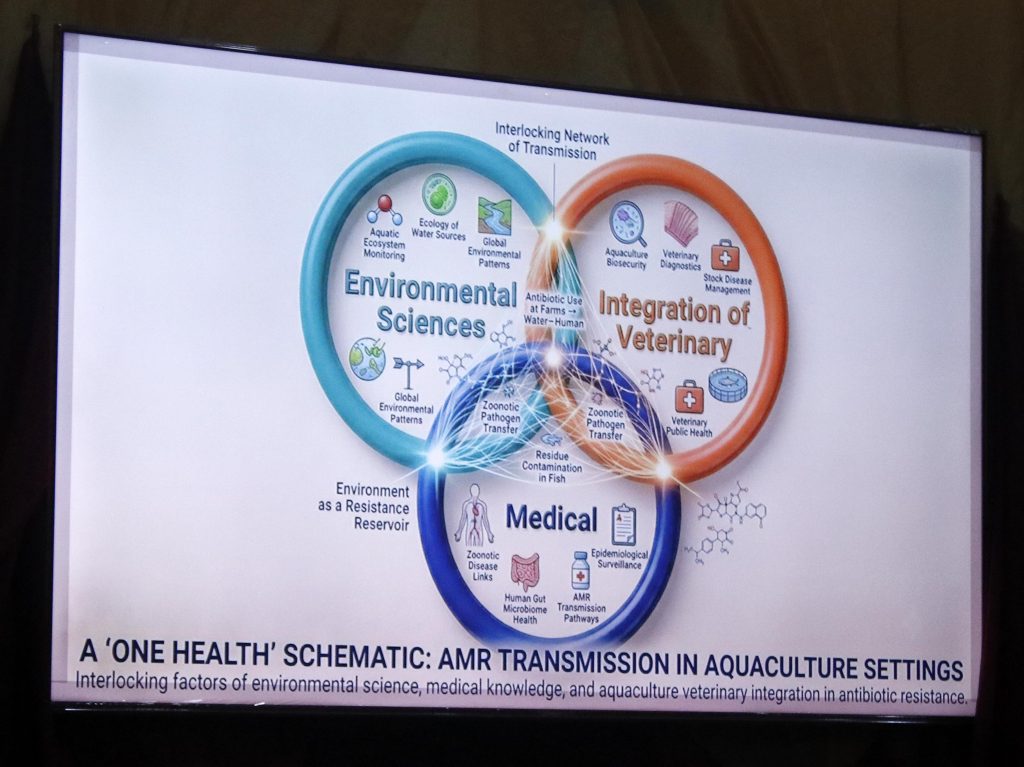
One Health Approach
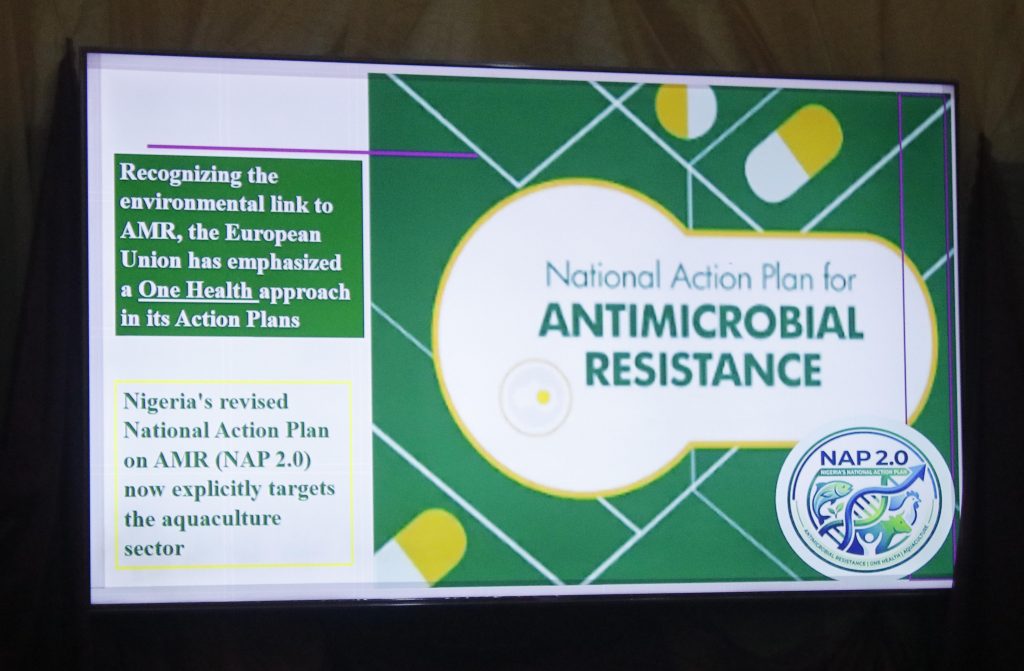
Central to his presentation was the One Health Approach, which he described as a collaborative, multidisciplinary framework that recognises the inseparable relationship between human, animal, and environmental health.
“Aquaculture sits at the intersection of all three,” he noted, stressing that tackling antimicrobial resistance requires experts from environmental, veterinary, medical, and related disciplines to work together rather than in isolation.
Emphasising the broader implications of environmental stewardship, Dr. Odumosu cautioned that the consequences of human actions inevitably return to affect society. “What we do as humans will come back to us,” he said, urging stakeholders to adopt more responsible and sustainable practices in managing aquatic environments and antibiotic use.


He concluded that greater collaboration across scientific disciplines remains essential to successfully implement the One Health Approach and safeguard the future of people, animals, and ecosystems. “The fusion of our disciplines will promote the effective implementation of the One Health Approach so that we can save the animals, save the environment, and ultimately save ourselves,” he said.
The presentation was followed by a lively and engaging question-and-answer session, during which participants exchanged ideas on antimicrobial stewardship, environmental sustainability, and practical strategies for combating antimicrobial resistance in Nigeria’s aquaculture sector.
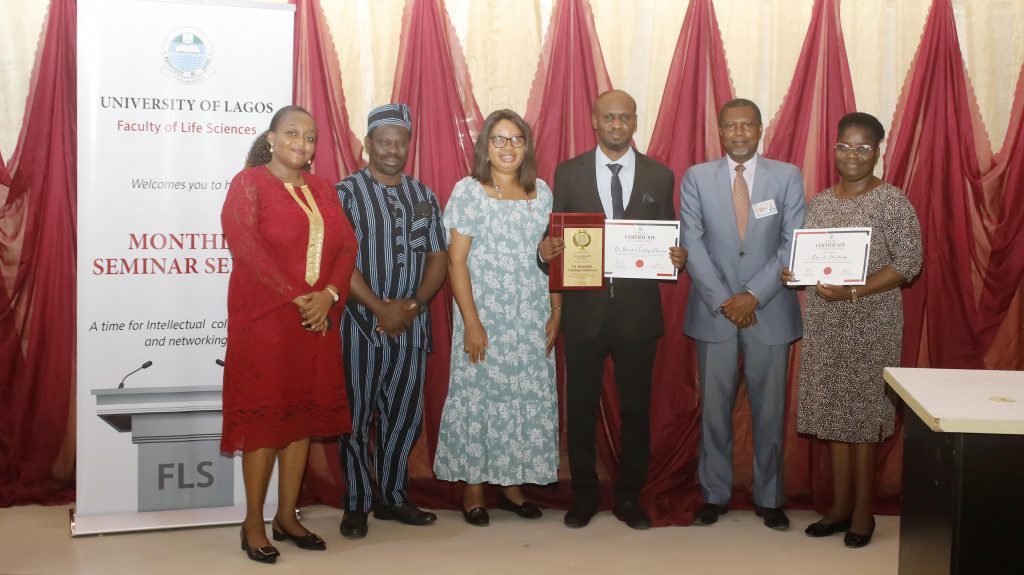
The seminar attracted an impressive turnout of staff and students from the Faculty of Life Sciences, reaffirming the Faculty’s commitment to fostering interdisciplinary dialogue and advancing research on issues of global health and sustainable development through its Monthly Seminar Series.


Report: Isaiah Kumuyi
Photographs: Islamiat Akanni