Nigeria’s energy challenge is not simply a question of how much energy the country possesses or produces. It is fundamentally a question of how those resources are governed.”
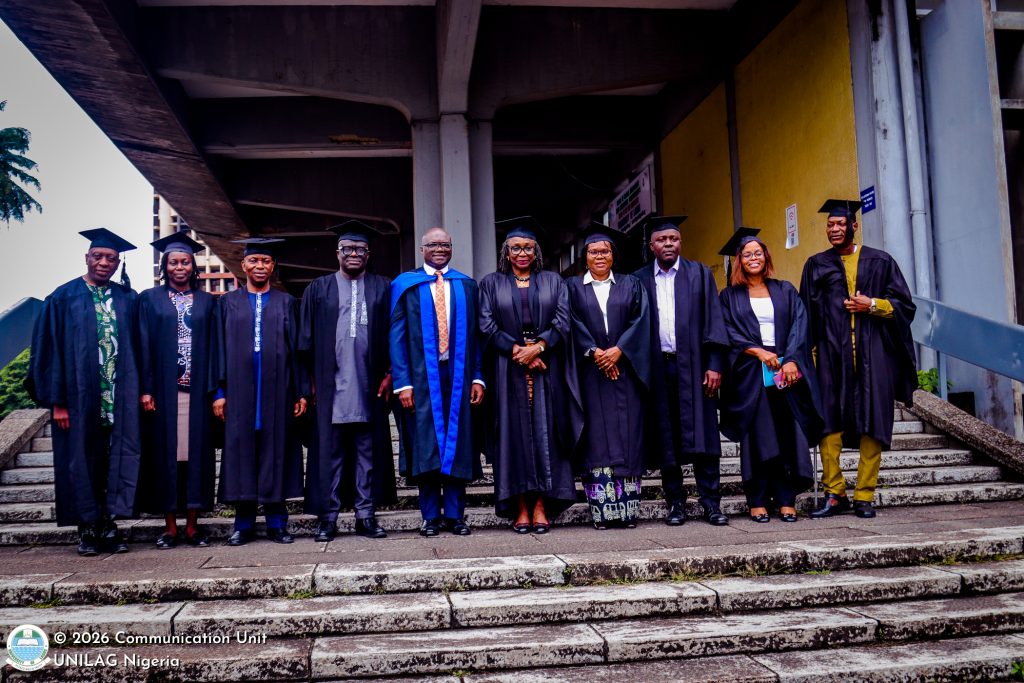
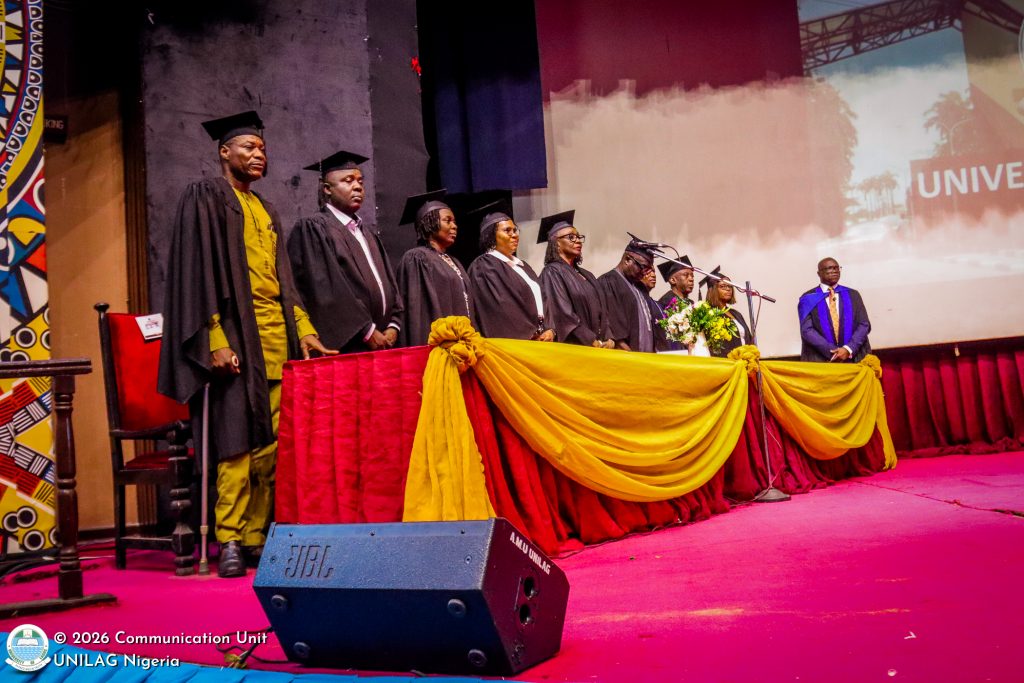
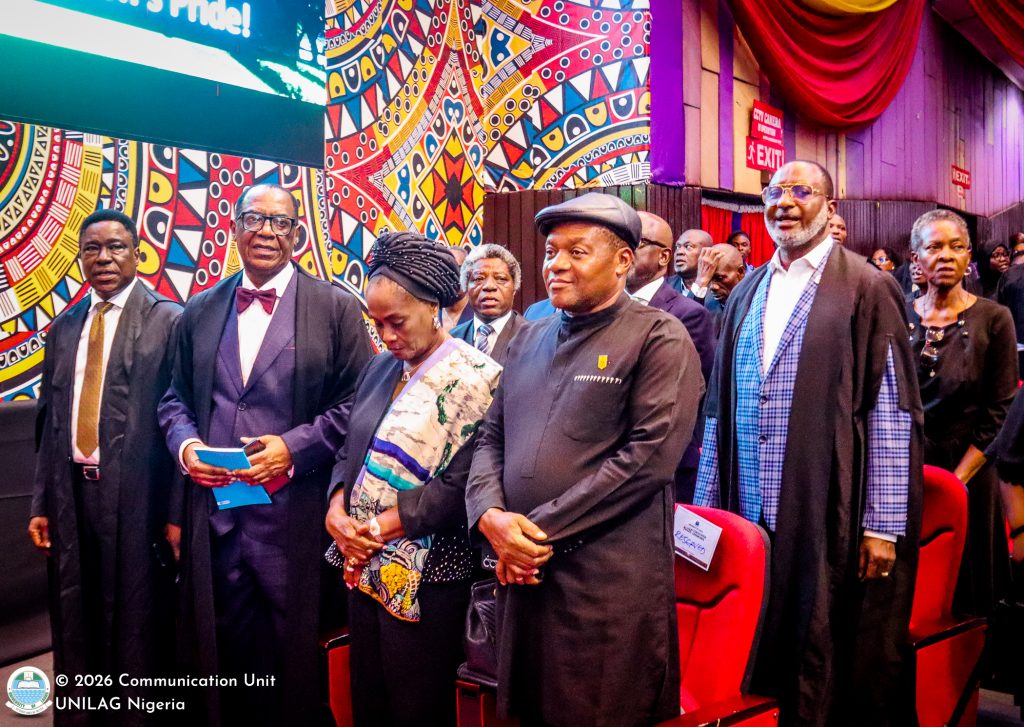
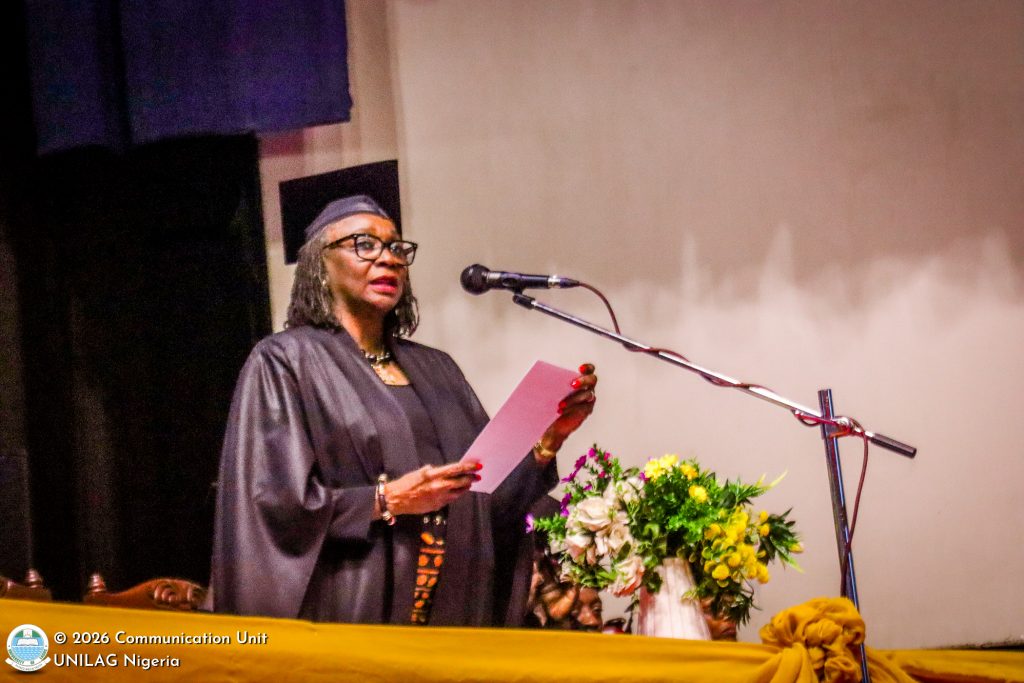
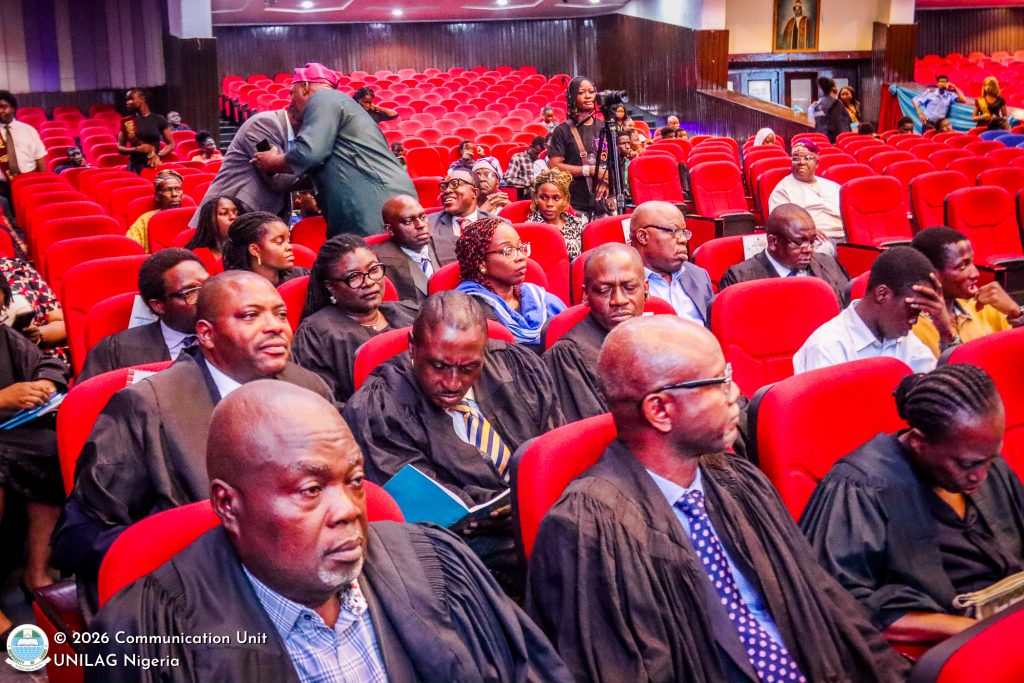
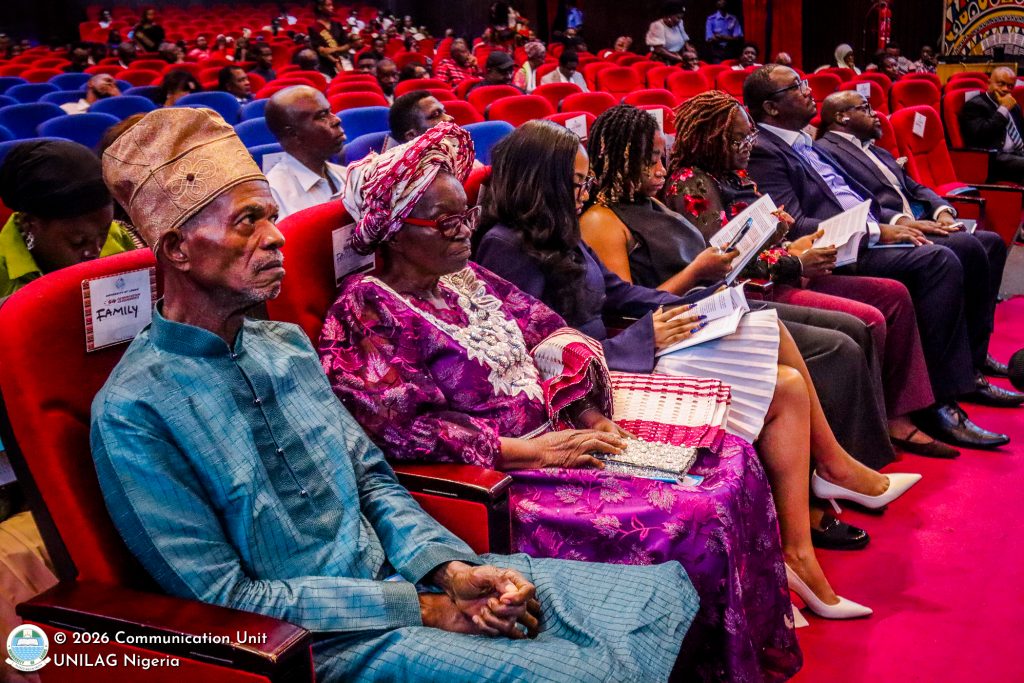
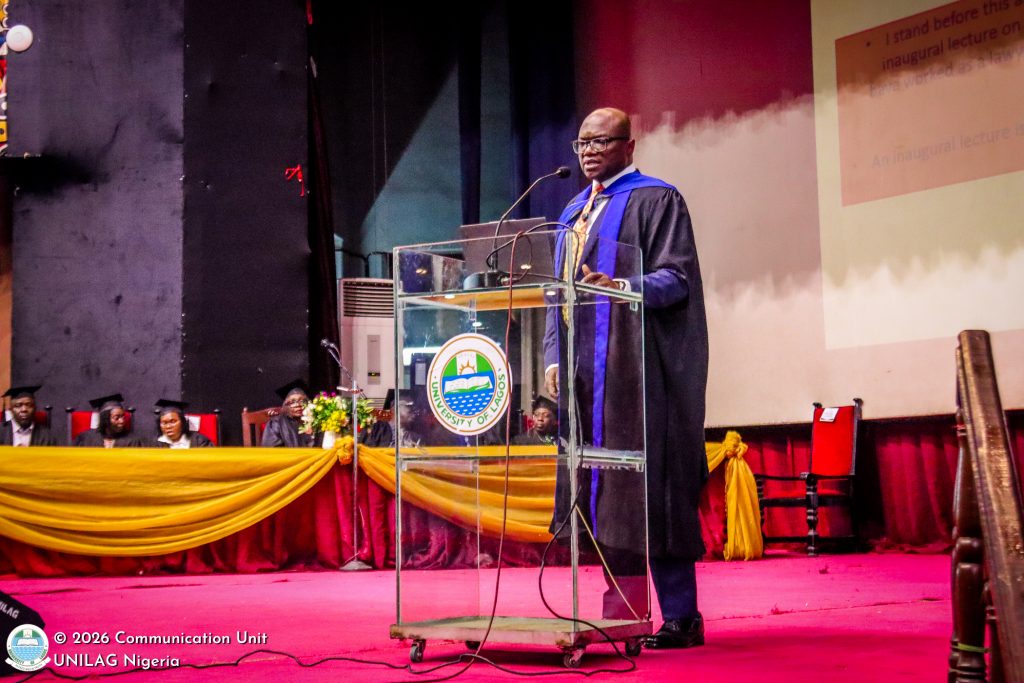
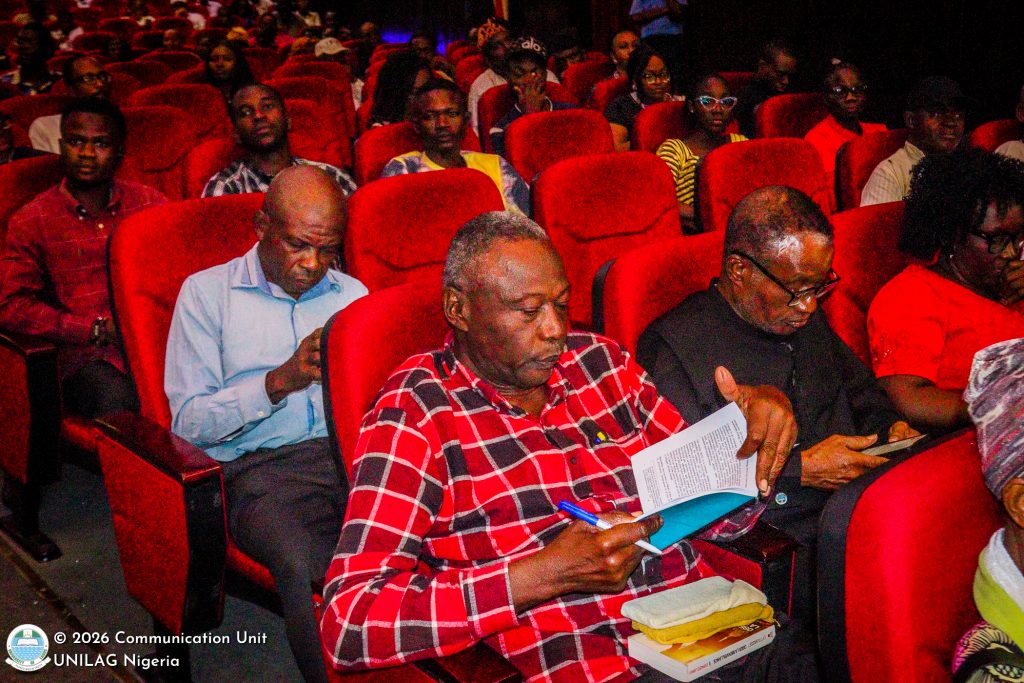
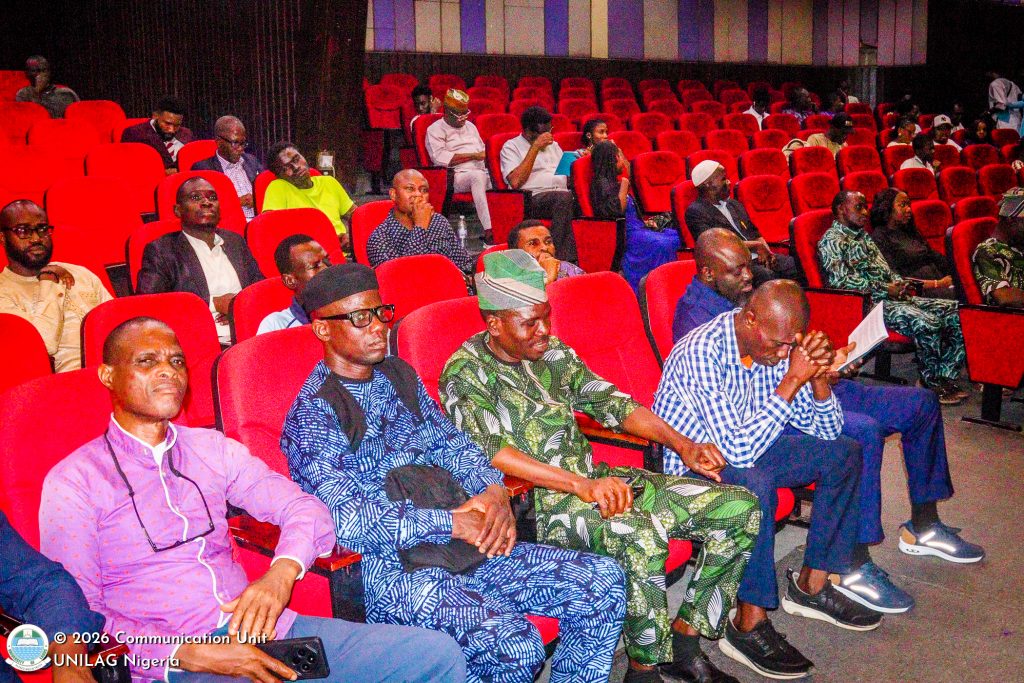
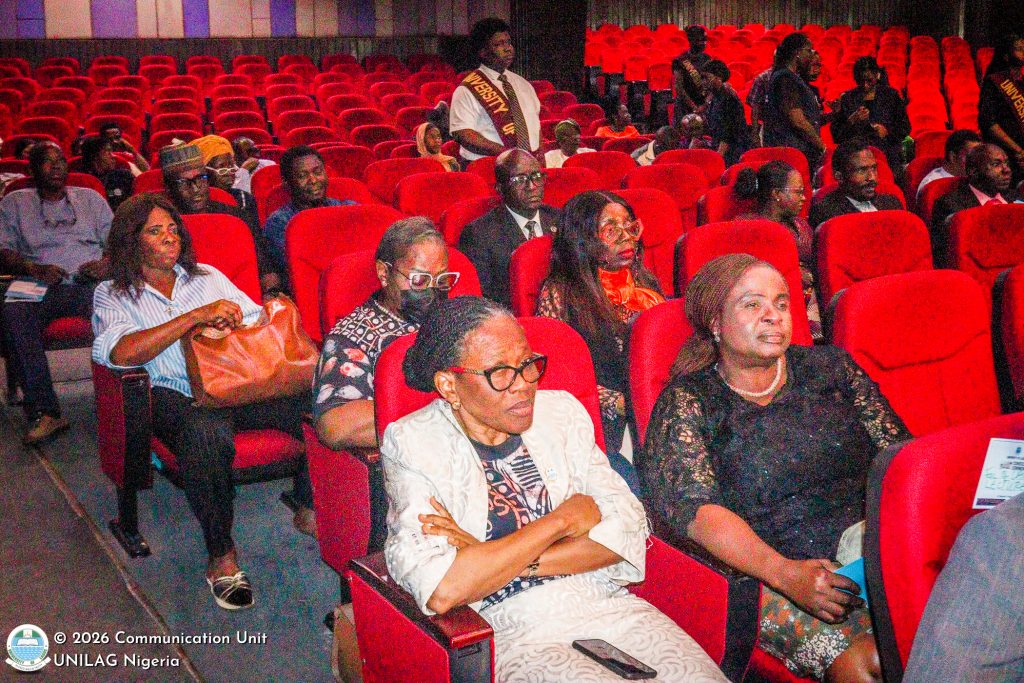
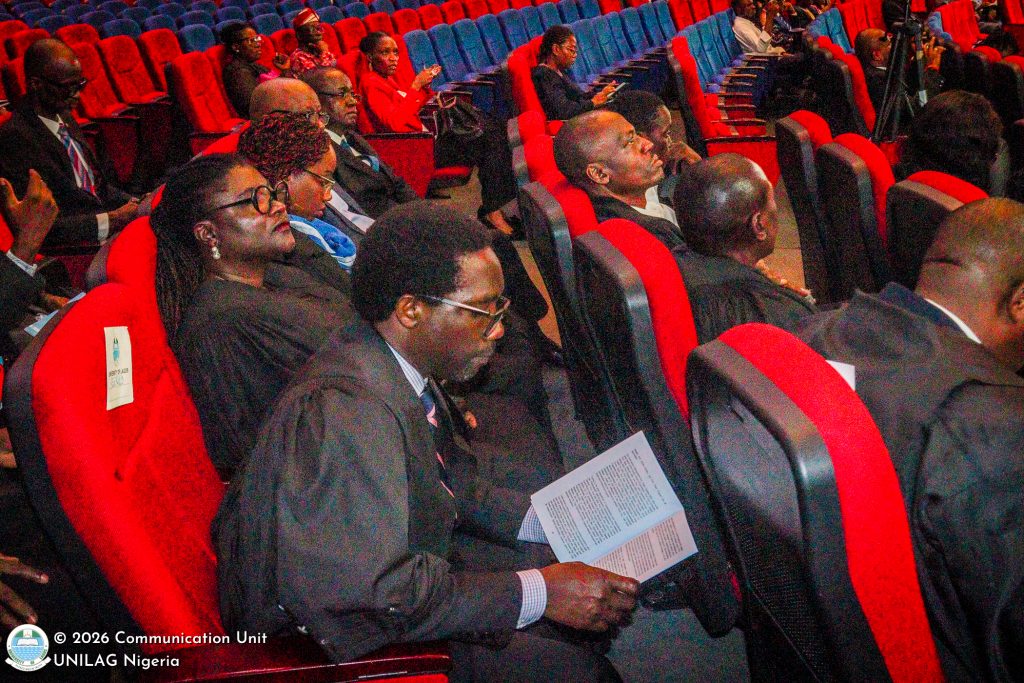
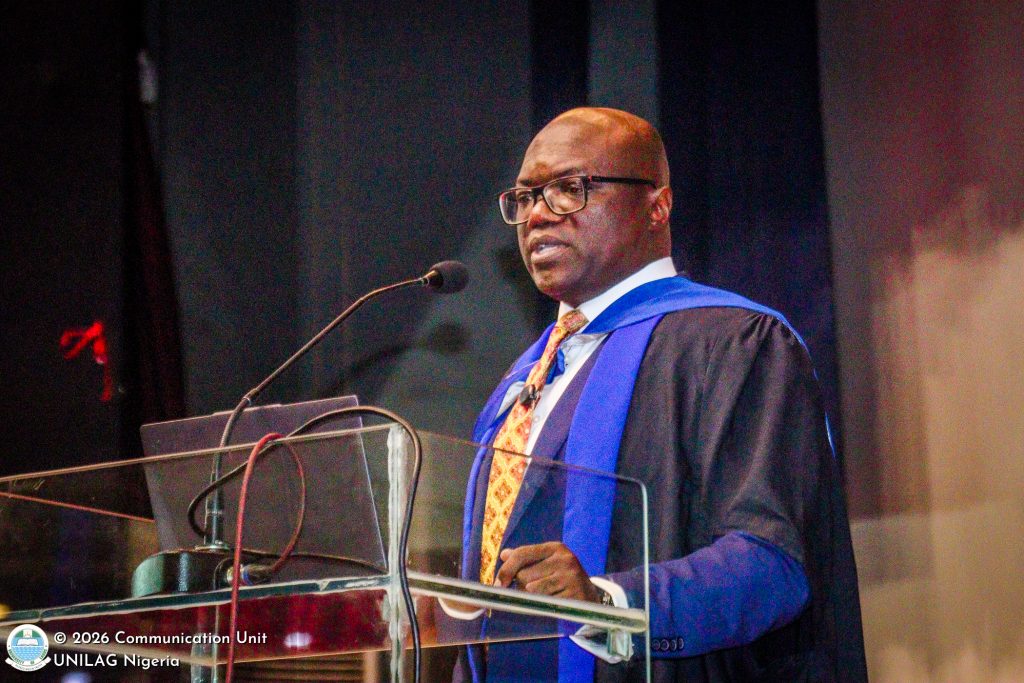
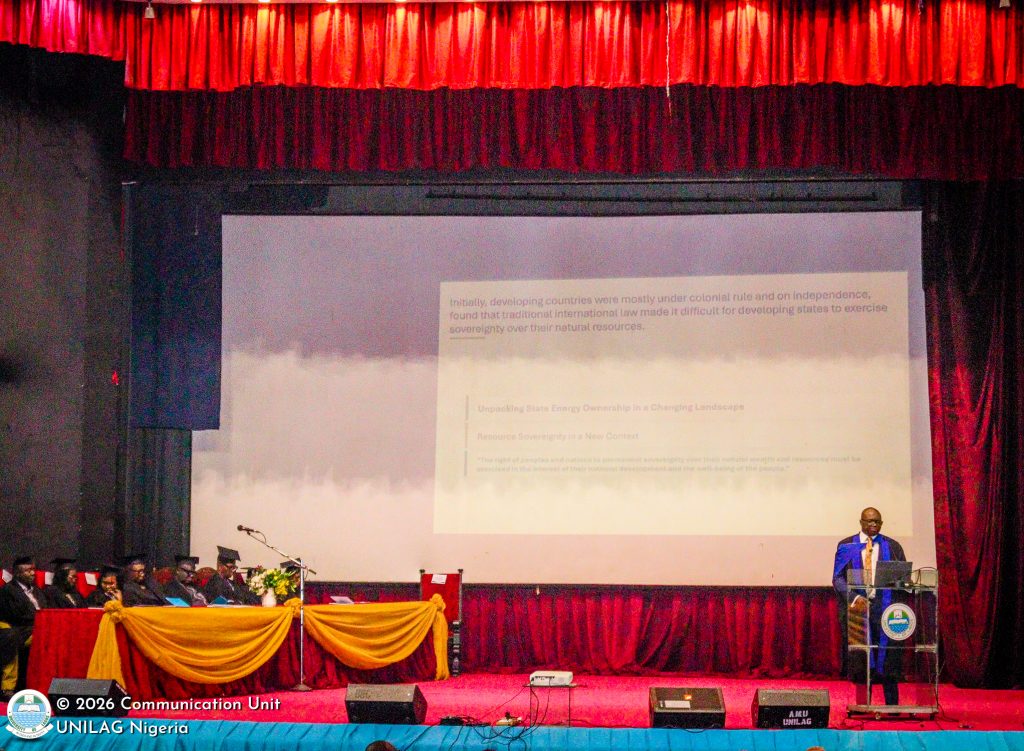
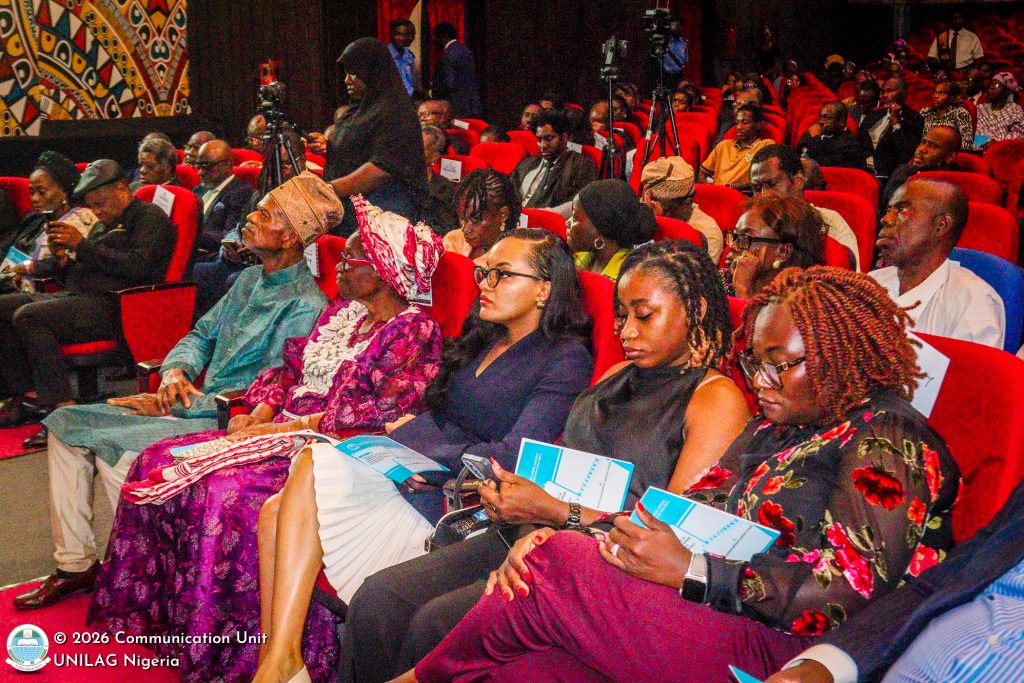
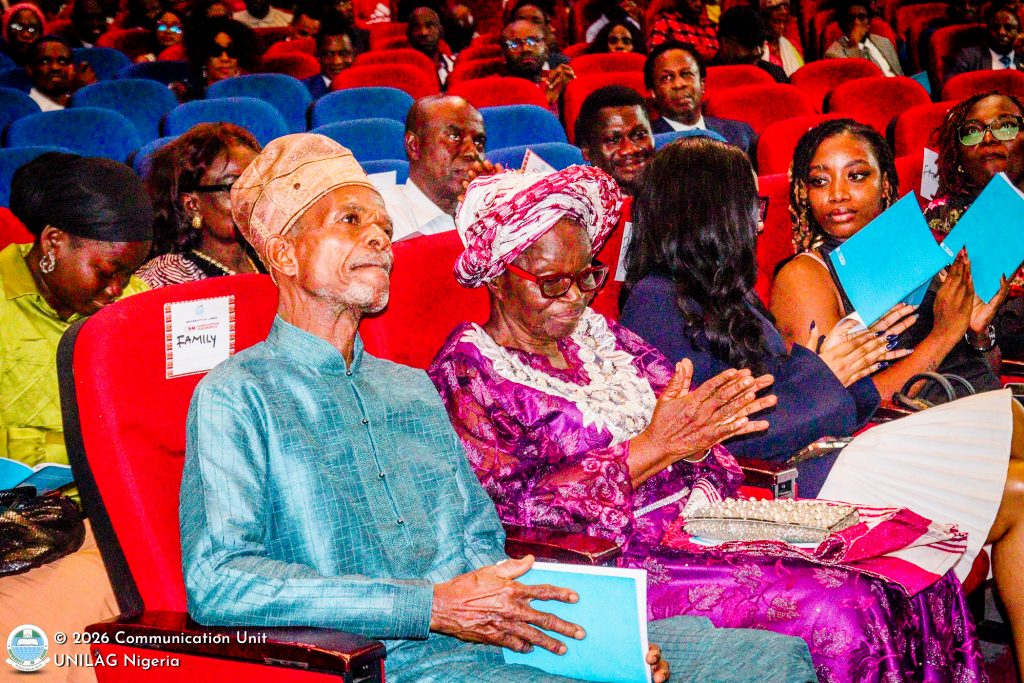
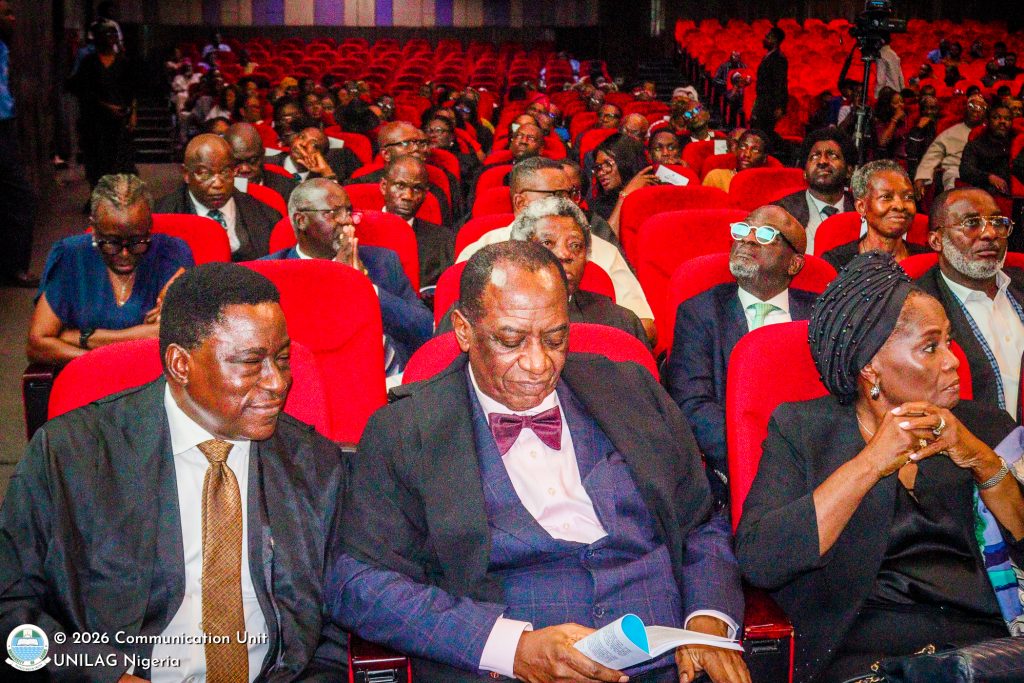
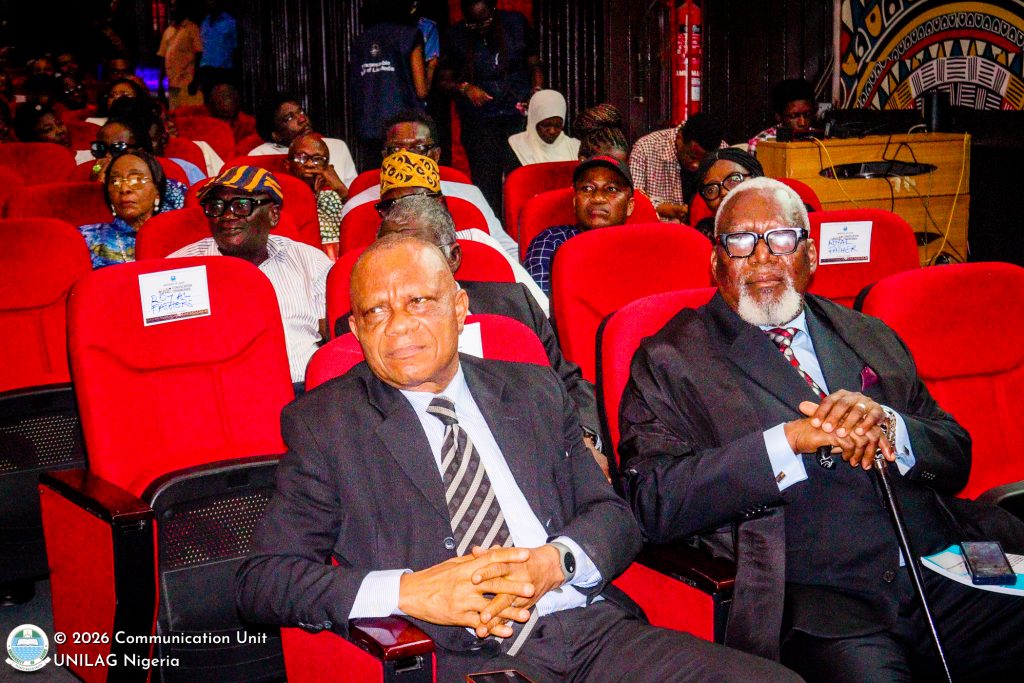
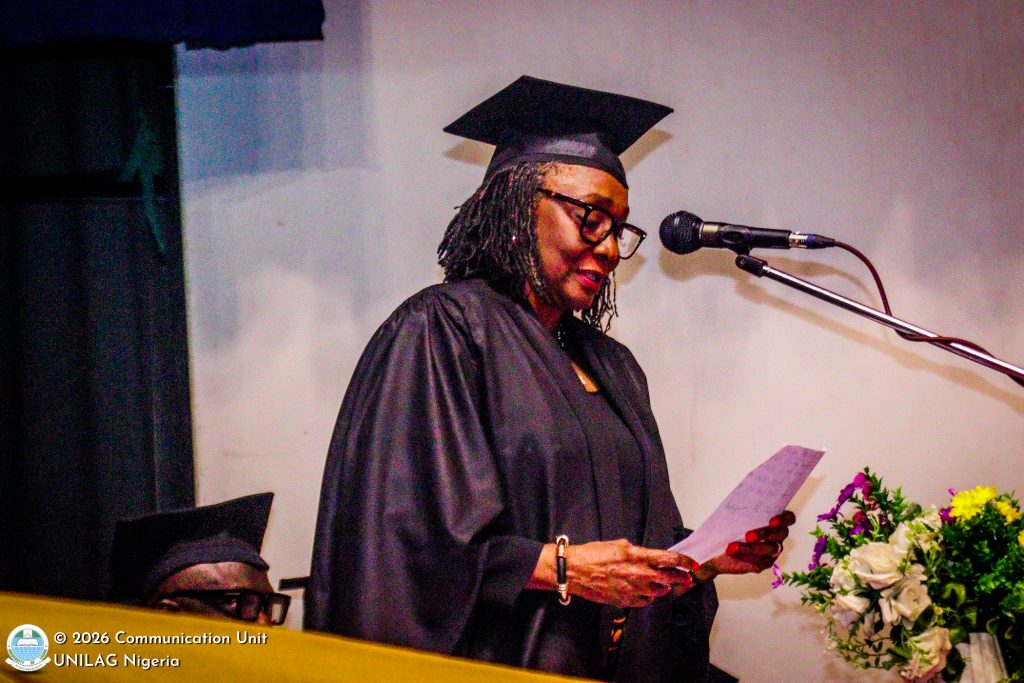
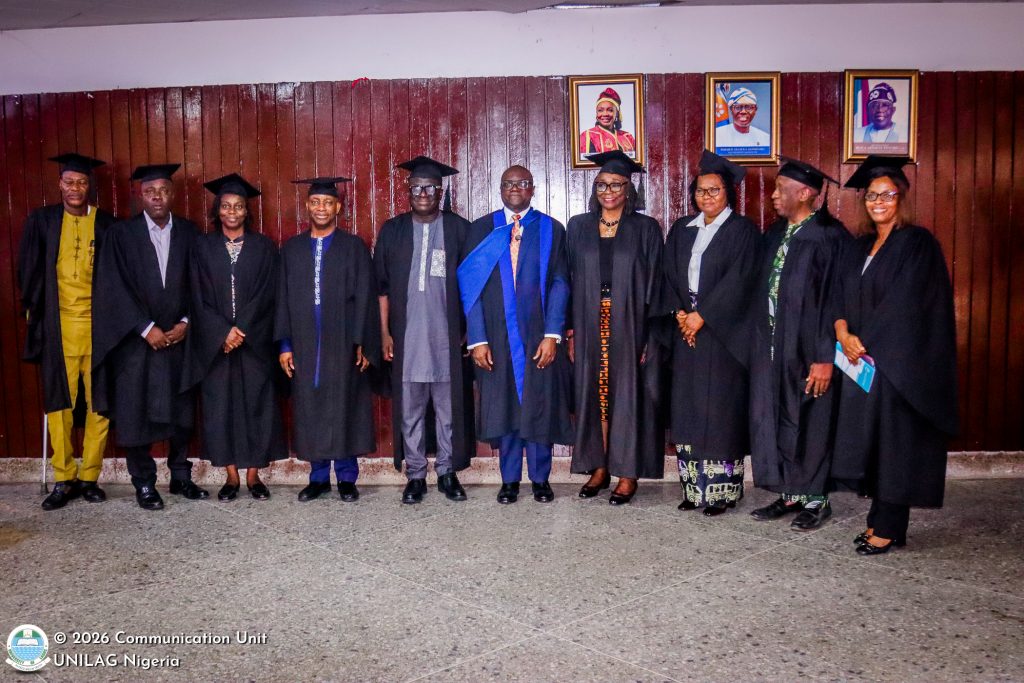
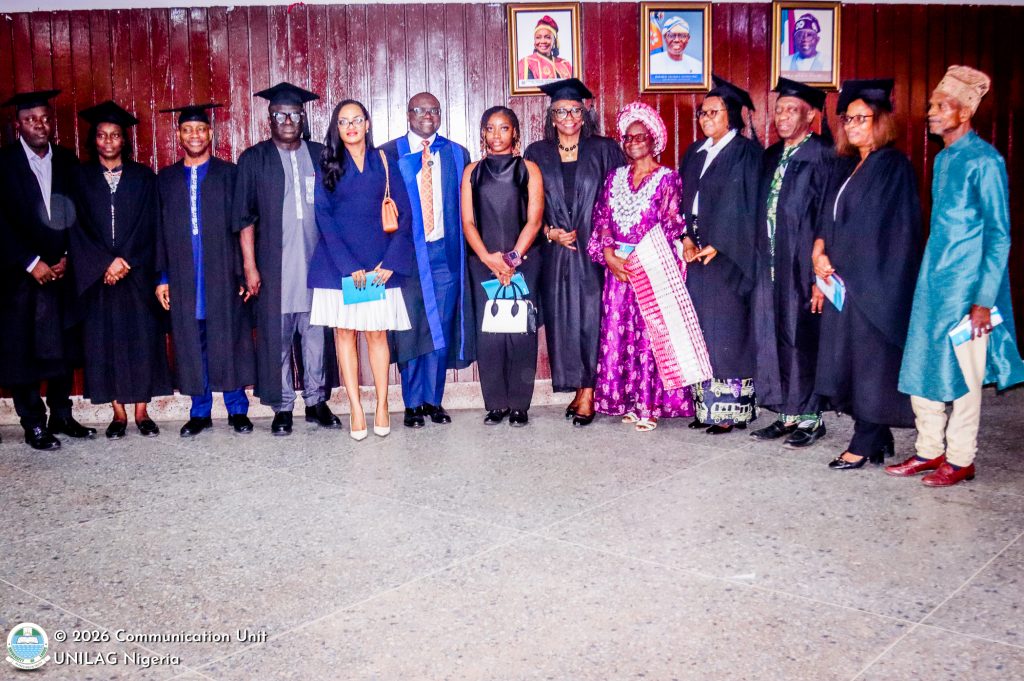
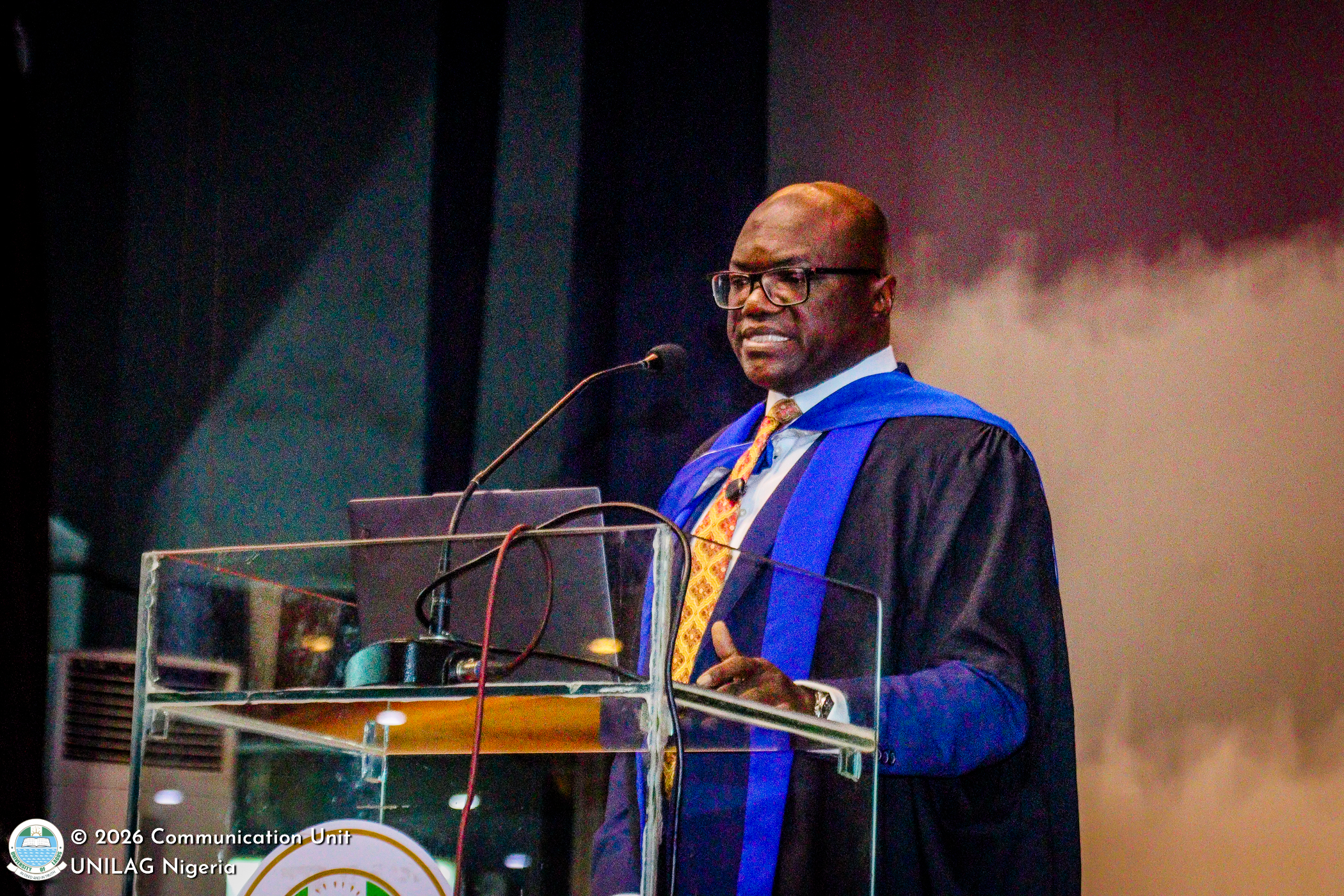
This was the central argument of Professor Morakinyo Adedayo Ayoade as he delivered the four hundred and sixty-eighth (468th) Inaugural Lecture at the University of Lagos (UNILAG), on Wednesday, October 7, 2026, titled, “Through the Lens of Tomorrow: Rethinking Nigeria’s Path to Sustainable Energy Governance.” The Lecture was held at the J.F. Ade. Ajayi Auditorium, UNILAG.
Drawing on more than three decades of research and professional engagement in energy law, policy and governance, Professor Ayoade examined the paradox of a country endowed with abundant crude oil, natural gas and renewable energy resources yet continues to grapple with energy poverty, unreliable electricity and recurring challenges involving host communities.
He described this contradiction as a manifestation of the “resource curse”, in which abundant natural resources fail to translate into corresponding economic and social development.
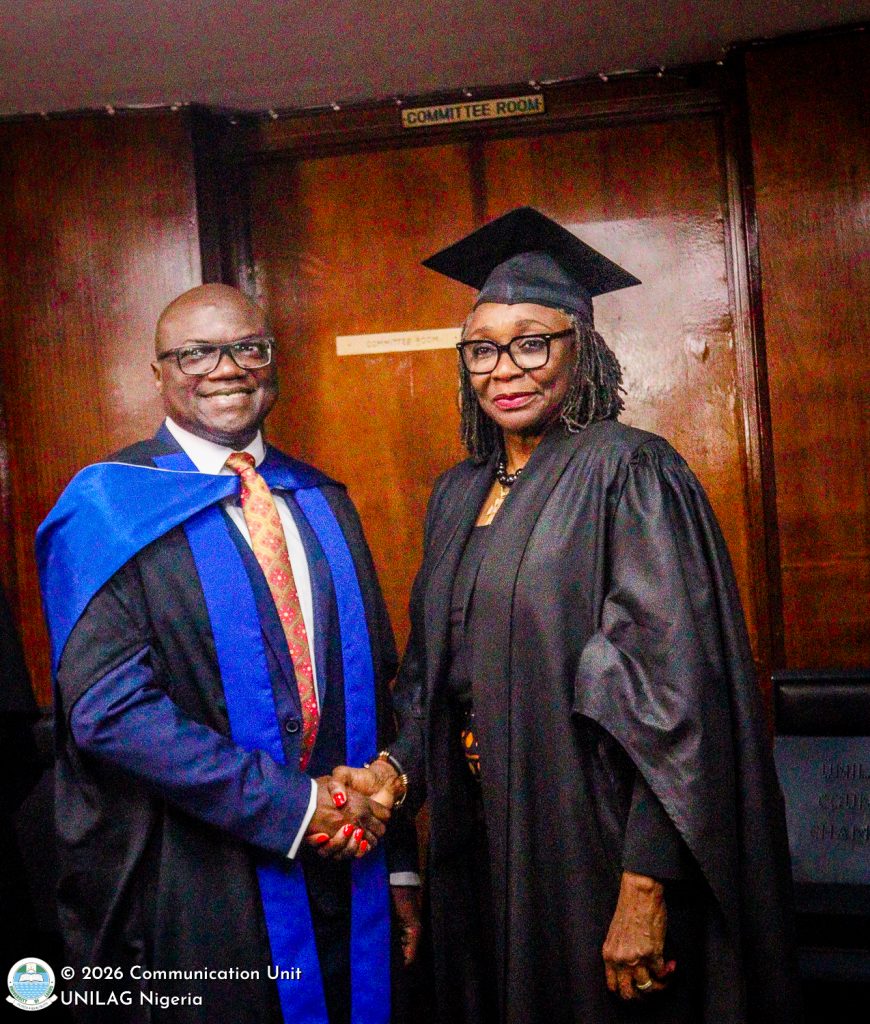
At the heart of the lecture was governance.
Professor Ayoade explained that energy governance determines how energy is produced, regulated and consumed, and ultimately whether a country is able to translate its energy resources into sustainable development. In Nigeria, he argued, weaknesses in governance have contributed to institutional failure, poor regulatory enforcement, energy insecurity, environmental challenges and lost economic opportunities.
The challenge, he noted, is becoming more urgent as the global energy transition gathers pace. As countries increasingly move towards lower-carbon energy sources, Nigeria faces the twink risk of leaving significant fossil fuel resources unmonetised while failing to build a sufficiently reliable renewable energy and electricity system.
For Professor Ayoade, the way forward is to move from fragmented energy governance towards an integrated model of sustainable energy governance.
He challenged the conventional approach of regulating petroleum, natural gas, renewable energy and electricity in separate silos, arguing that the energy value chain is interconnected and should therefore be governed as an integrated system.
He also drew attention to the gap that can emerge between what legislation provides and what happens in practice, particularly where political interests, weak institutional culture, and inadequate accountability undermine regulatory independence and effectiveness.
The lecture proposed a governance architecture aimed at move Nigeria from reform on paper to measurable outcomes.
Among other recommendations, Professor Ayoade called for the adoption of sustainable energy governance principles at international, regional, and national levels; constitutional reform; the domestication of Free, Prior and Informed Consent (FPIC) for host communities; greater integration of energy and climate institutions; stronger regulatory oversight; transparent and merit-based appointments to energy institutions; and effective sanctions for officials who disregard governance obligations.
He also proposed the use of artificial intelligence to monitor compliance with energy laws, regulations, licences and contracts, alongside stronger anti-corruption and integrity safeguards across the sector.
For Professor Ayoade, however, the objective goes beyond institutional restructuring.
Successful energy reform, he argued, should ultimately be measured by whether Nigerians have access to reliable, affordable, and sustainable energy; whether communities benefit meaningfully from energy development; and whether Nigeria can navigate the global energy transition while protecting its long-term development interests.
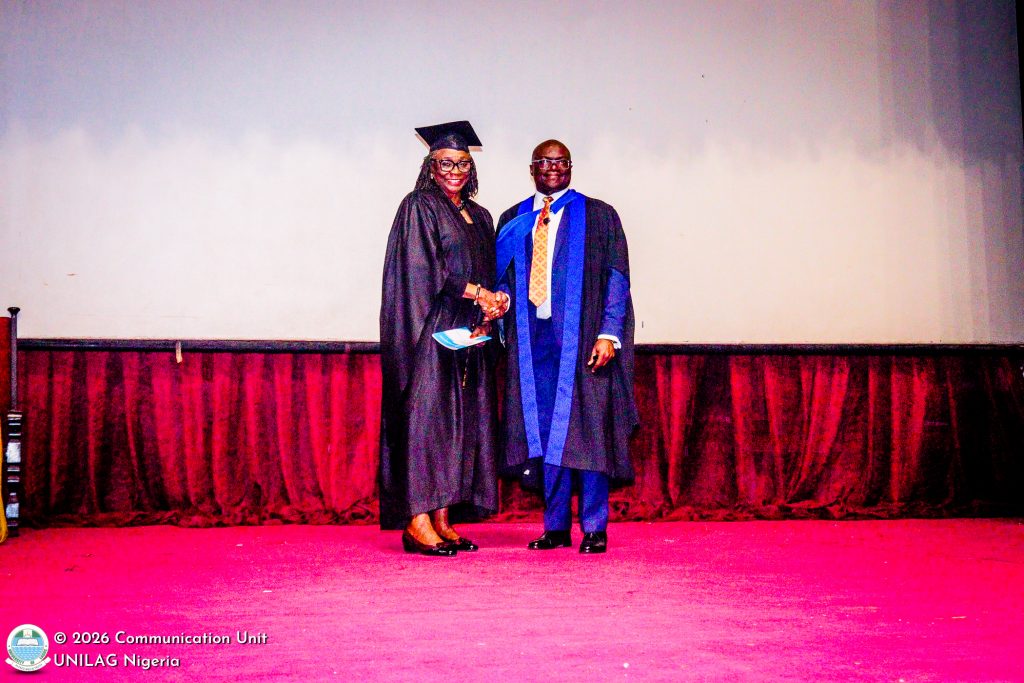
A Career Shaped by Energy Law and Governance
The lecture also reflected the breadth of Professor Ayoade’s contribution to energy scholarship and practice.
A Professor of Energy Transitions, Extractives and Governance Law in the Department of Jurisprudence and International Law, Faculty oft Law, University of Lagos, Professor Ayoade has spent more than two decades teaching and researching at the University, following earlier academic and professional experience in Nigeria and the United Kingdom.
His work has contributed to the development of energy and natural resources law through teaching, research, curriculum development, postgraduate supervision, and professional training. He has also participated in national and international policy engagements involving energy companies, government institutions, development partners, regulatory bodies and professional organisations.
Among his academic contributions is Disused Offshore Installations and Pipelines: Towards “Sustainable Decommissioning”, published by Kluwer Law International in 2002. The work anticipated important sustainability concerns surrounding the decommissioning of energy infrastructure. His more recent scholarship continues to examine the intersection of energy, climate change, governance, regulation, and development.
At the University of Lagos, Professor Ayoade has served in several academic and administrative capacities and currently heads the Department of Jurisprudence and International Law.
He is also an Adjunct Professor and Founder Faculty Member of the Centre for Petroleum, Energy Economics and Law (CPEEL) at the University of Ibadan, and an Honorary Professor at the Centre for Energy, Petroleum and Mineral Law and Policy (CEPMLP), University of Dundee, United Kingdom.
His wider professional engagements have included work on petroleum sector reform, illicit financial flows and natural resources, infrastructure financing, counter-terrorism education, energy regulation and legislative reform.
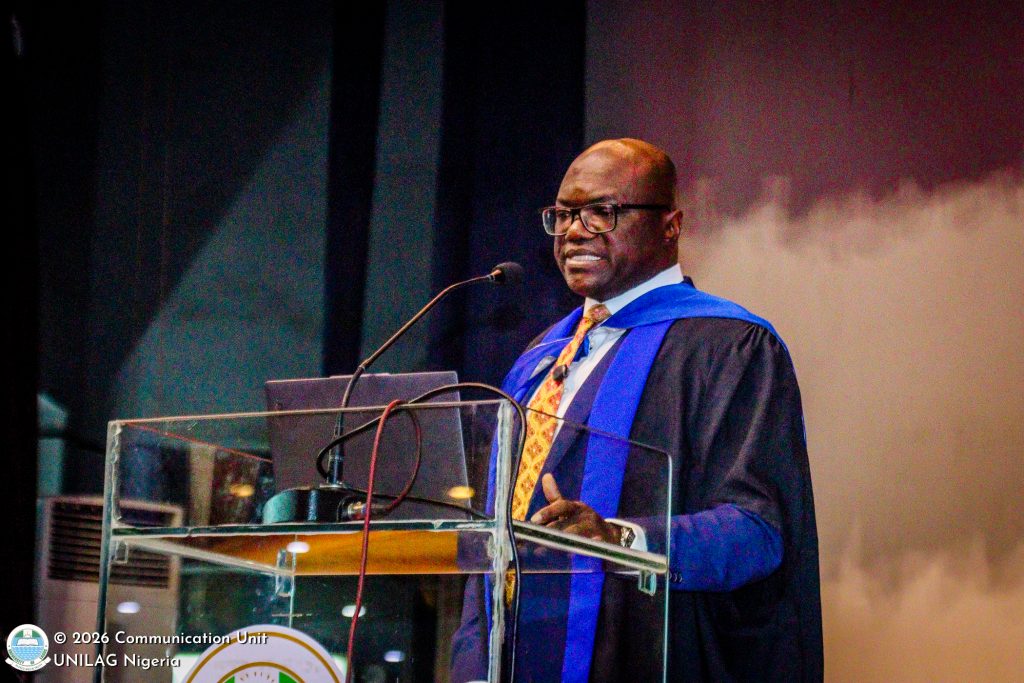
From Energy Resources to Energy Governance
Through his Inaugural Lecture, Professor Ayoade brings these decades of scholarship and professional experience into one central proposition: Nigeria does not necessarily need more energy laws, policies, and institutions; it needs the institutions, accountability and political commitment required to make existing and future frameworks work.
The path to sustainable energy governance, he argues, will require Nigeria to look beyond the energy resources beneath its soil and focus equally on the quality, independence, and accountability of the institutions responsible for managing them.
The challenge is substantial. So is the opportunity. As Professor Ayoade succinctly puts it: “If energy governance is fixed… we fix Nigeria.”
About Professor Morakinyo Adedayo Ayoade
Professor Morakinyo Adedayo Ayoade is a Professor of Energy Transitions, Extractives and Governance Law and Head, Department of Jurisprudence and International Law, Faculty of Law, University of Lagos.
He holds degrees in law, maritime affairs, oil and gas resources, as well as a Ph.D. in Energy Law and Economics from the University of Dundee. He was appointed Professor in 2019 and has taught, researched, and undertaken professional and policy work across energy, natural resources, governance, environmental and international law for more than three decades.
Author: Nike Ogunshakin
Photographer: Joshua Michael
Article Editor: Adejoke Alaga-Ibraheem