What if the answer to Africa’s healthcare challenges lies not in a single laboratory, policy, or institution, but in breaking down the walls that separate them?
That was the compelling message that echoed throughout the 5th Virtual Scientific Conference of the Faculty of Pharmacy, University of Lagos (UNILAG).
Themed “Pharmacy Without Boundaries: Advancing Sustainable Pharmaceutical Ecosystems,” the conference was held from Tuesday, September 15, to Wednesday, September 16, 2026. It brought together leading scientists, healthcare professionals, policymakers, industry stakeholders, and students to explore a bold vision for the future: a pharmaceutical ecosystem in which research, innovation, education, regulation, and patient care work seamlessly together to improve lives.
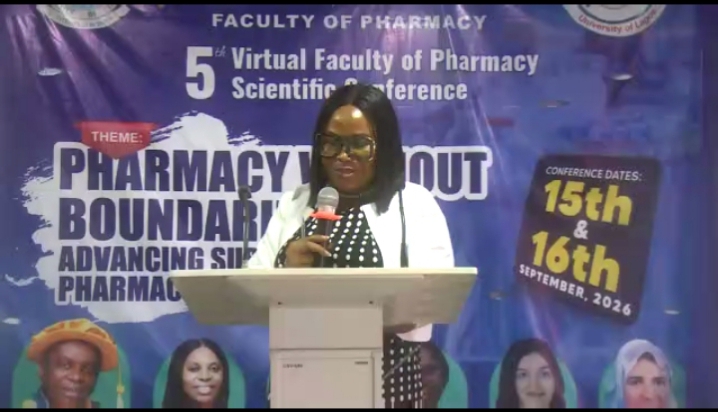
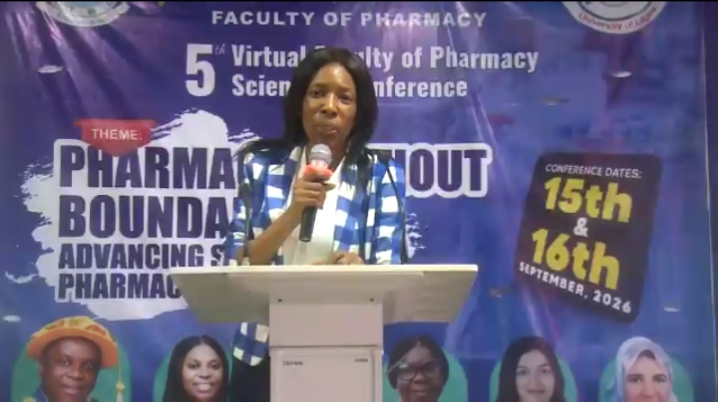
The Real Boundary Is Not Geography
While the conference title might suggest crossing national borders, a deeper message emerged. The greatest barriers to sustainable healthcare are often the invisible walls between disciplines, sectors, and systems.
Whether it is the gap between university research and industry, traditional medicine and modern science, clinical pharmacists and other healthcare professionals, or local innovation and commercialisation, these silos continue to slow progress across the continent.
Representing the Vice-Chancellor, the Provost of the College of Medicine, UNILAG (CMUL), Prof. Ademola Oremosu, emphasised the University’s commitment to innovation and collaboration, stressing that pharmaceutical sustainability is critical to national development. Participants were encouraged to move beyond academic discussions and focus on solutions that can make a tangible difference in patients’ lives.
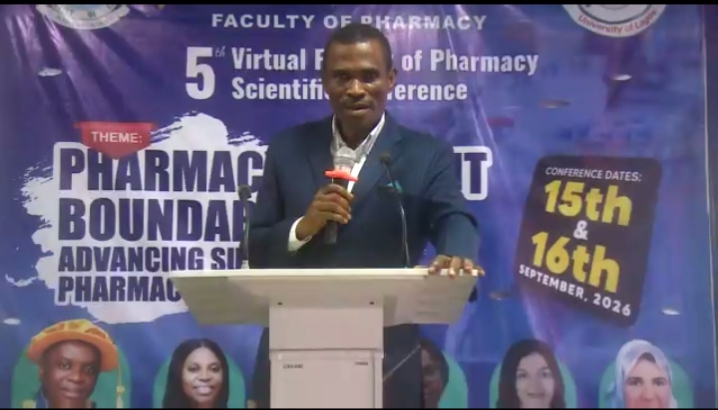
Similarly, the Dean of the Faculty of Pharmacy, Prof. Sunday Adesegun, challenged participants to sustain the spirit of “Pharmacy Without Boundaries,” warning that working in isolation comes at a high cost. He reminded attendees that every innovation, policy, and partnership must ultimately be measured by its impact on patient access, affordability, and quality of care.
The Chairman of the Conference Planning Committee, Prof. C. P. Azubuike, underscored the University’s academic responsibility in shaping pharmaceutical education and research. He noted that students and young researchers must be included as co-creators in building sustainable ecosystems. He also advocated curriculum reforms aligned with future workforce needs to prepare graduates for increasingly multidisciplinary challenges.
Building a Sustainable Pharmaceutical Ecosystem
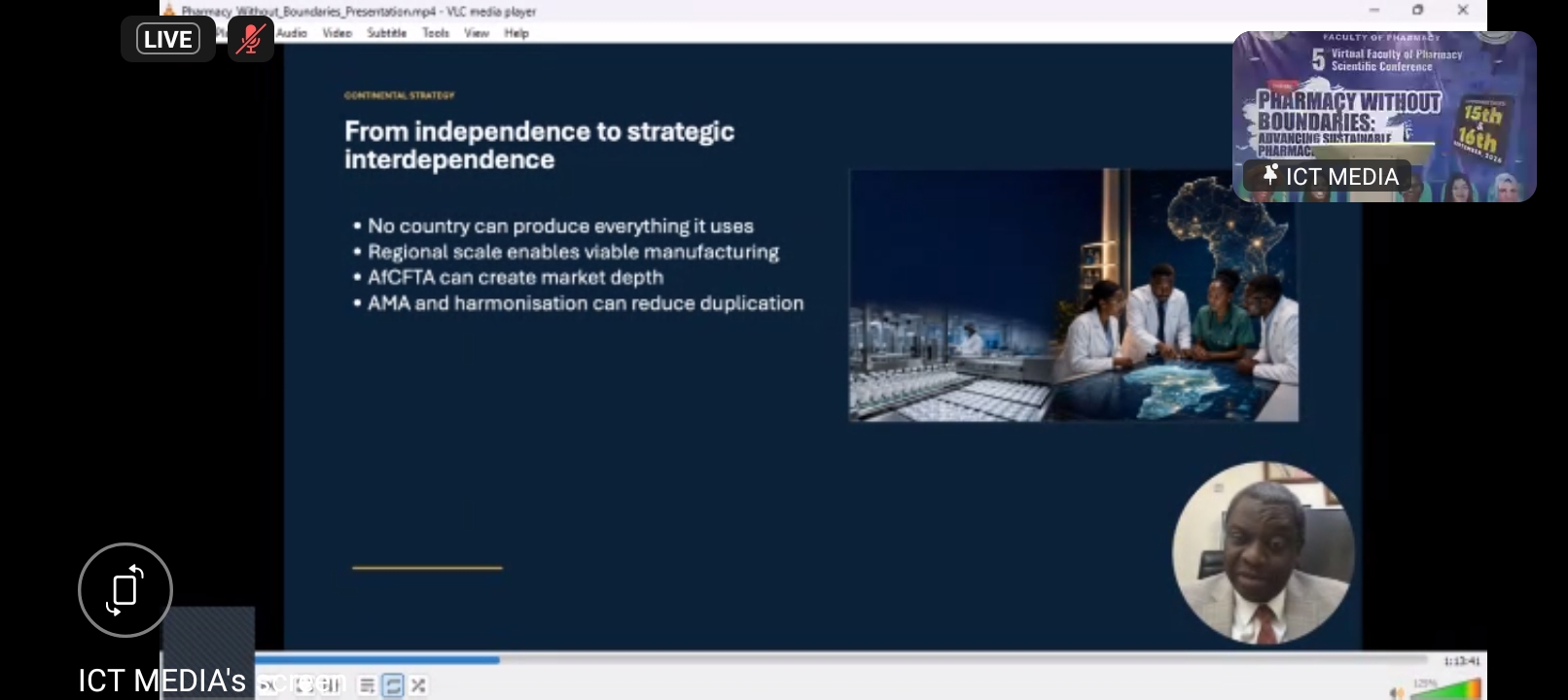
Delivering the keynote address, the former Vice-Chancellor of Nnamdi Azikiwe University, Awka (UNIZIK), Prof. Charles Esimone, offered a roadmap for transforming Africa’s pharmaceutical sector.He observed that Africa still imports between 70 and 85 per cent of its pharmaceutical needs, leaving the continent vulnerable to supply-chain disruptions, price fluctuations, and limited access to essential medicines. Yet, he argued, dependence is not destiny.
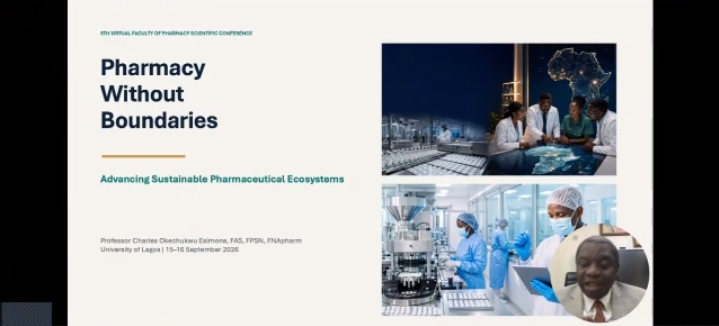
His vision rested on seven pillars: manufacturing medicines based on health needs; strengthening quality assurance; translating university research into market-ready products; developing a multidisciplinary workforce; building resilient supply chains; improving financing and access; and integrating pharmacy practice across sectors.
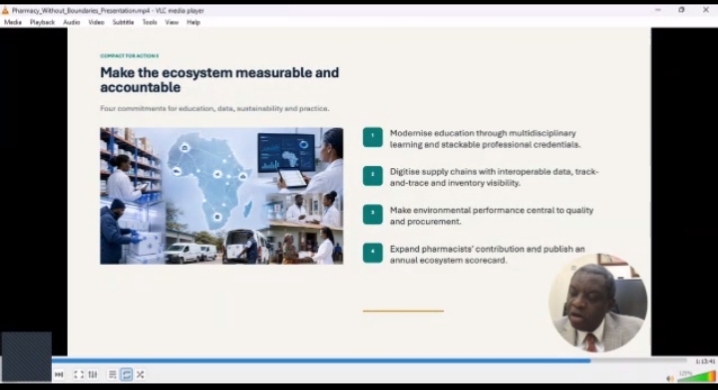
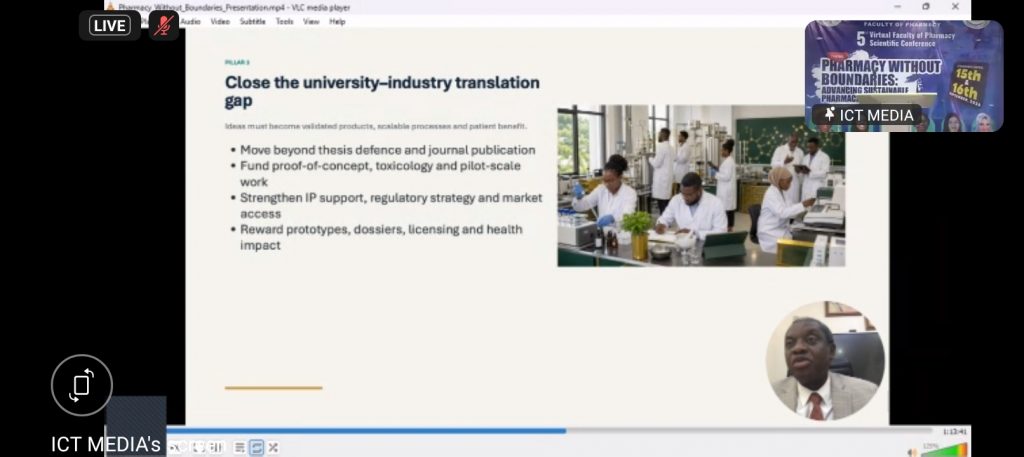
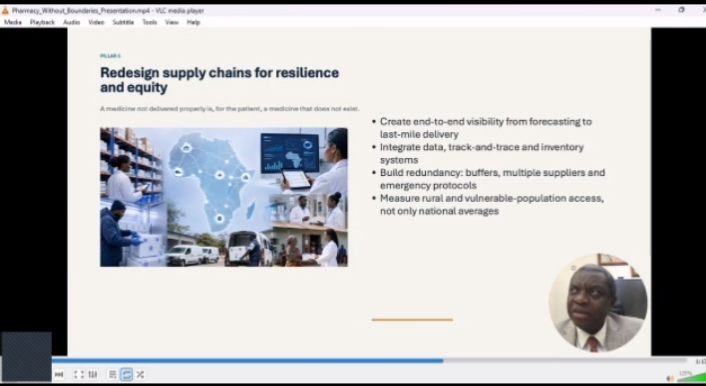
Rather than pursuing local manufacturing at all costs, he advocated strategic cooperation that balances self-reliance with regional and global partnerships.
His message was clear: sustainable pharmaceutical ecosystems must be patient-centred, innovation-driven, and resilient enough to withstand future challenges.
Innovation from the Laboratory to the Community
The plenary sessions demonstrated that innovation can emerge from many sources.
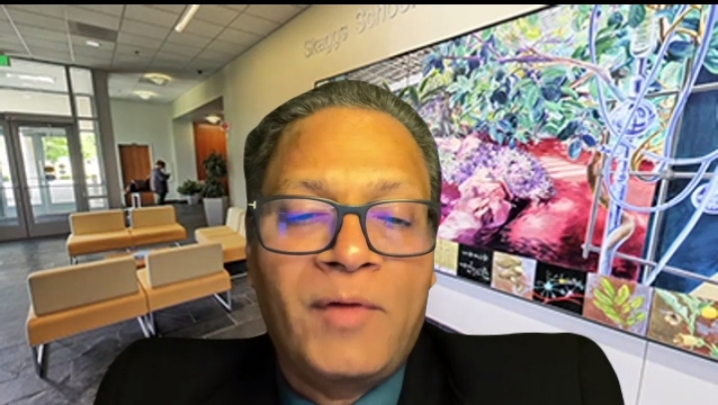
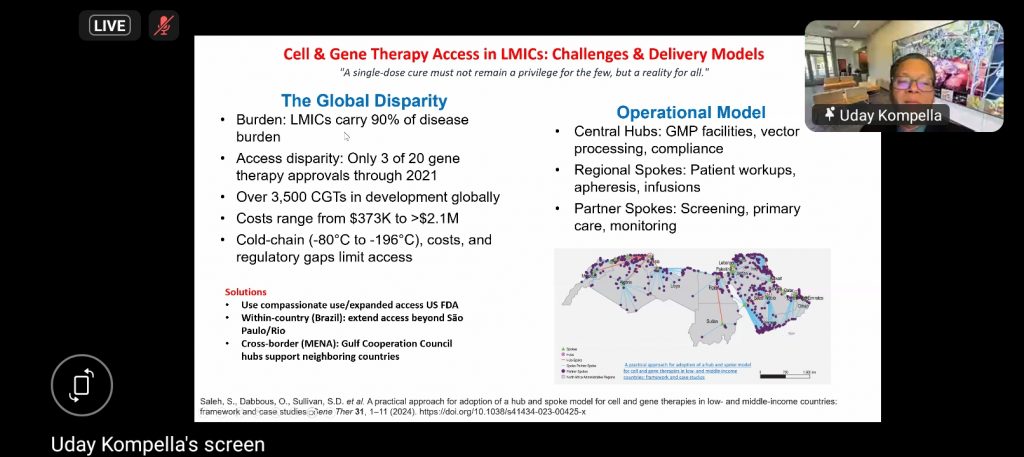
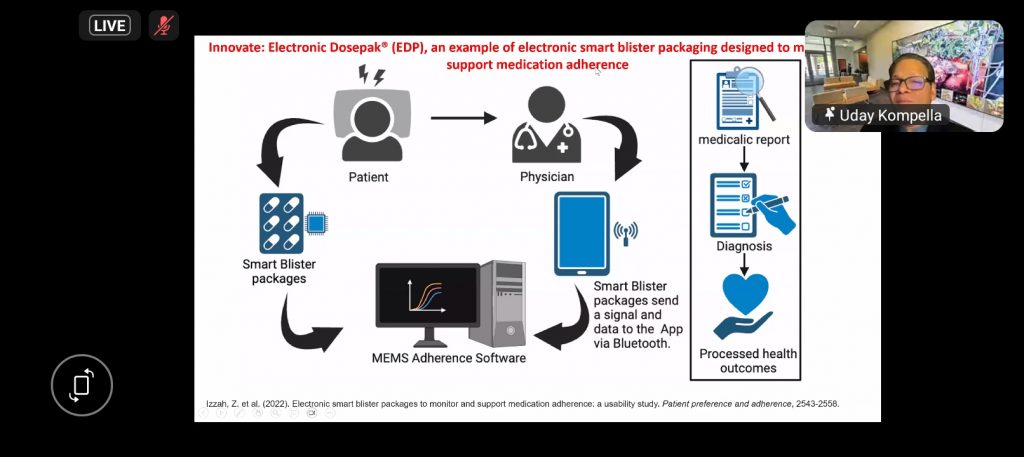
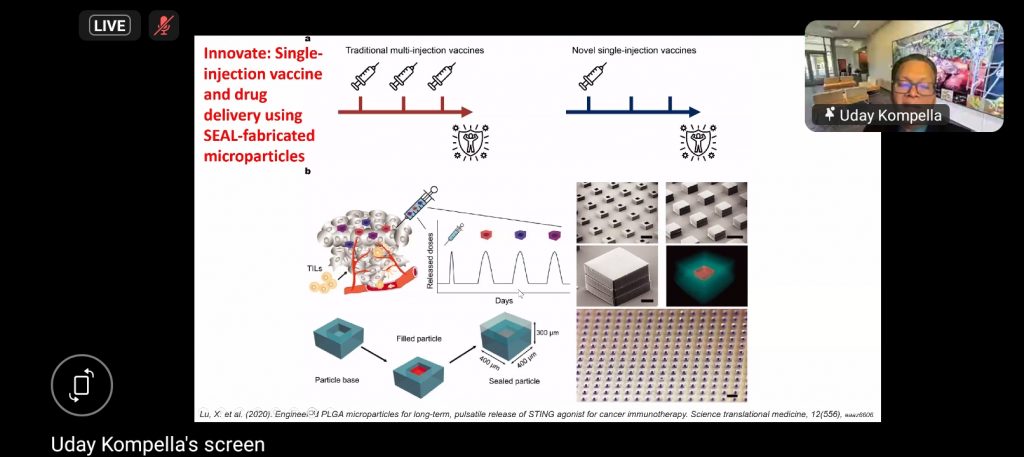
Speaking on “Innovative and Translational Drug Delivery Systems for Equitable Healthcare Access,” Prof. Uday Kompella of the University of Colorado explored cutting-edge drug-delivery technologies that could improve healthcare access and outcomes. These included microneedle vaccines, smart adherence-monitoring systems, and advanced gene-therapy models.
These innovations demonstrated how technology can help bridge healthcare inequalities and bring life-saving treatments closer to underserved populations.

Former Vice-Chancellor of Chrisland University, Ogun State, Prof. Chinedum Babalola, took a different approach, demonstrating how sustainability can be achieved by combining artificial intelligence with Africa’s rich natural resources.
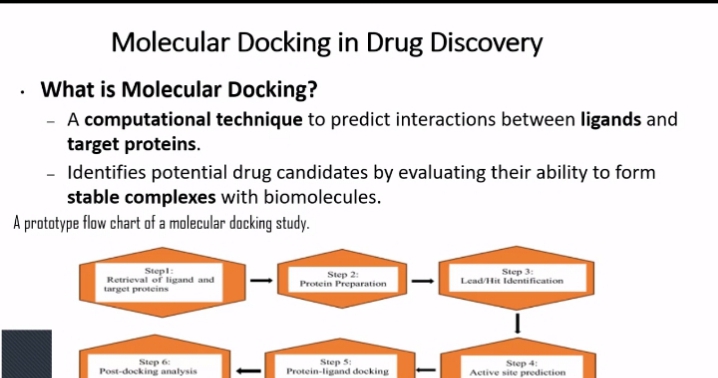
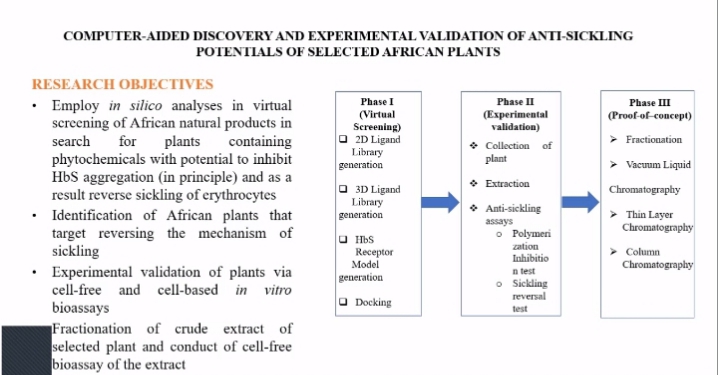
Her presentation, titled “Sustainable Pharmaceutical Chemistry for Sustainable Drug Innovation and Waste Valorization,” showed how machine learning and computational drug discovery are making drug development faster and more efficient.
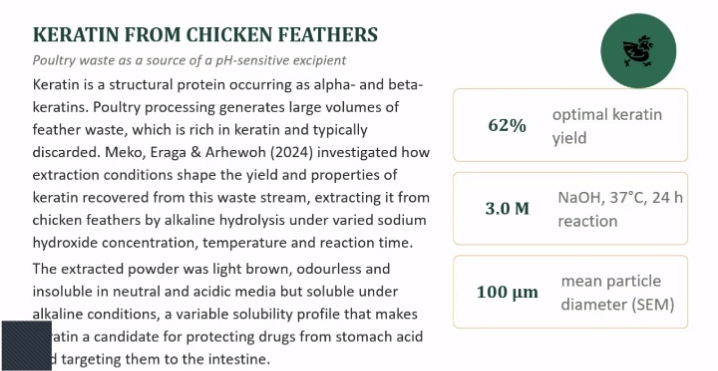
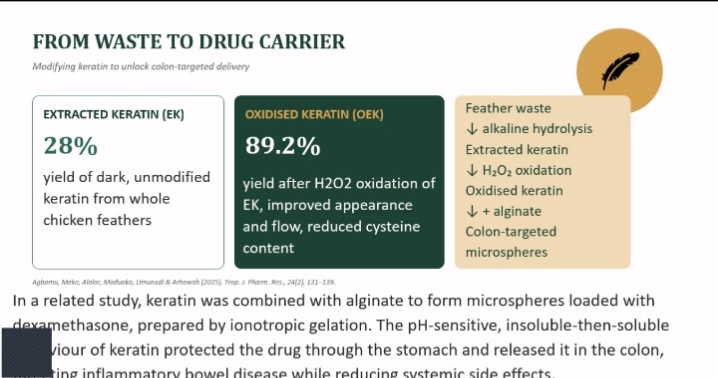
Even more remarkably, she highlighted how everyday materials such as bitterleaf, pigeon pea, pepper-soup spices, chicken feathers, snail mucin, and okra mucin can be explored and transformed into pharmaceutical products. Her examples, including NIPRISAN and Ciclavit, illustrated how local knowledge and scientific innovation can generate both health benefits and economic value.
Breaking Professional Silos
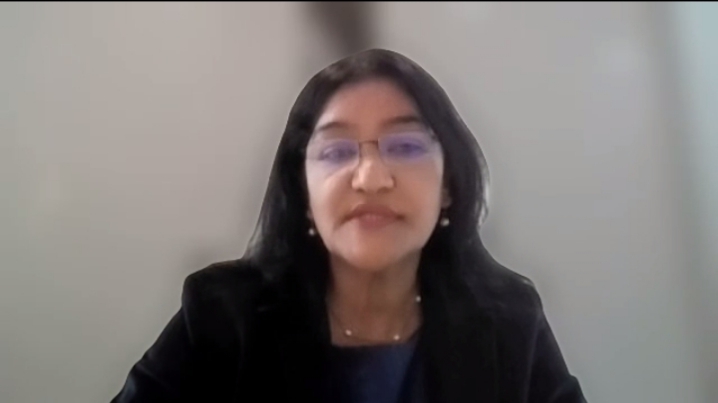
Another recurring theme was the need for stronger collaboration among healthcare professionals.Adjunct Prof. Mansi Shah Doshi of the Medicines Optimization Clinic, India, speaking on “Breaking Professional Silos: Clinical Pharmacists in Multi-Disciplinary Teams,” argued that pharmacists are far more than dispensers of medicines.
As medication experts, pharmacists play essential roles in improving patient safety, optimising therapies, supporting prescribing decisions, and enhancing healthcare outcomes. However, professional hierarchies, poor communication, and limited recognition can hinder their contributions.
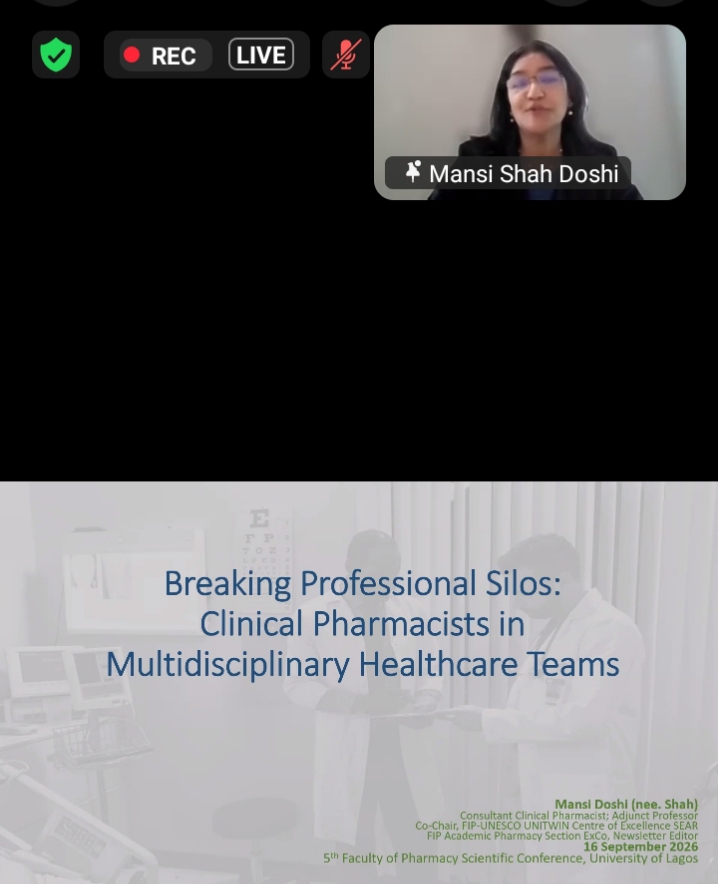
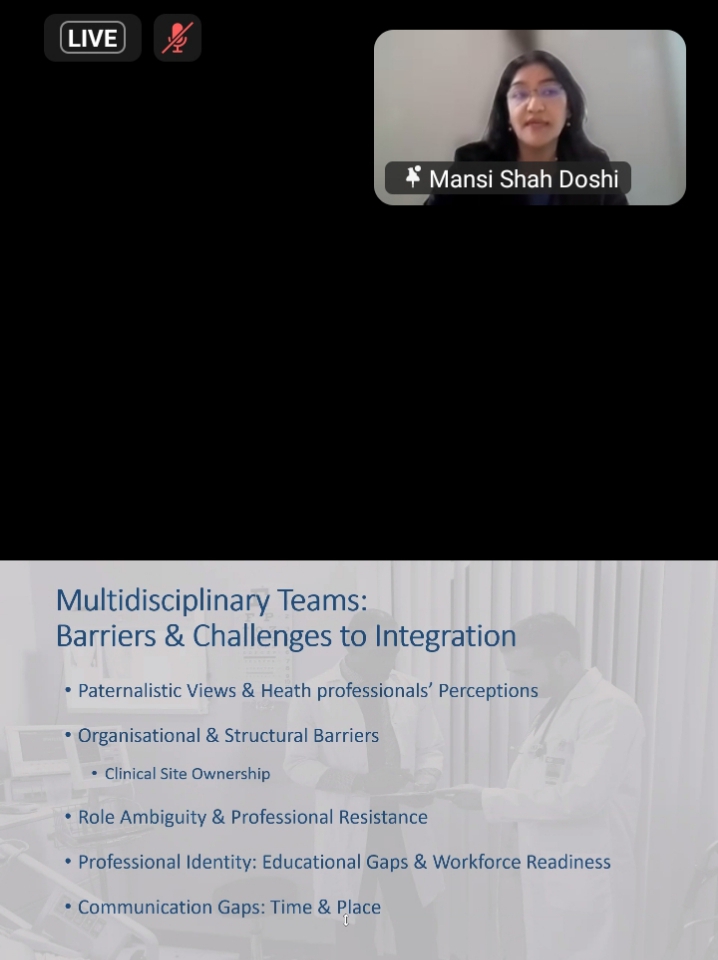
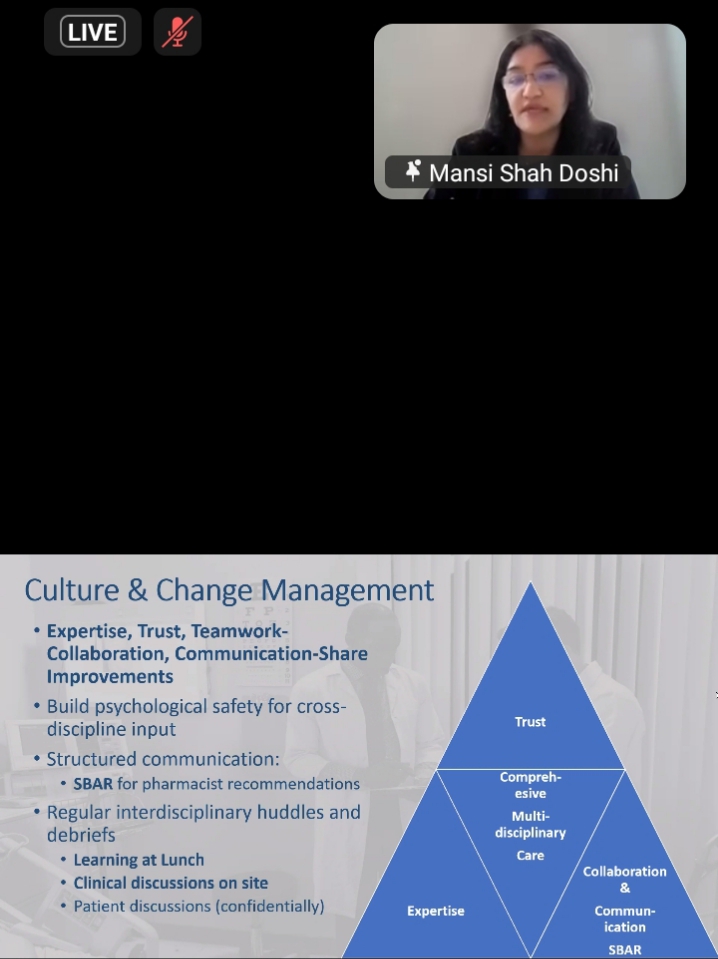
She called for greater interprofessional education, stronger leadership, digital-health adoption, and a culture of teamwork. In an increasingly complex healthcare environment, she argued, success depends on trust, communication, and shared responsibility among all members of the healthcare team.
Learning from Tradition, Innovating for the Future
One of the most thought-provoking presentations came from Prof. Josephine O. Ofeimun, the Pioneer Director of the Institute of Herbal & Complementary Medicine, University of Benin (UNIBEN), who explored the intersection of traditional knowledge and modern pharmacognosy.
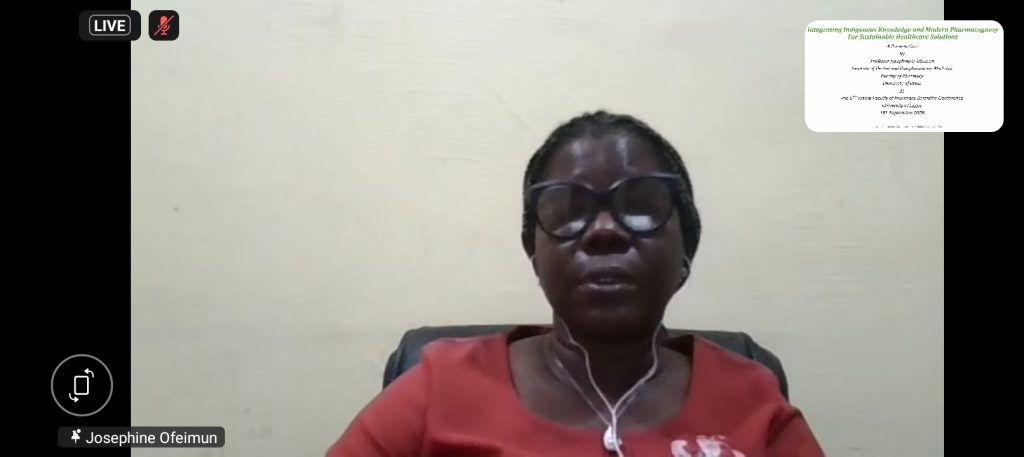
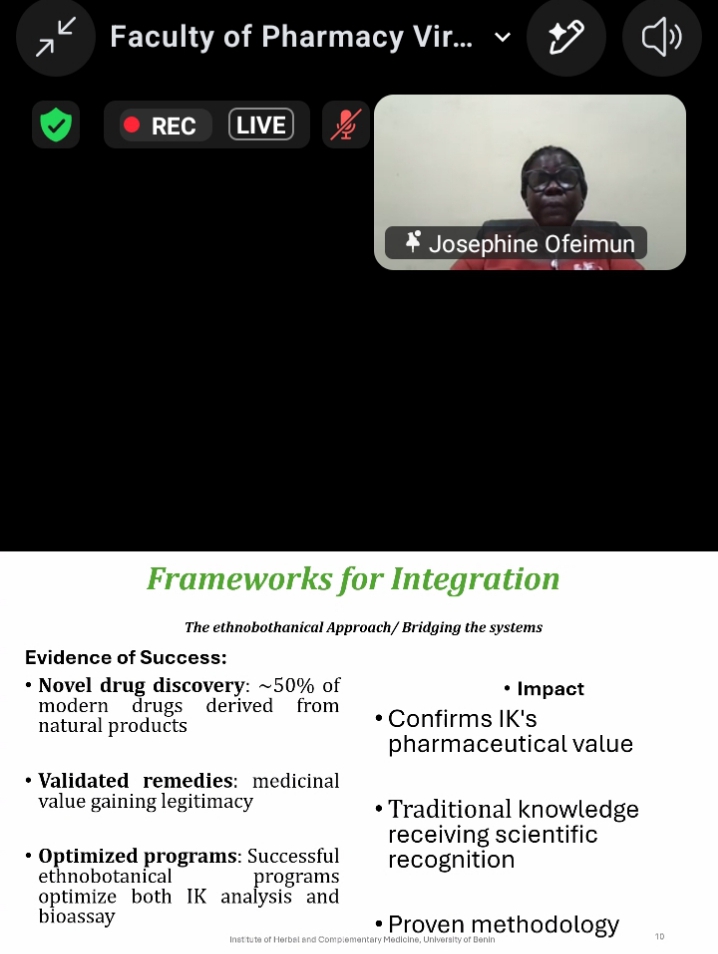
Her presentation on “Integrating Indigenous Knowledge and Modern Pharmacognosy for Sustainable Healthcare Solutions,” reminded participants that many modern medicines have their origins in medicinal plants and traditional healing practices.
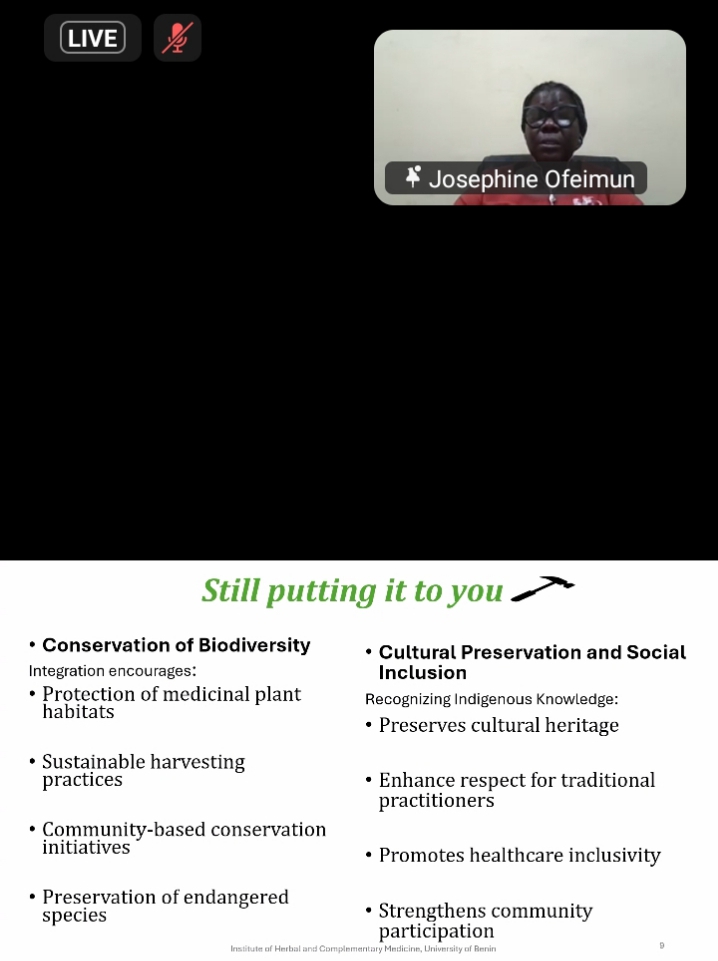
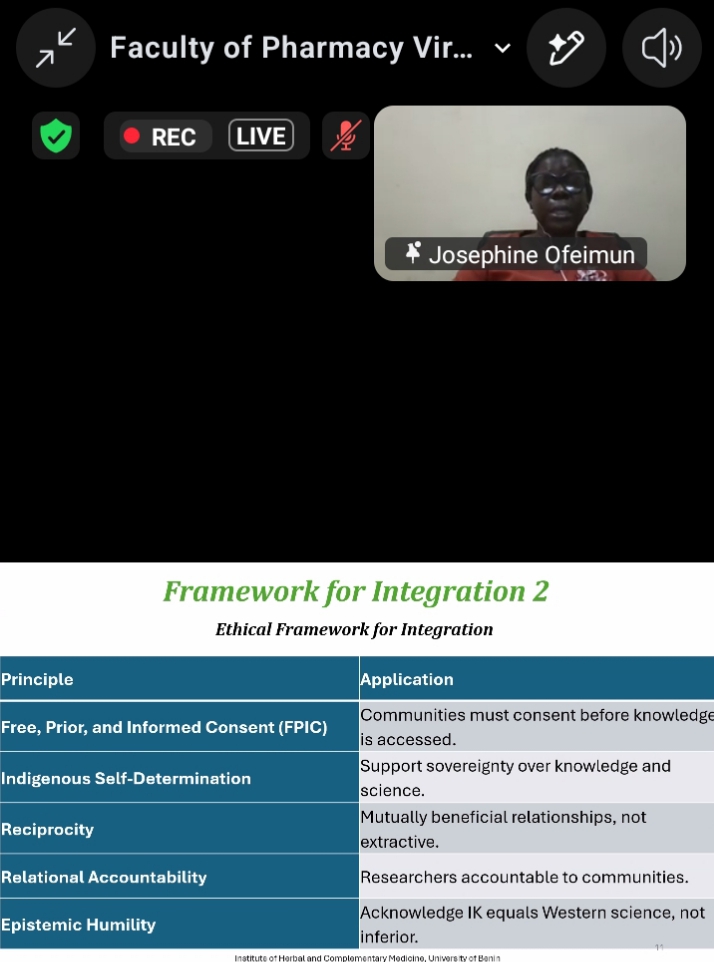
Rather than viewing indigenous and conventional medicine as competing systems, she advocated an integrated approach based on scientific validation, mutual respect, community involvement, and fair benefit-sharing.
Her presentation underscored an important truth: sustainable healthcare is not only about discovering new medicines. It is also about preserving cultural knowledge, protecting biodiversity, and ensuring that communities benefit from the resources and wisdom they have safeguarded for generations.
Unlocking Nature’s Hidden Pharmacy
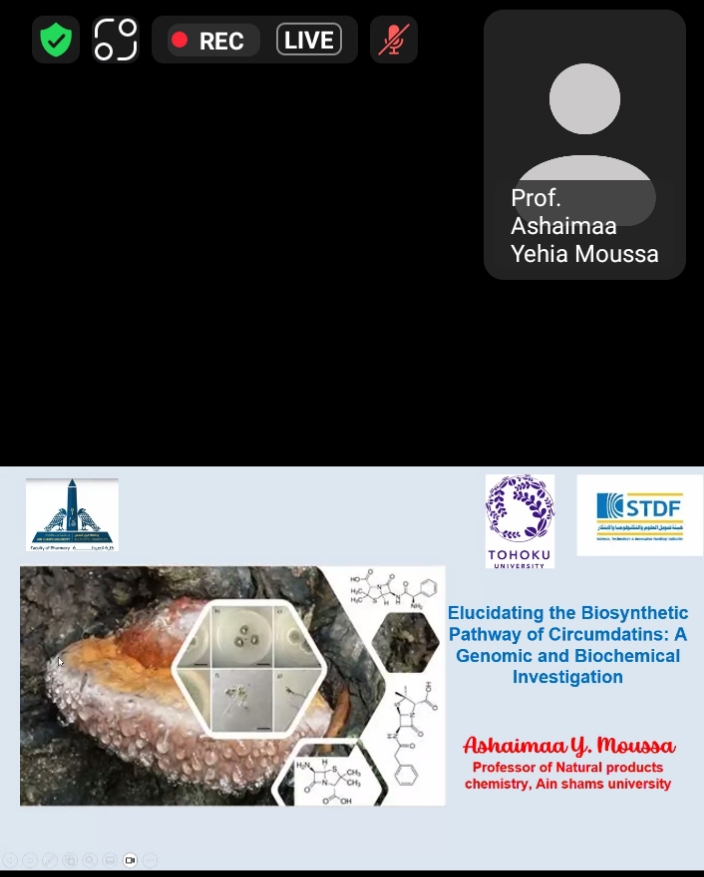
The final plenary lecture, titled “Exploiting Microbial Diversity for Sustainable Drug Development and Healthcare Solutions,” by Prof. Ashaimaa Y. Moussa of Ain Shams University, Egypt, demonstrated how even microscopic organisms can play a major role in future healthcare solutions.
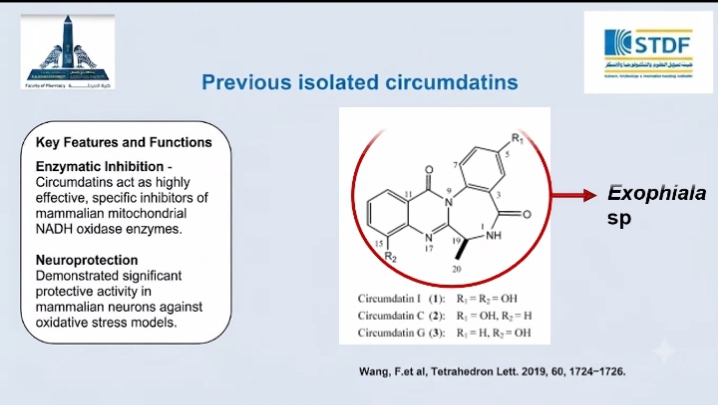
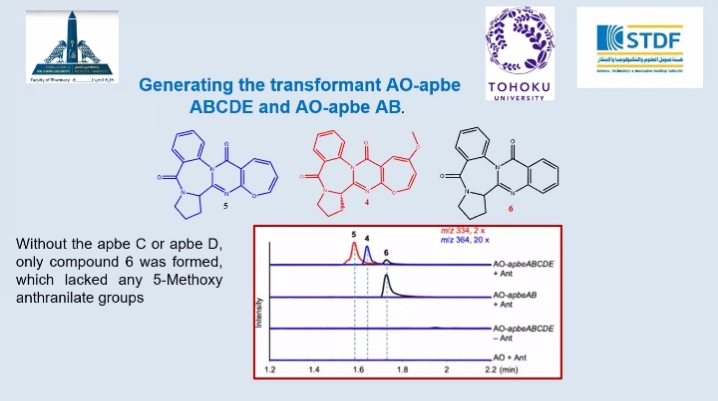
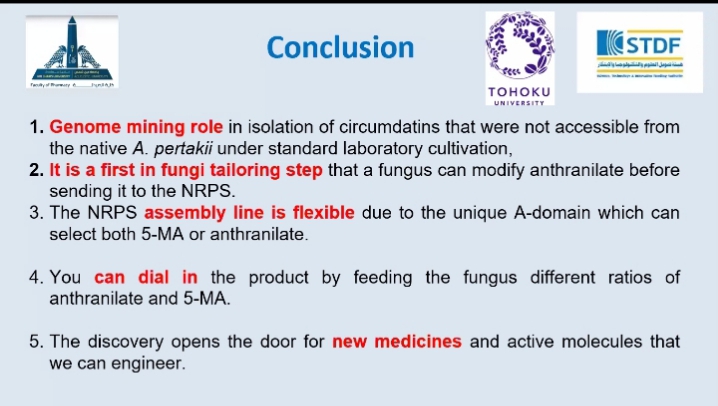
Through sophisticated genome analysis and laboratory research, her team identified new pathways through which fungi produce potentially valuable medicinal compounds. Such discoveries could help scientists develop novel drugs to combat diseases and expand the pharmaceutical toolkit available to future generations.
A Conference with a Clear Message
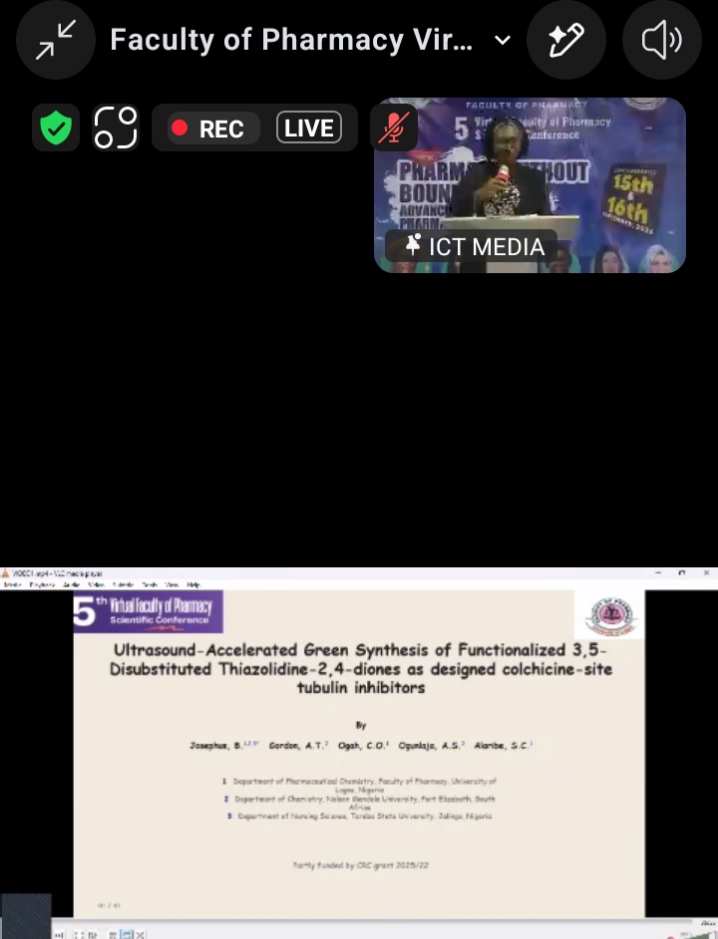
Across the plenary sessions, break out sessions, oral and poster presentations, a common theme emerged: the future of pharmacy lies in connection rather than isolation.
Sustainable healthcare requires researchers and industry partners to collaborate, traditional and modern knowledge systems to coexist, pharmacists and other healthcare professionals to work together, and policymakers to create environments where innovation can thrive.

The 5th Faculty of Pharmacy Scientific Conference was more than an academic gathering; it was a call to dismantle the barriers that limit healthcare innovation and access.
From artificial intelligence and microbial drug discovery to indigenous medicine and multidisciplinary practice, the discussions revealed a future in which solutions emerge when knowledge, expertise, and people connect across boundaries.
As Prof. Charles Esimone aptly observed, Africa’s pharmaceutical dependence is not destiny. By breaking down silos, embracing collaboration, and placing patients at the centre of decision-making, Africa can work towards building a pharmaceutical ecosystem that is resilient, innovative, equitable, and sustainable for generations to come.
Author: Ndidi J. Odinikaeze