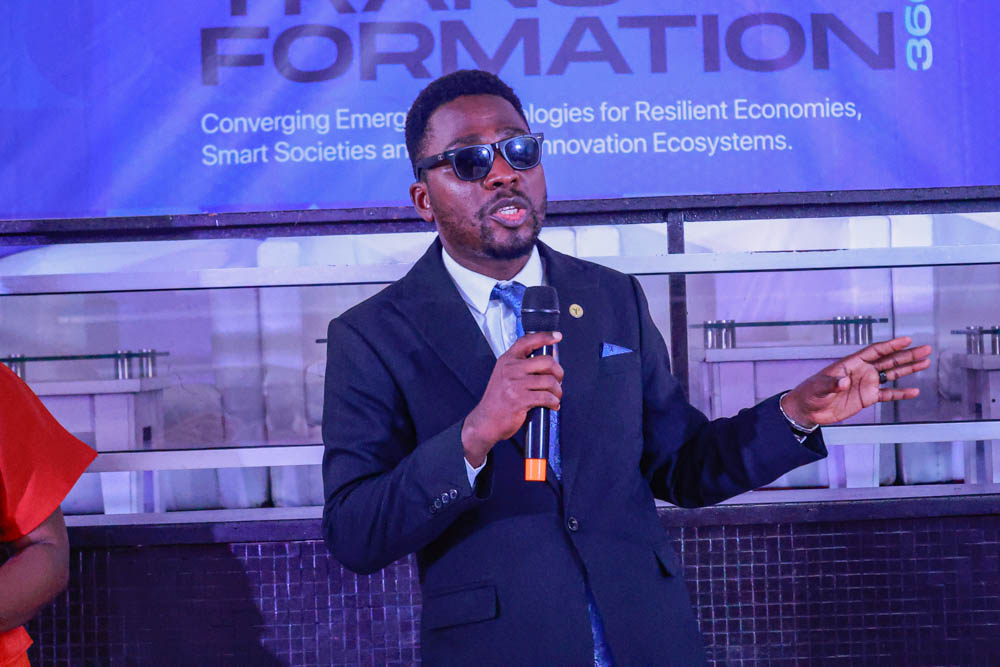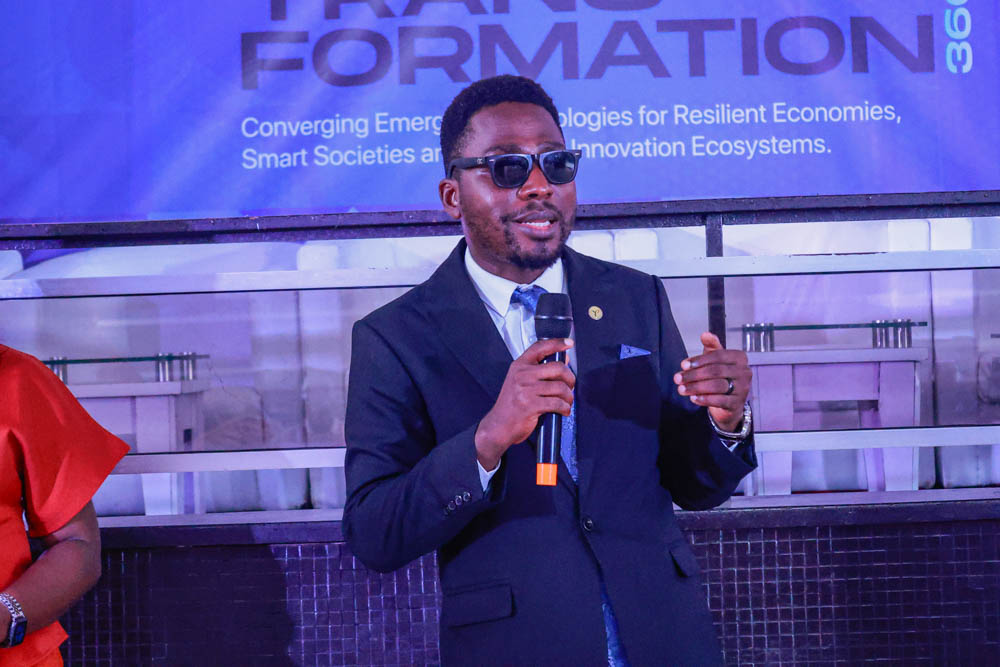
Experts, policymakers and industry leaders have called for increased investment in local innovation, reliable infrastructure and African-centred approaches to artificial intelligence (AI) governance to address the continent’s digital challenges and drive sustainable development.
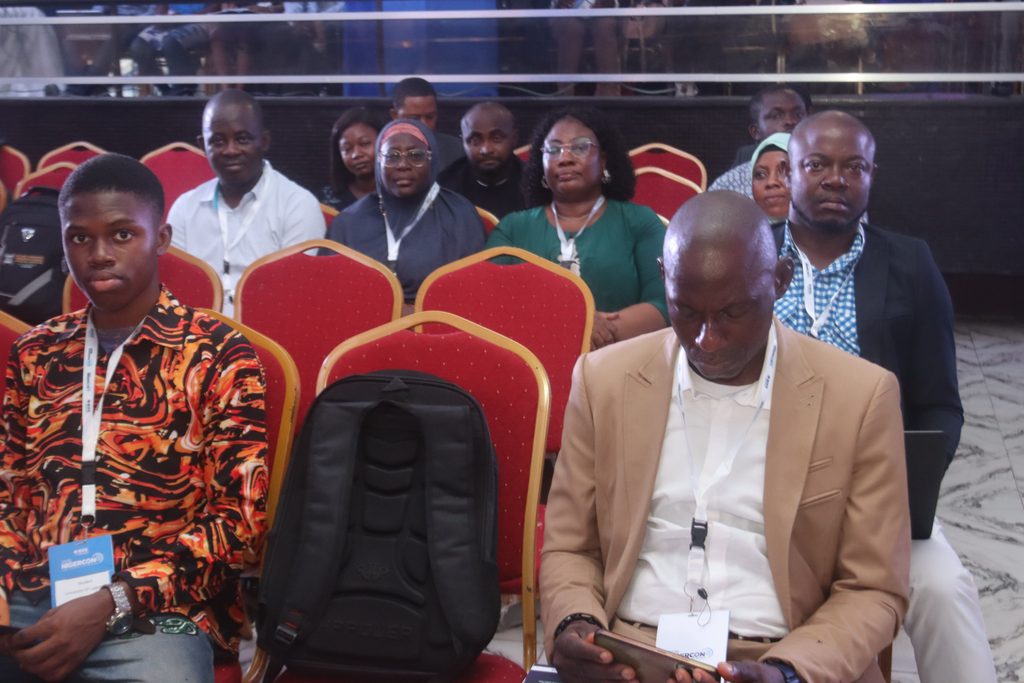
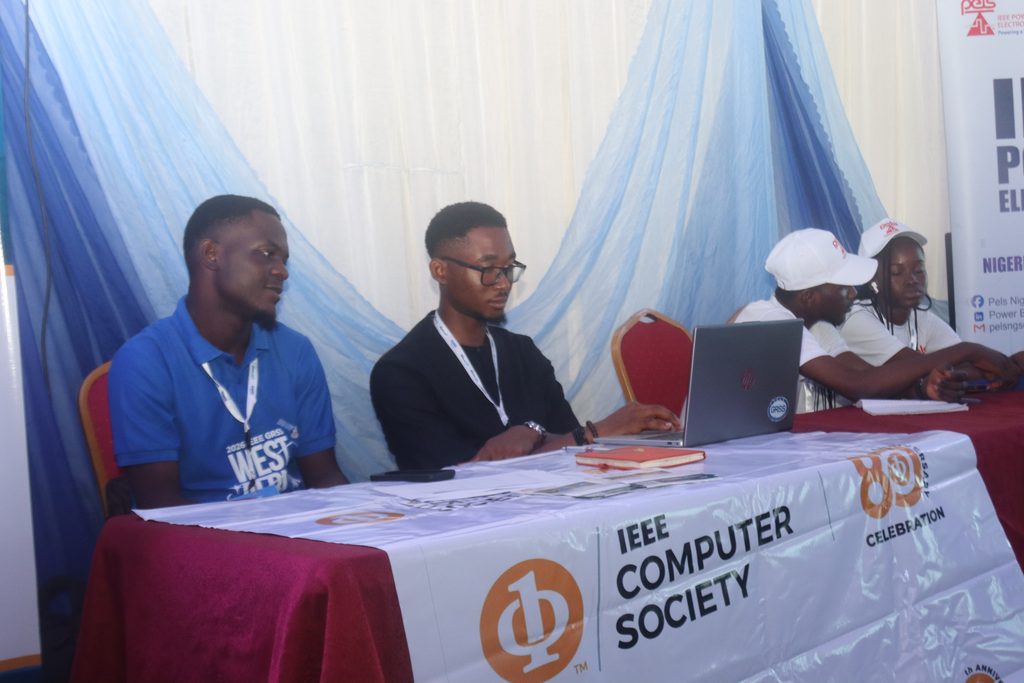
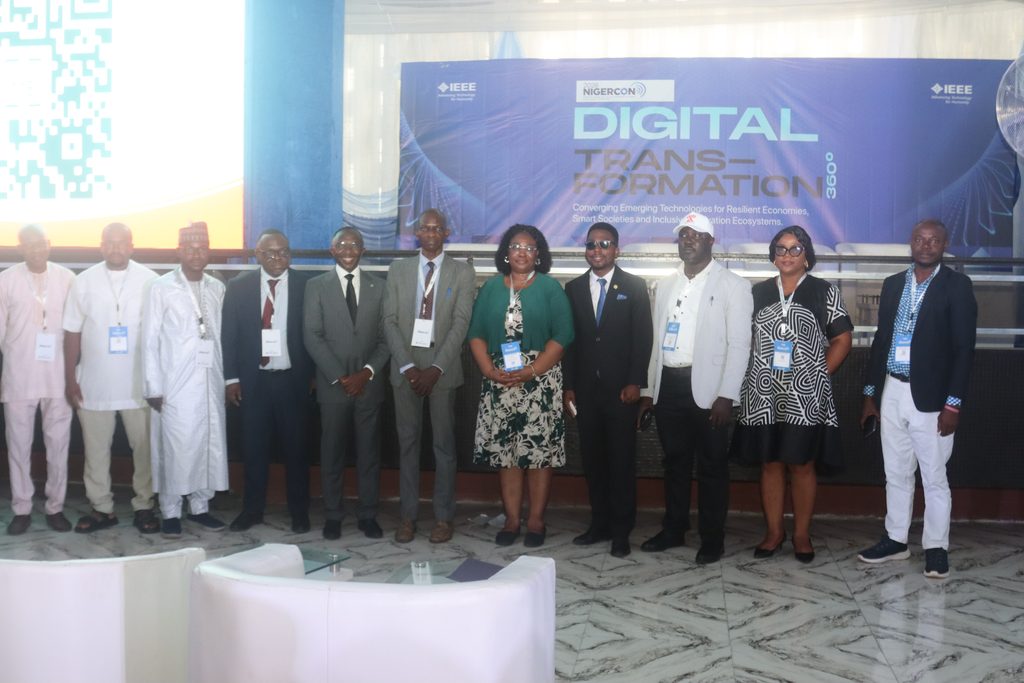
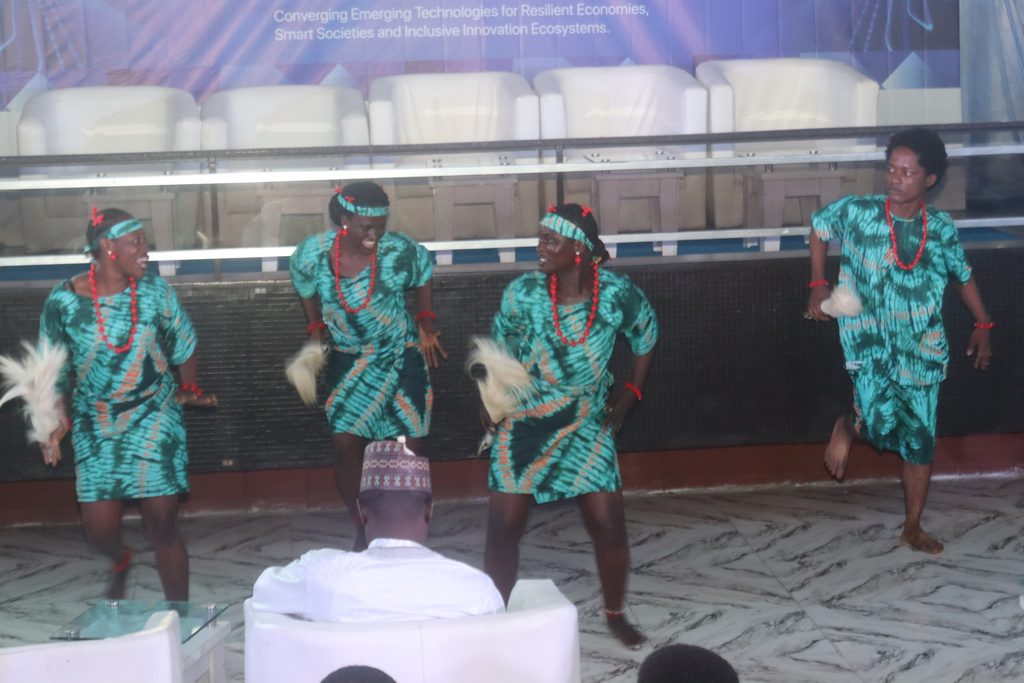
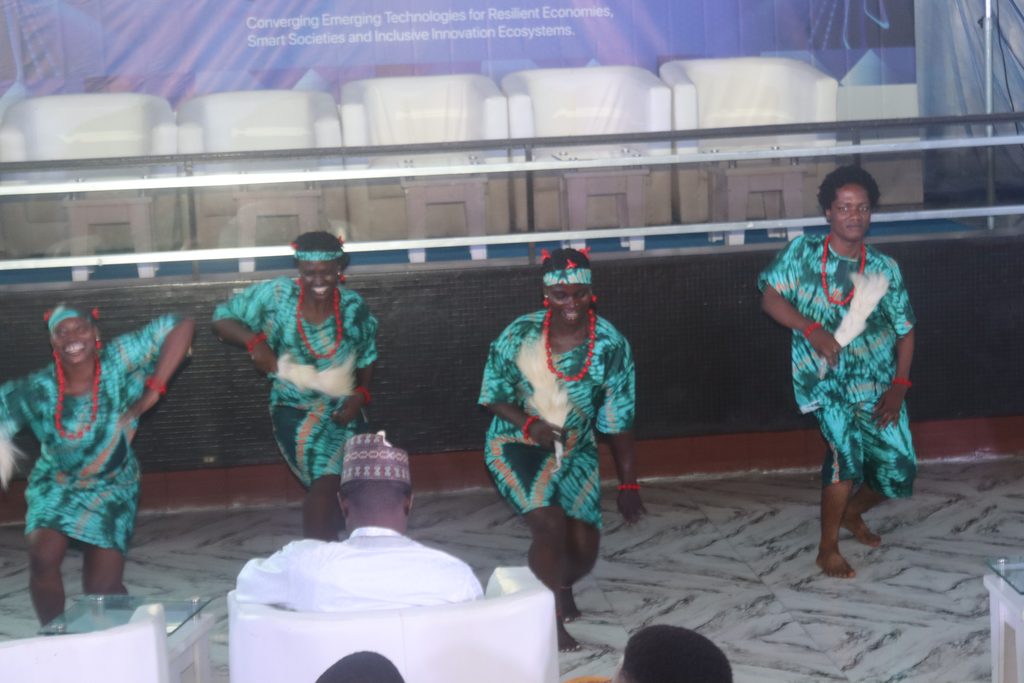
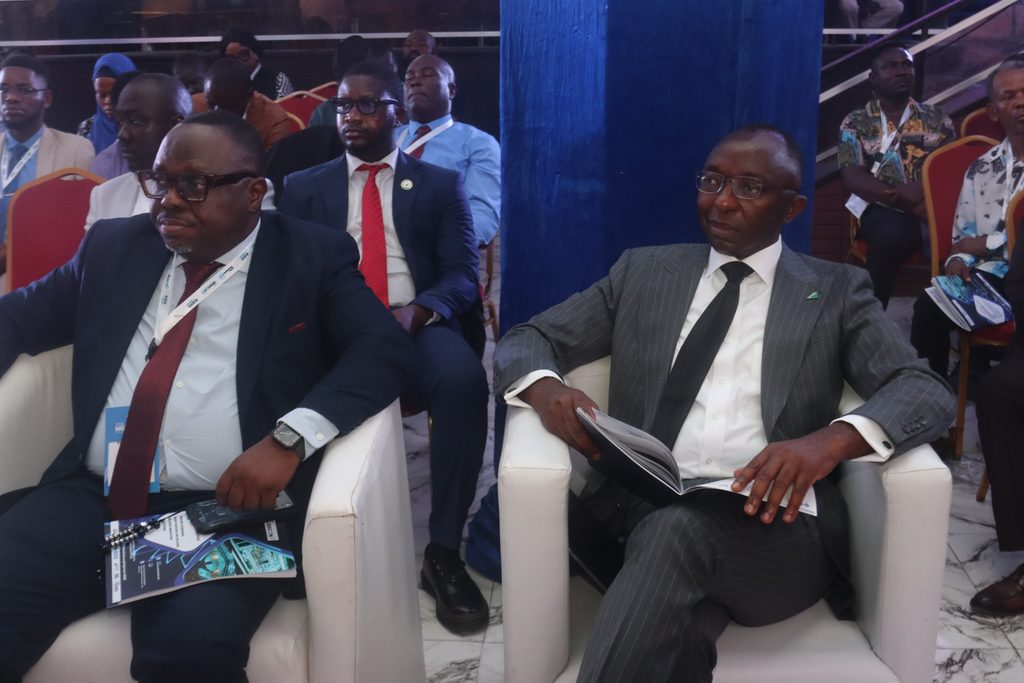
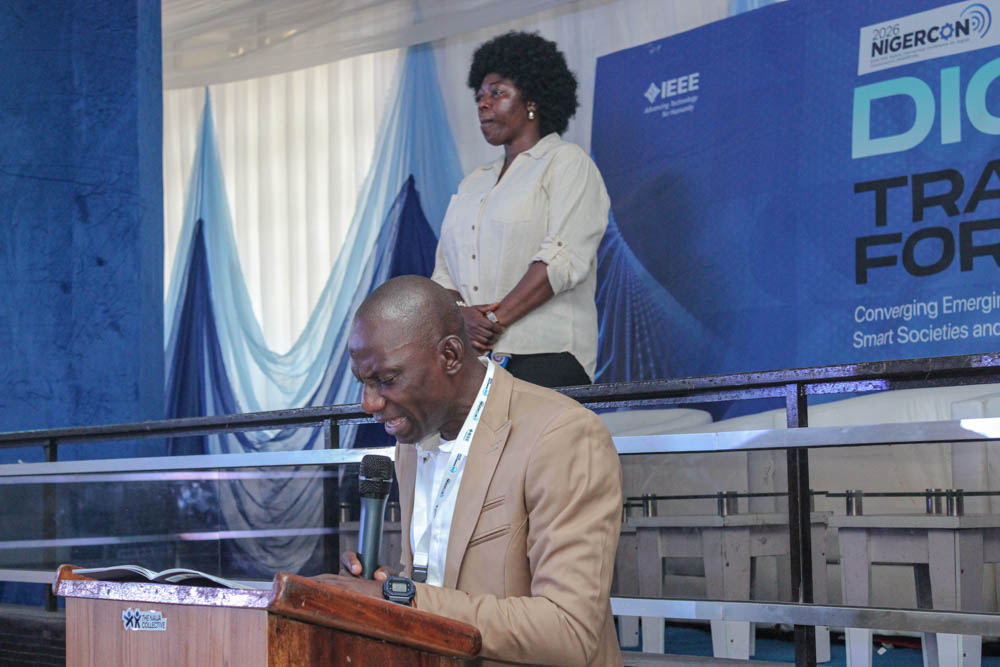
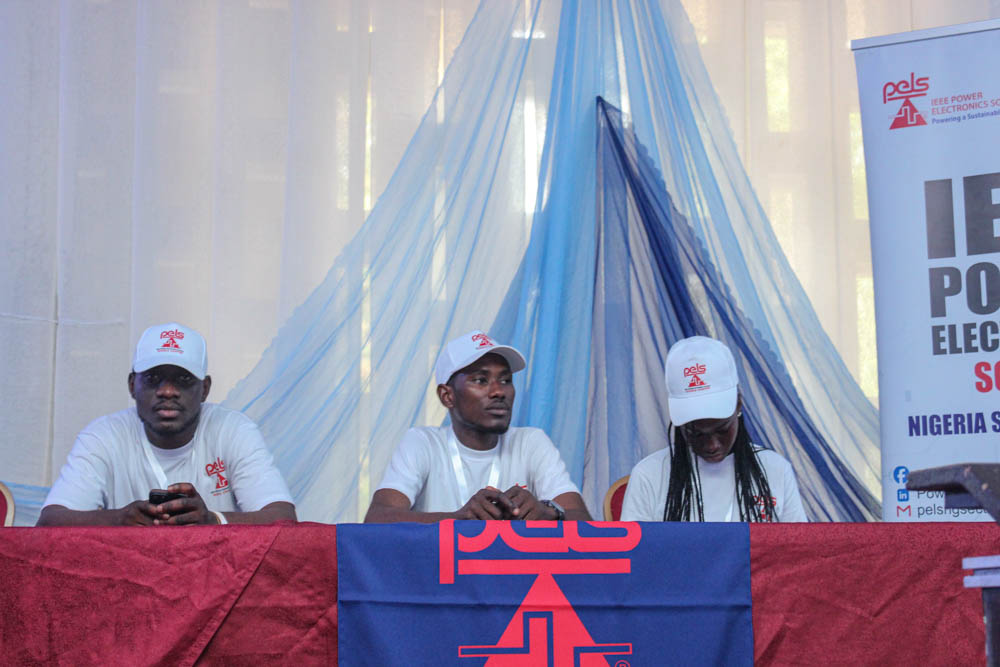
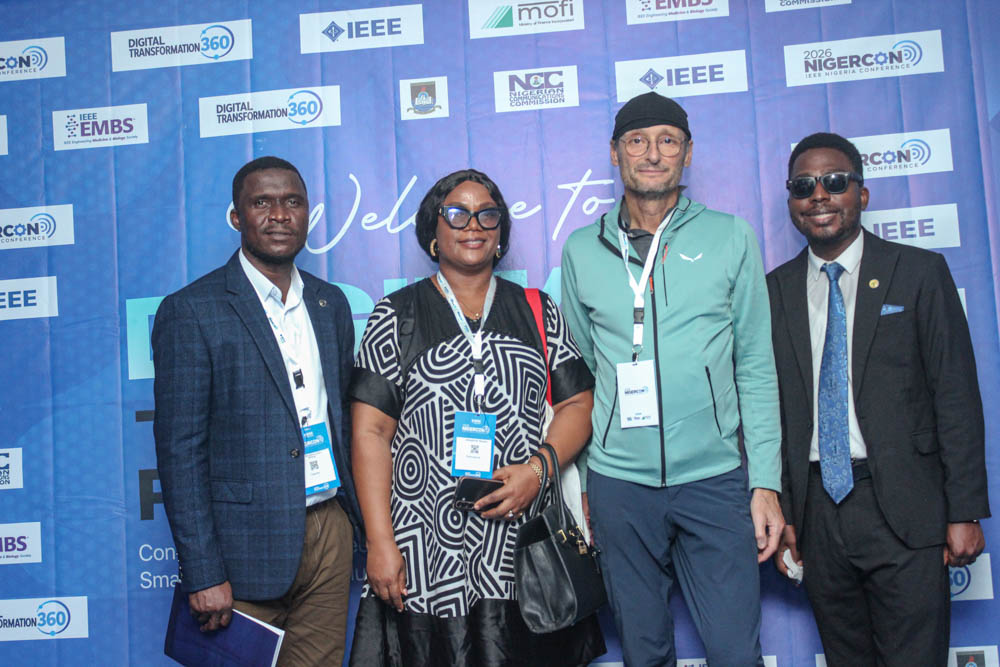
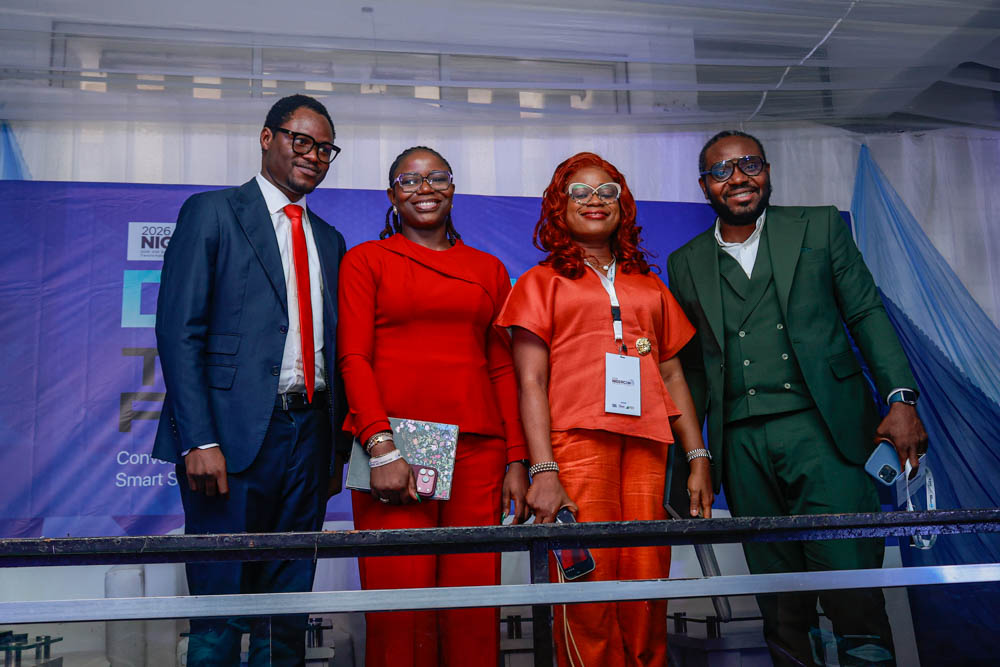
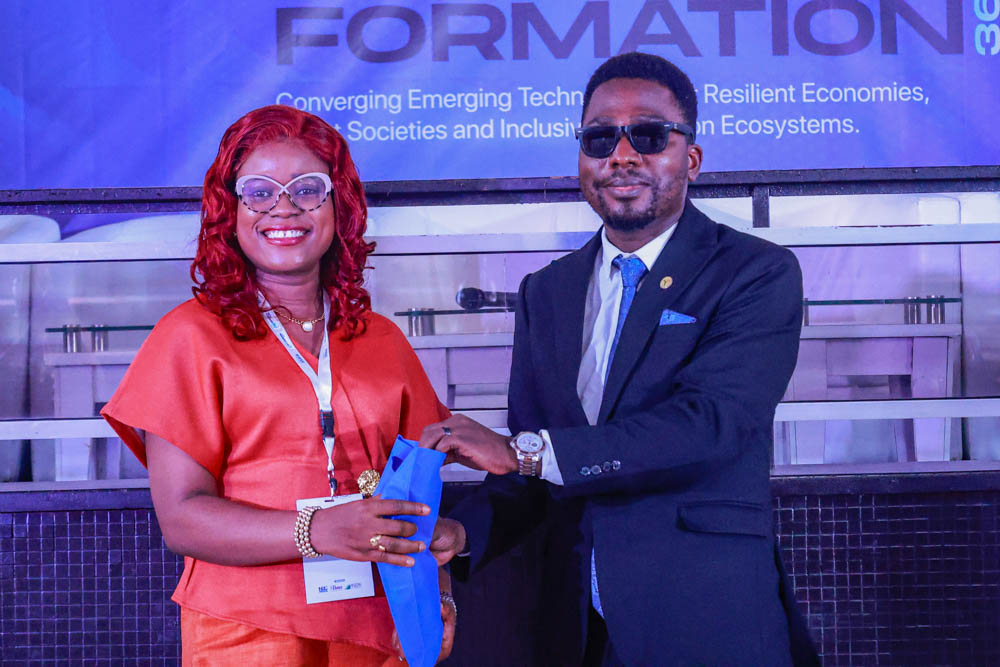
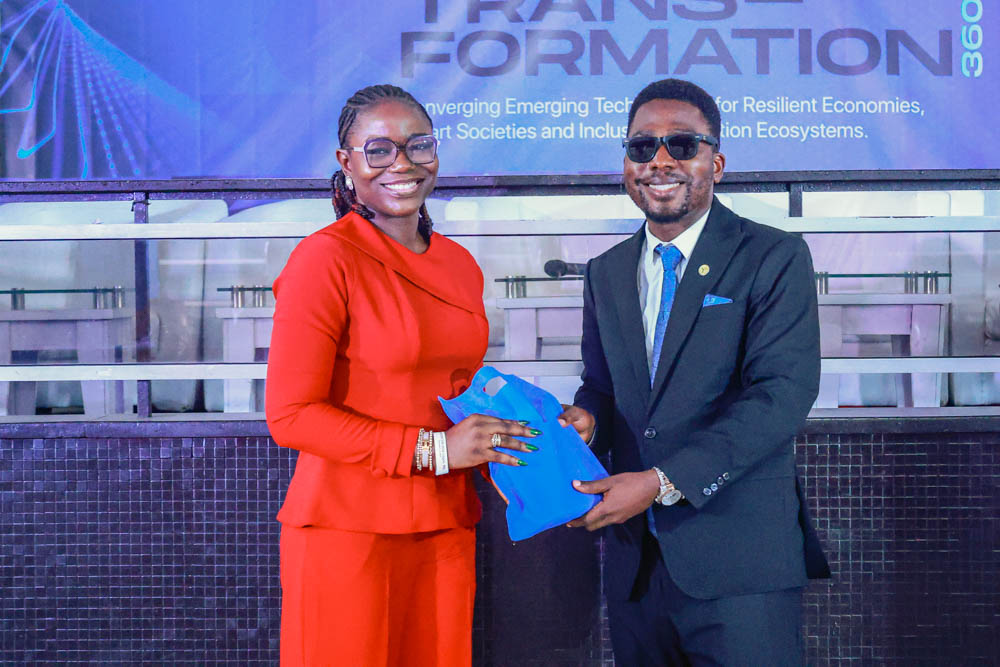
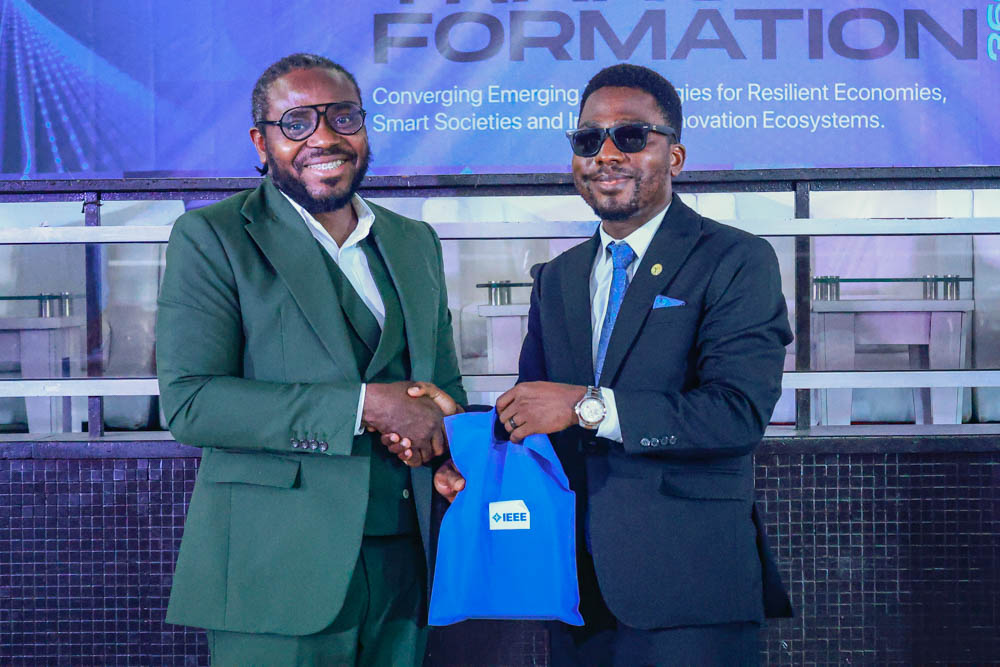
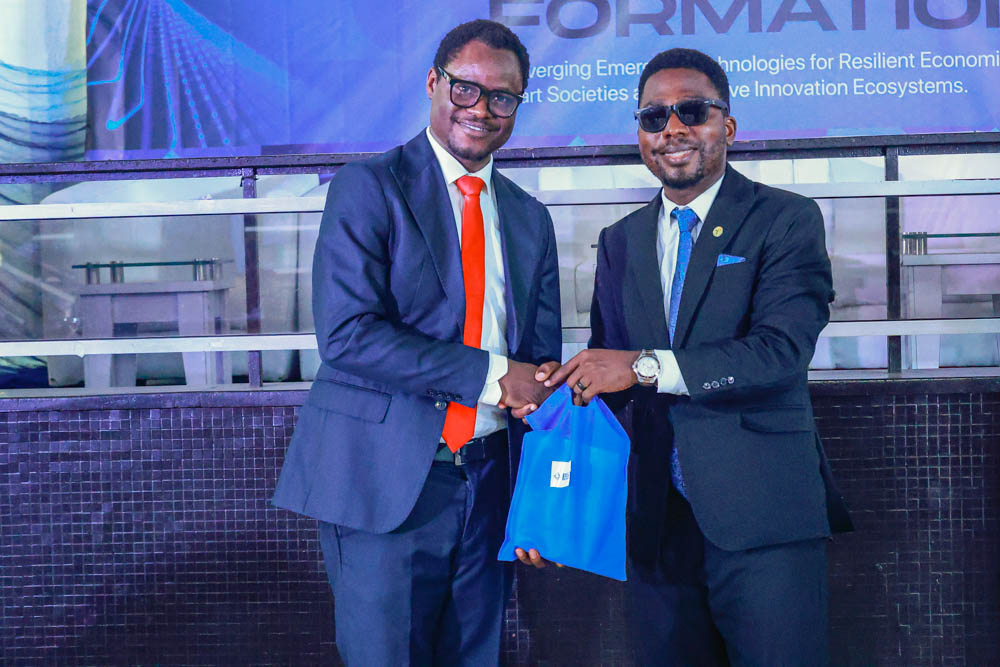
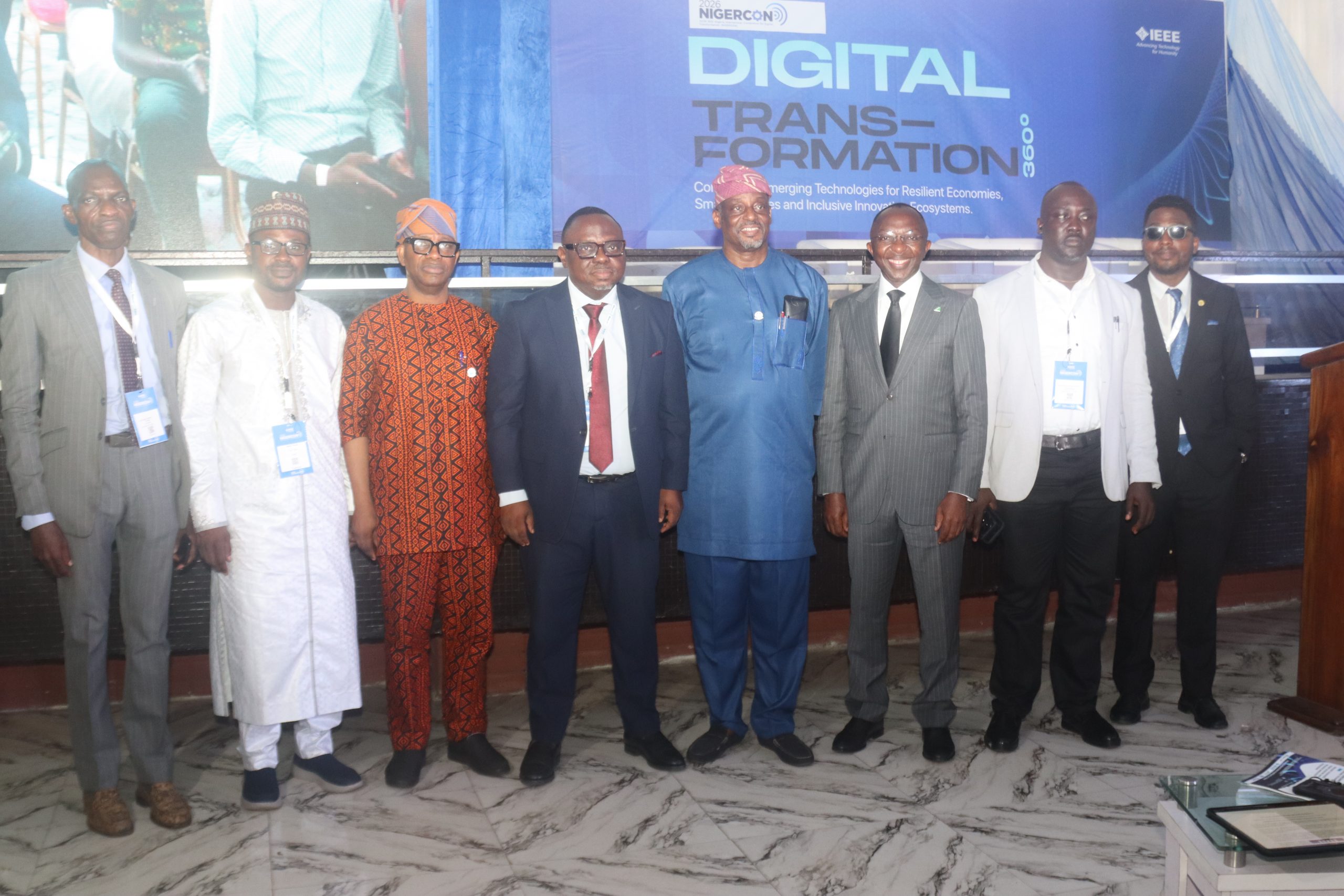
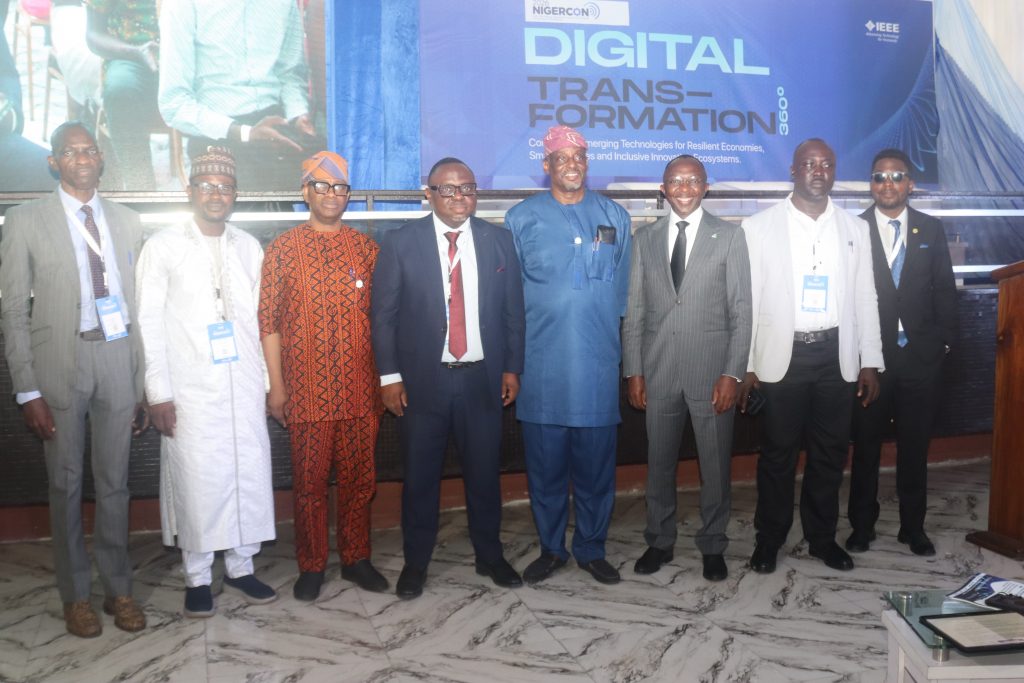
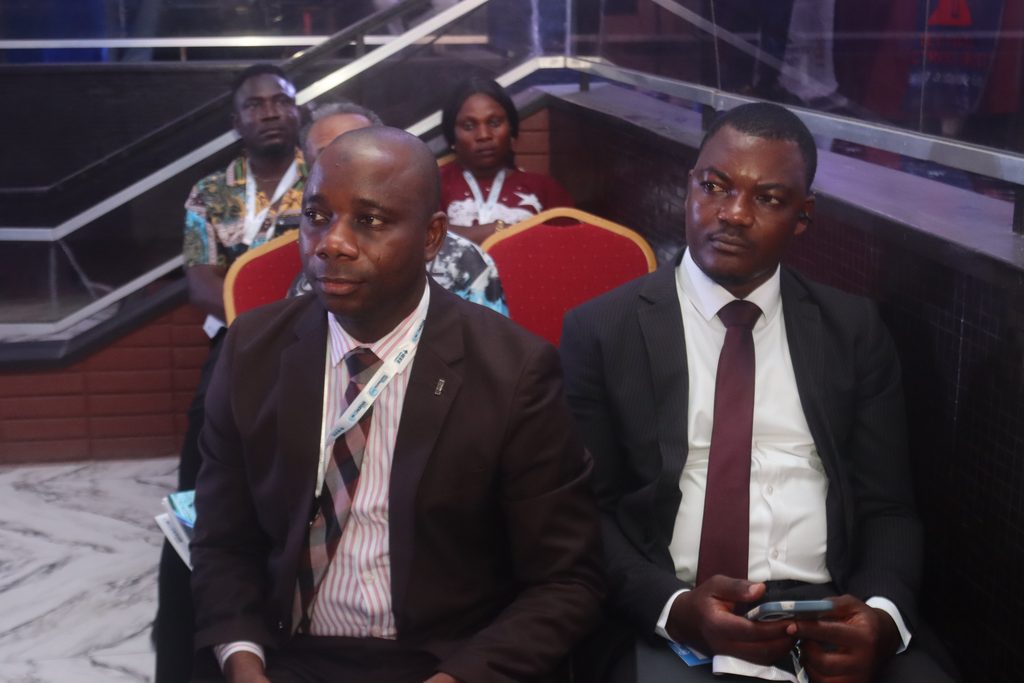
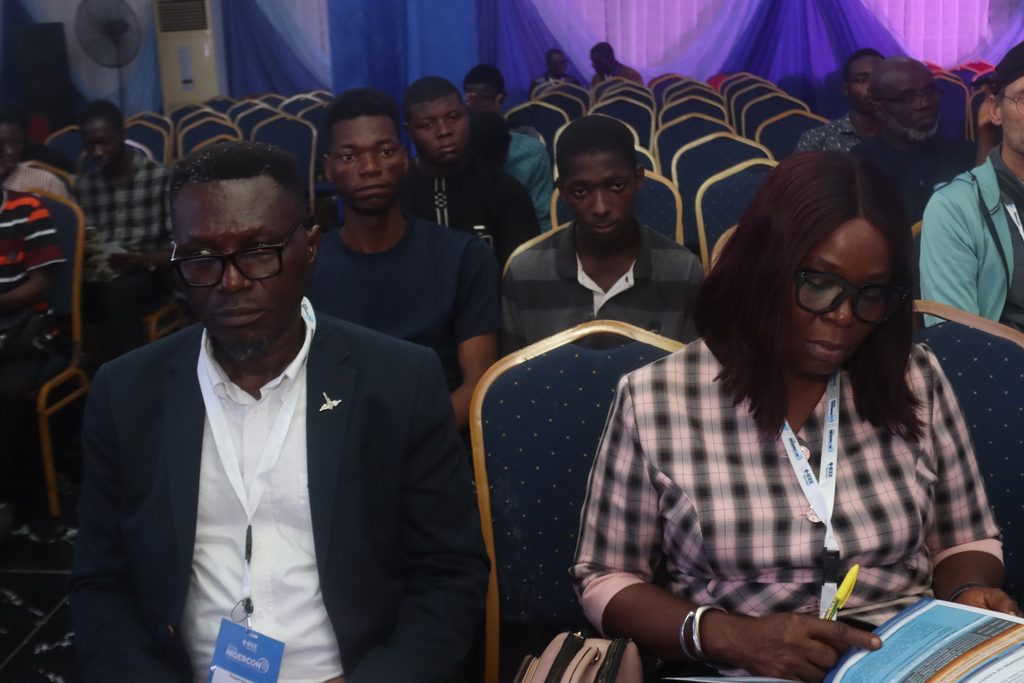
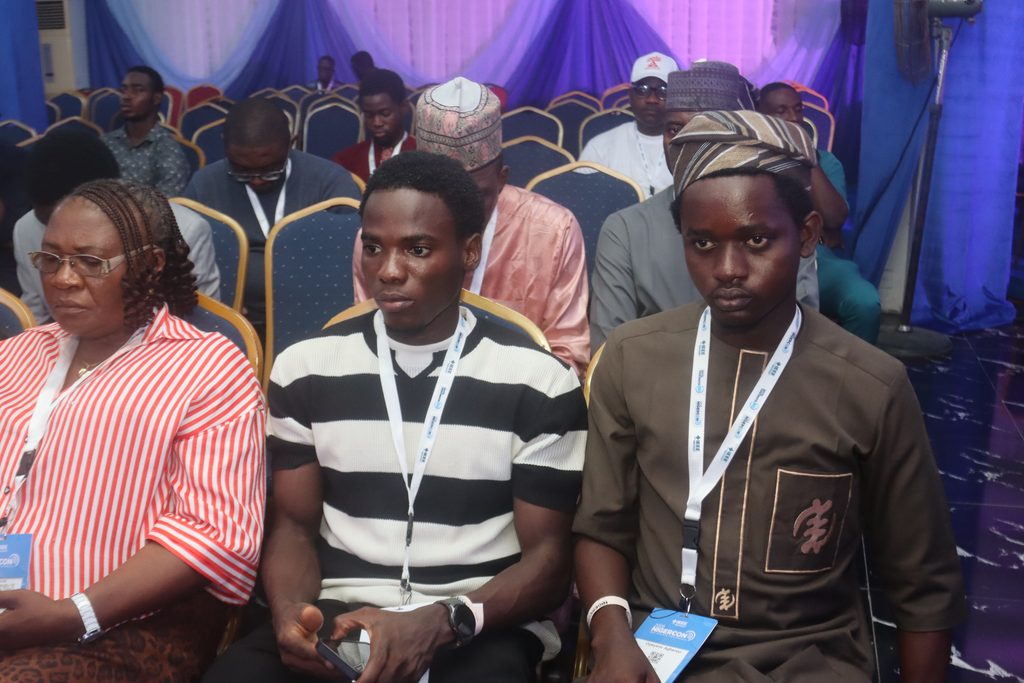
The call was made at the 2026 International Conference on Digital Transformation (NIGERCON 2026), organised by the Nigeria Section of the Institute of Electrical and Electronics Engineers (IEEE) at the University of Lagos (UNILAG), Akoka, Lagos.
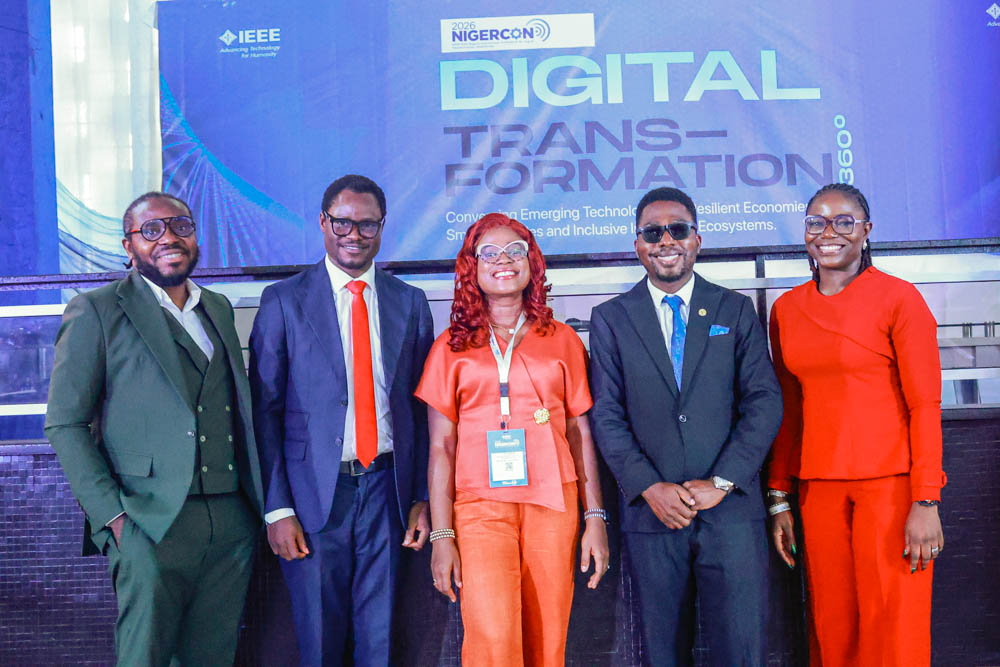
The two-day conference, held from Thursday, November 5 to Friday, November 6, 2026, at the UNILAG Guest Houses and Conference Centre, had the theme, “Digital Transformation 360°: Converging Emerging Technologies for Resilient Economies, Smart Societies and Inclusive Innovation Ecosystems.”
Advancing UNILAG’s Future-Ready Agenda
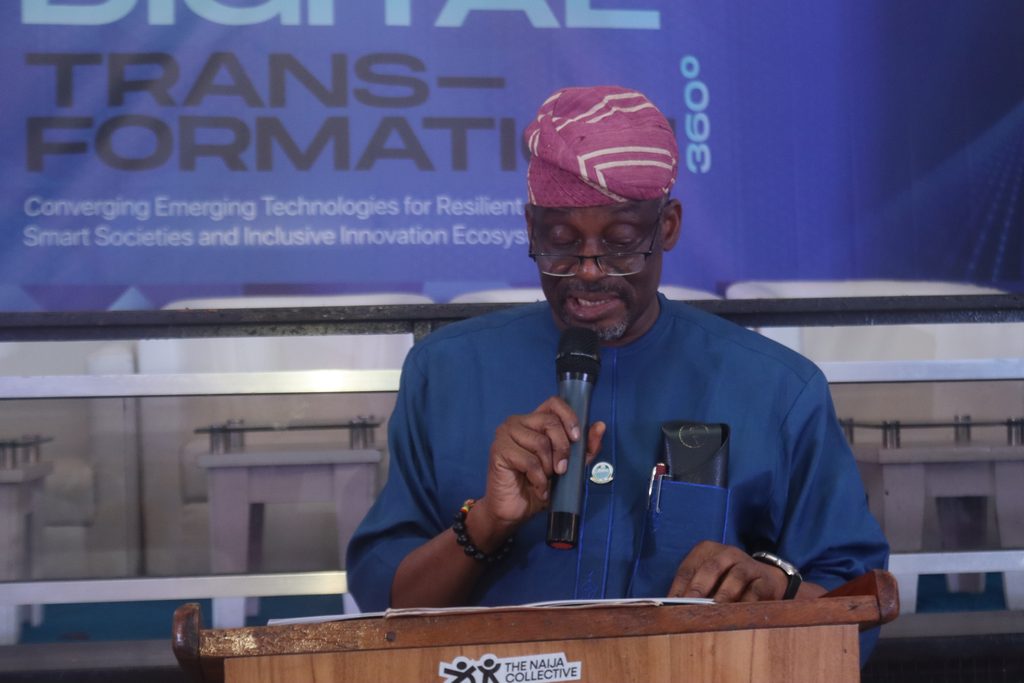
In her goodwill message, the Vice-Chancellor, University of Lagos, Professor Folasade Tolulope Ogunsola, OON, FAS, represented by the Deputy Vice-Chancellor, Development Services, Professor Afolabi Lesi, described the maiden edition of the conference at UNILAG as timely and aligned with the University’s Future-Ready Agenda.
She explained that the agenda focused on strengthening financial sustainability, pursuing funded research, restructuring curricula and preparing students, teaching and non-teaching staff for a digital future.
Professor Ogunsola likened digital literacy to reading and writing, noting that individuals and institutions without the requisite competencies risked being left behind.
She expressed confidence that the conference would strengthen multidisciplinary collaboration and accelerate research-to-market pathways by bringing together academics, industry professionals, government representatives, policymakers and startups.
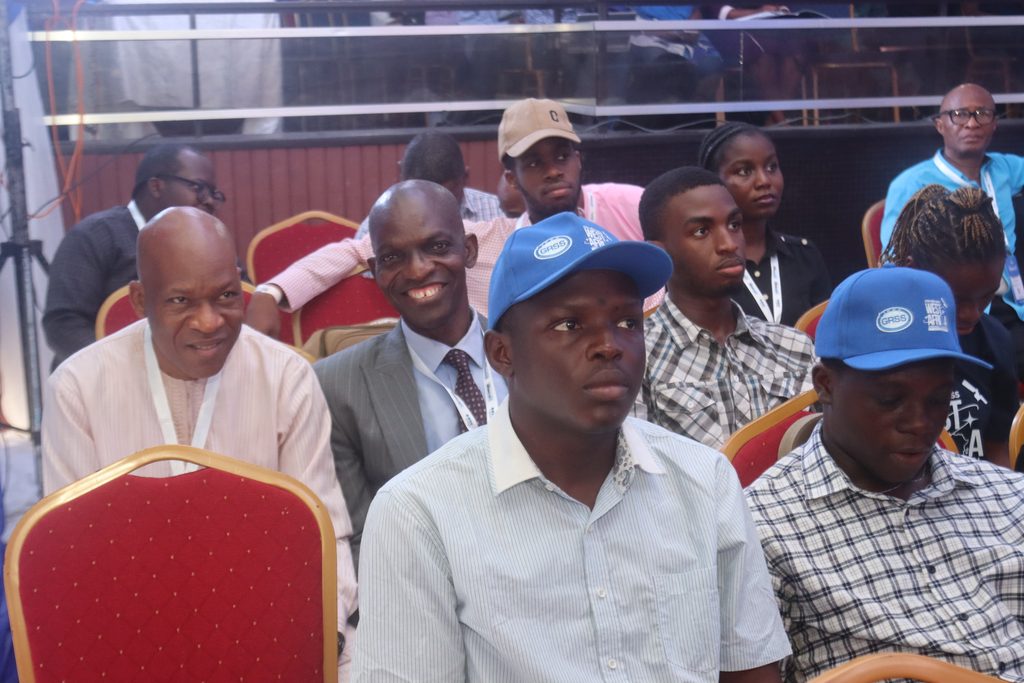
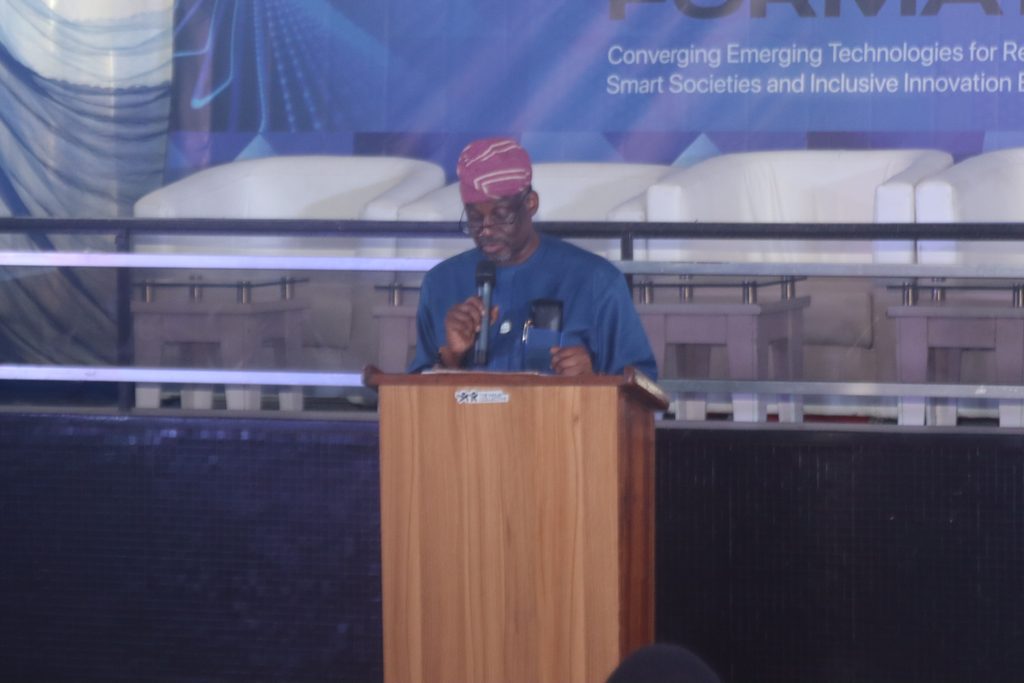
The Vice-Chancellor also stressed the importance of translating ideas developed in laboratories into practical solutions rather than allowing them to remain confined to conference proceedings. She encouraged participants to examine the implications of artificial intelligence for teaching, assessment and the certification of learning.
Bridging Research and Real-World Application
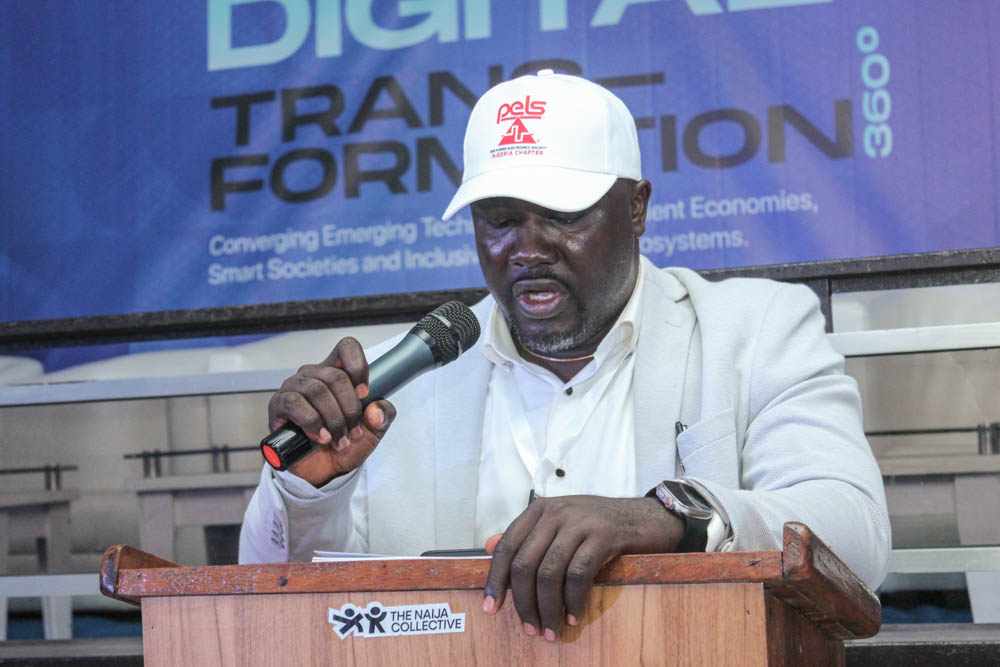
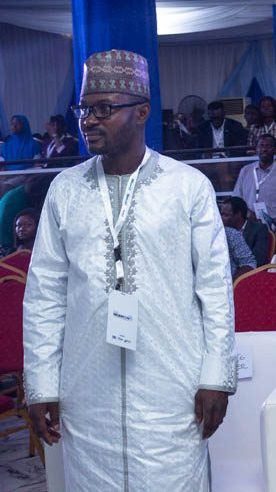
Earlier, Professor Engineer Nasiru Faruk, who delivered the welcome address on behalf of the Chair of the IEEE Nigeria Section, Engr. Prof. Ifeyinwa E. Achumba, identified the persistent gap between academic research and practical industrial and societal applications as a major challenge to technological development.
He called on universities and research institutions to become stronger engines of innovation, while urging industry to play a more active role in research funding, technology validation, commercialisation and talent development.
He also highlighted inadequate infrastructure, limited research utilisation, digital skills gaps and cybersecurity vulnerabilities as challenges requiring sustained attention.
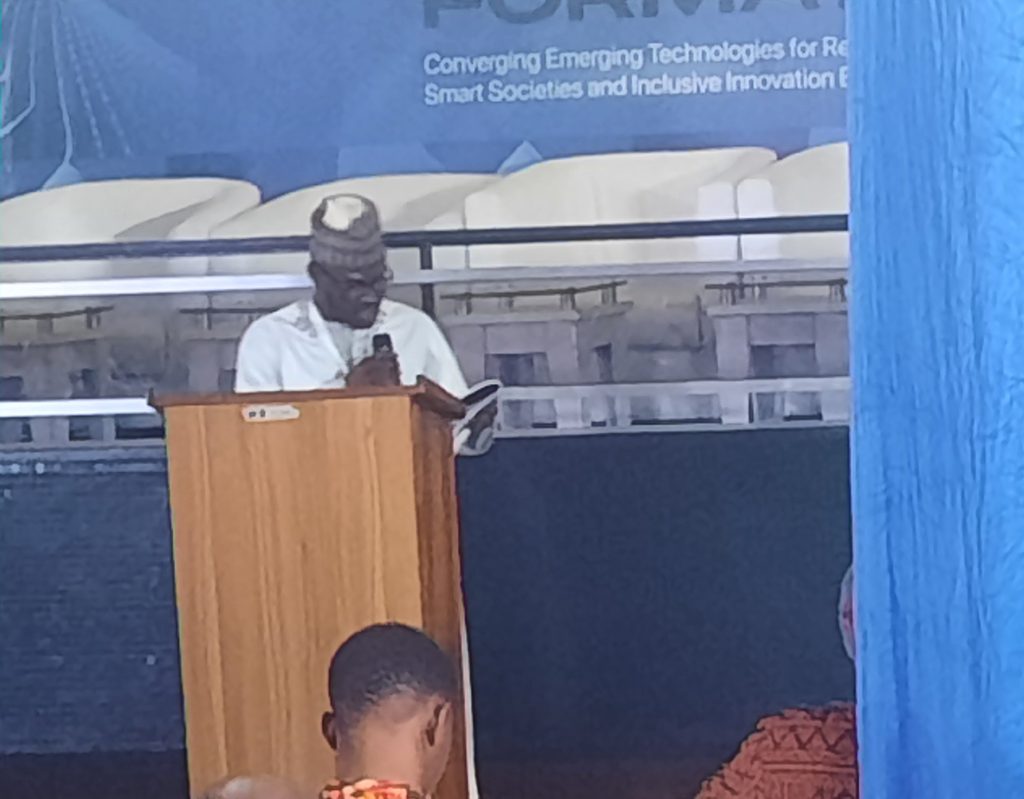
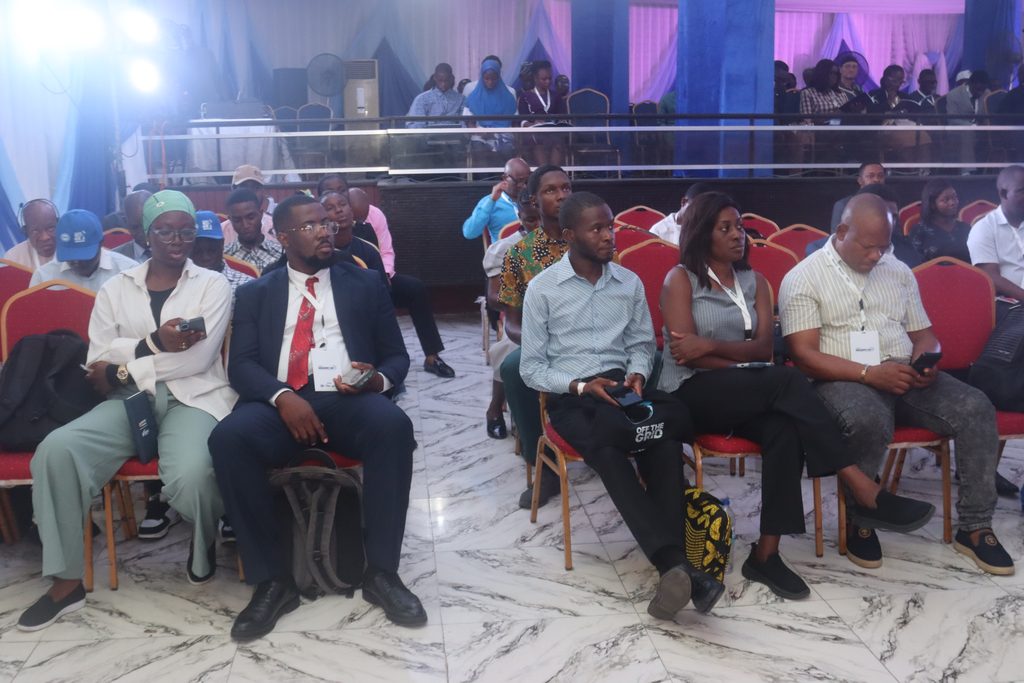

Stakeholders were urged to prioritise collaboration over isolation, pursue innovation with measurable impact, and promote inclusion and sustainability. The address further emphasised the need for government to provide policies, infrastructure and regulatory frameworks that encourage investment and responsible technology adoption.
Reliable Electricity as a Foundation for Digital Growth
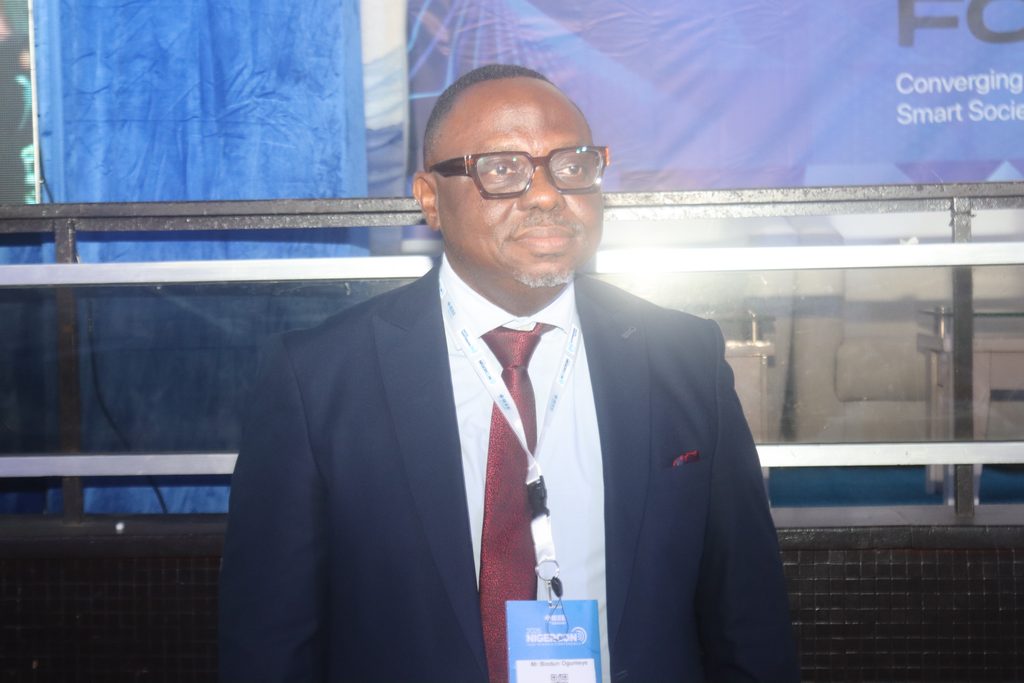
The importance of enabling infrastructure featured prominently in the keynote address delivered by the Lagos State Commissioner for Energy and Mineral Resources, Mr. Biodun Ogunleye.
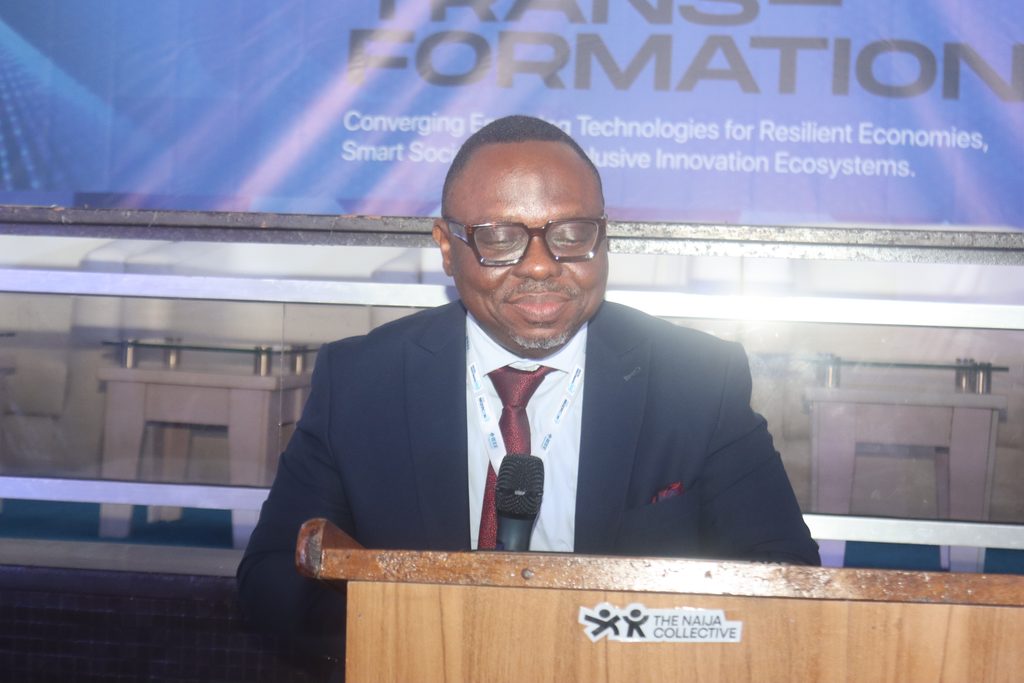
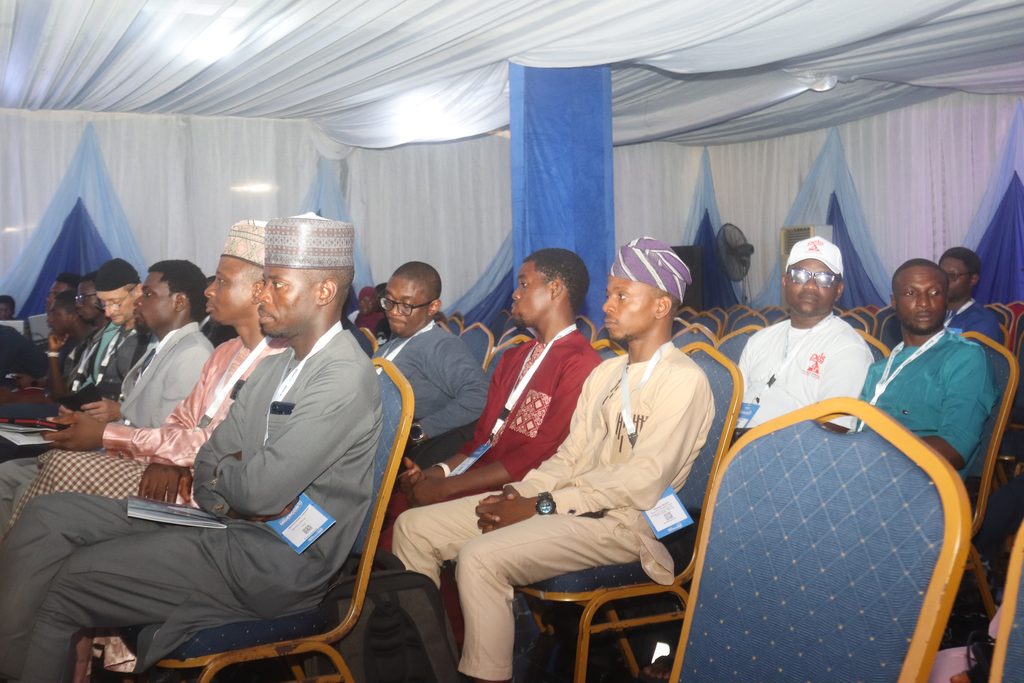
He explained that although digital services might appear virtual, the systems supporting them depended on reliable electricity. He noted that investments in data centres and other technology enterprises could become less competitive when investors also had to provide their own power infrastructure.
Mr. Ogunleye put Lagos State’s estimated electricity demand at about 12 gigawatts, compared with approximately one gigawatt supplied through the national grid. He described the shortfall as a constraint on business productivity, technology enterprises, hospitals and schools.
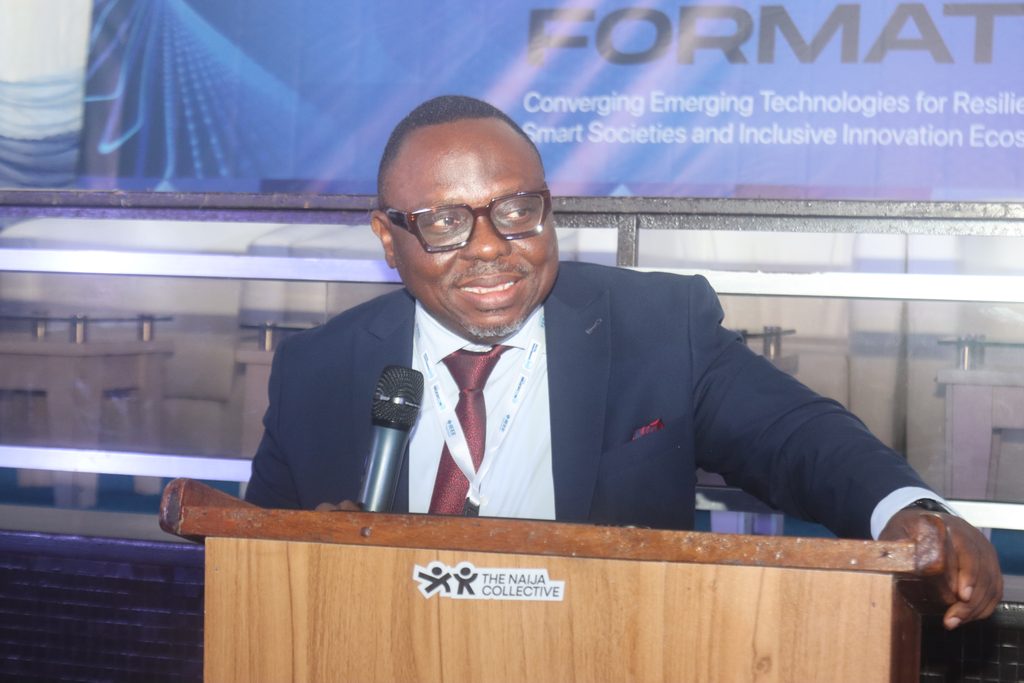
He outlined reforms anchored on the Electricity Act 2023 and the Lagos State Electricity Law 2024, highlighting the roles of the Lagos State Electricity Regulatory Commission and the Lagos Independent System Operator.
The Commissioner said the State aimed to mobilise up to six gigawatts of additional generation capacity through gas, solar and other solutions, supported by improvements in grid readiness and service delivery.
He also highlighted the State’s 100 per cent metering agenda and the proposed AI-enabled Electric Eye of Lagos for real-time electricity market monitoring. According to him, smart meters, geospatial mapping and advanced analytics could improve transparency, detect losses and guide investment.
Mr. Ogunleye stressed that connected power systems must incorporate cybersecurity, data integrity and human oversight from the outset. He urged universities, investors and engineers to develop secure, affordable and scalable solutions for homes, schools, hospitals, markets and underserved communities.
Mobilising Investment in Digital Infrastructure
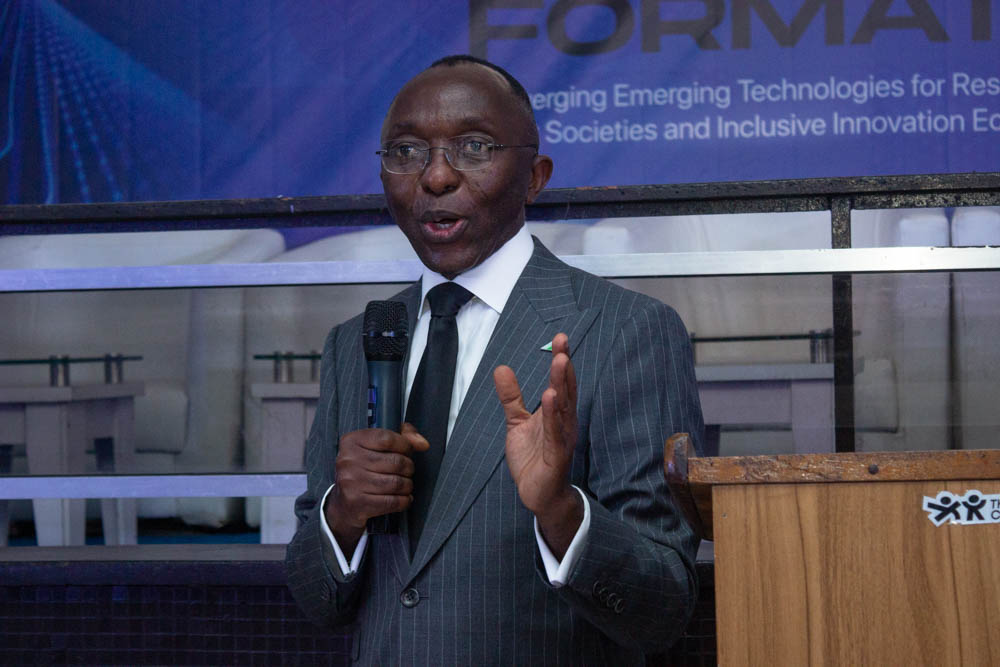
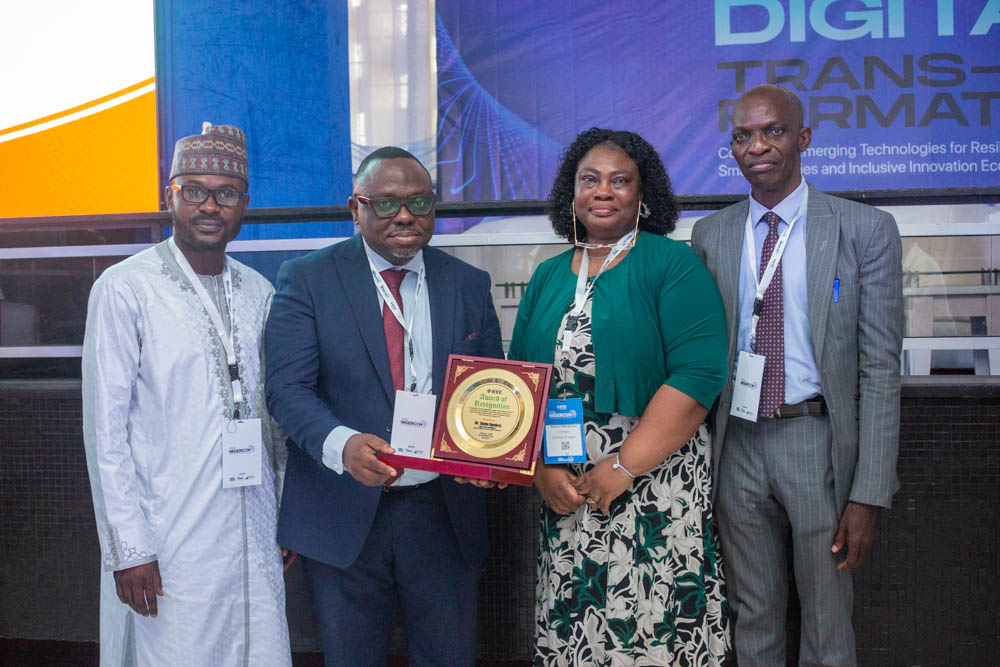
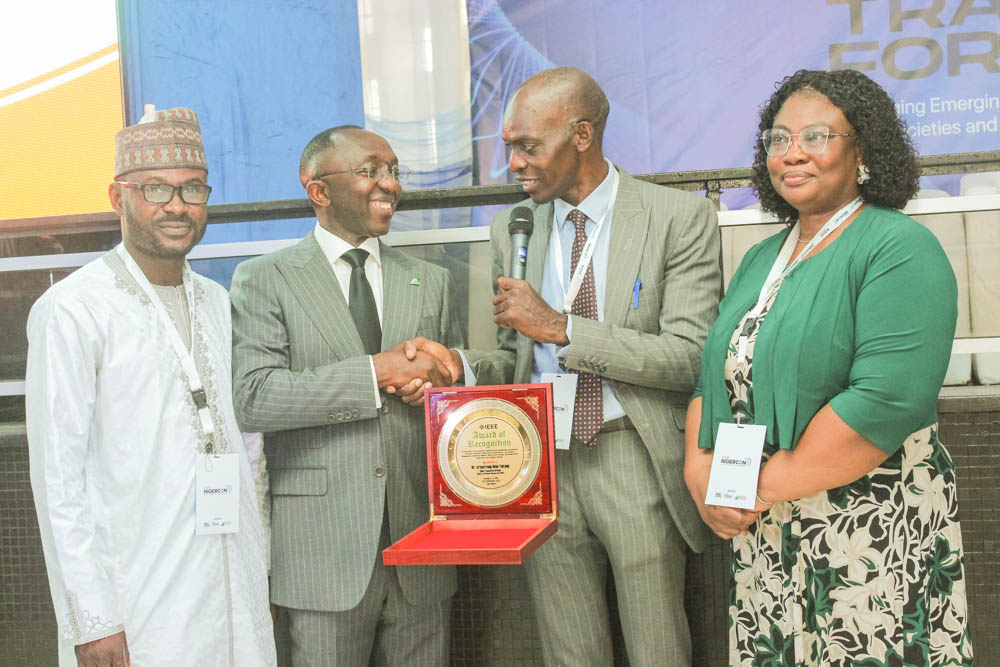
Complementing the discussion on electricity, the Managing Director and Chief Executive Officer of the Ministry of Finance Incorporated (MoFI), Dr. Armstrong Ume Takang, examined the role of public assets, technology and investment in building a resilient digital economy.
He described digital infrastructure as a strategic national asset, explaining that MoFI’s mandate included managing government investments, mobilising capital and reducing investment risks to attract private-sector participation.
Dr. Takang highlighted Project Bridge, an approximately $2 billion initiative to deploy 90,000 kilometres of open-access fibre-optic infrastructure across Nigeria’s 774 Local Government Areas.
He said the project was expected to create about 15,000 jobs and connect approximately 38,800 schools and 17,000 healthcare facilities. He added that improved connectivity could expand access to services such as telemedicine, enabling specialists in urban centres to support patients in rural communities.
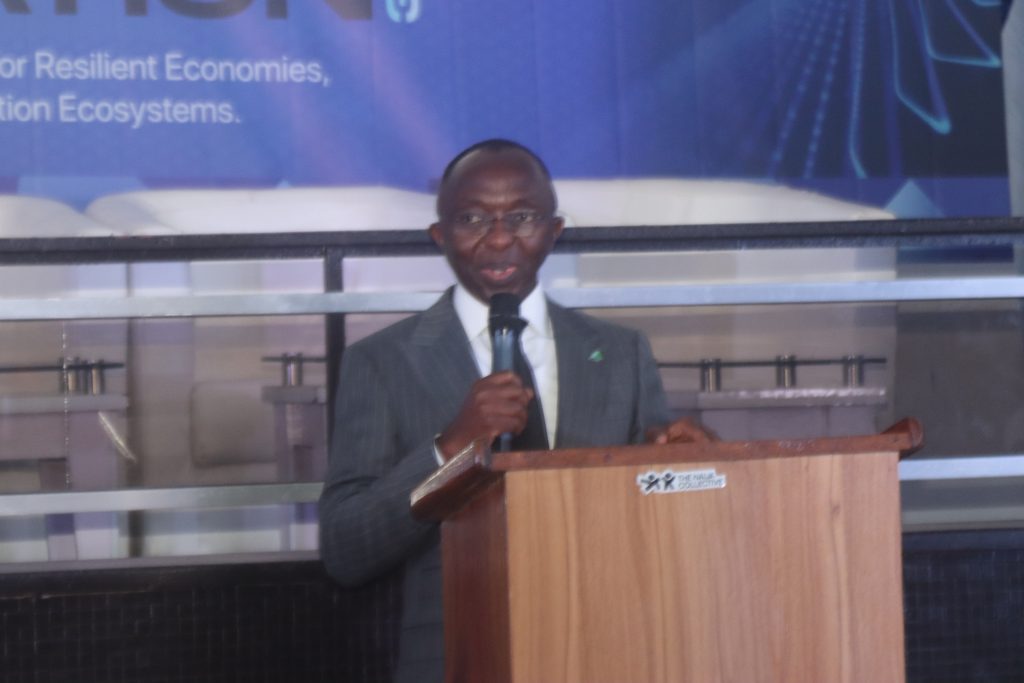
He also discussed the National Asset Register and the application of technology to improve the documentation, management and optimisation of public assets.
Dr. Takang urged young people to acquire relevant digital competencies and remain adaptable as artificial intelligence and automation continued to reshape professional roles.
Designing Technology for People
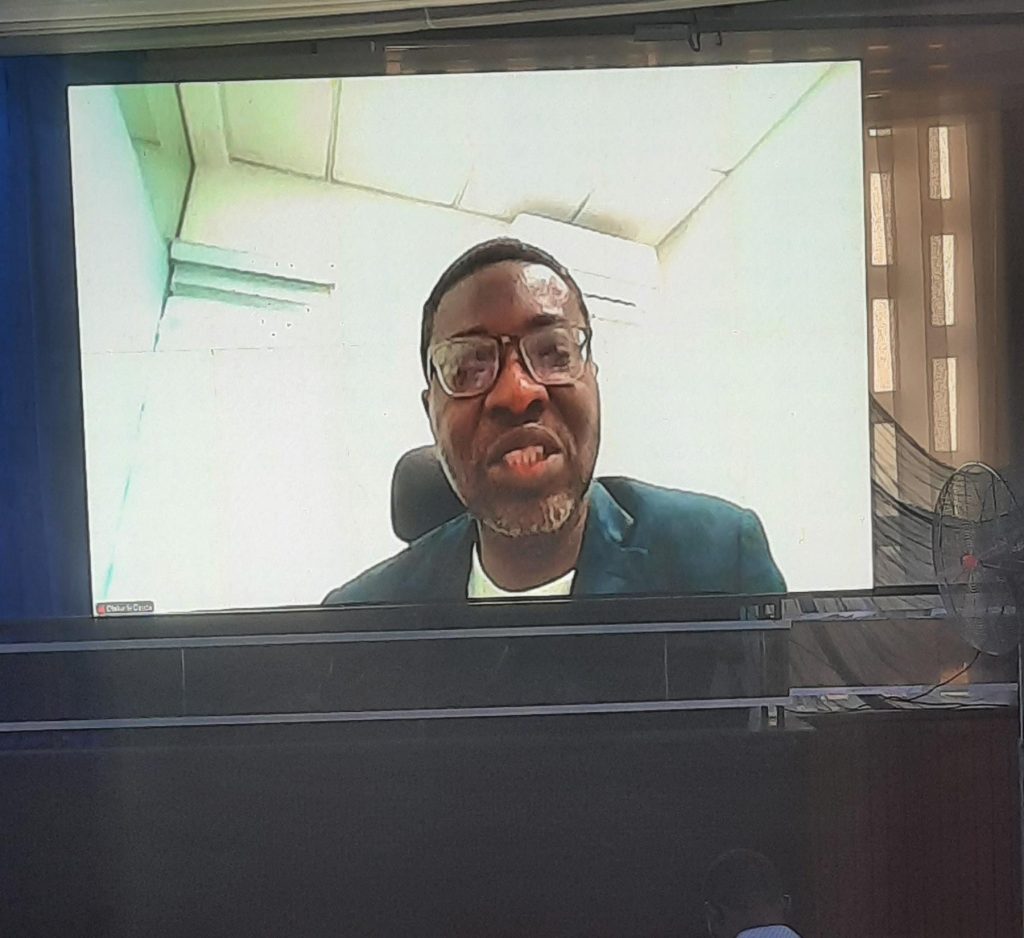
Beyond infrastructure and investment, the Head of Strategy, Business Transformation and Investor Relations at NOVA Bank, Mr. Olakunle Fasasi Dauda, emphasised that the value of digital transformation should ultimately be measured by its impact on people.
He urged engineers to consider the needs of users with limited connectivity, persons with disabilities and individuals encountering digital services for the first time.
Mr. Dauda stressed that accessibility, clear communication and the ability of technological solutions to function during power or connectivity disruptions should inform their design, testing and maintenance.
He also called for accountability in consequential AI decisions, including clearly defined responsibility for errors and opportunities for affected individuals to seek a review.
Encouraging stakeholders to translate collaboration into practical commitments, he urged them to focus on clearly defined problems. Experienced professionals were also encouraged to provide mentorship, share knowledge and create internship opportunities for emerging talent.
Developing Ethical AI Frameworks for African Contexts
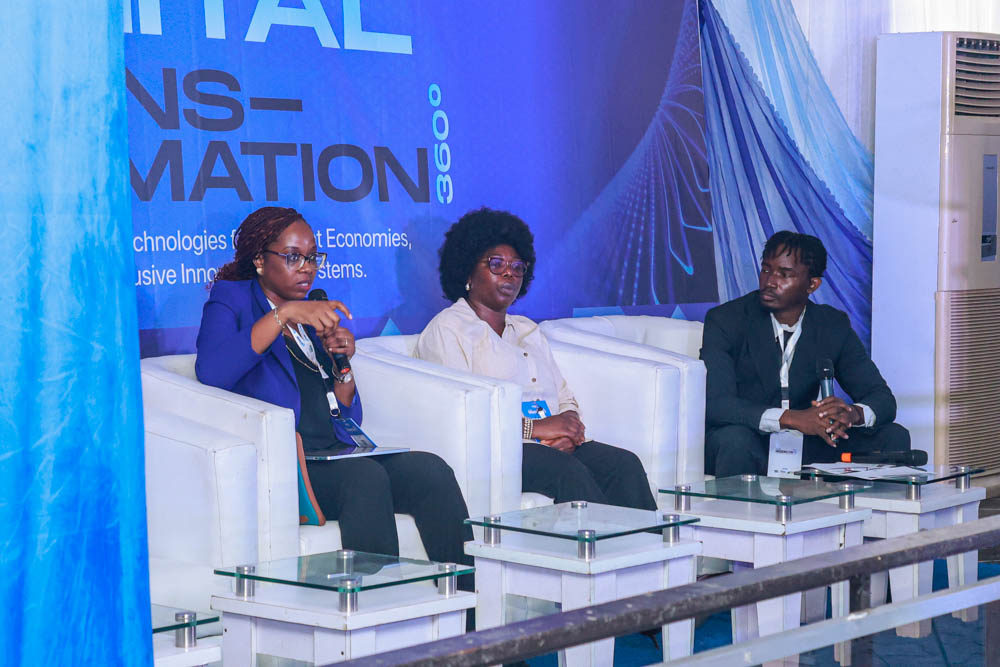
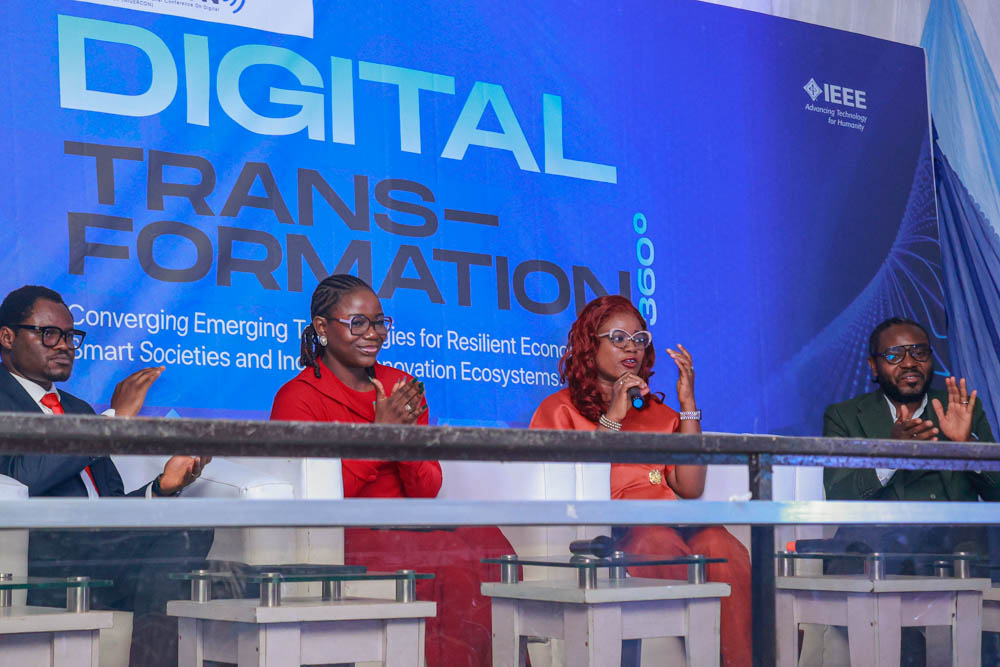
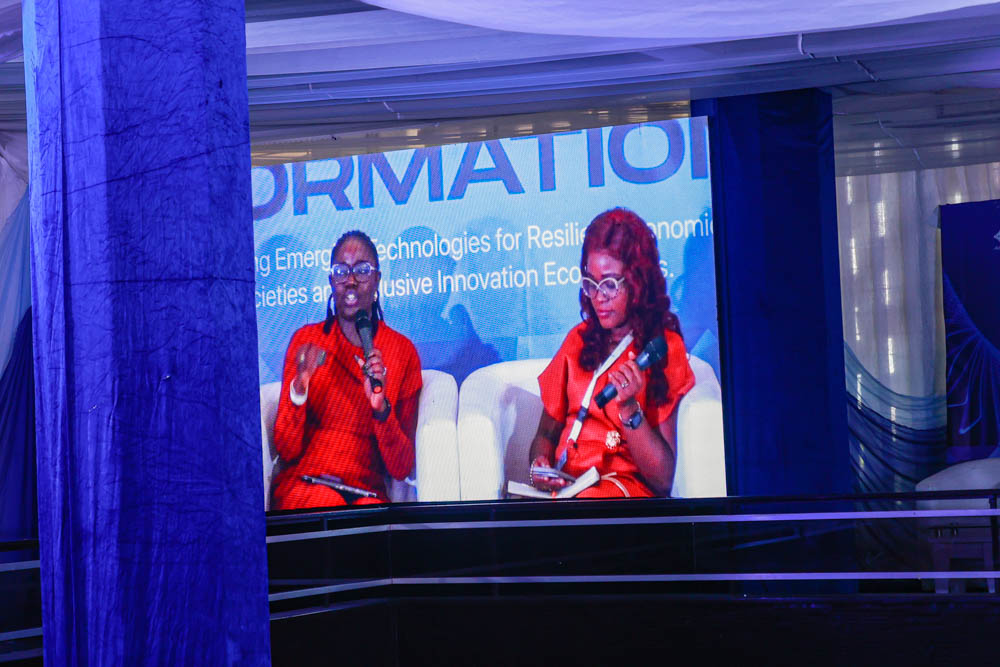
The emphasis on inclusion and accountability continued during the first panel session, titled “AI Governance for the Global South,” which explored the theme, “Beyond Silicon Valley: Building Ethical AI Frameworks for African Contexts.”
The session featured Tinuade Oguntuyi, General Manager, Technical, Information Connectivity Solutions Limited (ICSL), and Dr. Ihuoma Kelechi Iloabino, a lecturer in the Faculty of Law, University of Lagos.
Discussions highlighted the need for AI governance frameworks that reflected Africa’s social, cultural, linguistic, economic and infrastructural realities. Contributors cautioned against adopting foreign regulatory models wholesale, stressing that locally relevant approaches were necessary to address the continent’s distinctive challenges.
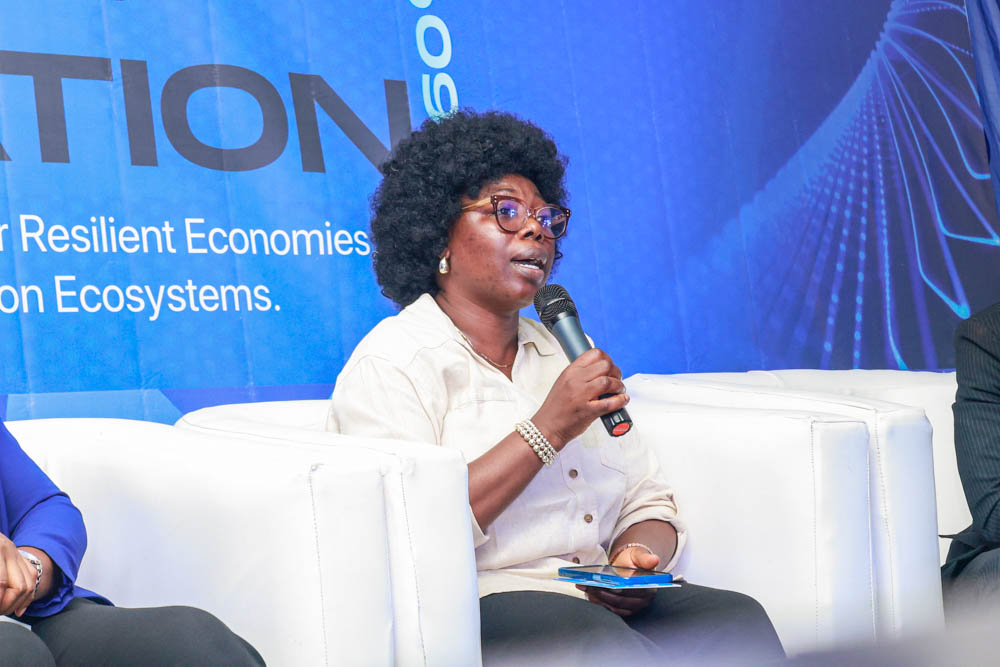
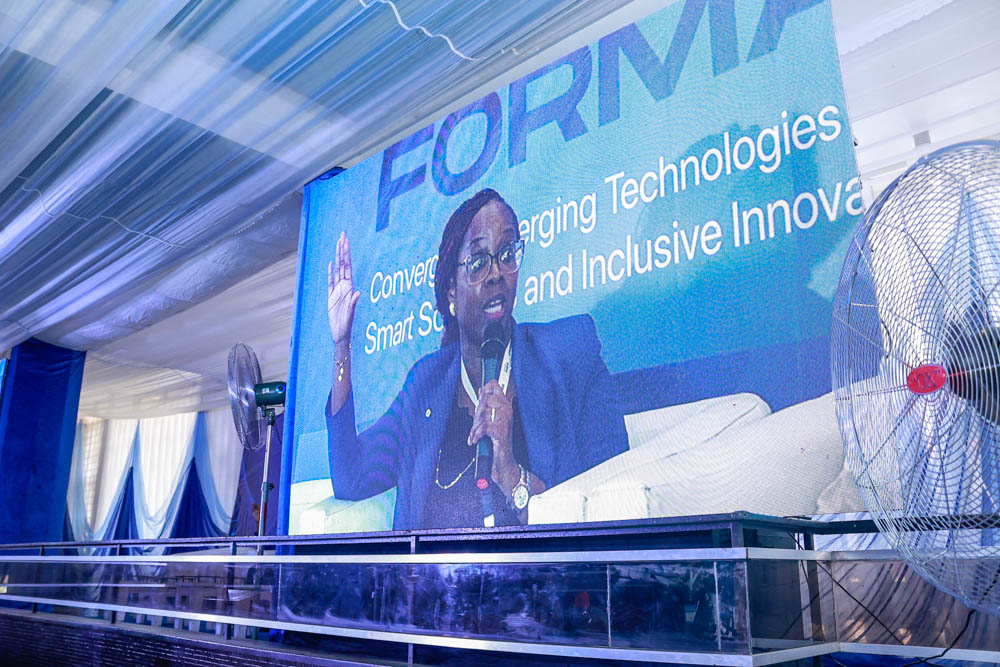
The panel identified the protection of fundamental rights, non-discrimination, human oversight and accountability for harm as essential safeguards. Contributors maintained that regulation should encourage innovation without exposing citizens, particularly vulnerable groups, to avoidable risks.
Particular concerns were raised about high-risk applications involving warfare, policing, surveillance and workplace monitoring. The discussion stressed the need for clear limits, appropriate restrictions and identifiable human responsibility when AI systems caused harm.
Contributors also emphasised that human oversight should extend beyond initial deployment, with mechanisms for monitoring, reviewing and stopping systems whose operation threatened safety or fundamental rights.
On data quality, the panel noted that systems trained predominantly on foreign datasets might fail to reflect African populations, languages, cultures and lived experiences. It therefore called for meaningful local representation in training datasets, particularly for applications in sensitive sectors such as healthcare.
The discussion further highlighted the importance of African-language technologies, including tools accessible in Pidgin, as a means of widening participation. Contributors also called for the preservation and inclusion of indigenous stories, knowledge and cultural resources to prevent their marginalisation in emerging digital systems.
Beyond regulation and data, the panel examined whether the continent possessed the infrastructure and expertise required to implement ethical AI effectively. Contributors raised concerns about dependence on imported routers, switches, servers and other equipment, alongside the need to develop the capacity to understand and secure the data passing through these systems.
They stressed that data localisation must be accompanied by adequate cybersecurity expertise, noting that domestic hosting alone would not guarantee data protection. The discussion also drew attention to AI-enabled threats, including phishing, and the need to strengthen technical capacity.
The session concluded with a call for sustained collaboration among government, industry, academia, legal professionals, civil society, technical communities and affected citizens. Contributors emphasised that responsible AI was a shared obligation requiring public awareness, professional accountability and research directed towards solving local problems.
Balancing Data Sovereignty and AI Progress
Closely linked to the governance discussion was the question of how Africa could retain control over its data while benefiting from global technological advances.
The second panel session, titled “The African Data Dilemma,” explored the theme, “Data Sovereignty vs. AI Progress: Can Africa Have Both?”
The session featured Michael Alabi, fNSIG, a Technology and Digital Transformation Leader, Independent Technology Professional and Researcher; Mr. Monsuru Sodeeq, Economic Data Scientist and Research Fellow, Institute of Applied Knowledge, Abuja; and Isreal Ayomide Fehintola, Co-Founder, TechMentor Africa.
Discussions focused on the implications of a global AI ecosystem in which African languages, contexts and challenges remained underrepresented in training datasets, while African data could be extracted without sufficient local benefit.
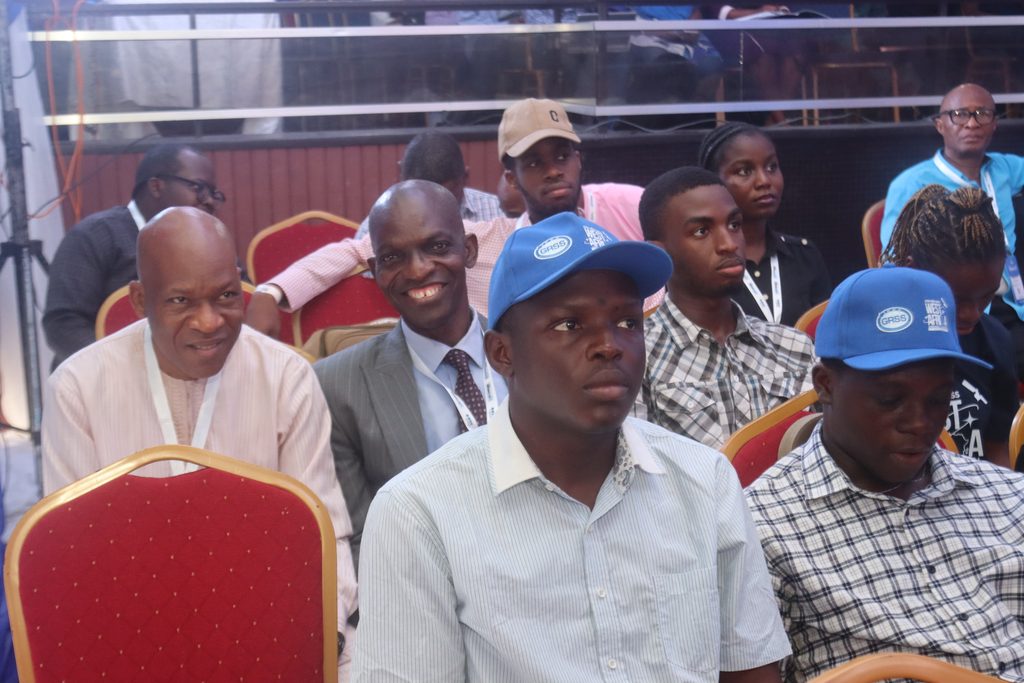
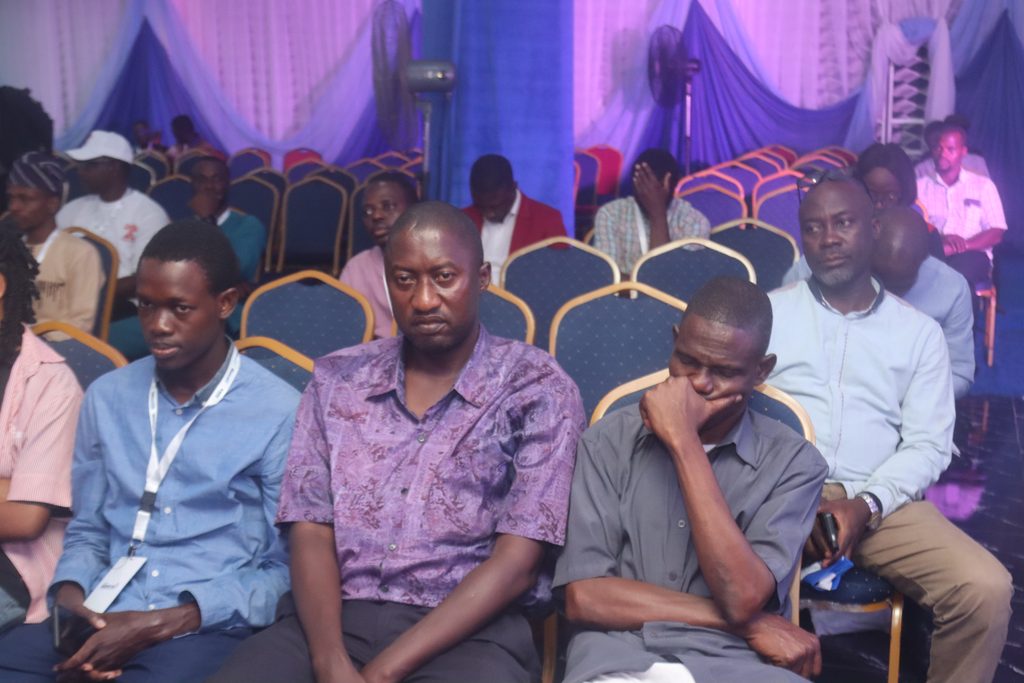
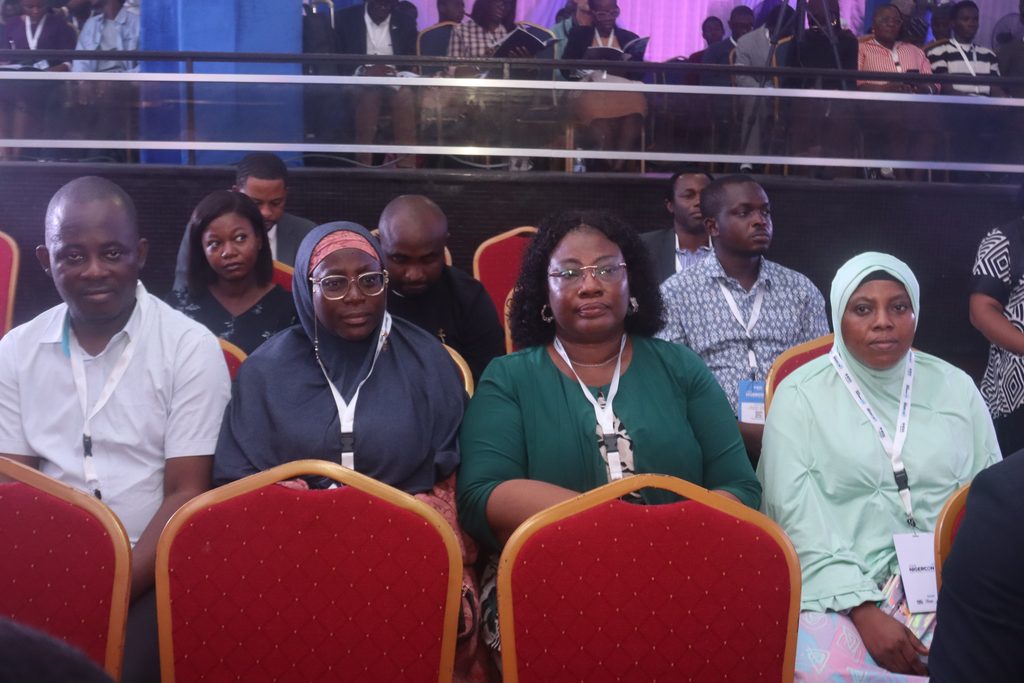
The panel also examined the balance between restricting data exports to develop domestic AI capacity and maintaining access to global innovation. Participants considered the potential for data partnerships that could support technological advancement while ensuring fair value distribution.
These issues echoed concerns raised during the preceding governance discussion about data surveillance, dependence on foreign technologies and the need to strengthen local research and development. Together, the sessions underscored the relationship between ethical AI, representative datasets, secure infrastructure and Africa’s ability to shape its digital future.
Preparing Students for Emerging Opportunities
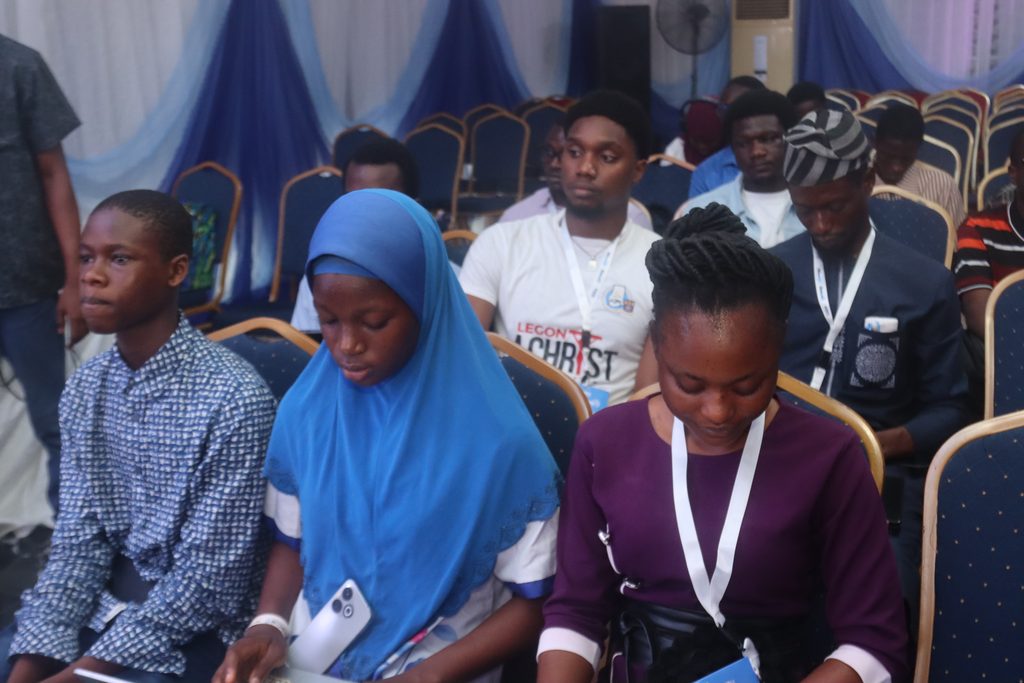
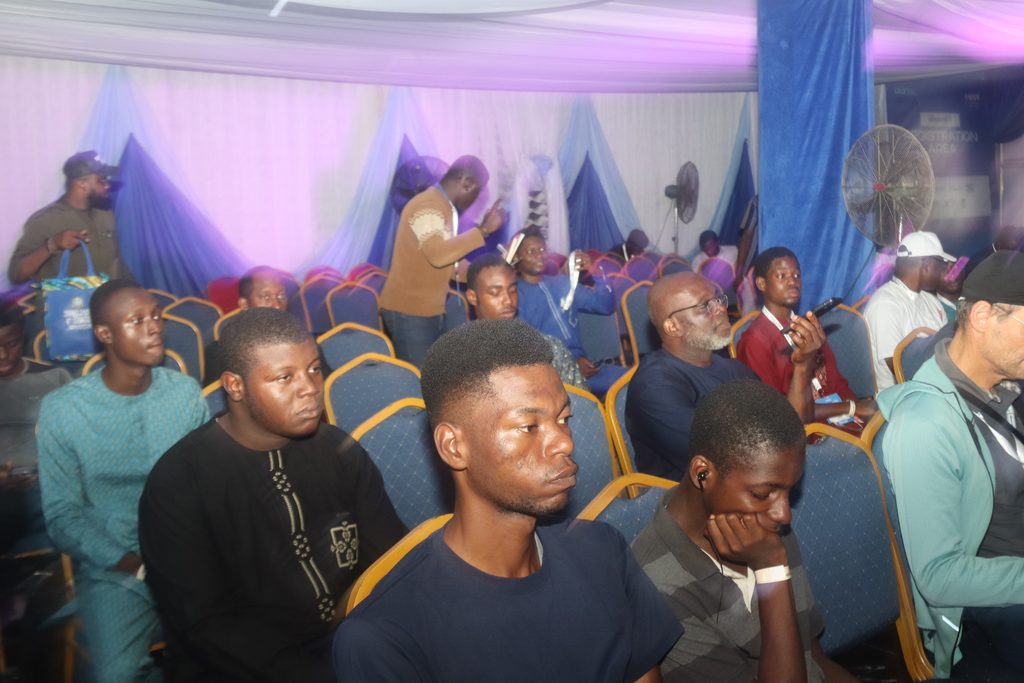
In addition to the keynote presentations and panel discussions, the conference featured a career fair for engineering students, providing opportunities to explore industry-related career pathways and the competencies required in the evolving technology sector.
The engagement reinforced the broader call for practical digital skills, adaptability, mentorship and stronger links between academic training and workplace expectations. It also highlighted the importance of university-industry collaboration in helping students connect classroom knowledge with practical applications.
Translating Dialogue into Action
The conference reinforced the need to move beyond technology adoption towards building local capacity to develop, govern, and sustain solutions that address African realities.
Across the presentations and panel discussions, speakers emphasised that reliable electricity, digital connectivity, ethical governance, and skilled professionals must work together to deliver meaningful benefits to society.
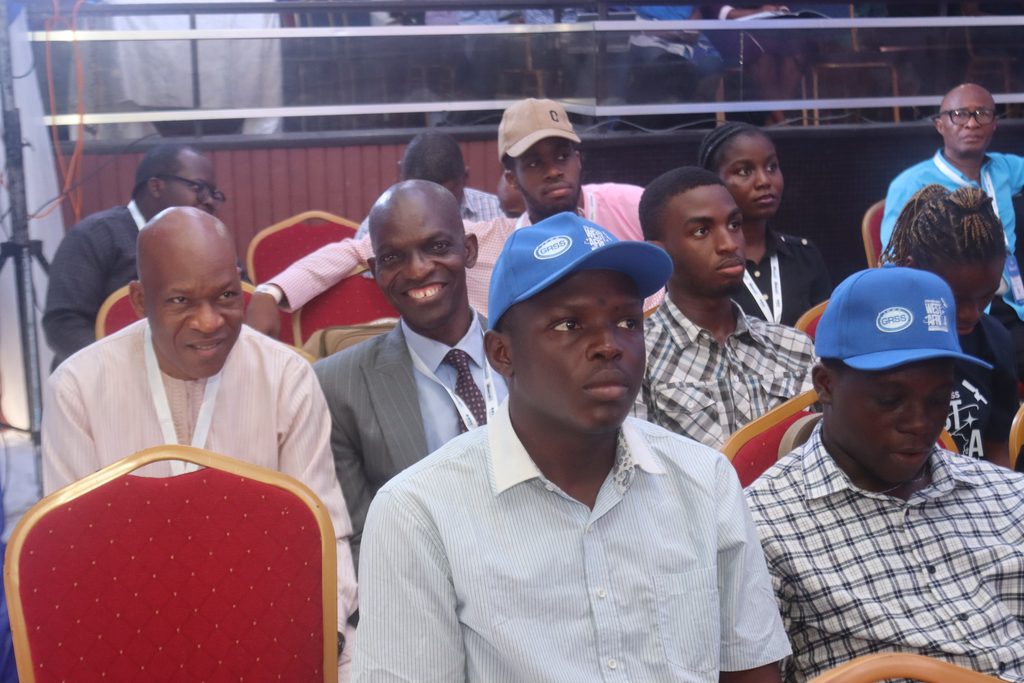
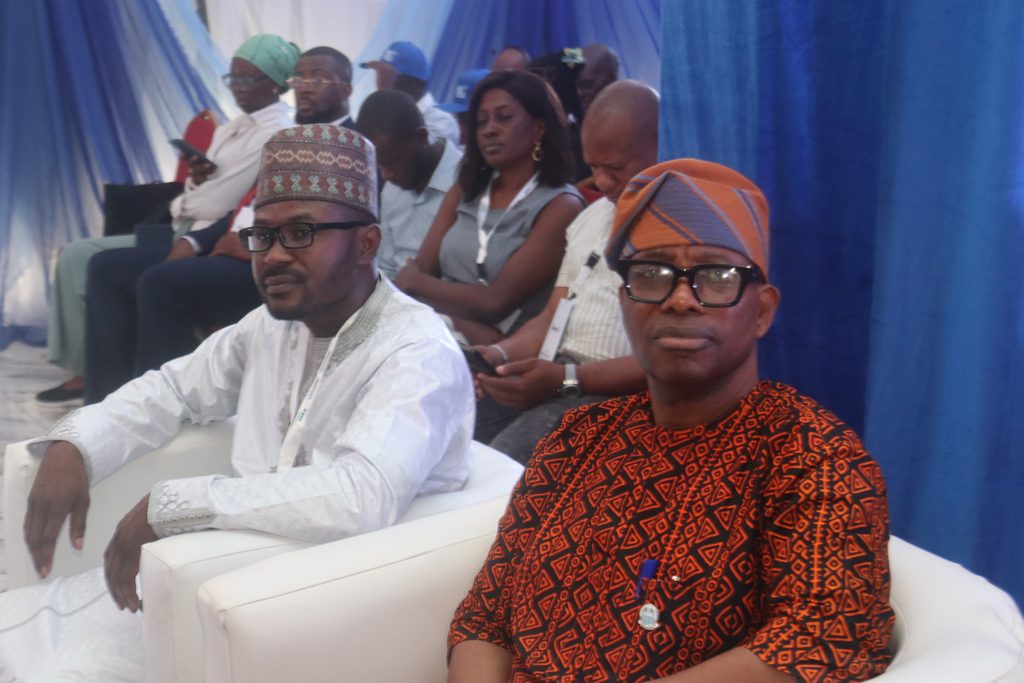
For UNILAG, the engagement underscored the role of universities in connecting research with industry needs, informing public policy, and preparing students to become innovators and problem-solvers. It also reinforced the alignment between the University’s Future-Ready Agenda and the wider pursuit of a resilient and inclusive digital economy.
Participants were encouraged to translate the ideas and connections developed at NIGERCON 2026 into practical partnerships, research outcomes, and opportunities for emerging talent, with inclusion remaining a central measure of technological progress.
measure of technological progress.
Report: Lynda Onah
Photograph: Dosunmu Olaifa