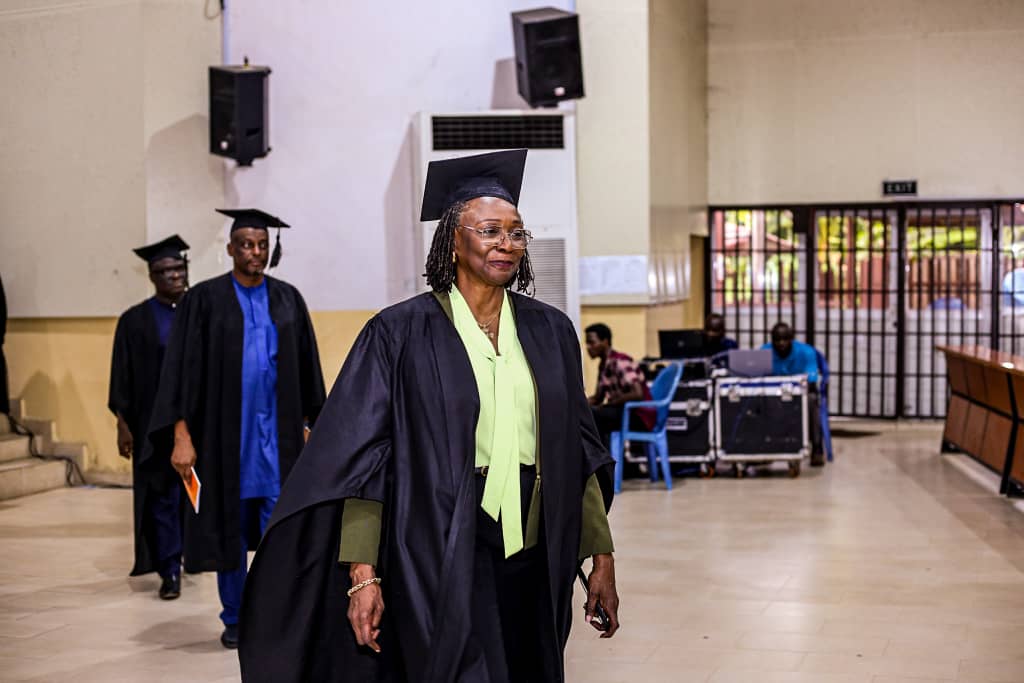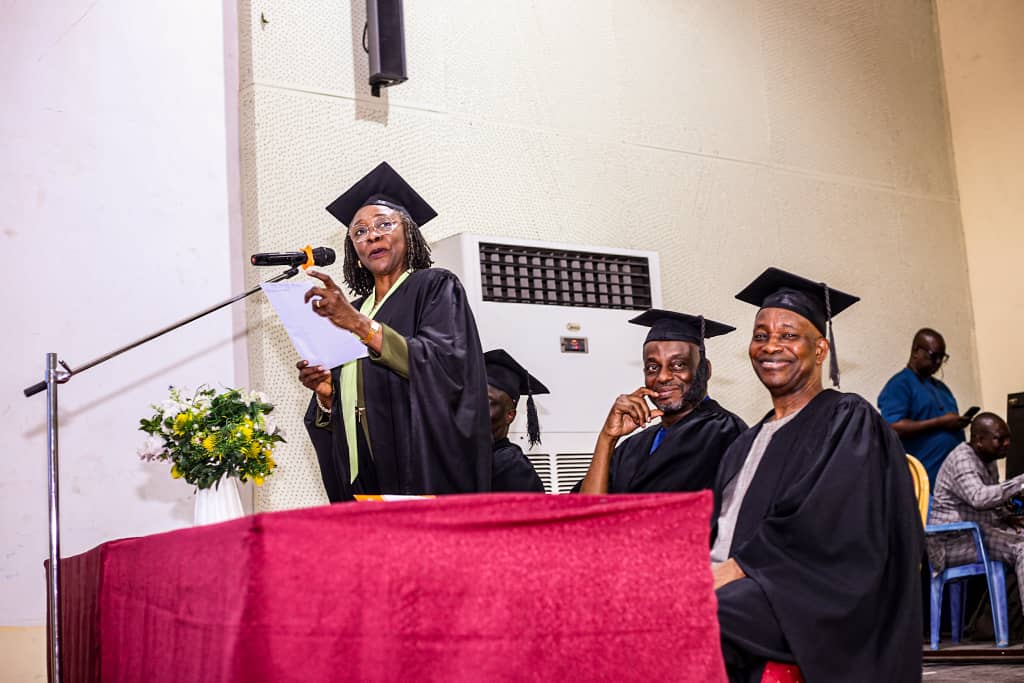
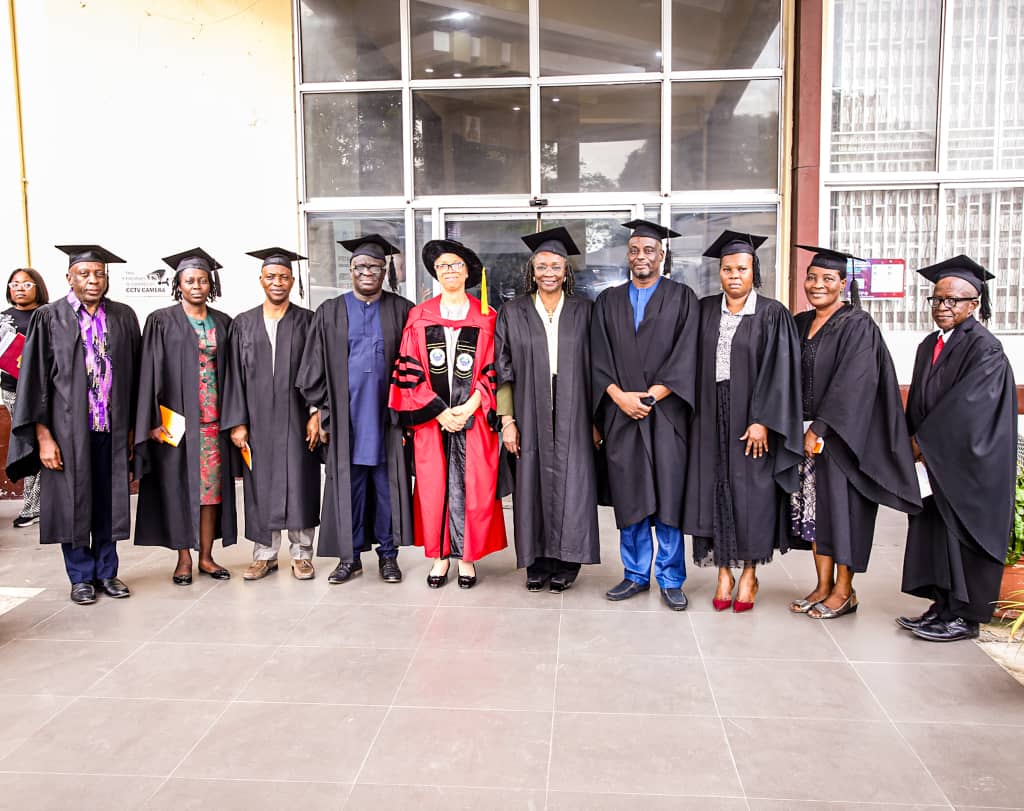
The University of Lagos (UNILAG) witnessed a historic moment on Wednesday, May 6, 2026, as Professor Faith Uchenna Babalola delivered the 13th Inaugural Lecture of the 2025/2026 Academic Session, becoming the first female academic from the Faculty of Engineering to deliver an inaugural lecture since the Faculty’s establishment in 1964.
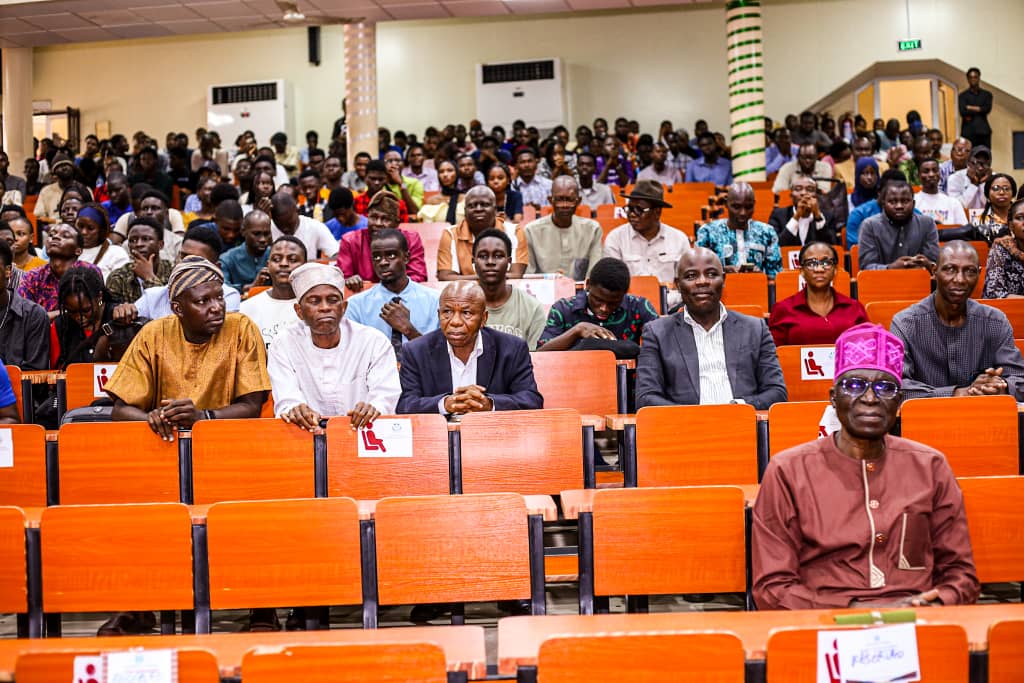
The event was held at the Nurudeen Alao Auditorium at the Distance Learning Institute (DLI). It attracted academics, researchers, students, industry professionals, family members, and well-wishers from within and beyond the University community. Among the distinguished guests were revered Emeritus Professor of Engineering and mentor to the inaugural lecturer, Professor Alfred Akpoveta Susu as well as Professor Ayo Francis Ogunye.
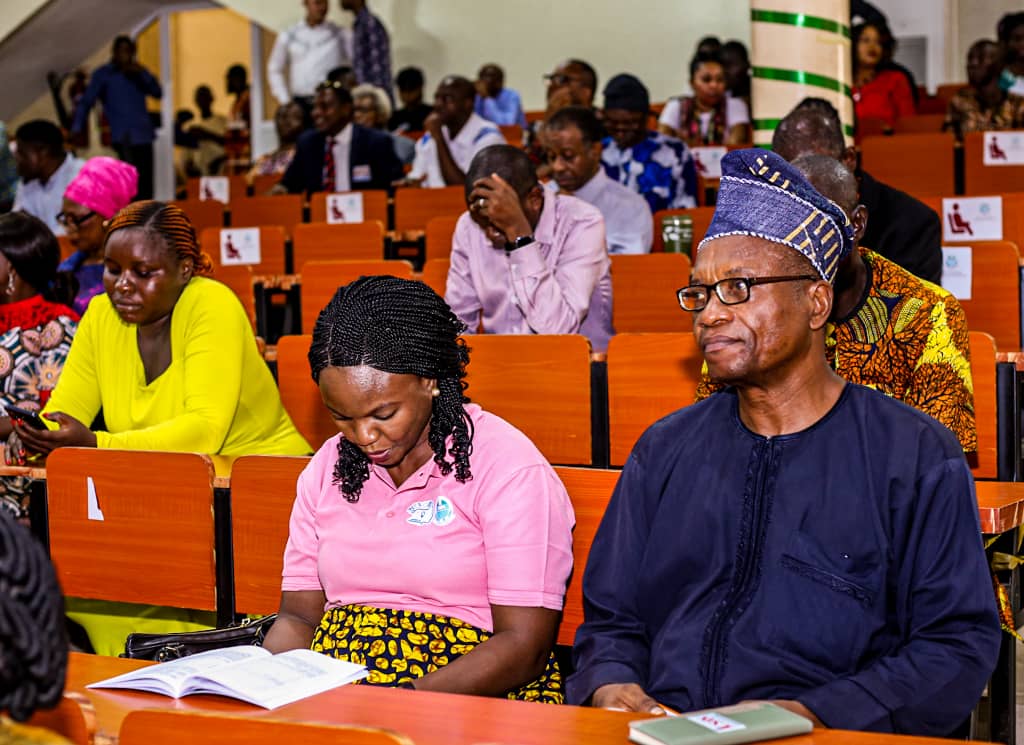
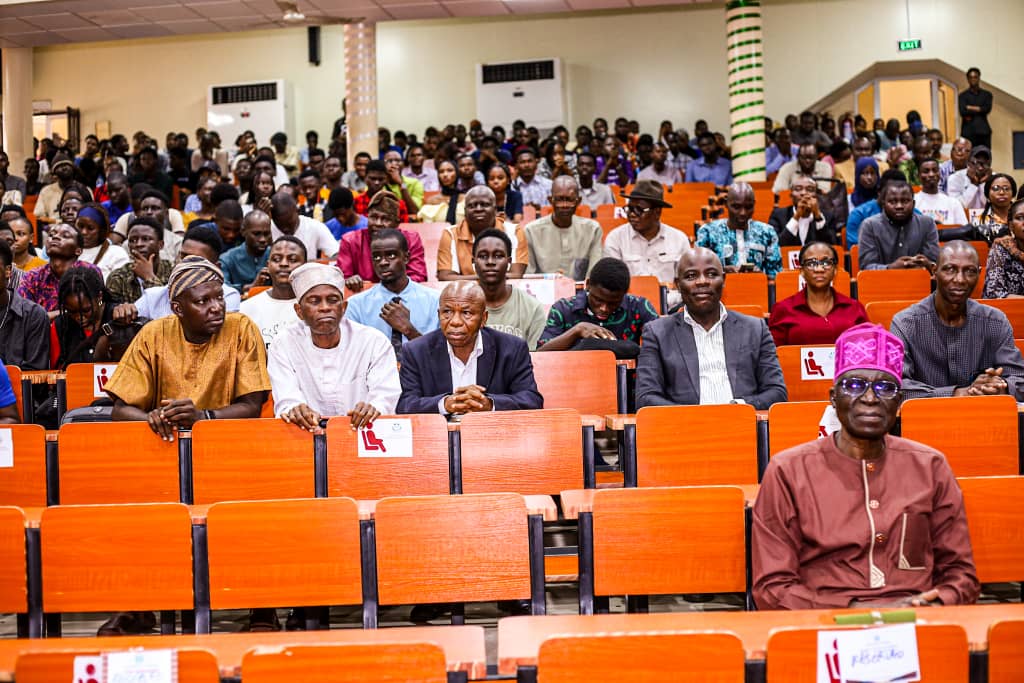
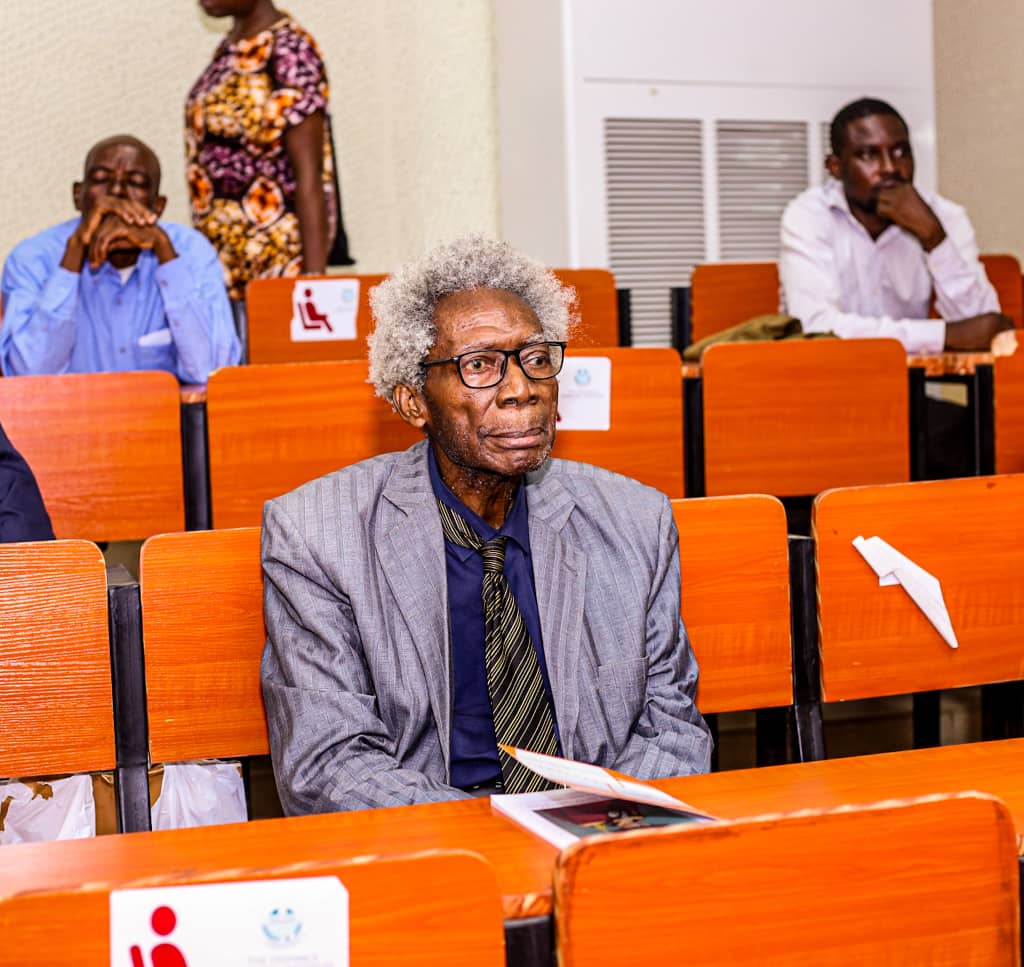
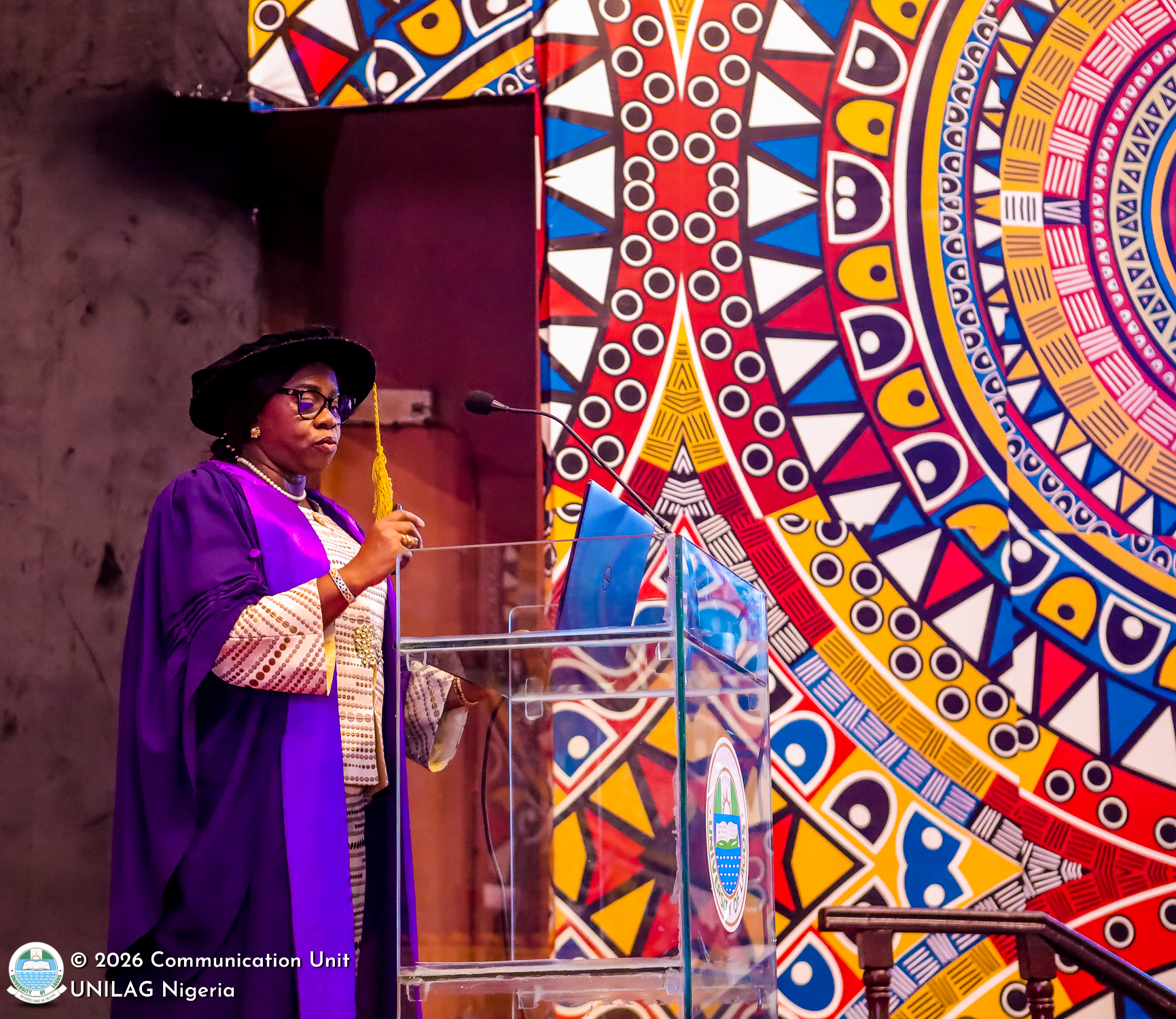
The Vice-Chancellor, Professor Folasade T. Ogunsola, OON, FAS, presided over the lecture. Titled “Translating Abstract Thermodynamics into Concrete Useful Tangibilities,” the lecture was intellectually engaging and practically illuminating, as Professor Babalola successfully bridged the gap between theory and real-life application, simplifying a field many consider difficult and abstract.
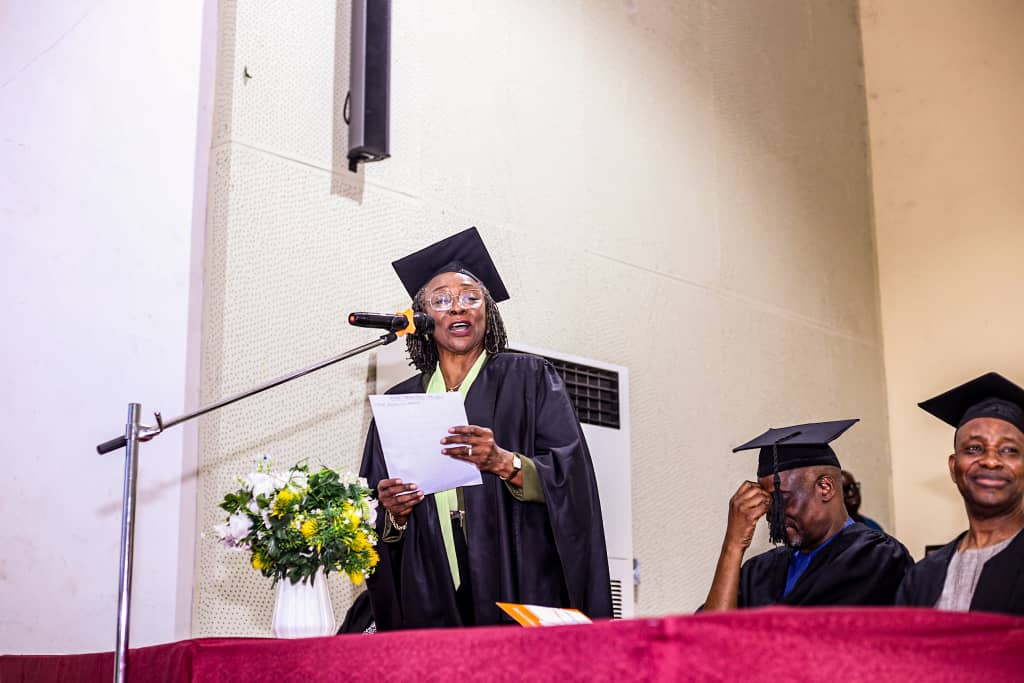
For many in attendance, the lecture was more than an academic exercise; it was a celebration of scholarship, resilience, consistency, and the growing visibility of women in engineering and science.
Translating Abstract Thermodynamics into Concrete Useful Tangibilities
In her presentation, Professor Babalola demonstrated how thermodynamics, often viewed as a highly theoretical aspect of engineering, has direct applications in solving pressing industrial, scientific, technological, and societal challenges.
Drawing from decades of research, she explained how her work in thermodynamic modelling has contributed significantly to the oil and gas industry, particularly in predicting the behaviour of reservoir fluids under extreme pressure and temperature conditions.
One of the major highlights of the lecture was her discussion of the Peng-Robinson-Babalola-Susu Equation of State (EoS), developed to improve the modelling and prediction of Pressure-Volume-Temperature (PVT) behaviour in High Pressure-High Temperature (HPHT) reservoir systems.
According to her, the model offers a higher degree of accuracy in understanding complex fluid systems within petroleum reservoirs.
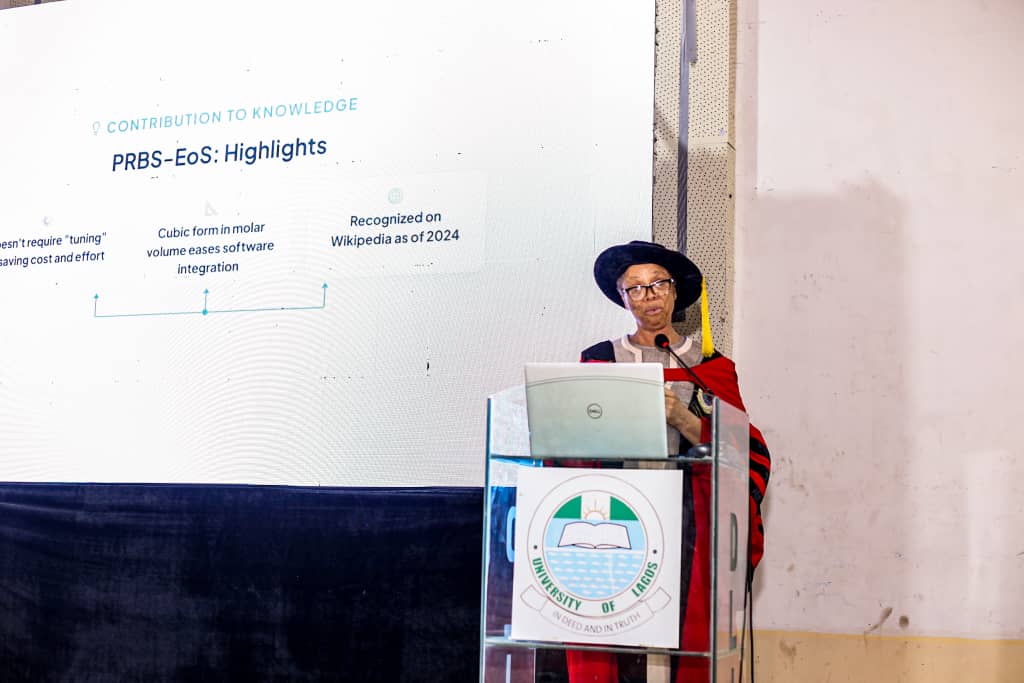
She also spoke extensively on phase stability studies and the development of a phase-split prediction model capable of improving oil well operations and reservoir management across varying pressure and temperature conditions.
Beyond petroleum engineering, Professor Babalola revealed that her research has extended into industrial safety systems through the development of predictive models for preventing liquid explosions and gas implosions in environments where physical experimentation may be too dangerous to conduct. She noted that the research has significant implications for safer industrial operations, transportation systems, and storage facilities.
In another practical application of thermodynamics, she explained how a robust model was developed for detecting adulterants in honey, with the potential for integration into portable electronic devices for affordable quality assurance and consumer protection.
The lecture also touched on renewable energy and sustainable development. Professor Babalola disclosed that her research has helped identify suitable working fluids from thousands of available options for the effective deployment of Organic Rankine Cycle (ORC) technology aimed at harnessing solar energy for medium-scale electricity generation in Nigeria’s tropical environment.
Speaking on the future of engineering research, Professor Babalola, a staunch member of the Association of Professional Women Engineers of Nigeria (APWEN), noted that advances in Artificial Intelligence (AI) and Machine Learning (ML) would make it easier to deploy thermodynamic models into smarter software systems, industrial tools, and technological devices capable of driving national development and economic growth.
She also challenged the long-standing perception of thermodynamics as a distant and overly mathematical discipline, insisting that the subject remains deeply connected to everyday life and modern technological advancement.
The lecture marked another significant milestone for the Department of Chemical Engineering, which has continued to contribute meaningfully to research and innovation within the Faculty of Engineering. For many attendees, it was especially symbolic to witness a female scholar occupy the inaugural platform in a faculty historically dominated by men.
About Professor Faith Uchenna Babalola
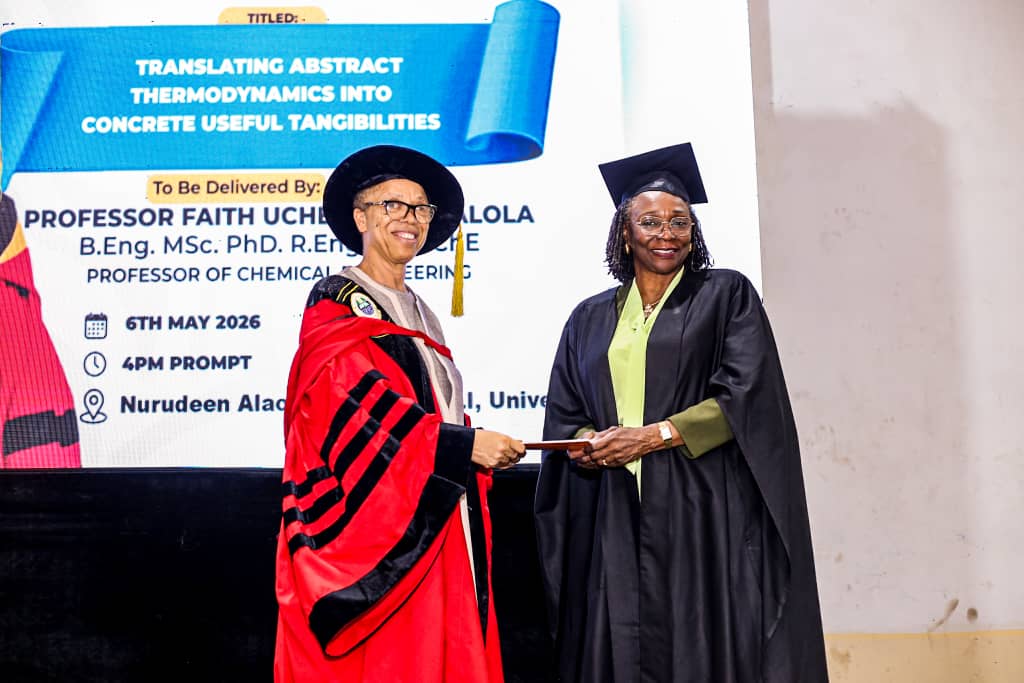
Professor Faith Uchenna Babalola was born on 22 January 1966 in Nnewi, Anambra State, to the family of Mr. Nwafor and Mrs. Gloria Ibeme. She commenced her primary education at All Saints’ Primary School, Nnewi (1971–1972), and subsequently attended Wulari I Primary School, Maiduguri, Borno State (1973–1978).
The young scholar proceeded to the Federal Government College, Maiduguri (1978–1983), before gaining admission to the University of Benin, Benin City, where she obtained the Bachelor of Engineering (B.Eng.) degree in Chemical Engineering in 1988.
She later earned both a Master of Science (M.Sc.) and Doctor of Philosophy (Ph.D.) degrees in Chemical Engineering from the University of Lagos (UNILAG), specialising in thermodynamics, energy, and phase behaviour modelling of reservoir and other fluid systems.
Professor Babalola’s academic career spans over three decades, during which she has served in various teaching and research capacities at Ladoke Akintola University of Technology, Ogbomoso (1992); Federal Polytechnic, Bida (1992–1994); and Lagos State University (1996–1999).
She joined the services of the University of Lagos in 1999 as an Assistant Lecturer and was elevated to the rank of Professor in 2022.
Professor Babalola is a seasoned researcher who has supervised numerous undergraduate, master’s, and doctoral theses in her areas of specialisation, which include energy systems, thermodynamics, reservoir fluid systems, phase behaviour modelling, and phase stability of fluid systems.
Within the University, she has made notable administrative contributions. She served as Acting Head of the Department of Chemical and Petroleum Engineering from 2022 to 2023, and as the substantive Head from 2023 to 2024. During her tenure, she successfully midwifed the unbundling of the 22-year-old Petroleum and Gas Engineering Programme into a full-fledged academic department.
Beyond the University, Professor Babalola has contributed significantly to the advancement of chemical engineering education, research, and professional practice. She has served as External Examiner to several universities, including Lagos State University (LASU), Obafemi Awolowo University, Ile-Ife (OAU), and the University of Ilorin (UNILORIN). She has also served as member of the Energy Thematic Group of the Presidential Committee on Vision 2020 (2009).
Professor Babalola has an extensive record of scholarly publications in reputable local and international journals. She serves on editorial boards, as well as a reviewer for several international journals. Her collaborative research with Emeritus Professor Alfred A. Susu led to the development of the Peng–Robinson–Babalola–Susu Equation of State (PRBS-EOS), which has demonstrated high accuracy in modelling the phase behaviour and properties of reservoir fluid systems under extreme high-pressure and high-temperature (HPHT) conditions, where many conventional and improved equations of state are inadequate.
A registered Engineer with the Council for the Regulation of Engineering in Nigeria (COREN), Professor Babalola is a Fellow of the Nigerian Society of Chemical Engineers (NSChE) and a member of the Association of Professional Women Engineers of Nigeria (APWEN).
Professor Faith Uchenna Babalola is married to Engr. King Olaseni Babalola and the marriage is blessed with three children.
Report: Bayo Salau
photographs: Michael Joshua