Stakeholders across government, academia, the private sector, and the tax profession have begun examining the practical implications of Nigeria’s newly enacted tax reforms. Conversations are centring on how the emerging regime can balance improved revenue generation, business competitiveness, investment attraction, and voluntary compliance without placing disproportionate burdens on citizens and enterprises.
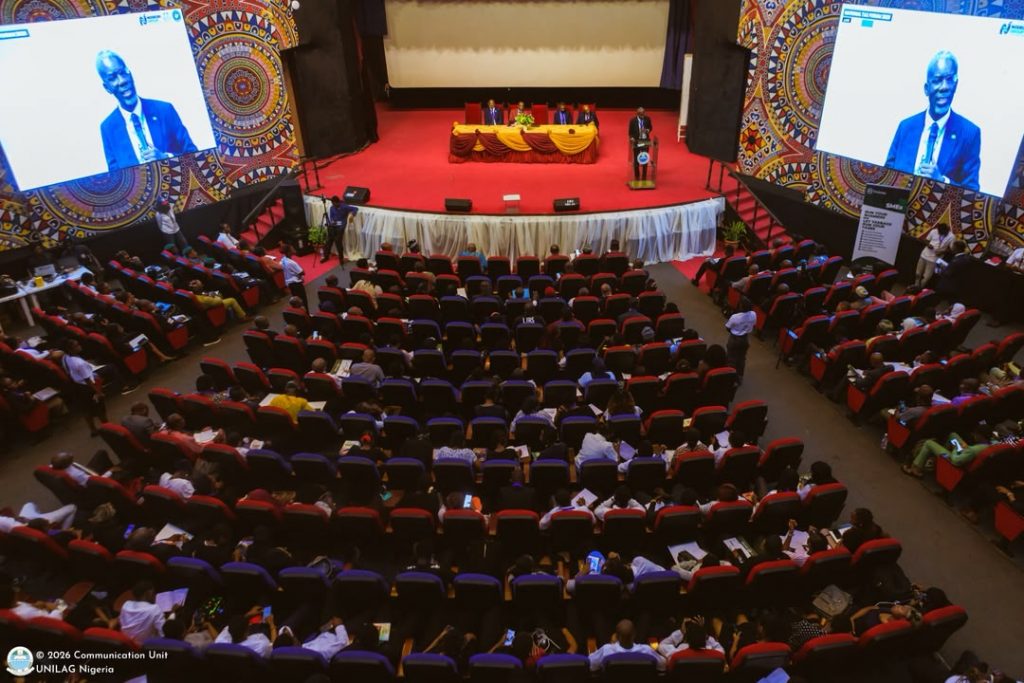
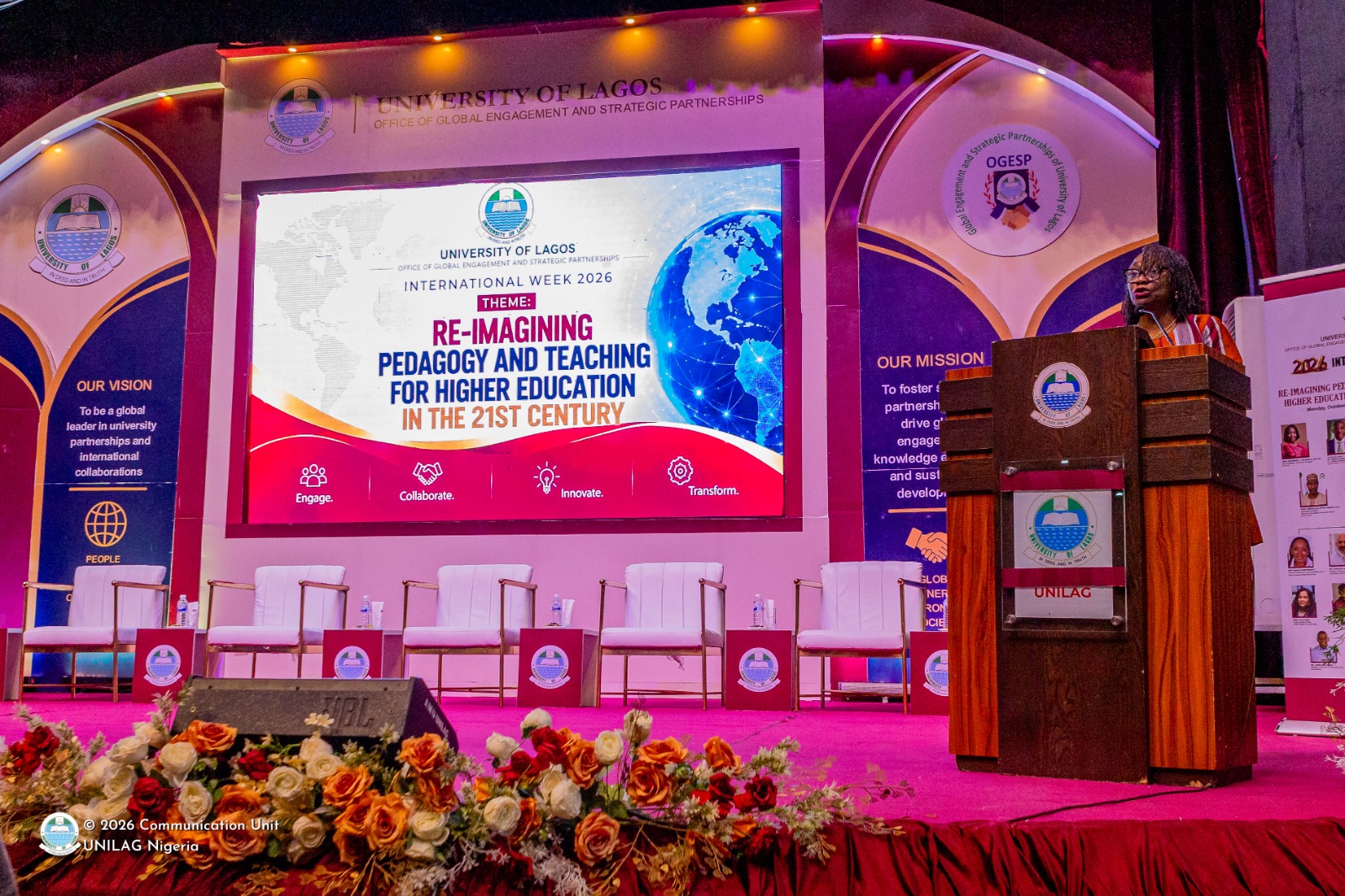
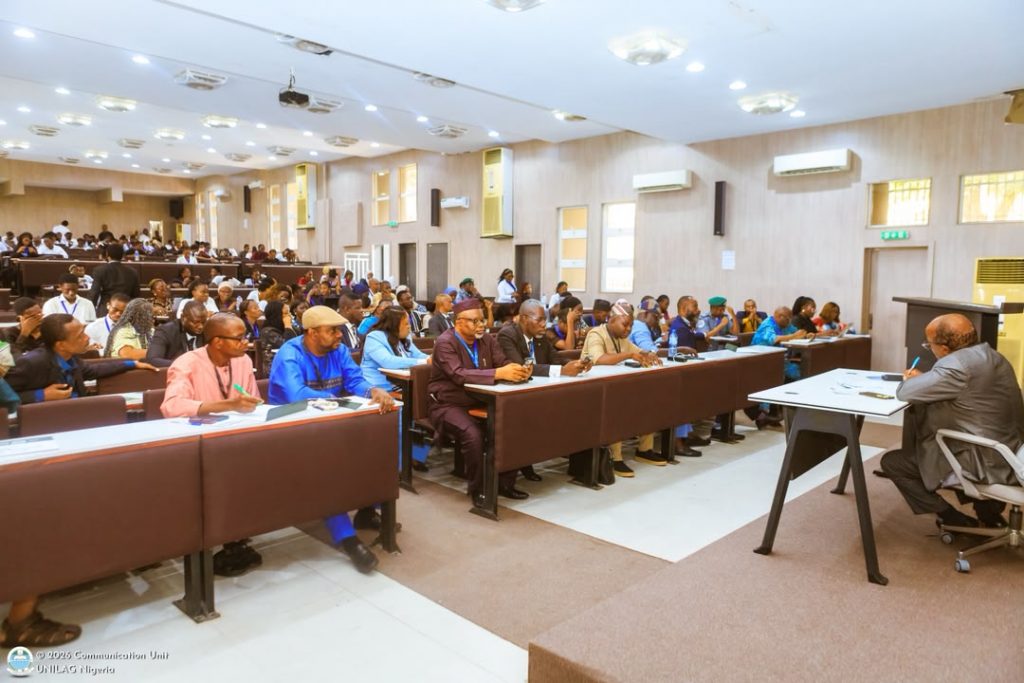
Those questions set the tone for the opening of the 2026 National Tax Forum on Thursday, July 2, 2026, as the University of Lagos, in partnership with Nodeori Group, convened key actors in Nigeria’s tax ecosystem.
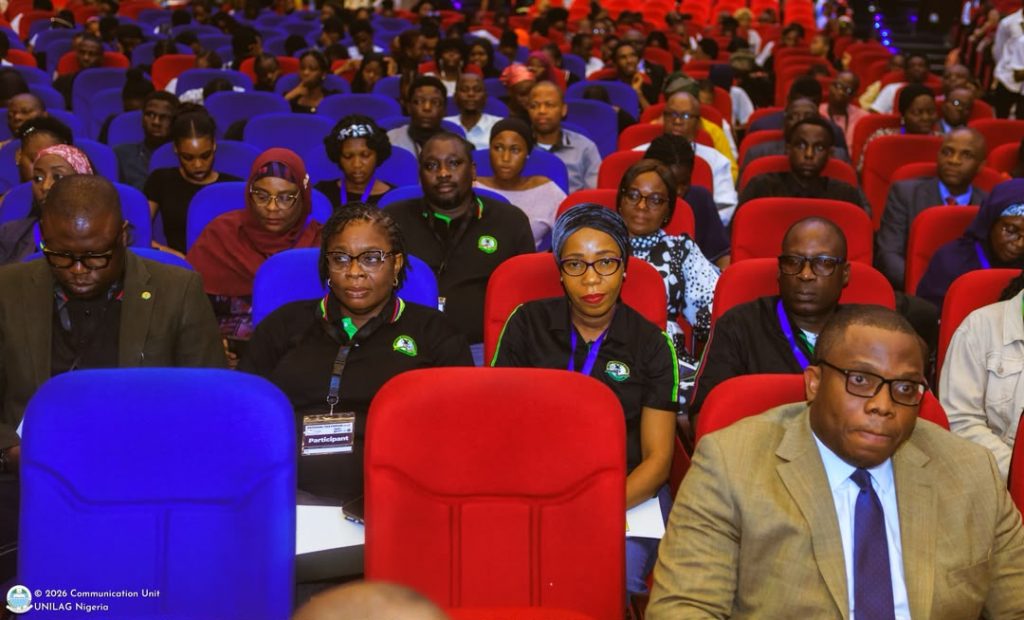
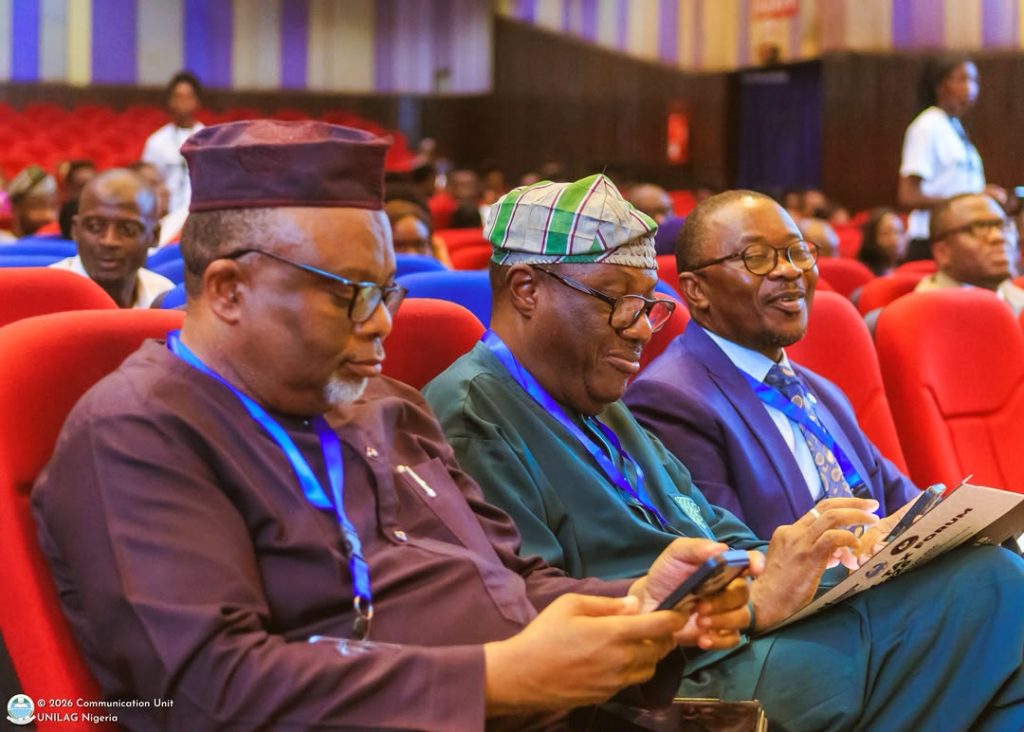
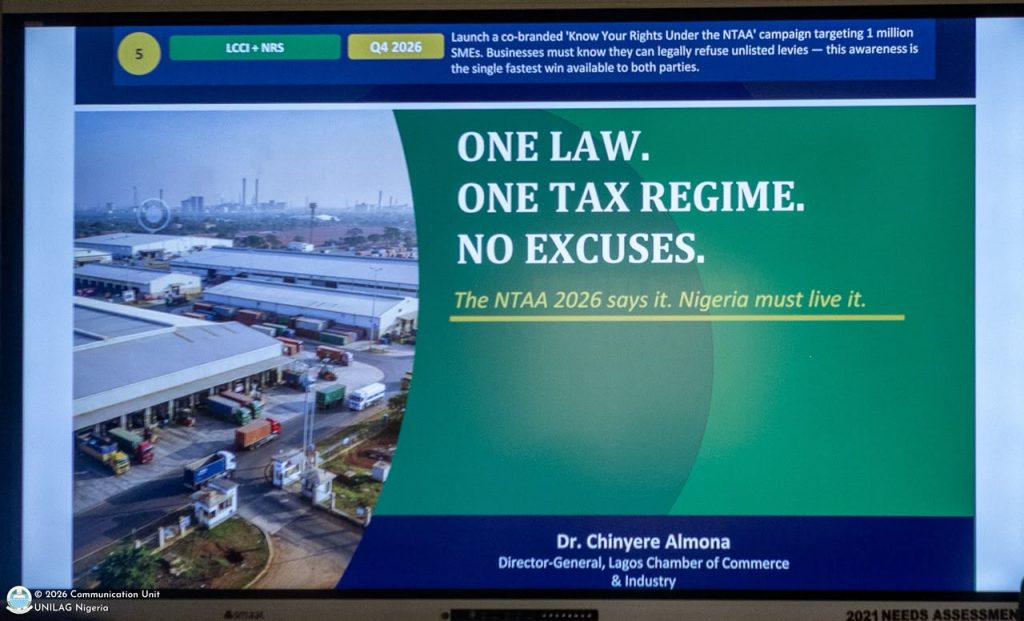
Participants included government officials, tax administrators, legal practitioners, economists, business leaders, development partners, and academics, who interrogated the country’s evolving fiscal direction and the realities of implementing its new tax framework.
Themed “Nigeria’s New Tax Era: Implications for Businesses, the Informal Sector, and Revenue Performance”, the two-day forum seeks to interrogate one of the country’s most significant fiscal transitions in recent years. It provides a platform for evidence-based dialogue on how the new tax framework will shape businesses, government revenues, investment decisions, and citizens’ relationship with taxation.
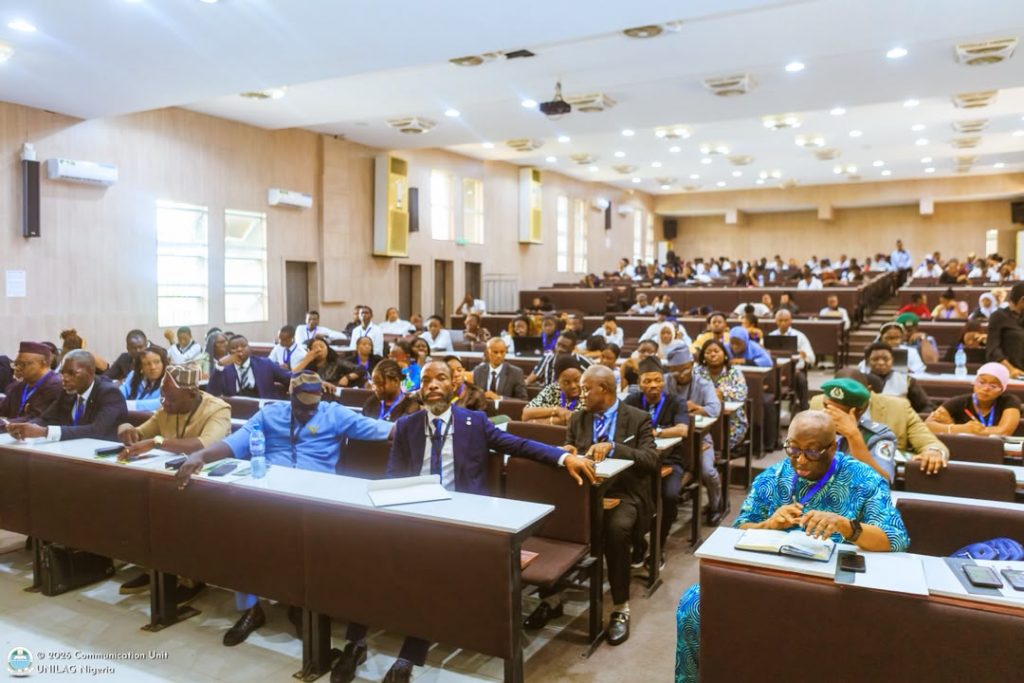
Beyond Revenue Generation
While taxation has traditionally been viewed as a mechanism for government revenue, discussions at the forum highlighted broader issues of fairness, efficiency, accountability, and economic growth.
Participants explored whether the reforms can simplify compliance, encourage business formalisation, reduce multiple taxation, improve tax administration through technology, and ultimately strengthen the social contract between government and taxpayers.




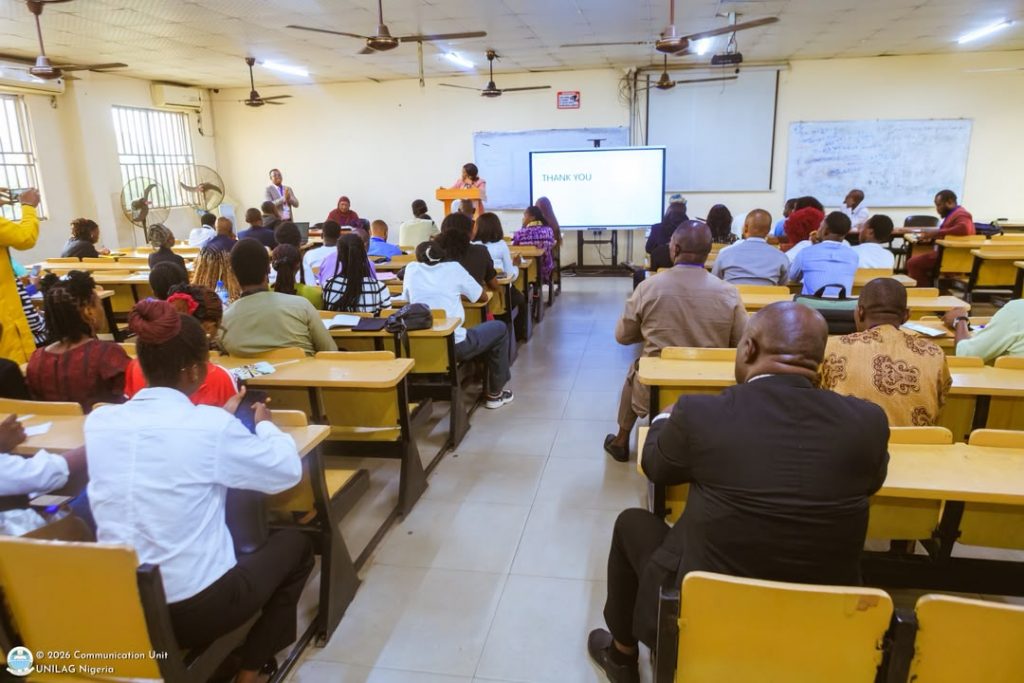
The sessions also raised critical questions about the readiness of businesses, particularly Small and Medium Enterprises (SMEs) and operators in the informal economy, to adapt to the changing regulatory environment. Discussions further examined the responsibilities of government in ensuring transparency and efficient utilisation of tax revenues.
Gathering of Stakeholders
The opening ceremony attracted several distinguished guests including the Honourable Minister of Finance and Coordinating Minister of the Economy, Mr. Taiwo Oyedele, FNIM, FCTI, represented by his Special Adviser on Revenue, Mr. Olufemi Olarinde.
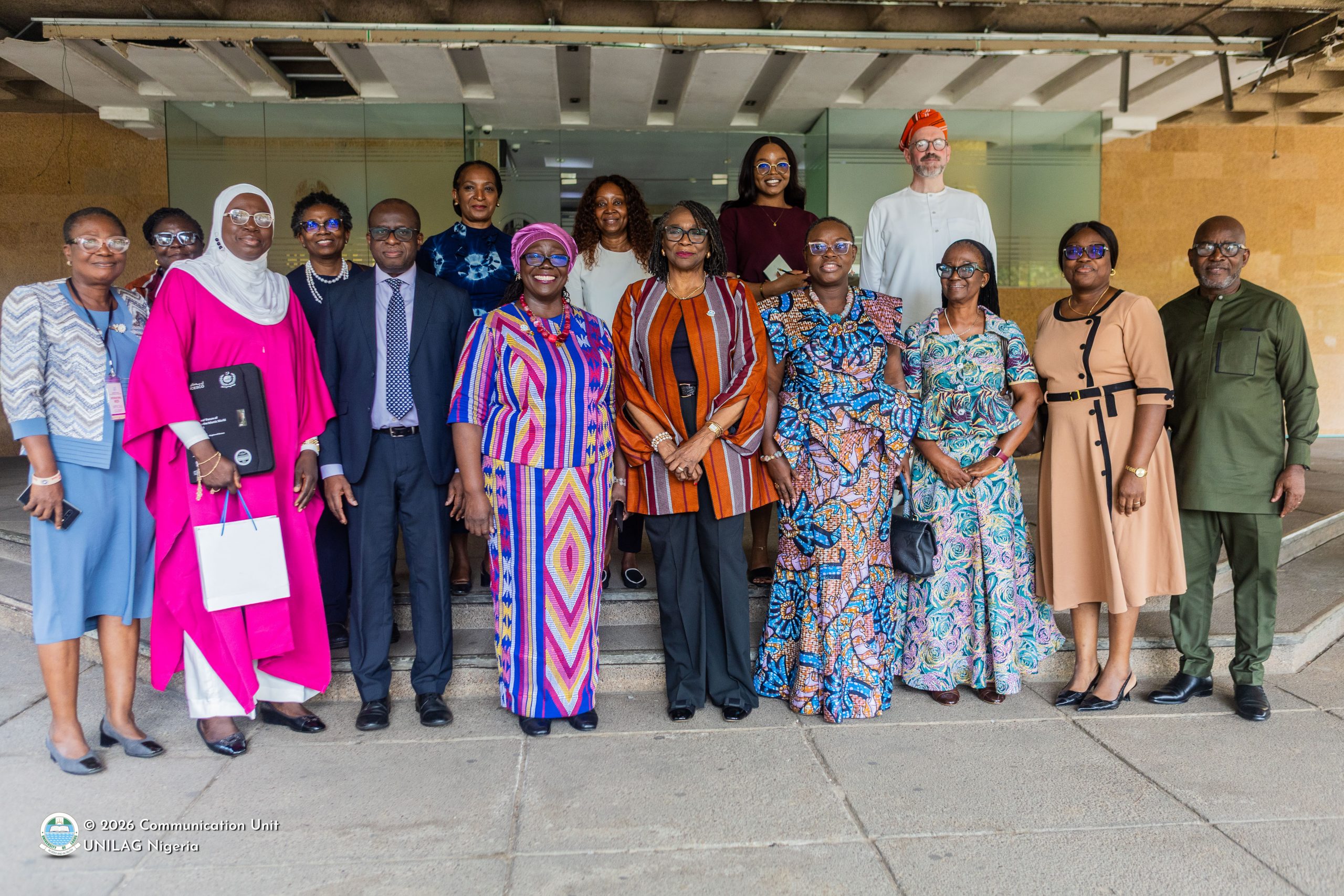
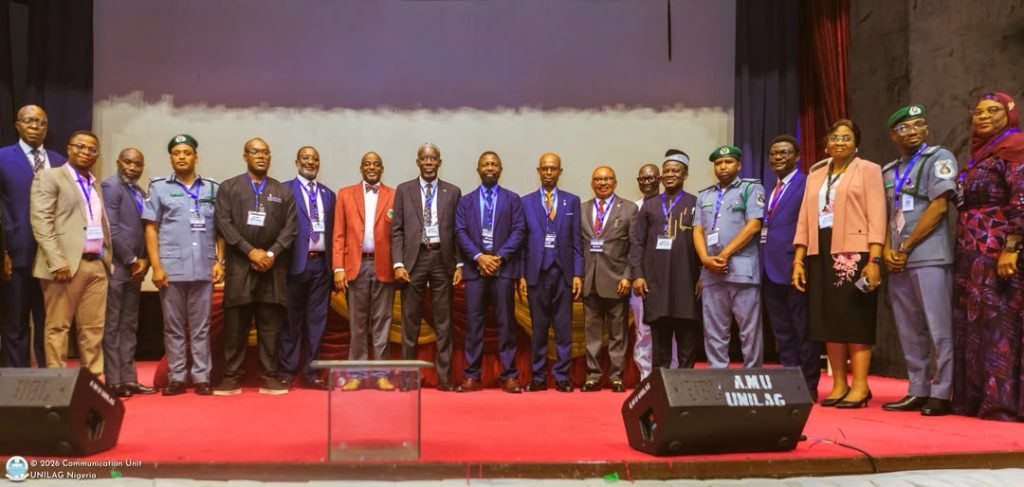
Also in attendance were the 17th President of the Chartered Institute of Taxation of Nigeria (CITN), Mr. Innocent Ohagwa, FCTI; the Executive Secretary/Chief Executive Officer of the Nigerian Investment Promotion Commission (NIPC), Ms. Aisha Rimi; the Lead Principal of Nodeori Group and Lead Convener of the National Tax Forum, Professor Shola Ajiboye; the leadership of the Tax Academicians Association of Nigeria (TaxAAN); and representatives of regulatory agencies, professional bodies, industry leaders, academics, and tax practitioners.
Welcoming participants, the Deputy Vice-Chancellor (Development Services), Professor Foluso Afolabi Lesi who represented the Vice-Chancellor of the University of Lagos, Professor Folasade T. Ogunsola, OON, FAS, described taxation as a critical driver of sustainable national development.

He noted that an effective tax system remains fundamental to financing infrastructure, strengthening institutions, and improving citizens’ quality of life. According to him, as Nigeria’s economy evolves, tax laws and administration must adapt to promote fairness, transparency, efficiency, and voluntary compliance.
Professor Lesi reaffirmed the University’s commitment to supporting national policy development through research, scholarship, and professional education. He recalled UNILAG’s role in shaping Nigeria’s fiscal reforms through the expertise of the Dean of the Faculty of Law, Professor Abiola O. Sanni, SAN, who chaired the committee that produced the Revised National Tax Policy of 2017.
The Deputy Vice Chancellor also highlighted the University’s Bachelor of Science (B.Sc.) Taxation programme, a multidisciplinary initiative involving the Faculties of Law, Management Sciences, and Social Sciences and its Executive Master’s in Taxation (EMT), both designed to develop professionals equipped to respond to emerging challenges in tax policy and administration.
He commended Nodeori Group for sustaining a credible platform for policy engagement and professional collaboration, and appreciated Taxbags, the principal sponsor of this year’s forum, for supporting initiatives that strengthen Nigeria’s tax ecosystem.
Academia as a Bridge Between Research and Policy
Speaking on behalf of TaxAAN, Professor Sanni described the forum as evidence of growing collaboration among academia, government, and industry in advancing meaningful tax reforms.
The Dean of the Faculty of Law, UNILAG stressed that universities must continue to generate the research, human capital, and innovative ideas required to support an efficient and globally competitive tax system.
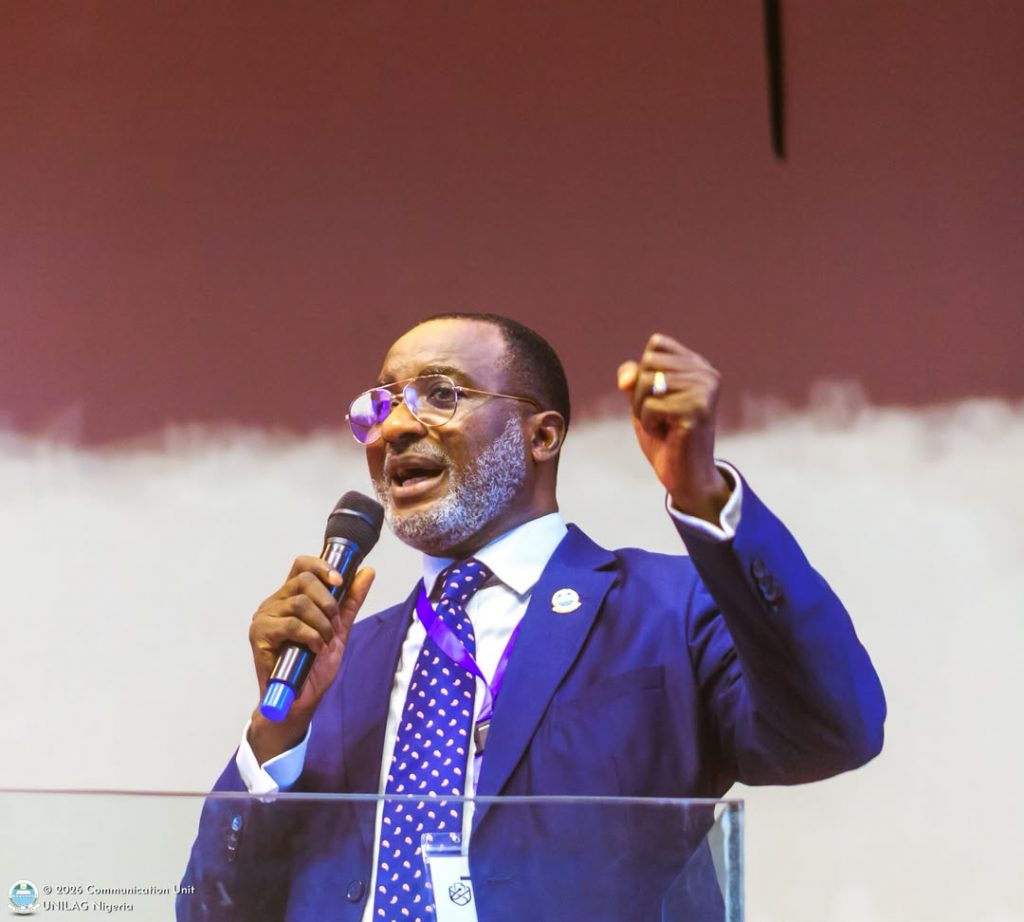
He added that TaxAAN remains committed to strengthening tax education, policy advocacy, and research capable of translating academic knowledge into practical public policy.
Delivering the keynote on behalf of the Minister of Finance, Mr. Olarinde said the Federal Government’s tax reform agenda is designed to stimulate economic growth, simplify tax compliance, improve the investment climate, and expand national revenue without creating unnecessary burdens for businesses and taxpayers.

He described the recently enacted tax laws as a landmark in Nigeria’s fiscal evolution, noting that their success would depend not only on legislation but also on sustained stakeholder engagement and broad-based understanding of the reforms.
Mr. Olarinde commended UNILAG and Nodeori Group for convening a timely platform for constructive dialogue among policymakers, researchers, and industry stakeholders.
Technical Focus and Next Steps
Following the formal opening, the forum transitioned into technical sessions on the practical, legal, and economic implications of Nigeria’s new tax regime.



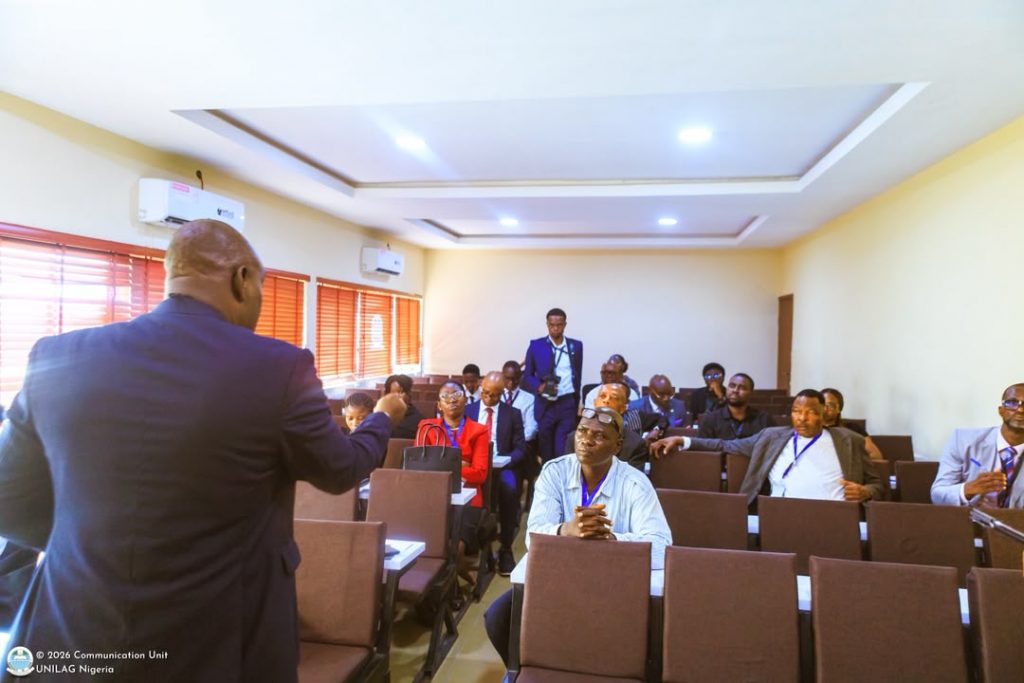
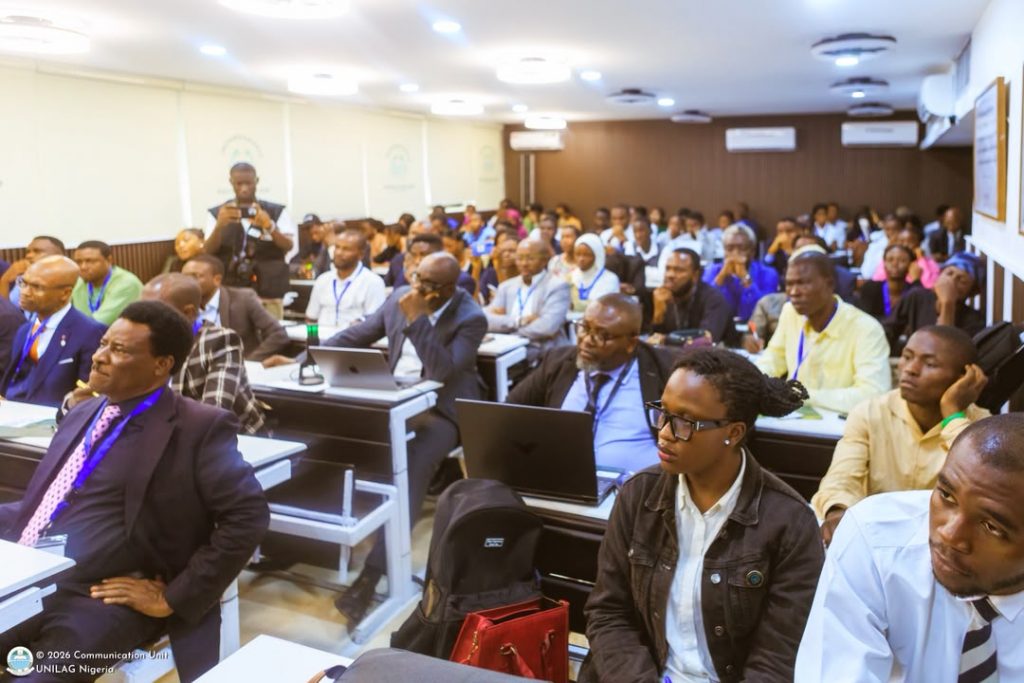
Discussions covered taxation of the manufacturing sector; Value Added Tax (VAT); Company Income Tax (CIT) and competitiveness; Pay-As-You-Earn (PAYE) administration and employer obligations; digital tax administration and financial technology; taxation of the informal economy; investment incentives; multiple taxation and sub-national tax harmonisation; tax dispute resolution; SME compliance thresholds; fiscal responsibility; and the relationship between taxation, governance, and the social contract.
Collectively, the sessions generated practical recommendations to inform policy implementation, strengthen tax administration, and foster a more inclusive and sustainable fiscal system.
Proceedings will continue on Friday, July 3, 2026, with additional plenaries and technical discussions expected to culminate in recommendations for improving Nigeria’s tax administration and supporting long-term economic development.
As one of Nigeria’s foremost tax policy gatherings, the National Tax Forum, organised by Nodeori Group in partnership with the University of Lagos and TaxAAN, continues to bridge the gap between policy, research, and practice. It creates a collaborative space where ideas are translated into reforms that strengthen governance, improve revenue performance, and support sustainable economic development.
Report: Bayo Salau
Photographs: Ayo Oloyede