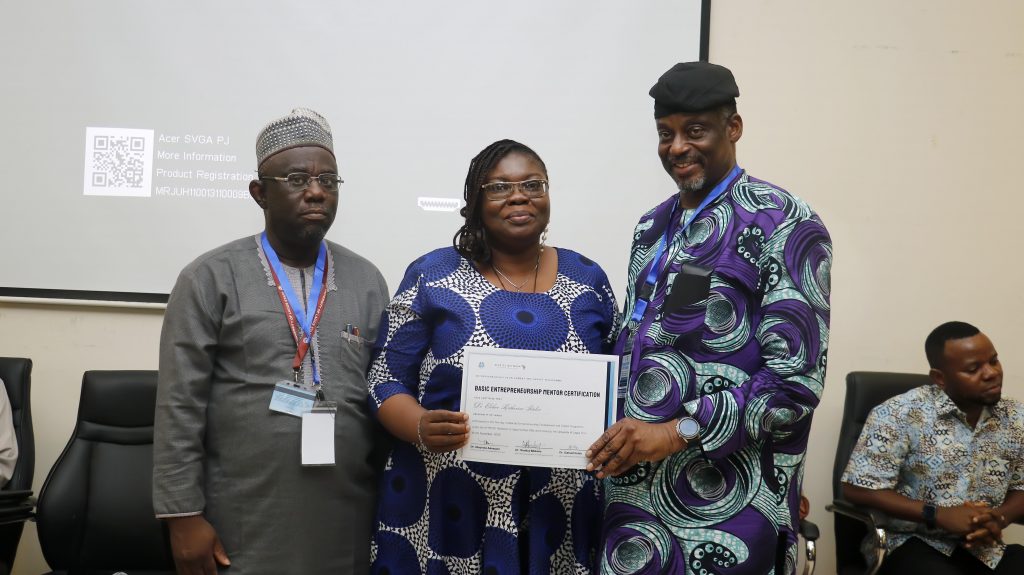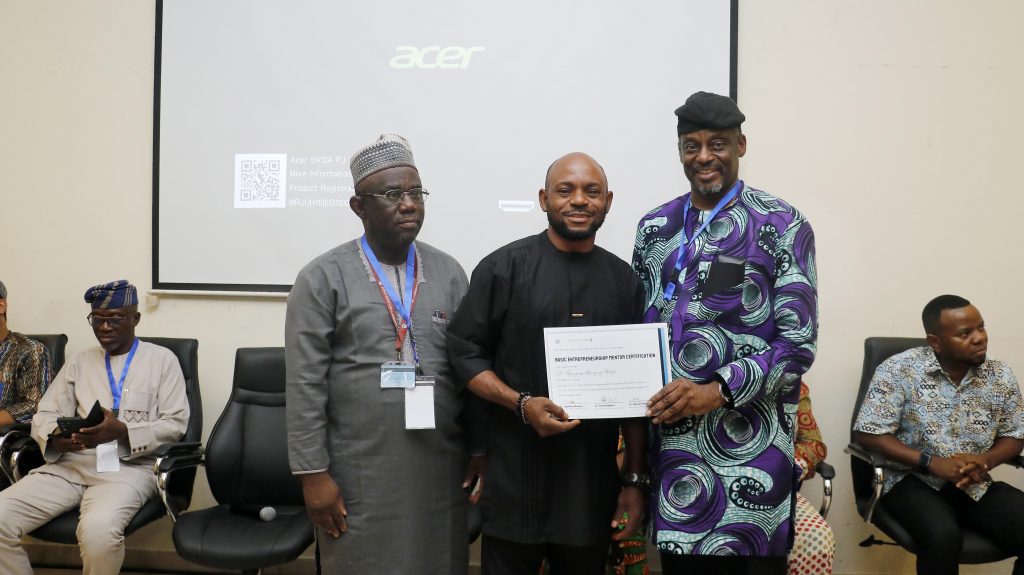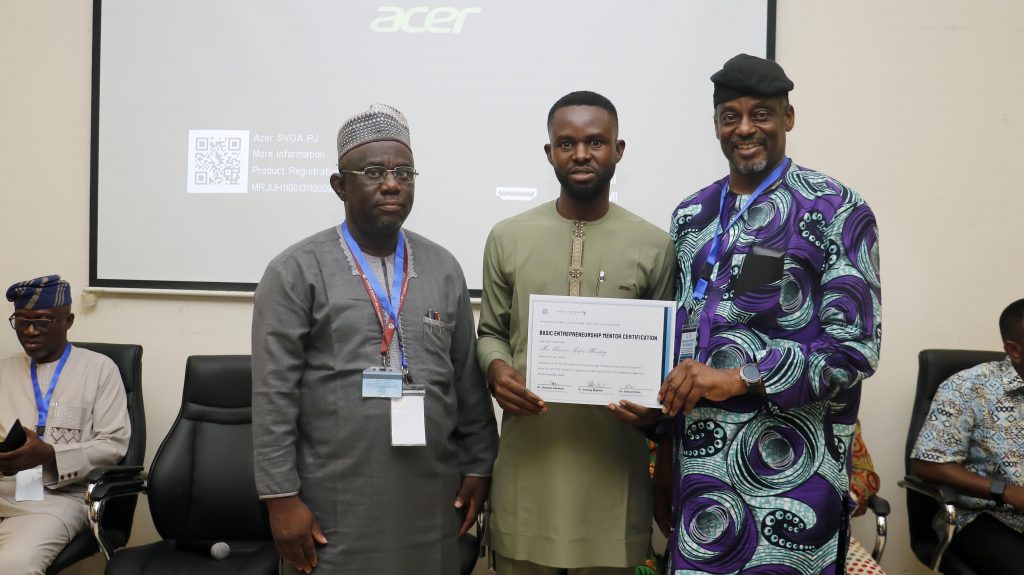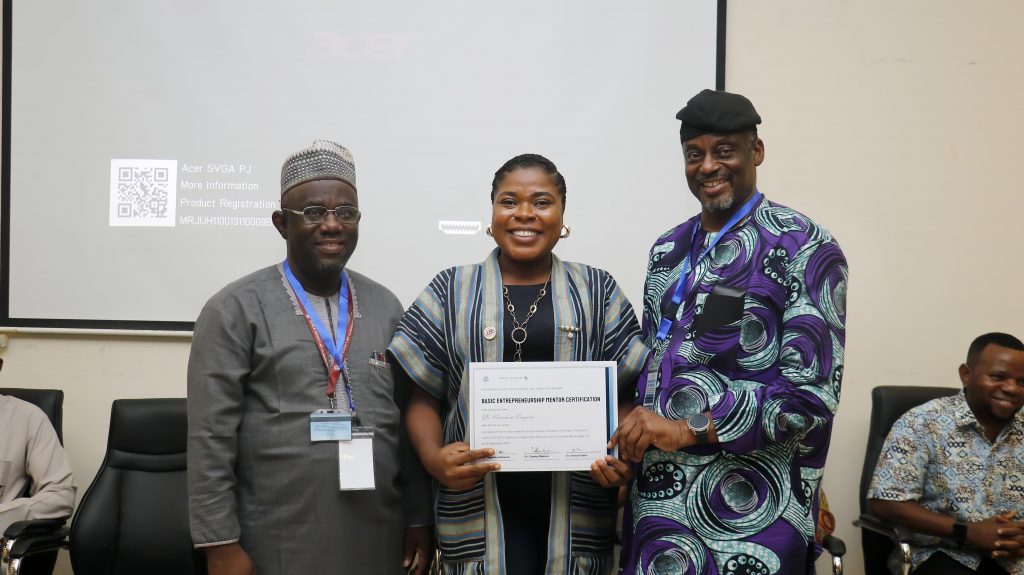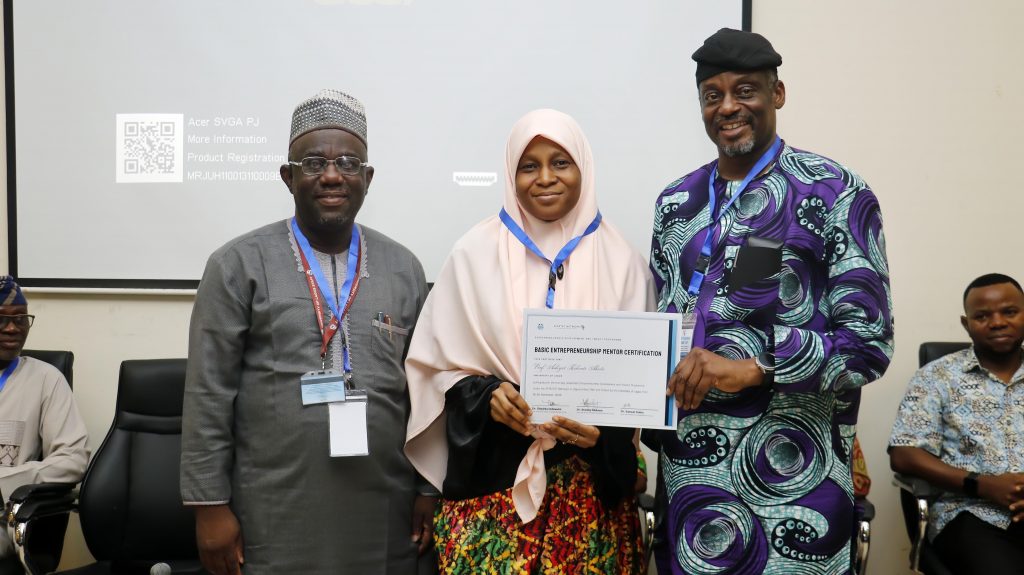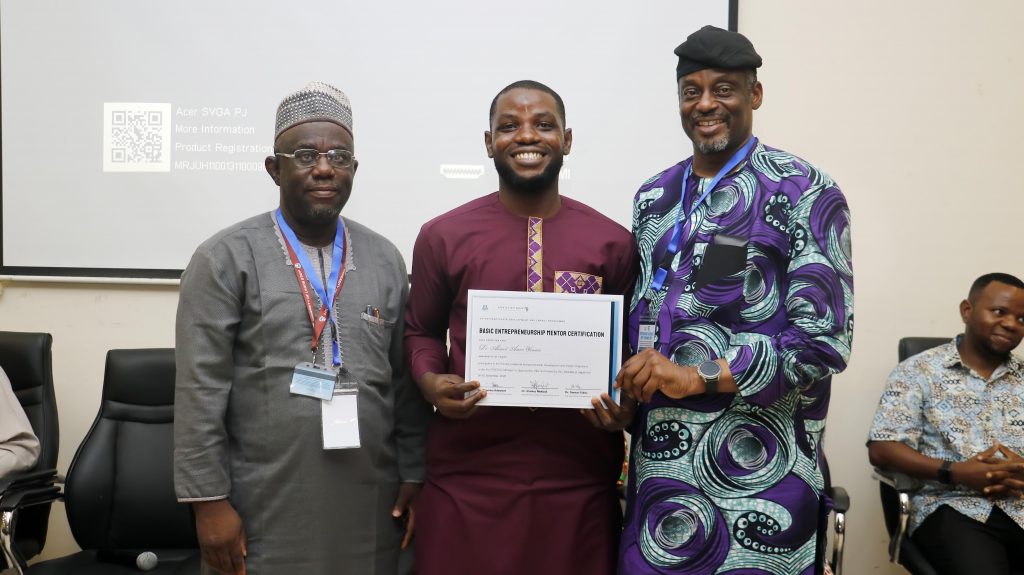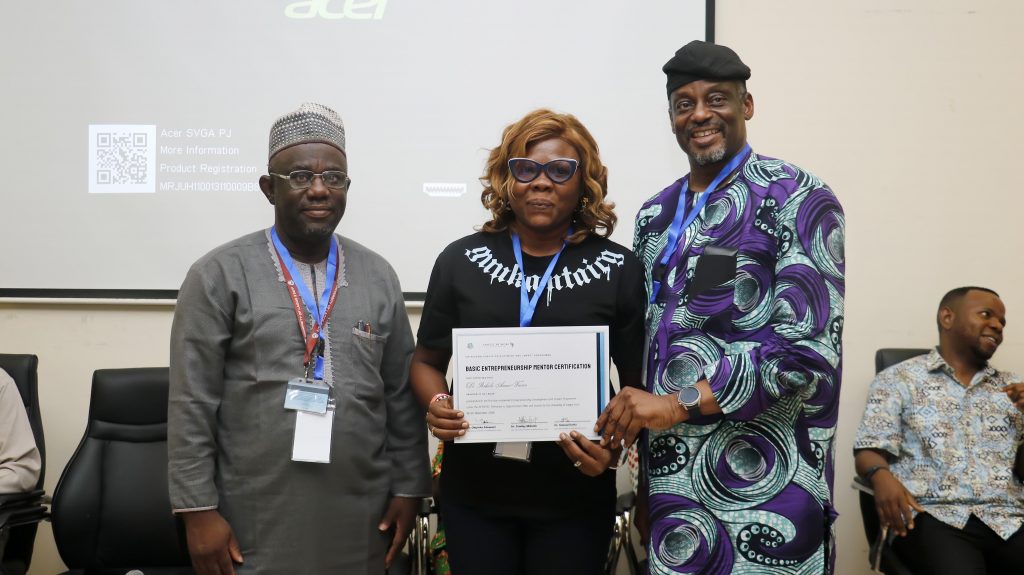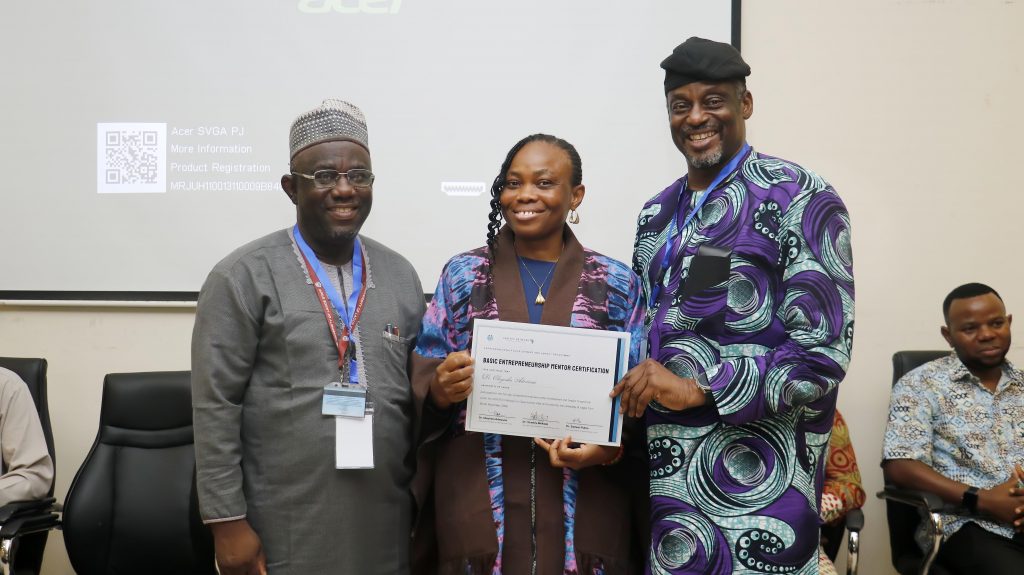
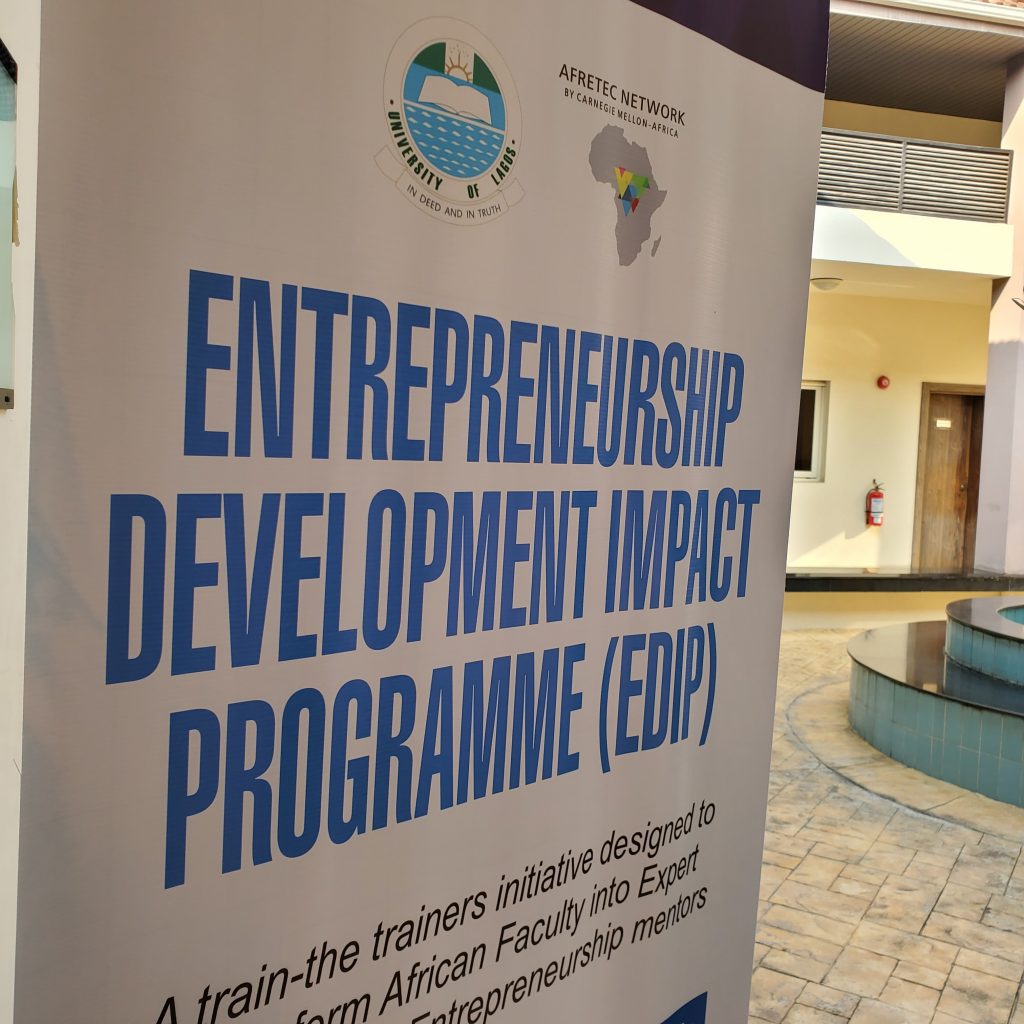
The University of Lagos (UNILAG), in collaboration with the African Engineering and Technology Network (AFRETEC), is strengthening entrepreneurship education and innovation across African universities through a capacity-building initiative designed to equip academics with the knowledge and practical skills to mentor aspiring entrepreneurs and transform research and ideas into viable business ventures.
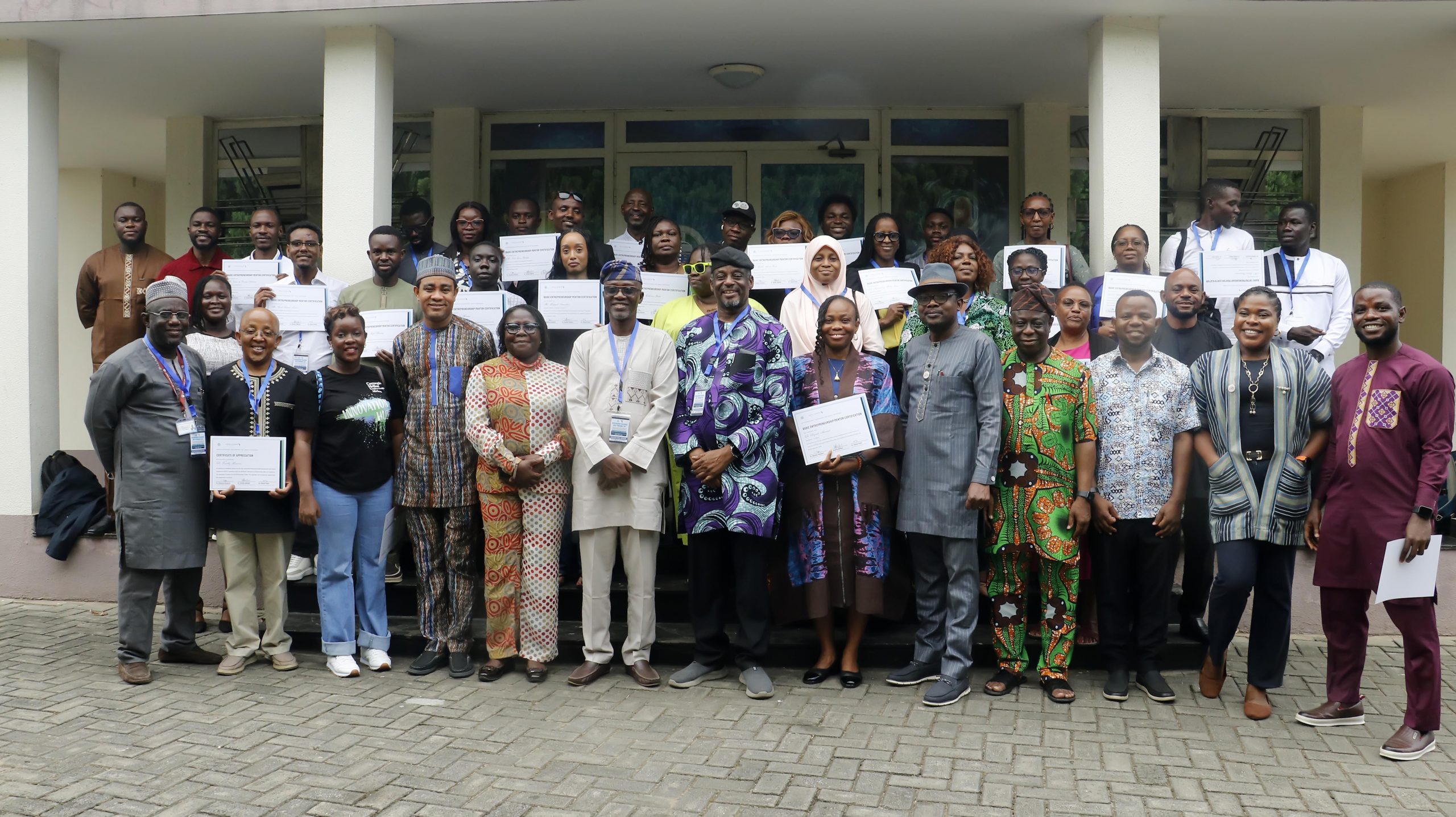
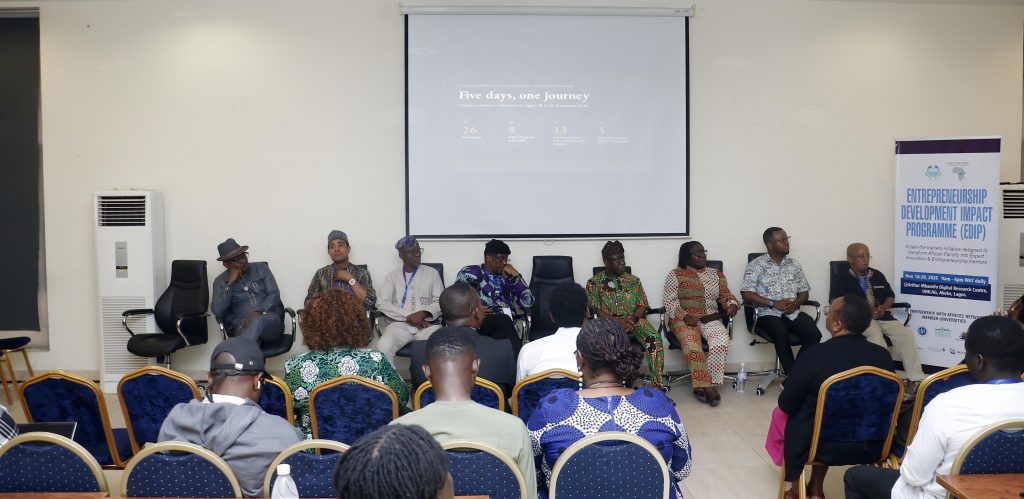
The initiative, tagged Entrepreneurship Development and Impact Programme (EDIP) 2026, brought together Twenty-six (26) participants from eight (8) AFRETEC partner universities across seven African countries, alongside 13 facilitators drawn from academia and industry.
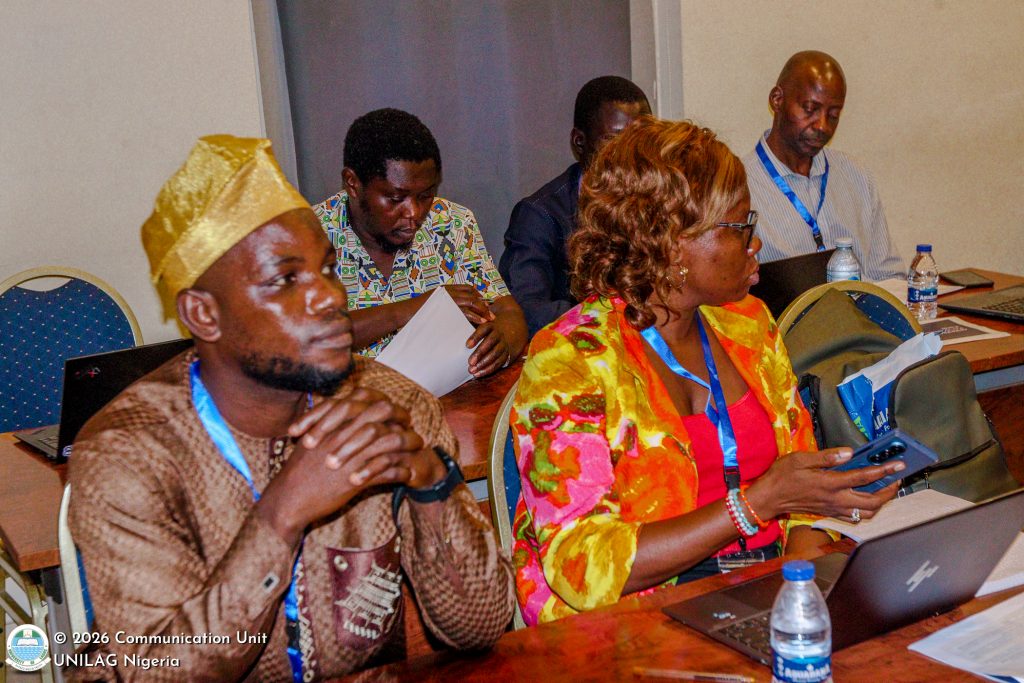
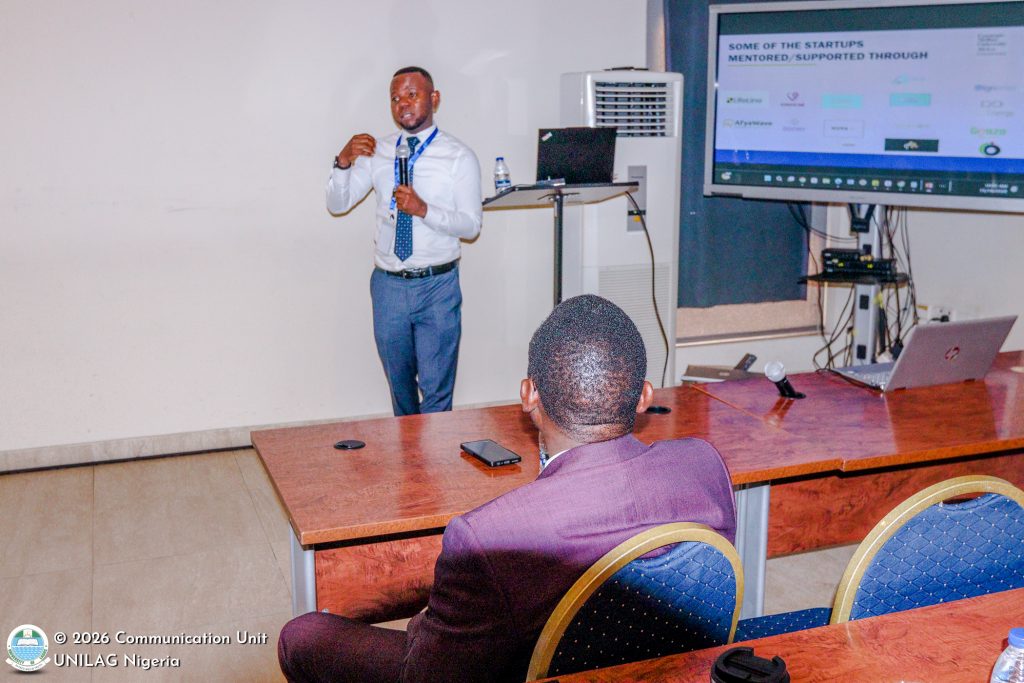
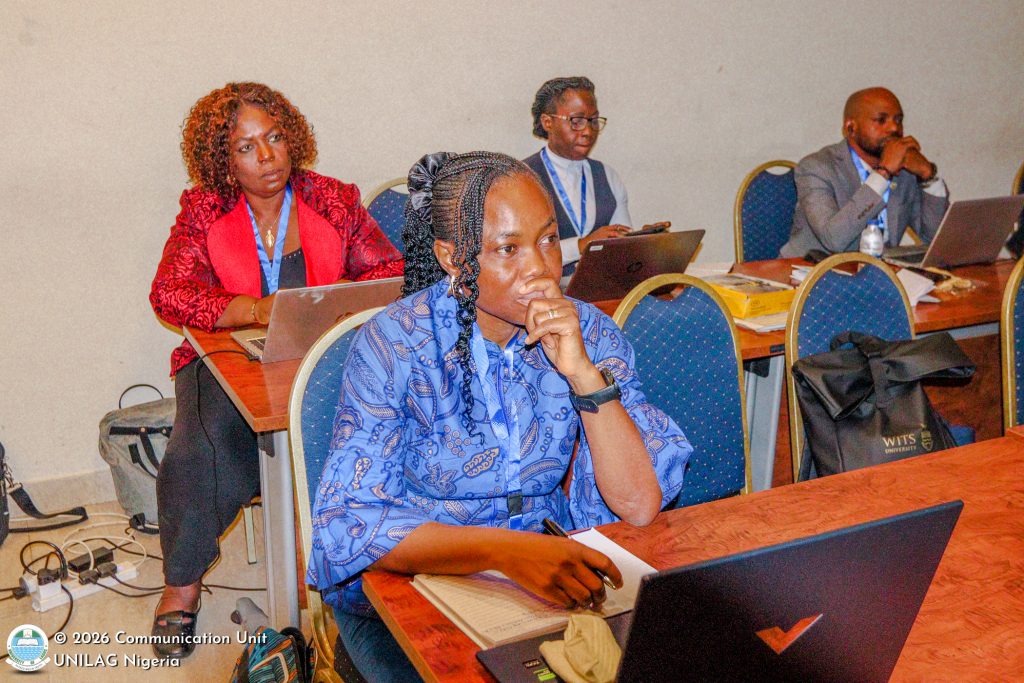
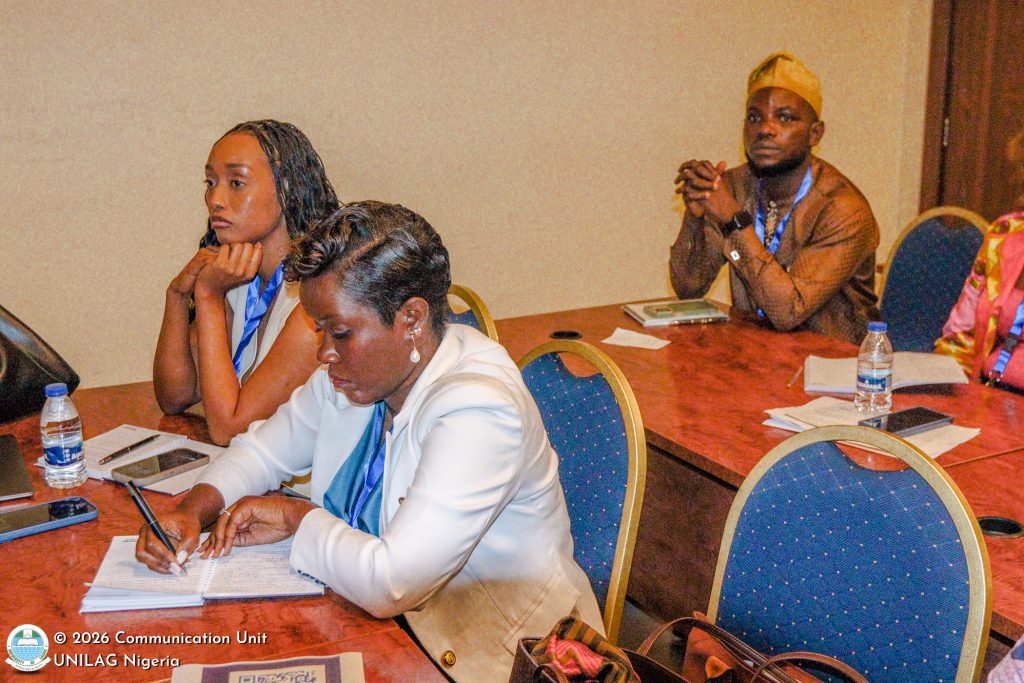
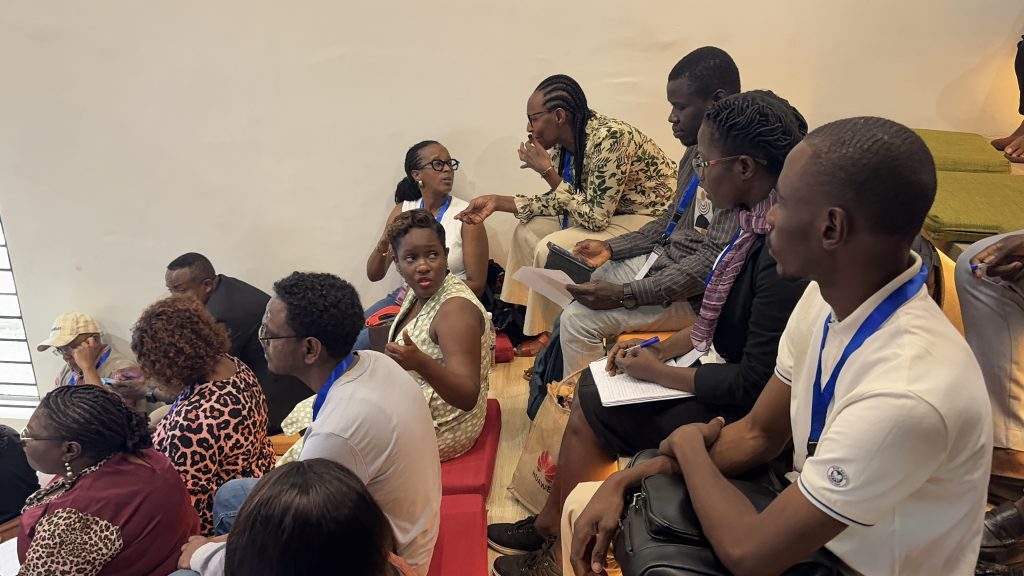
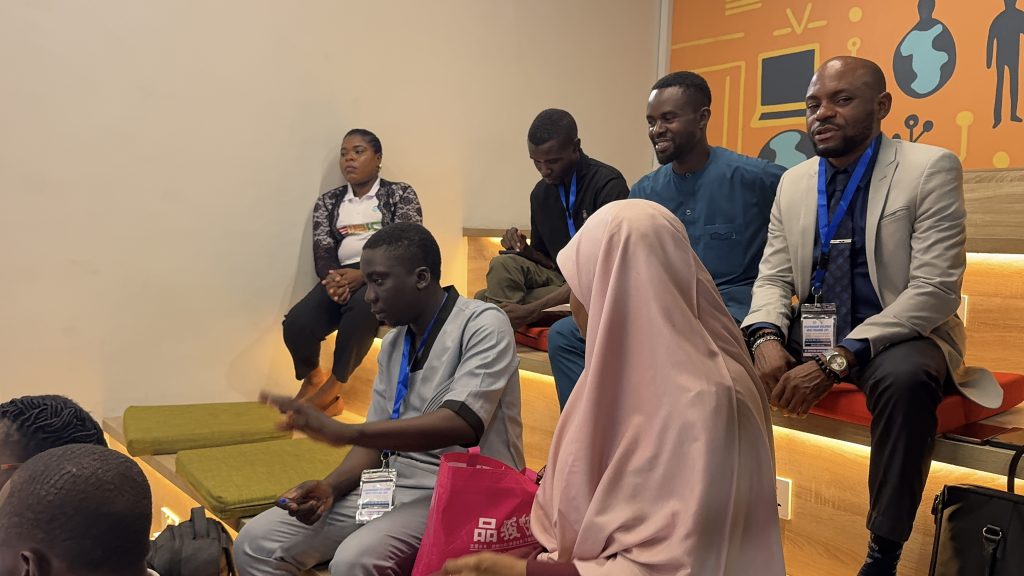
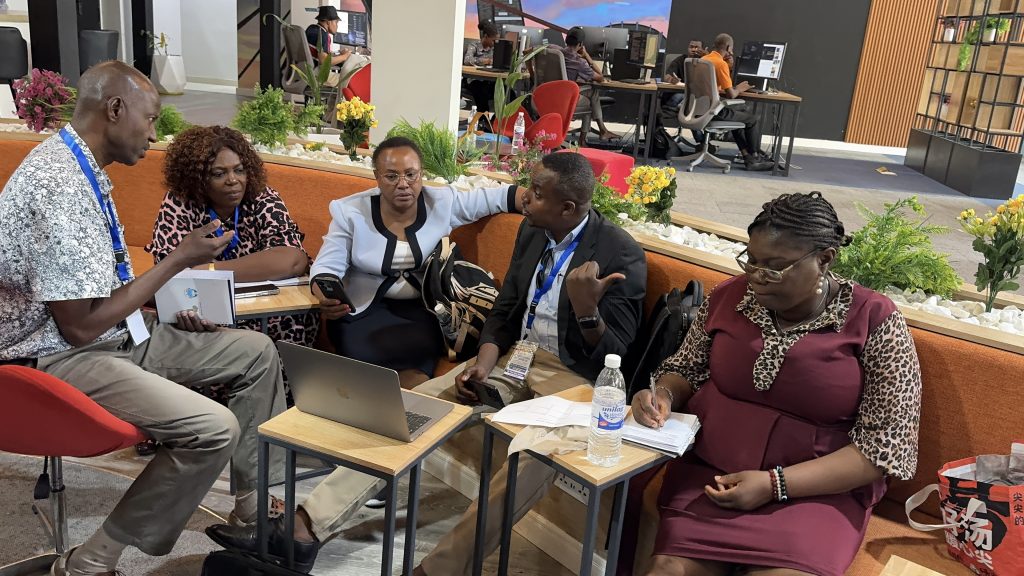
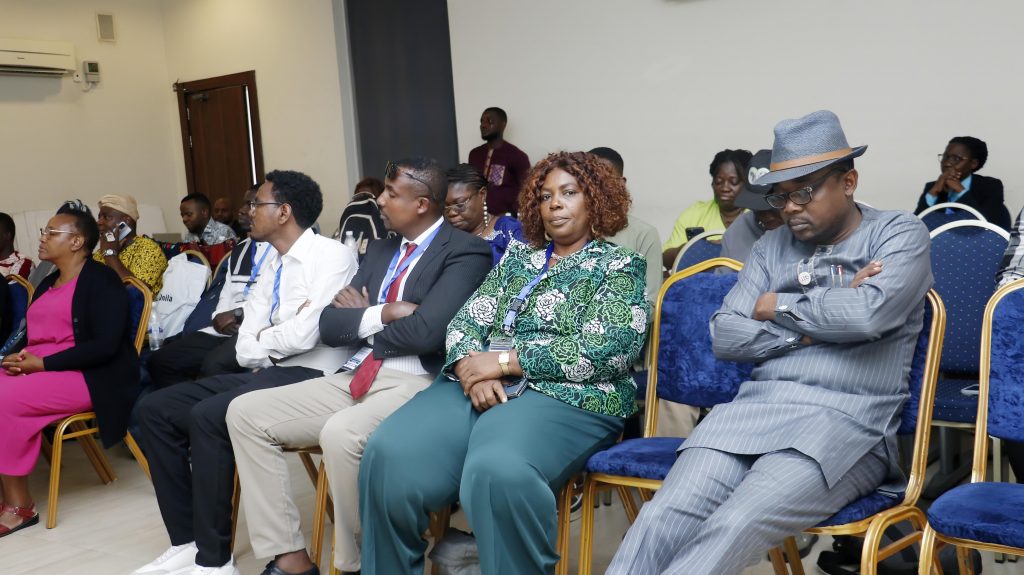
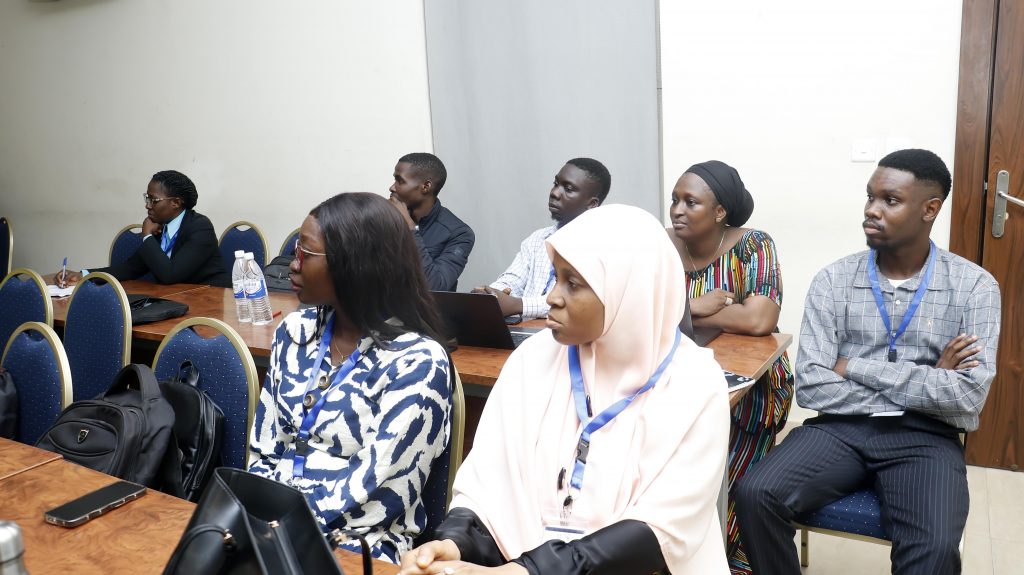
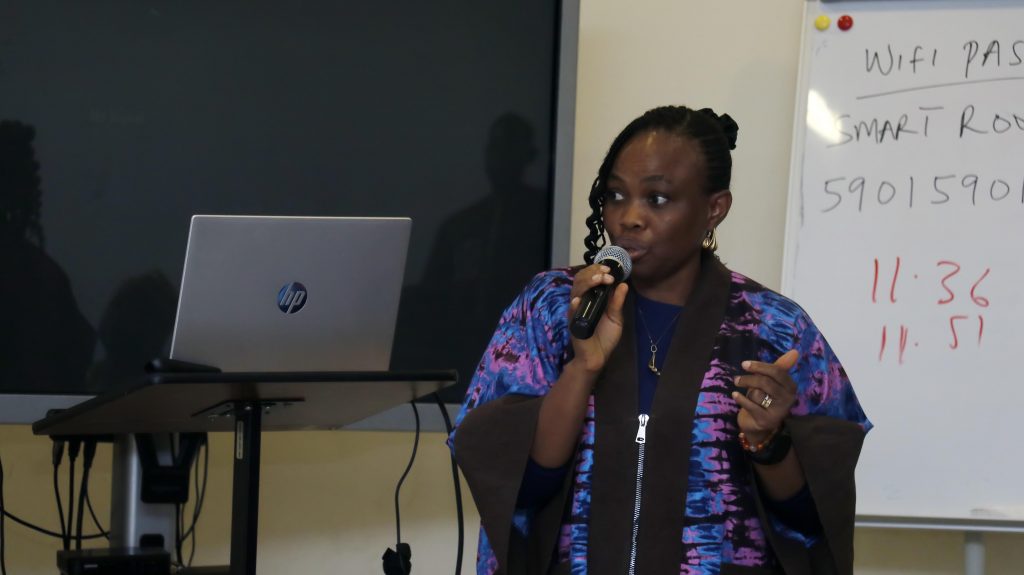
Held from November 16 to 20, 2026, at the Arthur Mbanefo Digital Research Centre, UNILAG, the five-day programme featured expert-led sessions, field-based engagements and practical exercises aimed at strengthening participants’ capacity as entrepreneurship coaches and mentors.
At the closing ceremony, the Vice-Chancellor, Professor Folasade T. Ogunsola, OON, FAS, emphasised the need for universities to produce graduates who are not only proficient in their respective disciplines but are also equipped to solve societal problems, create wealth and drive innovation. She was represented at the event by the Deputy Vice-Chancellor (Development Services), Professor Foluso Ebun Afolabi Lesi.
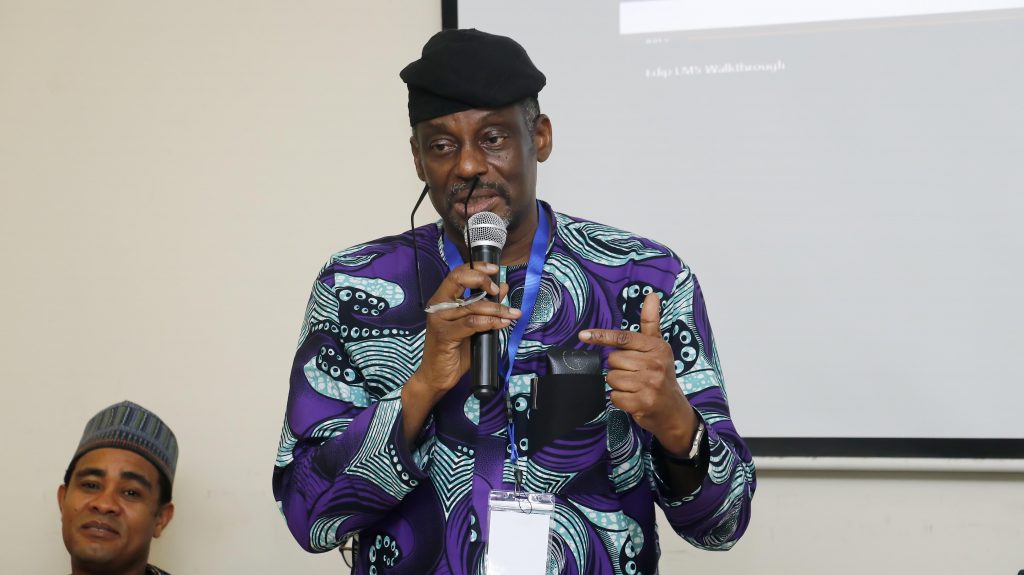
Speaking on behalf of the Vice-Chancellor, Professor Afolabi Lesi described the initiative as an important step towards repositioning African universities to harness academic knowledge for entrepreneurship, innovation and wealth creation.
He noted that universities must look beyond producing skilled manpower for professional practice and embrace their broader responsibility of equipping graduates with the capacity to develop solutions to Africa’s challenges and create economic value.
“Entrepreneurship is not limited to any particular discipline. Every field of knowledge offers opportunities for innovation, creativity and enterprise development,” he said.
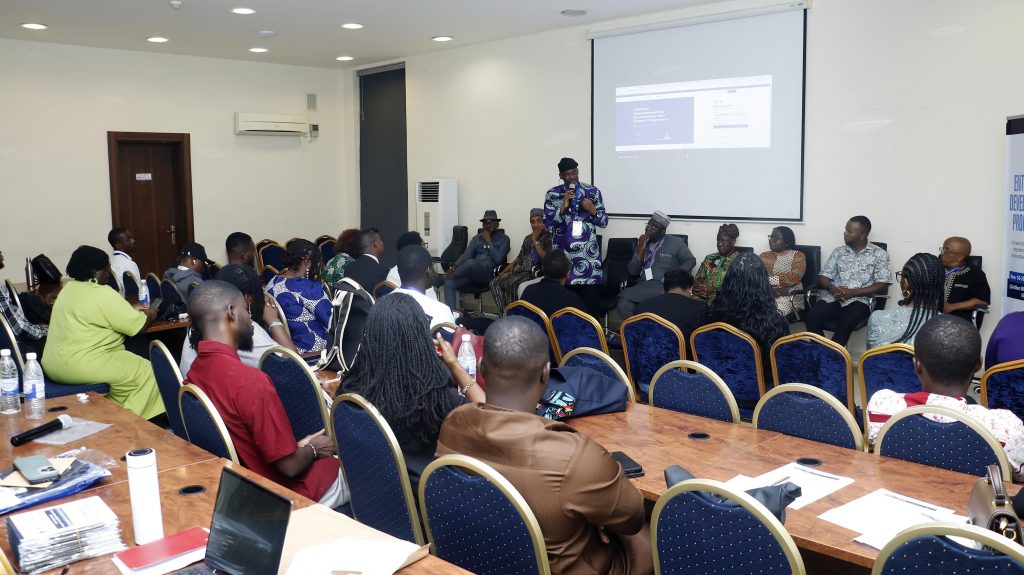
He particularly highlighted the field-based design-thinking exercise, noting that entrepreneurship education must extend beyond classroom instruction to expose students to real-life challenges and the experiences of the communities for which solutions are being developed.
He urged participants to replicate the lessons from the programme in their respective institutions, while commending the facilitators for their contributions. He also encouraged participants to provide honest feedback to improve future editions and called for the initiative to be extended to more universities across Africa.
From the Classroom to the Real World: Five Days of Learning and Discovery
Organised under the AFRETEC-UNILAG Pathways to Opportunities Pillar, EDIP 2026 was structured around five intensive modules that guided participants through the different stages of entrepreneurship development. These included identifying opportunities, understanding societal needs, designing solutions, developing business models, pitching business ideas and mentoring emerging ventures.
Day One: Building the Entrepreneurial Mindset
The opening day, Monday, November 16, set the tone for the programme with sessions focused on the foundations of entrepreneurship mentoring and the evolving role of academics in nurturing entrepreneurial talent.
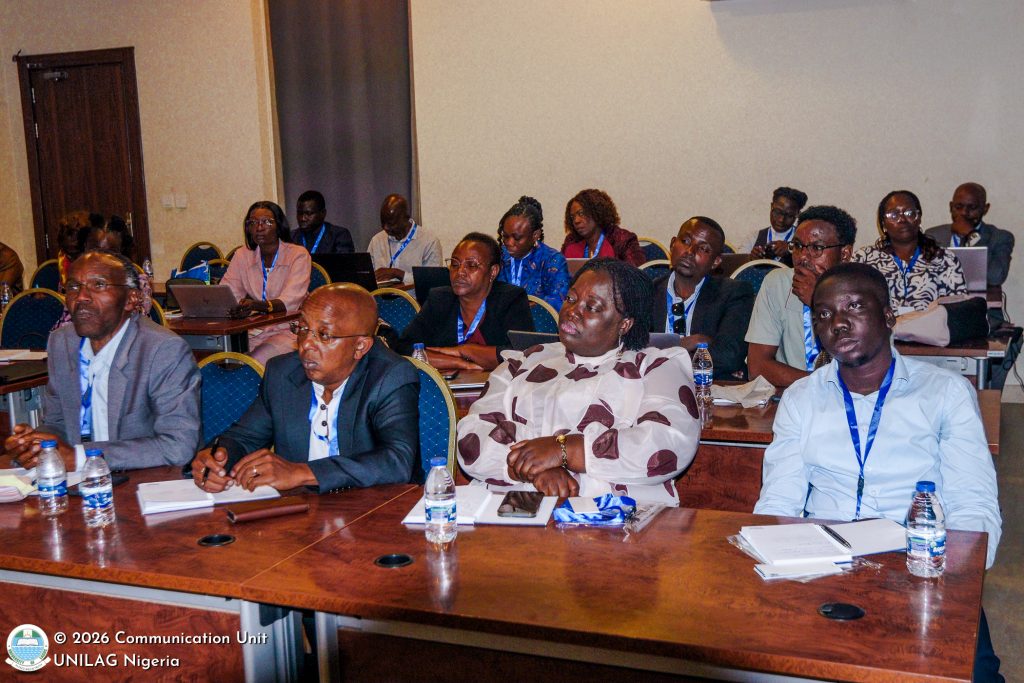
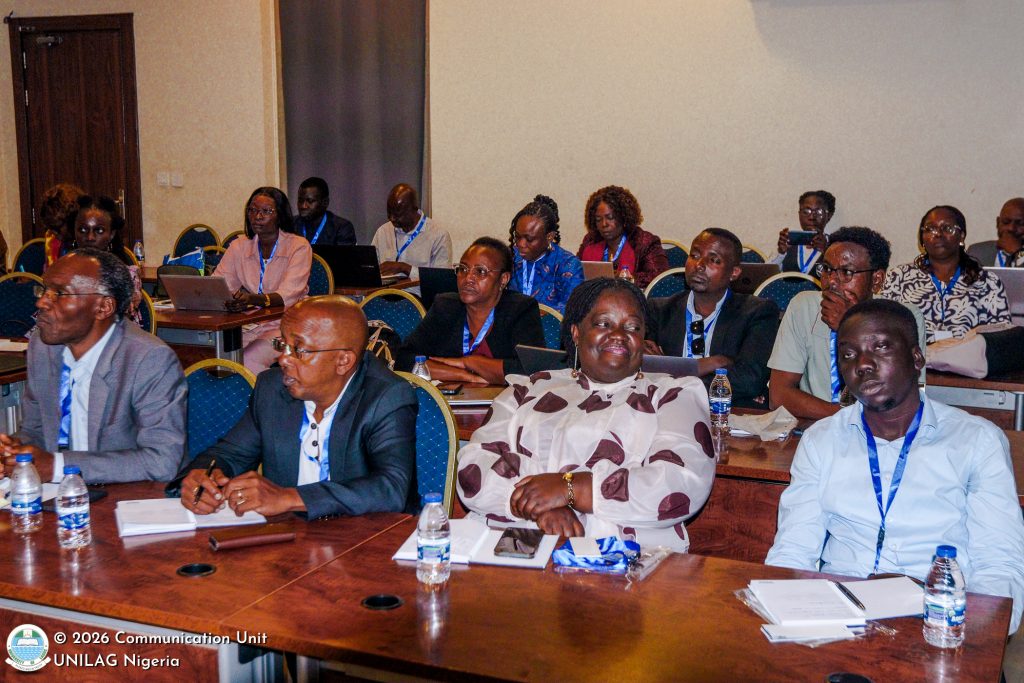
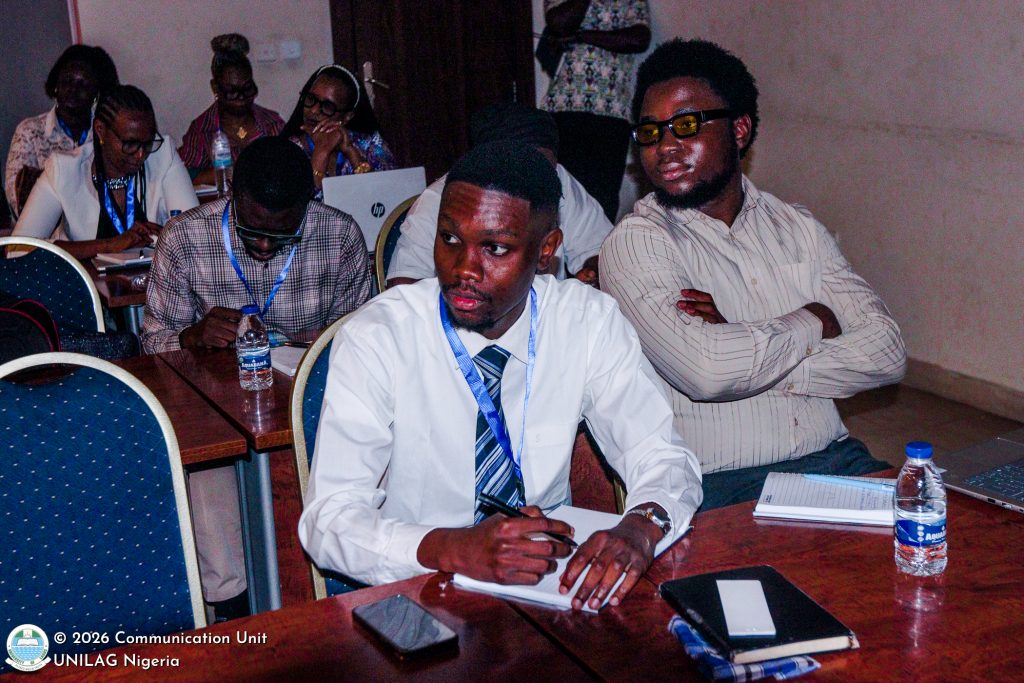
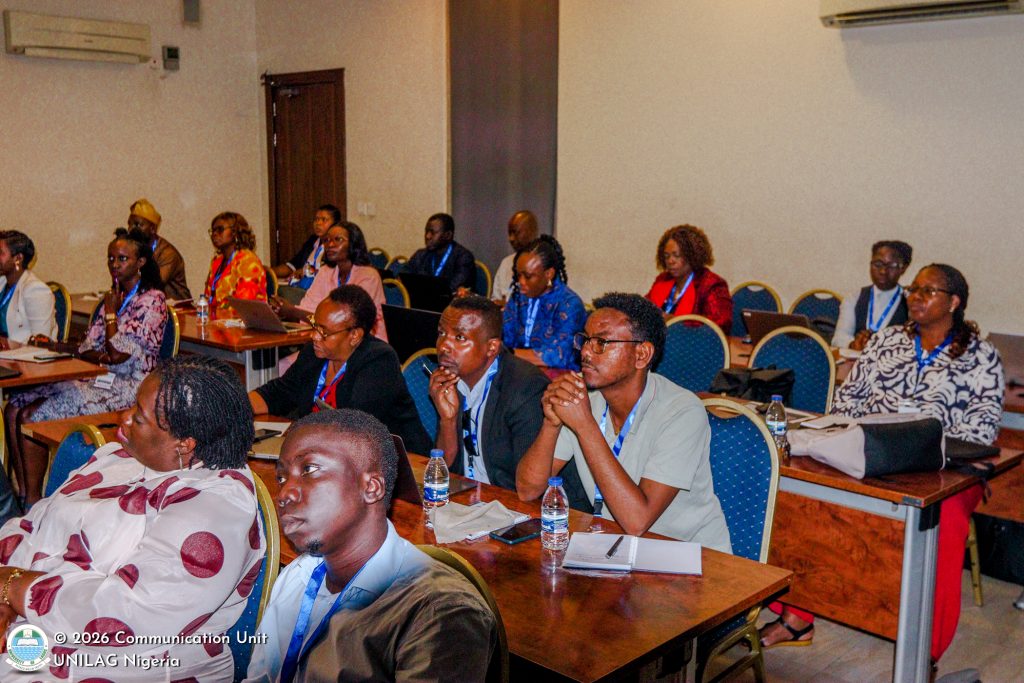
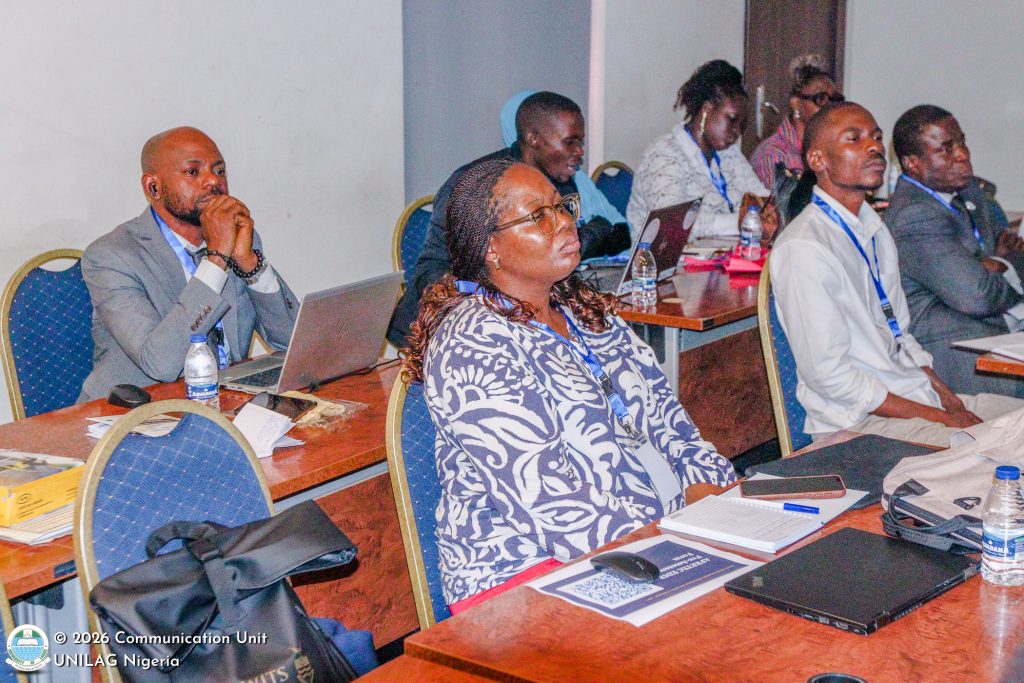
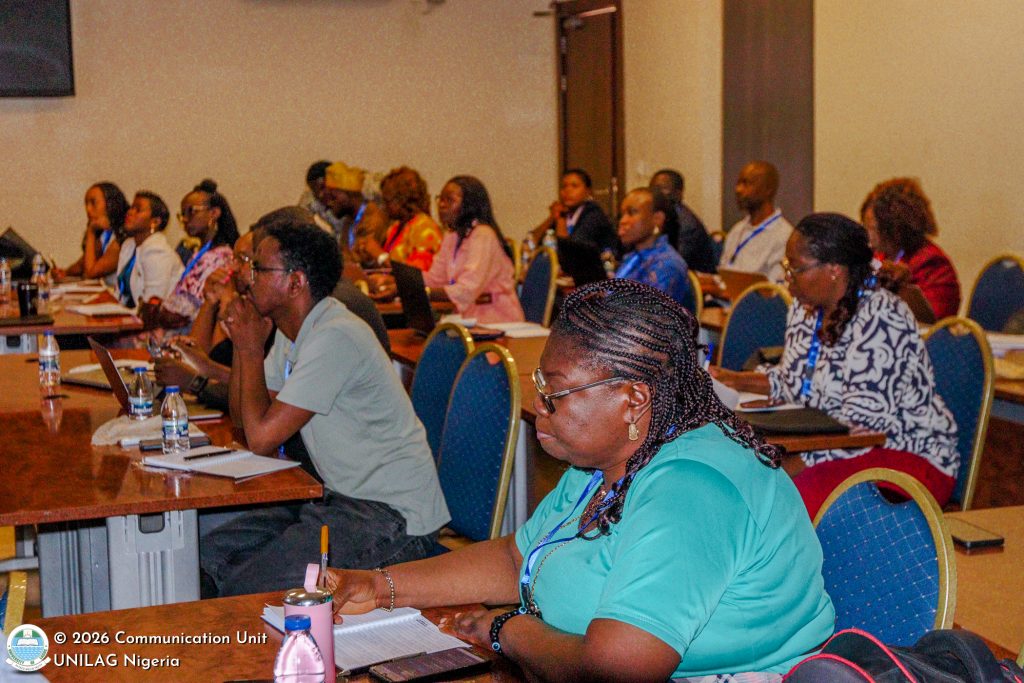
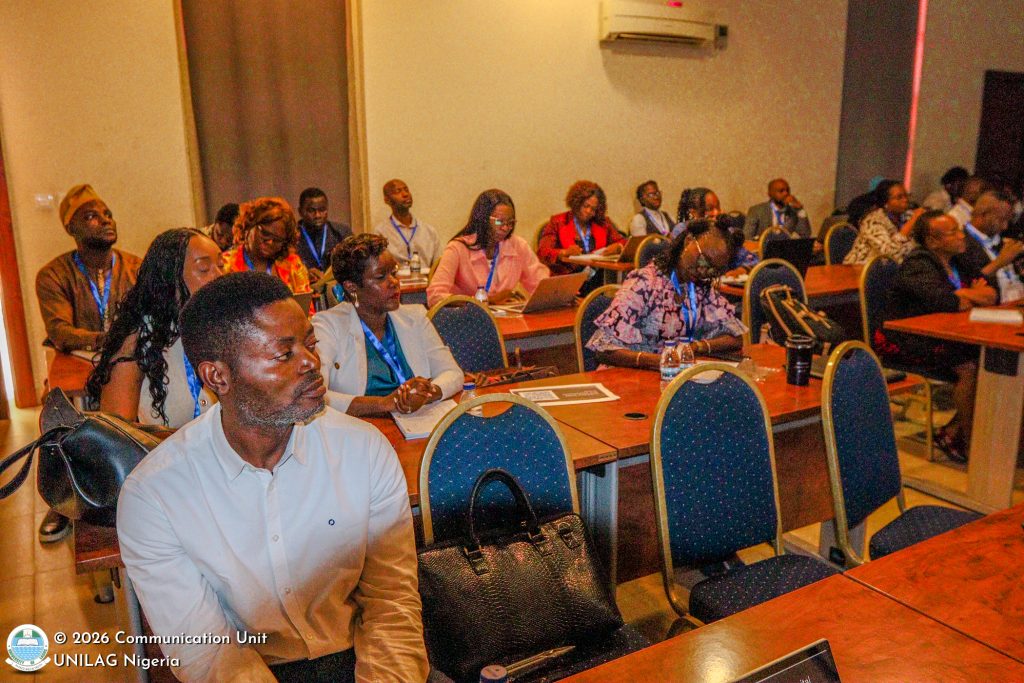
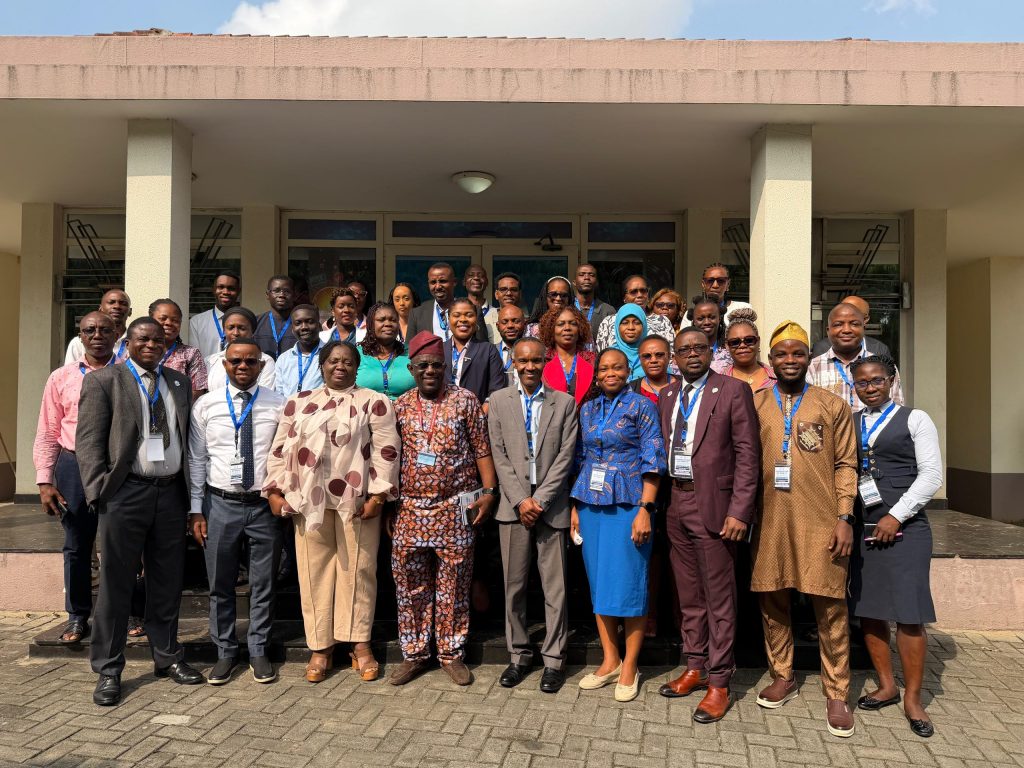


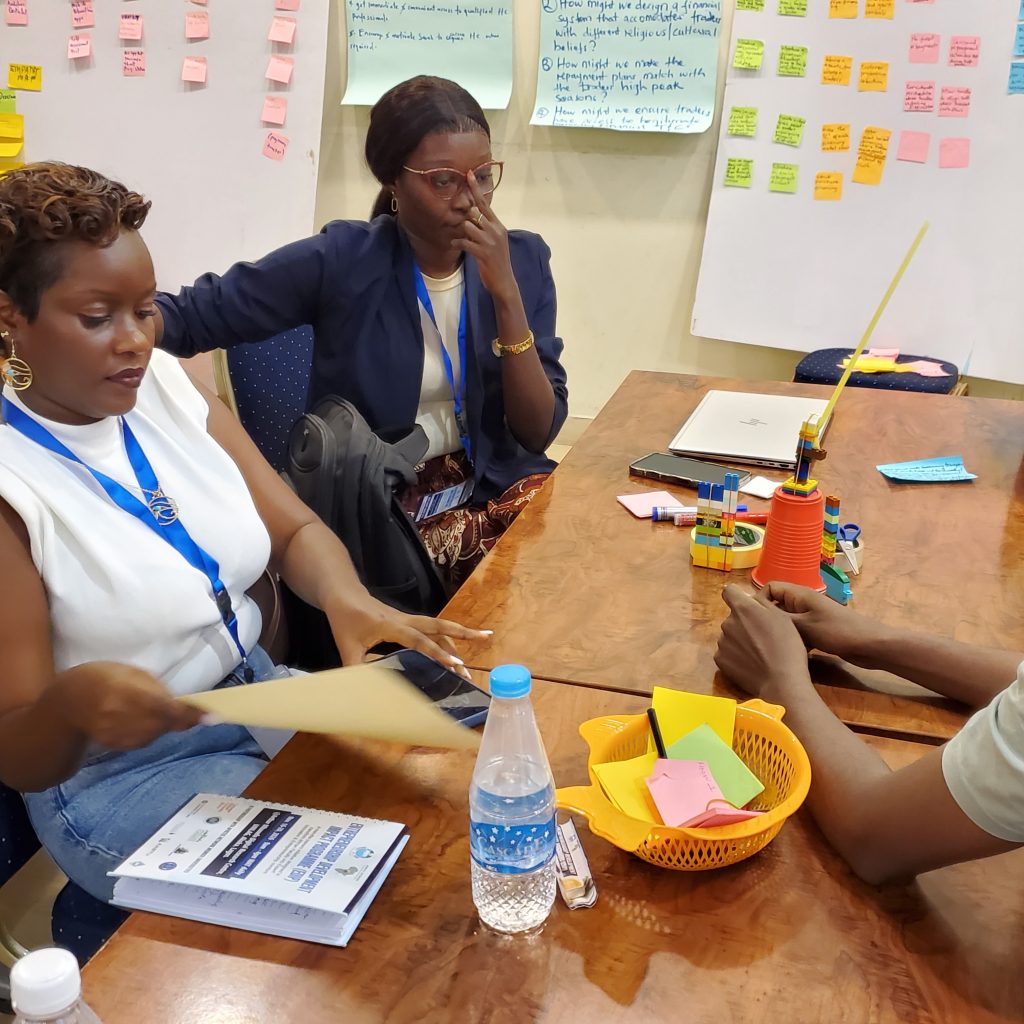
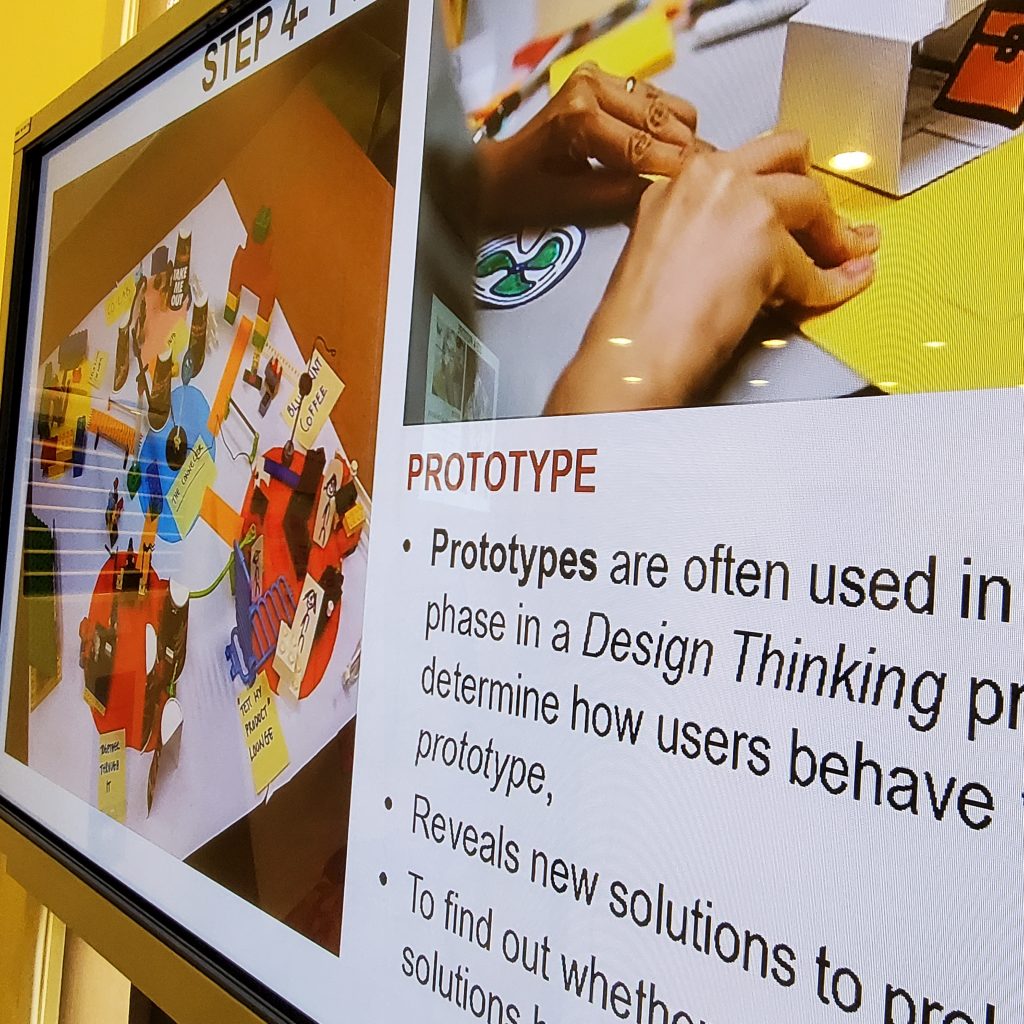
Participants explored the attributes of an entrepreneurial mindset, opportunity identification and the qualities required of effective entrepreneurship mentors. The sessions challenged conventional perceptions of university teaching and research, highlighting the need for academics to become active facilitators of innovation and enterprise development.
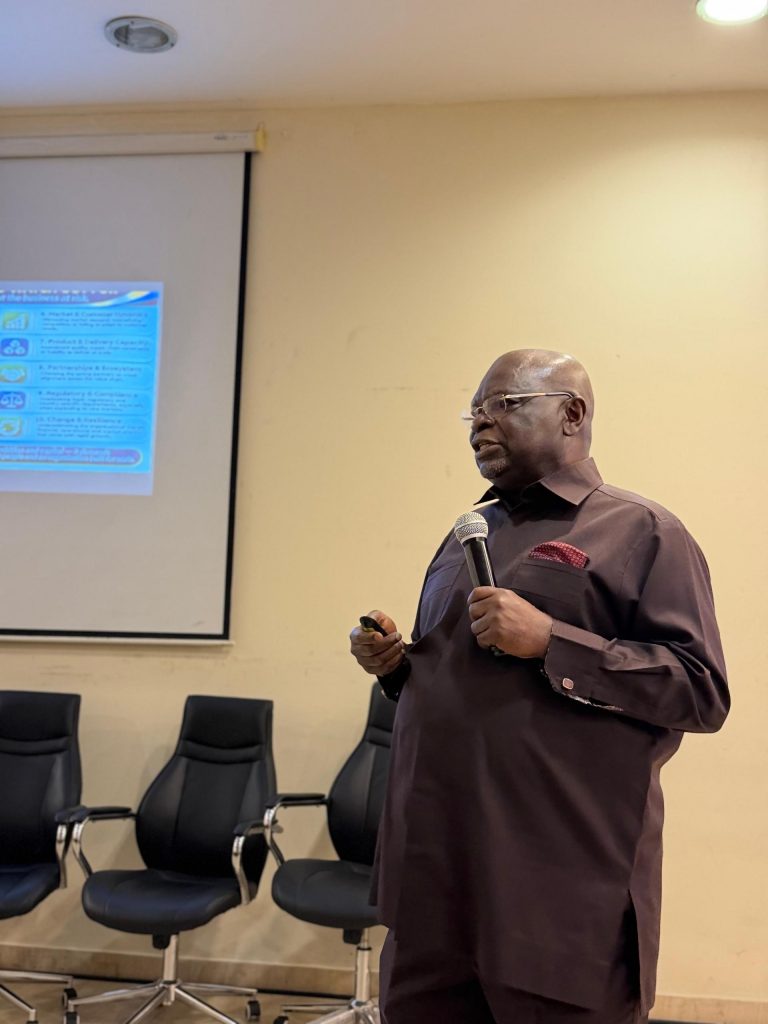
A major highlight was the Founder Fireside Chat, anchored by the Executive Director of the University of Lagos Business School (ULBS), Professor Sunday Adebisi. The session provided practical insights into the realities of building and sustaining entrepreneurial ventures, drawing on the experiences, decisions and challenges that shape the entrepreneurial journey.
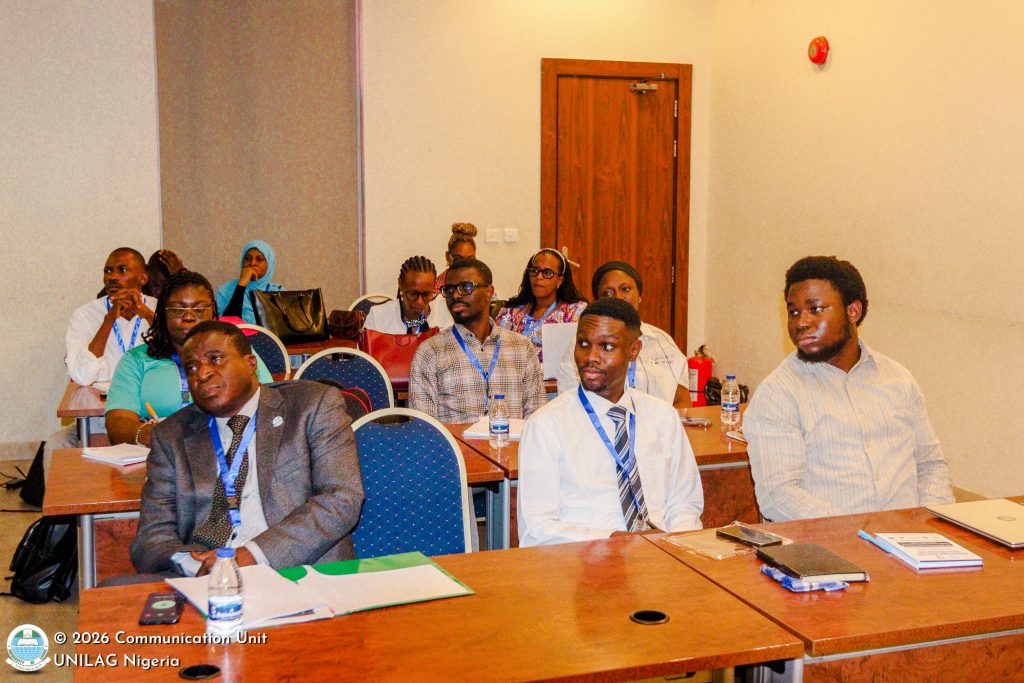
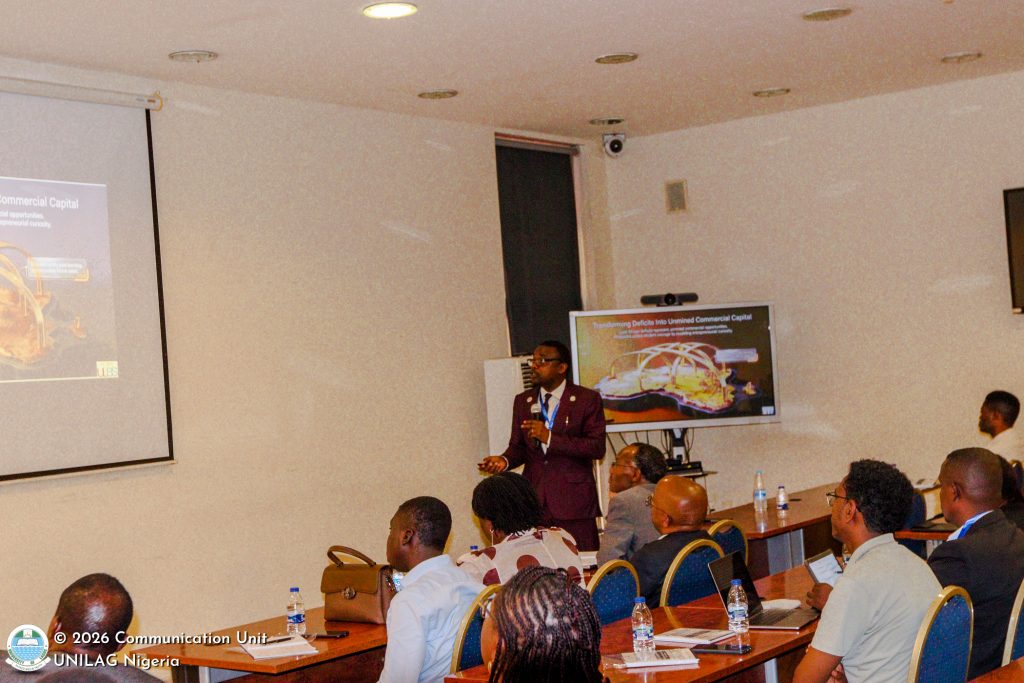
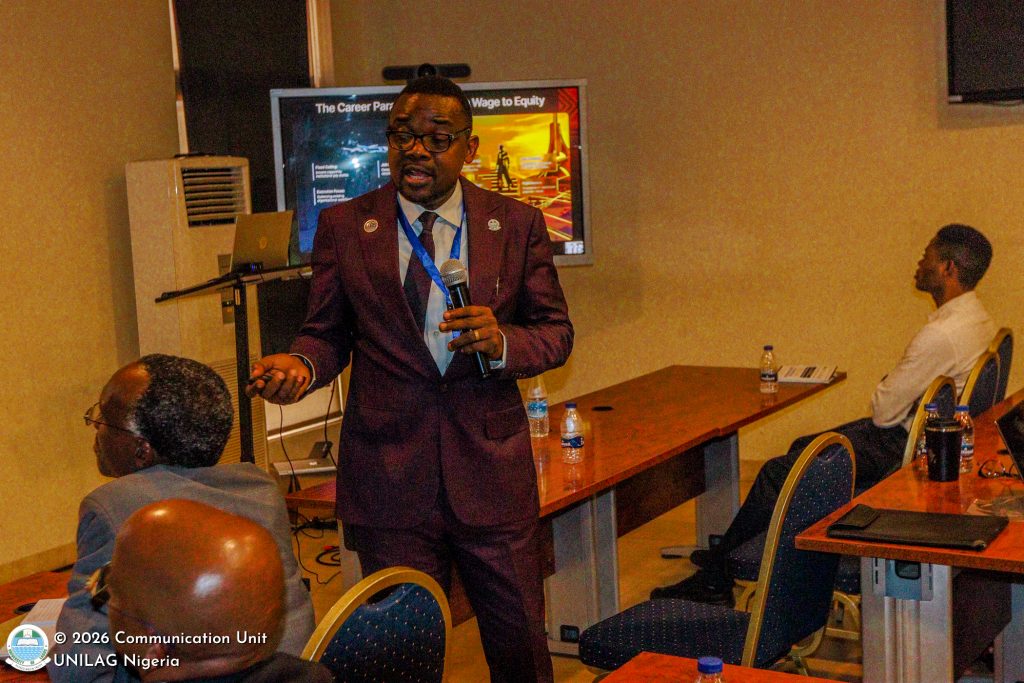
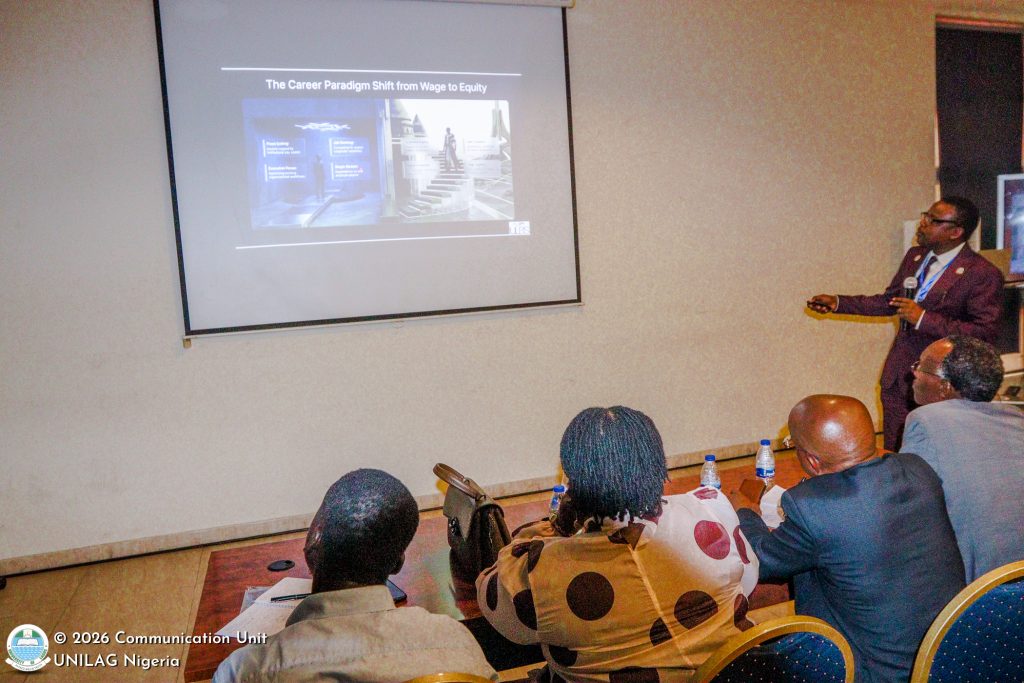
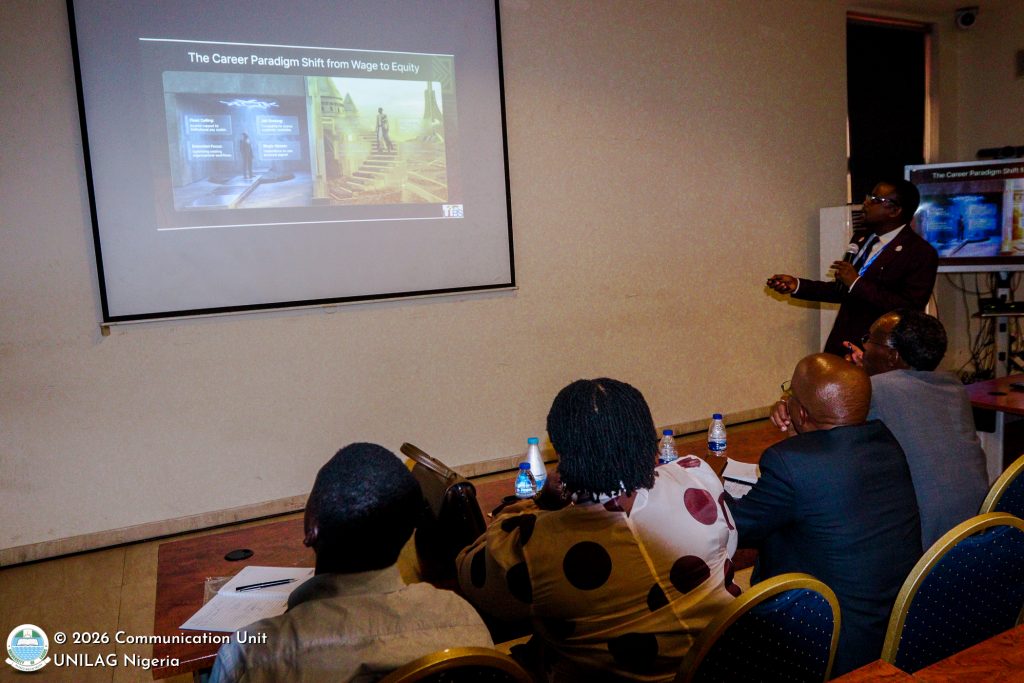
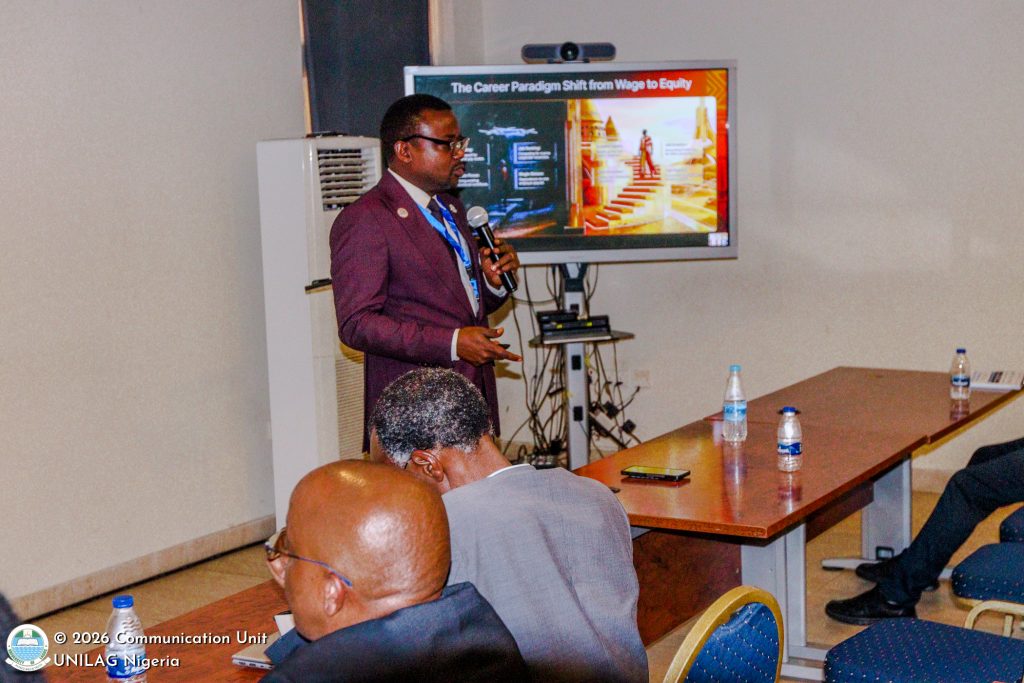
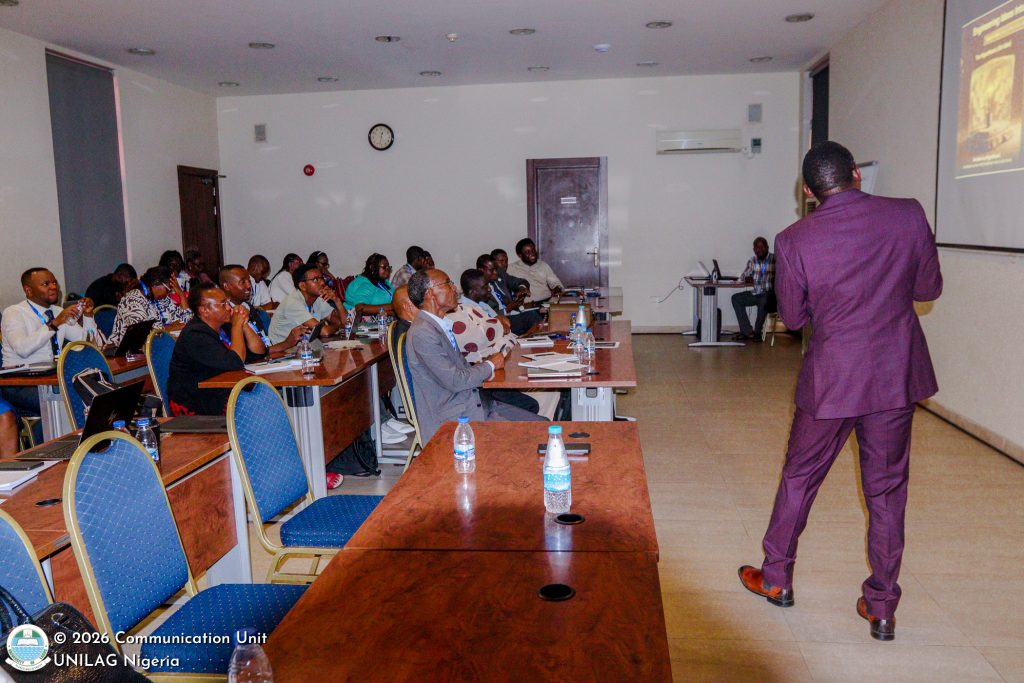
The opening activities also featured a keynote address by the Associate Director of Entrepreneurship at Carnegie Mellon University (CMU) Africa, Rwanda, Dr Stanley Mukasa, alongside other goodwill messages and addresses.
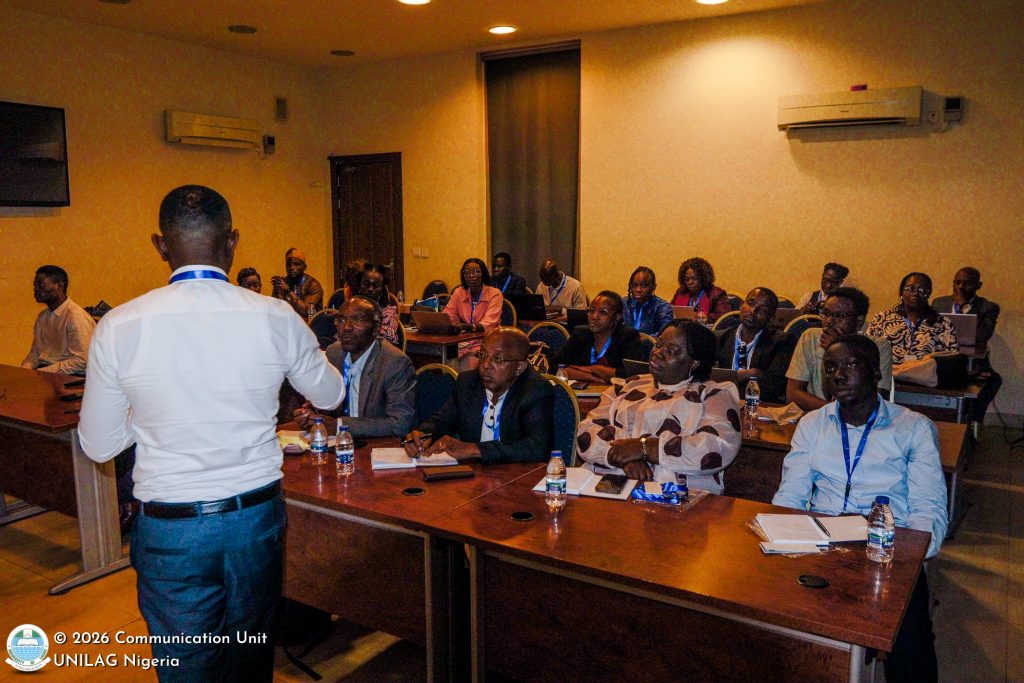
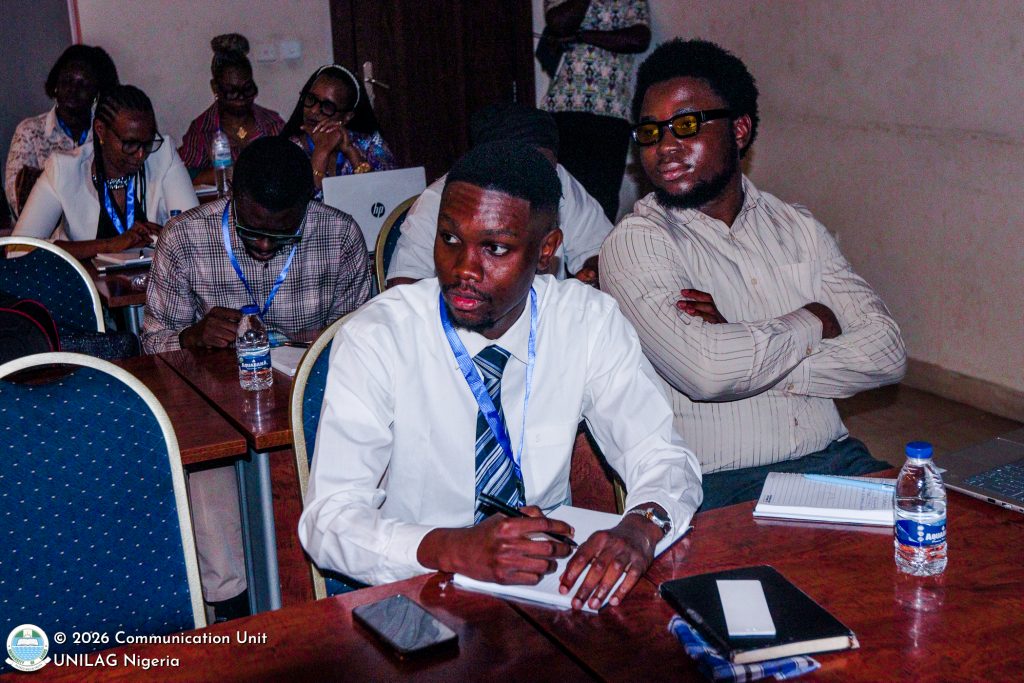
Day Two: Taking Innovation to the People
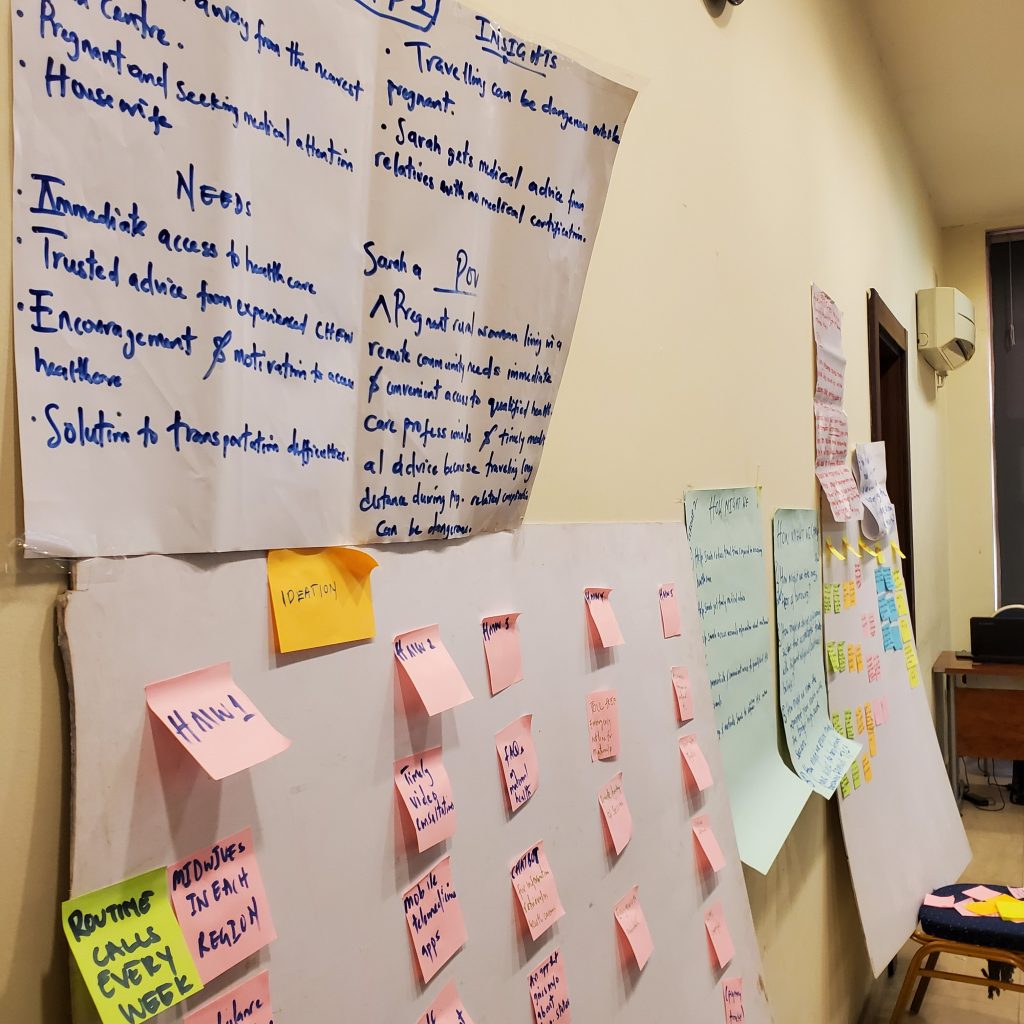
Building on the foundations established on the first day, participants moved beyond the training room on Tuesday, November 17, to engage in an immersive design-thinking exercise within selected markets and communities at the University of Lagos.
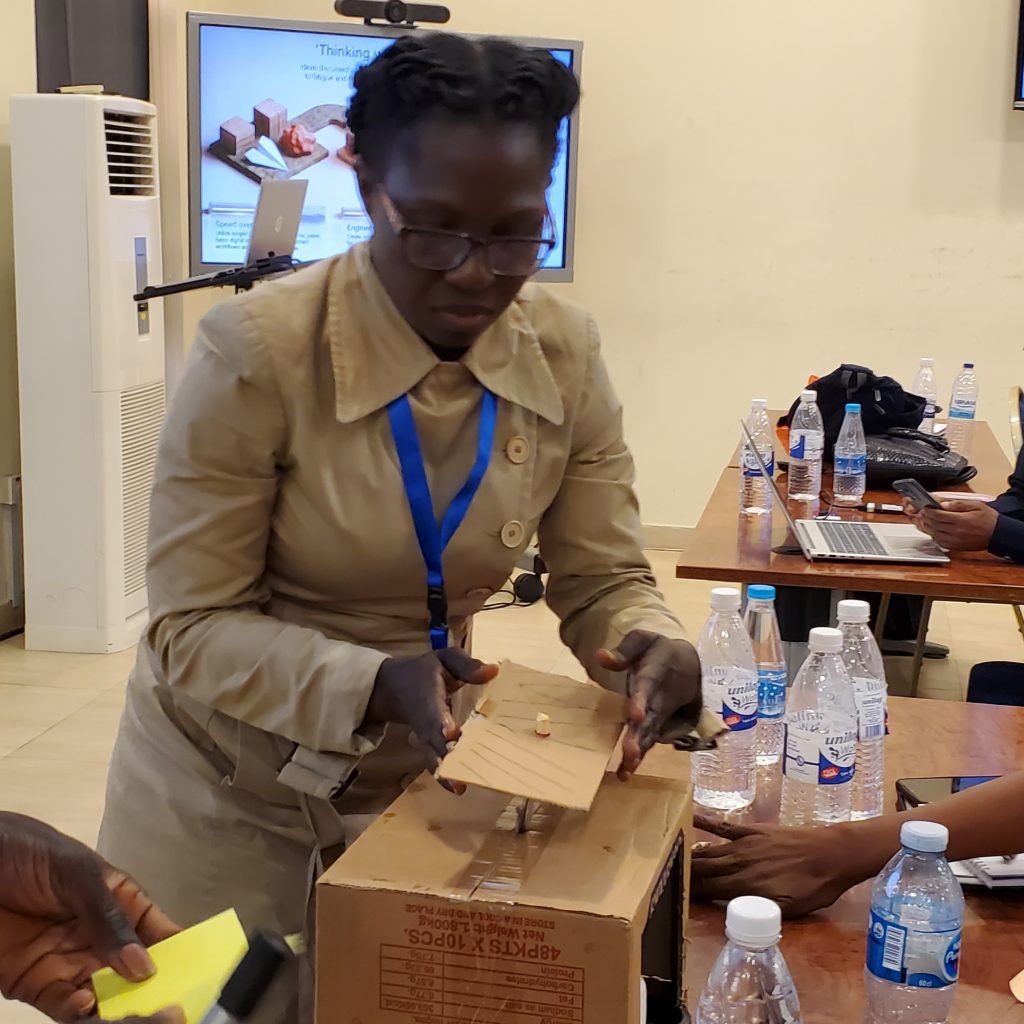
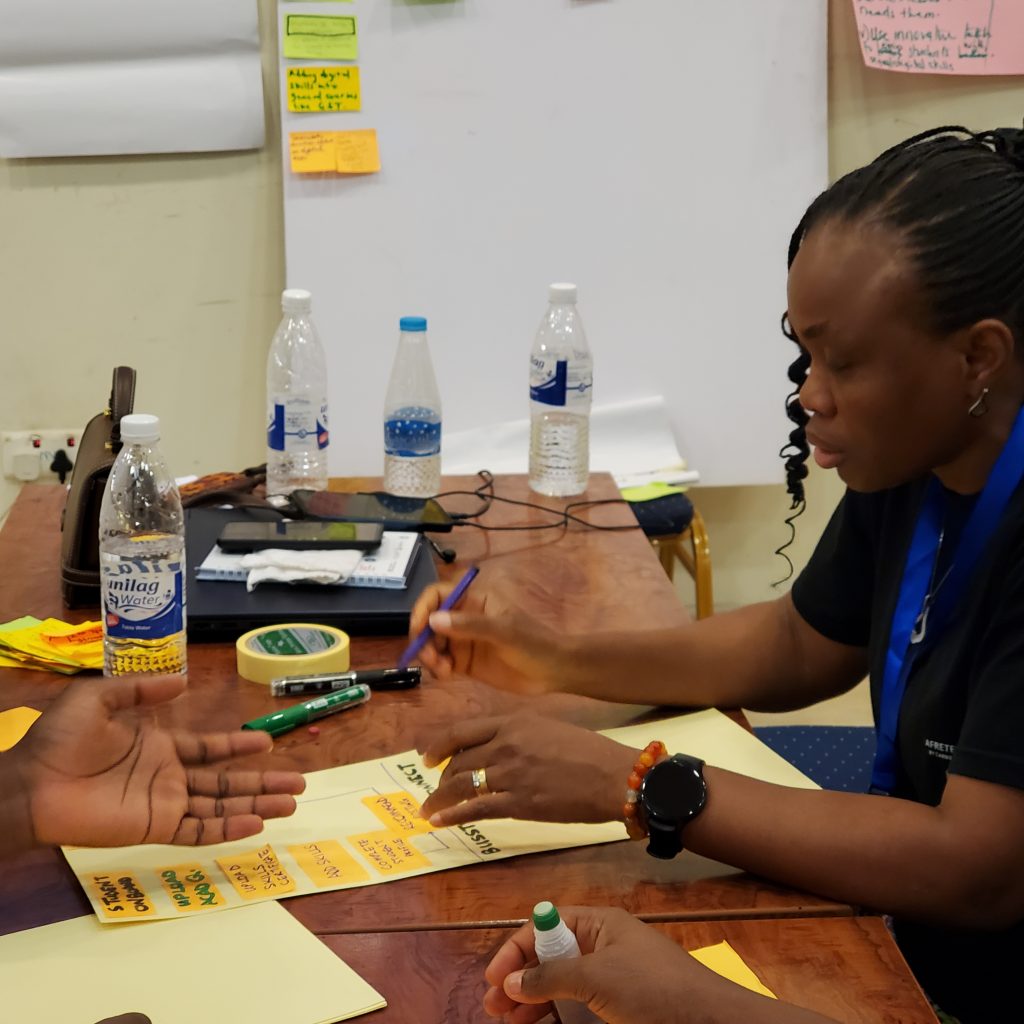
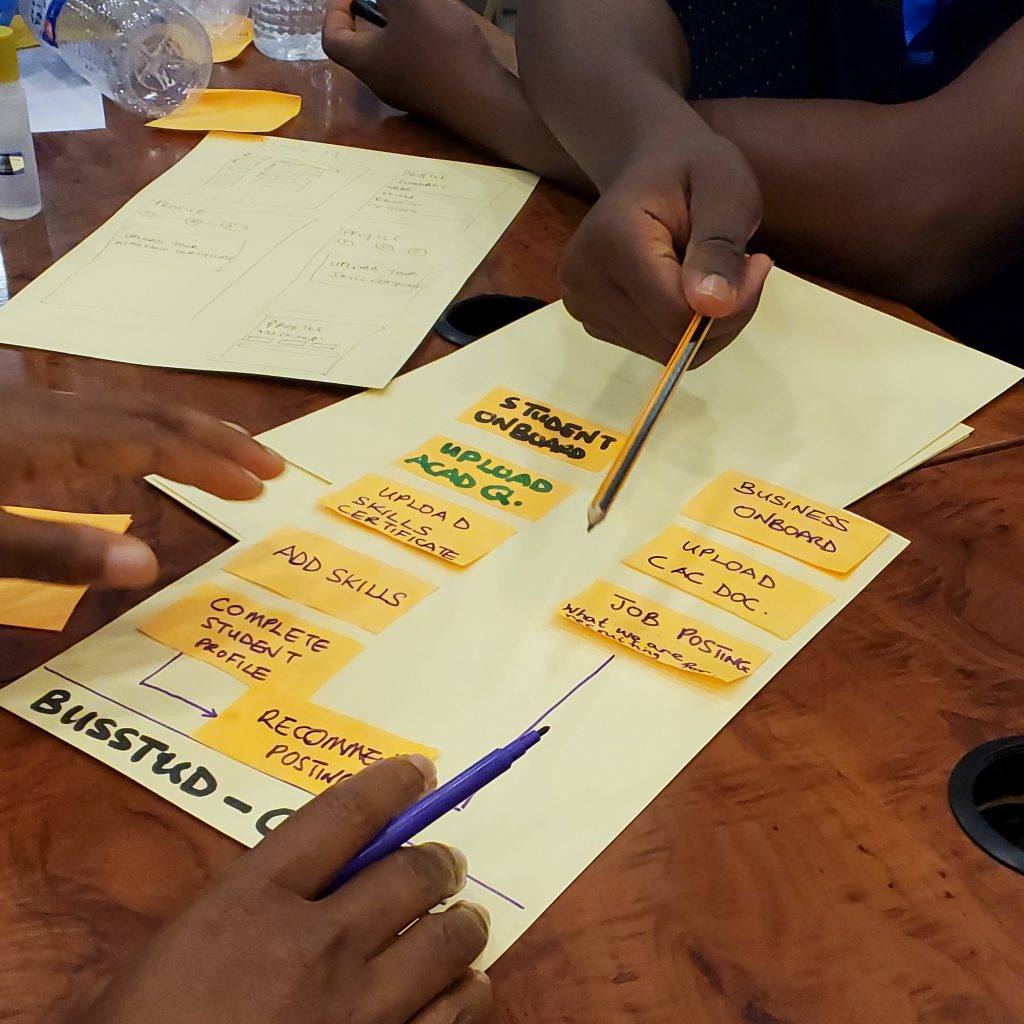
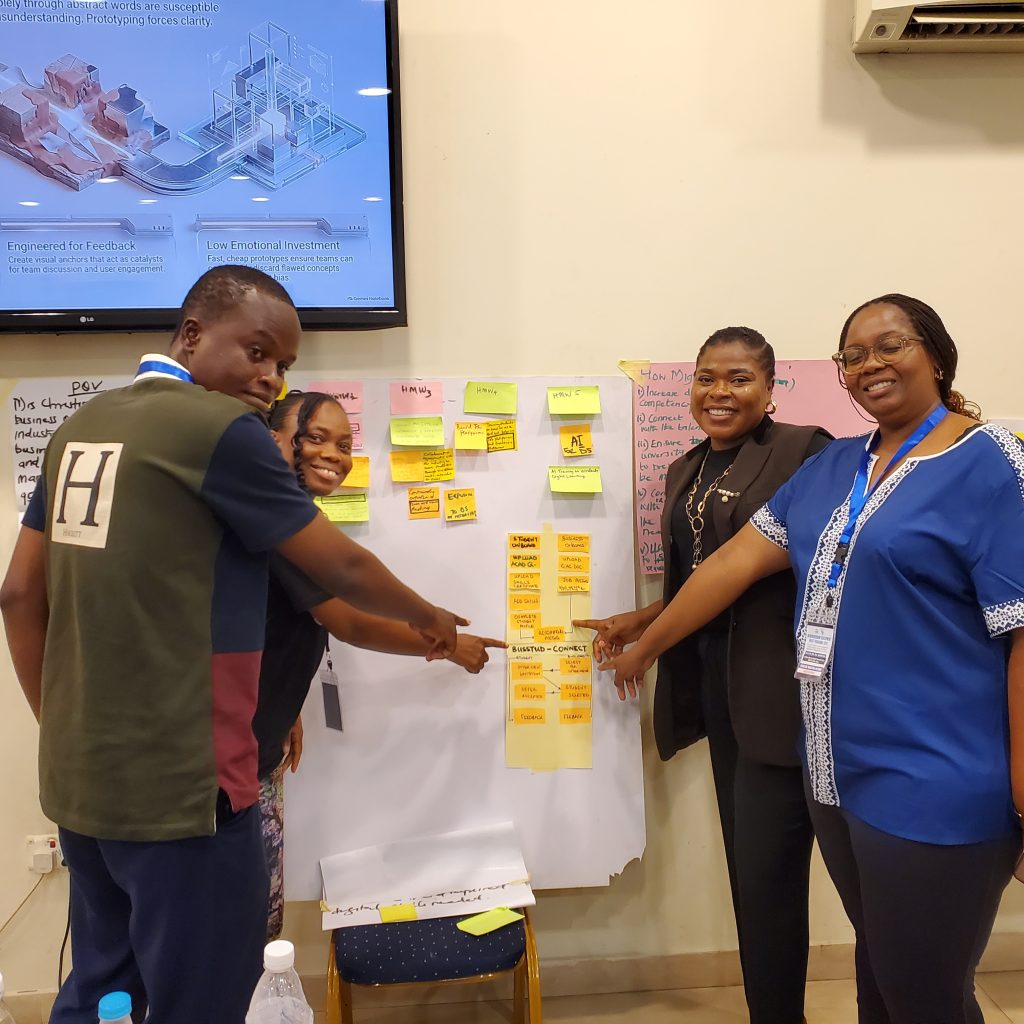
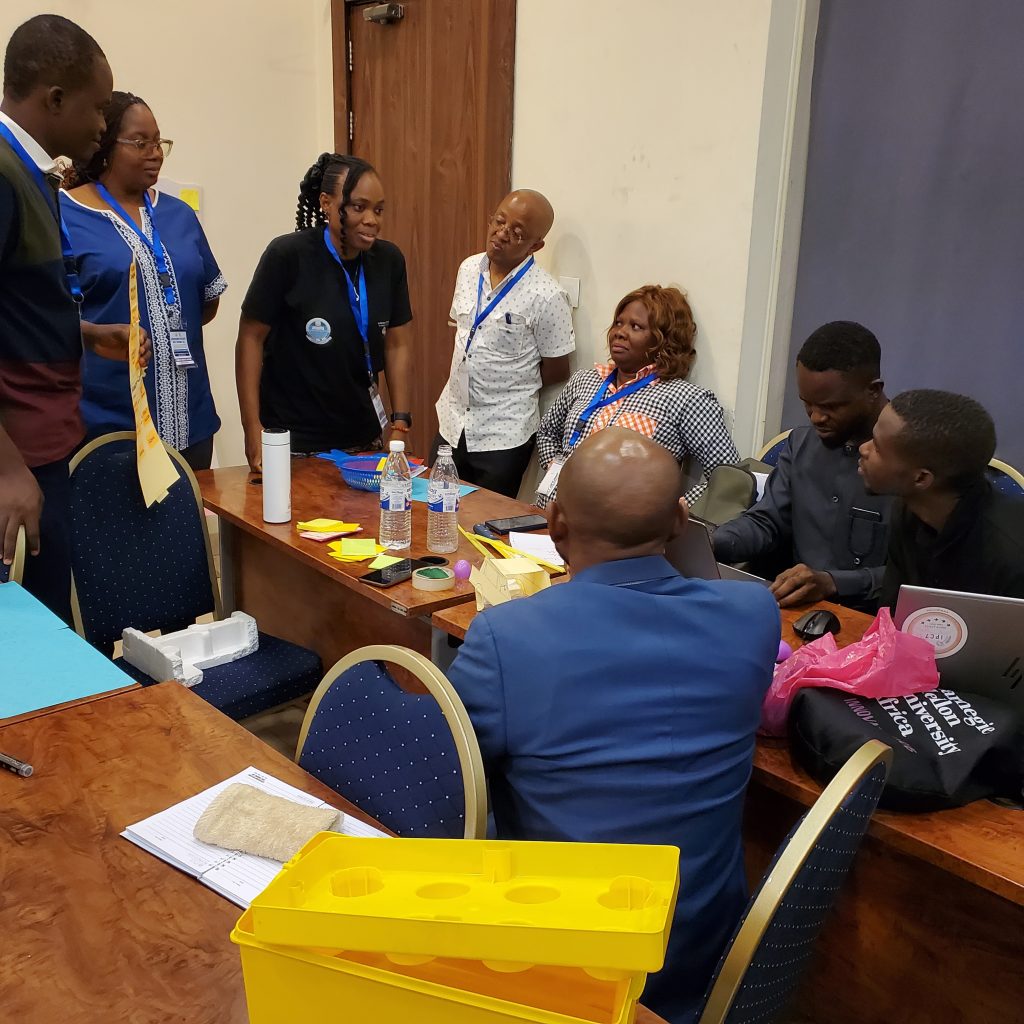
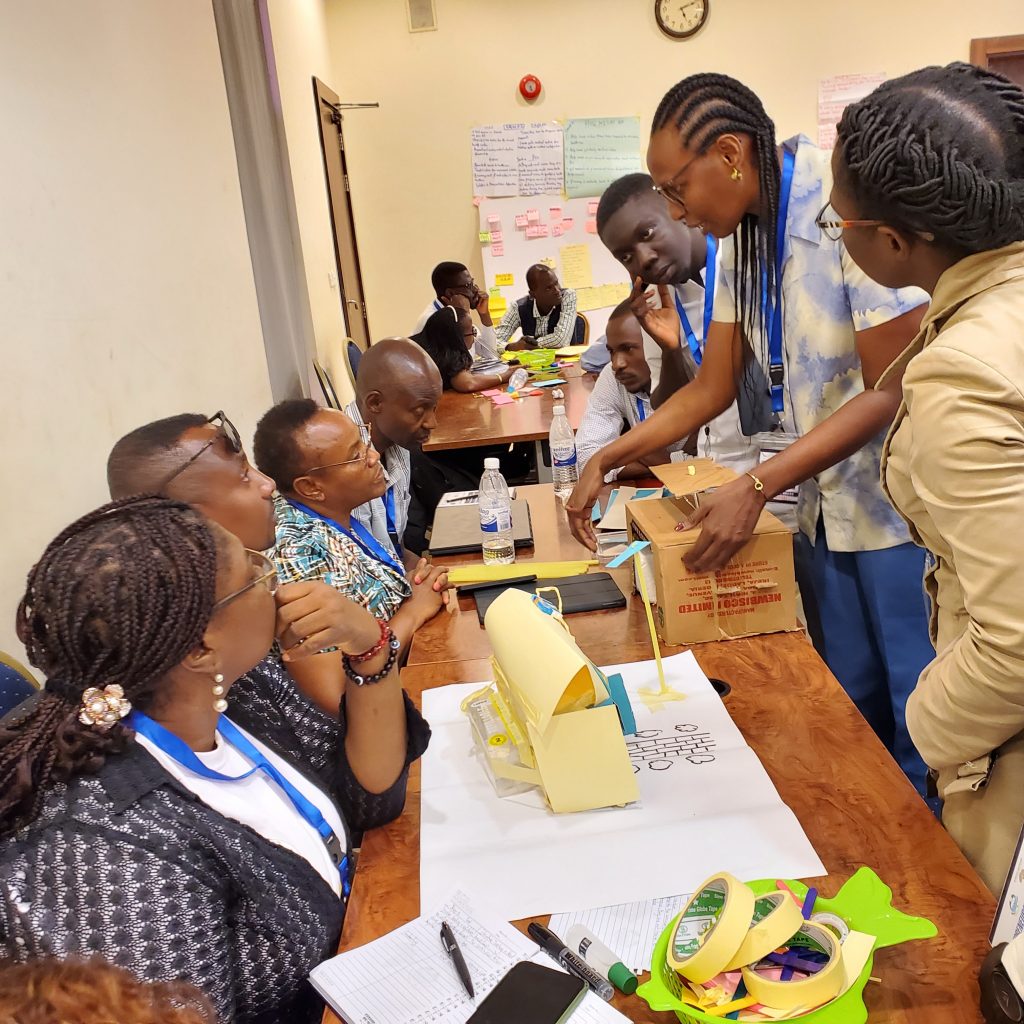
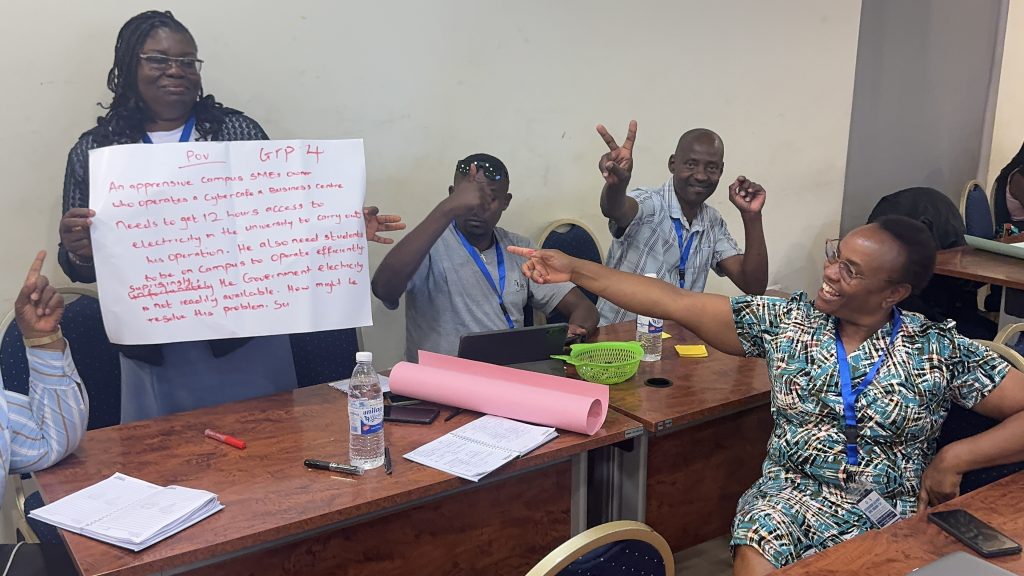
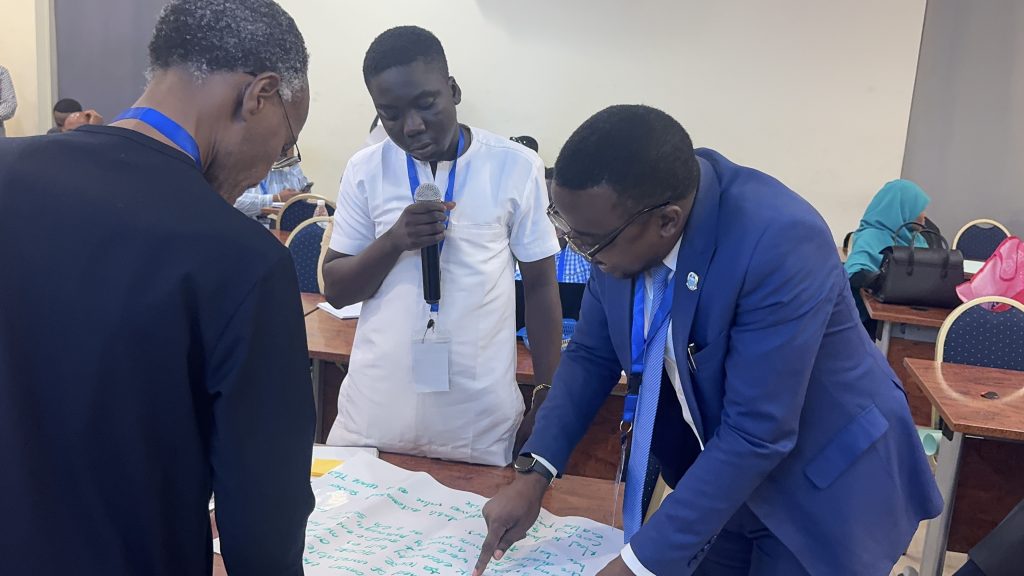
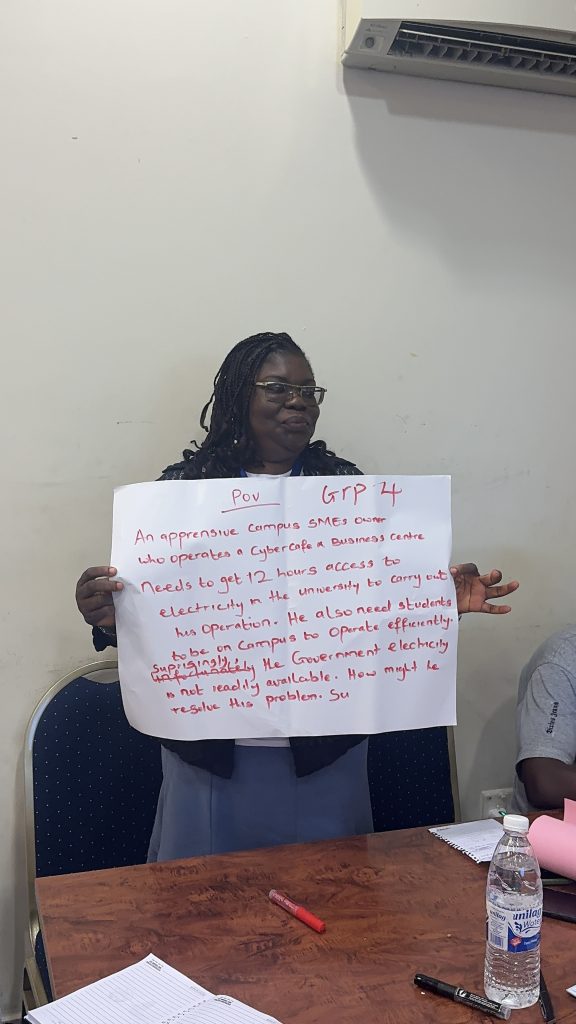



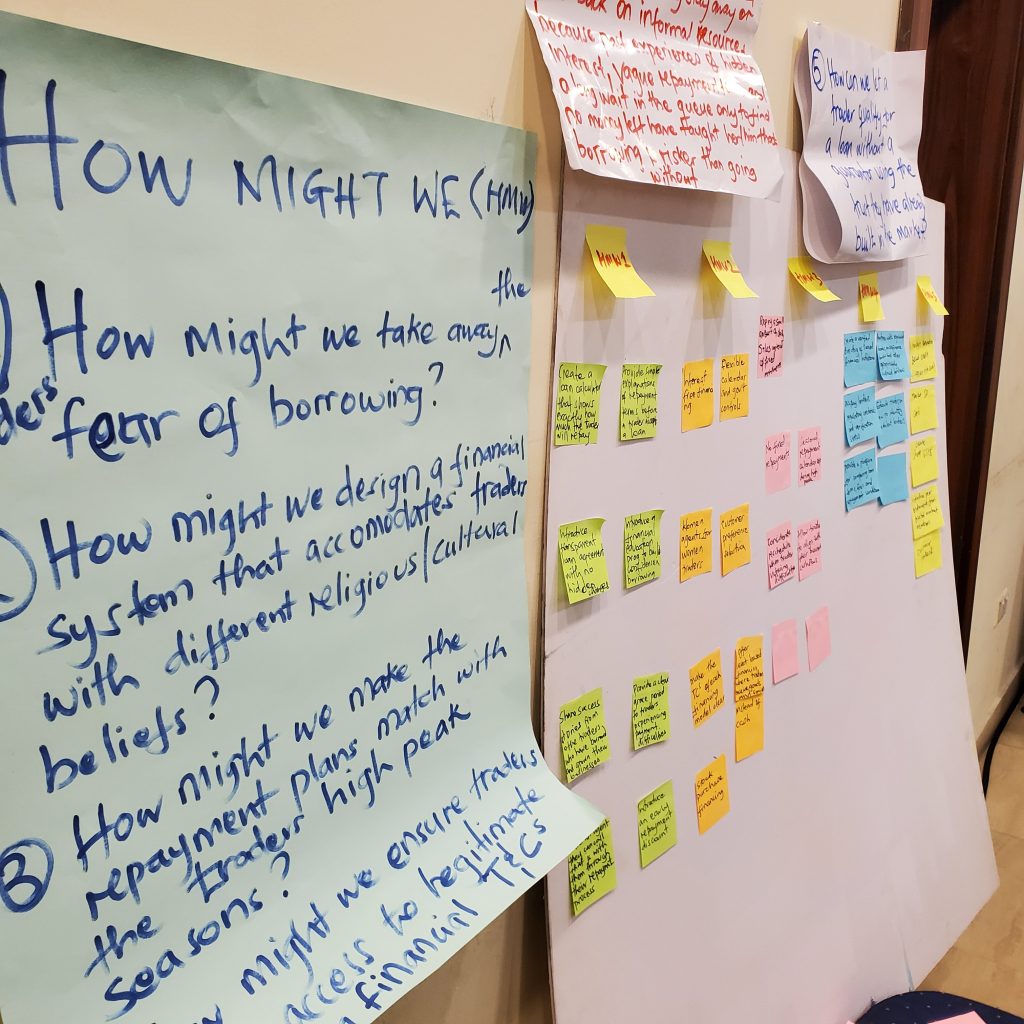
Working in groups, they interacted with healthcare users, small business operators and other stakeholders to understand challenges relating to access to credit, electricity, employment opportunities and other everyday needs.
Rather than begin with preconceived solutions, participants were encouraged to listen, observe and understand the experiences of those directly affected by the problems they sought to address.
The exercise followed the key stages of design thinking: empathy, problem definition, ideation, prototyping and testing. Upon returning to the training venue, the groups translated their observations into potential business ideas, developed prototypes and presented their proposed solutions.
One of the concepts that emerged was Match Grid, an initiative designed to connect business owners with the digital talent needed to support their operations.
Day Three: Turning Ideas into Viable Ventures
On Wednesday, November 18, attention shifted to the business considerations required to transform promising ideas into sustainable enterprises.
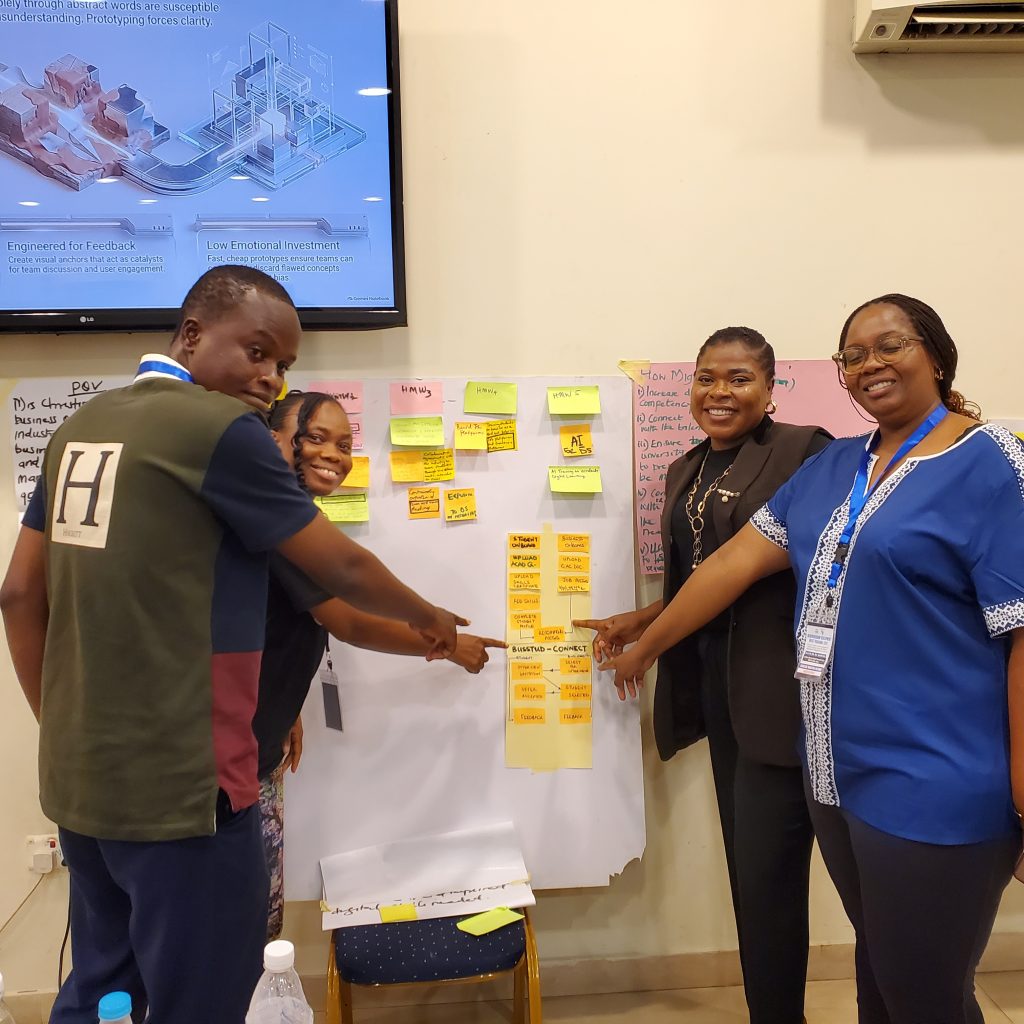
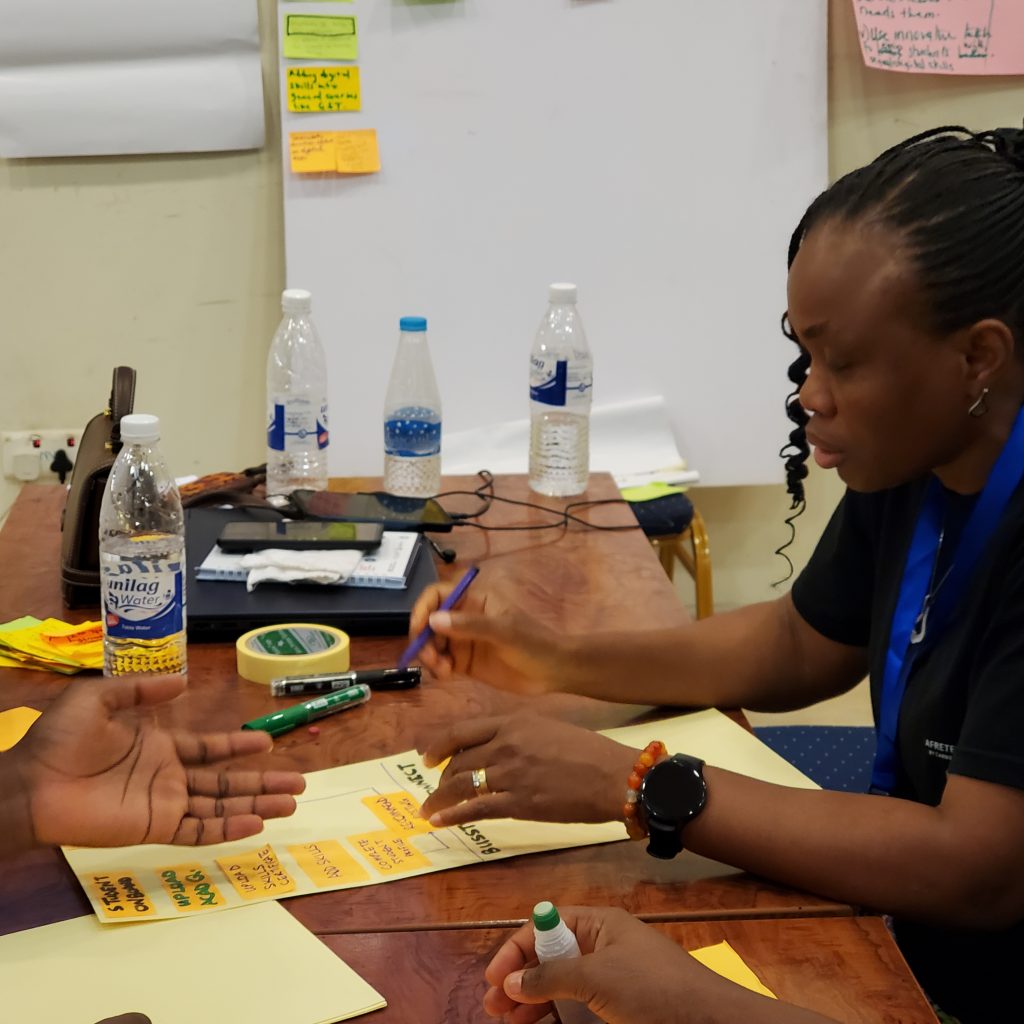


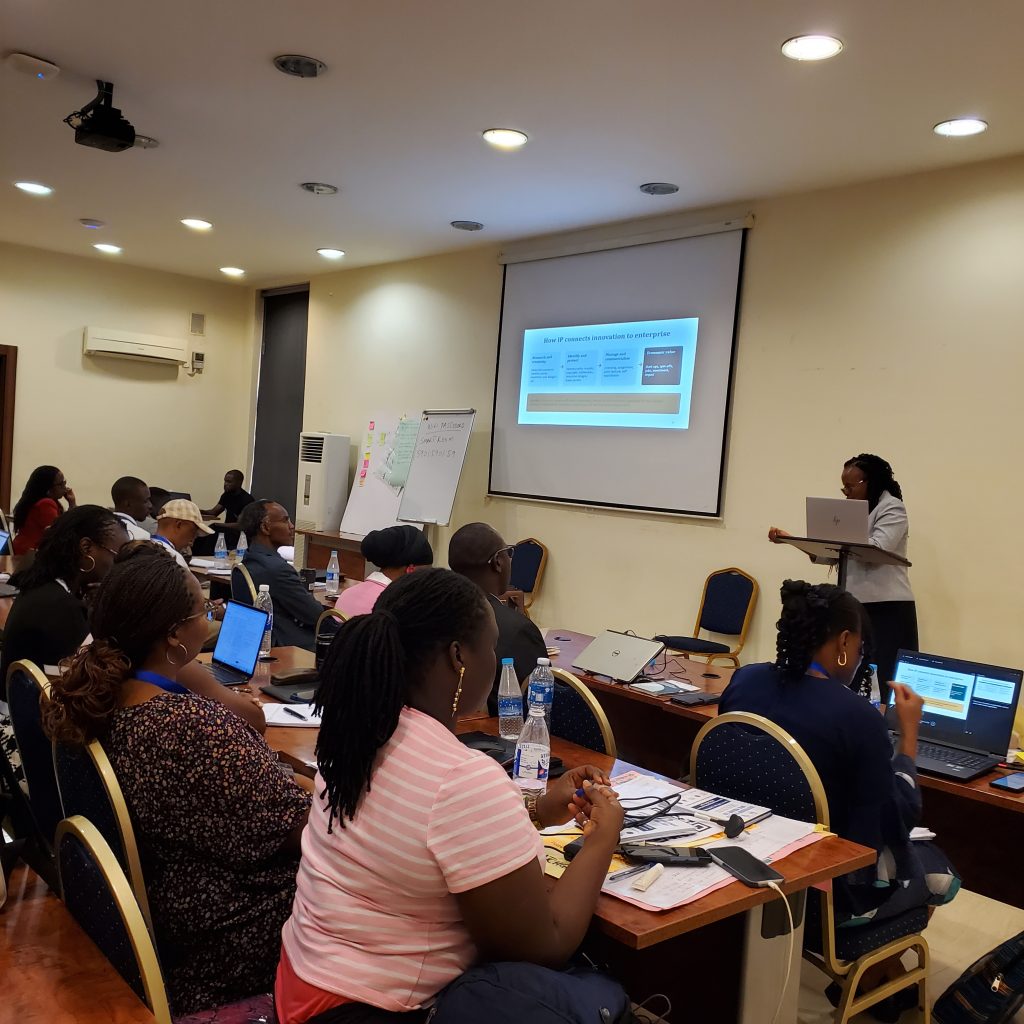
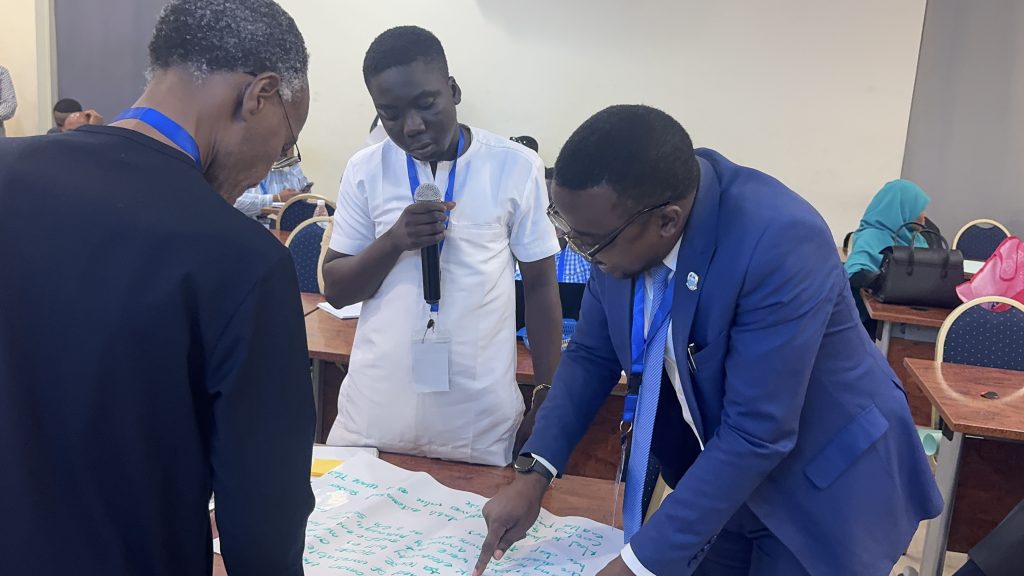
Participants explored the Business Model Canvas, a practical framework for assessing the viability of business ideas, identifying target customers, defining value propositions and determining the resources and partnerships required to deliver sustainable solutions.
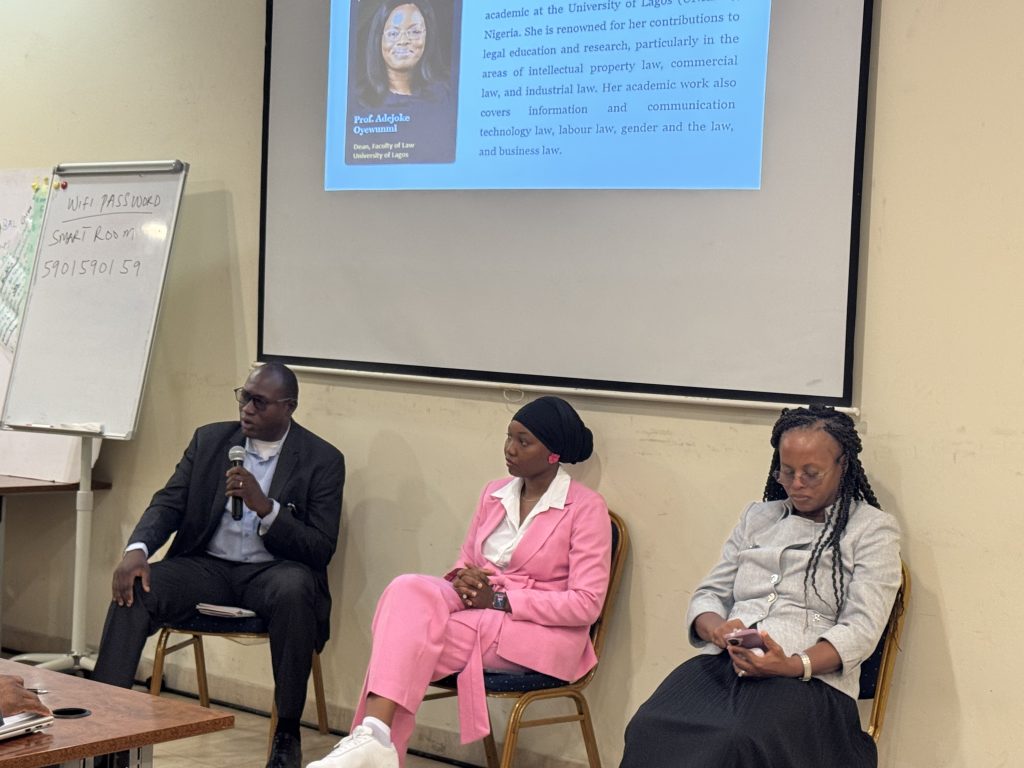
The sessions also examined intellectual property rights, legal frameworks and research commercialisation, highlighting the importance of protecting innovations and establishing appropriate institutional structures to support the transition of academic discoveries into marketable products and services.
The discussions underscored the need for universities to create enabling environments where research outcomes can move beyond academic publications to generate practical applications, economic value and wider societal benefits.
Day Four: Harnessing Technology and Making the Investment Pitch
Thursday, November 19, focused on the growing influence of emerging technologies in entrepreneurship and enterprise development.
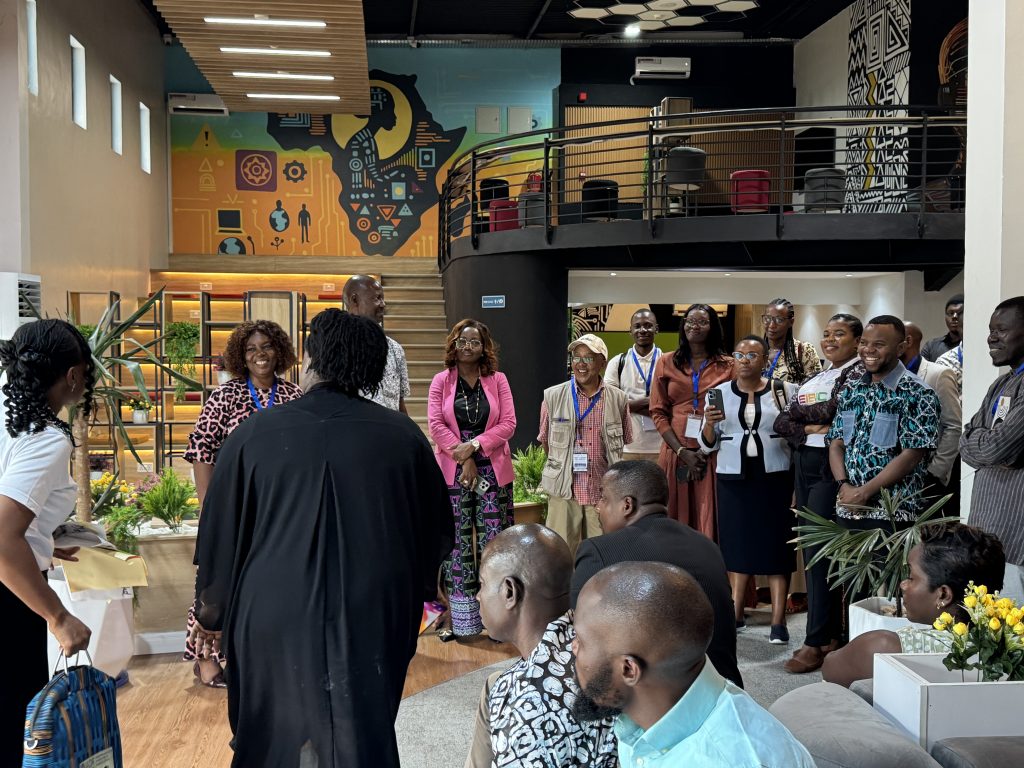
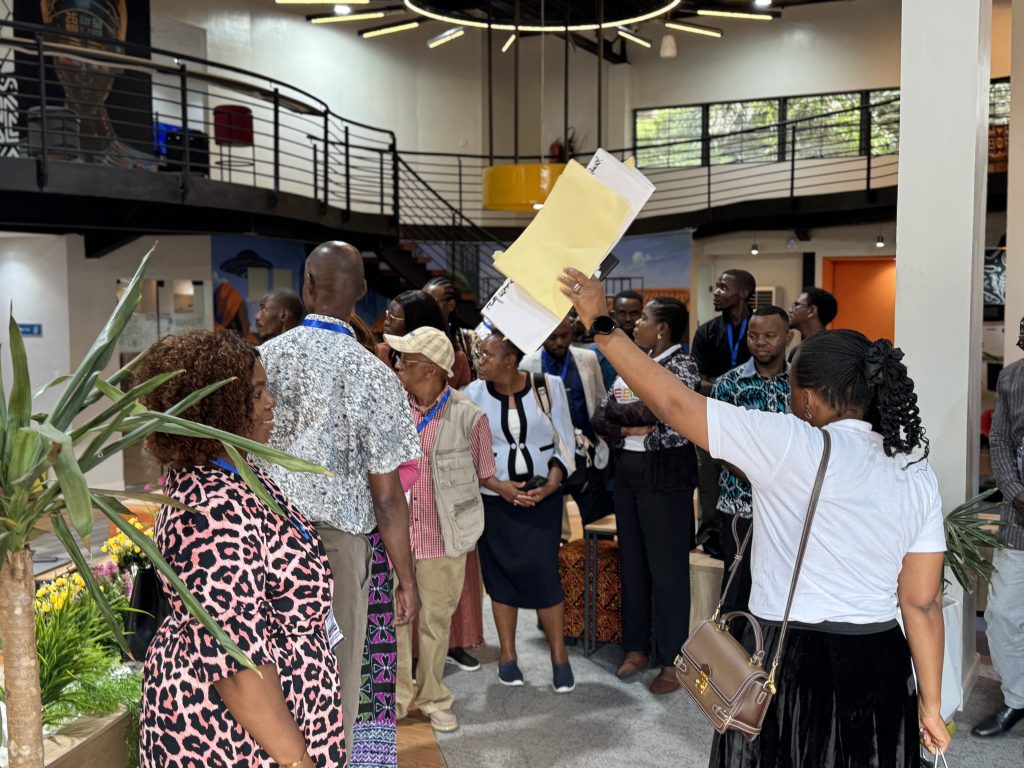
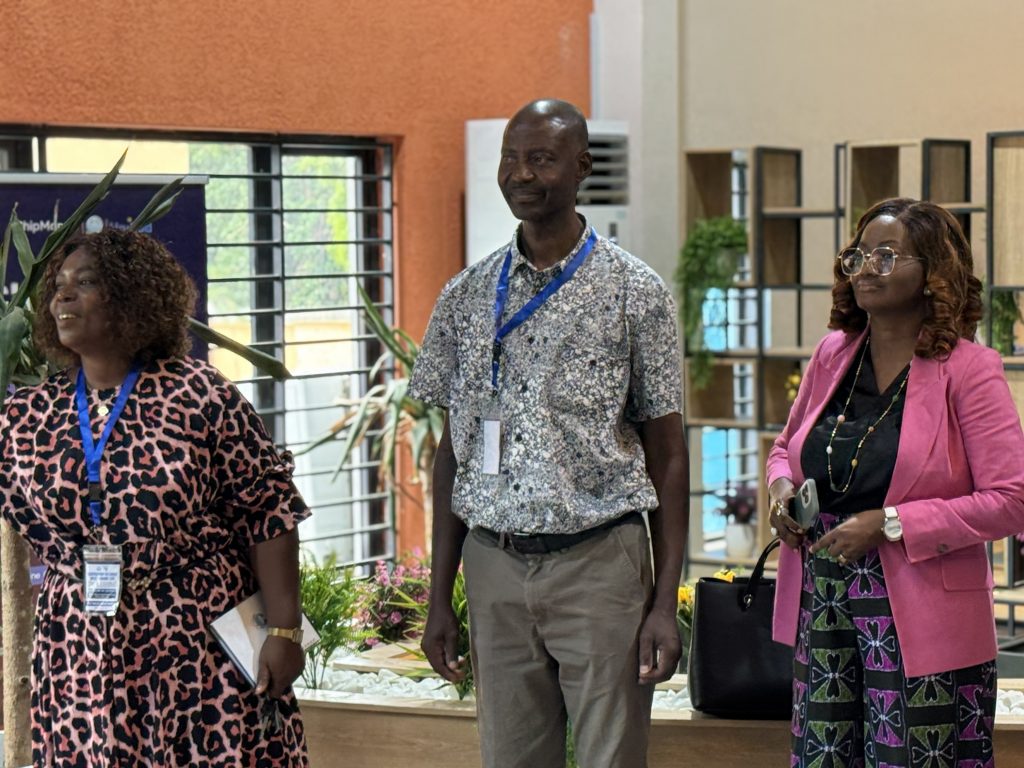
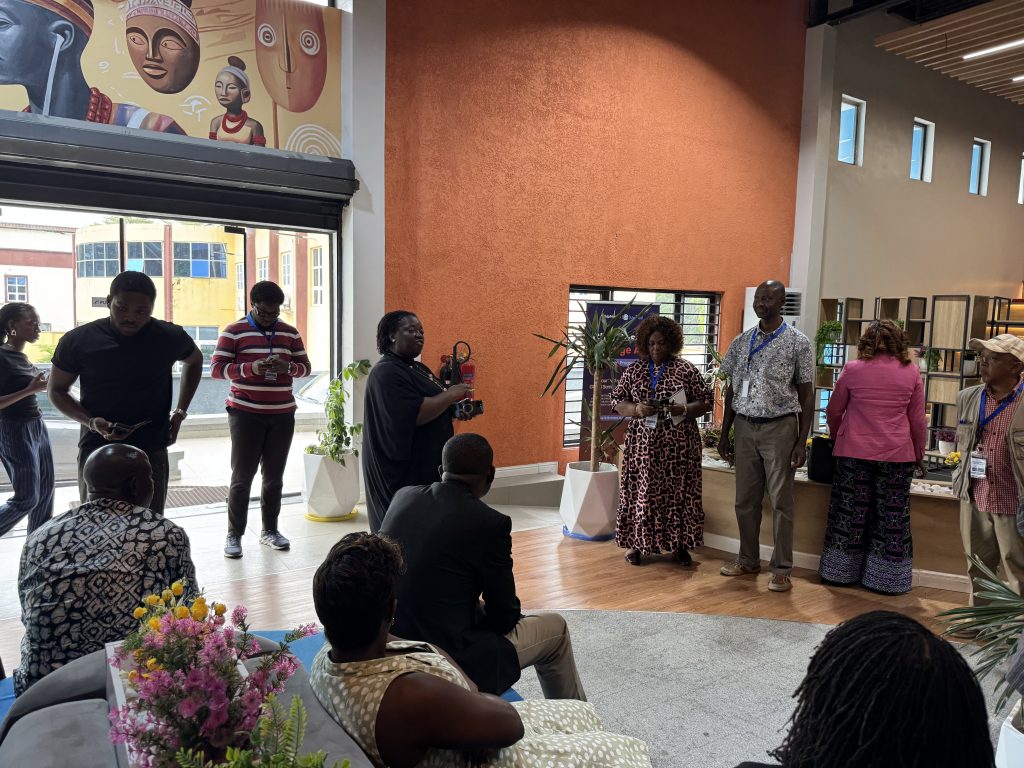
Participants at the Artificial Intelligence UNIPOD explored the application of Artificial Intelligence (AI), the Internet of Things (IoT) and data science in addressing contemporary challenges and creating new business opportunities.
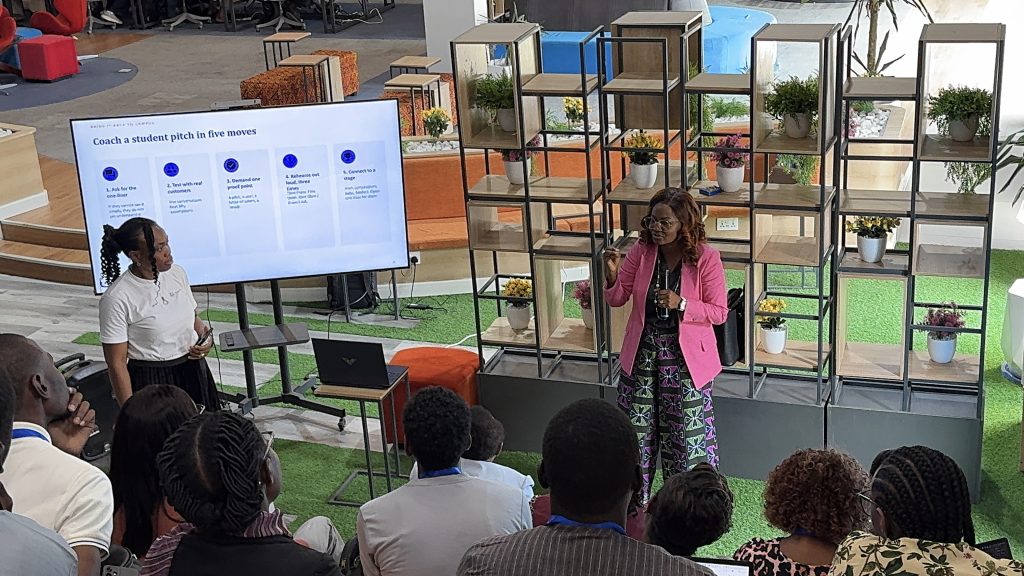
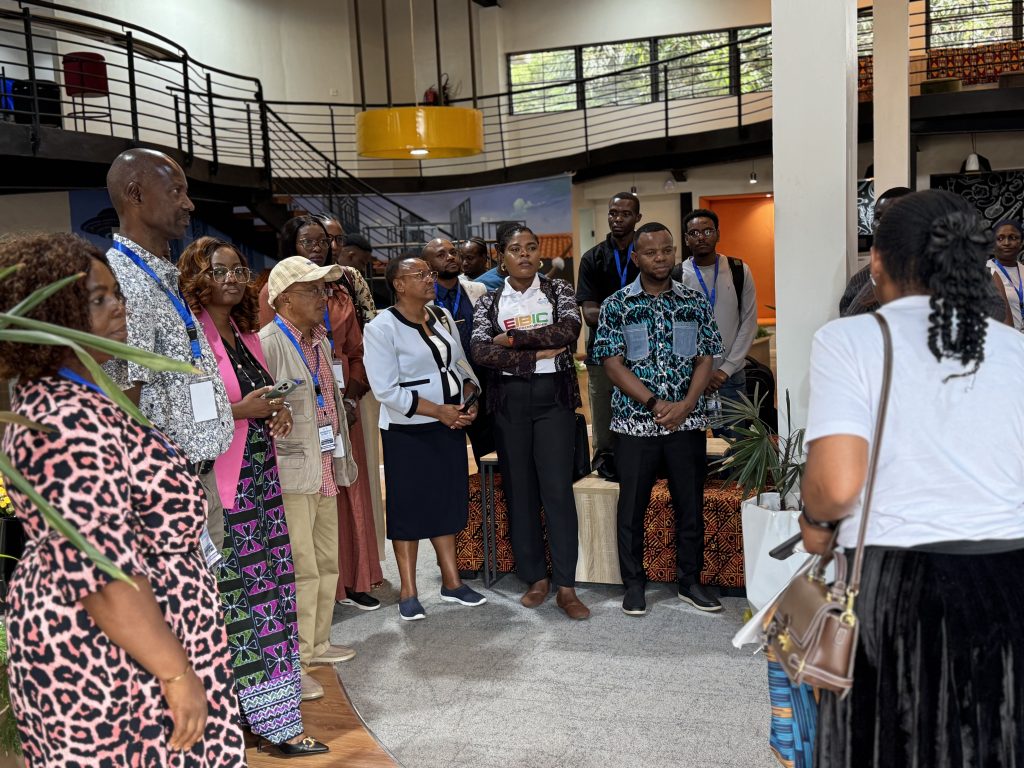
The programme also featured an experiential visit to the University of Lagos AI UniPod, where participants engaged with the University’s innovation ecosystem and explored the possibilities of technology-driven enterprise development.
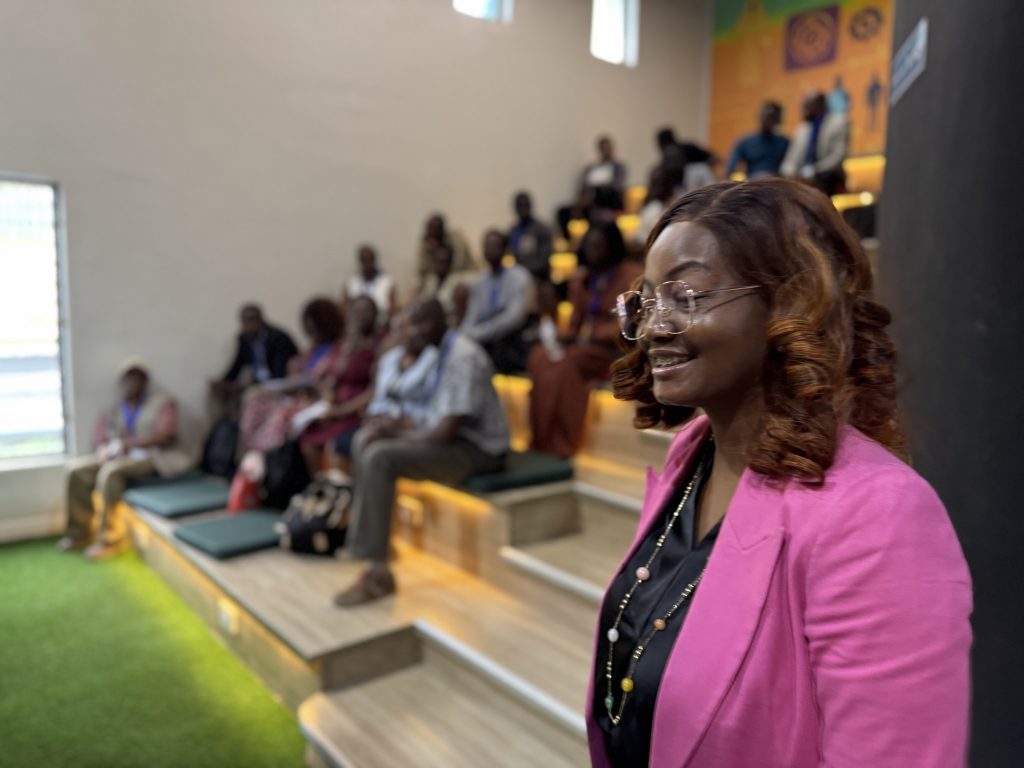


The day further featured practical sessions on venture pitching and investor engagement. In a simulated investment exercise, each group was required to present its business idea within three minutes and persuade a mock investment panel to commit funds from a fictitious US$1 million investment pool.
Beyond presentation skills, the exercise tested participants’ ability to communicate the value proposition, feasibility and growth potential of their ideas while responding to questions from prospective investors.
Day Five: Developing the Next Generation of Entrepreneurship Coaches
The final day, Friday, November 20, brought the programme’s learning objectives together, with emphasis on entrepreneurship coaching, mentoring and venture growth.



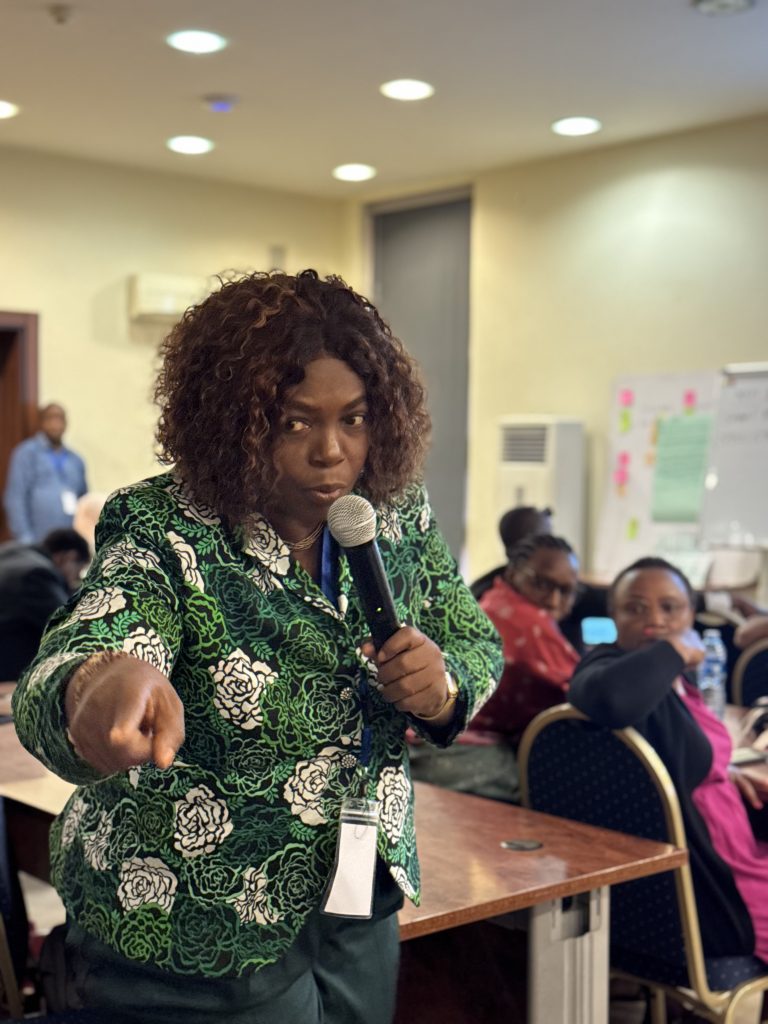
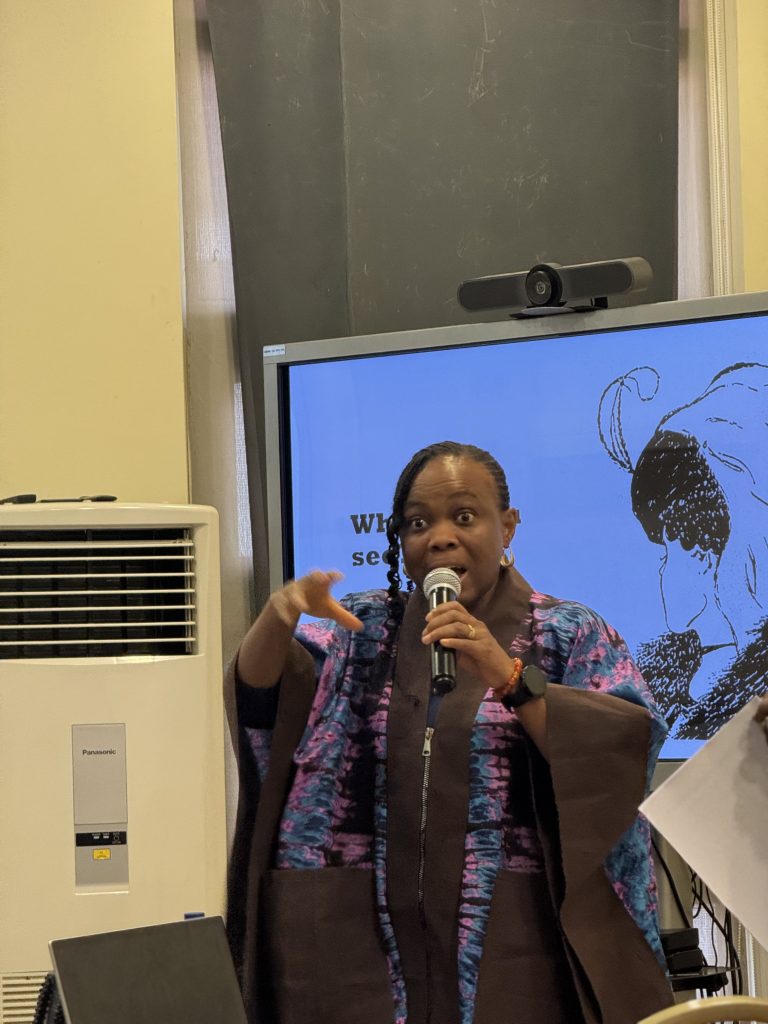
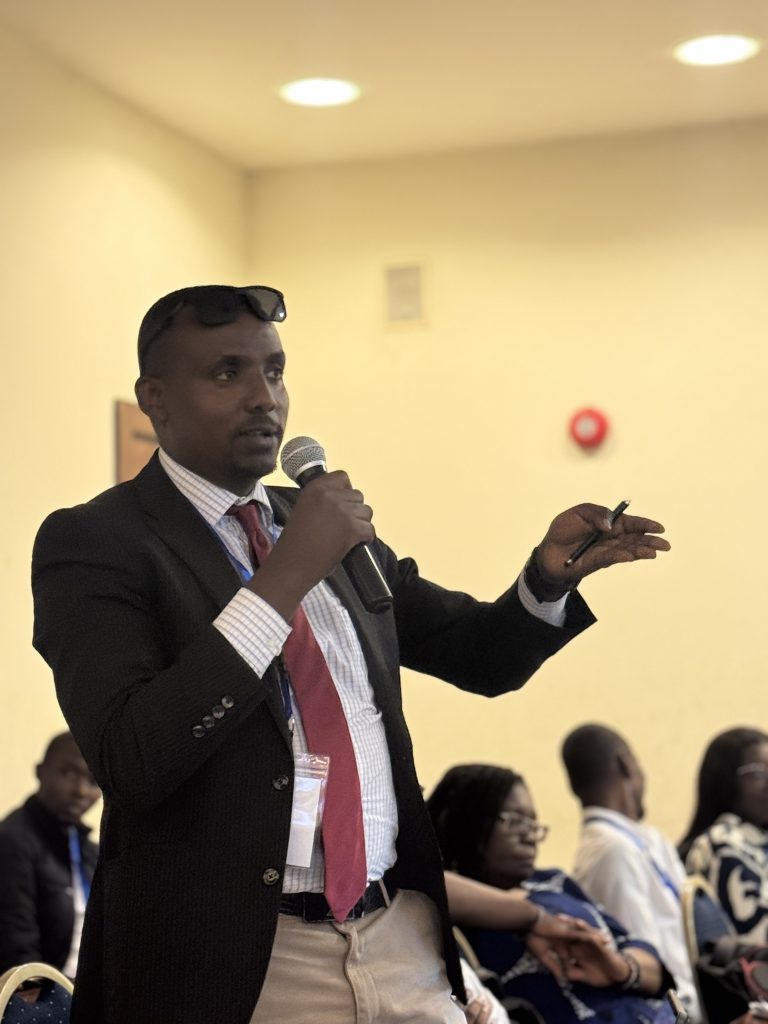
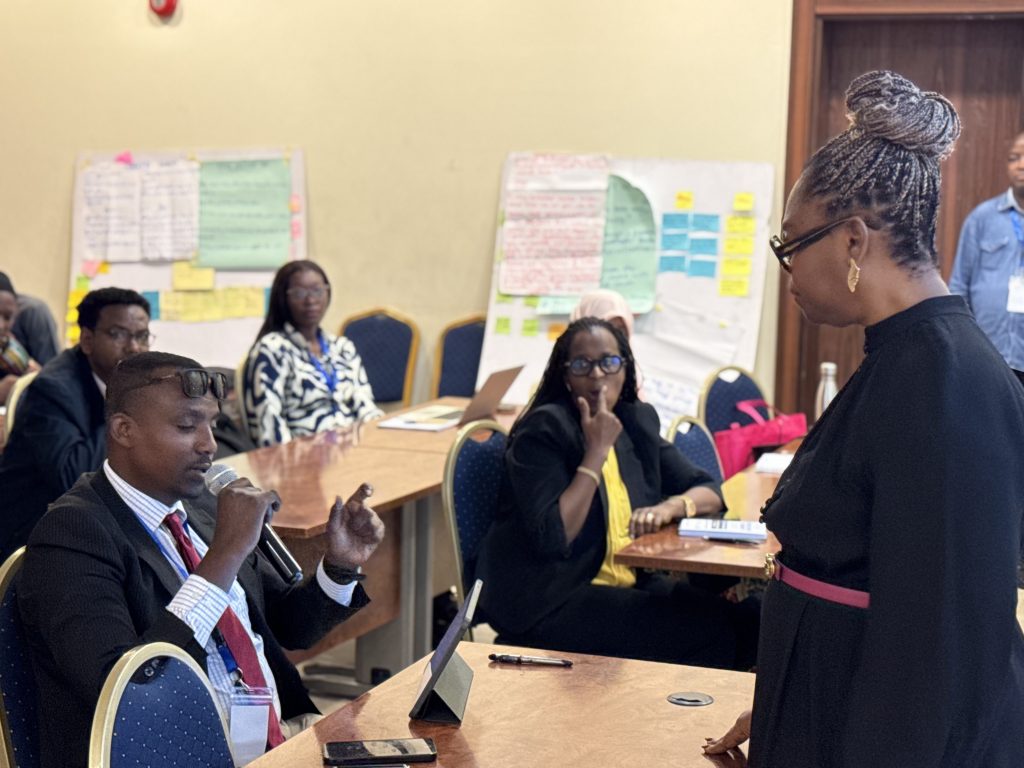
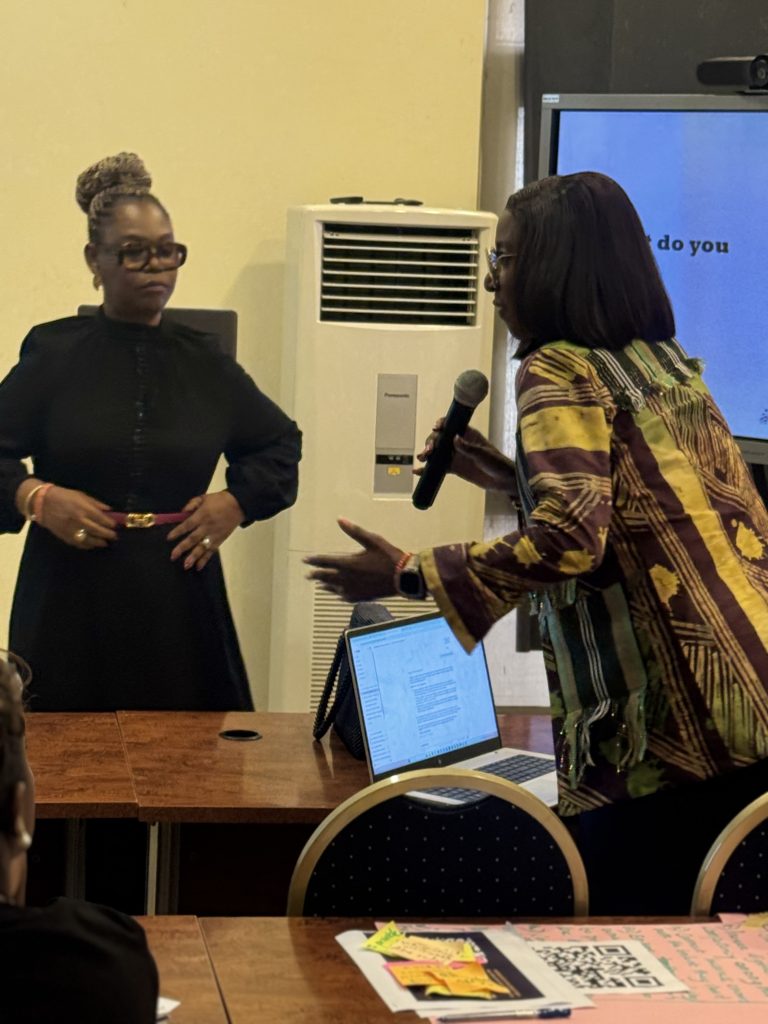

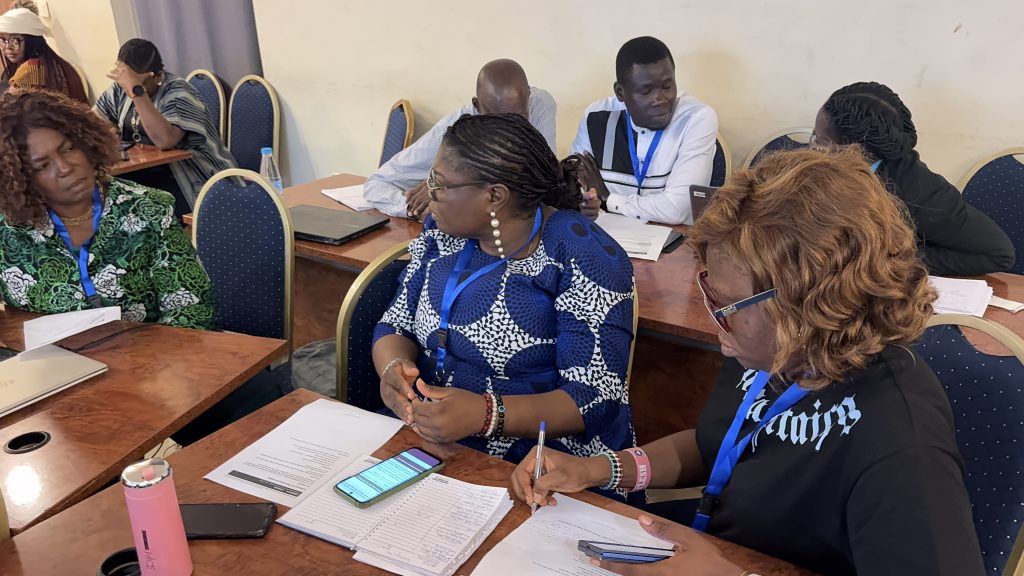
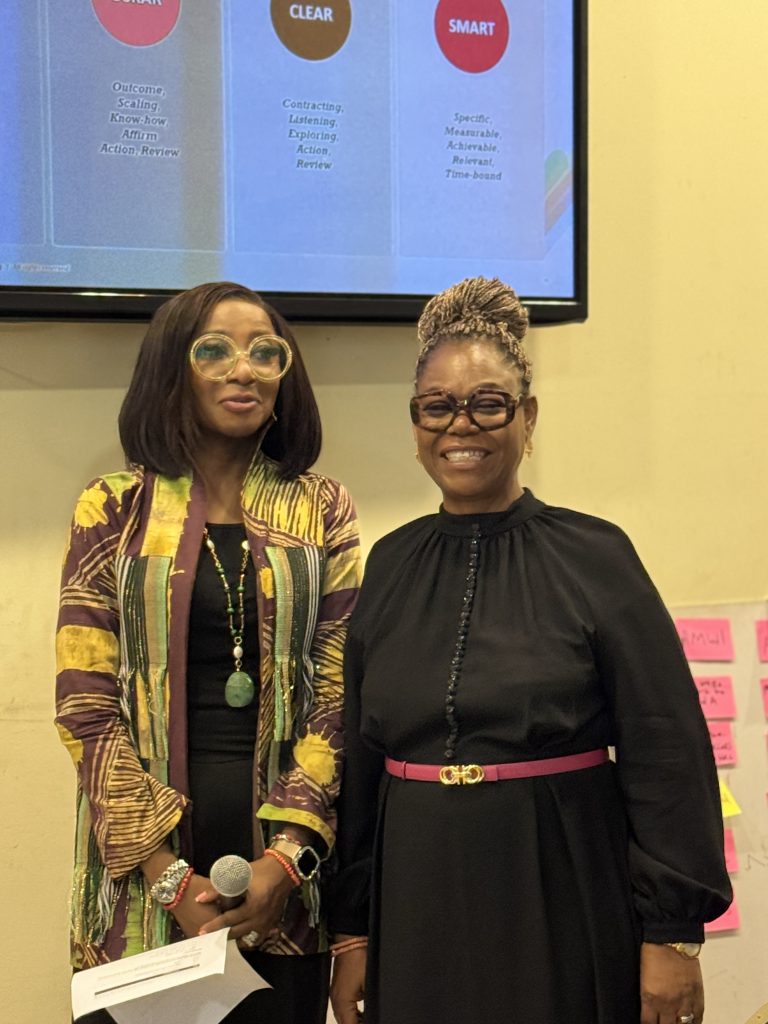
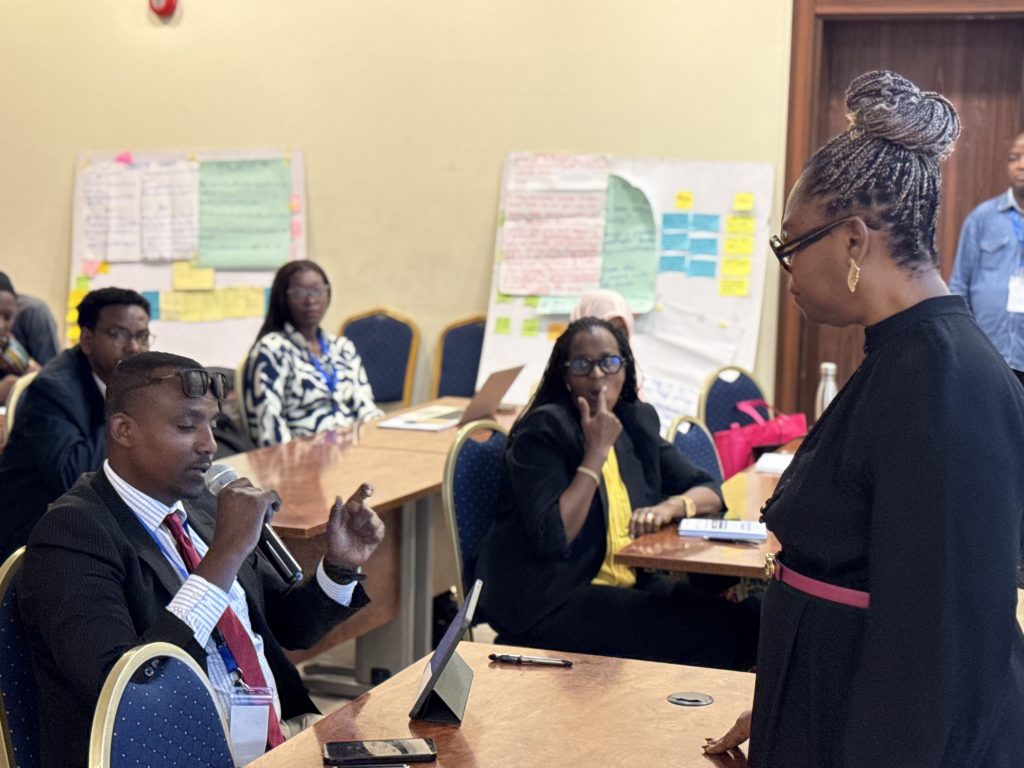
Through practical role-play exercises, participants took turns as coaches, mentees and observers, applying the principles of effective mentorship and receiving constructive feedback from facilitators.
The sessions explored how academics could guide aspiring entrepreneurs through the uncertainties of venture development, helping them refine ideas, overcome challenges and identify opportunities for growth.
An expert session on scaling and business growth further examined the factors that influence the sustainability and expansion of entrepreneurial ventures.
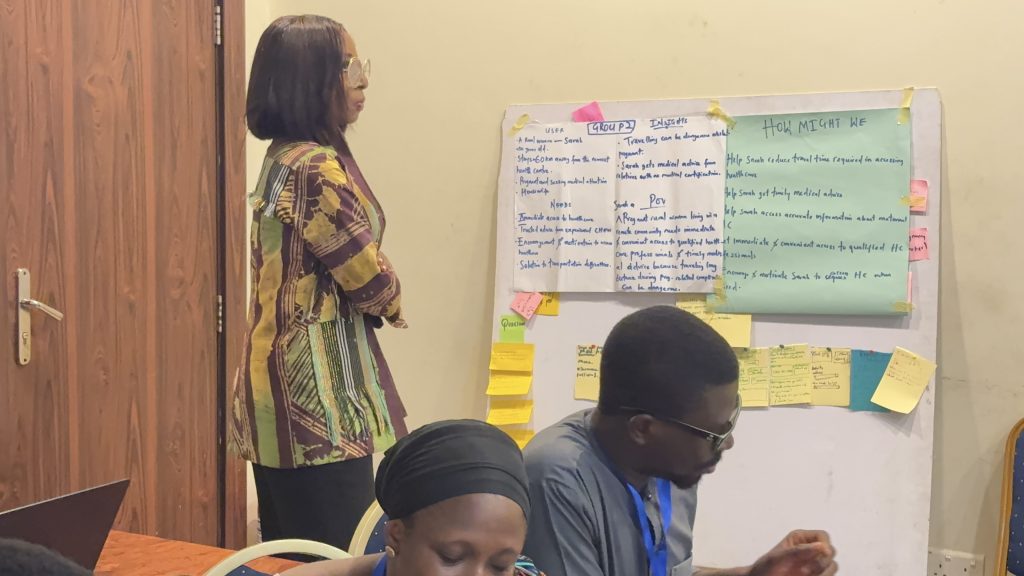
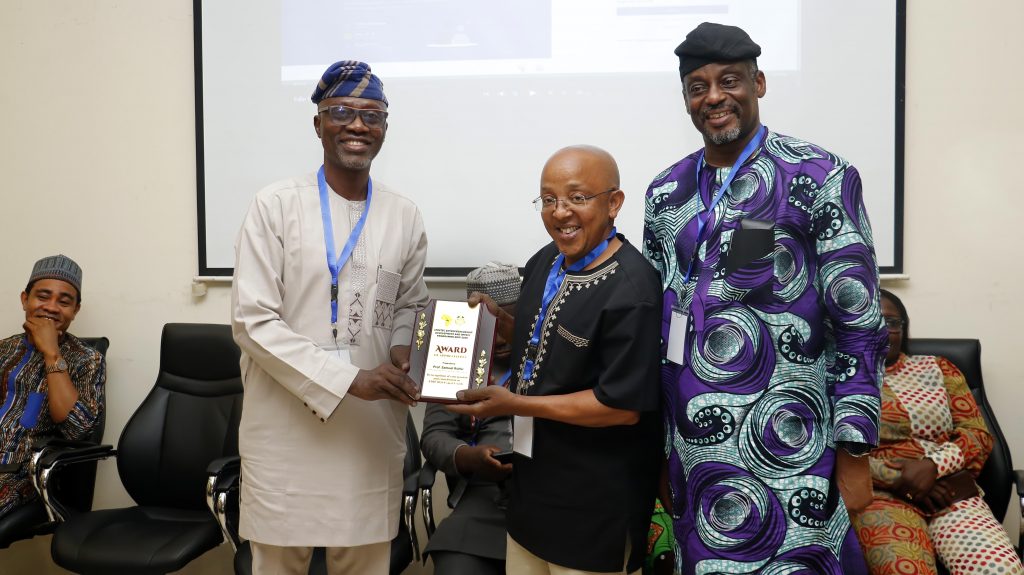
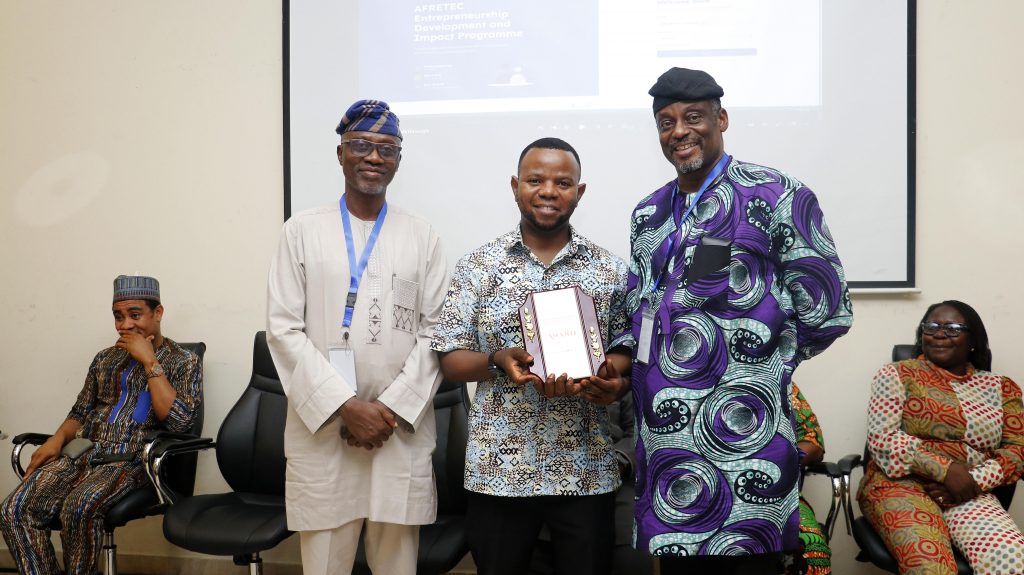
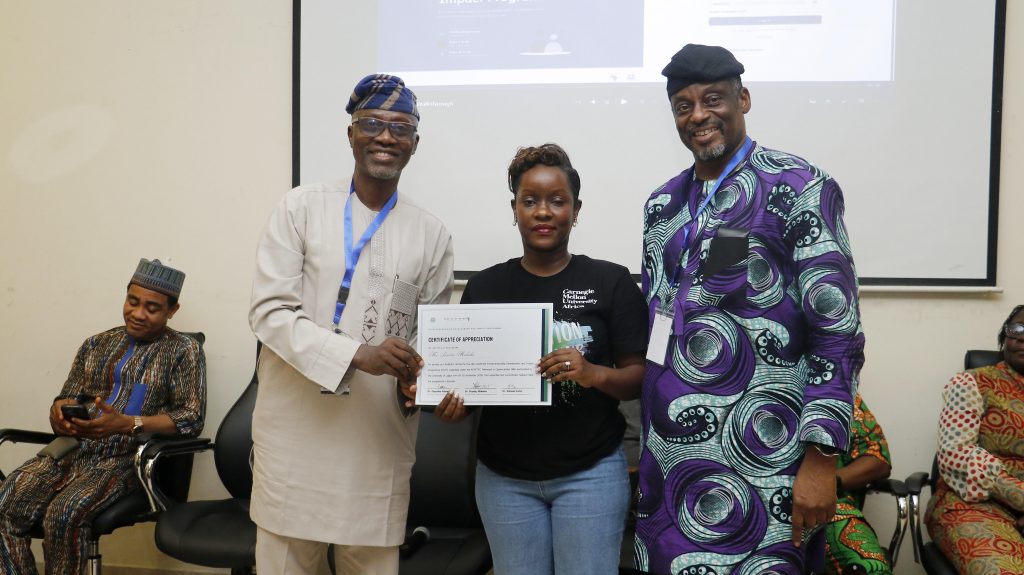
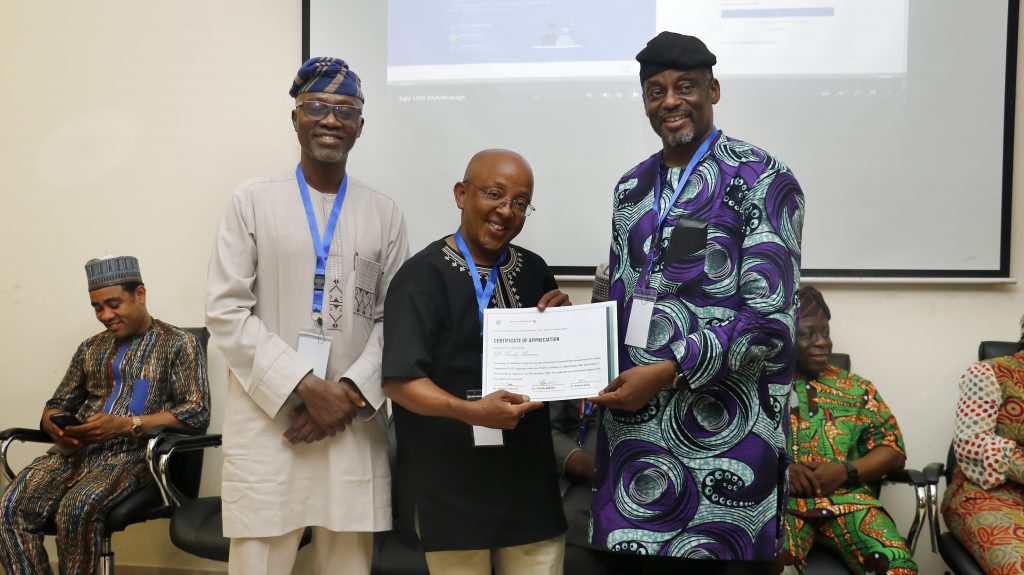
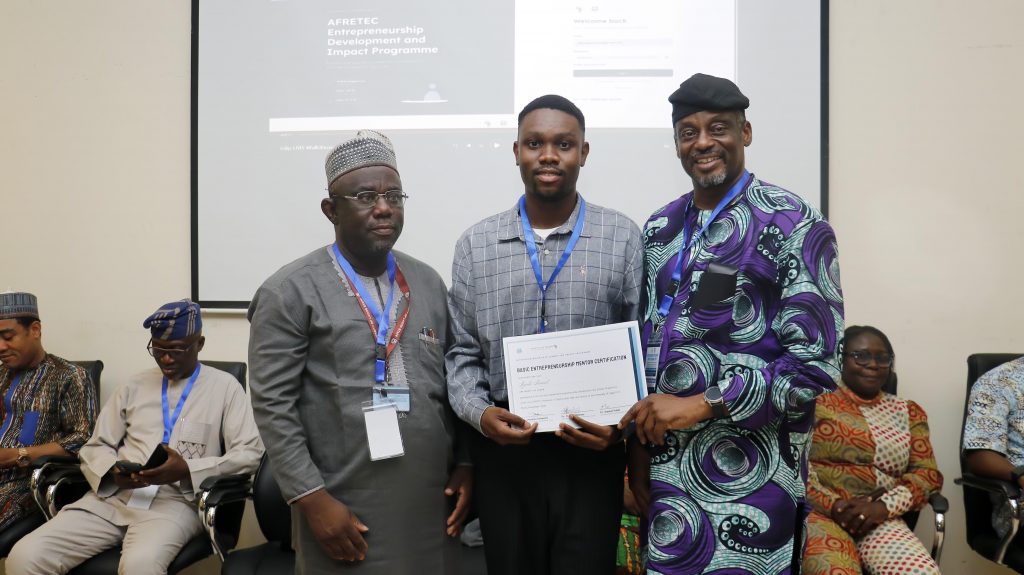
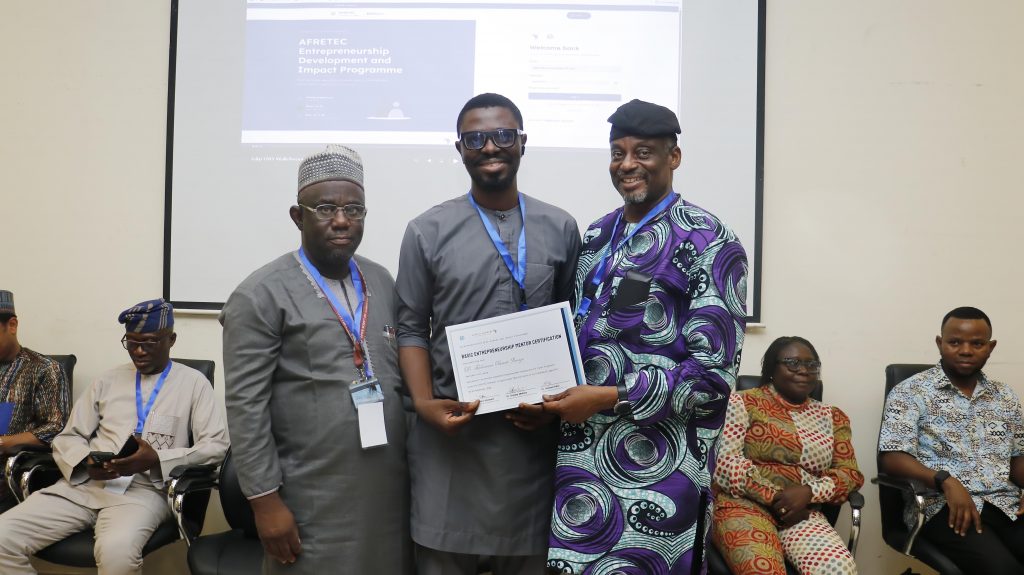
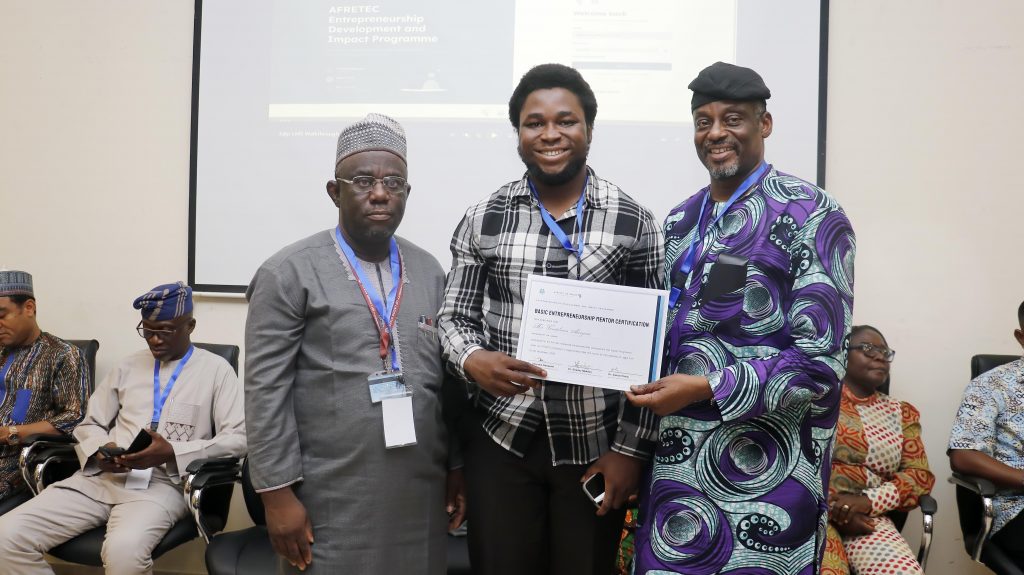
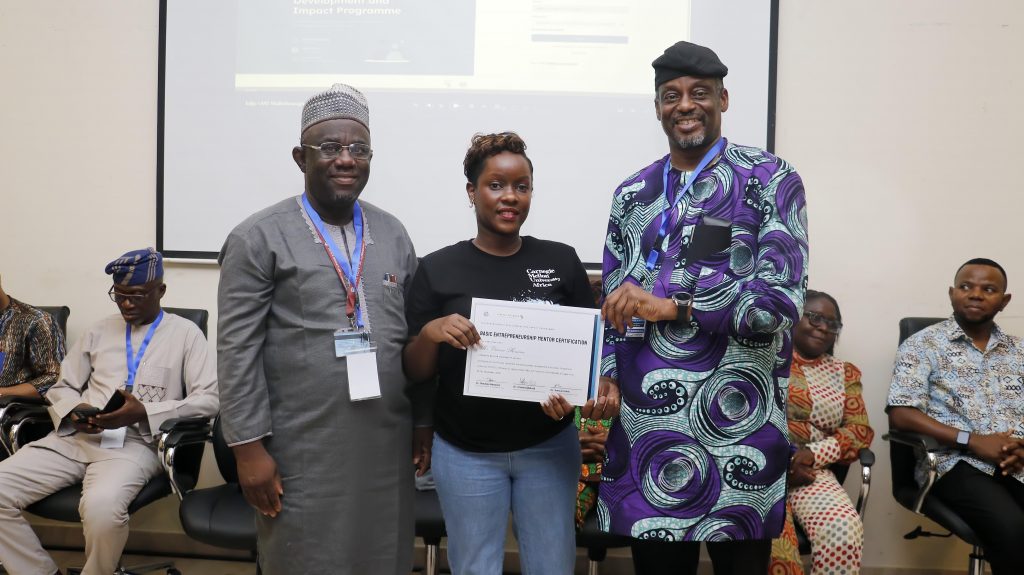
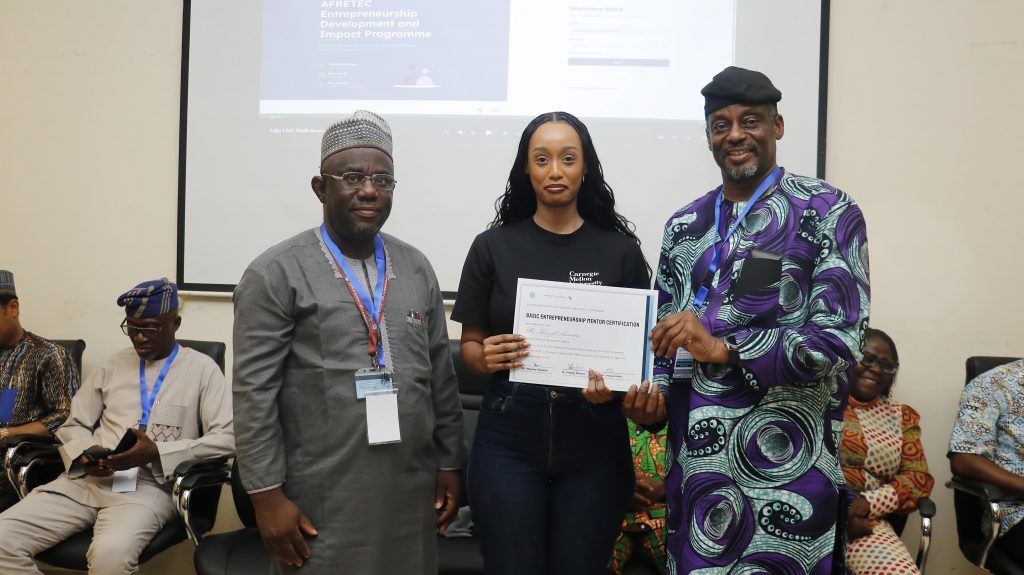
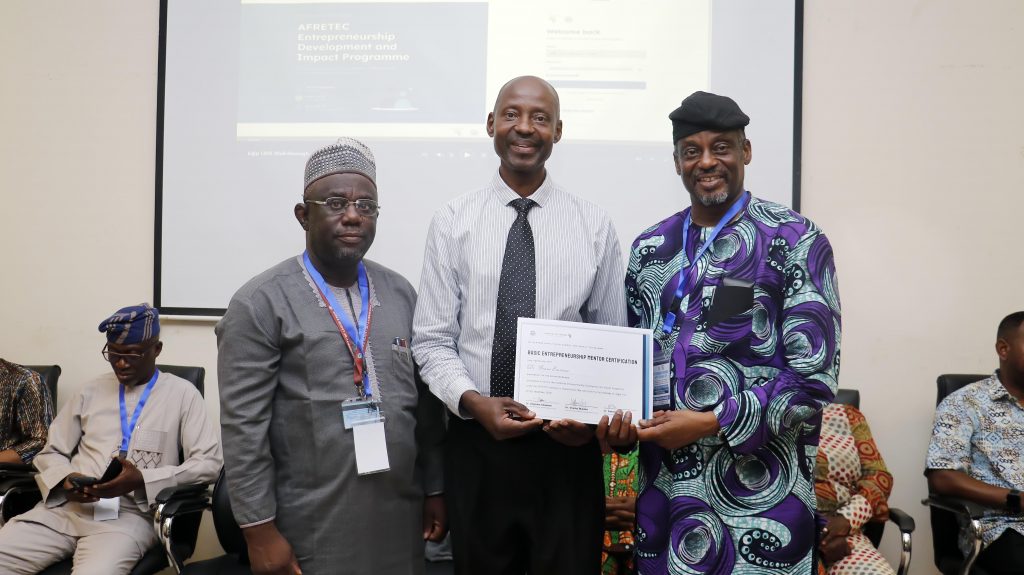
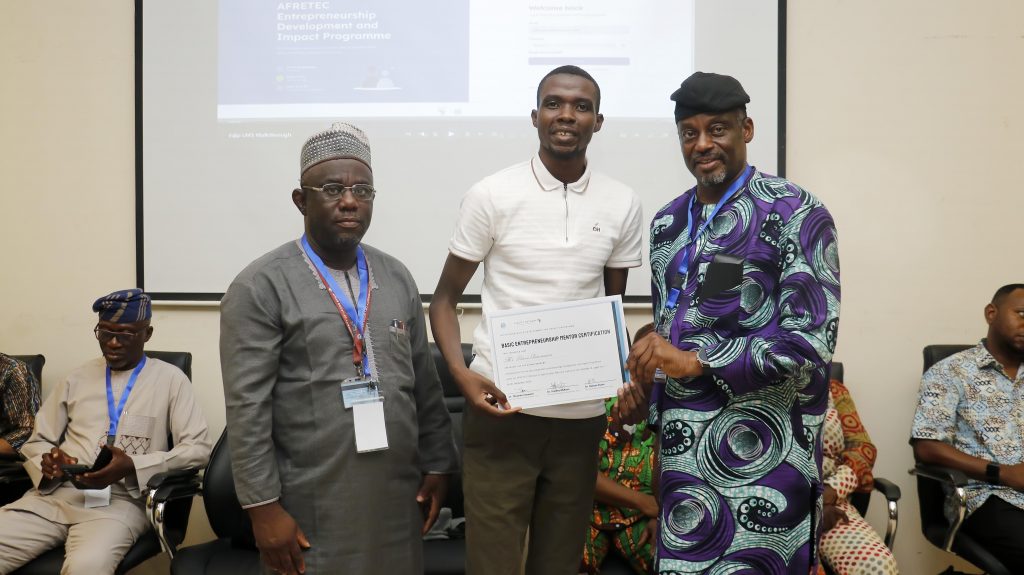
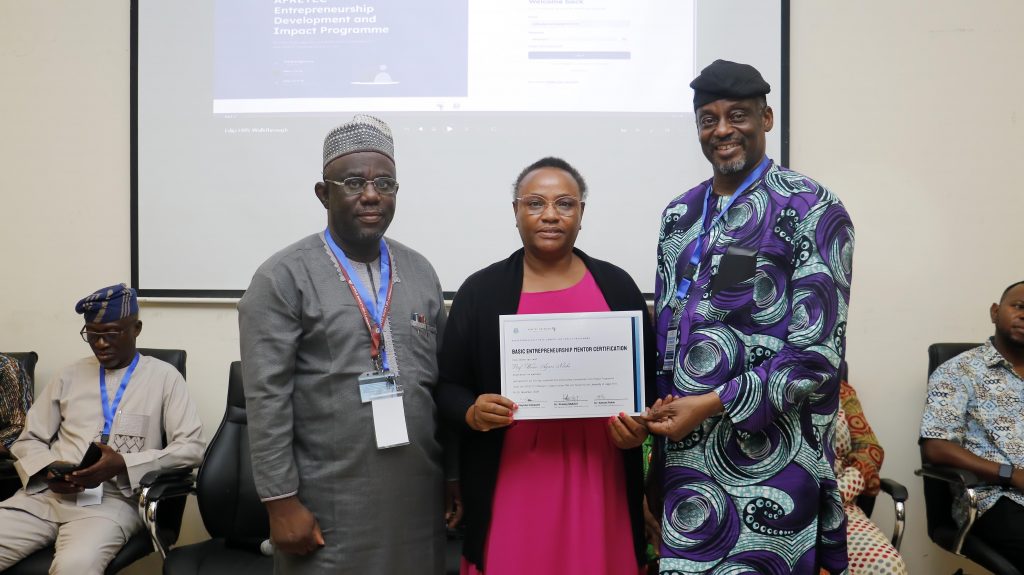
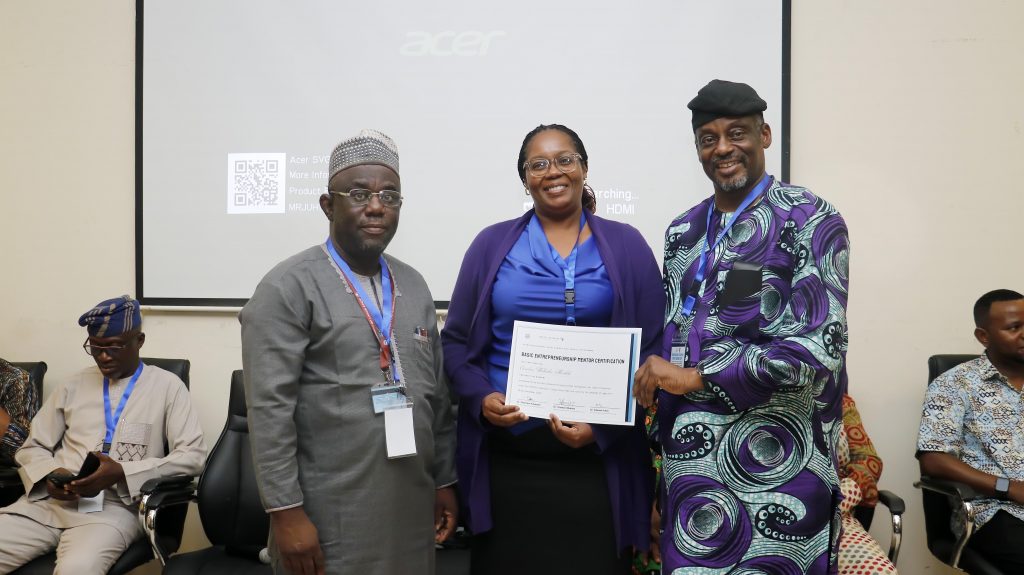
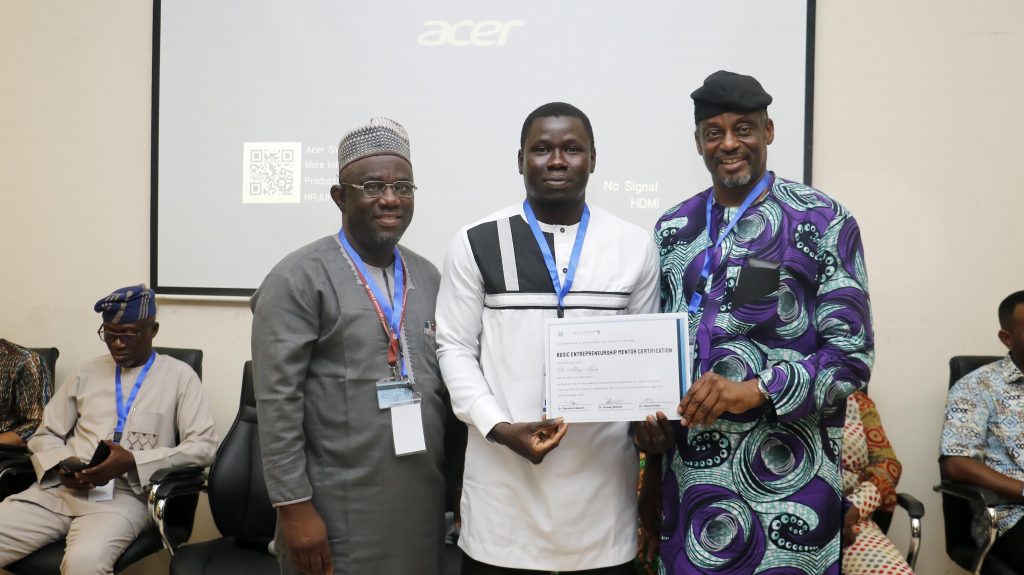
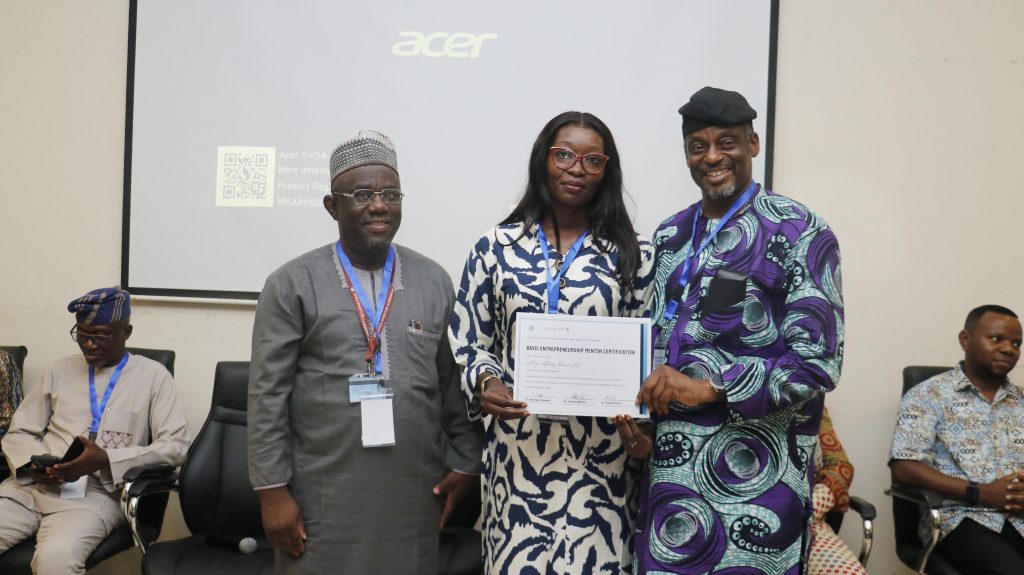
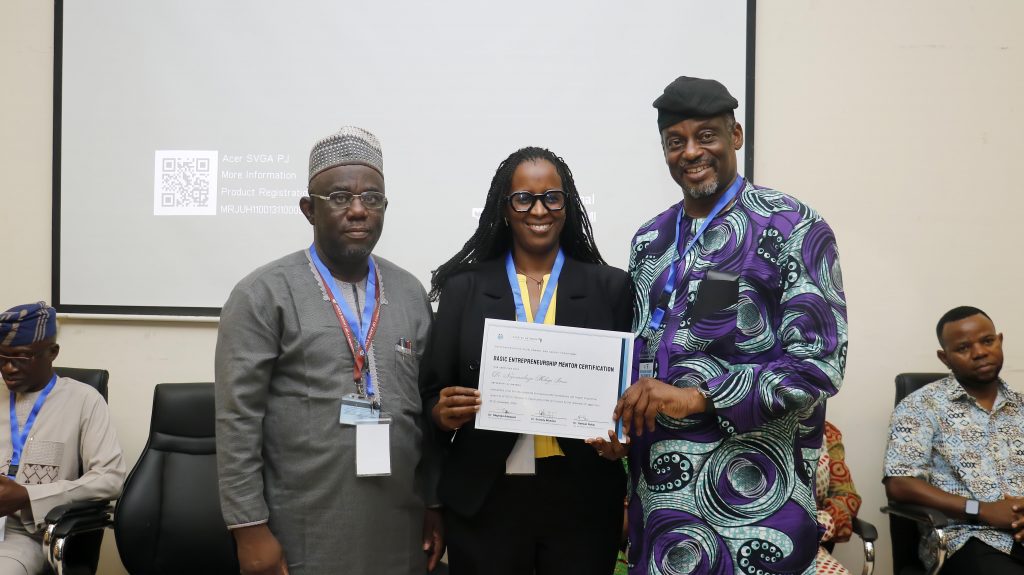
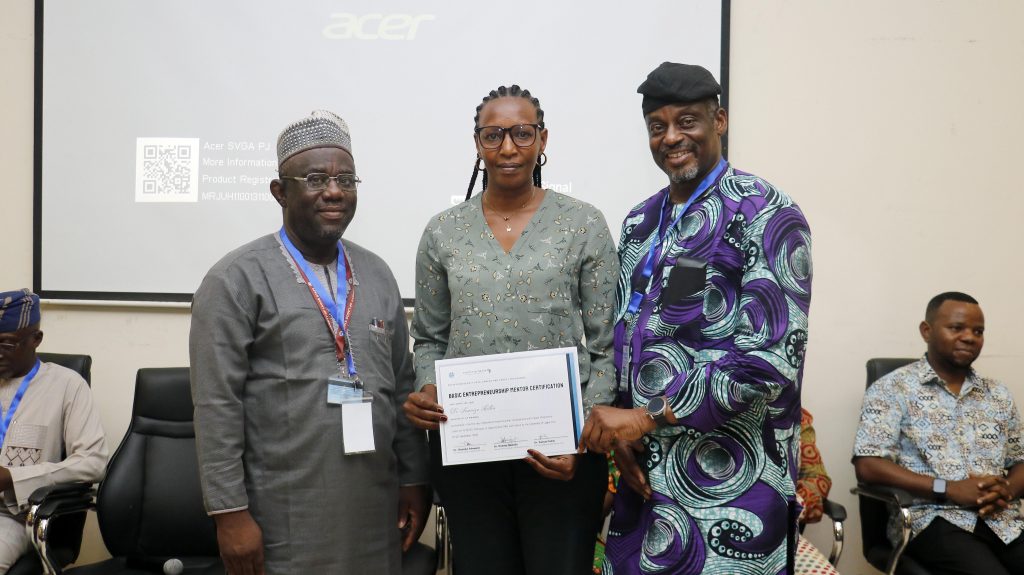
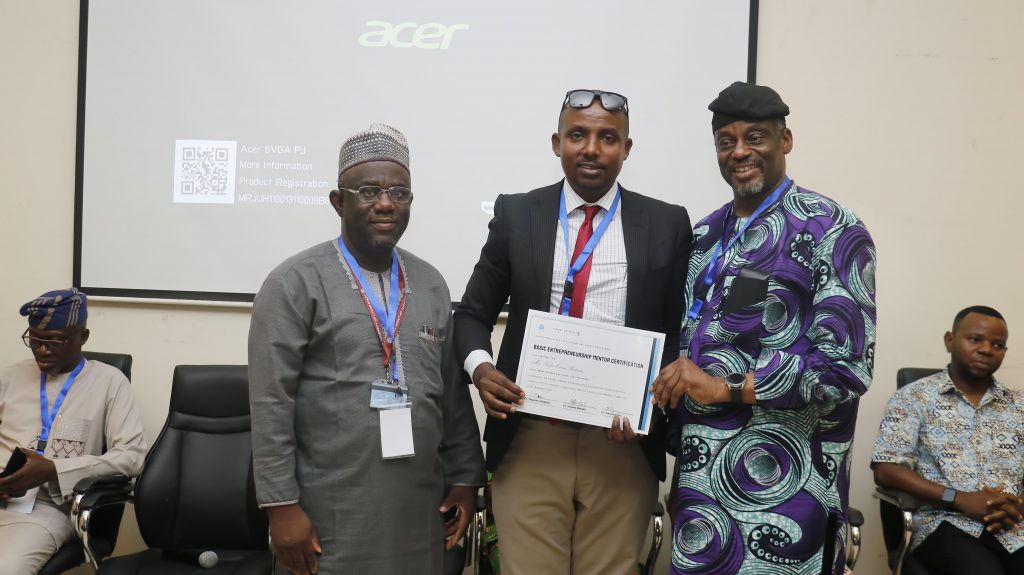
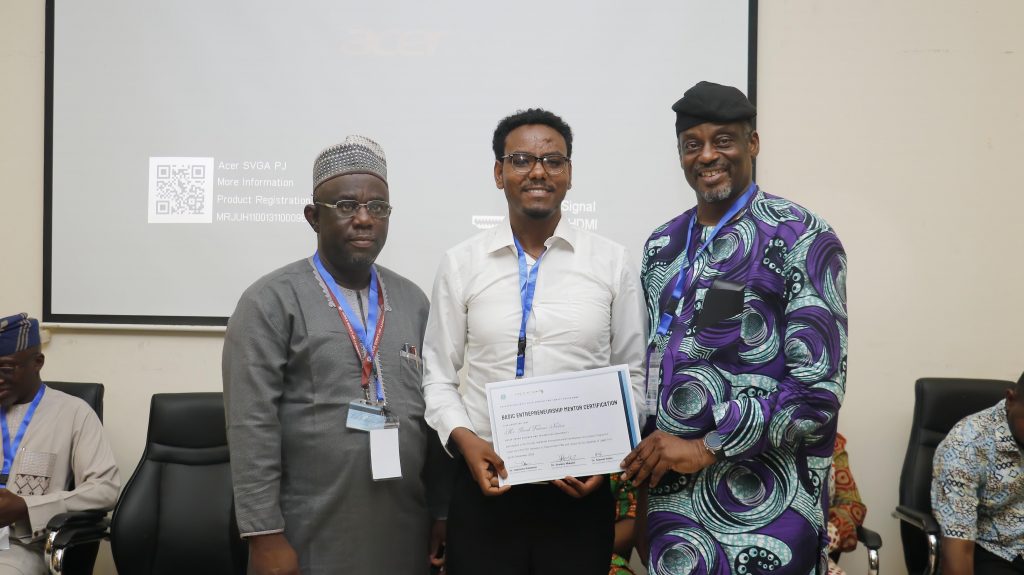
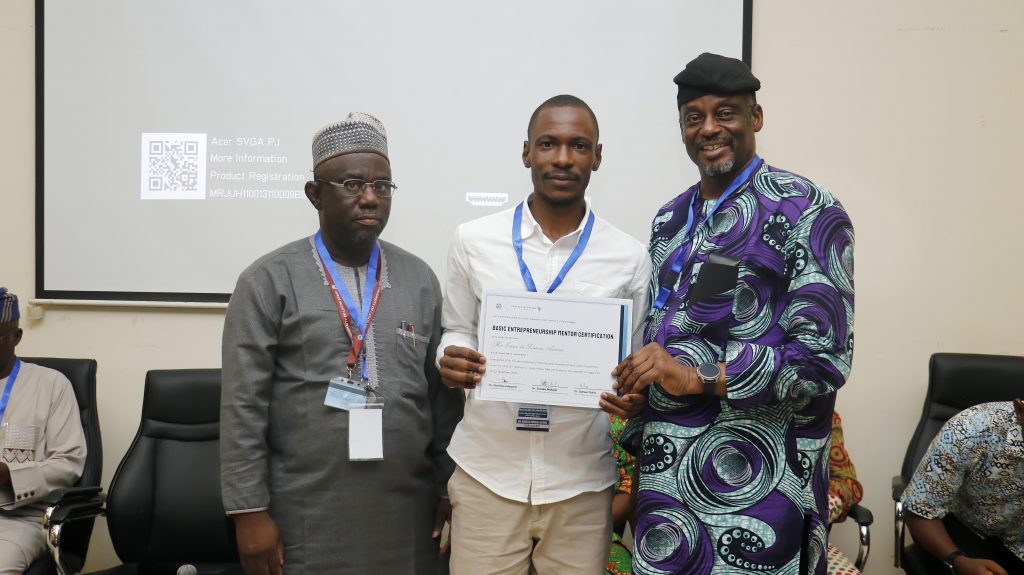
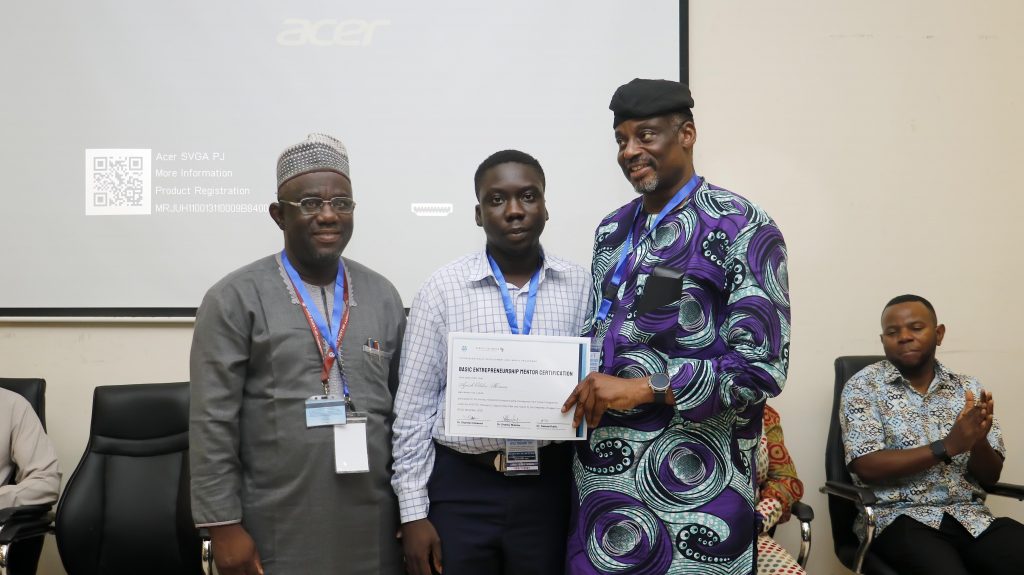
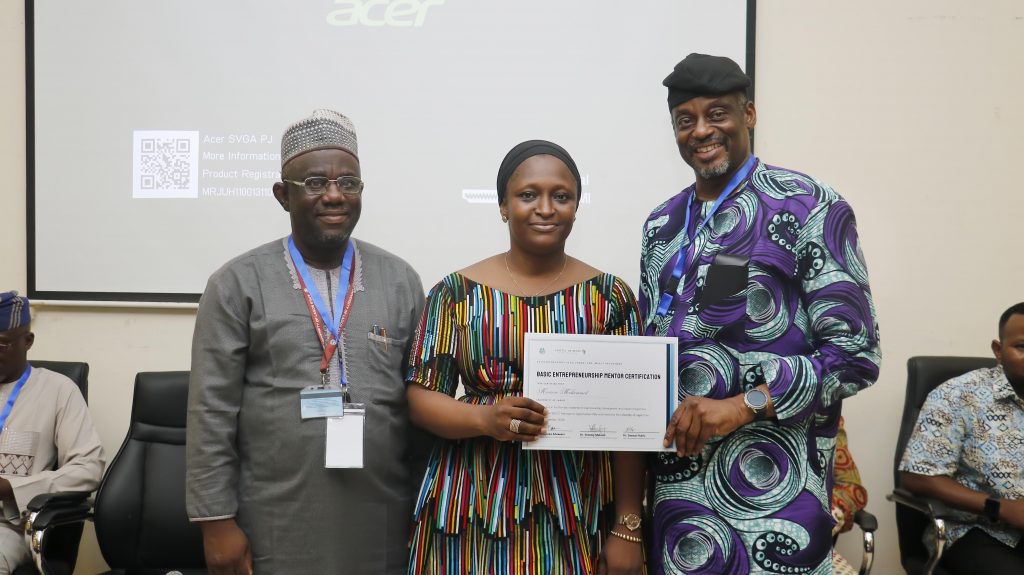
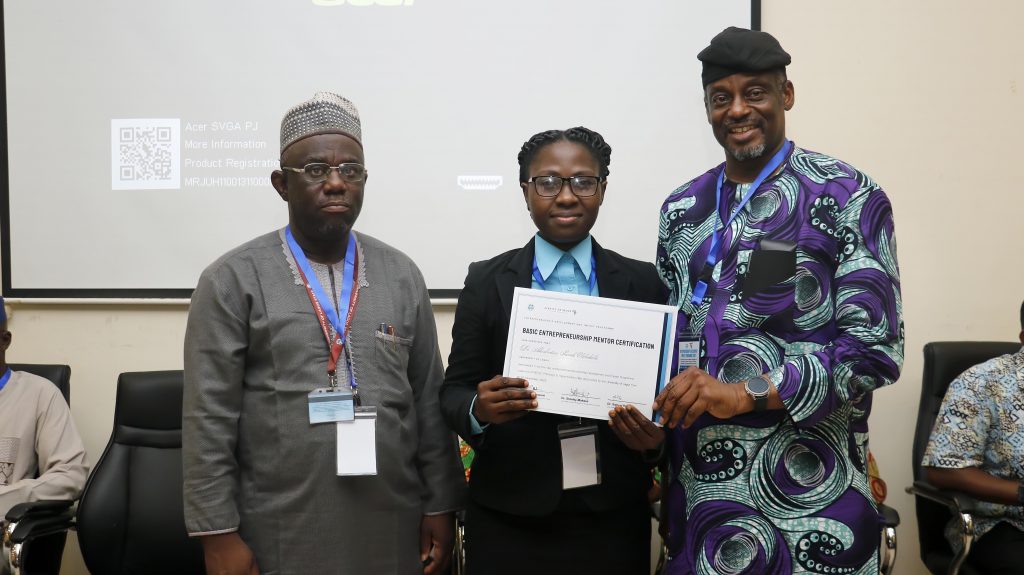
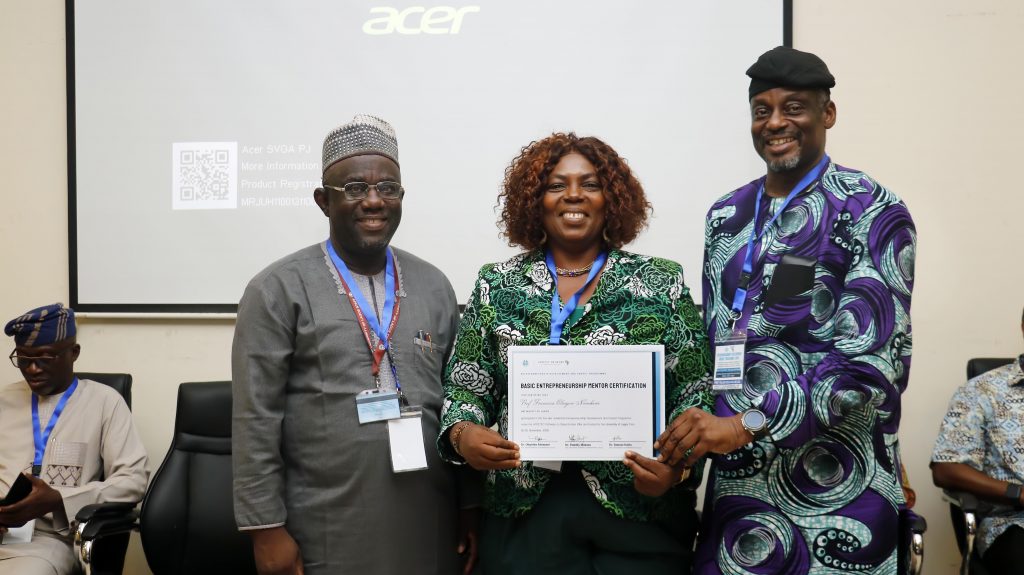
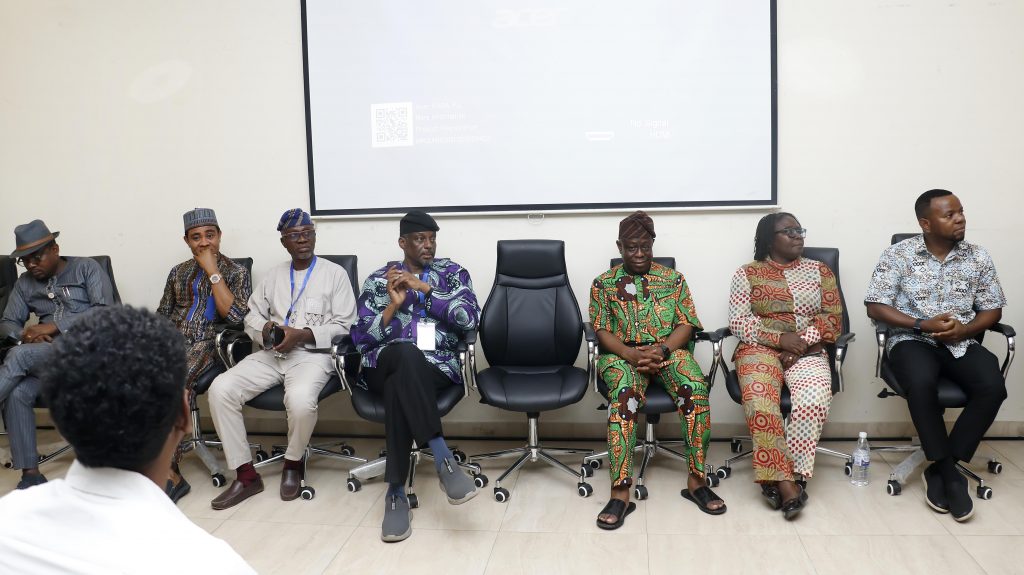
The closing activities featured reflections on lessons learned, the presentation of certificates of participation to delegates and special recognition awards to facilitators whose contributions helped deliver the programme.

Among those recognised were Professor Sunday Adebisi, Dr Stanley Mukasa and Professor Samuel Njuguna Ruhiu.
Other facilitators acknowledged included the Director of the Entrepreneurship, Skills and Development Centre (ESDC), UNILAG, Professor Oladimeji Odetunde; Director at the United Nations Innovation Pod, Professor Chika Yinka-Banjo; Professor Adejoke Oyewunmi; Dr Olayinka Adewunmi; Dr Adetoun Ogwo; Mr Iyinoluwa Aboyeji; Mr Oluwafemi Adeniji; Mrs Kemi Sope-Agbebi; Mrs Hetty Ugboh; Mr Segun Aina; Dr Timothy Kevin Kuria Kamanu; Ms Malaika Gashonga Sandra; Mr Kenny Ayoade; and Mrs Shukurat Amosa.
Beyond the Five Days: Building a Pan-African Mentorship Network
Also speaking at the closing ceremony, the immediate past Network Coordinator of AFRETEC-UNILAG and current Board Member of AFRETEC, Professor Ismail Ibraheem, emphasised the importance of translating the knowledge and experience gained into meaningful contributions within participants’ respective universities and communities.
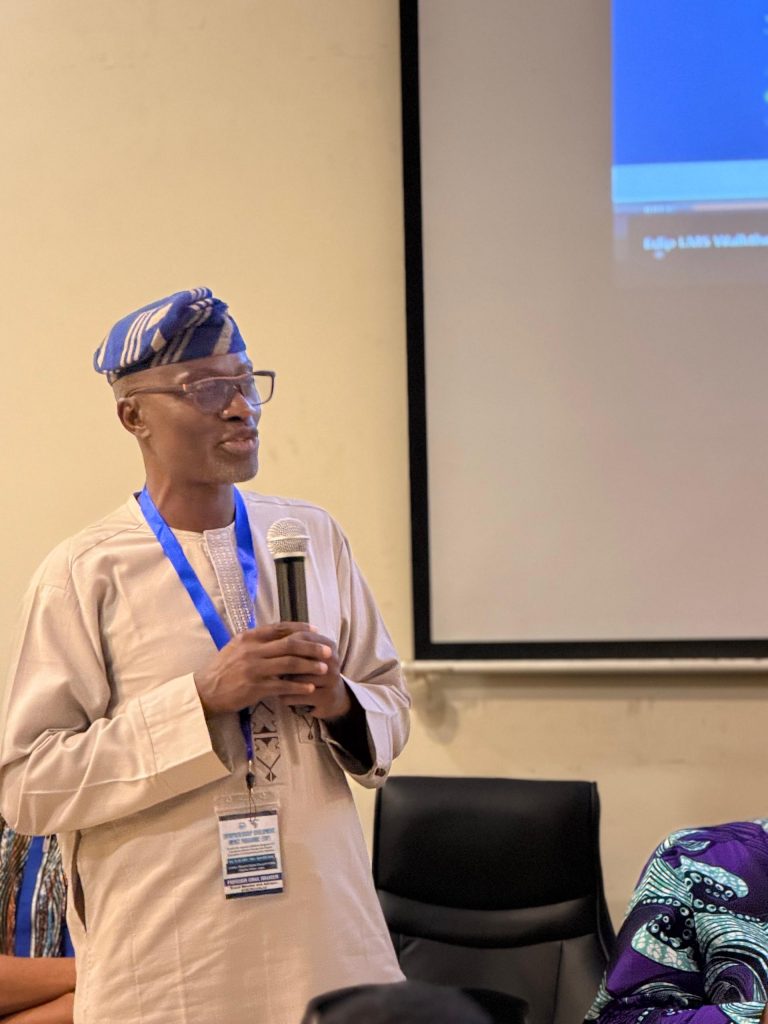
The Professor of Communication highlighted the broader aspiration of strengthening collaboration among African institutions and advancing homegrown solutions to the continent’s development challenges, in keeping with the principle of African solutions to African problems.
The participating institutions included the University of Lagos, Nigeria; Carnegie Mellon University Africa, Rwanda; University of the Witwatersrand, South Africa; University of Nairobi, Kenya; Université Cheikh Anta Diop de Dakar, Senegal; University of Rwanda; Addis Ababa Science and Technology University, Ethiopia; and Agostinho Neto University, Angola.
Although the five-day physical engagement has concluded, participants’ journey towards full certification as Entrepreneurship Coaches remains ongoing.
A 30-day self-paced online learning component, scheduled to commence in January 2027, will provide an additional opportunity to consolidate the knowledge and competencies acquired during the onsite programme. Successful completion of this component is a requirement for full certification.
This extended learning arrangement reinforces the programme’s emphasis on practical competence, ensuring that certification reflects more than attendance at a training session.
Through EDIP 2026, UNILAG and its AFRETEC partners have taken another significant step towards building a Pan-African network of academics equipped to nurture entrepreneurial talent, strengthen university-industry engagement and advance innovation across the continent.
As participants return to their respective institutions, the expectation is that they will apply the knowledge and skills acquired to guide students from ideas to implementation, connect research with enterprise and transform societal challenges into opportunities for innovation, job creation and sustainable economic development.
Report: Bayo Salau
Photographs: Michael Joshua / Islamiat Oyebamire-Akanni
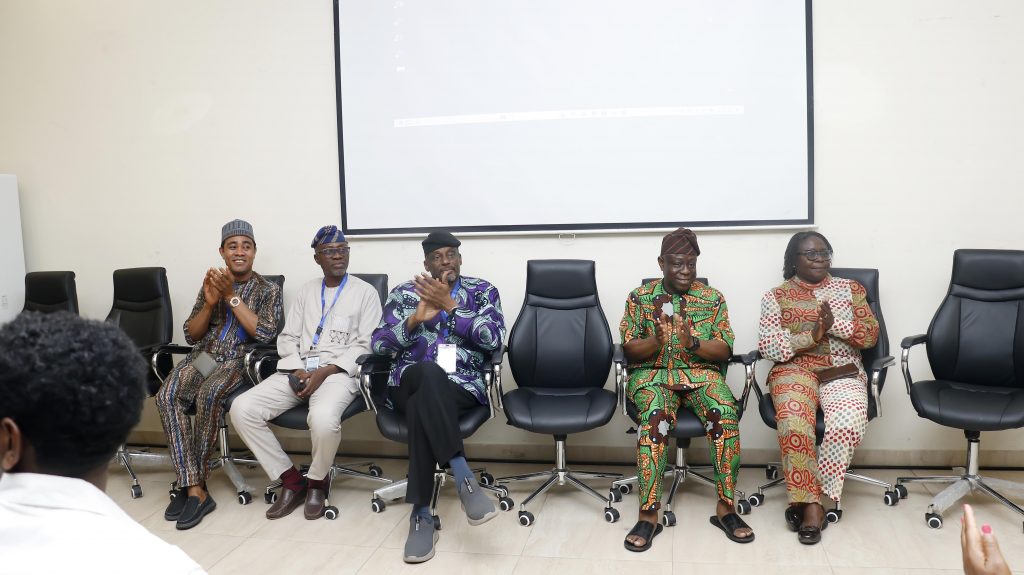

Meet Our AFRETEC EDIP Mentors Awardees