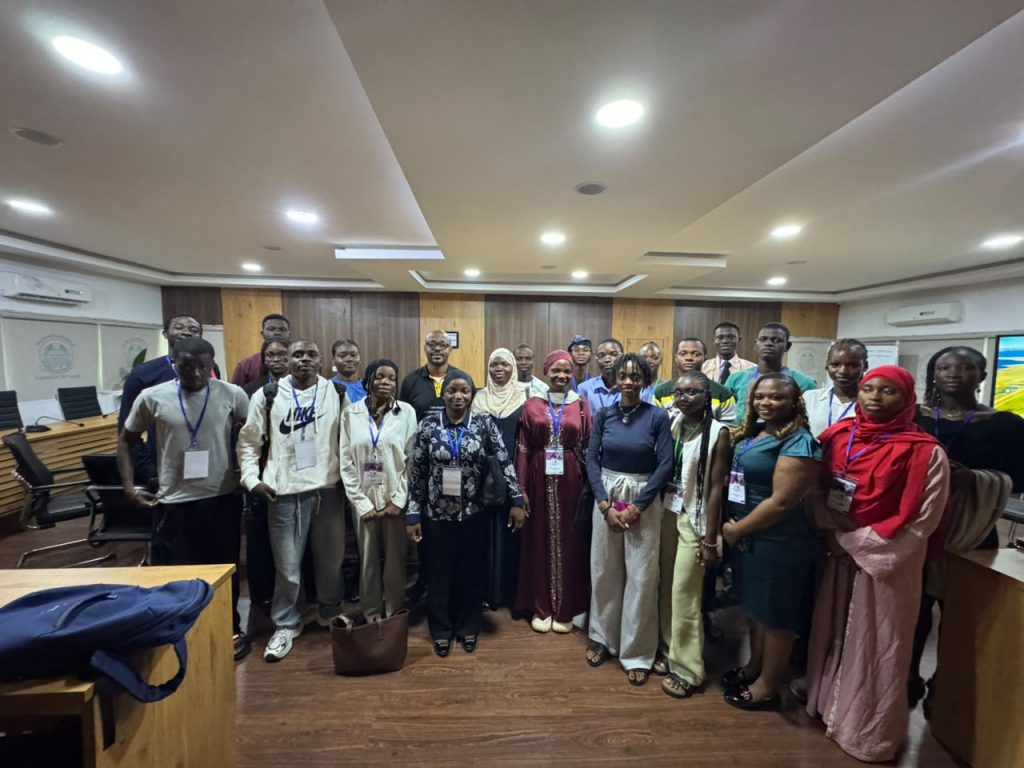
The University of Lagos (UNILAG) has successfully concluded the sixth edition of the Professors Without Borders (PROWIBO) Academy, equipping students, academic and professional staff with practical skills and global perspectives needed to thrive in a rapidly evolving world.
“Beyond Boundaries”
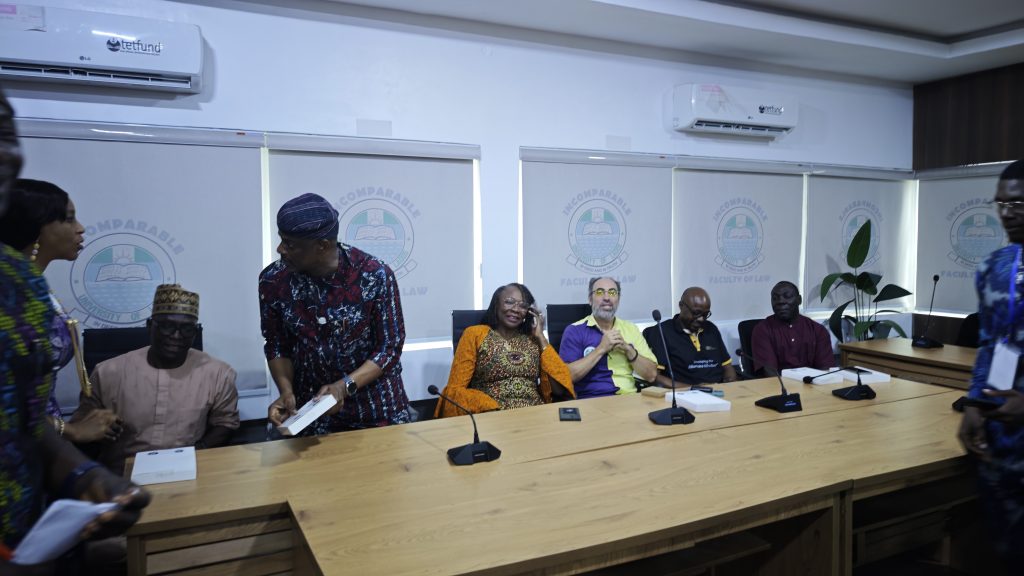
Held from Monday, July 6 to Friday, July 10, 2026, at the Faculty of Law Boardroom, UNILAG, the Academy had the theme: Beyond Boundaries: Modern Skills for Educators and Learners.
Participants were exposed to practical and interactive sessions on contemporary teaching methods, leadership, research, emerging technologies, collaboration, and professional development.
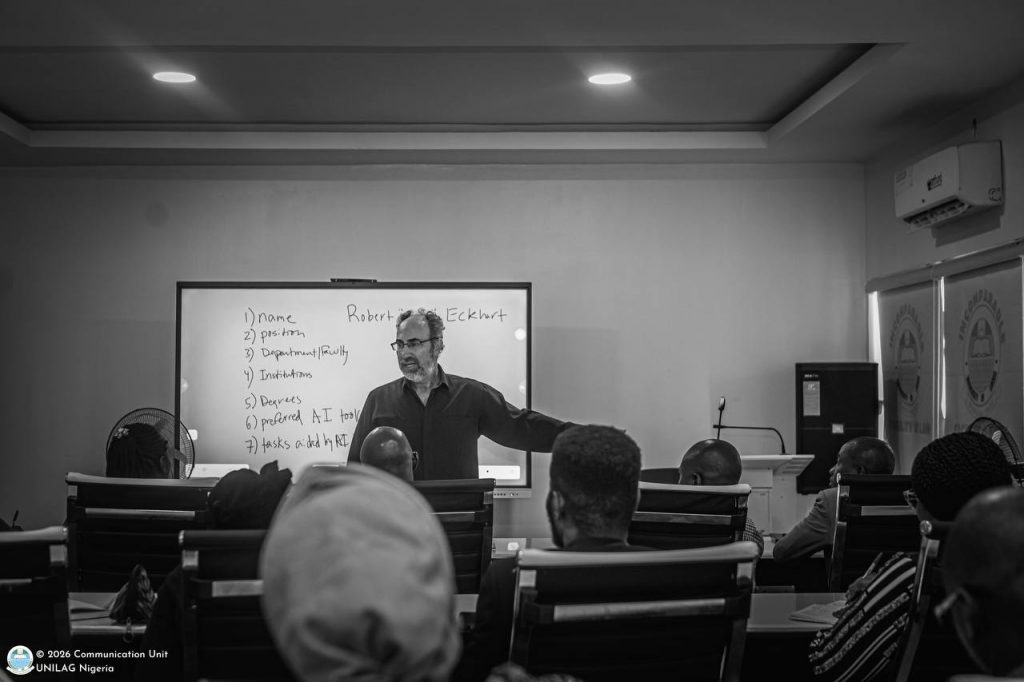
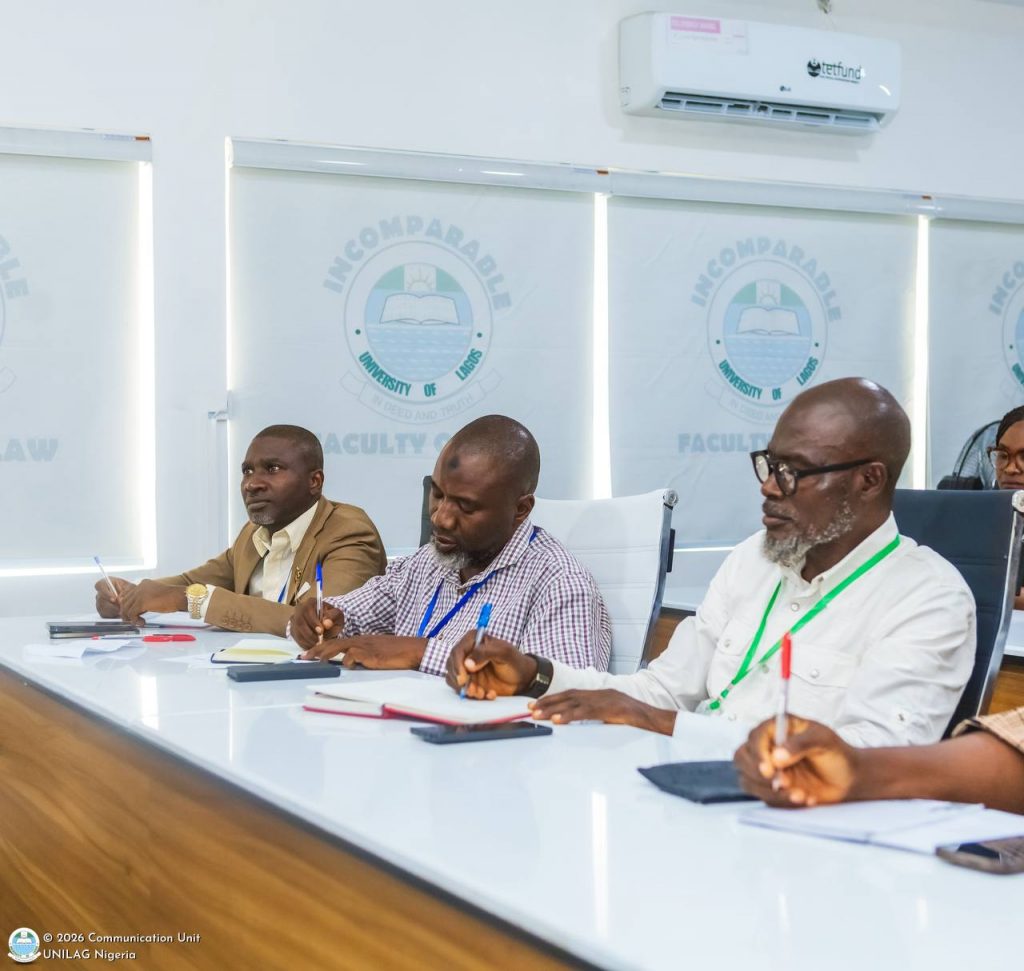
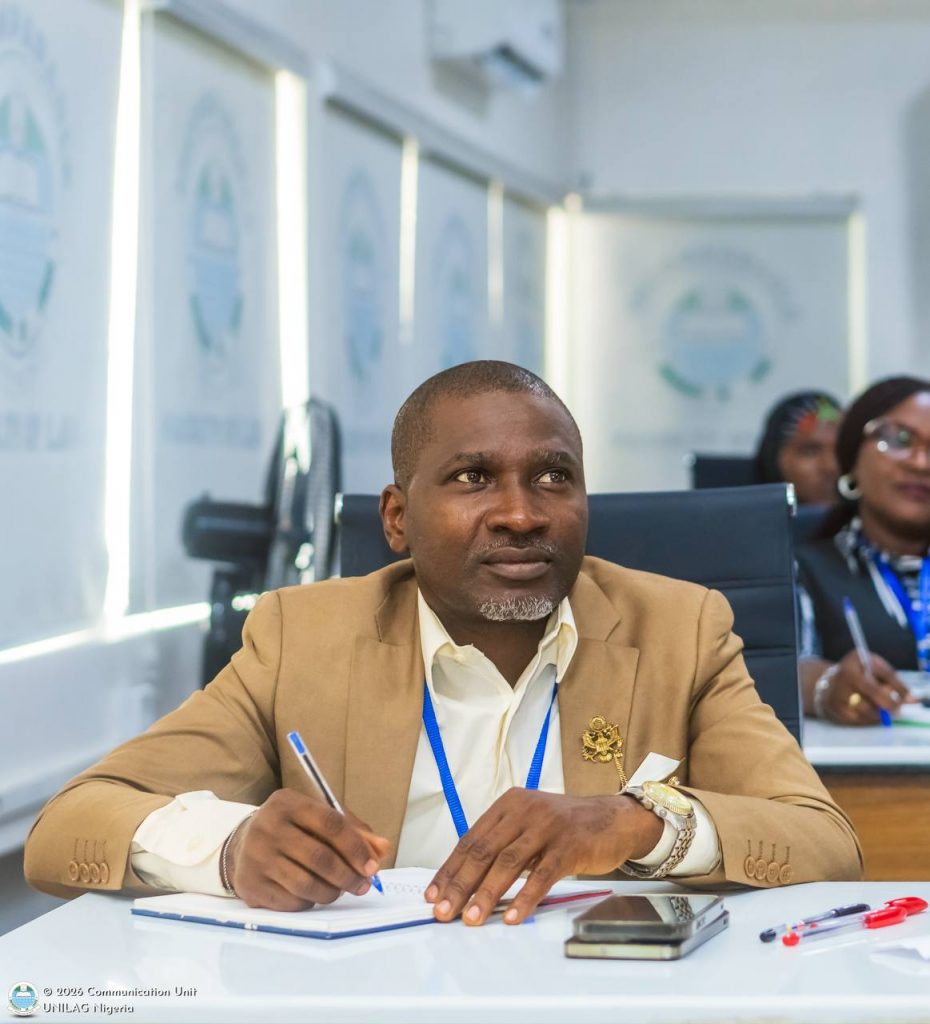
Beyond the classroom, participants also explored the growing relevance of artificial intelligence, digital transformation, and other future-focused competencies shaping education and the modern workplace. They were encouraged to translate the knowledge gained into practical solutions that will enhance teaching, learning, research, administration, and service delivery across the University.
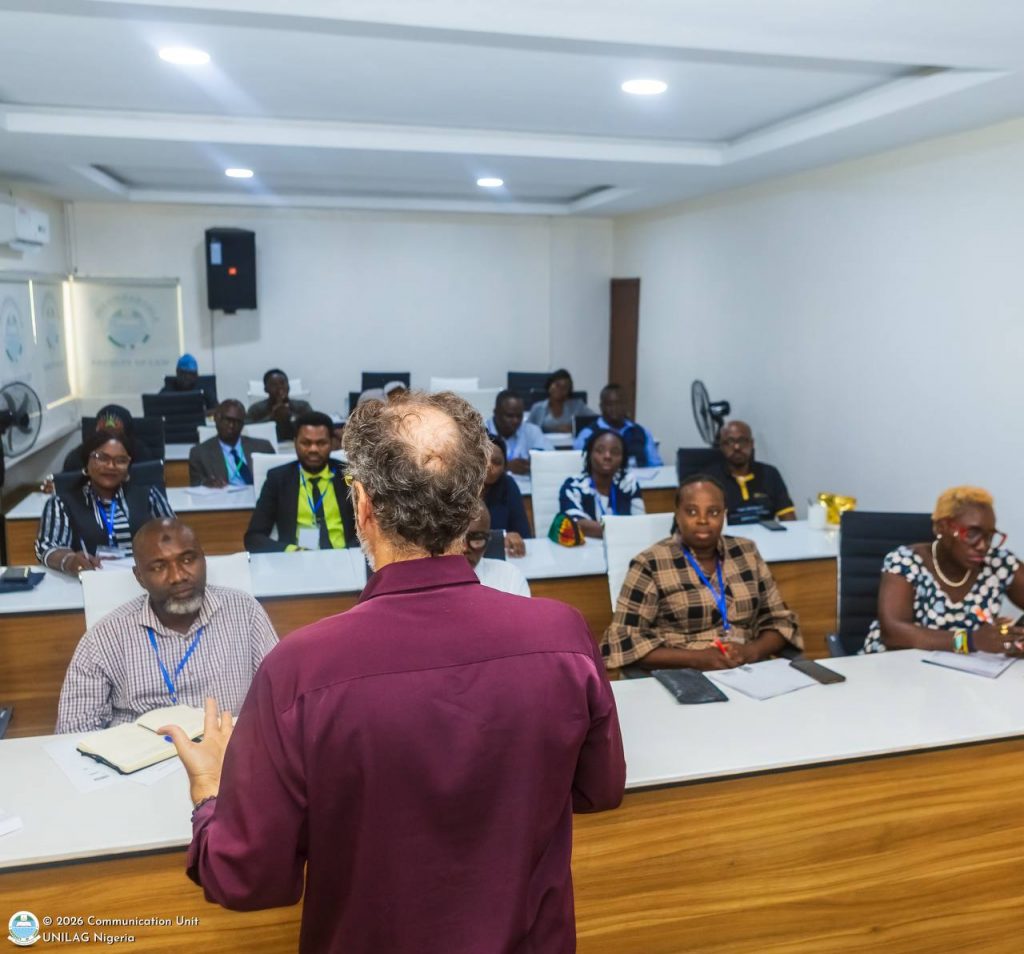
Expanded Participation Across the University
A defining feature of this year’s Academy was the inclusion of newly employed medical personnel and administrative staff from various divisions including the Registry, Bursary, Works and Physical Planning, and Security Unit.
The expanded participation underscored UNILAG’s conviction that institutional excellence is best achieved when continuous learning extends beyond the classroom to every arm of the University.
A Platform for Lifelong Learning
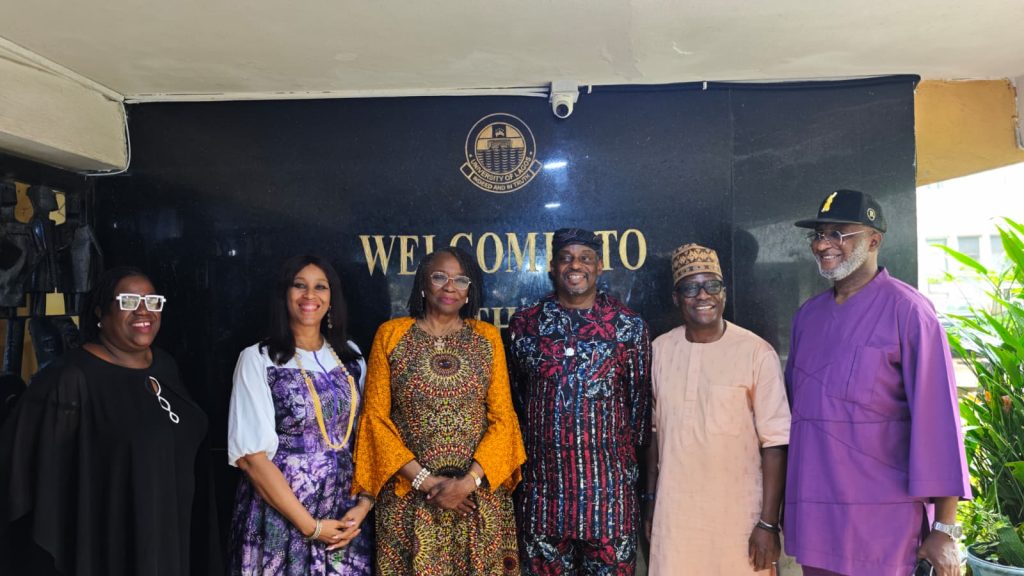
The Deputy Vice-Chancellor (Development Services), Professor Foluso Afolabi Lesi, on behalf of the University’s Vice-Chancellor, Professor Folasade Ogunsola, OON, FAS, formally opened the Academy on Monday, July 6, 2026.
He described PROWIBO as a strategic platform that reflects UNILAG’s commitment to international collaboration, lifelong learning, and academic excellence, and urged participants to engage actively and apply the lessons learnt to their professional responsibilities.
Professor Lesi stressed that the true value of the initiative would be measured by the positive impact participants create within the University and society.
“Brain Gain” Strategy and Future-Ready Agenda
The University’s PROWIBO Coordinator, Professor Blessing Anyikwa, explained that the initiative advances Sustainable Development Goal 4 (Quality Education) by making world-class academic expertise accessible without requiring participants to travel abroad.
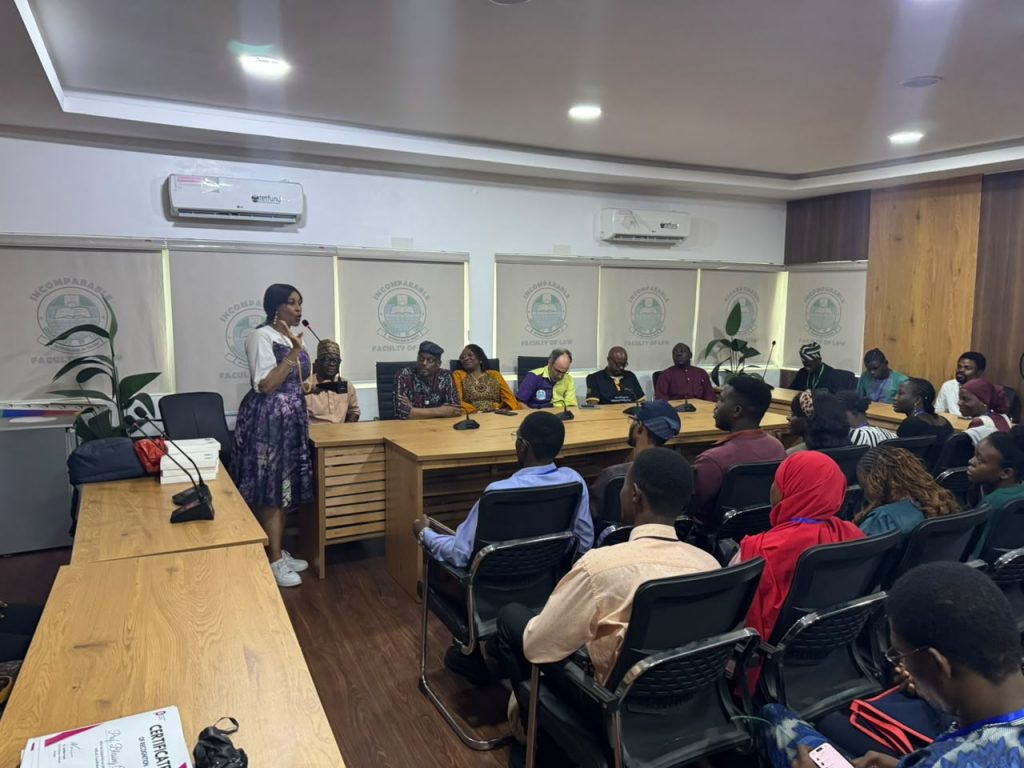
She noted that while previous editions featured facilitators from Europe, and United States, this year’s programme also included Nigerian-trained academics with extensive international experience.
She described this as a “brain gain” strategy that strengthens local capacity while fostering global collaboration.
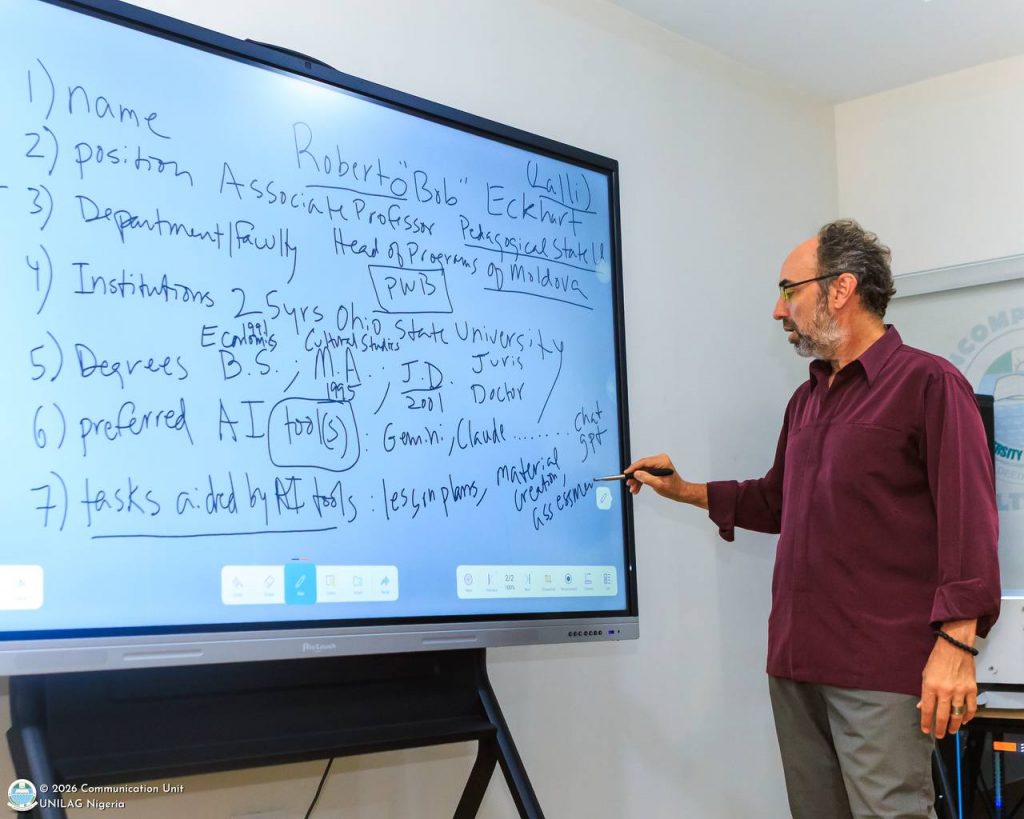
Similarly in his remarks, the PROWIBO team lead, Professor Bob Eckhart welcomed the participants, and introduced them to contemporary ideas, practical skills, and emerging global trends designed to strengthen critical thinking and inspire innovation.
Professor Eckhart further emphasised the importance of embracing emerging technologies, particularly artificial intelligence. He commended UNILAG’s Future-Ready Agenda which positions the University to respond proactively to the demands of higher education.
International Collaboration Drives Relevance
At the closing ceremony held on Friday, July 10, 2026, the Vice-Chancellor, Professor Folasade T. Ogunsola, OON, FAS, described UNILAG’s six-year partnership with Professors Without Borders as one that continues to enrich the University’s academic landscape through meaningful international collaboration, knowledge exchange, and innovation.
Professor Ogunsola noted that universities attain greater relevance when ideas, experiences, and expertise transcend geographical and disciplinary boundaries. She added that the initiative has consistently created opportunities for collaboration, capacity building, and institutional growth.
PROWIBO Academy
Since its introduction at UNILAG six years ago, the PROWIBO Academy has provided valuable opportunities for learning, collaboration, and professional growth. It has connected the University community with global experts while preparing participants for the changing world of work.
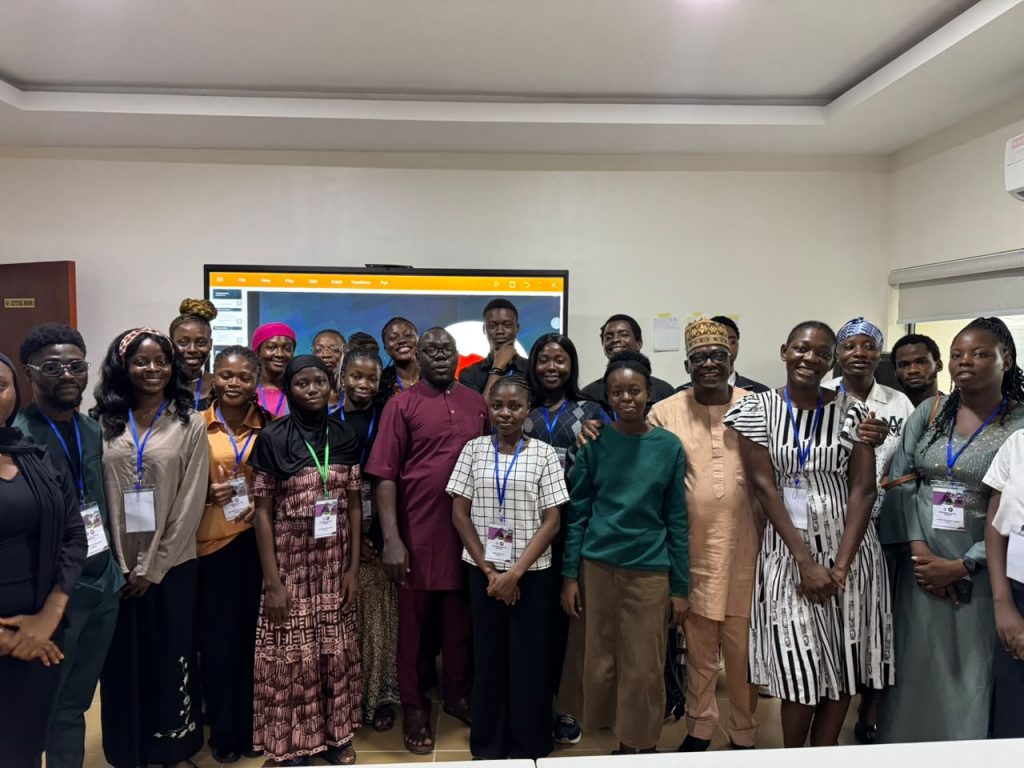
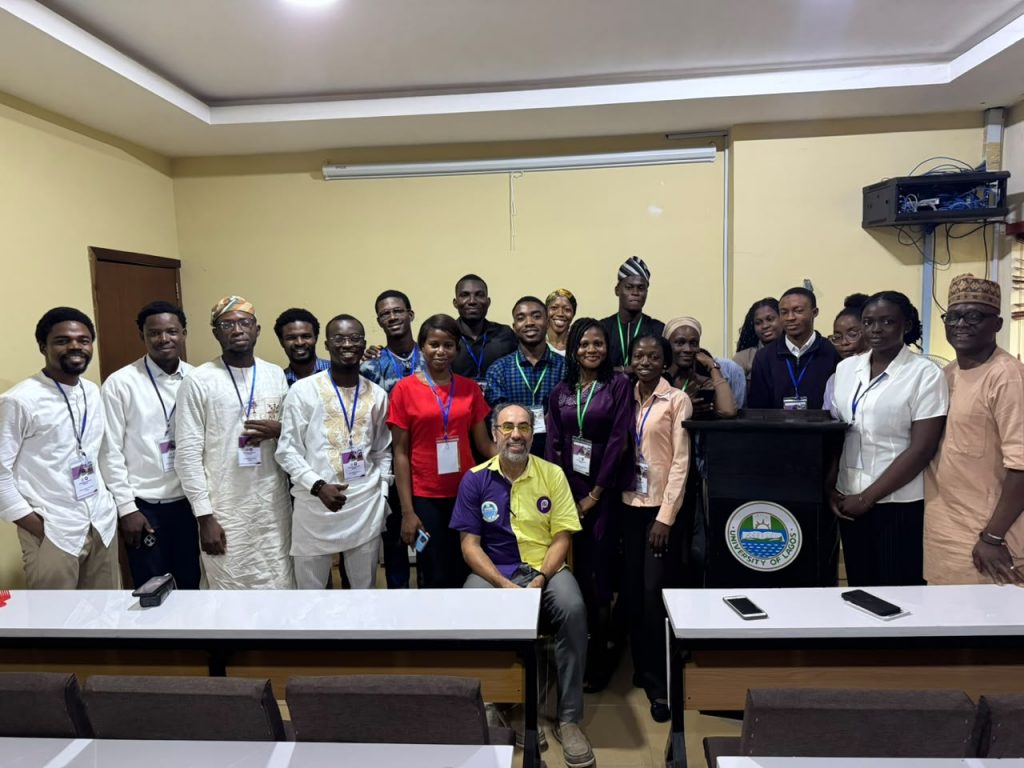
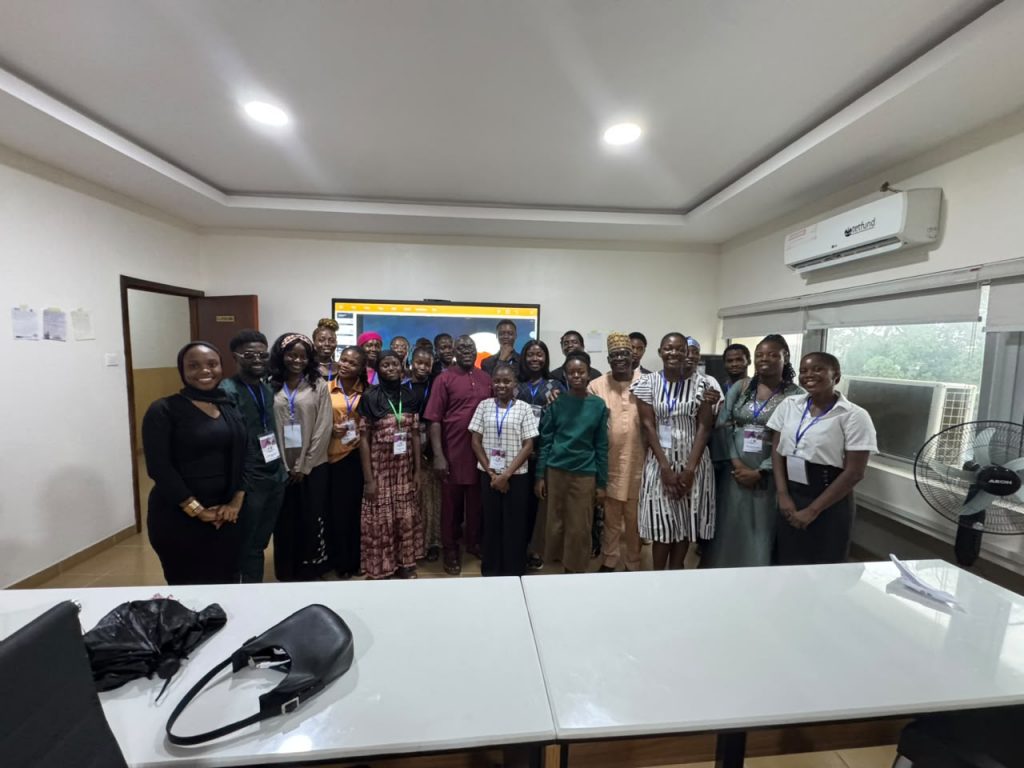
The 2026 edition of the international training programme engaged 120 student-participants, 19 academic staff, and 10 non-teaching staff.
Report: Lynda Onah
Photographs: Ayo Oloyede / Michael Joshua