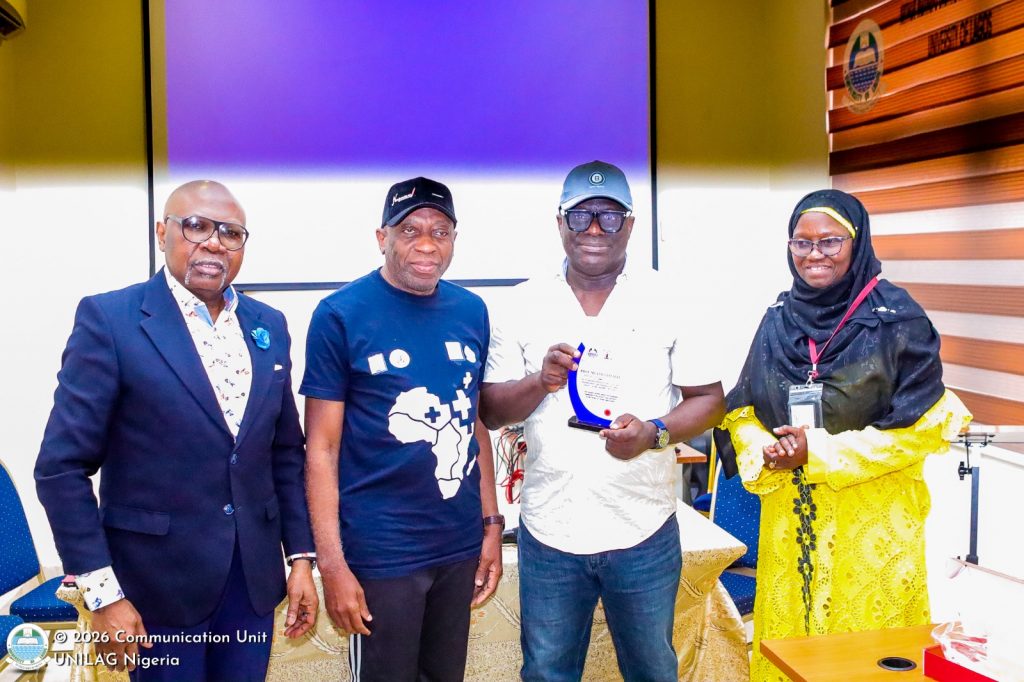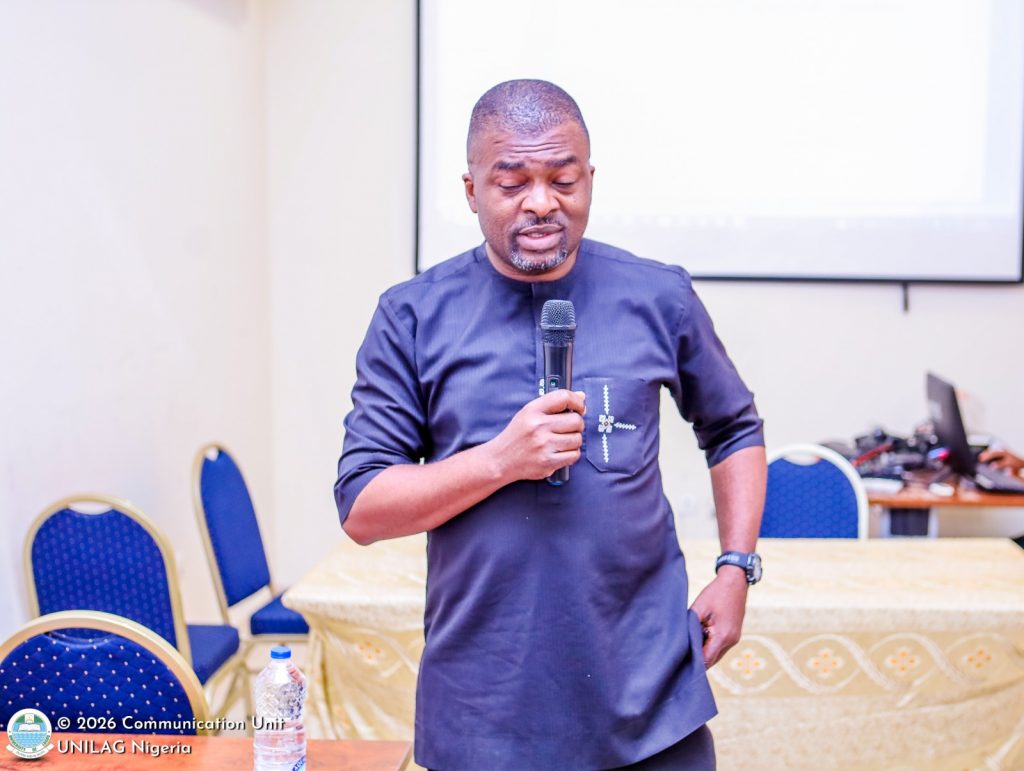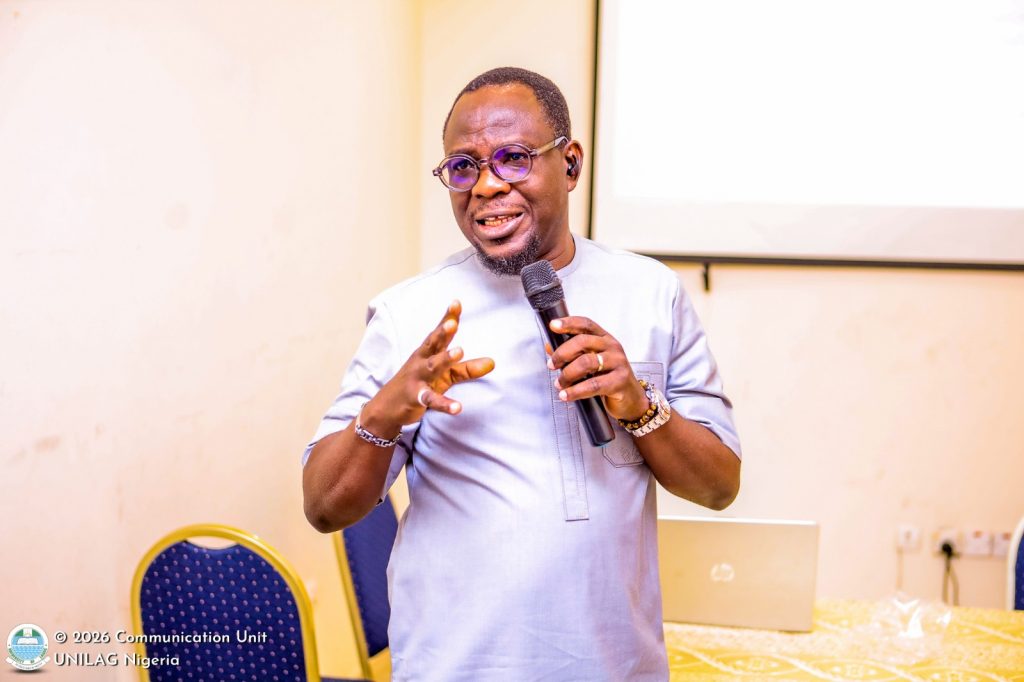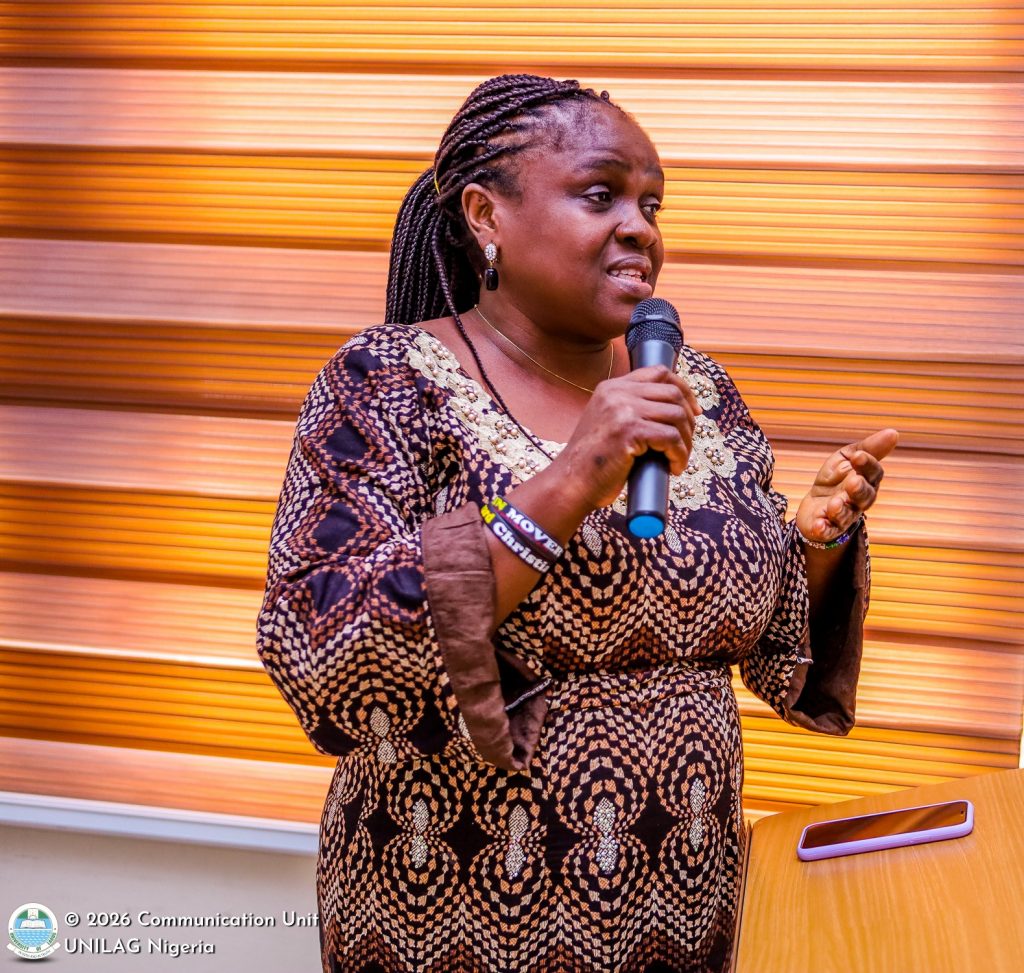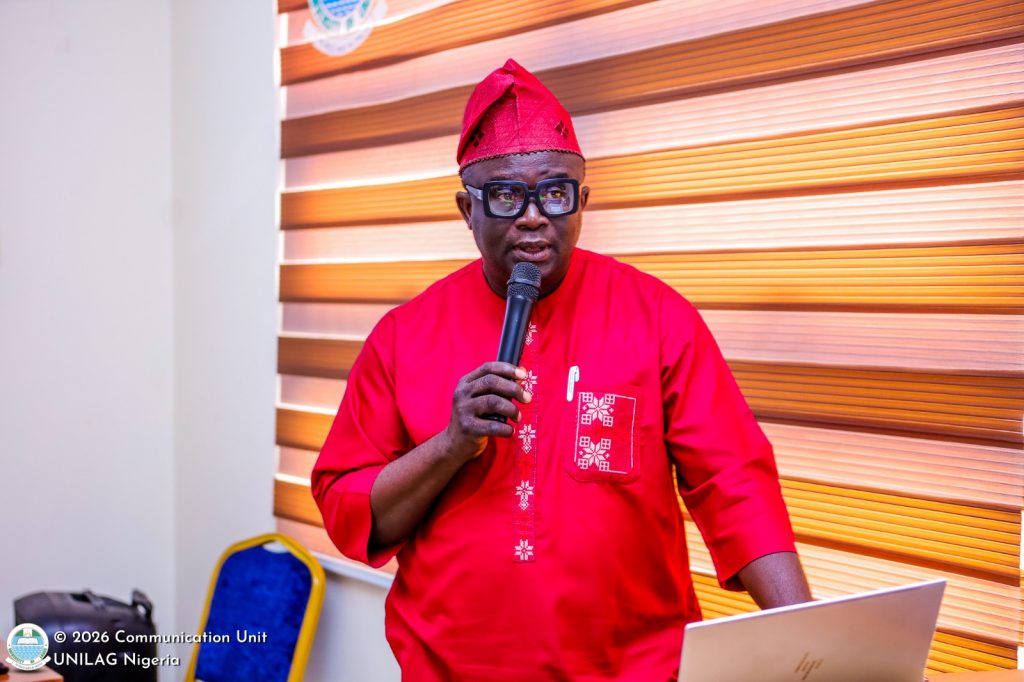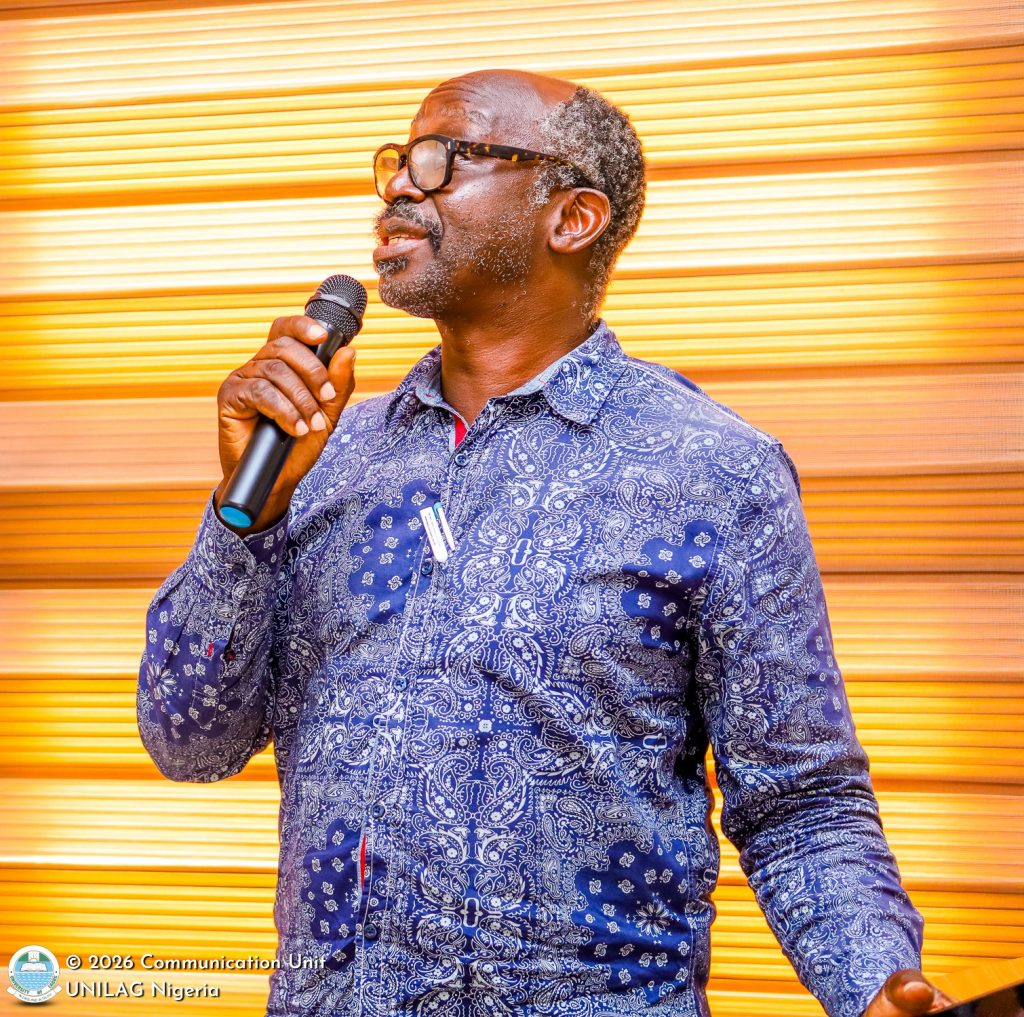
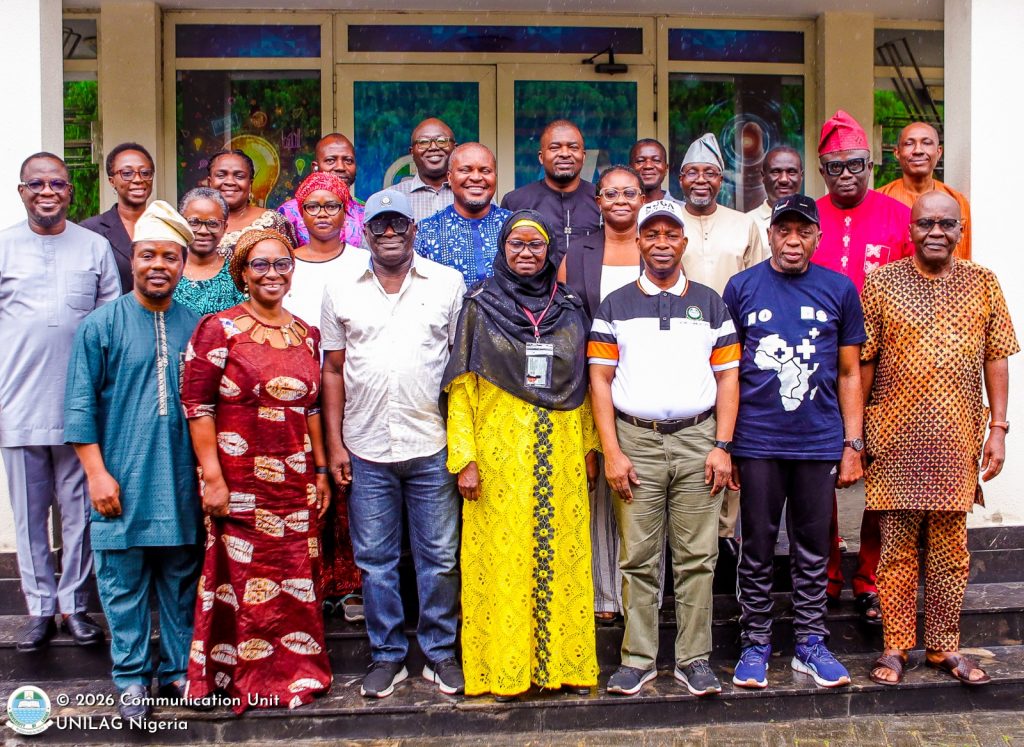
Deputy Vice-Chancellor (Management Services), University of Lagos (UNILAG), Professor Muyiwa Falaiye, has stressed the need for academic leadership to go beyond routine administration to embrace courage, vision and a commitment to solving problems that directly affect the communities universities serve.
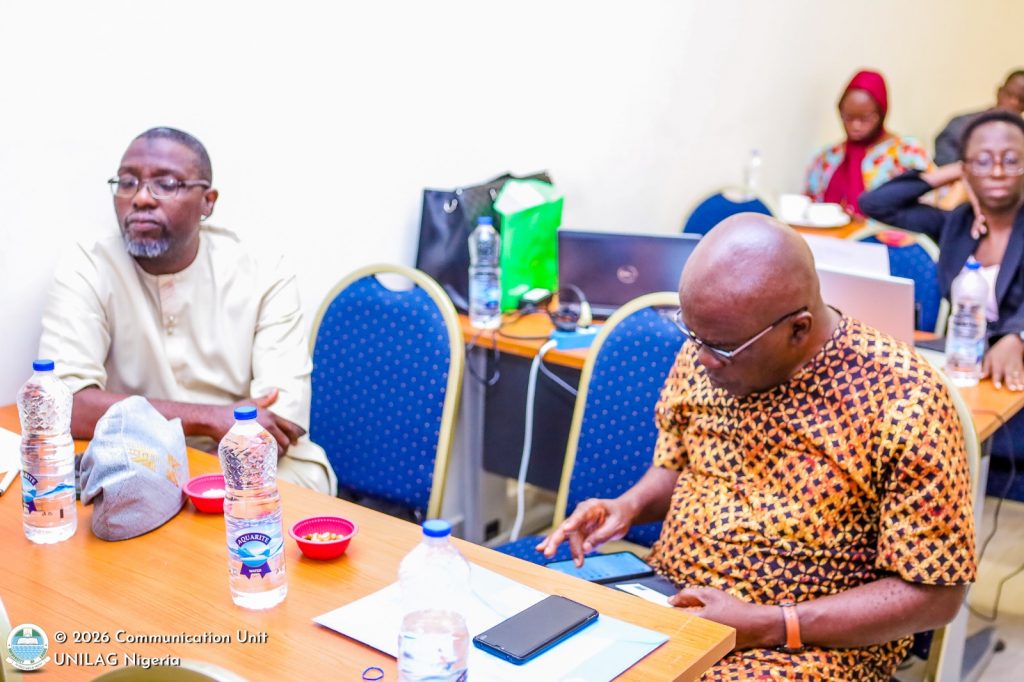
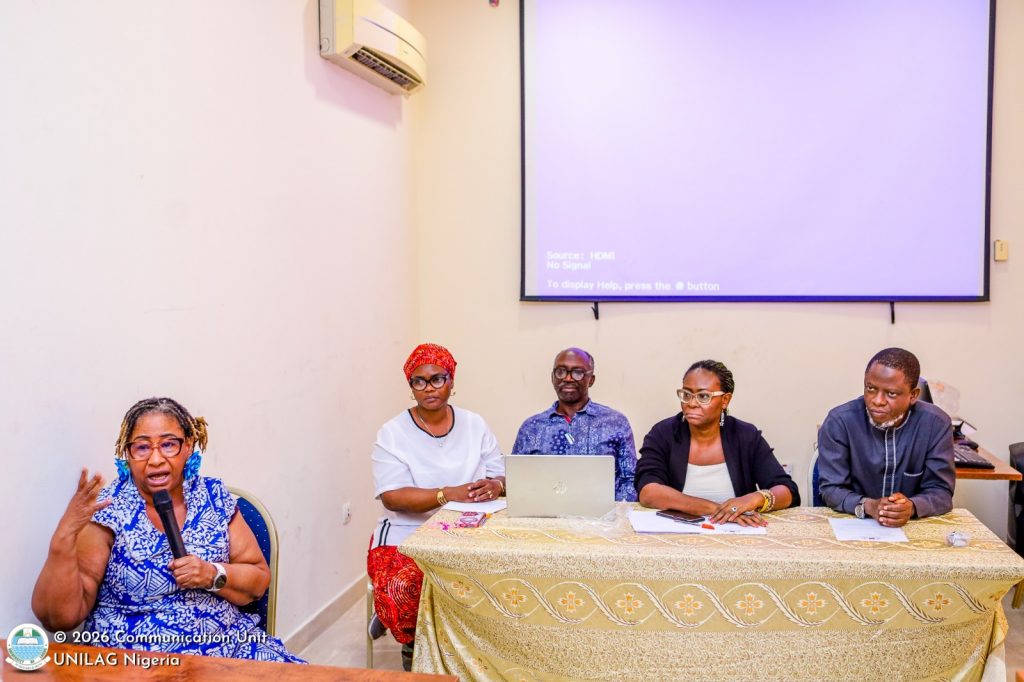
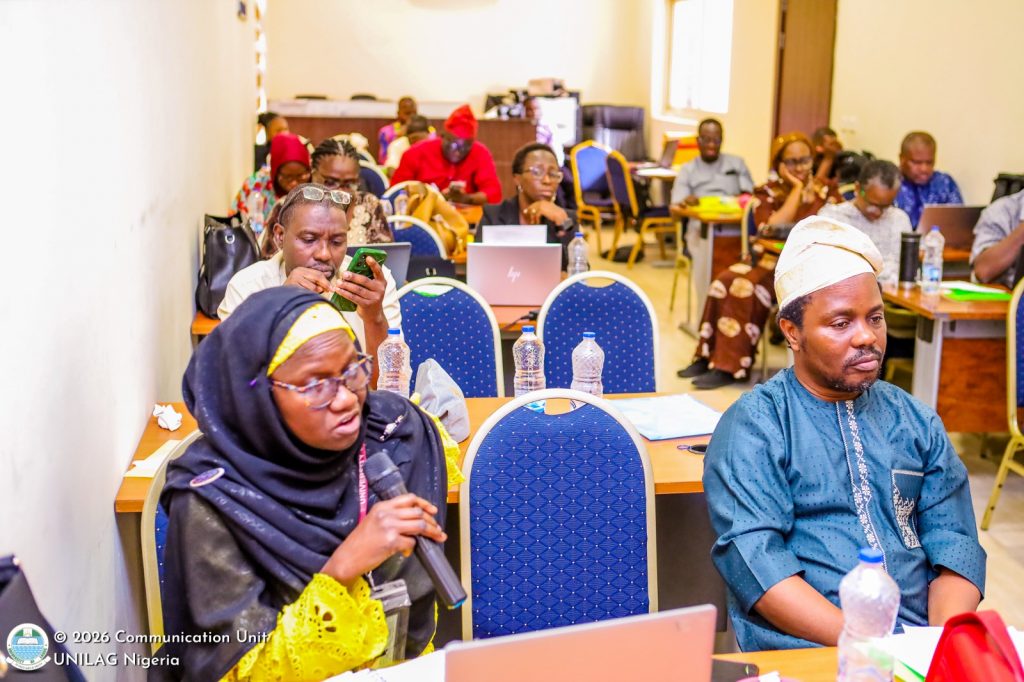
Professor Falaiye made the call on Saturday, August 29, 2026, while delivering the keynote address at the Second Faculty Retreat of the Faculty of Basic Clinical Sciences, College of Medicine, University of Lagos (CMUL), held at the Arthur Mbanefo Digital Research Centre (AMDRC, UNILAG)
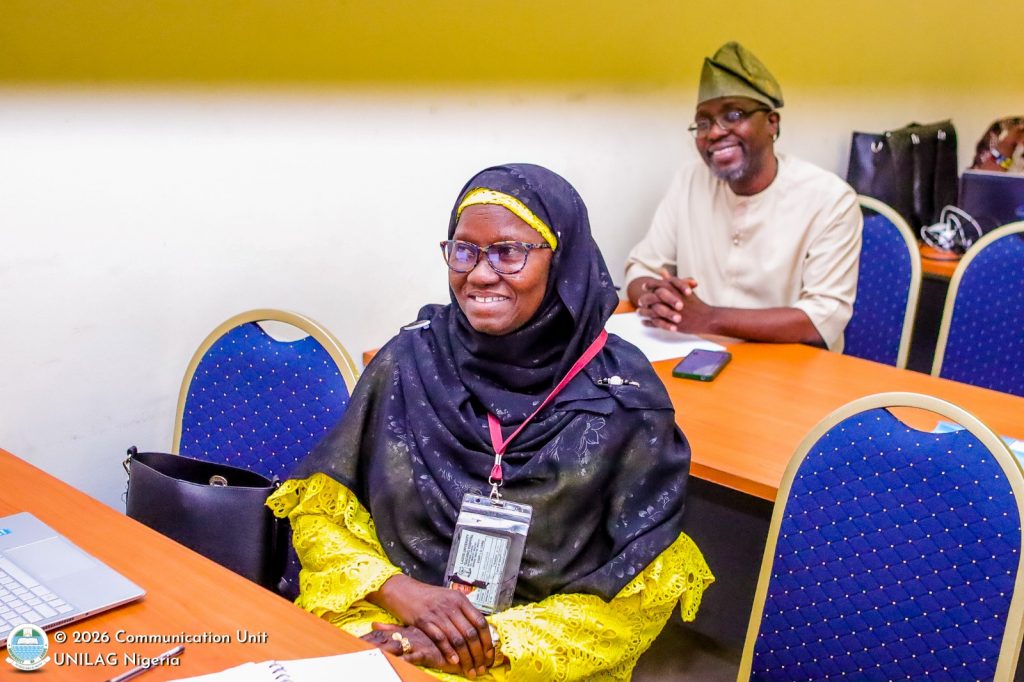
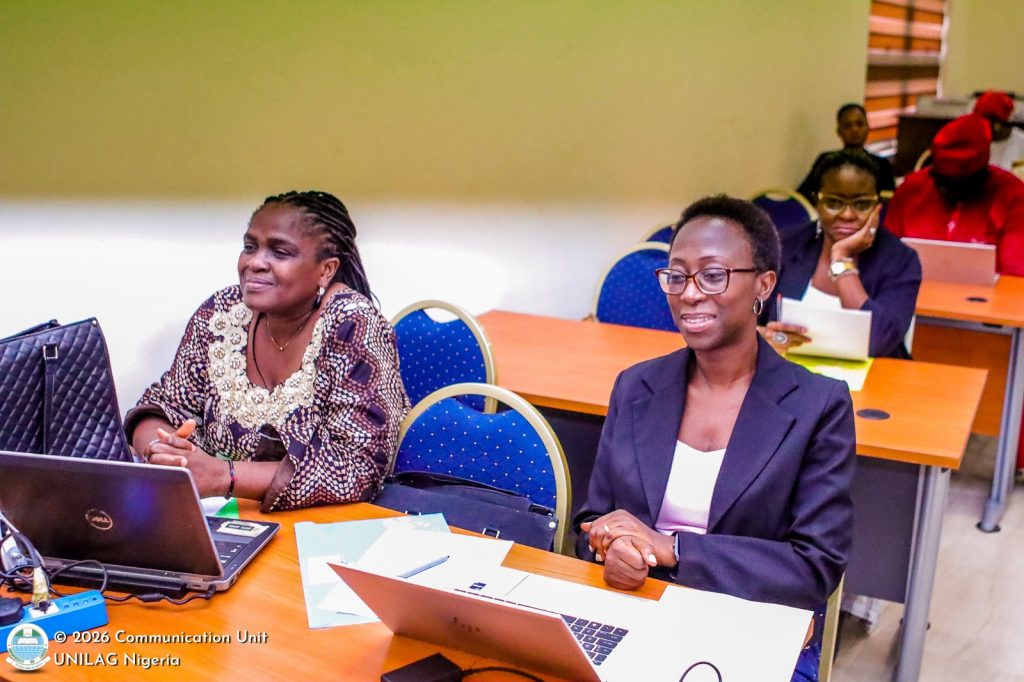
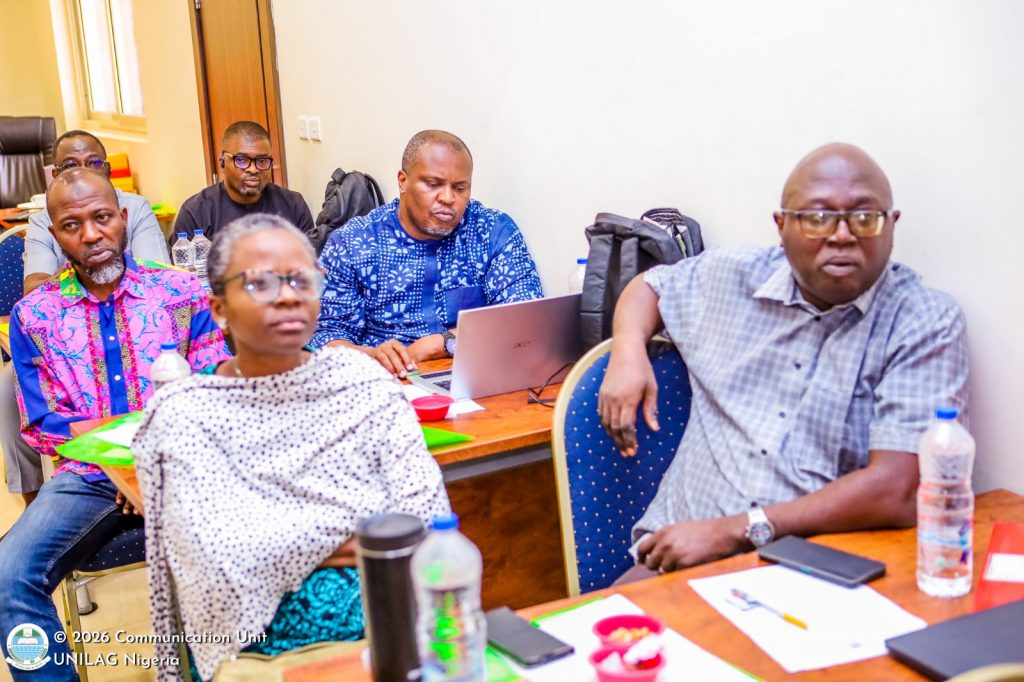
Speaking on the theme, “From Foundation to Transformation: Leading Academic Faculties for Sustainable Impact,” the Deputy Vice-Chancellor challenged academic leaders to move beyond maintaining existing structures and deliberately create environments that encourage innovation, collaboration and meaningful impact.
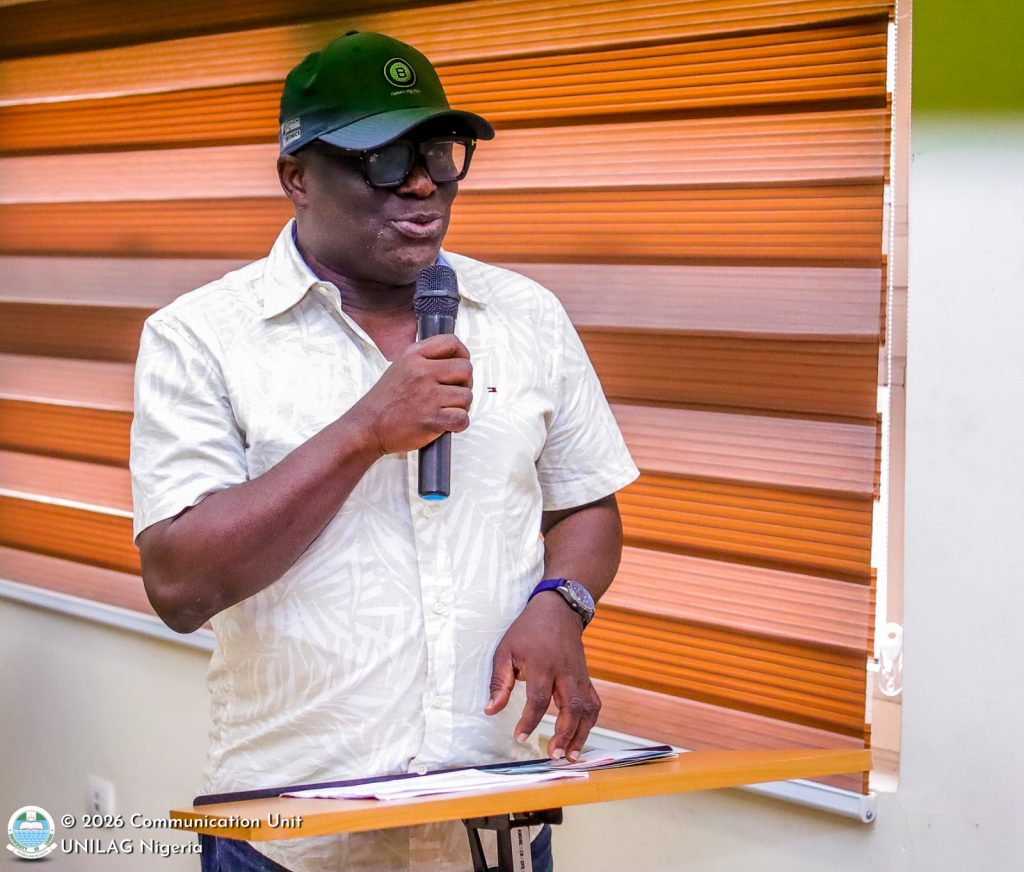
Drawing insights from his experience as a former Dean of the Faculty of Arts, Professor Falaiye distinguished between what he described as “Routine Deans” and “Transformational Deans.”
He explained that while routine leaders may be content with administering existing structures and avoiding risks, transformational leaders take responsibility for improving their faculties, make difficult decisions when necessary and remain willing to learn from mistakes.
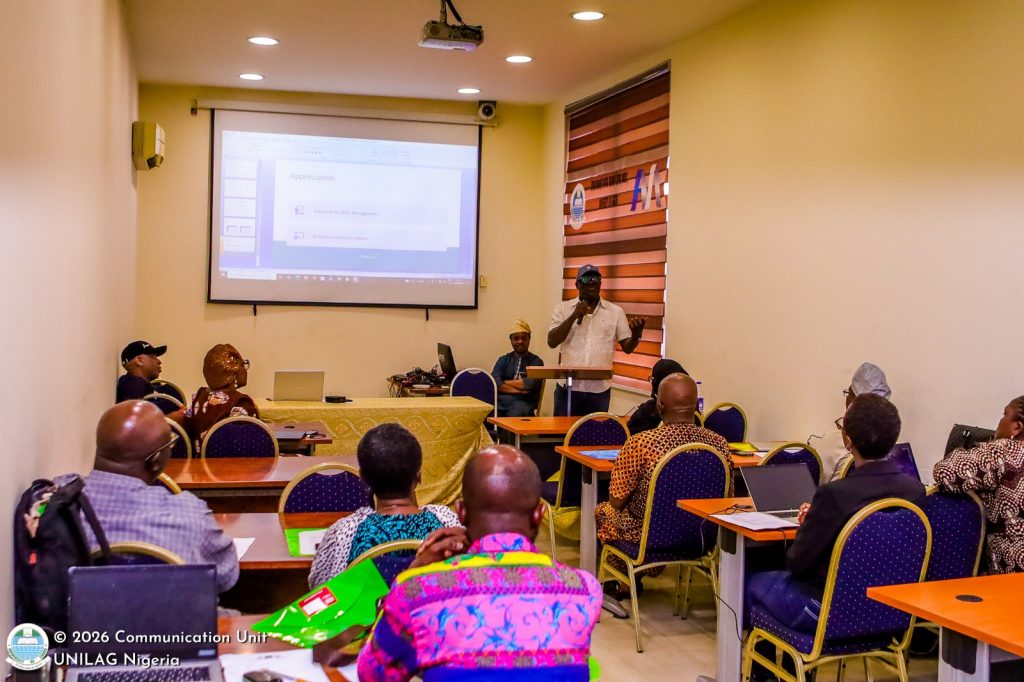
Reflecting on some of his deanship experience, Professor Falaiye disclosed that he initially resisted the position for almost three years and never campaigned for the role. His experience, he said, reinforced his belief that institutional transformation does not necessarily require political influence but rather vision, commitment and the willingness to act.
He cited the establishment of the Institute of African and Diaspora Studies (IADS) in 2017, during his tenure, as an example of what purposeful academic leadership can achieve.
He also recalled the introduction of UNILAG’s annual faculty retreat during his tenure, describing the initiative as a platform that strengthened collaboration among staff and helped faculties develop a shared sense of purpose.
Reconnecting Science with the People
Professor Falaiye devoted a significant part of his address to the need for the Faculty of Basic Clinical Sciences to connect scientific training and research more closely with the realities of Nigerian patients and communities.
He argued that the challenge confronting African science is not necessarily a lack of quality but the extent to which scientific knowledge sometimes becomes disconnected from the people it is intended to serve.
Using clinical medicine as an example, the Deputy Vice-Chancellor noted that a student may understand the scientific and diagnostic dimensions of diabetes yet struggle to explain why a patient repeatedly defaults on treatment.
He pointed to factors such as poverty, socioeconomic pressures, delayed care-seeking and reliance on traditional remedies as realities that can influence how patients present in Nigerian hospitals.
For Professor Falaiye, understanding such realities should form part of the education of healthcare professionals.
He therefore advocated greater cultural adaptation in teaching and research rather than the uncritical transplantation of models developed in other contexts.
He further encouraged the faculty to incorporate Nigeria-specific case materials into its curriculum, pursue research questions that emerge from African realities and mentor students to think critically rather than merely reproduce what they have been taught.
His words “A faculty has been built; it’s time to plaster it with courage and vision,” he urged the Faculty to build on its existing foundation and deliberately pursue a more impactful future.
Great Faculties Are Communities
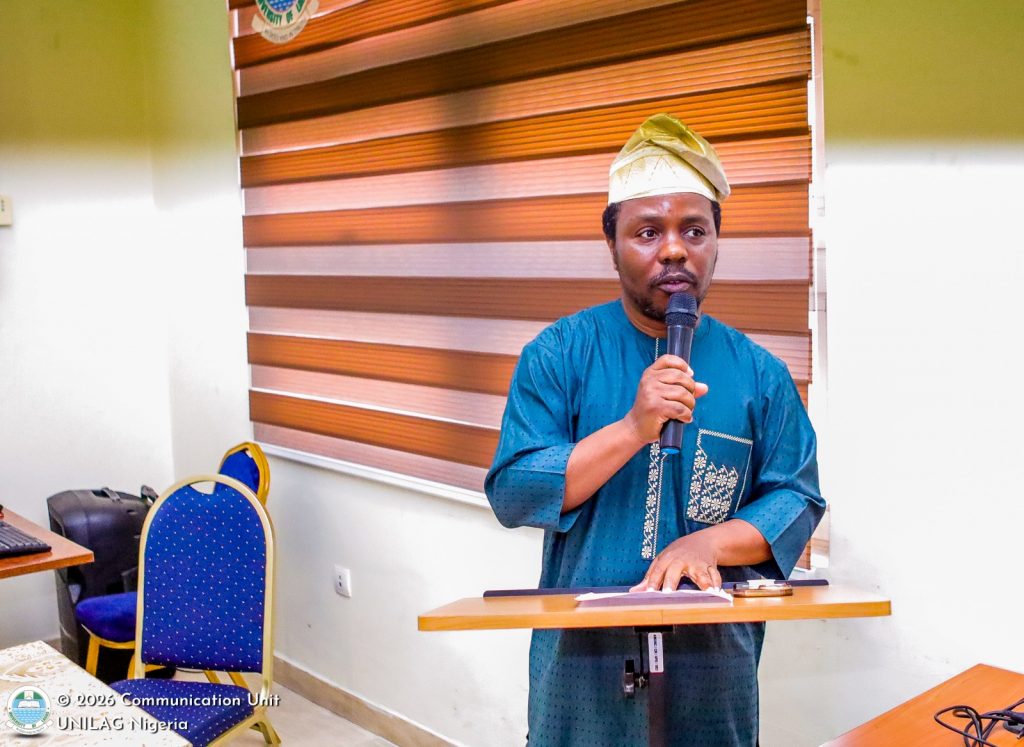
In his goodwill message, the Dean, School of Postgraduate Studies, Professor Abraham Osinubi, commended the Faculty for convening its second retreat as an opportunity for reflection, renewal and collective planning.
Professor Osinubi emphasised the importance of community in building strong academic institutions, noting that great faculties are communities before they become institutions.
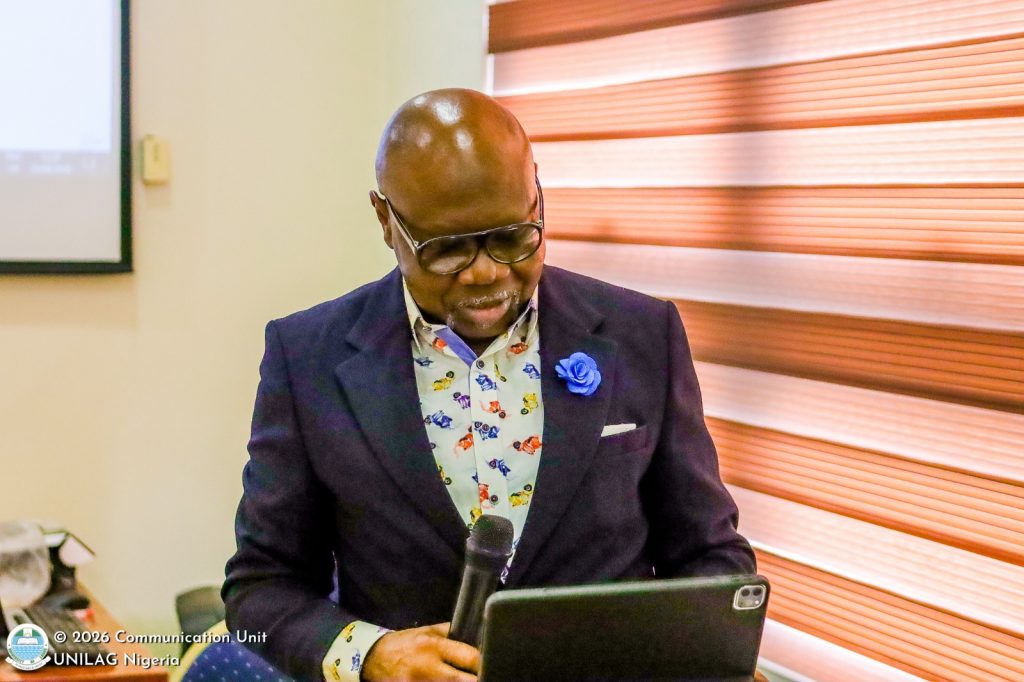
He also stressed the importance of effective knowledge communication as an essential part of academic practice and institutional development.
Measuring Progress and Setting New Priorities
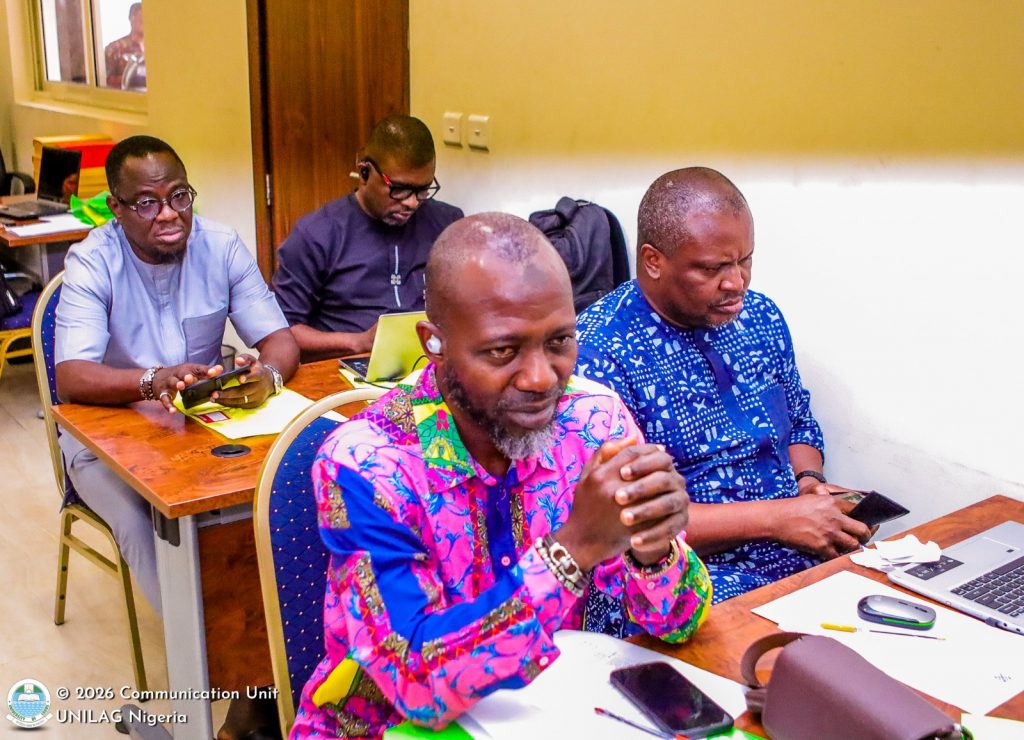
The second session of the retreat, titled “Measuring Our Impact,” featured presentations by committee chairs and Heads of Department who reviewed the Faculty’s performance and highlighted areas of progress.
The presentations reflected improvements across several areas, including personnel and budget planning, curriculum development, research, clinical practice and postgraduate education.
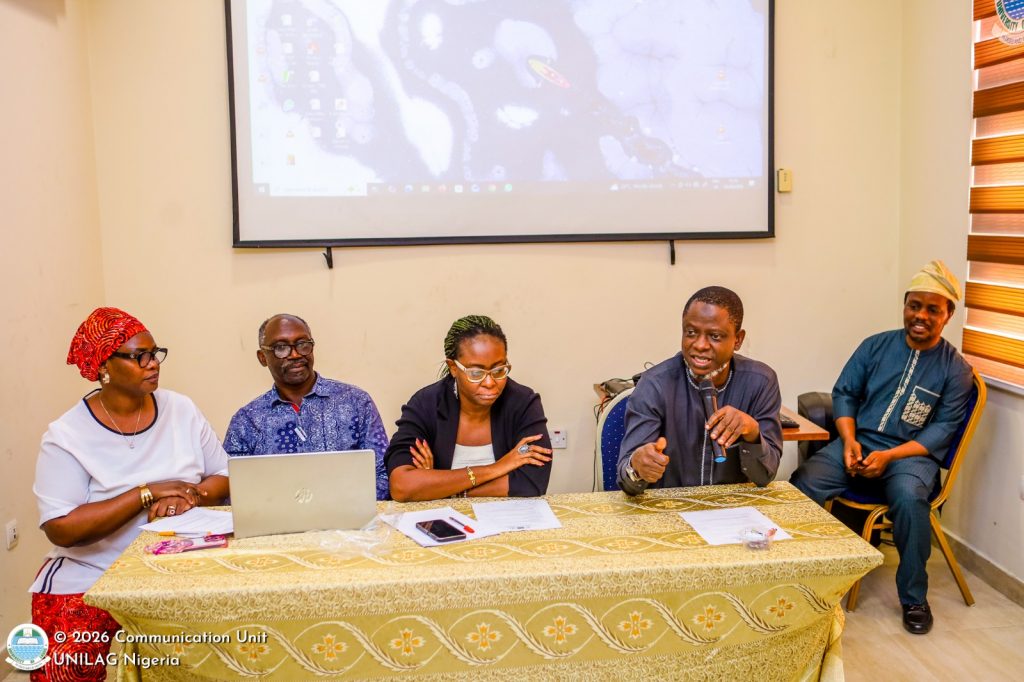
The Faculty recorded new staff promotions and secured major research grants, while curriculum improvements continued to receive positive feedback from students.
Significant progress was also reported in clinical practice, including six successful bone marrow transplants, strengthening the Faculty’s emerging position as a transplantation centre in sub-Saharan Africa. The Faculty has also expanded its clinical focus to include cancer palliative care.
Academic support systems were strengthened through the modernisation of examination blueprints and practical manuals, while progress in postgraduate education continued with completed thesis defences and ongoing supervision.
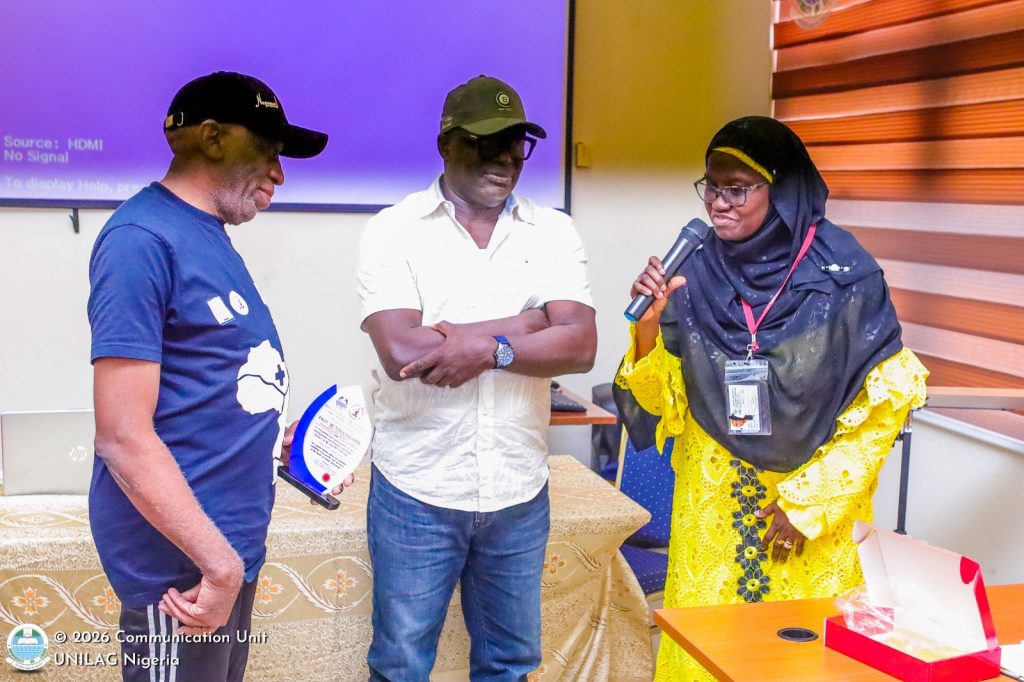
The Faculty also recorded improvements in its physical environment through the renovation of common rooms and laboratory spaces. It further marked the year with a well-attended send-off ceremony for a retiring member of staff.
The retreat concluded with breakout sessions focused on priorities and quick wins, followed by a faculty-wide exercise to identify flagship projects and establish resource mobilisation targets for the coming year.
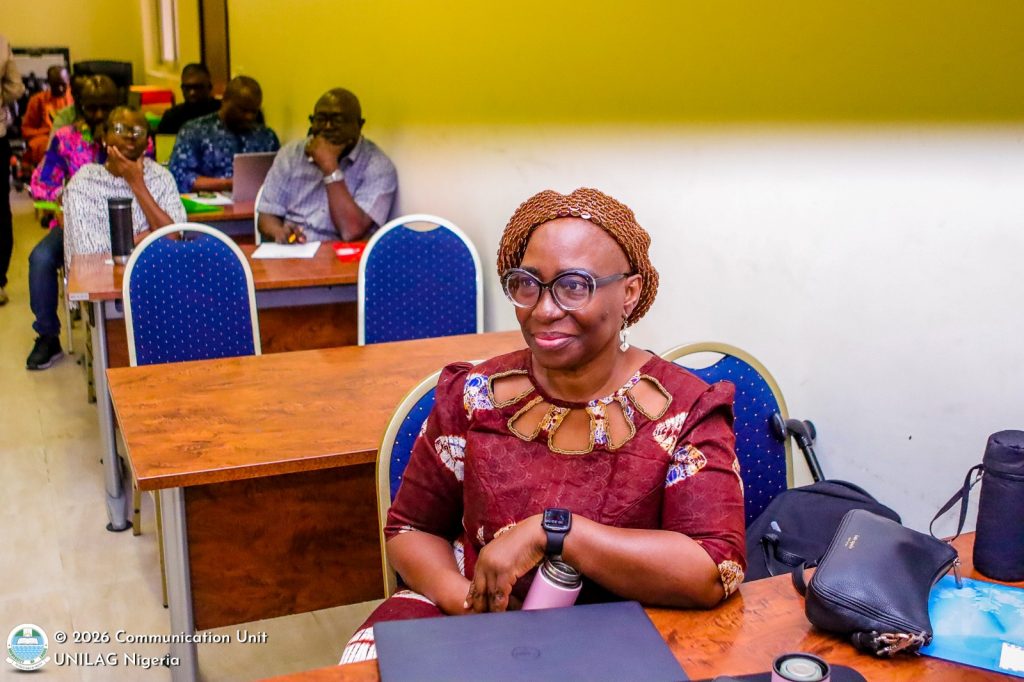
Beyond the presentations and deliberations, the retreat provided the Faculty with an opportunity to pause, assess its progress and collectively consider what it must do differently to translate its academic and clinical strengths into greater impact on the University, the Nigerian healthcare system and the wider African society.
Report: Lynda Onah
Photographs: Michael Joshua