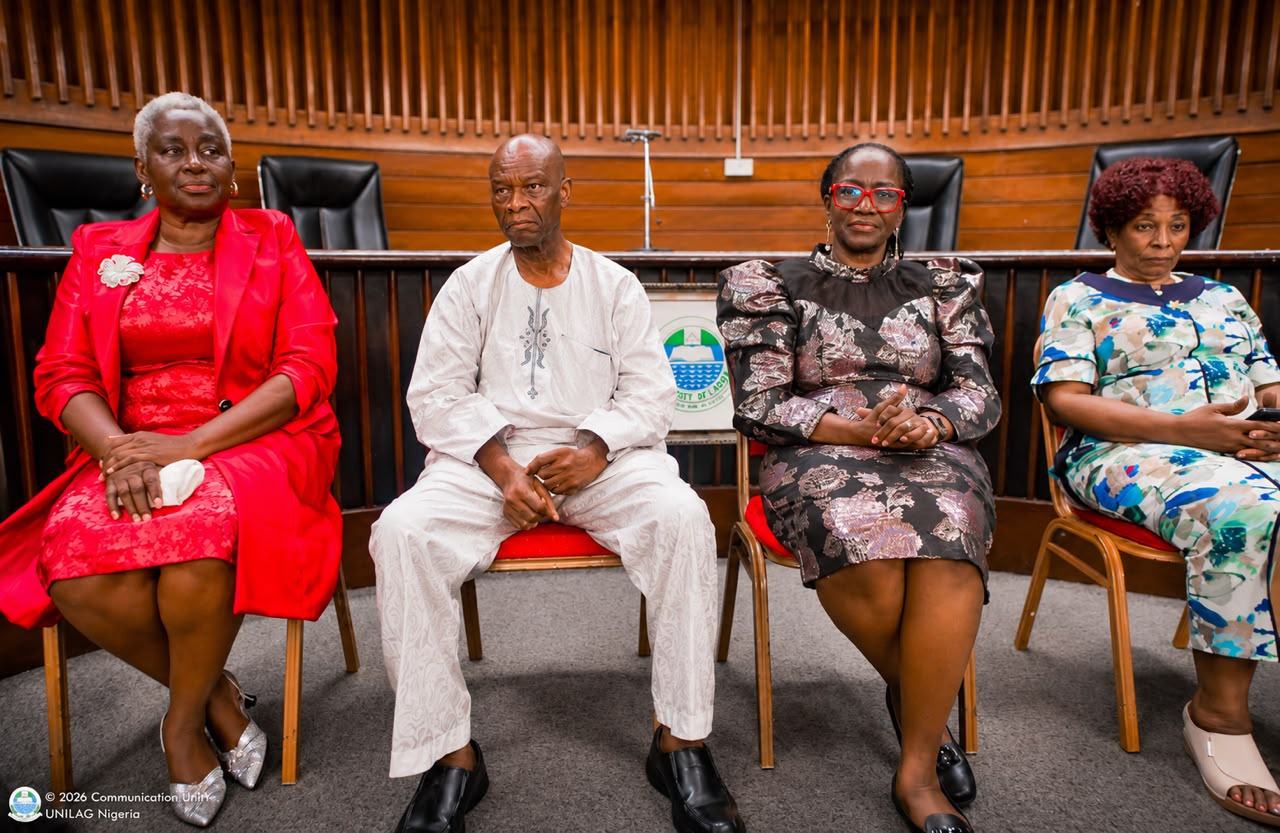
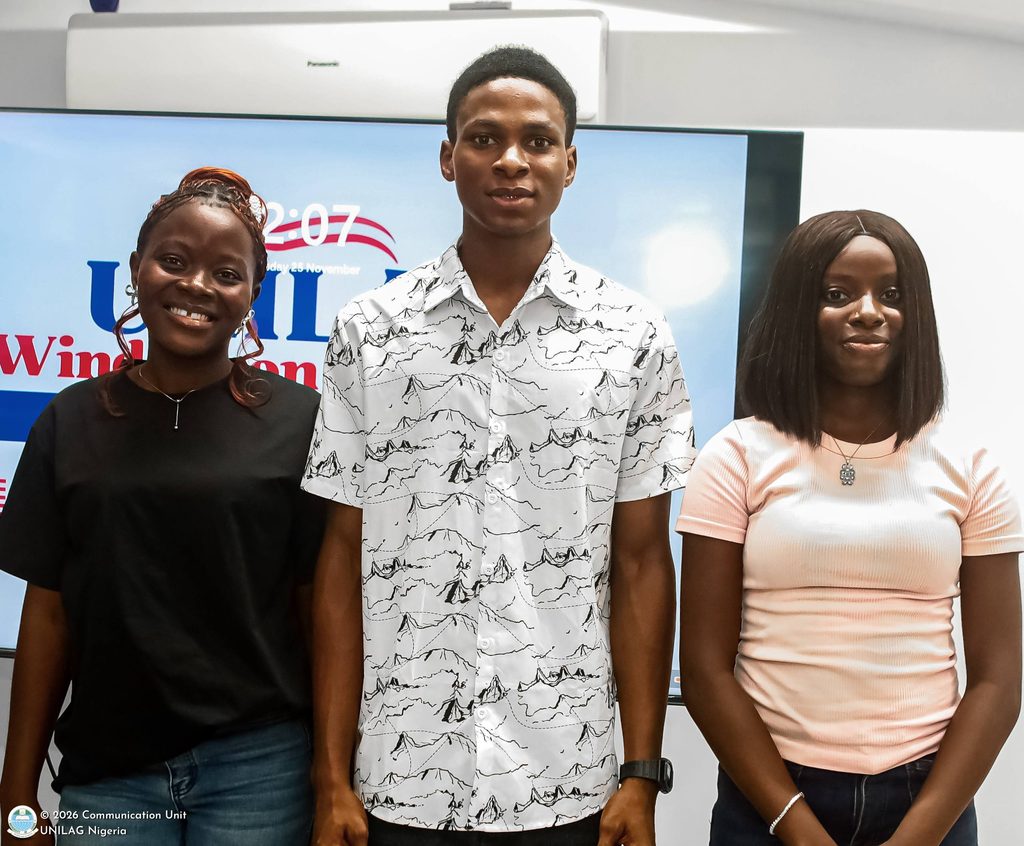
Three final-year students of the Department of Library and Information Science, University of Lagos (UNILAG), have taken the initiative to promote Artificial Intelligence (AI) literacy and responsible use among their peers by organising a knowledge-sharing programme on the applications of AI tools in academic research and professional practice.
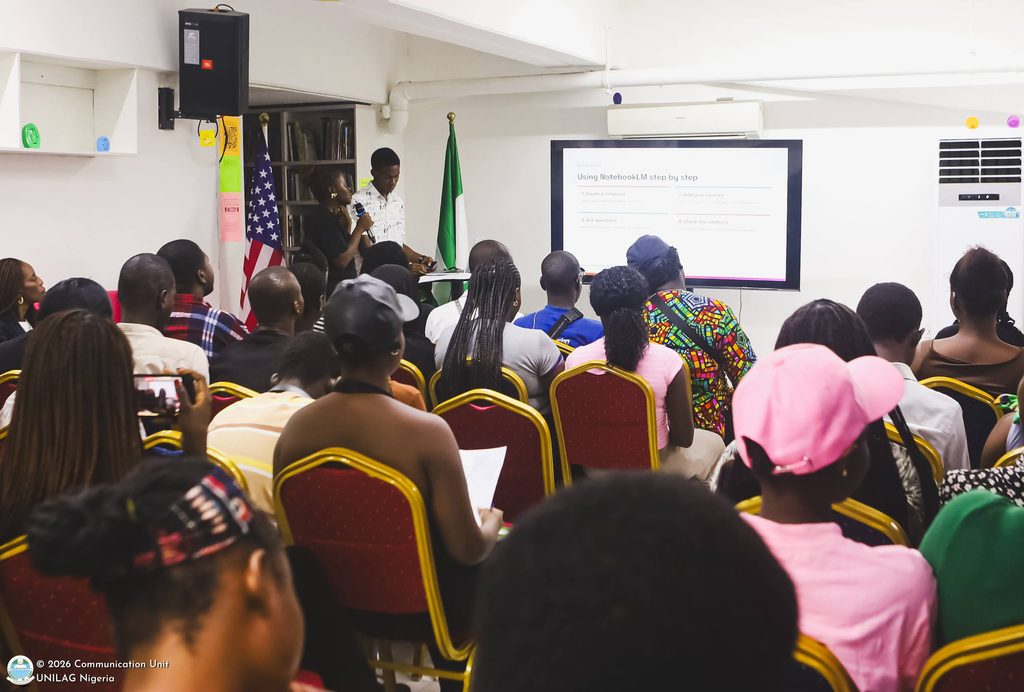
The programme, held on Wednesday, November 25, 2026, at the University of Lagos Window on America Centre, Akoka, was an extension of an earlier AI training programme organised by the American Centre Lagos in collaboration with the Nigerian Library Association (NLA), Lagos State Chapter, in May 2026.
The initial workshop, titled “Innovate with AI: Tools for Library and Information Science Students”, was delivered in two cohorts: Cohort A on Saturday, May 9, 2026, and Cohort B on Thursday, May 21, 2026. Facilitated by Mr Samuel Eyitayo, Country American Spaces Programme Specialist, the training introduced participants to the fundamentals of Artificial Intelligence, particularly Generative AI, its applications in academic and professional activities, effective prompt writing, and the ethical and responsible use of AI tools.
Motivated by the knowledge and practical experience gained from the training, the participating students recognised the importance of extending its benefits to the wider academic community. This informed their decision to organise a peer-led knowledge-sharing programme to introduce other students to practical AI applications and promote the responsible integration of AI into academic and research activities.
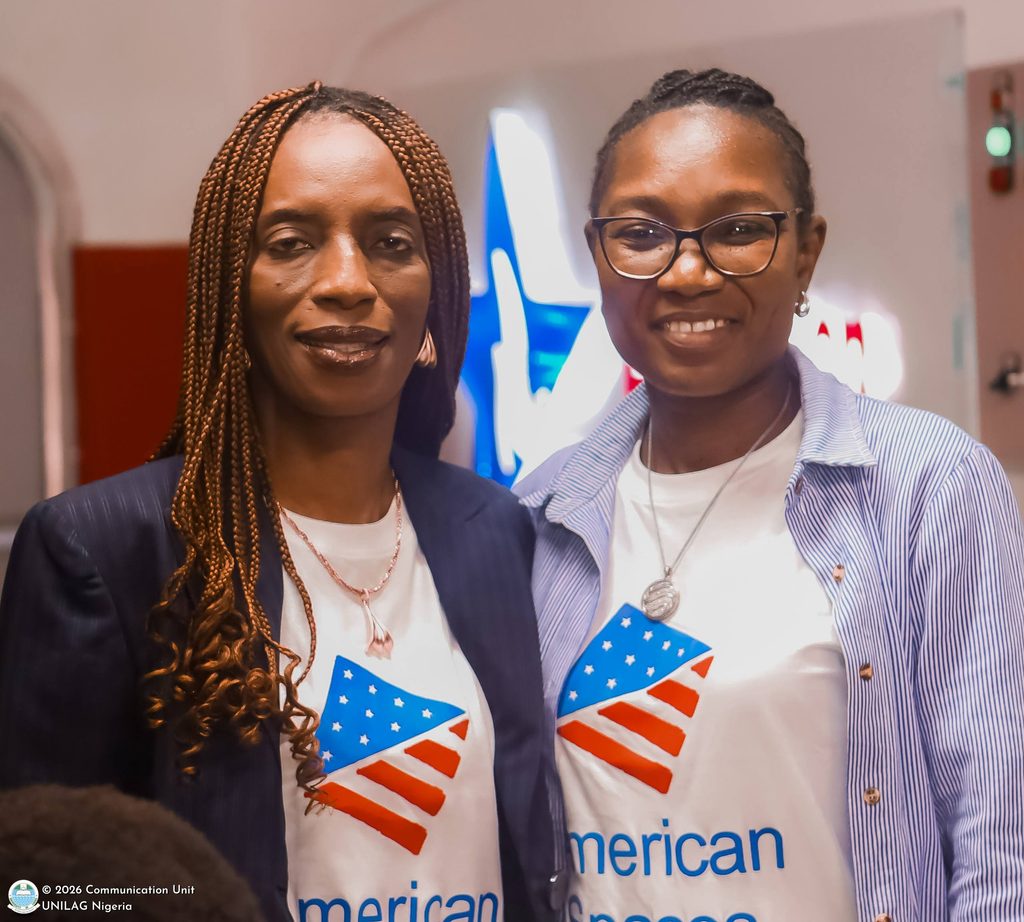
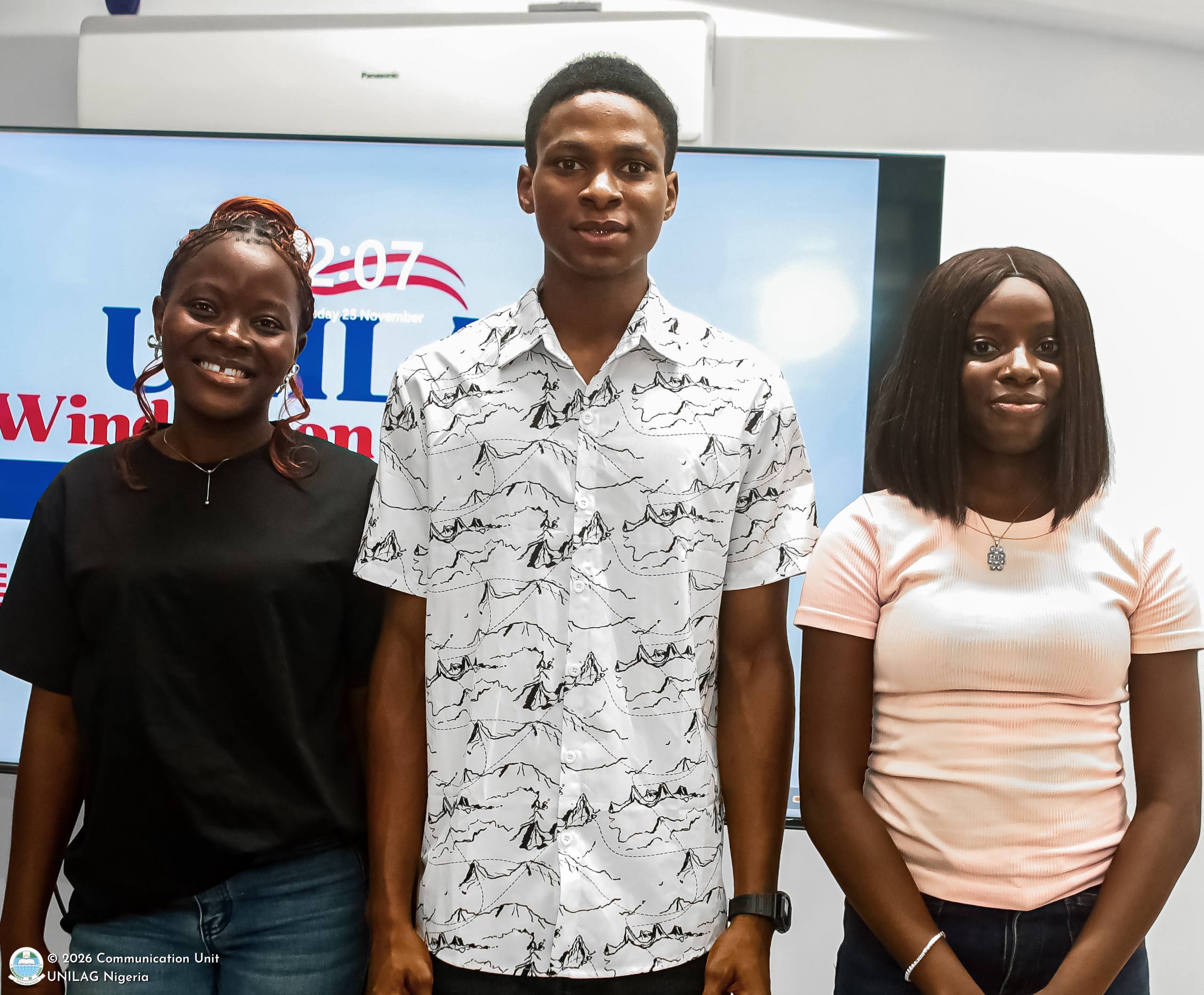
The November 25 programme was facilitated by three final-year students: Agafie Nkechi Esther and Banye Ogechi, both members of Cohort A, and Solomon Okezie of Cohort B. The initiative was organised under the supervision of two lecturers, Dr Adefunke Olanike Alabi and Dr Kemi Olayemi.
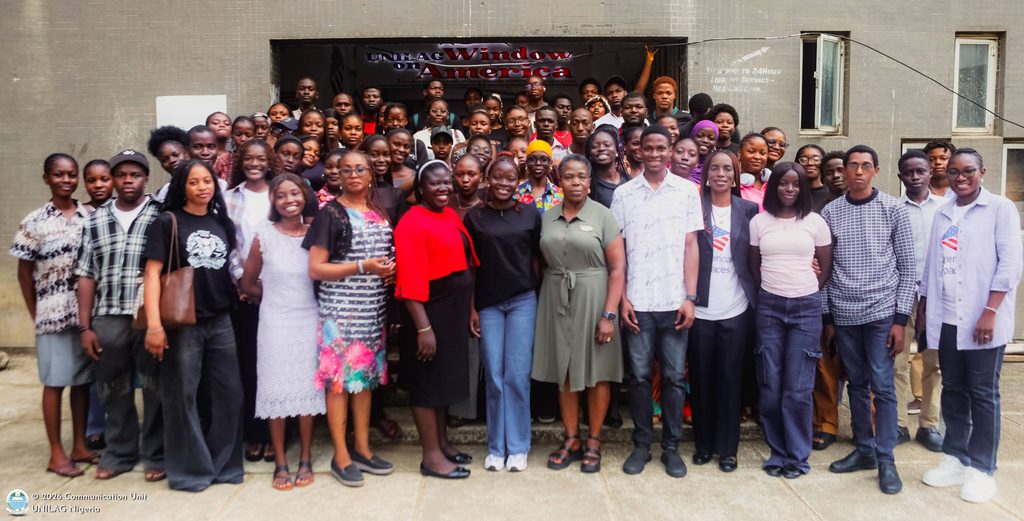
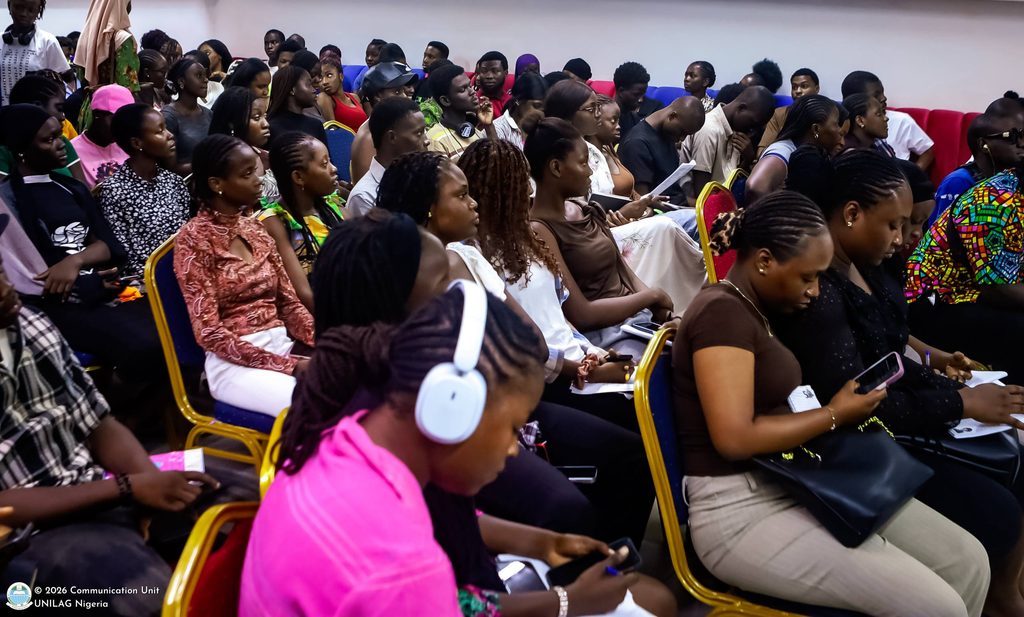
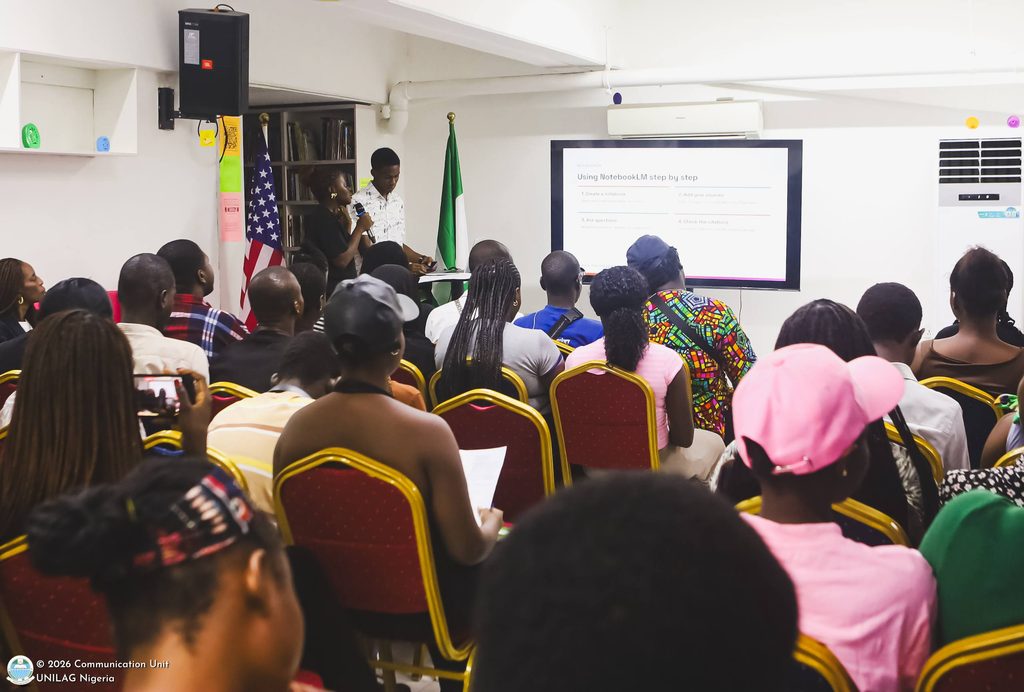
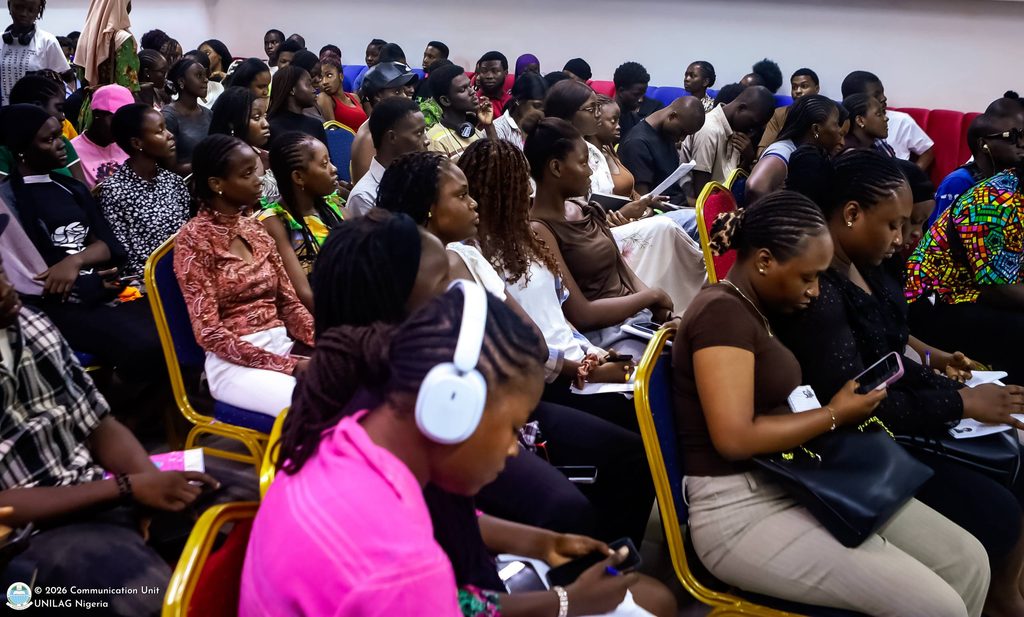
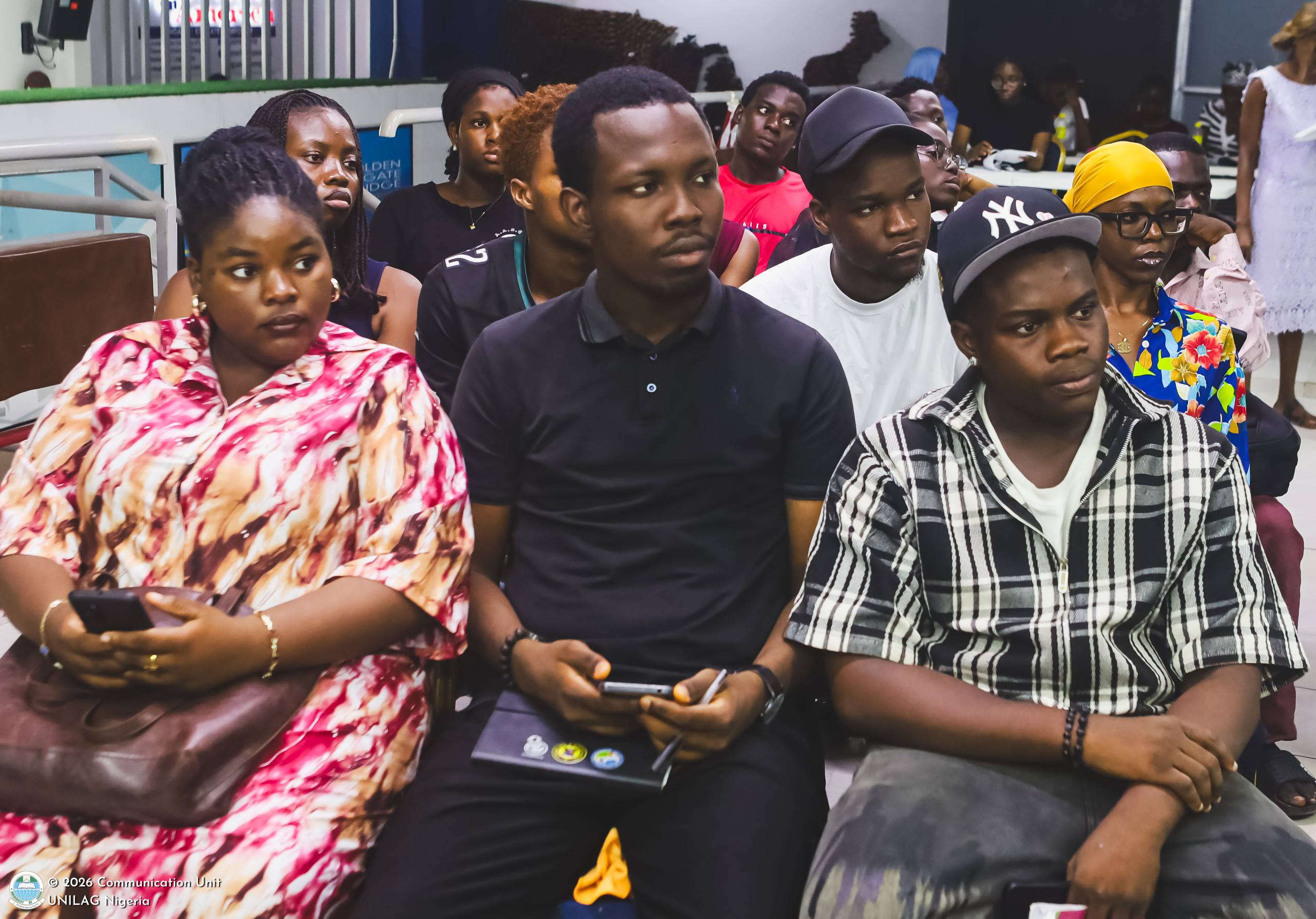
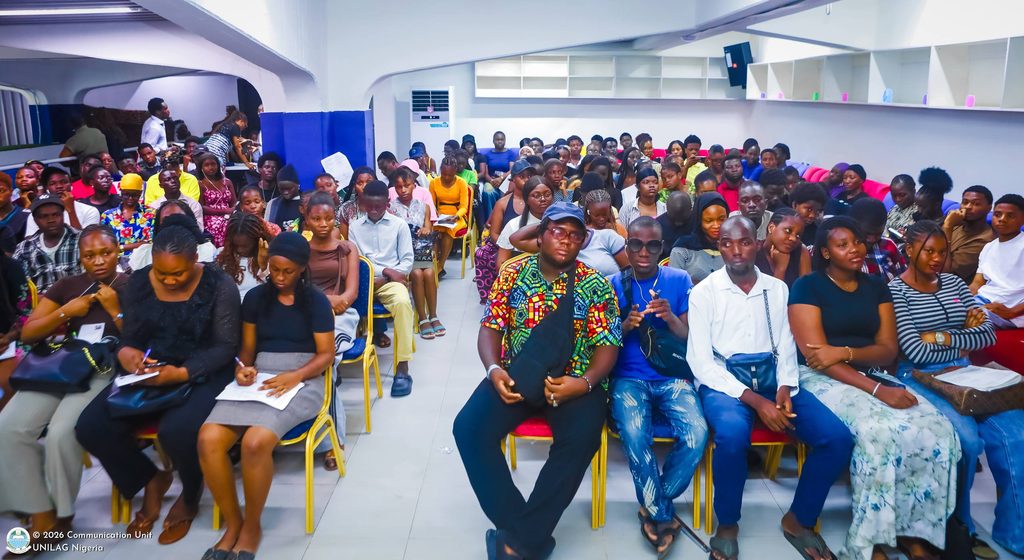
With over 100 students and staff members of the Department in attendance, the programme provided participants with essential knowledge and practical skills for applying AI tools to academic research, improving information retrieval and content development, and upholding the principles of ethical and responsible AI use.
Understanding AI and Developing Effective Prompts
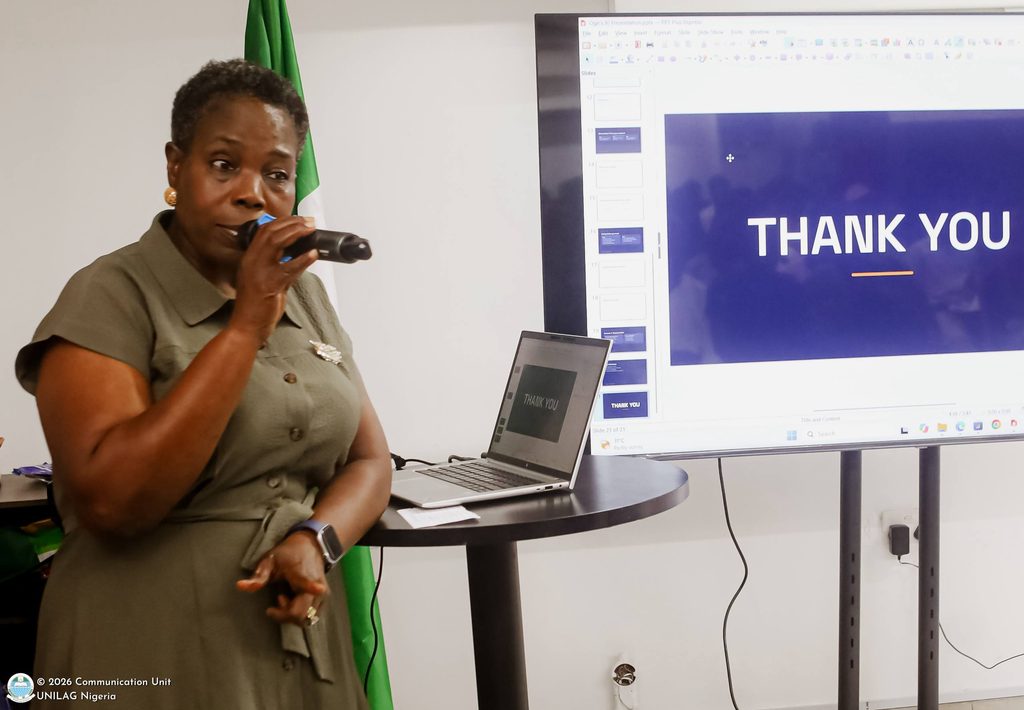
The opening session on Understanding AI and Generative AI, facilitated by Miss Agafie Esther, introduced participants to the fundamentals of Artificial Intelligence, its relevance to everyday activities and its growing applications in education, research and professional practice.

Defining Artificial Intelligence (AI), she explained that it is a technology that enables machines to mimic human intelligence tasks such as learning, reasoning and problem-solving. She further described Generative AI as a type of AI capable of creating new content, including texts, images, videos, summaries, lesson plans and designs.
Miss Esther highlighted several areas in which AI could reliably support students, including research assistance, academic writing, study planning and time management, personalised tutoring, data analysis for projects, note summarisation and presentation development.
She also drew attention to its wider applications beyond the academic environment. For professionals, she identified business communication drafting, data analysis and reporting, workflow automation, customer support through chatbots, market research, content creation and editing, decision support and project management assistance as areas where AI could improve productivity.
For young people, she highlighted its potential in skill development, career guidance, creative content generation, digital entrepreneurship, coding and technical skills training, mental health and wellbeing support, social media content optimisation, and interactive learning.
Addressing its relevance to lecturers, she explained that AI could support lecture content development, curriculum design, automated assessment and grading, research assistance and literature reviews, academic writing and editing, student performance analytics, virtual teaching and e-learning, plagiarism detection and academic integrity support. Other applications include presentation and instructional material design, as well as personalised student feedback.

However, she cautioned that AI tools had limitations and should not be relied upon as infallible sources of information. She identified the inability to guarantee 100 per cent accuracy and replace professional judgment as key limitations, emphasising that human oversight remained necessary when using AI-generated outputs.
The session also reinforced the importance of understanding Generative AI, developing effective prompts, using AI tools for research support and reference services, and applying ethical principles and verification techniques to AI-generated content.
In a subsequent session on Prompting Skills, Mr Okezie Solomon highlighted the importance of developing effective instructions when engaging generative AI tools, noting that many users were yet to master the art of prompting.

“Some of us don’t really know how to prompt AI, including those who are attending the training,” he observed.
He defined a prompt as “the input, the human instructions used to guide the generative AI model to produce a specific, high-quality result”, explaining that the instructions, images or other information supplied by a user influence the response generated by the tool.
Mr Solomon introduced a six-component prompt formula comprising Role, Task, Context, Format, Tone and Length, explaining how each component helps users communicate their expectations and obtain more relevant results.
He explained that the role tells the AI the perspective or expertise to assume, while the task specifies what it should do. Context provides the necessary background information; format determines how the response should be organised; tone establishes the desired style, while length indicates the expected scope of the response.
Using a practical example, he demonstrated how the formula could be applied to a proposal for a digital literacy programme for senior citizens aged 65 and above who were new to smartphones and tablets.
The proposed prompt required the AI to assume the role of an experienced public programme specialist and develop a proposal containing programme objectives, a four-week curriculum outline, project breakdown and marketing materials for a local newsletter. It also specified a professional, encouraging and community-oriented tone, with a target length of 500 words.
Mr Solomon explained that providing such details would help the AI generate a response suited to the intended audience and purpose, rather than produce generic suggestions.
The session featured an interactive exercise in which students were asked to use an AI application of their choice to develop a formal email inviting stakeholders to a digital literacy training or meeting. They were instructed to apply all six components of the prompt formula in drafting their requests. Encouraging participants to take ownership of the exercise, he said: “Please ensure you write the prompt yourself. Don’t just prompt. Prompt yourself.”


He further challenged them to take the prompts generated during the exercise to another AI application and request that they be refined to ensure that no task requirement was missing.
AI Applications in Library and Information Science: Supporting Academic Research
In a session on AI Applications in Library and Information Science, Miss Banye Ogechi highlighted six ways artificial intelligence could support students’ research activities: summarising academic articles, identifying literature review themes and research gaps, generating research keywords, developing research questions, locating credible sources and explaining complex concepts in simpler language.

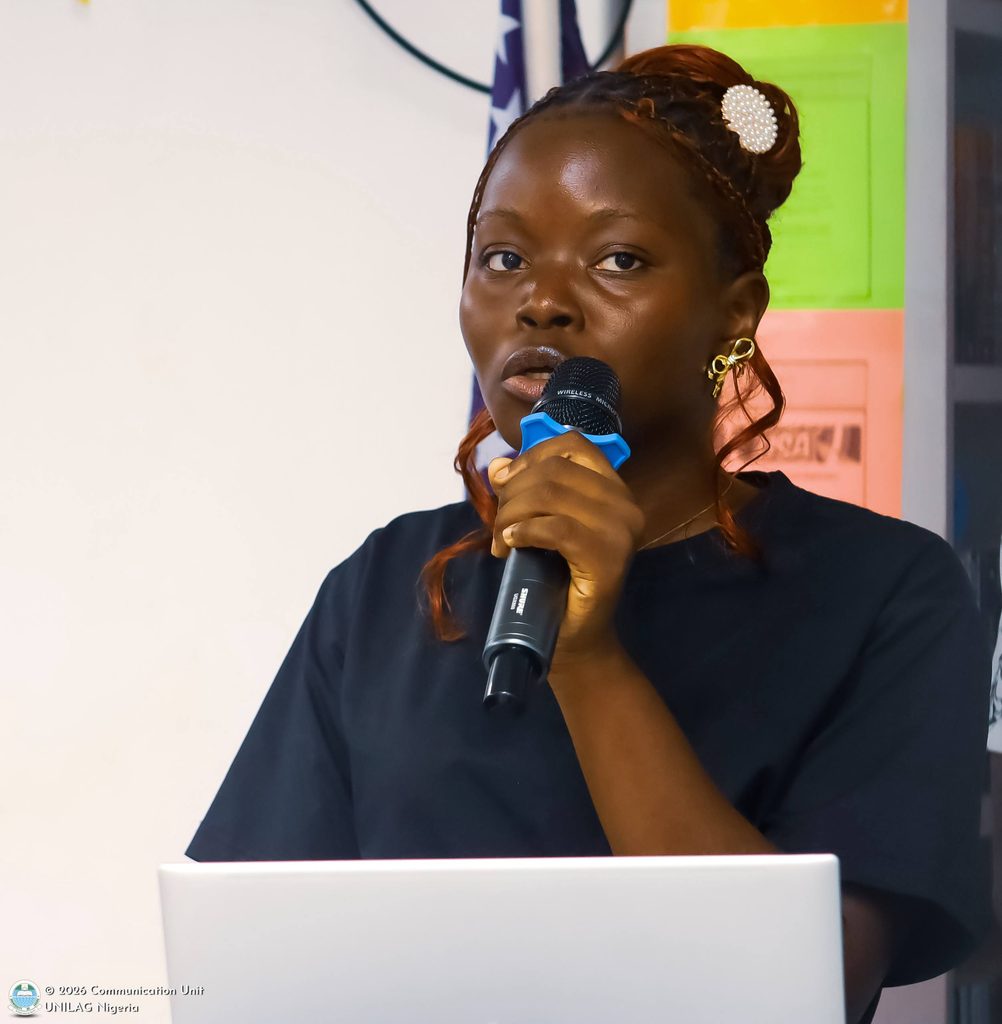
Addressing the students, she explained the relevance of the session to their academic work, noting, “Most of us that are here are by now in the research project stage. So this is like a guide that can help us work on our projects better.” She stressed that AI was intended to assist researchers, not take over their responsibilities. “AI is meant to assist us,” she said.
Miss Ogechi explained that students could use AI to summarise articles obtained from platforms such as Google Scholar, identify preliminary literature review points and research gaps, generate keywords to improve database searches and refine broad research topics into focused research questions. She also highlighted its usefulness in locating potential sources and explaining difficult concepts in plain language.
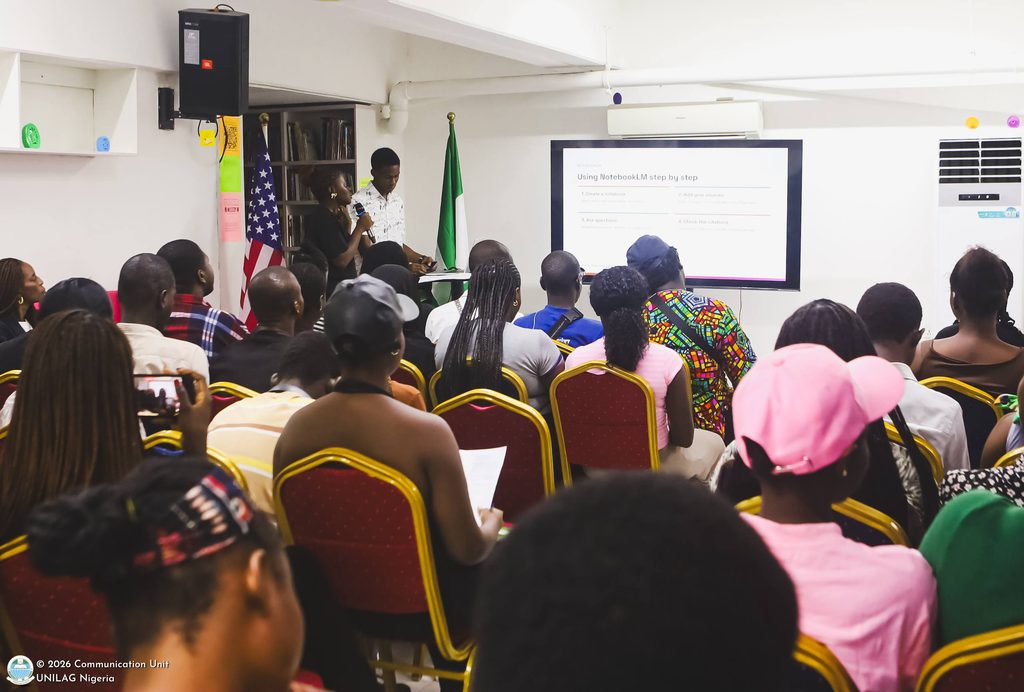
Illustrating the latter, she explained that users could instruct an AI tool to simplify a difficult concept by asking it to explain the subject as though it were speaking to a five- or ten-year-old. She introduced four recommended tools: NotebookLM, Perplexity, ChatGPT and Google Gemini, explaining their different strengths and applications in academic research.
She explained that NotebookLM works with sources uploaded by users and provides responses grounded in those materials, accompanied by citations. It can generate summaries, study guides, quizzes, mind maps and flashcards. She described it as particularly useful when students already have articles, lecture notes or other research materials they want to examine. Perplexity was presented as a tool for web-based answers, real-time searches and citations. Ogechi explained that it could help students locate relevant sources, check the credibility of references and assess whether a source was suitable for a particular research topic or assignment. She also demonstrated how searches could be narrowed by dates, geographical regions and subject areas, particularly when students were required to use references published within a specified period. ChatGPT was highlighted for structured writing, brainstorming, developing research questions, outlining and simplifying concepts. However, she cautioned that the platform could generate fabricated references and links.
“ChatGPT can hallucinate,” she warned, stressing that students should verify information rather than assume every response was accurate. She also cautioned against entering private or sensitive information into AI platforms.
Google Gemini was discussed in relation to its integration with Google’s digital ecosystem, including Google Docs, Gmail and Drive. Miss Ogechi explained that it could assist students in refining research notes, summarising documents stored in Drive and accessing real-time web information. Its ability to interpret images and videos was also highlighted.
She advised students to select tools according to the task they intended to perform. NotebookLM, she explained, was suitable for examining existing articles and notes; Perplexity for finding and verifying sources; ChatGPT for brainstorming and drafting; and Gemini for tasks involving Google’s applications.
Practical Demonstration of AI tools for Research
The presentation featured a practical demonstration of NotebookLM, during which students were guided through the process of accessing the platform, uploading source materials and generating responses based on the uploaded documents.
Miss Ogechi demonstrated how users could create a notebook, add sources from their devices or Google Drive, and ask questions relating to the materials. She explained that the platform could automatically generate a summary of uploaded documents and provide study resources based on their content.

She also demonstrated a research prompt that instructed the tool to assume the role of a professional researcher with twenty years of experience, summarise the topic Knowledge Ownership in 200 words, provide five key points, suggest five credible sources with links and develop three research questions.
The exercise showed students how a carefully structured prompt could produce a summary, key points, suggested references and possible research questions from a research topic. She further explained how NotebookLM could assist with literature reviews by identifying common themes and gaps across academic articles, generating objective questions from lecture notes and summarising sources for annotated bibliographies. She advised students to write their annotations themselves after examining the summaries.
Emphasising the need to examine AI-generated references, she observed, “Many of us will just prompt quickly and will not check the citations.” She urged students to open links, verify authors and confirm that cited materials actually existed and supported the information provided.
She also cautioned against copying and pasting AI-generated responses directly into assignments. “We must always rewrite,” she advised, encouraging students to review generated content, express ideas in their own words and ensure that their academic submissions reflected their understanding.
At the end of the session, she reiterated the importance of choosing the appropriate tool for each research task and verifying information before relying on it. “AI supports your judgment but never replaces it,” she emphasised.
Responsible AI Use: Protecting Academic Integrity and Personal Information
In another presentation on Responsible Use of AI, Miss Agafie Esther challenged students to examine their information-verification habits, particularly when using AI-generated references for academic assignments.
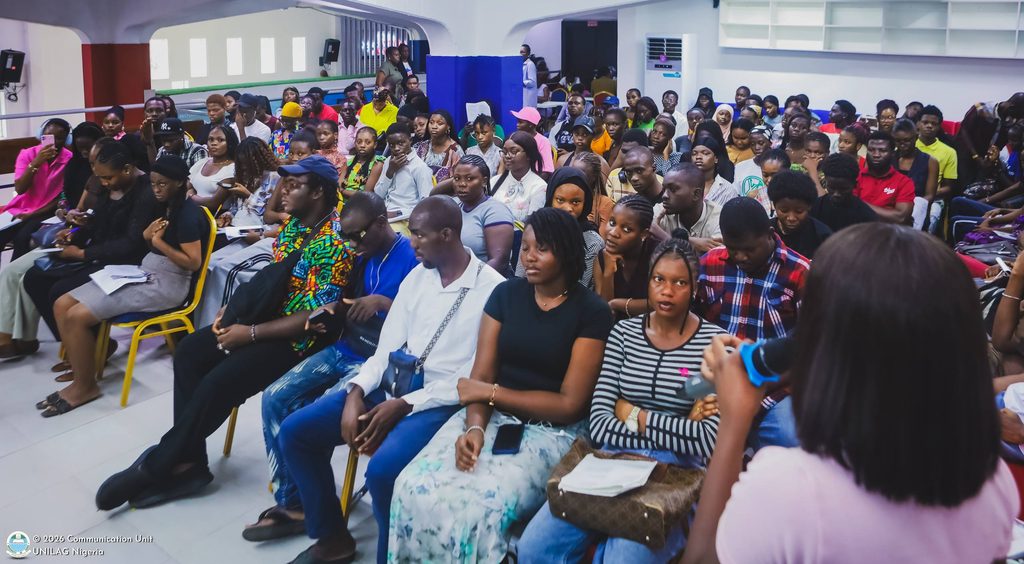
Opening the discussion, she asked, “When AI generates references, do you verify these or just paste them into your Word documents?” Following responses from participants, she observed that many did not regularly check the links provided by AI tools, warning that some references could be invalid or lead to inaccessible materials.
She identified fact verification as the first rule of responsible AI use, urging students to examine the authenticity of information before including it in their academic work.
“Trust, but verify,” she advised, adding that students should click on generated links, check whether the websites open and establish whether the articles and references are genuine and relevant.
She further cautioned that some academic materials might be behind subscription paywalls and require institutional access. Students, therefore, needed to understand the sources they cited and ensure that they could legitimately access and verify the materials.
Emphasising the purpose of artificial intelligence in education, Esther stated, “AI is not there to do your homework. It’s there to assist you. It’s an assistive technology.”
On plagiarism, she advised students to rewrite AI-generated material in their own words, cite their sources and acknowledge AI assistance where required. She encouraged them to retain their individual voice rather than copy and paste generated responses directly into assignments.
“Why don’t you just use your own voice?” she asked, stressing that students should combine their understanding with appropriate citations when using AI to support academic writing.
She also advised participants to acknowledge AI-generated content in accordance with applicable academic and institutional guidelines.
Addressing privacy, Miss Esther warned students against uploading sensitive personal information, including matriculation numbers, bank statements, account numbers, passwords and revealing personal photographs, to AI platforms. She urged them to exercise caution over the information they shared with such tools, particularly when using them to process assignments and other personal documents.


On misinformation, she explained that AI tools could present inaccurate information with considerable confidence, making independent verification essential. “AI can sound 100% sure and be wrong as it is,” she cautioned, encouraging students to verify information before relying on or sharing it. Miss Esther also drew attention to bias in AI-generated responses, noting that the tools could favour certain viewpoints, particularly those from Western countries, while giving limited attention to African and Nigerian perspectives.
Drawing from her research experience, she explained that while searching for literature for her first chapter, most of the materials generated were centred on the United States, including locations such as America and California, with only a few references relating to Africa and Nigeria. She encouraged students to question the perspectives represented in AI-generated responses by asking, “Whose viewpoint is missing?”
On copyright, she reminded participants that information available online was not automatically free to reproduce. “Online does not mean free to copy,” she emphasised, urging students to respect copyright restrictions, provide appropriate references and verify the materials they intend to use.
She also highlighted the need to maintain professionalism when using AI for official communication. According to her, AI-generated emails and other formal correspondence might not always capture the appropriate institutional tone, level of courtesy or respect required in particular situations.
Using communication with a university library as an example, she explained that students should review generated messages to ensure that they were polite, respectful and suitable for the intended recipient.
At the end of the presentation, Miss Esther presented a responsible AI checklist covering seven essential considerations: verify facts, protect privacy, avoid bias, stay professional, avoid plagiarism, avoid misinformation and respect copyright.
She encouraged students to review the checklist before using AI-generated information in their academic and professional activities.
AI and the Promotion of Accessibility
The question-and-answer session broadened the discussion to the potential of artificial intelligence to improve access to information for persons with disabilities.
Contributions highlighted how AI-powered applications could support people with visual, hearing, physical and cognitive disabilities. For persons with visual impairments, image-description and guided-vision tools could provide audio descriptions of objects and surroundings, helping users understand visual information through their devices.
The discussion also examined how automated captions and subtitles could make video content more accessible to people who are deaf or hard of hearing. Digital mapping tools were also mentioned for their potential to provide information about accessible routes and facilities, including ramps.
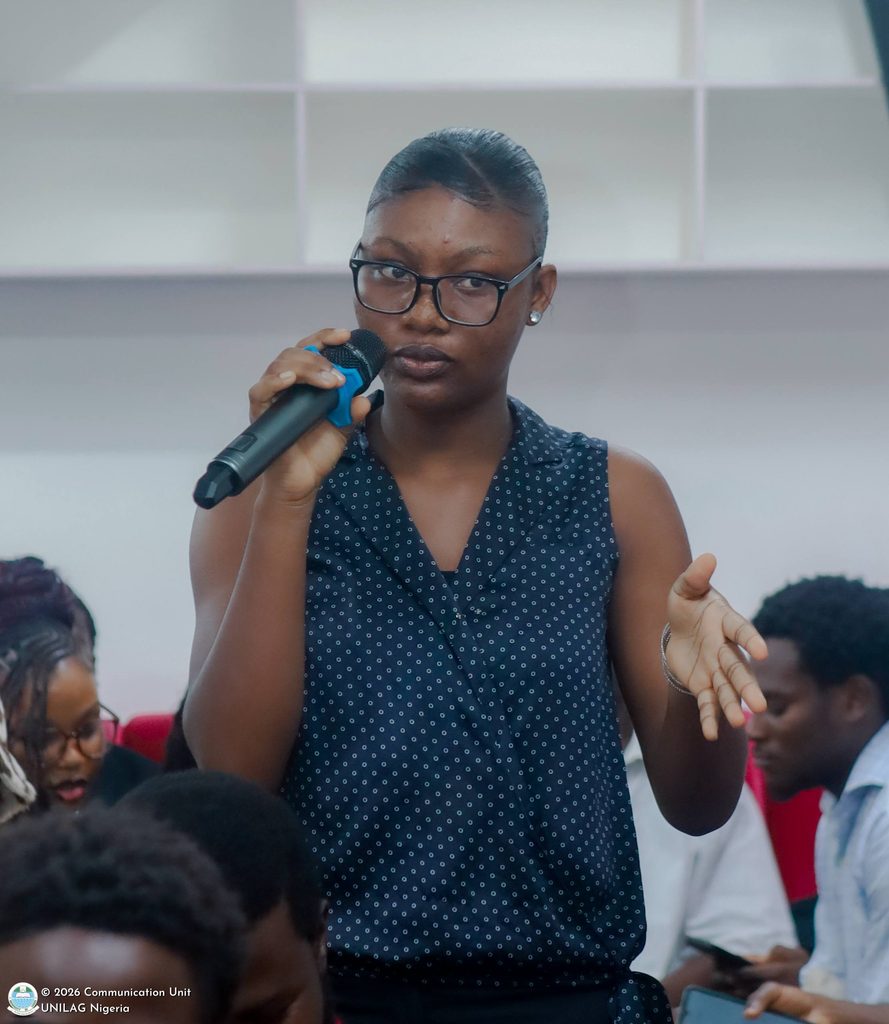



A visually impaired student also challenged the final-year students to use the AI tool most familiar to them to carry out a task aimed at learning more about themselves. The exchange further highlighted the need to understand the capabilities and limitations of AI tools and to use them responsibly.
Another question concerned whether summaries of academic articles generated with AI could be identified as AI-produced when submitted for assignments. The discussion highlighted that such summaries remained AI-generated content, reinforcing the need for students to follow institutional guidelines, verify information and develop their own analysis.
Window on America Director Encourages Students to Apply Knowledge Acquired
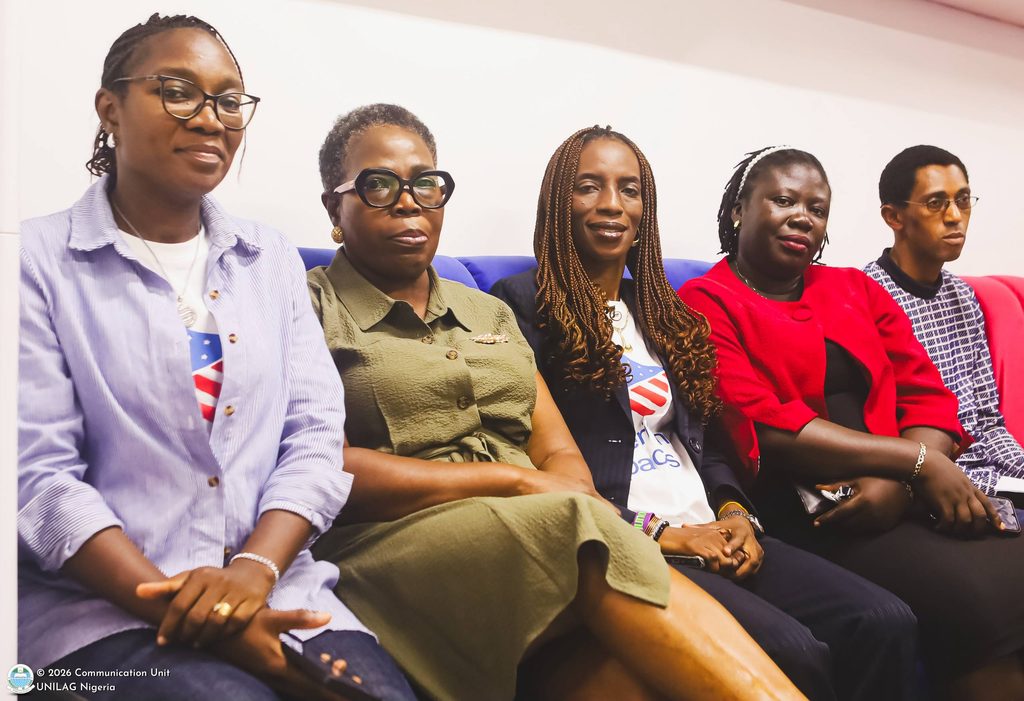
In her closing remarks, the Director of the Window on America Centre, Dr. Tenny Obiageli Egwuatu, acknowledged and appreciated the commitment of Professor Yetunde Zaid for remaining throughout the training and encouraged students to put the knowledge acquired into practice.
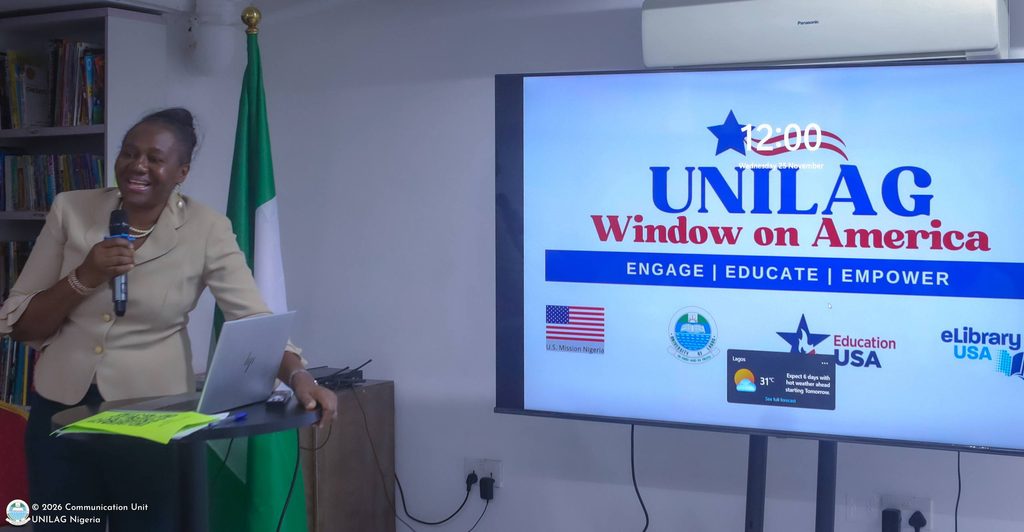

She urged participants to make effective use of the lessons from the sessions, stressing the importance of being deliberate in their engagement with AI tools. Her message to the students was to “be smart to get smart results” from artificial intelligence.
Dr Egwuatu also introduced the Centre as a resource hub providing access to books, laptops, information and educational resources, particularly on universities and study opportunities in the United States. These include information on admission requirements, examinations, application processes and fully funded study opportunities.
She encouraged students and members of the university community to visit the Centre, explore its resources and share information about its services with friends, colleagues and members of their communities. She also highlighted its programmes and collaborations involving American universities, with activities covering creative arts, mathematics education, study skills and English.


Earlier, Professor Yetunde Zaid had cautioned students to approach AI use carefully, particularly as they prepared their independent research projects. She urged them to “tread with caution” and understand “what is permissible and what is not”, encouraging them to listen attentively and engage actively with the presentations.
The training was well received by participants, who described it as an eye-opener to the possibilities and potential applications of AI in academic and research activities. They also expressed a better understanding of how AI tools could be used ethically and responsibly to support academic work and research productivity.
The initiative highlighted the value of knowledge transfer and peer learning in higher education, demonstrating how students can translate opportunities received into learning experiences for others. It also reinforced the importance of developing AI literacy and promoting the responsible integration of Artificial Intelligence into academic, research and professional practice.
The Department expressed appreciation to the American Window Centre for providing the venue and the necessary support that contributed to the success of the programme.
Report: Lynda Onah
Photography: Ayo Oloyede