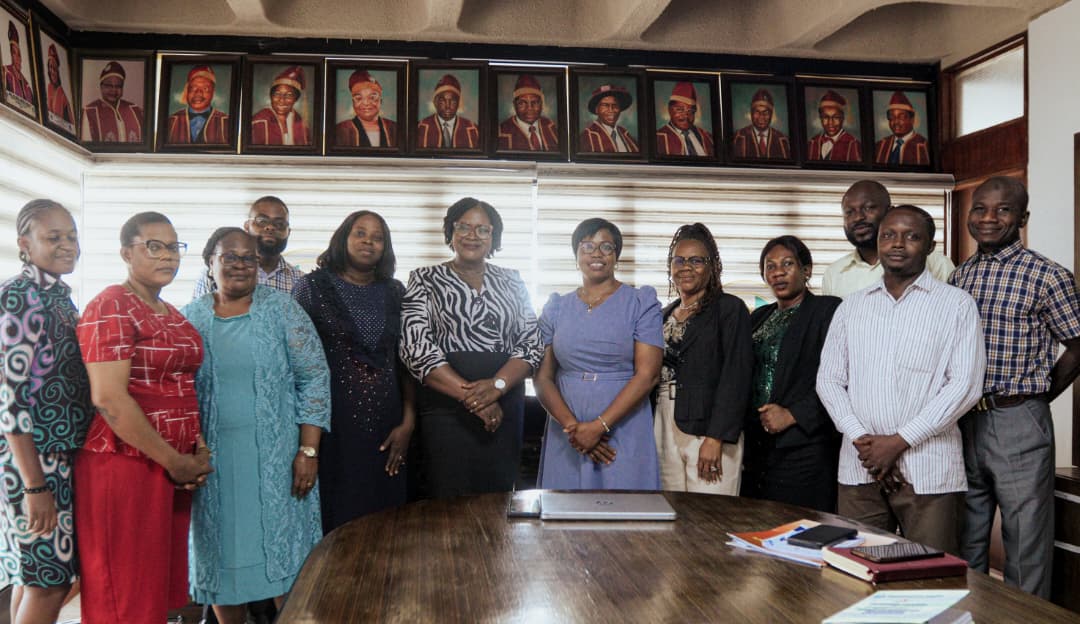
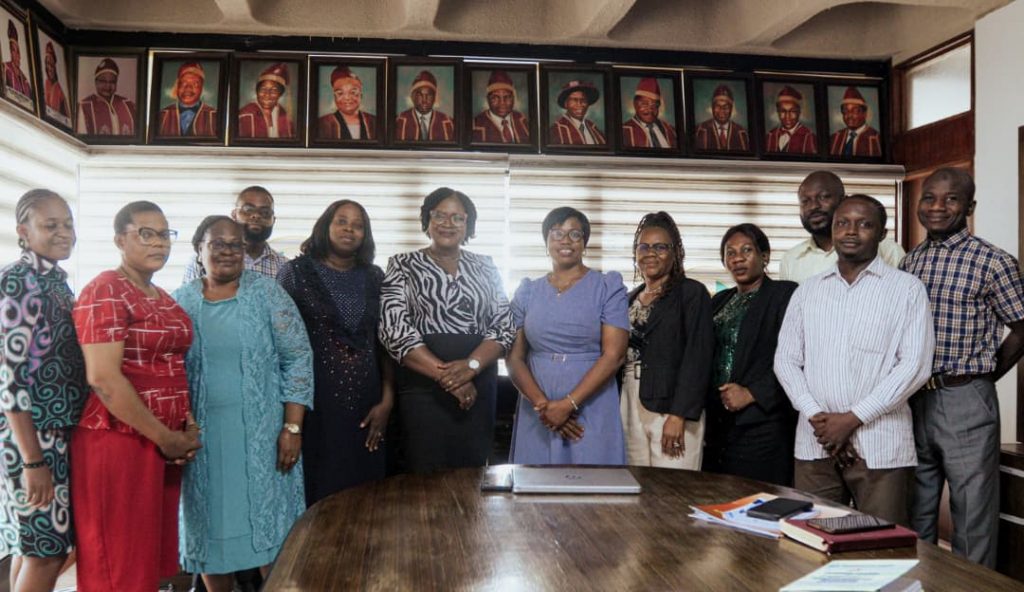
The Office of the Registrar, University of Lagos (UNILAG), on Monday, September 14, 2026, organised an internal capacity-building programme for its administrative staff, focusing on strategic leadership, conflict management and digital transformation.
Held at the Registrar’s Conference Room, the training featured two sessions: “Leading with Purpose: Strategic Leadership for Excellence” and “Conflict Management and Digital Transformation for Effective Administration.” The sessions were facilitated by the two Deputy Registrars in the Registrar’s Office, Mrs. Nneka Ugochukwu and Mrs. Helen Oribayo.

Mrs. Ugochukwu and Mrs. Oribayo recently participated in a two-day Strategic Leadership Workshop organised by the Staff Training and Development Unit (ST&DU, UNILAG) for senior staff in the Registry and Bursary cadres. A key requirement of the workshop was for participants to cascade the knowledge gained to other administrators within their offices, to ensure all staff acquire the skills and perspectives required for effective decision-making and leadership in a rapidly changing university environment.
Leading with Purpose
Facilitating the first session, Mrs. Ugochukwu emphasised that leadership extends beyond formal positions, noting that every staff member can demonstrate leadership through initiative, responsibility, and commitment to duty.

She introduced participants to John Maxwell’s Five Levels of Leadership, which highlights progression from positional authority to leadership built on relationships, results, personal development and lasting impact. She encouraged staff to build trust, earn respect and deliver measurable results that contribute to the University’s growth.The session also underscored teamwork, accountability, professionalism and a teachable attitude as essential qualities for effective administration.

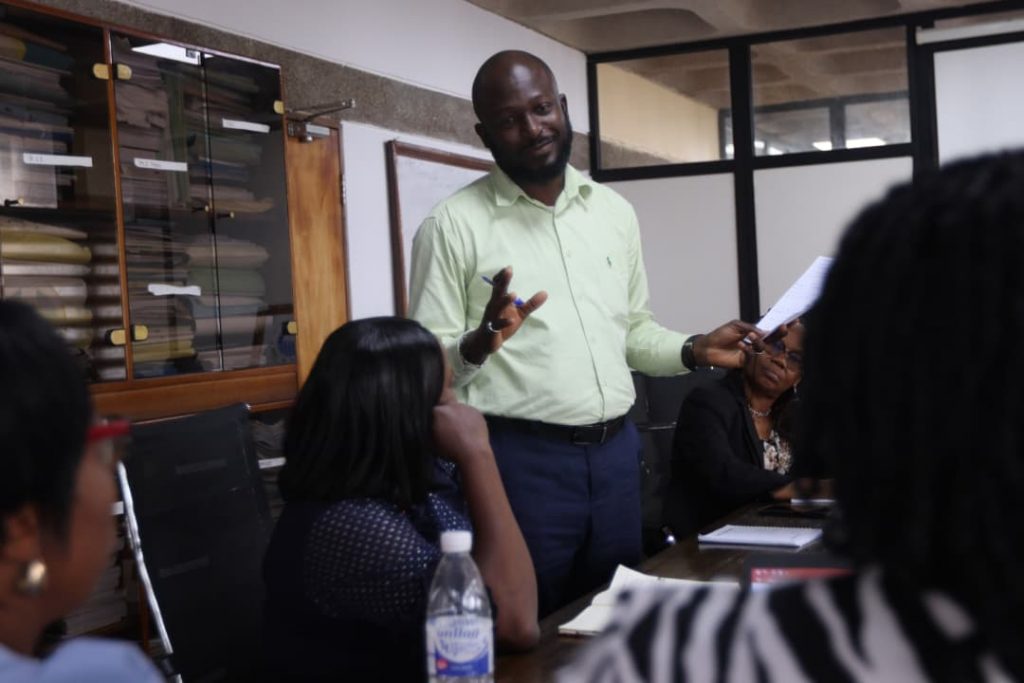
Mrs. Ugochukwu highlighted job rotation as a means of broadening administrative knowledge, developing new competencies and strengthening institutional capacity. She urged staff to apply lessons from the training to their daily responsibilities by demonstrating initiative, accountability, teamwork and commitment to continuous improvement.
Managing Conflict and Embracing Digital Transformation
The second session, facilitated by Mrs. Oribayo, focused on effective conflict resolution, digital competence, change management and career development.

Introducing the LURA approach: Listen, Understand, Resolve Professionally and Agree on a Way Forward, Mrs. Oribayo encouraged staff to adopt constructive strategies for resolving workplace disagreements. She stressed that unresolved conflicts could negatively affect teamwork, productivity and service delivery.
On digital transformation, she encouraged staff to develop proficiency in emerging technologies, including Artificial Intelligence tools such as Gemini and Claude, to streamline routine tasks and enhance productivity.
She, however, stressed that technology should complement, not replace, human judgment and accountability. She urged staff to use digital tools responsibly while maintaining appropriate oversight of technology-assisted tasks and decisions.

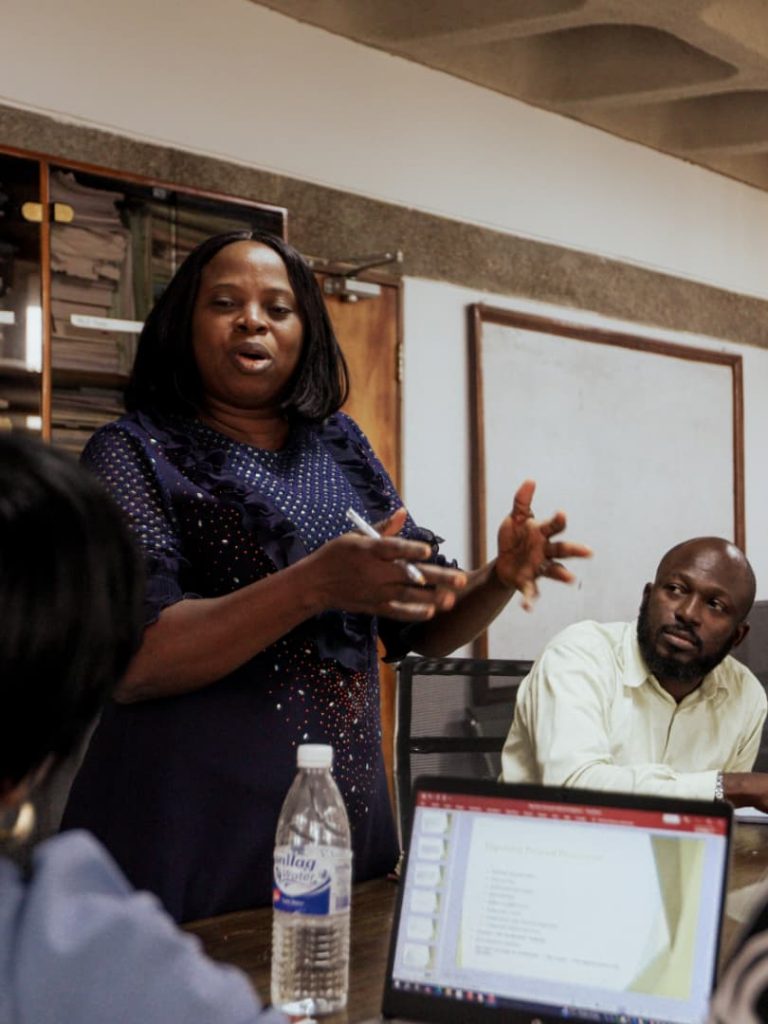
Mrs. Oribayo also challenged participants to identify repetitive manual processes in their units that could be streamlined through technological solutions, including industrial scanners and digital tracking systems.
Preparing for Future Leadership
The two facilitators encouraged staff to adopt proactive attitudes towards organisational and technological change, emphasising continuous learning, openness to innovation and acquisition of relevant skills.
On career development, they urged staff to take ownership of their professional growth by familiarising themselves with the University’s career structure, policies and promotion requirements. They emphasised the importance of emotional intelligence and leadership development, noting that effective leadership preparation should begin before an employee assumes a formal leadership position.
The training concluded with a call for staff to embrace continuous self-improvement, personal accountability and purposeful leadership, while contributing collectively to a more efficient, innovative and future-ready University
Report: Oluwatoyin Ojo-Alo
Photograph: Quadry Maleeq Daniel (Intern)