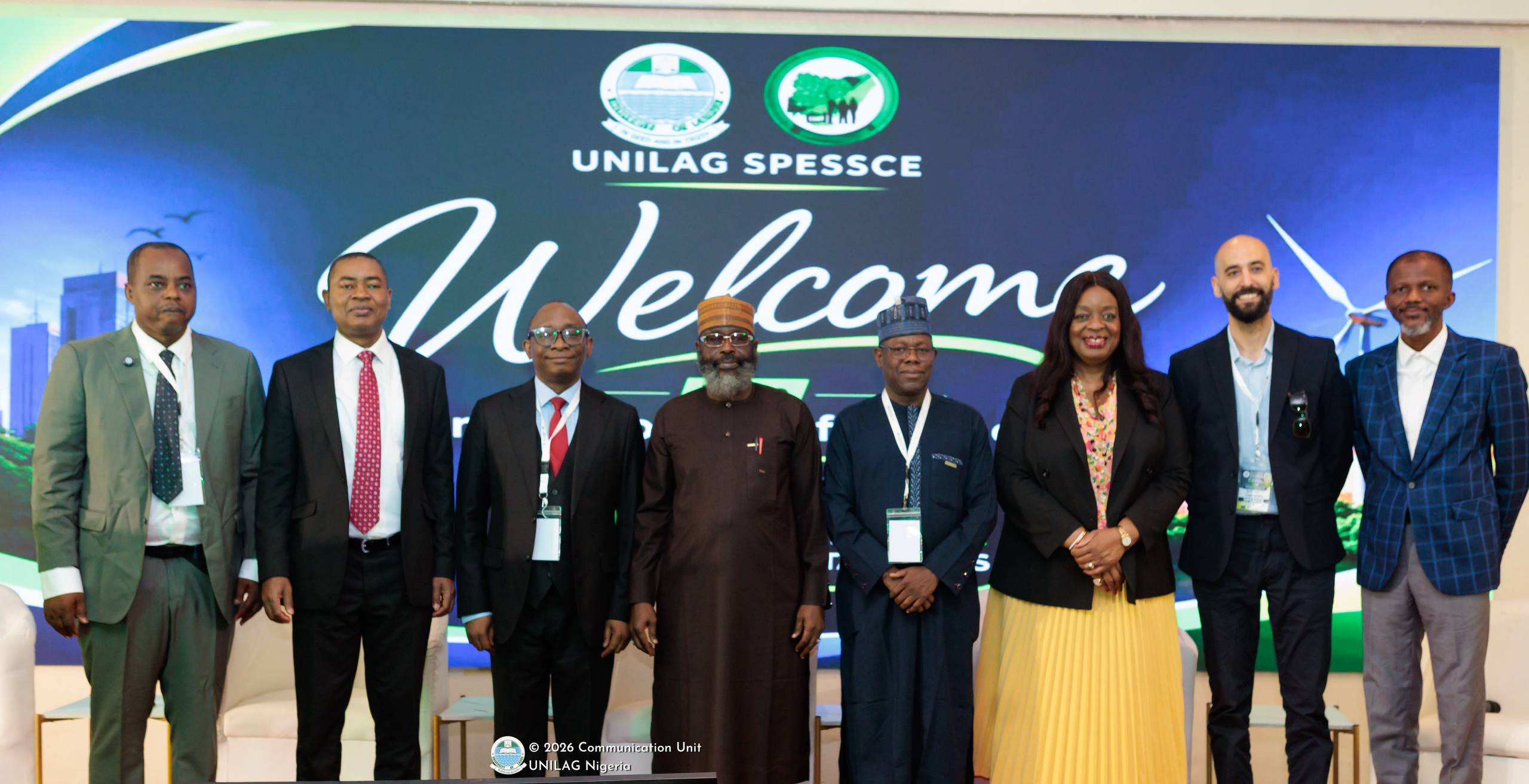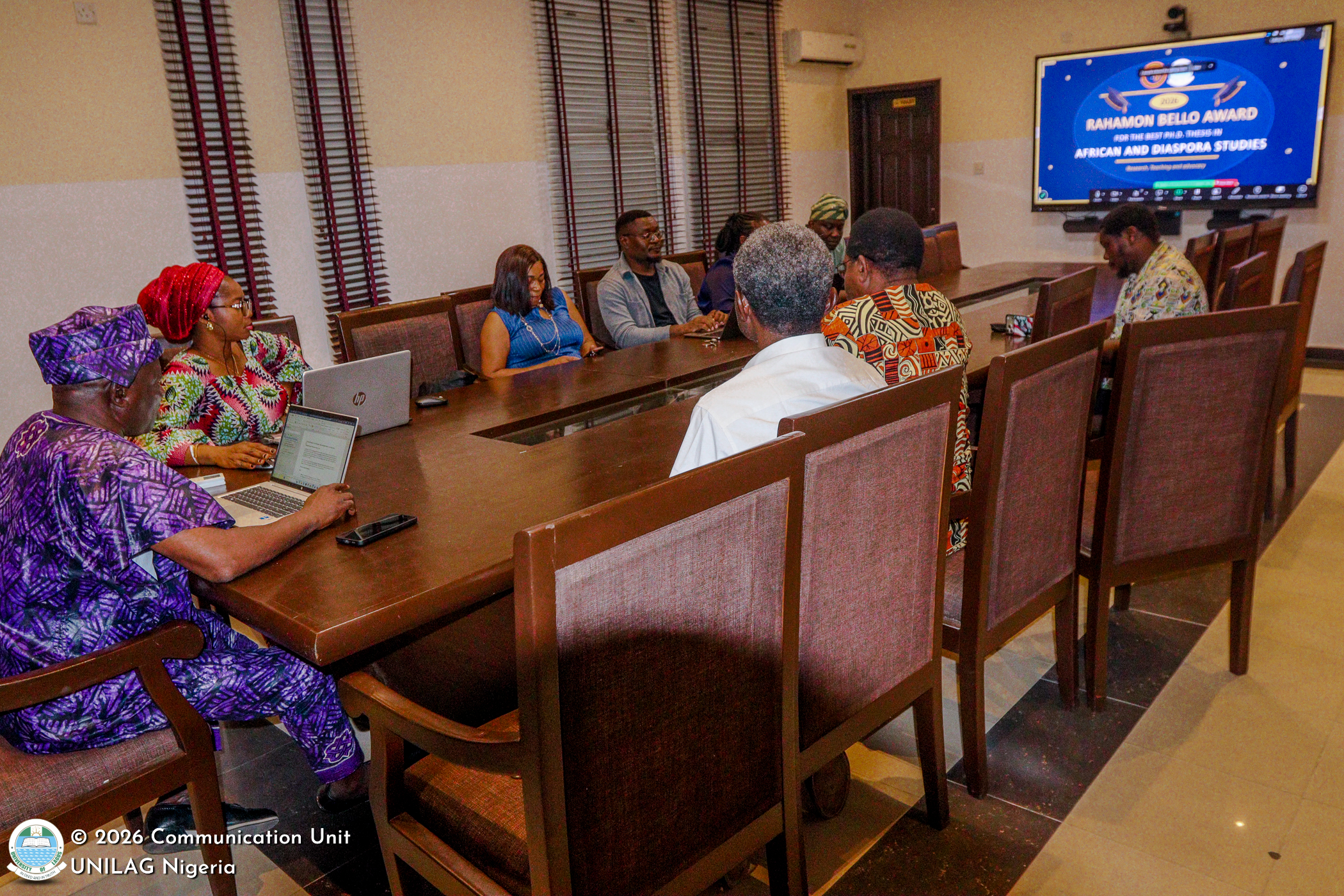
The University of Lagos Sustainable Procurement, Environmental and Social Standards Centre of Excellence (UNILAG-SPESSCE) on Monday, November 16, 2026, commenced an international conference aimed at advancing sustainable development through effective procurement practices, environmental responsibility and social standards.
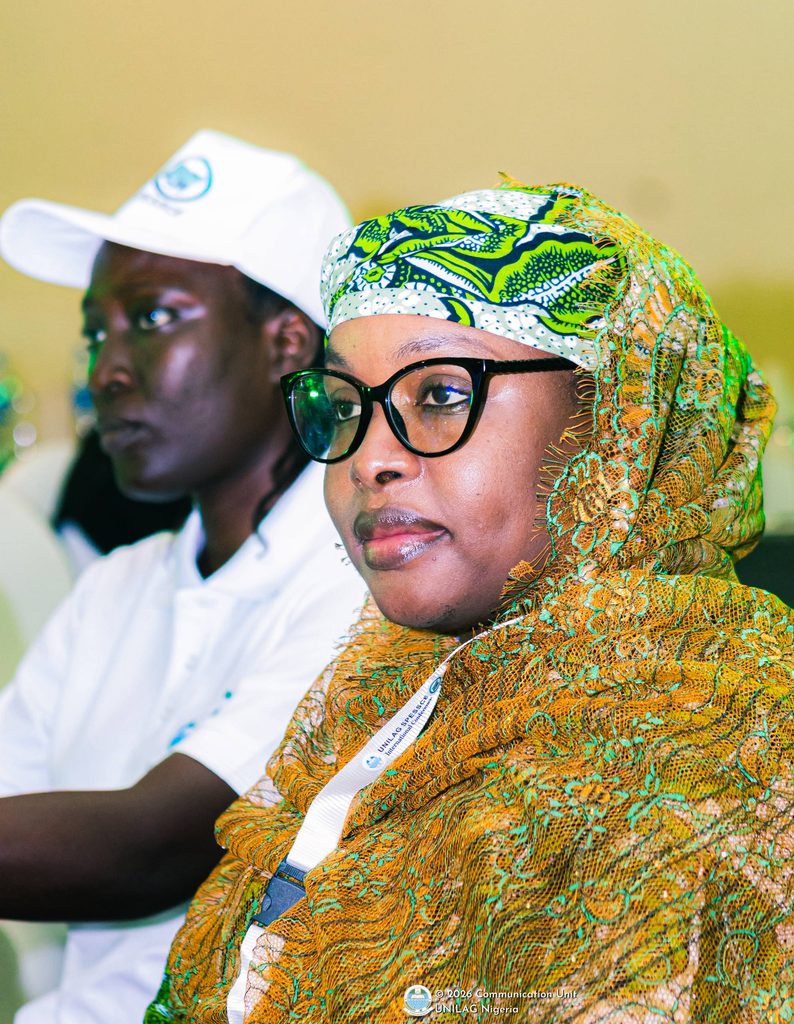
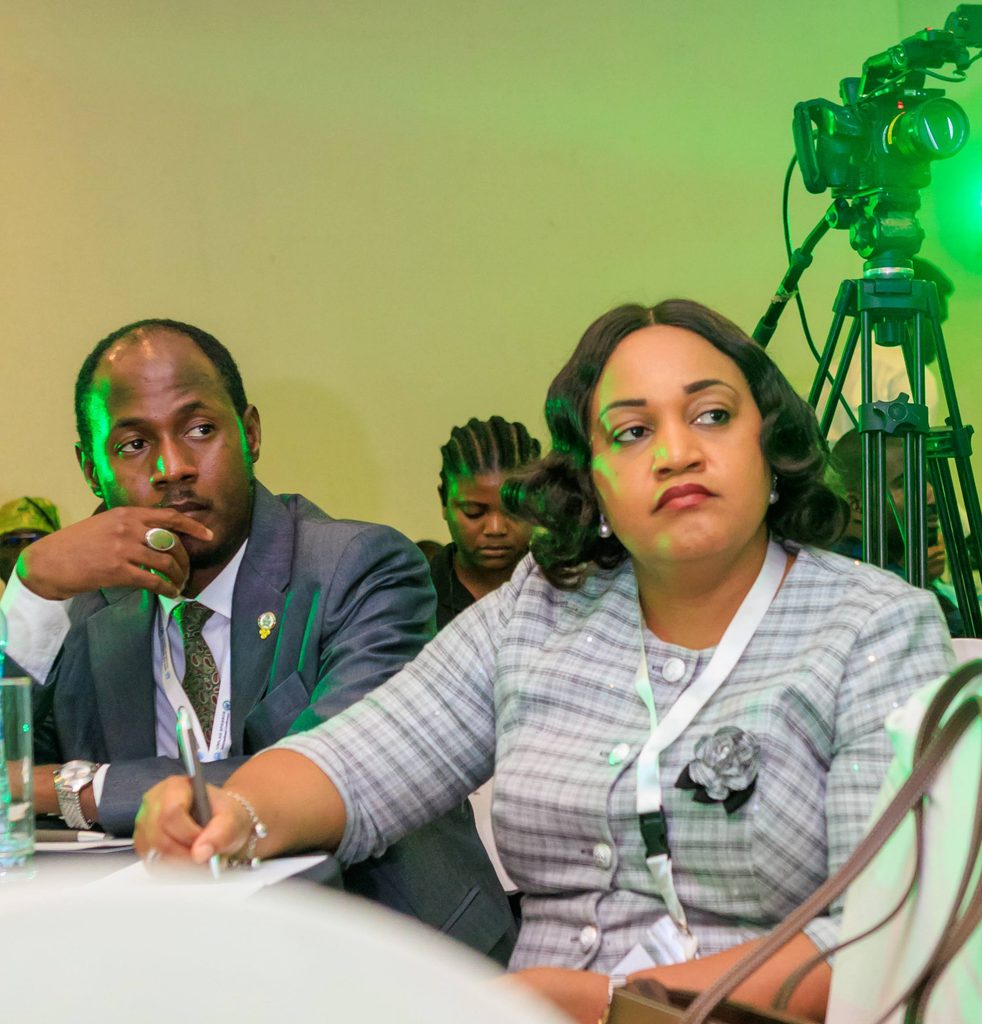
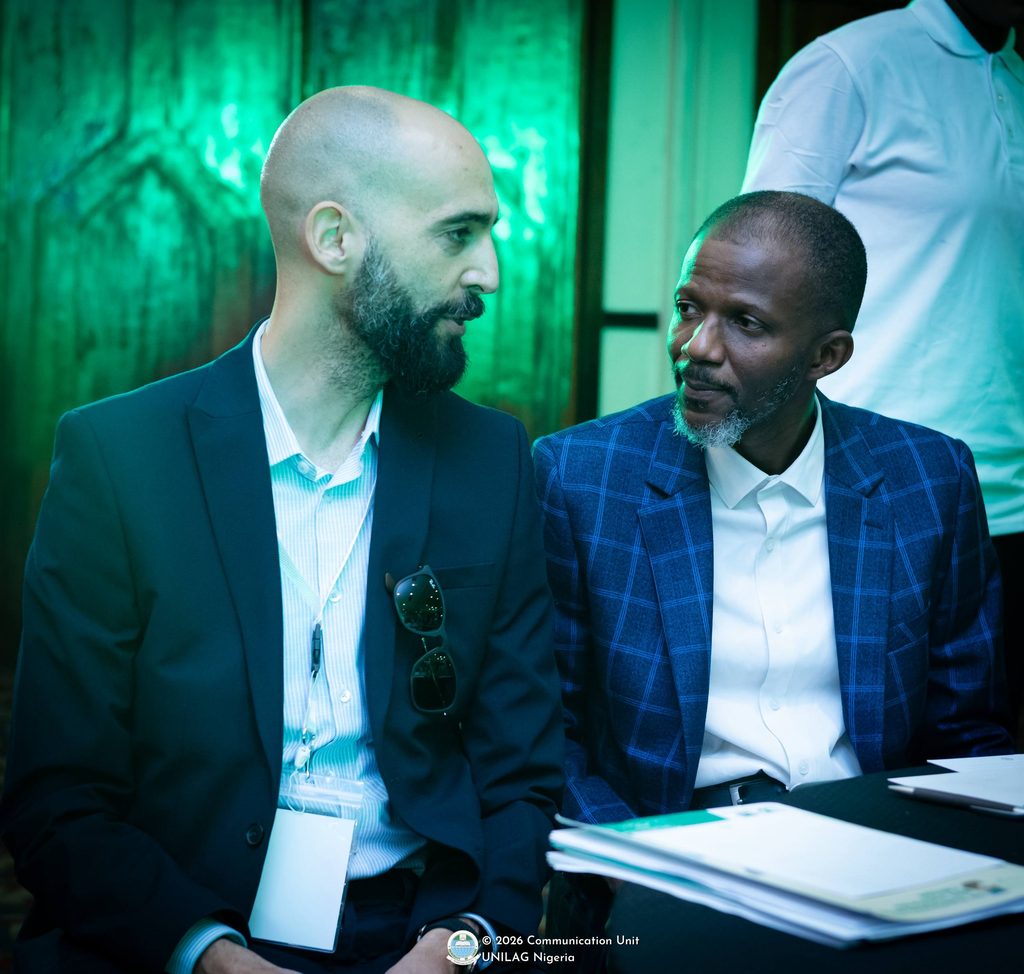
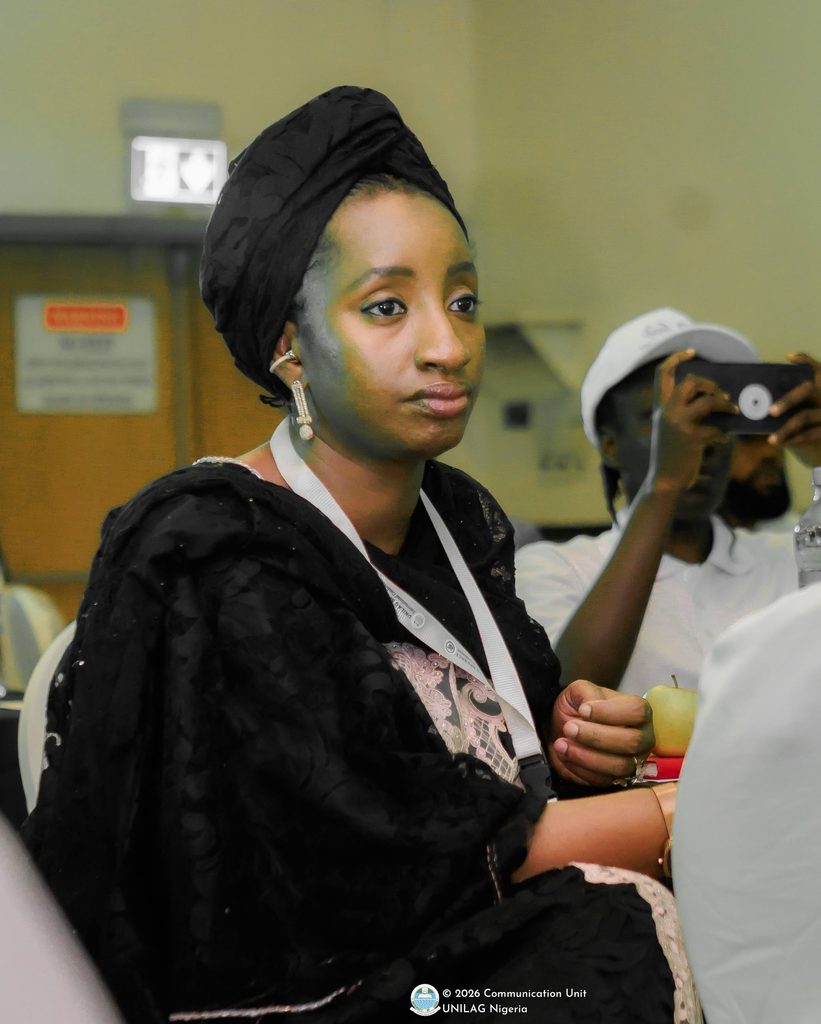
Themed “Sustainable Development Tool: Procurement, Environmental and Social Standards,” the conference, holding at the Sheraton Hotel, Ikeja, Lagos, brings together policymakers, development partners, procurement professionals, environmental practitioners, engineers and scholars to explore strategies for strengthening institutional capacity, promoting transparency and advancing sustainable development across Nigeria.
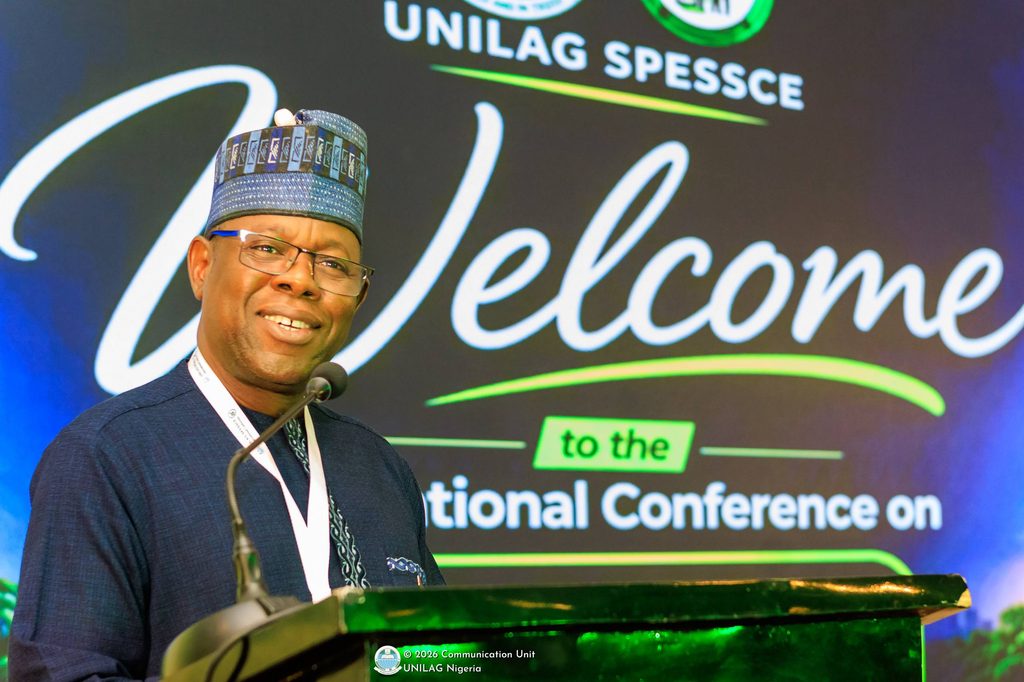
Welcoming participants, the Director/Centre Leader of UNILAG-SPESSCE, Professor James Akanmu, described the gathering as a strategic convergence of stakeholders committed to improving procurement systems and promoting sustainable development.
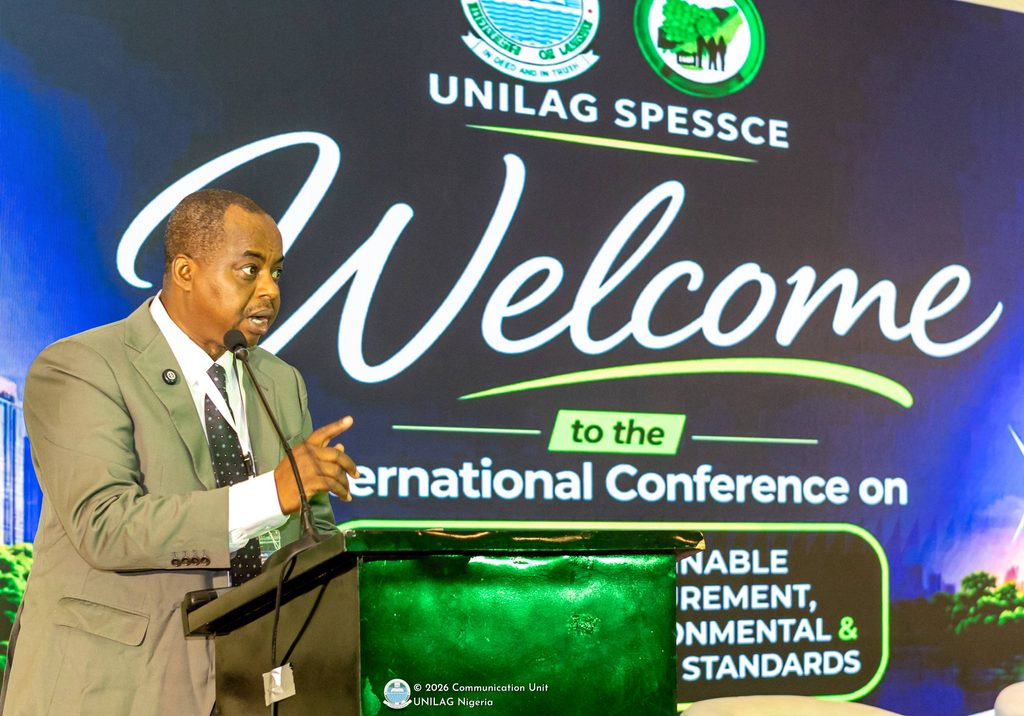
Prof. Akanmu emphasized that effective procurement and contract management are critical to translating infrastructure policies into meaningful socio-economic outcomes. He noted that procurement systems must be anchored on integrity, value for money, and sound environmental and social risk management to ensure that public expenditure delivers resilient infrastructure, inclusive communities and measurable progress towards the United Nations Sustainable Development Goals (SDGs).
The Professor of Water Resources Engineering expressed optimism that the conference would provide an opportunity for participants to interrogate existing frameworks, share practical experiences and build enduring professional networks. He urged delegates to ensure that their deliberations produced actionable policy recommendations and innovative approaches capable of raising standards across public institutions and agencies.
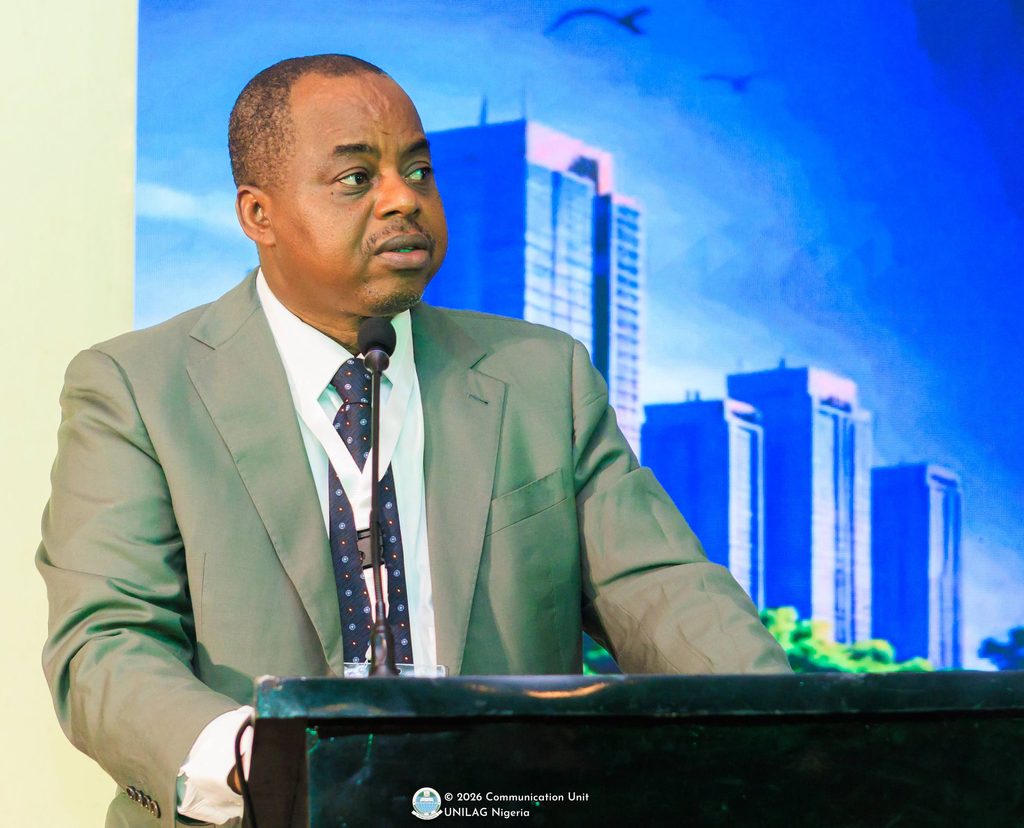
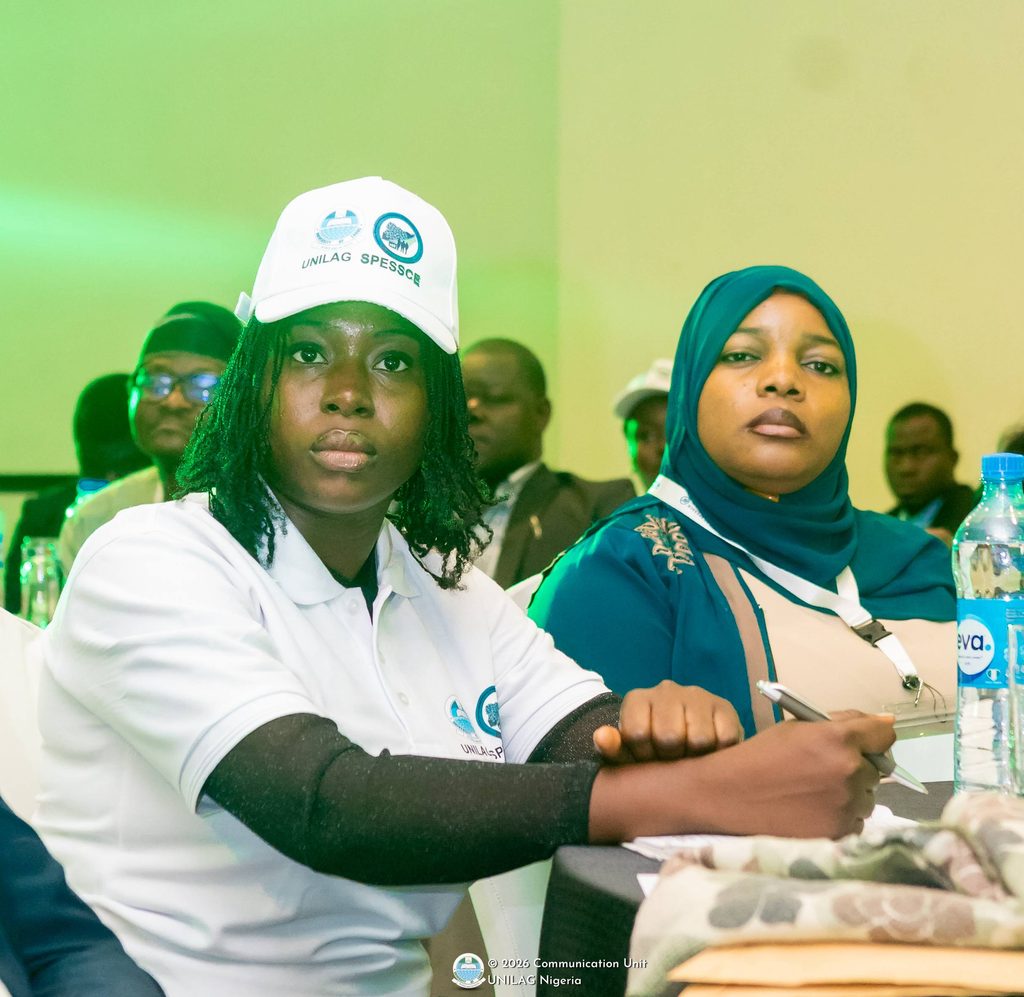
BPP Director-General Addresses the Conference
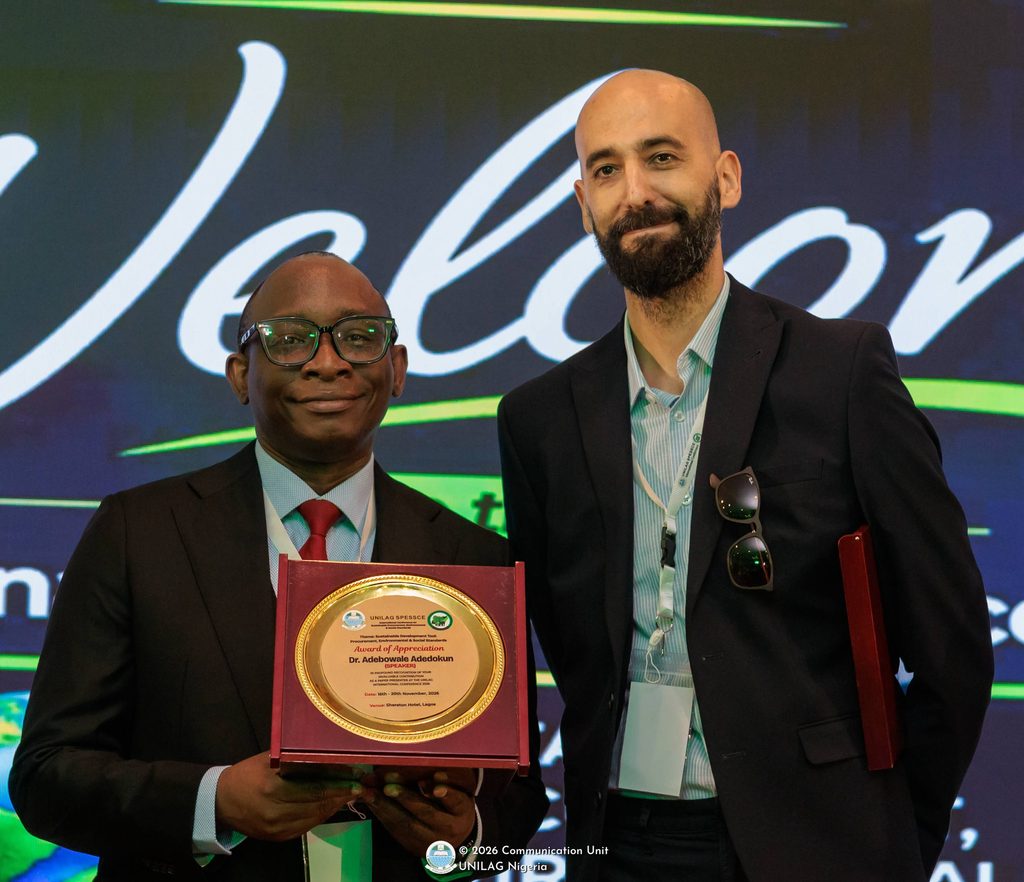
Delivering a keynote address, the Director-General of the Bureau of Public Procurement (BPP), Dr Adebowale Adedokun, described the conference as a timely platform for strengthening procurement systems and advancing sustainable development in Nigeria through effective procurement practices.
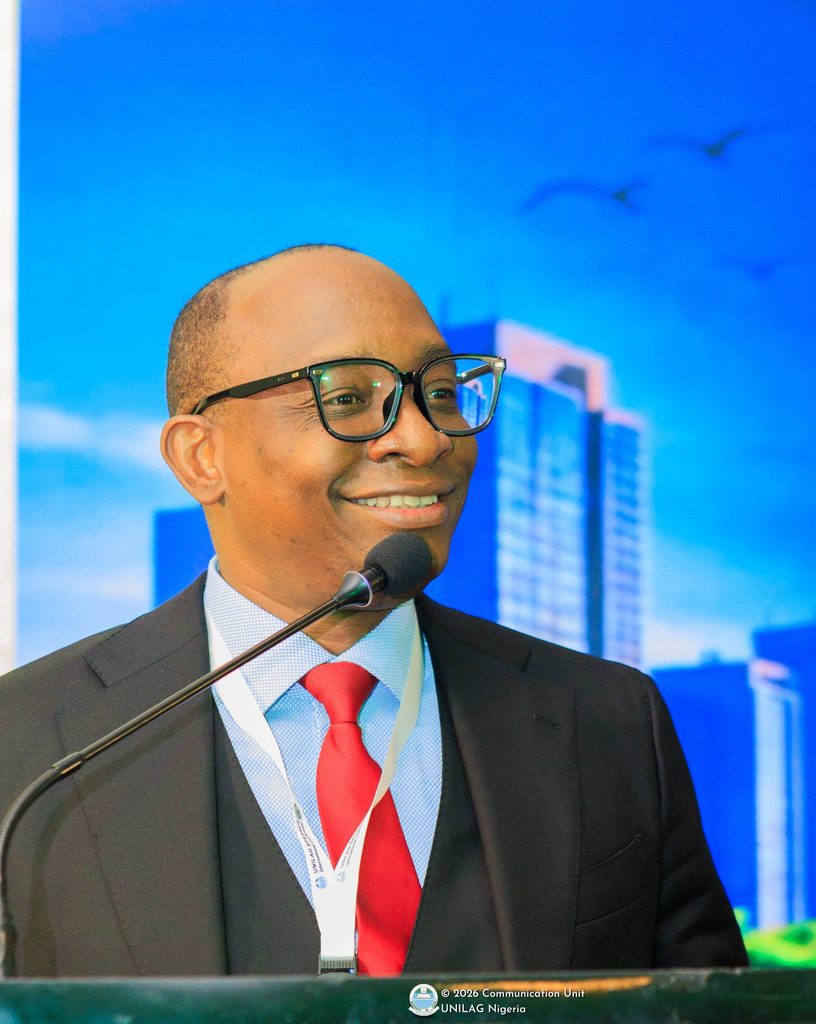
He commended the UNILAG Management, the leadership of UNILAG-SPESSCE, particularly its Director/Centre Leader, Professor James Akanmu, and the Centre’s development partners for their commitment to procurement education, research, capacity building and professional development.
Dr. Adedokun noted that public procurement had evolved beyond the routine acquisition of goods, works and services into a strategic instrument for economic transformation, industrial development, job creation, social inclusion and environmental sustainability. He particularly highlighted the need to reposition procurement as a recognized profession through structured training, certification and continuous professional development.
The BPP Boss disclosed that the bureau was championing the introduction of Procurement Clubs and a zero-credit course on public procurement in tertiary institutions across Nigeria to familiarize students with procurement principles, ethics, transparency and accountability, while developing a pipeline of future professionals.
The BPP Director-General also stressed the importance of strengthening local industries and Micro, Small and Medium Enterprises (MSMEs), promoting indigenous participation and ensuring that procurement contributes meaningfully to employment generation and national economic growth. He called for stronger collaboration among government institutions, universities, professional bodies, development partners and the private sector, alongside a review of the Public Procurement Act 2007 to reflect emerging realities and sustainability priorities.
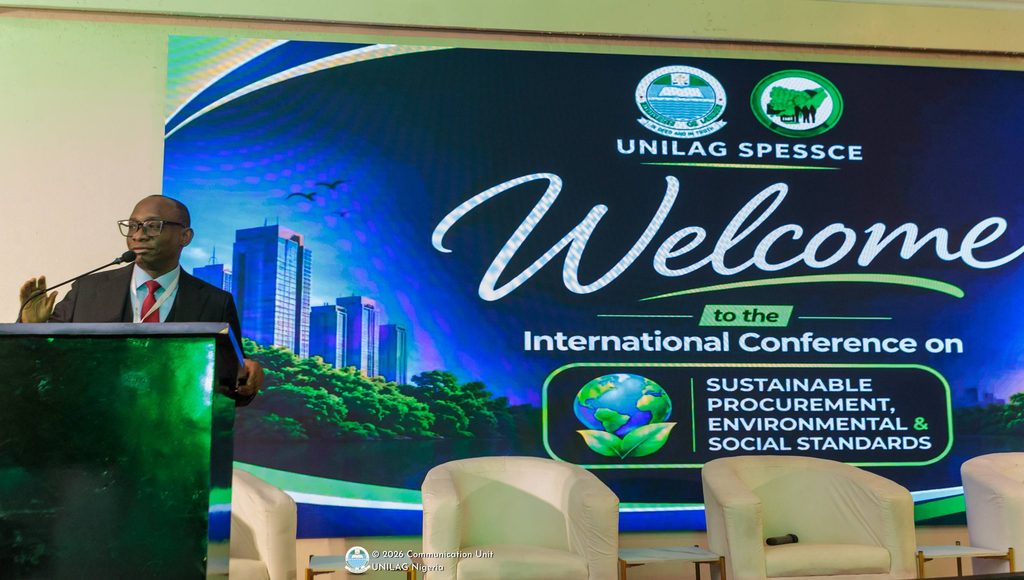
Urging participants to translate their discussions into practical solutions, Dr. Adedokun reaffirmed the Bureau’s commitment to the SPESSE Programme and the Federal Government’s procurement reform agenda. He maintained that procurement systems must deliver more than regulatory compliance, by creating measurable value, strengthening institutions and improving the lives of citizens.
Goodwill Messages
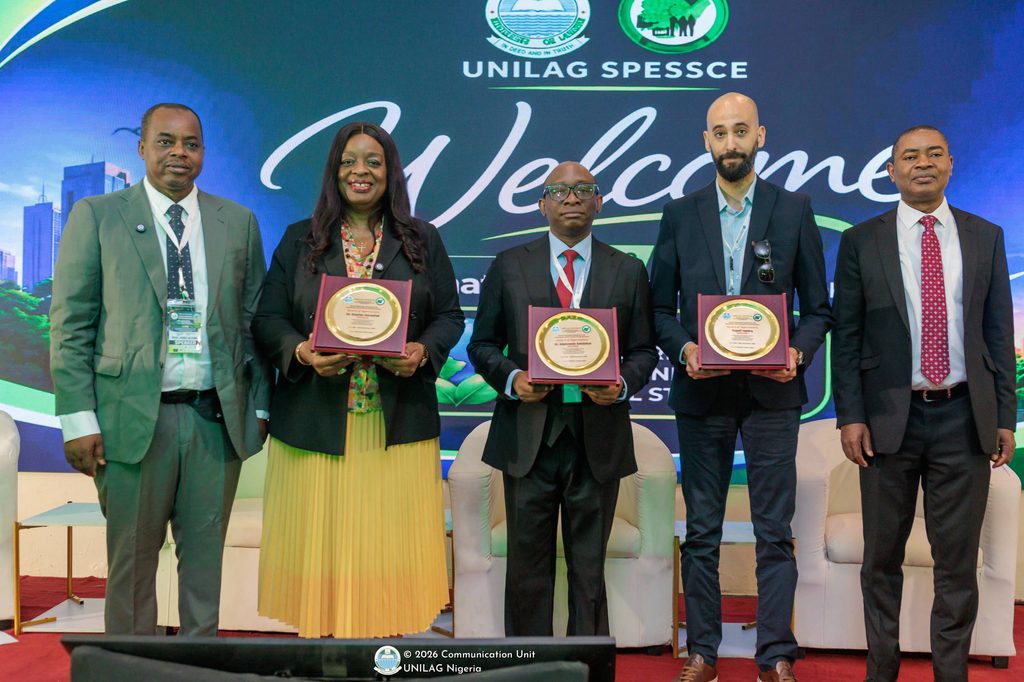
There were goodwill messages by the Director, Special Projects, National Universities Commission (NUC), and National Coordinator of the World Bank-supported ACE-Impact and SPESSE Projects, Dr Joshua Atah; AfDB Regional Environmental and Social Coordinator, Yusef Hatira; NLNG’s General Manager, External Relations and Sustainable Development, Dr Sophia Horsfall; Environmental Standards/SPESSE Project Node Coordinator, Mr Hussein Shittu; and the General Manager, Kwara State Public Procurement Agency, QS Raheem Abdulbaki. They all commended UNILAG-SPESSCE for its leadership and contributions to advancing procurement, environmental standards and social responsibility in Nigeria.
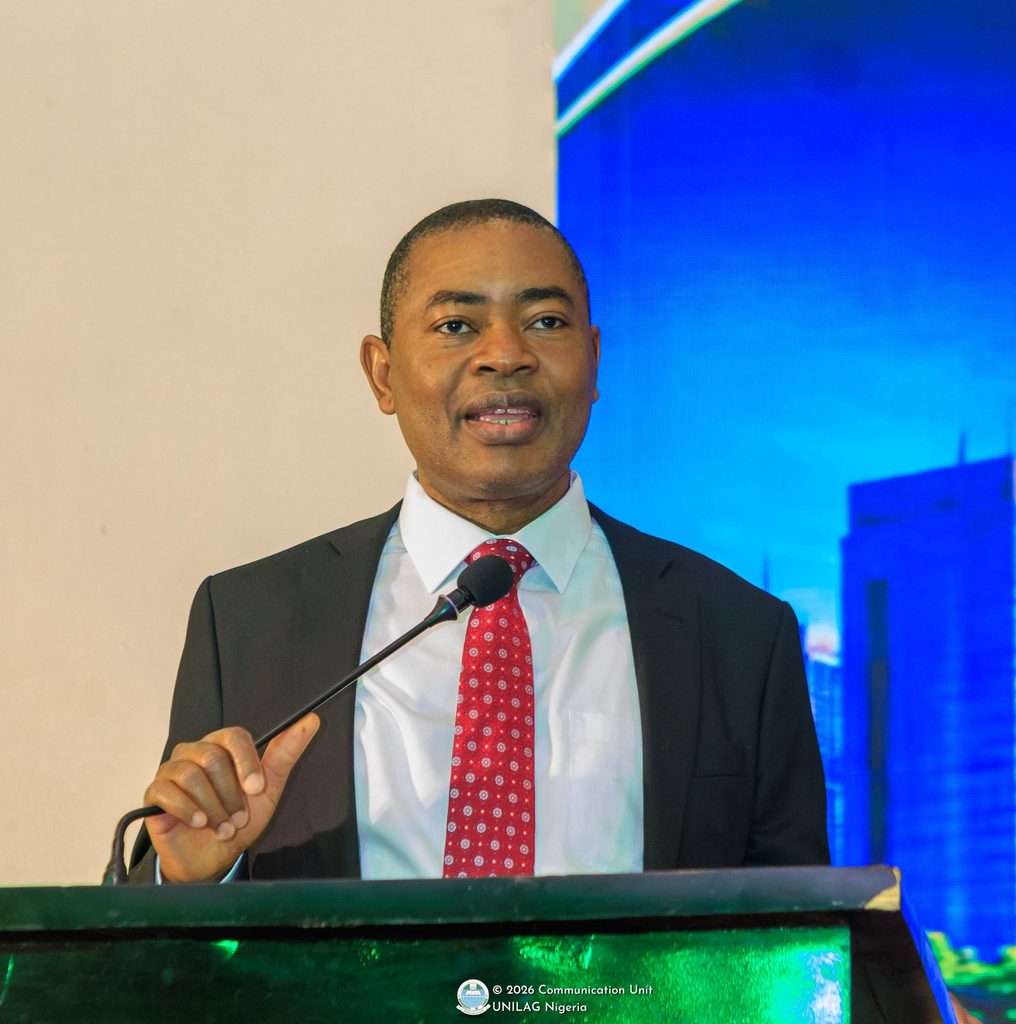
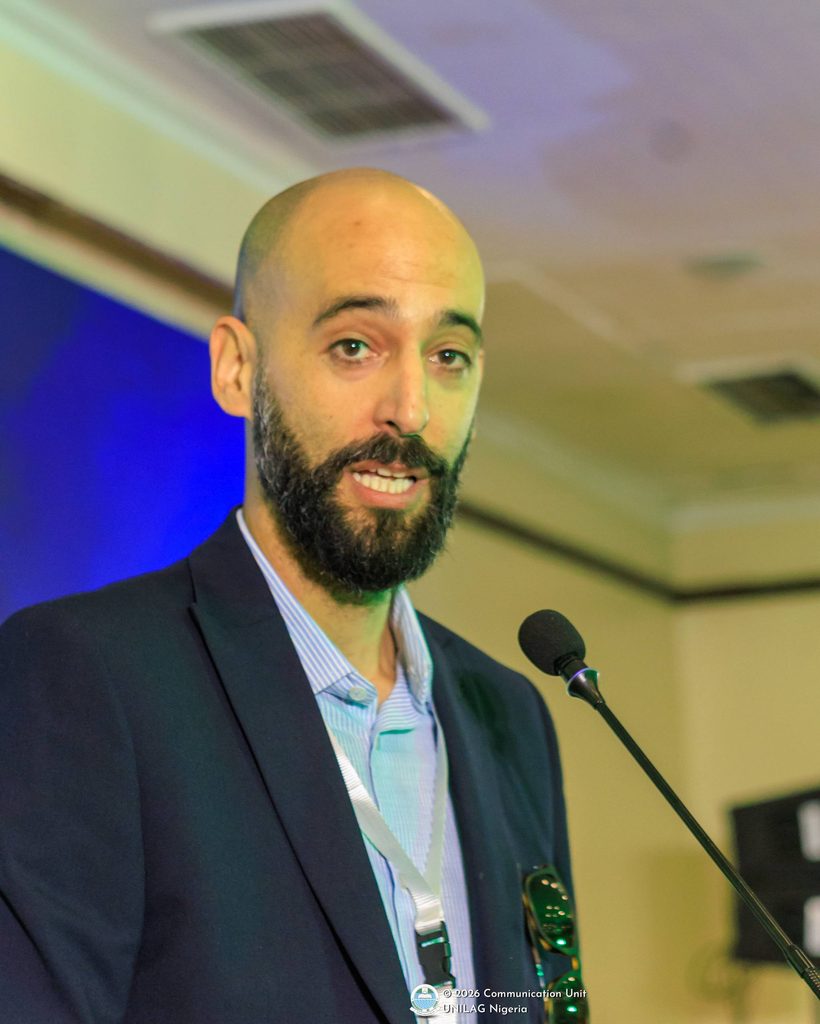
The speakers particularly applauded the Centre’s efforts in manpower development, describing its capacity-building initiatives as important to strengthening the professional knowledge and institutional expertise required to transform public and sustainable procurement in the country.
Keynote Presentations
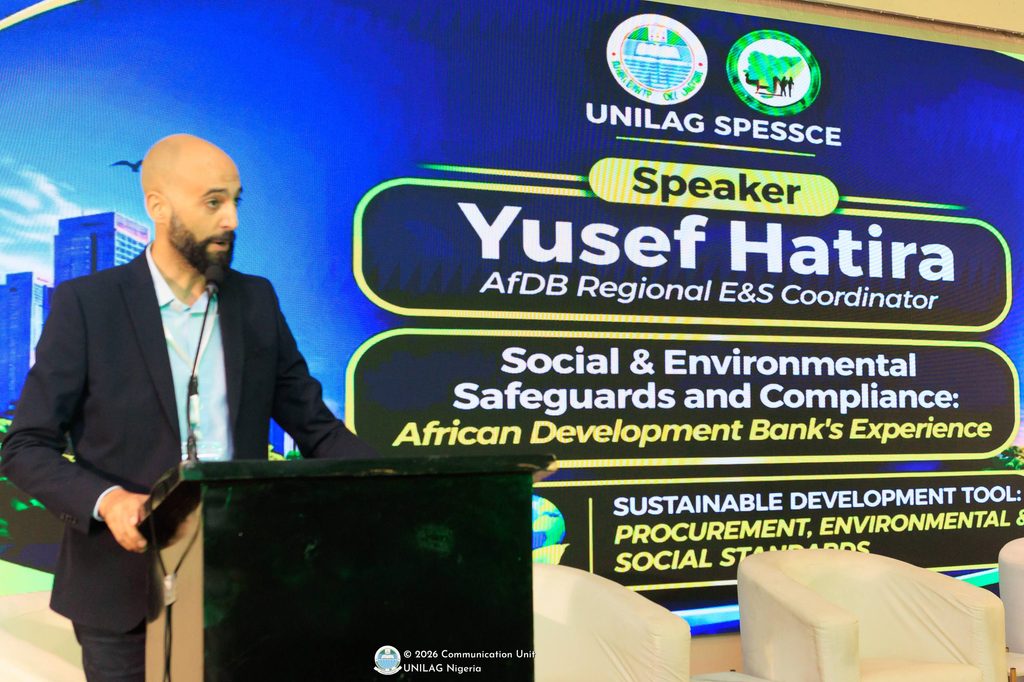
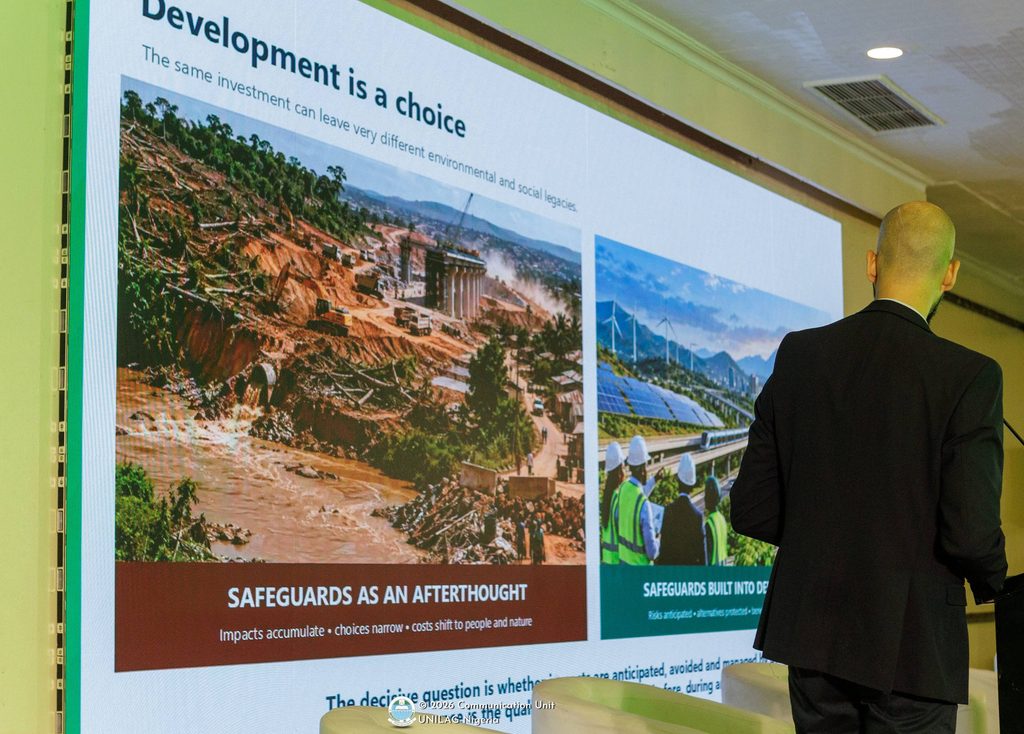
Delivering a keynote address, the African Development Bank’s (AfDB) Regional Environmental and Social Coordinator, Yusef Hatira, underscored the importance of integrating environmental and social safeguards into the planning, procurement and implementation of development projects to secure lasting benefits for communities and the environment.
Titled “From Safeguards to Sustainable Development: Social and Environmental Safeguards and Compliance – African Development Bank Experience,” Mr. Hatira, in his presentation, explained that safeguards should be regarded not merely as procedural requirements but as development tools that promote informed decision-making, minimize risks and protect development gains.
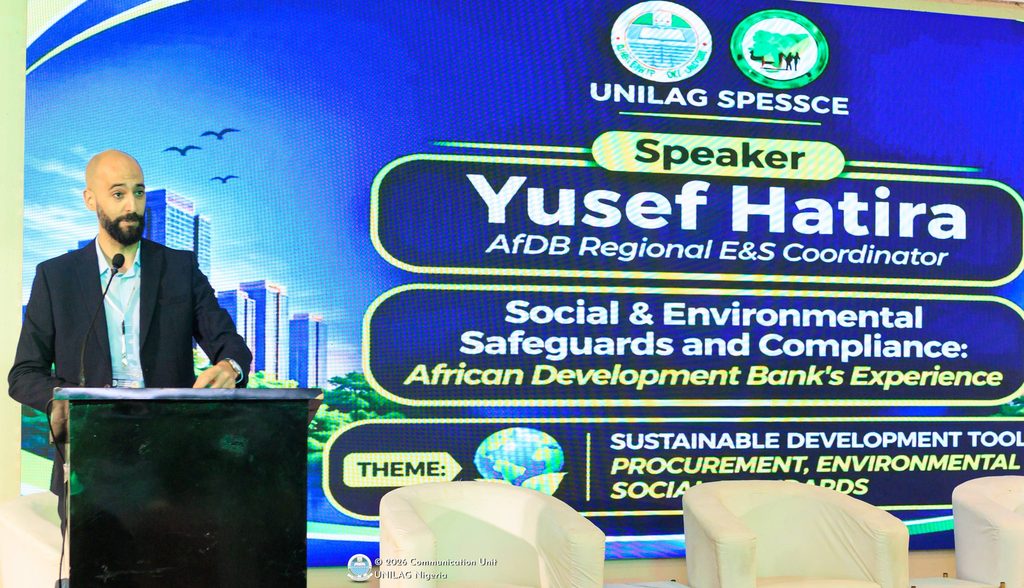
He highlighted the AfDB’s Integrated Safeguards System (ISS), which provides a framework for identifying, assessing and managing environmental and social risks throughout the project life-cycle. The framework, accoding to him, covers areas including labour and working conditions, pollution prevention, community health and safety, land acquisition and resettlement, biodiversity conservation, vulnerable groups and stakeholder engagement.
Using illustrative examples of solar-hybrid energy and urban mass-transit projects, the AfDB boss demonstrated how development initiatives, despite their positive objectives, could generate adverse environmental and social consequences if associated risks were not properly managed. He noted that renewable energy projects still require attention to workers’ safety, hazardous waste disposal and community health, while urban transport projects must adequately address land acquisition, compensation and restoration of affected livelihoods.
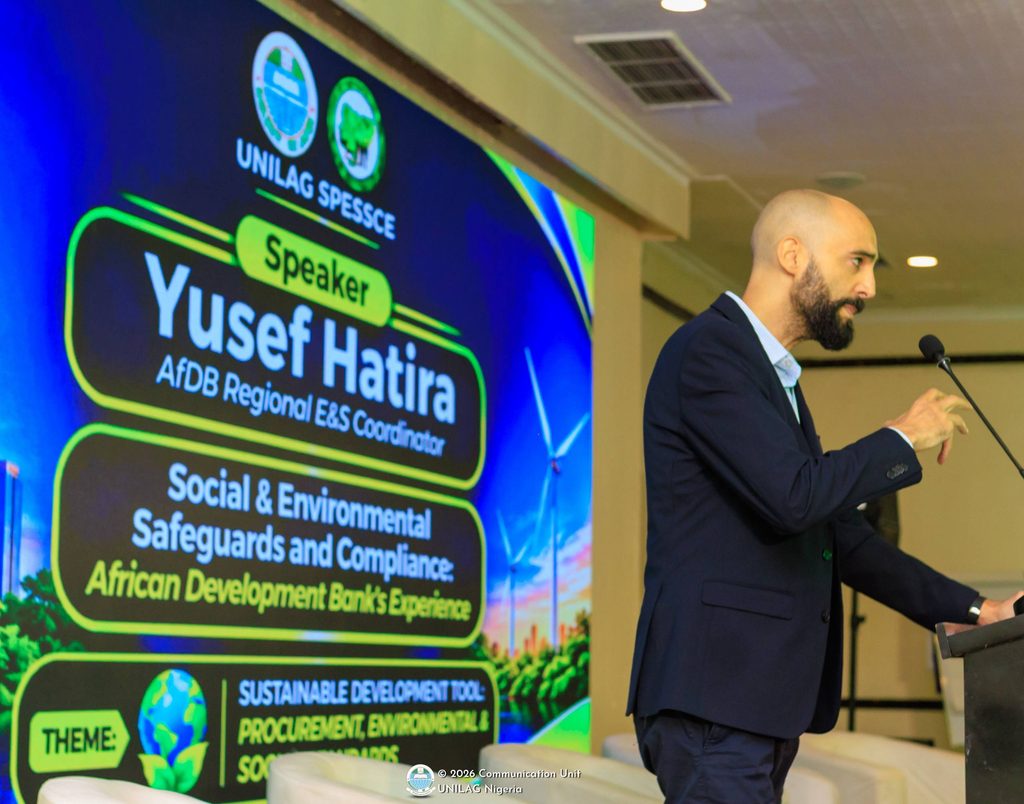
Mr Hatira identified early planning, institutional capacity, meaningful stakeholder engagement, effective contractor management, monitoring and accessible grievance mechanisms as essential to successful safeguards implementation.
On sustainable procurement, Hatira emphasised that environmental and social commitments must be incorporated into bidding documents, contractor qualifications, contract clauses, performance indicators and monitoring arrangements to ensure effective implementation. According to him, where such requirements are not reflected in procurement documents and contracts, they risk remaining aspirations rather than enforceable obligations.
In other to achieve desired sustainable development, Mr. Hatira stressed the need for stakeholders to make informed decisions, translate commitments into effective implementation and strengthen institutional and national systems to ensure that development outcomes endure beyond individual projects.
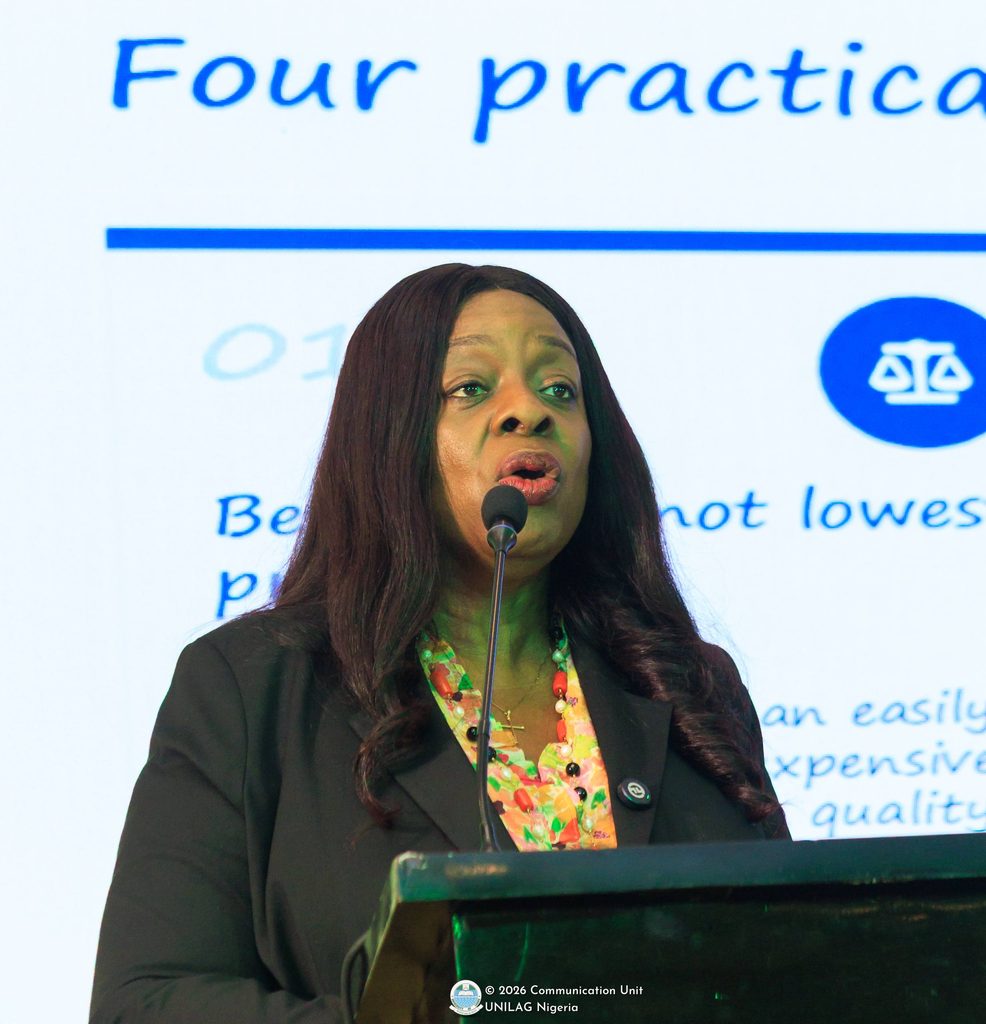
In another keynote presentation, the General Manager, External Relations and Sustainable Development, Nigeria LNG Limited (NLNG), Dr Sophia Horsfall, described procurement as a strategic instrument for driving sustainable development, noting that purchasing decisions shape economic growth, environmental responsibility and social impact.
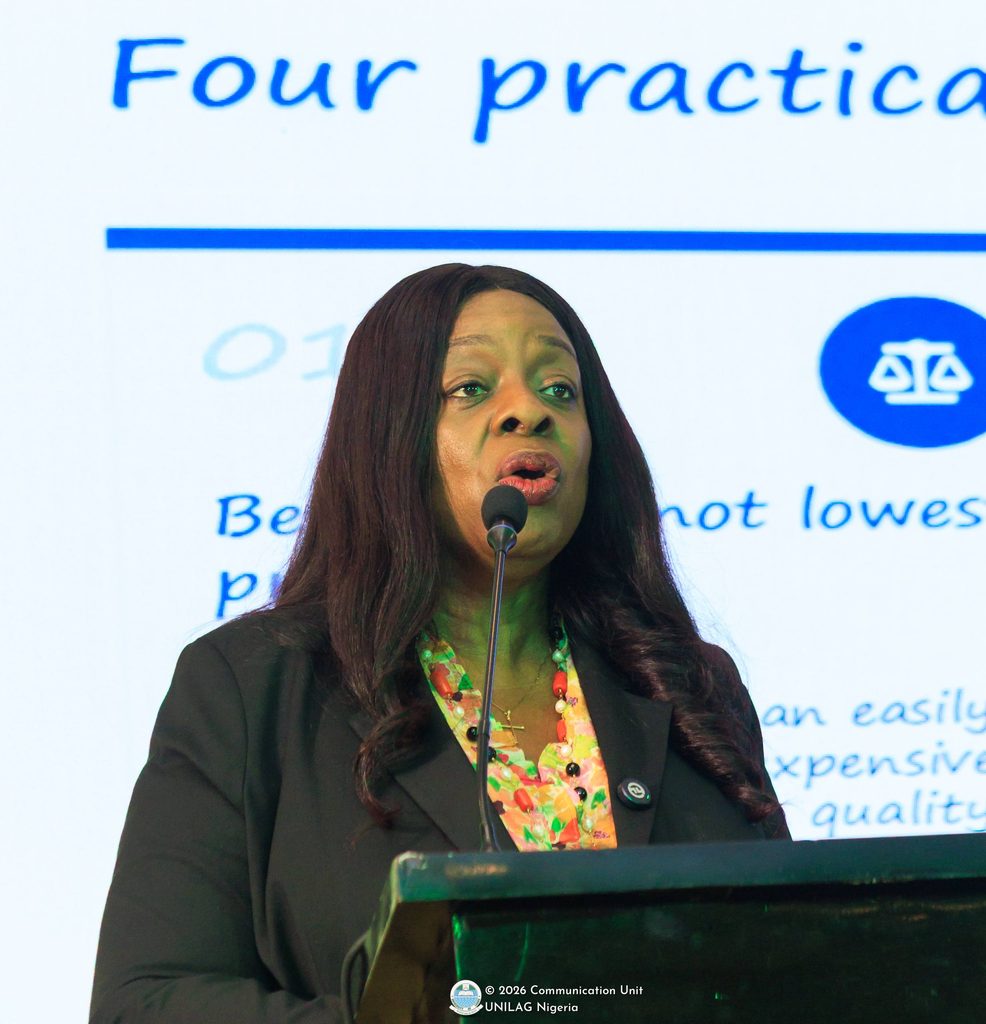
Speaking on the theme, “What We Buy Is Who We Are: NLNG Sustainability Principles – The NLNG Experience,” Dr. Horsfall explained that sustainable procurement goes beyond securing goods and services at the lowest price to prioritizing quality, integrity, safety and local capacity development. She outlined four principles guiding NLNG’s approach namely: best value rather than lowest price; uncompromising integrity; safety as an integral part of every contract; and deliberate investment in local value creation.
Illustrating the impact of this approach, Dr. Horsfall cited NLNG’s support for a Nigerian manufacturer to develop its capacity to produce high-density polyethylene water pipes to international standards, replacing previously imported products. According to her, the initiative strengthened local manufacturing, created jobs and skills, improved supply-chain reliability and supported access to safe water in host communities.
Dr. Horsfall also highlighted the company’s Nigerian Content initiatives under its Train 7 project, which recorded approximately 92 per cent Nigerian Content participation and more than 120 million man-hours. She noted that Nigerian manufacturers were increasingly producing equipment such as pressure vessels, pipes and valves, while other interventions included training more than 300 community vendors, facilitating access to finance and supporting local businesses to improve their technical capacity.
She stressed that the outcomes were guided by transparent procurement processes, supplier pre-qualification, health and safety requirements, performance monitoring and appropriate sanctions for established breaches.
The NLNG boss listed limited technical capacity, access to finance, inefficient manual processes and integrity risks as some of the challenges affecting sustainable procurement and local vendor participation.
To address these gaps, she advocated the integration of environmental, social and lifecycle-cost considerations into procurement decisions, greater access to finance for local businesses, digitization of procurement processes and stronger collaboration among regulators, industry stakeholders and professional institutions. She also called for multidisciplinary training to equip procurement professionals with the skills required to balance commercial efficiency with environmental responsibility and social inclusion.
The conference also featured a drama presentation reflecting the central theme of the conference to underscore the importance of sustainable procurement, environmental protection and social responsibility.
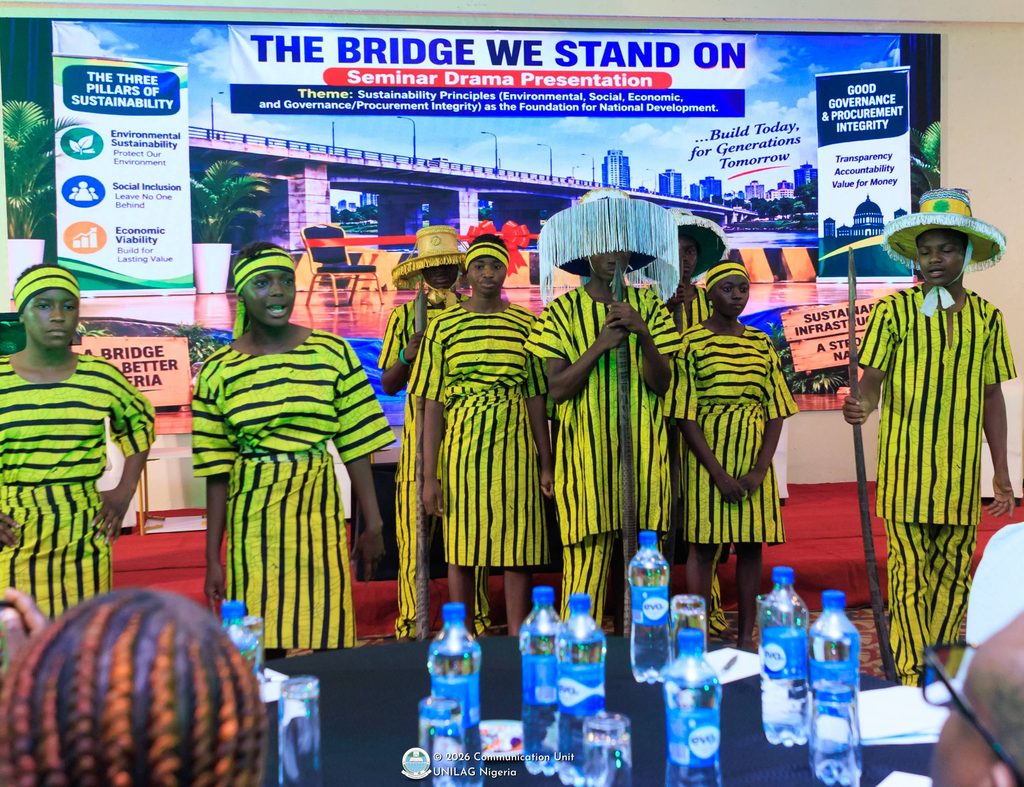

The International Conference continues until Friday, November 20, 2026, with different programmes including panel discussions and keynote presentations by stakeholders across relevant sectors. Other scheduled activities include a field trip to the University of Lagos, the Lagos-Calabar Coastal Road construction site and the National Museum.

Report: Gbenga Gbelee
Photograph: Ayo Oloyede